

We may earn a commission when you buy through links on this page, at no extra cost to you. Learn more.
In a head-to-head matchup of primitivo vs rioja, Primitivo delivers plush, jammy dark fruit, higher alcohol, and softer tannins from southern Italy, while Rioja offers savory red fruit, firmer structure, and mandatory oak aging from northern Spain. Primitivo is a single-variety red wine made from the early-ripening Primitivo grape (genetically identical to Zinfandel) grown mostly in Puglia. Rioja is a regional Spanish blend anchored by Tempranillo and defined by strict barrel-and-bottle aging rules. Choose Primitivo for rich, fruit-forward warmth with barbecue or braised meats, and pick Rioja for layered spice, leather, and bright acidity at the dinner table.
Both bottles sit comfortably on weeknight dinner tables and special-occasion menus alike, yet they represent two classic European winemaking philosophies. One celebrates sun-drenched Mediterranean ripeness and varietal generosity, while the other prizes cool-climate balance, blending, and extended cellar maturation. Understanding how each wine is grown, fermented, and aged makes choosing between them straightforward—whether shopping for a Friday night pizza or a slow-roasted Sunday leg of lamb. For broader context on how regional styles stack up, browse the Wine vs Wine hub.
Core Differences Between Primitivo and Rioja
The fundamental divide in the primitivo vs rioja comparison comes down to grape versus place: Primitivo is a grape variety centered in Italy’s Puglia region, whereas Rioja is a protected Spanish wine region built around Tempranillo blends. That distinction shapes everything from alcohol levels to how long a bottle rests before reaching store shelves.
In Puglia—the sun-baked heel of Italy’s boot—winemakers bottle Primitivo to showcase plush blackberry, plum, fig, and baking spice notes. Warm Ionian and Adriatic breezes push sugar accumulation in the vineyard, frequently yielding dry red wines between 13.5% and 16% ABV with velvety, approachable tannins. Even reserve bottlings emphasize ripe fruit concentration over heavy barrel transformation.
Northern Spain’s Denominación de Origen Calificada (DOCa) Rioja takes the opposite tack. Rather than naming the grape on the front label, Rioja classifies wines by how long they mature in 225-liter oak barrels and glass bottles. According to the Consejo Regulador DOCa Rioja, red Rioja spans four official aging tiers—Generic, Crianza, Reserva, and Gran Reserva—shifting the profile from vibrant cherry and strawberry toward vanilla, cedar, tobacco leaf, and leather.
| Attribute | Primitivo (Puglia, Italy) | Rioja (North-Central Spain) |
|---|---|---|
| Primary Grape(s) | Primitivo (100% or at least 85% in DOC blends) | Tempranillo (87.8% of red plantings), blended with Garnacha, Graciano, and Mazuelo |
| Typical ABV Range | 13.5% to 16.0% | 13.0% to 14.5% |
| Acidity Level | Medium to medium-plus | Medium-plus to high |
| Tannin Profile | Medium, plush, and velvety | Medium to high, structured, and fine-grained |
| Mandatory Aging | None for IGT; ~5 months for Manduria DOC; 24 months (9 in wood) for Riserva | 1–2 years Generic; 2 years Crianza (1 in oak); 3 years Reserva (1 in oak); 5 years Gran Reserva (2 in oak) |
| Dominant Flavors | Blackberry jam, ripe plum, dried fig, black pepper, cocoa | Red cherry, wild strawberry, vanilla, dill, leather, tobacco |
| Serving Temperature | 60–65°F (15.5–18°C) | 60–65°F (15.5–18°C); 55–60°F (13–15.5°C) for young Generic reds |
Grape Varieties and Regional Origins
Primitivo and Rioja owe their personalities to two historic, early-ripening red grapes grown in dramatically different climates. Primitivo thrives in the hot, coastal plains and low limestone hills of southern Italy, while Rioja’s Tempranillo flourishes along the cooler Ebro River valley sheltered by northern Spanish mountain ranges.
Puglia’s Bush Vines and Coastal Microclimates
Primitivo derives its name from the Italian word primo (“first”) because its thin-skinned, dark berries ripen weeks ahead of neighboring southern varieties. According to reporting by Decanter, the grape shares identical DNA with California Zinfandel and Croatian Tribidrag, and growers in Puglia traditionally trained it as low, free-standing bush vines called alberello. Although European Union vine-pull subsidies eliminated more than 80% of Puglia’s historic bush vines over recent decades, surviving 40- to 80-year-old plots in Manduria and Sava still produce intensely concentrated fruit.
Within Puglia, geography creates two distinct styles of Primitivo. Along the warm flatlands of the Taranto province near the Ionian Sea, clay and sandy soils yield full-throttle Primitivo di Manduria DOC wines packed with liquor-soaked berries and dried fruit. Further north in the Bari province, the hilly Gioia del Colle DOC rises to elevations between 650 and 1,400 feet on gravelly iron-rich terra rossa soils, producing brighter, more floral reds with crunchy cherry fruit and peppery spice. Meanwhile, the broader Salento IGT covers the southern peninsula where Adriatic winds keep everyday bottlings juicy and balanced.
Rioja’s Three Zones and Blending Tradition
DOCa Rioja stretches roughly 62 miles along the Ebro River across three autonomous Spanish communities: La Rioja (which holds roughly 69% of vineyard area), País Vasco (Álava), and Navarra. The regulatory board divides the appellation into three sub-zones with distinct elevations and soils. Rioja Alta and Rioja Alavesa sit at higher altitudes in the west and north, where Atlantic influences and chalky clay soils preserve brisk acidity and aromatic lift. Rioja Oriental—formerly called Rioja Baja—occupies the warmer, drier eastern end of the valley, contributing riper fruit and fuller body.
Tempranillo forms the backbone of red Rioja, accounting for 87.78% of all red vineyard plantings and 79.84% of total vineyard acreage in the appellation. Because Tempranillo naturally has moderate acidity and soft, supple tannins, winemakers traditionally blend in smaller amounts of three local partners. Garnacha adds lush red fruit and warmth, Graciano contributes deep color, floral perfume, and vibrant acidity, and Mazuelo (Carignan) reinforces tannic grip for multi-decade cellar aging.
Flavor Profile, Body, and Structure
In the glass, Primitivo feels wider, warmer, and sweeter-fruited on the mid-palate, whereas Rioja feels more linear, savory, and structured from start to finish. Neither wine is actually sweet—both are fermented dry—but ripeness and oak aging create markedly different sensory impressions.
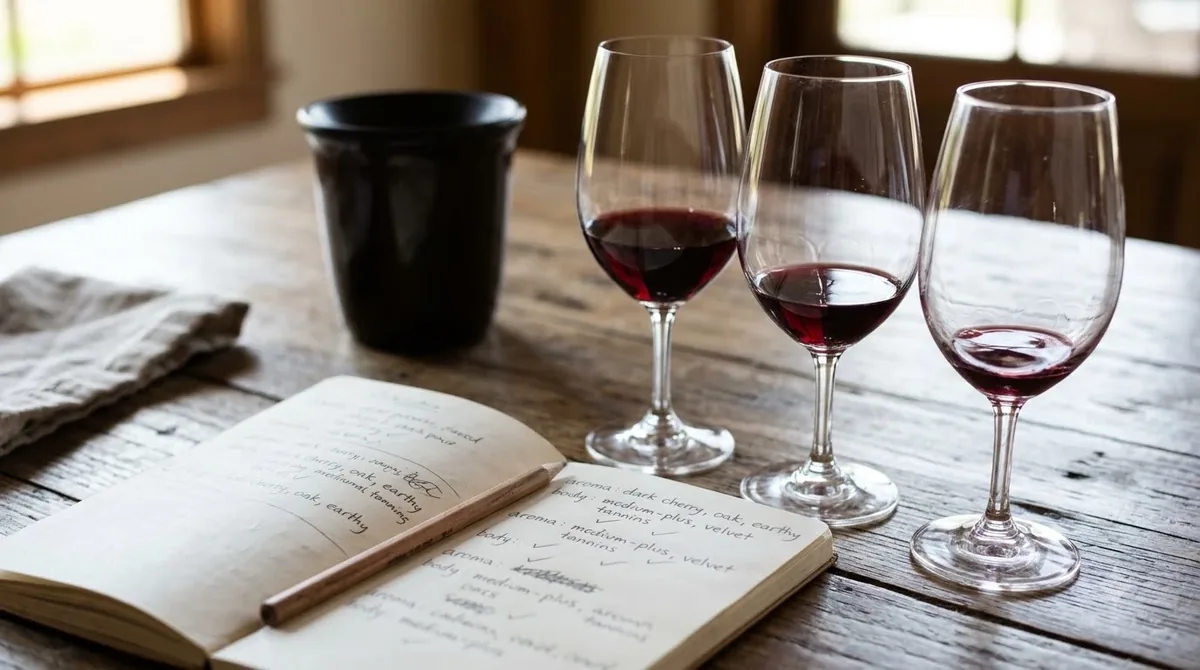
Primitivo hits the nose with concentrated aromas of blackberry preserves, black cherry, stewed plum, and fig, often accented by sweet baking spices, licorice, and dark chocolate. Because Primitivo grapes accumulate sugar rapidly on the vine, winemakers must pick within a narrow harvest window—often targeting roughly 5% naturally raisined berries per bunch—to capture richness without tipping into jammy heaviness. On the palate, generous alcohol (frequently 14.5% to 15.5% ABV) coats the mouth with a plush, round texture while medium, velvety tannins keep bitterness low.
Rioja trades sheer weight for aromatic complexity and tension. Young, unoaked Rioja smells of fresh red cherry, wild strawberry, raspberry, and crushed violet. Once aged in oak barrels, those bright red fruits weave together with unmistakable savory notes of toasted coconut, vanilla bean, dried dill, cedarwood, cigar box, and saddle leather. Medium-plus to high acidity keeps Rioja lively and mouthwatering, while fine-grained tannins provide a firm, dry frame that grips the sides of the tongue.
Tip: Do not mistake Primitivo’s ripe fruit for residual sugar. Standard Primitivo di Manduria DOC is legally dry (capped at 18 grams per liter of residual sugar, and typically fermented below 4 grams per liter), so its perceived sweetness comes from high alcohol and concentrated berry flavors rather than unfermented sugar.
Winemaking and Aging Classifications
Rioja enforces some of the strictest minimum barrel-and-bottle aging laws in the wine world, whereas Primitivo regulations focus primarily on vineyard yields, minimum alcohol levels, and grape purity.
How Rioja’s Four Aging Tiers Work
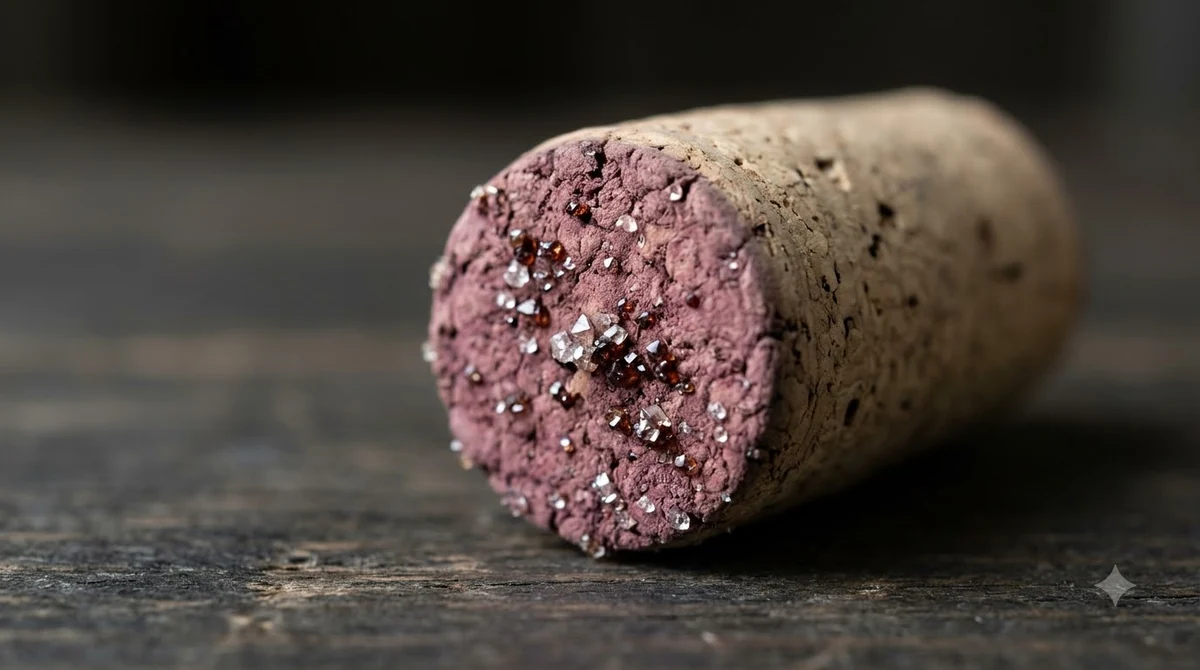
Every bottle of Rioja carries a colored back label issued by the Consejo Regulador guaranteeing its aging category:
- Generic (formerly Joven): Aged 1 to 2 years with little or no oak contact, preserving primary red fruit and crisp acidity; accounts for roughly 40% of total Rioja production.
- Crianza: Aged a minimum of 2 years total, including at least 1 full year in 225-liter oak casks before release, balancing fresh berry fruit with subtle toast and spice.
- Reserva: Crafted from stronger harvests and aged at least 3 years total, with a minimum of 1 year in oak barrels and 6 months in bottle, introducing tertiary leather and tobacco nuances.
- Pick Primitivo if: You love California Zinfandel, plush dark berry flavors, a fuller and rounder mouthfeel, softer tannins, and a red wine that shines alongside barbecue, burgers, tomato-sauced pasta, or dark chocolate.
- Pick Rioja if: You prefer medium-bodied to full-bodied reds with bright red fruit, noticeable vanilla and spice from oak barrels, mouthwatering acidity, and structured tannins suited to roast lamb, steak, charcuterie, and hard cheeses.
- Explore adjacent styles: If Primitivo’s dried-fig richness appeals to you, compare it against northern Italy’s air-dried style in amarone vs primitivo; if Rioja’s savory balance hits the mark, see how it stacks up against Argentina’s flagship red in malbec vs rioja.
Food Pairing Strategies for Primitivo and Rioja
Primitivo pairs best with smoky, sweet-glazed, and richly braised dishes that match its plush fruit and higher alcohol, whereas Rioja excels alongside savory roasted meats, cured charcuterie, and aged cheeses thanks to its brisk acidity and fine tannins.
Because Primitivo carries higher alcohol—typically 14% to 16% ABV according to Wine Folly—and moderate, velvety tannins, it handles dishes with a touch of sweetness or caramelized crust without tasting bitter or thin. Slow-cooked pork ribs brushed with tangy tomato barbecue sauce, grilled Italian sausages with roasted fennel, braised beef short ribs, and eggplant parmigiana all harmonize with Primitivo’s dark blackberry and fig core. Keep spicy chili peppers mild, however, because alcohol and capsaicin amplify each other’s heat on the palate.
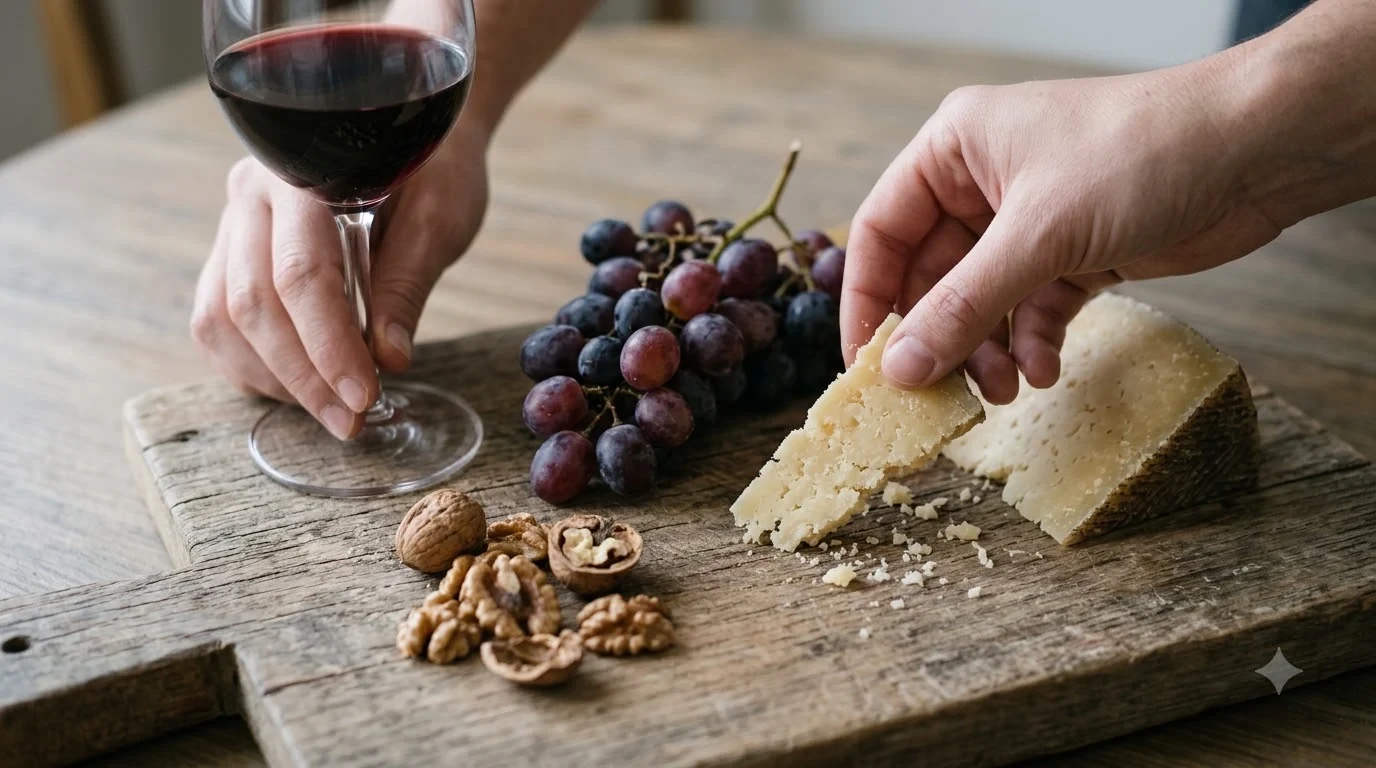
Rioja’s higher acidity and savory oak profile make it one of the most food-friendly red wines at the table. According to VinePair, younger Generic and Crianza Riojas pair naturally with Spanish tapas such as Jamón Serrano, salted green olives, roasted piquillo peppers, and aged Manchego cheese. Stepping up to Reserva or Gran Reserva opens classic pairings with herb-crusted rack of lamb, dry-aged ribeye steak, roast duck, and earthy mushroom or lentil stews—the fat and salt in the meat soften Rioja’s oak-derived tannins while the wine’s acidity refreshes the palate between bites.
Serving Temperature, Decanting, and Storage
Serving full-bodied reds slightly below room temperature—between 60°F and 65°F (15°C to 18°C) per Wine Folly guidelines—keeps Primitivo’s high alcohol from tasting hot and highlights Rioja’s nuanced aromatics, while decanting depends on bottle age and oak level.
Warm room temperatures above 70°F cause Primitivo’s high ABV (often 14% to 16%, as noted by Wine Folly) to dominate the nose with alcohol vapors and flatten its dark berry fruit. Chilling a bottle in the refrigerator for 20 to 30 minutes before pouring brings it cleanly into the 60–65°F range. Young, unoaked Rioja Generic reds taste even livelier slightly cooler at 55–60°F (13–15°C) in line with Wine Folly’s medium-bodied red temperature range, whereas barrel-aged Crianza, Reserva, and Gran Reserva show their vanilla, cedar, and leather layers best around 60–65°F (15–18°C).
Decanting plays a different role for each wine. A young, full-bodied Primitivo di Manduria Riserva benefits from 30 to 45 minutes in a wide-base decanter to blow off initial alcohol warmth and open its dark fruit. Rioja Crianza and young Reserva also open nicely after 30 to 60 minutes of aeration, while mature Gran Reserva bottles older than 10 to 15 years should be decanted gently right before serving solely to separate fine sediment without losing fragile tertiary aromas. Once opened, recork either wine and store it upright in the refrigerator, where still reds typically stay fresh for 3 to 5 days according to Wine Folly; unopened bottles belong on their side in a dark space near 55°F (13°C).
How to Choose Between Primitivo and Rioja
Deciding between Primitivo and Rioja comes down to the flavors you enjoy most in red wine, the style of meal on the table, and whether you prefer bold varietal fruit or barrel-aged complexity.
Frequently Asked Questions
Are Primitivo and Zinfandel actually the exact same grape?
Yes, DNA profiling conducted at the University of California, Davis confirmed that Italian Primitivo and California Zinfandel are genetically identical clones of an ancient Croatian grape called Tribidrag (also known as Crljenak Kaštelanski). Despite identical genetics, southern Italy’s limestone soils and warm Mediterranean climate typically yield slightly earthier, more savory Primitivo compared to fruit-forward California Zinfandel.
Does Rioja also make white and rosé wines?
According to the Consejo Regulador DOCa Rioja, red wines account for roughly 90 percent of the appellation’s production, while the remaining share consists of white wines (Rioja Blanco) led by the Viura grape and rosés (Rioja Rosado) typically made from Garnacha and Tempranillo. White Rioja is made in both fresh, stainless-steel styles and rich, barrel-aged Reserva and Gran Reserva styles capable of aging for decades.
What is the difference between Rioja Alta, Rioja Alavesa, and Rioja Oriental?
Rioja Alta and Rioja Alavesa sit in the cooler, higher-elevation western and northern parts of the region on chalky clay and iron-rich soils, producing lighter-colored, higher-acid, more aromatic wines built for long cellar aging. Rioja Oriental lies in the warmer, drier southeast on alluvial and clay soils, producing deeper-colored, fuller-bodied wines with higher alcohol that are often blended into regional bottlings.
How many standard glasses are in a bottle of Primitivo or Rioja?
According to Wine Folly, a standard 750-milliliter bottle holds five standard 5-ounce pours. Because Primitivo often reaches 14 to 16 percent ABV (per Wine Folly) compared to Rioja’s typical 13 to 14.5 percent ABV (per VinePair), a 5-ounce glass of Primitivo delivers noticeably more alcohol per serving.
Can Primitivo age in a home cellar as long as Rioja Gran Reserva?
Most entry-level Primitivo bottlings are meant to be drunk within a few years of the vintage date while their fresh blackberry fruit is vibrant, whereas top old-vine Primitivo di Manduria Riserva can develop further in bottle. By contrast, Consejo Regulador DOCa Rioja rules require Gran Reserva reds to age at least 60 months (5 years) between oak barrel and bottle before release, giving them decades-long aging potential in a cool cellar.
Both Primitivo and Rioja earn a permanent spot on a versatile wine rack because they excel in completely different moments. Keep a bottle of Puglian Primitivo on hand when dinner calls for bold dark fruit, velvety warmth, and smoky or rich flavors, and reach for a Rioja Crianza or Reserva when you want bright acidity, savory oak spice, and classic food-pairing structure.
More in Wine vs Wine
 Chenin Blanc vs Pinot Gris: Acidity, Body, and Pairing DifferencesUpdated Nov 20, 2026
 Chianti vs Lambrusco: How Tuscany and Emilia-Romagna Reds CompareUpdated Nov 20, 2026
 Chianti vs Primitivo: Key Differences in Taste, Body, and PairingUpdated Nov 20, 2026
 Chianti vs Rioja: Key Differences in Taste, Aging, and PairingUpdated Nov 20, 2026
 Chianti vs Shiraz: How Acidity, Body, and Food Pairings CompareUpdated Nov 20, 2026
 Chianti vs Syrah: Key Differences in Taste, Body, and Food PairingUpdated Nov 20, 2026