

We may earn a commission when you buy through links on this page, at no extra cost to you. Learn more.
When comparing malbec vs sauvignon blanc, the core difference comes down to a rich, medium-to-full-bodied red wine versus a crisp, light-to-medium-bodied white wine. Malbec delivers dark fruit flavors like blackberry and plum alongside velvety tannins and moderate-to-high alcohol, making it ideal for grilled meats and hearty dishes. Sauvignon Blanc offers razor-focused acidity, zesty citrus, and fresh herbal notes with zero tannin, serving as a refreshing match for seafood, goat cheese, and green vegetables.
Although both grapes trace their roots back to southwestern France, modern wine drinkers experience them as polar opposites at the dinner table. Choosing between these two crowd-pleasing bottles depends entirely on the weight of the meal, the serving temperature, and whether a occasion calls for plush dark fruit or mouthwatering herbal brightness. Looking at how each grape grows, tastes, and interacts with food makes picking the right bottle straightforward. For more head-to-head bottle breakdowns, explore other Wine vs Wine comparisons.
Malbec vs Sauvignon Blanc: Key Differences at a Glance
Malbec and Sauvignon Blanc sit on opposite ends of the wine spectrum in color, tannin structure, acidity, and ideal serving temperature. While Malbec relies on thick purple skins for pigment and plush texture, Sauvignon Blanc is vinified without skin contact to highlight zesty aromatics and bracing freshness.
Understanding the structural numbers behind each bottle helps clarify why they behave so differently in the glass. A typical dry Malbec from Argentina carries between 13.5% and 14.5% alcohol by volume (ABV), medium acidity, and medium-to-high tannins that coat the palate. By contrast, a classic Sauvignon Blanc usually lands between 12% and 13.5% ABV, features high natural acidity, and contains virtually no tannin.
| Attribute | Malbec | Sauvignon Blanc |
|---|---|---|
| Wine Type & Color | Dry red wine; deep purple to inky ruby | Dry white wine; pale straw to greenish-gold |
| Body & Weight | Medium-full to full-bodied | Light to medium-bodied |
| Acidity Level | Medium | High |
| Tannin Level | Medium to high (ripe and velvety in Argentina) | None |
| Typical Alcohol (ABV) | 13.5% to 14.5% | 12.0% to 13.5% |
| Primary Flavors | Blackberry, black plum, cherry, violet, cocoa | Lime, grapefruit, gooseberry, cut grass, passionfruit |
| Oak Aging | Common (6 to 18 months in French or American oak) | Rare (mostly stainless steel; occasional neutral oak) |
| Serving Temperature | 60°F to 65°F | 45°F to 50°F |
| Cellaring Potential | 3 to 10 years for structured bottlings | 1 to 3 years (5 to 10 years for top Loire/Bordeaux) |
Winemaking choices widen that divide even further. Producers frequently age Malbec in French or American oak barrels for 6 to 18 months, adding vanilla, baking spice, and cocoa notes that round out its dark berry core. According to VinePair, winemakers almost never age Sauvignon Blanc in new oak, preferring inert stainless steel tanks that lock in volatile herbal and citrus compounds.
Flavor Profiles: Dark Berry Richness vs Crisp Herbal Zest
Malbec tastes like ripe dark fruits layered with floral and chocolaty undertones, whereas Sauvignon Blanc bursts with tart citrus, green herbs, and tropical fruit. Their aromatic compounds come from completely different chemical families in the grape skins and juice.
What Malbec Tastes Like
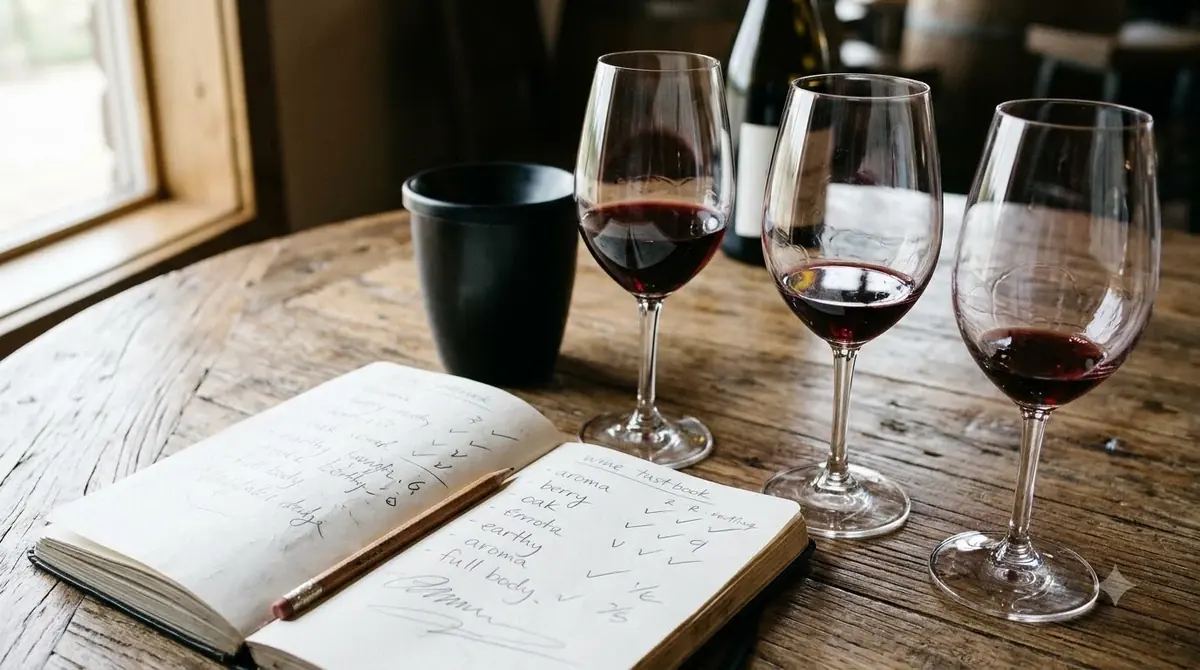
According to Decanter, Argentinian Malbec is prized for a juicy, fruit-forward profile dominated by ripe black plum, blackberry, and black cherry. Thick grape skins give the wine an opaque, inky purple hue and contribute savory secondary notes of cocoa powder, sweet tobacco, and dried herbs. When grown at higher elevations, Malbec also develops lifted floral aromatics—most notably fresh violet petals—alongside bright red raspberry and pomegranate accents.
What Sauvignon Blanc Tastes Like
Sauvignon Blanc derives its unmistakable scent from two aromatic compound groups: methoxypyrazines, which create green, vegetal notes, and thiols, which produce grapefruit and passionfruit aromas. In cooler growing zones, the wine leans toward fresh-cut grass, gooseberry, green bell pepper, nettles, and crushed wet stone. In sunnier maritime climates, those green edges soften into ripe lime, white peach, guava, and passionfruit while keeping a mouthwatering citrus zing on the finish. Shoppers looking for a softer, less pungent white alternative can compare pinot blanc vs sauvignon blanc to see how a quieter grape handles similar meals.
Body, Acidity, and Tannin Structure
Malbec provides a broad, velvety mouthfeel built on ripe tannins and warm alcohol, while Sauvignon Blanc feels light, electric, and palate-cleansing thanks to high acidity. These structural traits determine how heavy each wine feels on the tongue and how quickly it refreshes the palate between bites.
Tannin is the single biggest tactile contrast between the two wines. Because Malbec is fermented on its thick, dark skins for one to three weeks, phenolic compounds extract into the juice, creating a gentle grip on the gums and mid-palate. In warm regions like Mendoza, abundant sunshine ripens those tannins until they feel plush and round rather than harsh or astringent. Sauvignon Blanc juice is pressed off its skins immediately after crushing, resulting in zero tannic grip and a clean, slippery texture.
Acidity works in the opposite direction. Sauvignon Blanc retains high levels of tartaric and malic acid, producing a sharp, salivating sensation along the sides of the tongue that cuts right through creamy sauces and fried foods. Malbec carries moderate acidity—enough to keep its jammy dark fruit from feeling heavy or syrupy, especially when grapes experience cool mountain nights, yet far gentler than the bracing snap of a chilled white wine.
Tip: When pouring both wines at the same dinner party, serve Sauvignon Blanc first as a cold aperitif at 45°F to 50°F, then transition to Malbec at 60°F to 65°F for the main course. Jumping backward from a tannic, 14% ABV red to a high-acid white makes the Sauvignon Blanc taste overly sharp and metallic.
Shared French Roots and Modern Global Strongholds
Both Malbec and Sauvignon Blanc originated in the Bordeaux region of southwestern France, yet each achieved global fame only after migrating to the Southern Hemisphere. Today, Argentina defines modern Malbec while New Zealand serves as the benchmark for pungent Sauvignon Blanc.
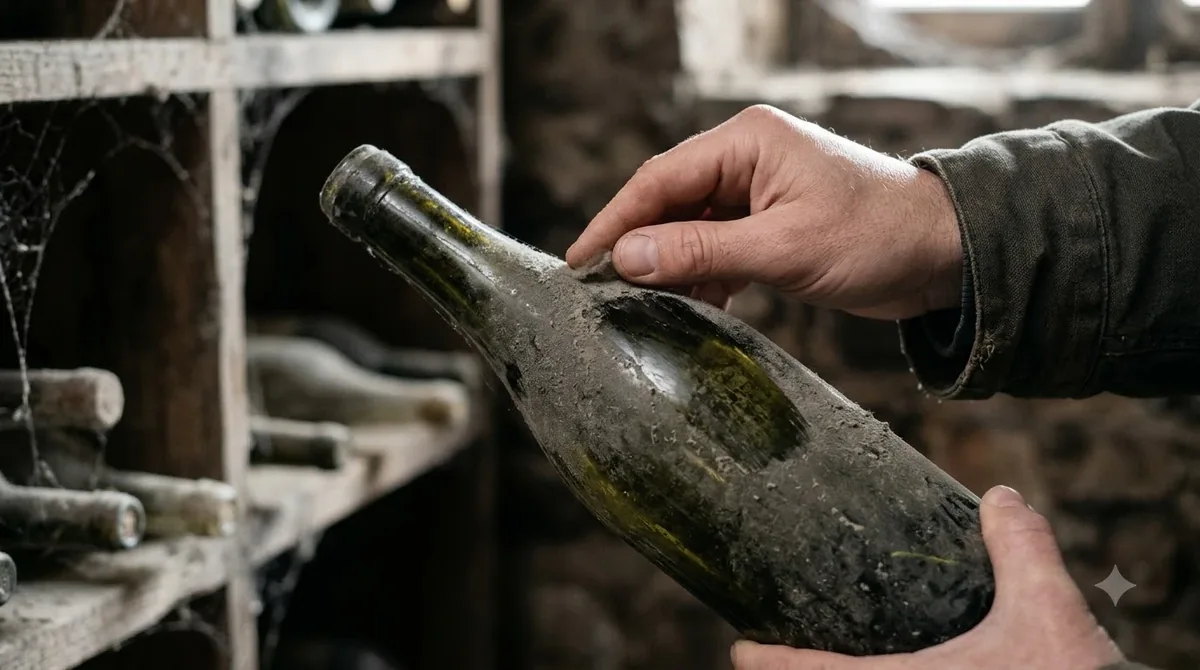
In historic Bordeaux, growers planted both varieties alongside Cabernet Sauvignon, Merlot, and Sémillon, though neither played the starring role on its own. Malbec was known locally as Côt or Auxerrois and struggled with frost and vine diseases near the Atlantic coast, relegating it to a minor blending partner in Bordeaux while remaining the mandatory anchor—at least 70% of the blend—in the rustic “black wines” of Cahors further inland. Meanwhile, Sauvignon Blanc took its name from the French word sauvage (wild) due to its vigorous, unruly vine growth, eventually traveling north to the Loire Valley where it became the sole grape behind crisp, flinty Sancerre and Pouilly-Fumé.
The modern identity of both grapes crystallized thousands of miles away in the nineteenth and twentieth centuries. French agricultural engineer Michel Pouget brought Malbec cuttings to Argentina in 1868, where the dry, sunny foothills of the Andes in Mendoza—sitting between 2,000 and 3,600 feet above sea level—allowed the grape to ripen with smaller berries, concentrated dark fruit, and softer tannins. A century later, commercial plantings in New Zealand’s Marlborough region starting in 1975 revealed that cool coastal nights and intense South Island sunshine could turn Sauvignon Blanc into an intensely aromatic powerhouse of passionfruit, gooseberry, and lime.
Regional Styles: Mendoza vs Cahors and Marlborough vs Sancerre
Both grapes shift dramatically depending on vineyard climate, elevation, and local winemaking tradition. Comparing Old World French versions with New World Southern Hemisphere benchmarks reveals two distinct personalities for each variety.
For Malbec, the primary contrast lies between Mendoza in Argentina and Cahors in southwest France. High-altitude vineyards in Mendoza’s Uco Valley—ranging from roughly 3,000 to 5,000 feet according to Wine Enthusiast—produce floral, violet-scented wines bursting with ripe blackberry, while extreme northern plantings in Salta climb even higher and yield inky, muscular reds. By contrast, Under Cahors appellation regulations, blends must contain at least 70% Malbec—often paired with Tannat or Merlot—resulting in a drier, earthier red with firmer tannins, tart blackcurrant fruit, and savory leather notes that benefit from longer bottle age.
Sauvignon Blanc splits along similar Old World versus New World lines between France’s Loire Valley and New Zealand’s South Island. In Sancerre and Pouilly-Fumé, limestone and flint soils yield a restrained, mineral-driven white with wet stone, white grapefruit, and subtle nettle aromas. According to New Zealand Winegrowers, Marlborough Sauvignon Blanc delivers far louder aromatics—specifically passionfruit, red capsicum, tomato leaf, and gooseberry—with the cooler Awatere Valley leaning herbaceous and mineral while the warmer Wairau Valley pushes riper tropical fruit. In Bordeaux’s Pessac-Léognan and Graves, winemakers blend Sauvignon Blanc with Sémillon and ferment in oak barrels, creating a creamier, nutty white with toasted almond and beeswax richness.
Food Pairing: Matching Each Wine to the Meal
Malbec belongs alongside rich, savory meats and roasted dishes, while Sauvignon Blanc thrives with tangy cheeses, seafood, and herb-driven plates. Following core pairing principles—matching food weight, balancing acid with acid, and avoiding tannin clashes with oily fish or chili heat—prevents awkward table combinations.
Best Foods for Malbec
Salt and dietary fat soften Malbec’s medium-to-high tannins, making marbled beef, grilled skirt steak with chimichurri, braised short ribs, and lamb chops natural partners. The wine’s ripe plum and cocoa notes also complement roasted portobello mushrooms, smoked Gouda, and black bean stews. Because higher alcohol and tannin amplify chili heat, skip heavily spiced cayenne or habanero dishes and opt instead for smoky cumin, black pepper, or roasted garlic seasonings. Diners who love red wine with dinner but want a lighter, higher-acid bottle for salmon or roast chicken can review pinot noir vs sauvignon blanc for a gentler red alternative.
Best Foods for Sauvignon Blanc
High-acid foods call for equal or higher wine acidity so the pour does not taste flat, which is why Sauvignon Blanc is the textbook match for fresh goat cheese (chèvre), feta salads, and lemon-herb roasted chicken. Its lack of tannin prevents the metallic clash that red wines cause with oily fish, allowing it to shine next to pan-seared sea bass, oysters, ceviche, and grilled shrimp. The grape’s natural pyrazines also bridge difficult green vegetables—including asparagus, artichokes, pesto pasta, and snap peas—that make oaked reds taste bitter. For another crisp, food-friendly white that trades tropical passionfruit for white pepper and green apple, explore gruner veltliner vs sauvignon blanc.
Serving Temperature, Glassware, and Storage
Proper serving temperature and basic storage habits keep Malbec smooth and expressive while keeping Sauvignon Blanc crisp and aromatic. Serving either bottle too warm or too cold dulls its best structural qualities.
Serve Malbec slightly below room temperature at 60°F to 65°F in a large-bowled red wine glass so its dark berry and violet aromas can open up. Young, structured bottles from Cahors or high-elevation Mendoza benefit from 30 to 60 minutes in a decanter to soften firm tannins. Serve Sauvignon Blanc well chilled at 45°F to 50°F in a narrower white wine glass that concentrates citrus and herbal aromatics; avoid ice-cold temperatures below 40°F, which mute delicate floral and tropical notes.
For multi-month storage, keep unopened bottles of both varieties lying on their side near 55°F and 50% to 70% humidity so natural corks stay moist and sealed. Once opened, recork both wines and place them in a kitchen refrigerator—even Malbec—to slow oxidation. Both still wines stay fresh for 3 to 5 days in the fridge; simply pull the Malbec out 20 to 30 minutes before pouring so it warms back into its ideal 60°F to 65°F serving window.
Frequently Asked Questions
Is Malbec or Sauvignon Blanc sweeter?
Both Malbec and Sauvignon Blanc are typically vinified dry, meaning yeast ferments nearly all grape sugar into alcohol and leaves very low residual sugar—generally under 4 grams per liter under European Union dry-wine labeling thresholds. Malbec often feels slightly sweeter on the mid-palate because ripe dark fruit flavors, higher alcohol, and vanilla notes from oak aging create a perception of richness, whereas Sauvignon Blanc’s high acidity makes it taste bone-dry and tart.
Which wine has more calories and carbs per glass?
According to USDA FoodData Central estimates for dry table wines, a standard 5-ounce pour of red wine like Malbec generally contains about 125 calories and roughly 4 grams of carbohydrates, while a 5-ounce glass of dry white wine like Sauvignon Blanc averages around 120 calories and roughly 3 to 4 grams of carbohydrates. Because both wines are fermented dry, the slight calorie difference comes almost entirely from Malbec’s higher alcohol by volume.
Can Sauvignon Blanc be aged in oak barrels like Malbec?
Yes, although it is much less common than stainless-steel fermentation, some producers age Sauvignon Blanc in French oak barrels to add creaminess, spice, and toast notes. In California, Robert Mondavi popularized this style in the late 1960s under the name Fumé Blanc, while white Bordeaux blends in Pessac-Léognan routinely use barrel fermentation to build age-worthy texture.
Why does some Sauvignon Blanc smell like jalapeño or grass?
Those green aromas come from natural organic compounds called methoxypyrazines, which develop inside Sauvignon Blanc grapes during ripening. Cooler growing seasons and shaded grape clusters preserve higher levels of pyrazines—yielding scents of fresh-cut grass, jalapeño, and green bell pepper—while warmer sunshine breaks them down in favor of riper citrus and tropical fruit.
Which bottle is better for cooking?
Sauvignon Blanc is far more versatile in the kitchen because its high acidity and lack of tannin brighten pan sauces, steamed mussels, risotto, and chicken reductions without turning bitter as the liquid concentrates. Malbec works well in slow-braised beef stews or red wine reductions where fat and collagen balance its concentrated pigments and tannins.
Choosing between Malbec and Sauvignon Blanc comes down to matching the weight and temperature of the wine to the dish on the table. Keep Sauvignon Blanc chilled at 45°F to 50°F for seafood, goat cheese, and crisp salads, and uncork Malbec at 60°F to 65°F whenever grilled steak, roasted mushrooms, or hearty winter fare is on the menu.
More in Wine vs Wine
 Chenin Blanc vs Pinot Gris: Acidity, Body, and Pairing DifferencesUpdated Nov 20, 2026
 Chianti vs Lambrusco: How Tuscany and Emilia-Romagna Reds CompareUpdated Nov 20, 2026
 Chianti vs Primitivo: Key Differences in Taste, Body, and PairingUpdated Nov 20, 2026
 Chianti vs Rioja: Key Differences in Taste, Aging, and PairingUpdated Nov 20, 2026
 Chianti vs Shiraz: How Acidity, Body, and Food Pairings CompareUpdated Nov 20, 2026
 Chianti vs Syrah: Key Differences in Taste, Body, and Food PairingUpdated Nov 20, 2026