

We may earn a commission when you buy through links on this page, at no extra cost to you. Learn more.
When comparing merlot vs sangiovese, Merlot delivers a plush, medium-to-full-bodied red with moderate acidity, soft tannins, and dark plum and chocolate flavors, while Sangiovese offers a brighter, high-acid red with firmer tannins and tart cherry, tomato leaf, and dried herb notes. Both grapes produce dry red wines, yet they behave very differently at the dinner table. Merlot feels smooth and rounded on its own, whereas Sangiovese shines brightest alongside acidic foods like red-sauce pasta and pizza.
Choosing between a French classic from Bordeaux and the signature grape of Tuscany comes down to texture, acidity, and what is on the menu. Understanding how each variety develops in the vineyard and cellar makes it simple to grab the right bottle for a quiet Tuesday dinner or a weekend roast.
Merlot vs Sangiovese at a Glance
Merlot and Sangiovese sit on opposite ends of the red-wine texture spectrum, with Merlot prioritizing velvety fruit and Sangiovese emphasizing crisp acidity and savory grip. Reviewing their core structural numbers side by side highlights why one feels easy solo while the other craves food.
| Feature | Merlot | Sangiovese |
|---|---|---|
| Primary Homeland | Bordeaux, France (Right Bank) | Tuscany, Italy (Chianti, Montalcino) |
| Body | Medium to full | Medium to medium-plus |
| Acidity | Moderate | High |
| Tannins | Medium, soft and velvety | Medium to high, grippy |
| Typical Alcohol (ABV) | 13.0%–14.5% | 13.0%–14.5% |
| Core Flavors | Plum, black cherry, blackberry, cocoa | Tart red cherry, tomato, dried oregano, violet |
| Serving Temperature | 60–65°F | 55–60°F (60–65°F for Brunello) |
| Best Food Matches | Roast chicken, pork tenderloin, mushrooms, burgers | Marinara pasta, Margherita pizza, aged pecorino |
In the glass, the visual contrast is immediate before the first sip. Merlot grapes carry dark blue-black skins that produce a deep, semi-opaque ruby hue, often showing a subtle brick-orange glint along the rim as the wine matures. Sangiovese has thinner skins with lower pigment concentration, yielding a translucent ruby-garnet color that lets light pass easily through the bowl of the glass.
Both wines are fermented completely dry in almost every bottling, meaning yeast converts virtually all grape sugar into alcohol. Any impression of sweetness in a ripe California Merlot comes from lush fruit aromatics rather than residual sugar, whereas Sangiovese’s high natural acid keeps its fruit profile tart and mouthwatering from start to finish.
Flavor Profile and Aromatics
Merlot leans into ripe dark fruits, cocoa, and sweet baking spice, while Sangiovese centers on bright red cherry, floral violet, and savory herbal notes. Climate and oak aging shape how intensely those aromas appear in each bottle.
Merlot: Plush Dark Fruit and Cocoa
Named after the French word for “the little blackbird,” Merlot is prized for generous, approachable fruit flavors that open up quickly in the glass. According to Wine Enthusiast, cooler growing areas bring out red cherry, graphite, and subtle dried herbs, while warmer regions push flavors toward blackberry, black plum, and milk chocolate. Because Merlot shares Cabernet Franc as a parent grape, cooler vintages can also show a faint whisper of bell pepper or bay leaf from natural aroma compounds called pyrazines.
Winemakers frequently age Merlot in small French or American oak barrels for 12 to 18 months. That oak contact layers vanilla, clove, cedar, and espresso over the grape’s natural plum core, creating a rounded, smooth finish that appeals to drinkers who dislike sharp edges.
Sangiovese: Tart Cherry, Herbs, and Earth
Sangiovese builds its aromatic identity around high-toned red fruits and savory Mediterranean pantry notes. Fresh bottles of Chianti burst with sour Montmorency cherry, wild strawberry, and pressed violet, quickly followed by roasted tomato, dried oregano, and crushed tobacco leaf. In cooler vineyard sites, less-ripe skins add a distinct green tomato-leaf snap that gives the wine culinary energy.
Oak treatment for Sangiovese follows a very different philosophy than Merlot. Rather than masking the grape’s bright cherry perfume with heavy new oak vanilla, many Tuscan producers mature Sangiovese in large, neutral Slavonian oak casks holding 2,000 to 5,000 liters. These big casks allow slow oxygen exchange to soften the wine without hiding its earthy, forest-floor nuances.
Acidity, Tannin, and Body Compared
Acidity and tannin structure form the biggest sensory divide between these two grapes, directly controlling how heavy or refreshing each sip feels. Merlot cushions the palate with supple tannins and moderate acid, whereas Sangiovese delivers a brisk, mouthwatering tang backed by firm, chalky grip.
Acidity is Sangiovese’s signature trait. Even as the grapes ripen under the Tuscan sun, Sangiovese retains high levels of tartaric and malic acid, producing a sensation similar to biting into a fresh cherry or squeezing lemon over grilled meat. That sharp acidity stimulates saliva, cleansing the palate after rich bites and keeping the wine feeling lively and medium-bodied even when alcohol reaches 14 percent ABV.
Merlot carries noticeably lower acidity and a broader, rounder mid-palate. Its tannins are medium in strength and naturally velvety, coating the tongue gently instead of drying out the gums. While Merlot can feel heavier and more plush than Sangiovese at the exact same alcohol level, its softer structure makes it far easier to drink on its own without food.
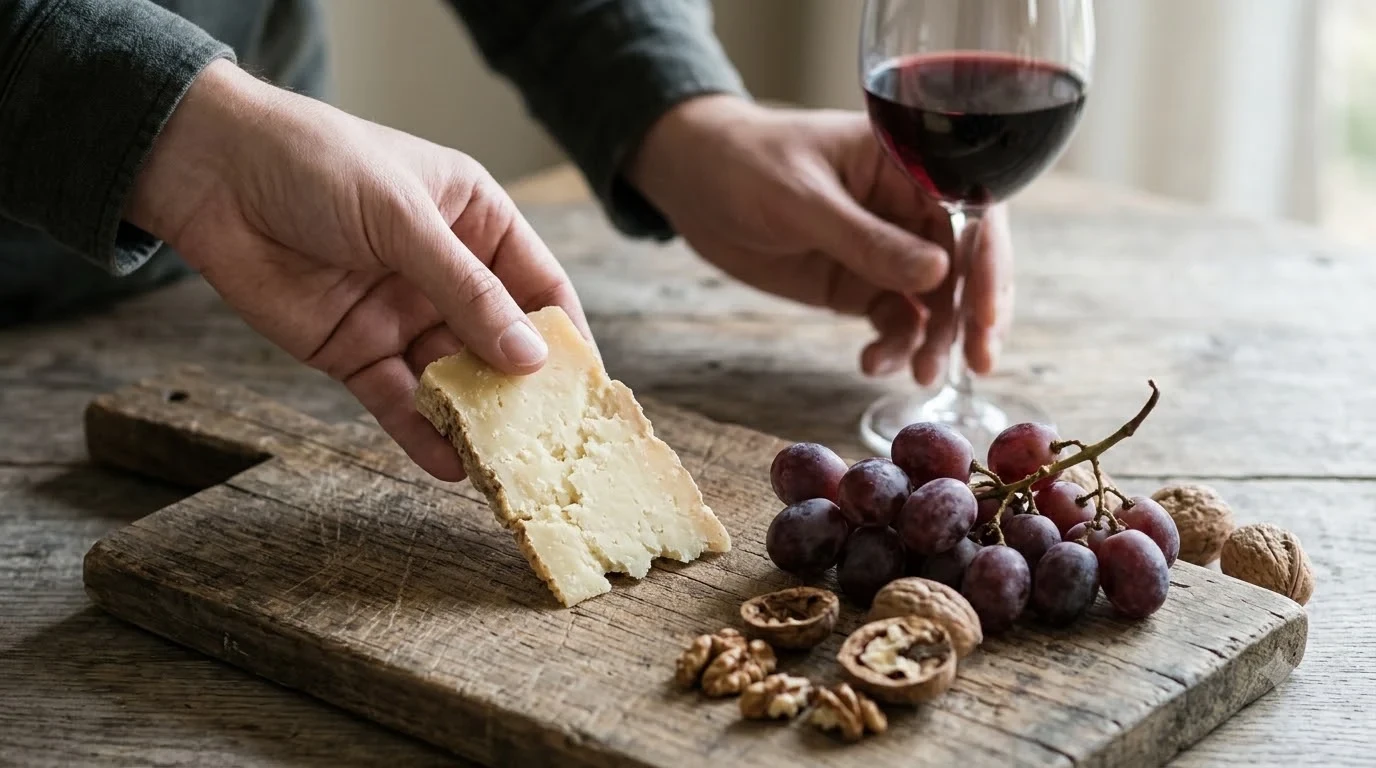
Tip: If a young, high-acid Sangiovese tastes overly tart or grippy on the first pour, serve it slightly cooler at 58°F alongside a salty hard cheese like aged Parmigiano-Reggiano or Pecorino Toscano. Salt and fat immediately tame the tannins and balance the bright acidity.
Key Growing Regions and Wine Styles
Merlot thrives across maritime and warm-climate wine regions from Bordeaux to California and Washington State, while Sangiovese remains deeply anchored in central Italy’s rolling hills. Geography dictates whether a bottle tastes sleek and earthy or rich and fruit-driven.
Where Merlot Shines
Southwest France is Merlot’s historic home, where it makes up 60 percent of all red grape plantings across Bordeaux. On Bordeaux’s Right Bank, clay and limestone soils in Pomerol and Saint-Émilion produce benchmark Merlots with plush blackberry fruit, iron-rich minerality, and aging potential spanning 15 to 25 years. Readers curious about how single-varietal bottles differ from Left Bank blends can explore the full breakdown in Bordeaux vs Merlot.
Outside France, Merlot excels in Washington’s Columbia Valley, where warm summer days and cool desert nights yield dark cherry fruit backed by crisp natural acidity. California regions like Napa Valley and Sonoma County craft riper, fuller-bodied Merlots with velvety tannins and 14 to 14.5 percent ABV, while northeastern Italy’s Friuli-Venezia Giulia bottles lighter, crisp-edged expressions.
Where Sangiovese Rules
Tuscany is the undisputed heartland of Sangiovese, accounting for roughly two-thirds of the region’s vineyard area. Within Tuscany, appellation rules create clear tiers of intensity and aging:
- Chianti DOCG: Requires at least 70 percent Sangiovese and produces bright, youthful, everyday reds meant for drinking within two to four years of vintage.
- Chianti Classico DOCG: Demands a minimum of 80 percent Sangiovese from higher-elevation vineyards between Florence and Siena, aging at least 12 months for Annata, 24 months for Riserva, and 30 months for estate-grown Gran Selezione.
- Brunello di Montalcino DOCG: Made from 100 percent Sangiovese Grosso grown in warmer southern Tuscany, aged a mandatory five years before release for a darker, fuller-bodied, collectible style.
Beyond Tuscany, neighboring Umbria bottles structured Sangiovese in Montefalco and Torgiano, while Emilia-Romagna produces juicy, affordable Sangiovese di Romagna. California’s Sierra Foothills and Paso Robles also grow small pockets of Sangiovese, turning out riper, strawberry-scented bottlings with softer tannins than their Italian counterparts.
Food Pairing: What Each Wine Loves Best
Food pairing comes down to matching structural intensity, with Sangiovese thriving alongside high-acid tomato sauces and salty cured meats while Merlot complements roasted poultry, pork, and earthy mushrooms. Pairing the wrong grape with an acidic dish can leave the wine tasting flat or metallic.
Sangiovese is built for Italian cooking because its high natural acidity matches the brightness of cooked tomatoes. As noted in VinePair’s red wine pairing guide, acidic dishes require a wine with equal or higher acidity so the wine does not taste dull or flabby on the palate. Sangiovese’s savory oregano and tomato-leaf notes echo classic pizza margherita, spaghetti alla puttanesca, and slow-simmered ragù alla Bolognese, while its firm tannins cut cleanly through melted mozzarella and olive oil.
Merlot’s lower acidity makes it clash slightly with sharp marinara sauces, yet that exact softness turns it into a versatile partner for savory, umami-rich meats. Medium-bodied Bordeaux or Washington Merlots pair naturally with roast chicken, herb-crusted pork tenderloin, and sautéed cremini mushrooms. Fuller-bodied California Merlots, which Wine Enthusiast notes frequently reach 14 to 14.5 percent ABV, pack enough dark fruit and supple tannin to handle grilled ribeye steaks, gourmet bacon cheeseburgers, and braised short ribs without overwhelming delicate side dishes.
When spicy chili heat enters the meal, both grapes require caution. High alcohol and firm tannins amplify capsaicin heat on the tongue, so pair lightly chilled, lower-alcohol versions with mildly spiced dishes rather than fiery red pepper flakes.
Blending and Aging Potential
Winemakers frequently blend Merlot and Sangiovese together in Tuscany to balance each grape’s natural extremes, while single-varietal bottlings of both grapes can age gracefully for decades under proper cellar conditions. Understanding how these grapes interact in the cellar explains why they appear side by side on Italian wine labels.
In central Italy, blending Merlot into Sangiovese is a time-tested strategy used in both Chianti Classico and modern Super Tuscans. According to Wine Enthusiast, Chianti Classico DOCG rules allow up to 20 percent of complementary red grapes—including Merlot and Cabernet Sauvignon—to round out the minimum 80 percent Sangiovese base. Adding a small portion of Merlot fills in Sangiovese’s leaner mid-palate, softens its angular tannins, and deepens the wine’s pale ruby color without erasing its Tuscan herbal identity.
When bottled separately, both grapes show impressive longevity at the top tier. Everyday bottles of basic Chianti DOCG or entry-level California Merlot are crafted for immediate enjoyment within a few years of harvest. However, Wine Folly notes that top Right Bank Bordeaux Merlots from Pomerol and Saint-Émilion, alongside structured Brunello di Montalcino and Chianti Classico Riserva, can age 15 to 25 years on their side at 55°F, trading primary fruit for complex notes of leather, dried fig, truffle, and cedar.
How to Choose Between Merlot and Sangiovese
Selecting the right bottle depends on whether the wine will be sipped before dinner or paired with a rich, savory main course. Matching the wine’s structure to the occasion prevents palate fatigue and brings out the best in both the food and the bottle.
Reach for Merlot when pouring wine at a cocktail hour, hosting guests with varied red-wine preferences, or serving dishes centered on poultry, pork, or roasted root vegetables. Its plush texture and gentle tannins require no food to taste balanced, and serving it between 60 and 65°F—achieved after roughly 15 minutes in a standard refrigerator, per Wine Folly—keeps its dark fruit vibrant rather than jammy.
Choose Sangiovese when Italian food, grilled sausages, aged hard cheeses, or tomato-based recipes anchor the table. Pour young Chianti slightly cooler at 55 to 60°F to highlight its crisp red cherry snap, and reserve warmer 60 to 65°F service for aged Brunello di Montalcino after a 30- to 60-minute decant, as recommended by Wine Folly. Readers exploring other classic Italian red comparisons can also check out Montepulciano vs Sangiovese and Barbera vs Sangiovese.
Frequently Asked Questions
Is Merlot or Sangiovese better for someone who dislikes dry, puckering red wines?
Merlot is the better choice for drinkers who dislike a dry, astringent mouthfeel. Although both wines are fermented dry with virtually no residual sugar, Merlot’s lower acidity and softer tannins create a rounder, smoother sensation on the tongue than Sangiovese’s brisk, mouthwatering grip.
Why did Chianti regulations ban white grapes from Chianti Classico blends?
Chianti Classico DOCG officially prohibited white grape varieties such as Trebbiano and Malvasia in 2006 to improve wine concentration and aging quality. Historically, white grapes were added to soften young Sangiovese, whereas modern producers rely on riper red fruit or small amounts of Colorino and Merlot instead.
What makes Chianti Rufina taste different from warmer Tuscan Sangiovese zones?
Located in the cooler Apennine foothills northeast of Florence, Chianti Rufina experiences sharp temperature drops at night that slow grape ripening. According to the Consorzio Chianti Rufina, this high-elevation subzone produces roughly three million bottles annually and yields Sangiovese with particularly brisk acidity, floral aromatics, and firm structural longevity.
How long do opened bottles of Merlot and Sangiovese stay fresh?
According to Wine Folly, both Merlot and Sangiovese stay fresh for three to five days once opened if tightly recorked and stored upright in the refrigerator. Chilling slows oxidation dramatically; simply pull the bottle out 20 to 30 minutes before pouring so the wine warms back to proper serving temperature.
Do Merlot and Sangiovese share any genetic ancestry?
Merlot and Sangiovese are not closely related genetically. Merlot originated in southwest France as a natural cross between Cabernet Franc and Magdeleine Noire des Charentes, whereas Sangiovese is an ancient indigenous Italian grape traced to central and southern Italy through DNA profiling.
Comparing merlot vs sangiovese highlights how two dry red wines with similar alcohol levels can create completely different dining experiences. Keep Merlot on hand for plush, fruit-forward versatility and solo sipping, and reach for Sangiovese whenever bright acidity and savory Italian flavors lead the menu.
More in Wine vs Wine
 Chenin Blanc vs Pinot Gris: Acidity, Body, and Pairing DifferencesUpdated Nov 20, 2026
 Chianti vs Lambrusco: How Tuscany and Emilia-Romagna Reds CompareUpdated Nov 20, 2026
 Chianti vs Primitivo: Key Differences in Taste, Body, and PairingUpdated Nov 20, 2026
 Chianti vs Rioja: Key Differences in Taste, Aging, and PairingUpdated Nov 20, 2026
 Chianti vs Shiraz: How Acidity, Body, and Food Pairings CompareUpdated Nov 20, 2026
 Chianti vs Syrah: Key Differences in Taste, Body, and Food PairingUpdated Nov 20, 2026