

We may earn a commission when you buy through links on this page, at no extra cost to you. Learn more.
When comparing merlot vs tempranillo, Merlot offers a plush, velvety texture packed with dark plum, black cherry, and cocoa flavors, while Tempranillo delivers a firmer, more savory profile built around red cherry, dried fig, leather, and tobacco. Both grapes produce dry, medium- to full-bodied red wines that ripen early in the vineyard and adapt remarkably well to oak barrel aging. Choosing between them comes down to whether your meal calls for Merlot’s soft, fruit-forward roundness or Tempranillo’s structured, earthy grip.
Shoppers browsing the red wine aisle often reach for Merlot when they want a reliable, smooth bottle for weeknight dinners, yet Spanish Tempranillo occupies a nearly identical spot on European dining tables. Understanding how these two heritage varieties differ in skin thickness, regional winemaking, and aging rules makes it simple to pick the right bottle for any menu or cellar rack.
Grape Origins and Vineyard Profiles: Merlot vs Tempranillo
Merlot is a thin-skinned French grape born in Bordeaux that thrives in cool, moisture-retaining soils, whereas Tempranillo is a thick-skinned Spanish native that excels on high-altitude, chalk-rich plateaus. Both varieties share a crucial agricultural trait: they ripen earlier in the autumn than neighboring red grapes, reducing the risk of harvest rain damage.
According to the Bordeaux Wine Council, Merlot originated in Southwest France as a natural cross between Cabernet Franc and Magdeleine Noire des Charentes. Growers named the grape after the merle, the French word for little blackbird, in reference to its dark violet-blue berries. Because its skins are relatively thin, Merlot prefers clay-limestone and gravel soils that hold steady moisture without waterlogging the roots. Today, it accounts for 60 percent of all red plantings in Bordeaux and covers 30,628 vineyard acres across California, led by San Joaquin County at 6,283 acres and Napa County at 3,902 acres, according to the Wine Institute.
Tempranillo traces its roots to northern Spain’s Rioja and Navarra regions, with written records dating back to the 1500s. Its name derives from temprano, the Spanish word for early, because it matures faster on the vine than blending partners like Garnacha, Graciano, and Mazuelo. Unlike Merlot, Tempranillo produces compact, cylindrical clusters of thick, nearly black berries loaded with anthocyanin pigments. Wine Enthusiast notes that nearly 90 percent of global Tempranillo plantings remain in Spain, where the vine flourishes in well-drained, chalky soils at elevations exceeding 1,500 feet in Rioja Alta and climbing past 3,000 feet in eastern Ribera del Duero.
Flavor, Tannins, and Structure Side by Side
Merlot leans toward lush blue and black fruits wrapped in soft, rounded tannins, while Tempranillo balances bright red fruit with savory, earthy undertones and slightly firmer grip. Both wines are fermented dry, meaning yeast converts virtually all grape sugar into alcohol, leaving only trace residual sugar.
In the glass, youthful Merlot displays a deep ruby hue with a subtle glint of brick or orange along the rim, shifting toward garnet over time. On the palate, it delivers approachable medium tannins and moderate acidity, allowing flavors of ripe plum, black cherry, blackberry, and violet to take center stage. When grown in cooler maritime climates like France or Washington State, Merlot develops savory hints of bay leaf, cedar, and graphite. Warmer regions such as California’s Lodi or Napa Valley push the fruit toward jammy blackberry and milk chocolate, with alcohol levels typically reaching 13.5 to 14.5 percent ABV.
Tempranillo presents a deep ruby color that gradually fades toward a distinct rust-orange rim as the wine matures. Because its skins are thicker than Merlot’s, Tempranillo carries medium to medium-plus tannins with a fine, dusty texture alongside moderate acidity. Young, unoaked bottlings burst with fresh strawberry, red cherry, and tart plum. As the wine spends time in barrel and bottle, those primary fruit notes evolve into dried fig, leather, cured tobacco, dried herbs, and baking spice, while alcohol levels generally sit between 13 and 14.5 percent ABV depending on vineyard elevation.
| Characteristic | Merlot | Tempranillo |
|---|---|---|
| Primary Homeland | Bordeaux, France | Rioja and Ribera del Duero, Spain |
| Skin Thickness | Thin-skinned | Thick-skinned |
| Core Fruit Flavors | Plum, black cherry, blackberry | Red cherry, strawberry, dried fig |
| Savory & Oak Notes | Cocoa, cedar, graphite, clove | Leather, tobacco, vanilla, dill, spice |
| Tannin Level | Medium, soft and velvety | Medium to medium-plus, fine-grained |
| Acidity Level | Moderate | Moderate (higher at high elevations) |
| Typical Alcohol (ABV) | 13%–14.5% | 13%–14.5% |
| Ideal Serving Temp | 60–65°F | 55–60°F (young) to 60–65°F (aged) |
Regional Styles: From Bordeaux and California to Rioja and Ribera del Duero
Where each grape is grown dramatically shapes the wine in your bottle, splitting both Merlot and Tempranillo into distinct Old World and New World expressions. Examining how specific appellations handle blending and climate helps you predict what a bottle will taste like before pulling the cork.
Merlot in Bordeaux vs. California
In Bordeaux, Merlot rarely stands completely alone, serving instead as the plush backbone of Right Bank blends in Saint-Émilion, Pomerol, and Fronsac. Winemakers pair Merlot’s supple mid-palate with Cabernet Franc or Cabernet Sauvignon to add aromatic lift and structural tension, a dynamic explored further in our bordeaux vs merlot guide. In California, by contrast, producers bottle Merlot primarily as a single-varietal wine. Cool-climate bottlings from Monterey and Sonoma retain crisp red plum and herbal notes, while warmer Napa Valley and San Joaquin vineyards yield fuller-bodied, opulent reds with generous cocoa and vanilla character.
Tempranillo in Rioja vs. Ribera del Duero
Spain divides its finest Tempranillo between two powerhouse regions with contrasting winemaking traditions. In Rioja DOCa, where Tempranillo accounts for 88 percent of red grape acreage, producers frequently blend in small amounts of Garnacha for body, Graciano for perfume, and Mazuelo for acidity. Rioja wines emphasize elegance, savory complexity, and extended barrel aging. Southwest along the Duero River in Ribera del Duero and neighboring Toro, extreme continental temperatures and high-altitude vineyards produce a bolder variant locally called Tinto Fino or Tinta de Toro. These bottlings are typically 100 percent varietal, yielding darker color, firmer tannins, and concentrated blackberry and espresso notes.
Oak Aging and Label Classifications Explained
Merlot labels usually highlight vineyard origin and grape variety without strict legal aging tiers, whereas Spanish Tempranillo labels follow a regulated aging ladder that tells you exactly how long the wine rested in oak and bottle before release.
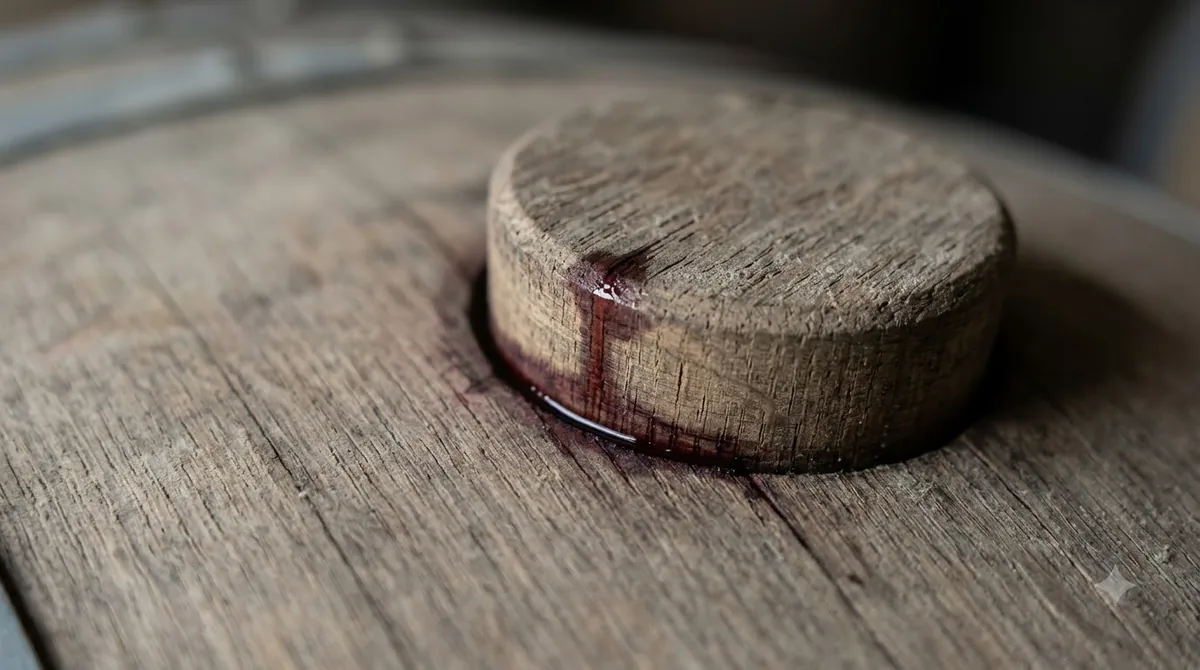
For Merlot, oak influence depends entirely on the producer’s stylistic goals. French winemakers in Bordeaux and quality-focused estates in California rely heavily on French oak barrels, which impart subtle notes of cedar, clove, toasted hazelnut, and dark chocolate without masking the fruit. Entry-level Merlots often see brief aging in neutral oak or stainless steel tanks with oak staves, keeping the wine juicy, soft, and ready to drink immediately upon release.
Spanish Tempranillo relies on a formal classification system stamped directly on the back label. Traditional Rioja wineries historically favored American oak barrels, which contribute pronounced aromas of sweet vanilla, coconut, and dried dill, though many modern producers now blend French and American oak. According to Wine-Searcher, Spanish aging tiers follow strict minimum timelines:
- Joven (or Cosecha): Released in its first or second year with zero to 3 months in oak, showcasing pure red berry fruit and crisp, youthful grip.
- Crianza: Aged for at least 24 months total before release, including a minimum of 12 months in oak barrels, balancing fresh cherry fruit with gentle vanilla spice.
- Reserva: Aged for at least 36 months total, with a minimum of 12 months in oak barrels, trading primary fruit brightness for leathery, savory depth.
- Gran Reserva: Produced only in top vintages and aged at least 60 months total, including a minimum of 24 months in oak barrels, delivering silky tannins and complex dried fig, tobacco, and cedar aromas.
Tip: When shopping for Spanish Tempranillo, look at the colored regulatory stamp on the back of the bottle. A green stamp signals a young Joven wine meant for casual sipping, while red, maroon, and blue stamps indicate Crianza, Reserva, and Gran Reserva bottlings that already have years of cellar aging built into the bottle.
Food Pairing Strategies for Merlot and Tempranillo
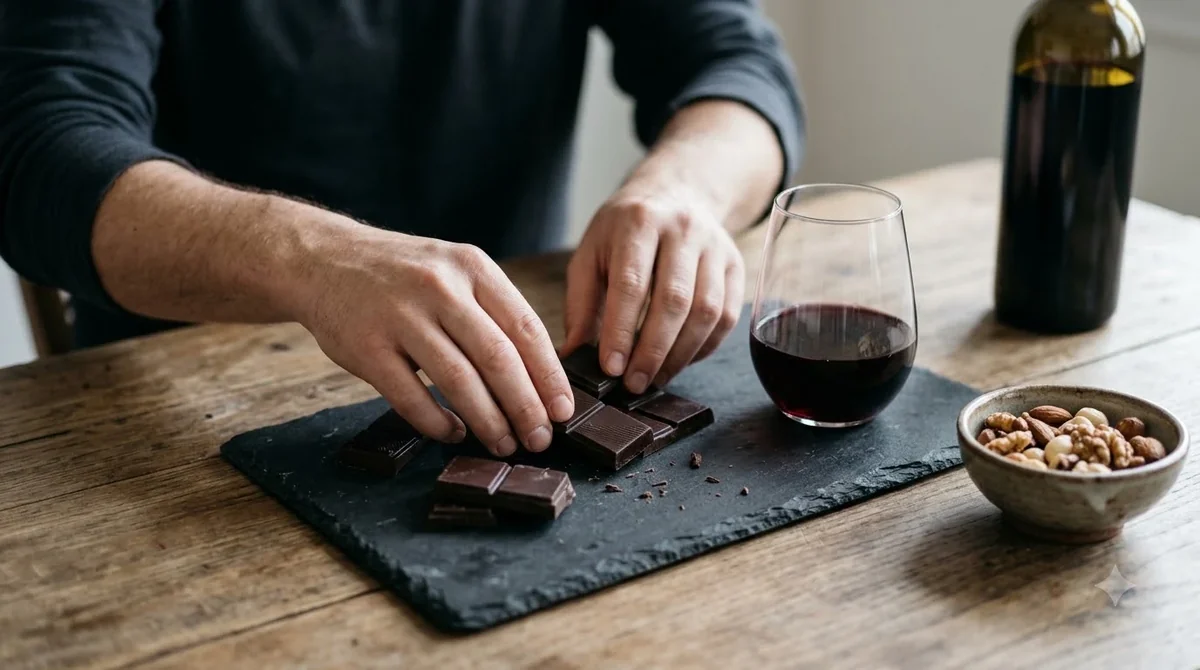
Merlot’s plush fruit and soft tannins make it an easy match for roasted poultry, pork tenderloin, and mushroom dishes, while Tempranillo’s savory spice and firmer grip stand up naturally to grilled lamb, cured meats, and smoky tapas. Both wines share moderate acidity and medium-to-full body, allowing salt and fat in a dish to soften their tannin structure without overwhelming delicate flavors.
Because Merlot lacks the aggressive astringency of high-tannin reds, it pairs easily with dishes that might clash with heavier bottles. Roasted chicken with herbs, pork chops with pan gravy, beef tenderloin, and grilled portobello mushrooms echo Merlot’s earthy, plum-driven profile. Soft to semi-hard cheeses like Brie, Camembert, and aged Gouda also complement its velvety finish. Avoid pairing dry Merlot with sugary barbecue glazes or sweet desserts, as sugar makes dry red wine taste harsh and bitter; for sweeter palates or dessert courses, a lighter, aromatic style covered in the merlot vs moscato comparison works much better.
Tempranillo shines alongside savory, charred, and heavily seasoned foods. Younger Joven and Crianza bottlings pair nicely with tomato-based pastas, chorizo, patatas bravas, and wood-fired pizza because the wine’s red fruit mirrors roasted tomato acidity. Mature Reserva and Gran Reserva bottles develop leather and tobacco notes that harmonize with herb-crusted rack of lamb, grilled ribeye, jamón ibérico, and nutty sheep’s milk cheeses such as aged Manchego. Both wines struggle with fiery chili heat—which amplifies alcohol burn and tannic grip—as well as oily fish like mackerel or sardines, which can create a metallic aftertaste.
Serving Temperature, Decanting, and Storage Guidelines
Serve both Merlot and mature Tempranillo slightly below room temperature at 60 to 65°F, while chilling young, unoaked Tempranillo closer to 55 to 60°F to keep its bright berry fruit crisp. Pouring either red at warm 72°F kitchen temperatures accentuates alcohol heat and flattens subtle aromatics.
A brief 20- to 30-minute chill in a standard refrigerator—or steady storage in a dual-zone wine cooler—brings either bottle right into its sweet spot. Standard wine service uses a 5-ounce pour, yielding roughly five glasses per 750-milliliter bottle. According to Wine Enthusiast, a 5-ounce glass of dry Merlot contains approximately 125 calories and 0 to 4 grams of carbohydrates, with dry Tempranillo falling into a nearly identical nutritional range.
Decanting needs depend on bottle age and regional style. Young, bold reds—such as a concentrated Ribera del Duero Tinto Fino or a Napa Valley Merlot—benefit from 30 to 60 minutes in a wide-base decanter to soften youthful tannins and open up dark fruit aromas. Older Rioja Gran Reserva or mature Bordeaux Merlot bottlings over ten years old require only 15 to 20 minutes of gentle aeration, mainly to separate fine sediment without letting delicate tertiary aromas fade. Store unopened bottles horizontally at a steady 55°F and 50 to 70 percent humidity so corks remain moist and airtight; once opened, re-corked bottles stay fresh for 3 to 5 days inside a refrigerator.
How to Choose Between Merlot and Tempranillo
Pick Merlot when you want a smoother, fruit-forward red with minimal astringency, and reach for Tempranillo when you crave savory complexity, earthy spice, or structured grip for grilled meats. Both varieties occupy similar territory on the red wine spectrum—sitting comfortably between light, high-acid Pinot Noir and powerful, high-tannin Cabernet Sauvignon—making them dependable crowd-pleasers for dinner parties.
Consider three practical factors before making a final selection:
- Texture preference: Choose Merlot for a rounder, softer mouthfeel that feels plush from the first sip. Choose Tempranillo for a drier, slightly more textured finish with fine-grained tannins.
- Flavor profile: Reach for Merlot if you enjoy dark plum, black cherry, and subtle chocolate notes, similar to the style profile detailed in the cabernet franc vs merlot guide. Reach for Tempranillo if you prefer red cherry, dried fig, leather, and warm vanilla-spice aromatics.
- Ready-to-drink age: Look for Rioja Reserva or Gran Reserva Tempranillo when you want an aged wine with tertiary leather and cedar character right off the retail shelf, as under Rioja DOCa aging regulations, producers age Reserva wines for at least three years and Gran Reserva wines for at least five years before release.
Exploring both grapes side by side at home is one of the easiest ways to sharpen your palate, and browsing more head-to-head matchups in the Wine vs Wine archive can help you map out your next tasting flight.
Frequently Asked Questions
Is Tempranillo sweeter or drier than Merlot?
Both Tempranillo and Merlot are fermented as fully dry red wines containing less than 4 grams of residual sugar per liter, so neither is sweet. However, Merlot often creates the perception of slight fruit sweetness on the palate because its ripe plum and black cherry flavors are paired with softer tannins and lower perceived astringency.
Which wine has more tannins, Merlot or Tempranillo?
Tempranillo generally has slightly higher and firmer tannins than Merlot because its grape berries have thicker skins and higher phenolic content. High-altitude Spanish styles like Ribera del Duero and Toro exhibit noticeably grippier tannins than standard California or Bordeaux Merlot, though extended oak aging in Rioja Gran Reserva softens that grip considerably.
Are Merlot and Tempranillo ever blended together?
Yes, winemakers in northern Spain—particularly in Navarra, Somontano, and modern Rioja estates—frequently blend Tempranillo with Merlot and Cabernet Sauvignon. In these blends, Merlot softens Tempranillo’s angular edges and adds mid-palate plushness, while Tempranillo contributes bright red fruit and savory spice.
What names does Tempranillo go by outside of Rioja?
According to Wine-Searcher, Tempranillo is known by dozens of regional synonyms across the Iberian Peninsula, including Tinto Fino in Ribera del Duero, Tinta de Toro in Toro, Ull de Llebre in Catalonia, and Cencibel in La Mancha. Across the border in Portugal’s Douro Valley, the exact same grape is cultivated as Tinta Roriz and Aragonez for both dry red table wines and fortified Port blends.
Which wine ages better in a wine fridge, Merlot or Tempranillo?
Top examples of both grapes can age gracefully for 10 to 25 years in a temperature-controlled wine fridge held near 55°F. Classified Right Bank Bordeaux Merlots from Pomerol and Saint-Émilion develop rich truffle and cedar notes over two decades, while top Rioja Gran Reserva and Ribera del Duero bottlings evolve complex leather, dried fig, and tobacco nuances over similar timelines.
Whether you pour a velvety glass of Merlot alongside weeknight roast chicken or uncork an oak-aged Spanish Tempranillo for grilled lamb, both varieties reward proper serving temperatures and thoughtful food pairings. Keeping a bottle or two of each on your wine rack provides a versatile pair of medium-to-full-bodied reds ready for dinner.
More in Wine vs Wine
 Chenin Blanc vs Pinot Gris: Acidity, Body, and Pairing DifferencesUpdated Nov 20, 2026
 Chianti vs Lambrusco: How Tuscany and Emilia-Romagna Reds CompareUpdated Nov 20, 2026
 Chianti vs Primitivo: Key Differences in Taste, Body, and PairingUpdated Nov 20, 2026
 Chianti vs Rioja: Key Differences in Taste, Aging, and PairingUpdated Nov 20, 2026
 Chianti vs Shiraz: How Acidity, Body, and Food Pairings CompareUpdated Nov 20, 2026
 Chianti vs Syrah: Key Differences in Taste, Body, and Food PairingUpdated Nov 20, 2026