

We may earn a commission when you buy through links on this page, at no extra cost to you. Learn more.
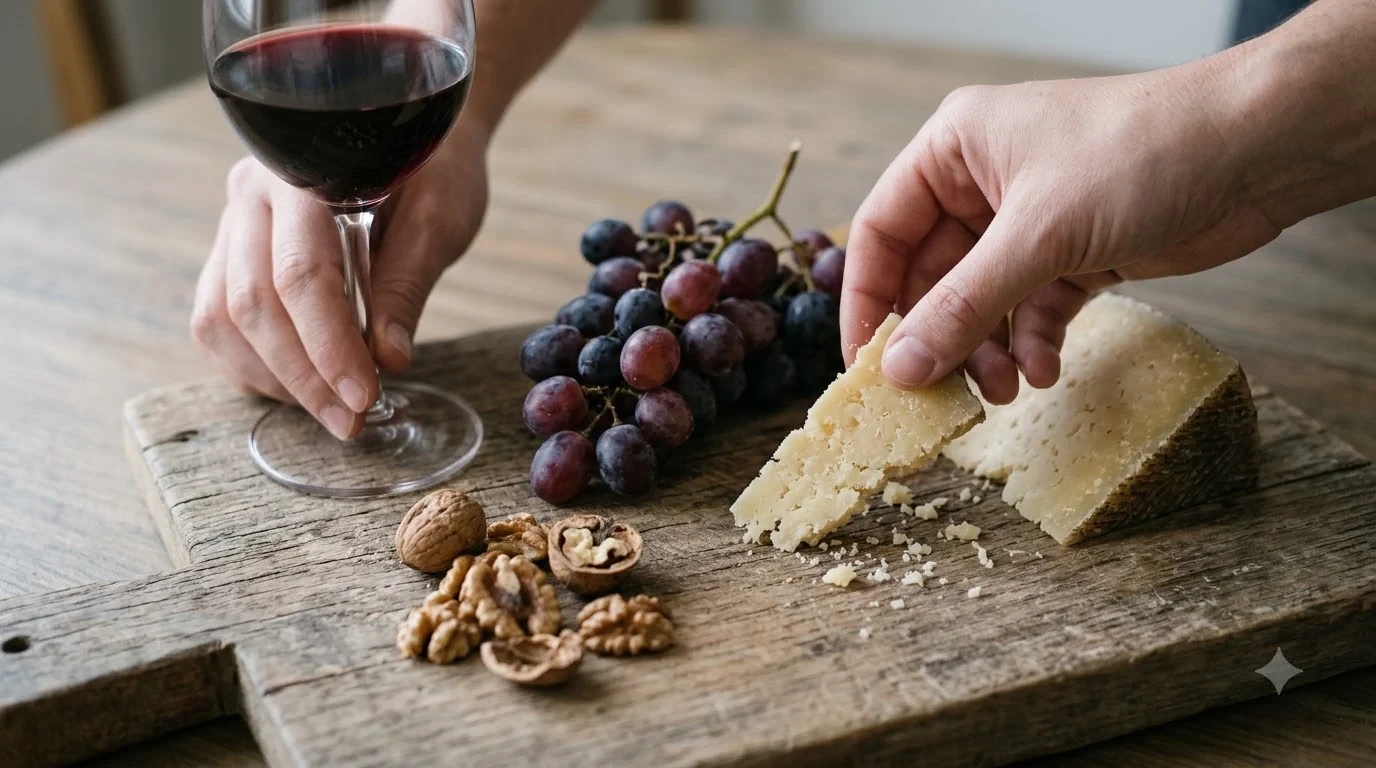
Comparing primitivo vs shiraz comes down to two different dark-skinned grapes that both deliver full-bodied, high-alcohol red wines with bold dark fruit and spice. Primitivo—genetically identical to California Zinfandel and rooted in southern Italy’s Puglia region—leans into jammy blackberry, dried fig, warm baking spice, and an occasional hint of residual sweetness. Shiraz—the warm-climate name for French Syrah popularized in Australia—brings an inky purple color, firmer tannic grip, cracked black pepper, and savory notes of smoked meat and dark chocolate.
Shoppers standing in the red wine aisle often reach for either bottle when they want a rich, warming pour for grilled meats or cool-weather dinners. Although both wines share a sun-drenched personality and generous alcohol levels, their grape genetics, regional winemaking traditions, and structural balance create distinct experiences in the glass.
Grape Origins and Genetic Identity
Primitivo and Shiraz come from completely separate grape families, despite their similar weight and dark fruit profile. Primitivo is the Italian name for Croatia’s ancient Tribidrag grape, whereas Shiraz is the New World name for France’s Northern Rhône Syrah variety.
In the late 1700s, a priest and botanist named Francesco Filippo Indellicati isolated an early-ripening vine in a mixed vineyard in Puglia’s Gioia del Colle area. According to Primal Wine’s Primitivo di Manduria guide, he named the selection Primativo from the Latin word primativus because the grapes matured weeks ahead of neighboring varieties, typically between late August and early September. Centuries earlier, the vine had crossed the Adriatic Sea from coastal Croatia, where growers still cultivate it under the names Tribidrag and Crljenak Kaštelanski. DNA research later confirmed that Italian Primitivo and American Zinfandel share the exact same genetic profile, which explains why bottles of shiraz vs zinfandel share so many structural parallels with this Italian matchup.
Shiraz traces its roots to southeastern France, where winemakers in the Northern Rhône Valley call the grape Syrah. In the 1830s, cuttings arrived in Australia and thrived in the warm, dry vineyards of South Australia and Victoria. According to Wine Australia, the country maintains roughly 39,893 hectares of Shiraz across nearly all of its wine regions, including pre-phylloxera Barossa Valley vines planted at Langmeil in 1843 and Turkey Flat in 1847. Australian producers adopted the name Shiraz to distinguish their plush, sun-ripened style from leaner, cooler-climate European Syrah.
Side-by-Side Comparison: Primitivo vs Shiraz
Both reds sit at the bold end of the wine spectrum, yet they separate clearly on acidity, tannin structure, and flavor accents. The table below outlines typical benchmarks for dry Italian Primitivo and warm-climate Australian Shiraz.
| Attribute | Primitivo (Southern Italy) | Shiraz (Warm-Climate / Australia) |
|---|---|---|
| Grape Variety | Primitivo (genetically Zinfandel / Tribidrag) | Syrah (labeled Shiraz in warm regions) |
| Primary Regions | Puglia (Primitivo di Manduria, Gioia del Colle, Salento) | South Australia (Barossa Valley, McLaren Vale, Clare Valley) |
| Typical ABV | 13.5% to 16% (13.5% minimum for Manduria DOC) | 14% to 15.5% (13% to 14.5% for cooler Syrah) |
| Body | Full-bodied and plush | Full-bodied and dense |
| Tannins | Medium to high, often velvety with mild bitterness | Medium-plus to high, firm and structured |
| Acidity | Medium | Medium to medium-plus |
| Sweetness Level | Dry to medium-dry (up to 18 g/L RS in Manduria DOC) | Dry (occasional entry-level bottles hold slight RS) |
| Core Flavors | Blackberry jam, ripe plum, cherry, dried fig, cinnamon, licorice | Blackberry, blueberry, cracked black pepper, smoked meat, dark chocolate |
| Serving Temperature | 60 to 65°F | 60 to 65°F |
Because regional laws shape how much alcohol and sugar remain in the finished bottle, reading the appellation name on the front label gives reliable clues before opening. Primitivo di Manduria DOC regulations require at least 13.5% alcohol by volume for standard red releases and 14% for Riserva bottlings, while permitting up to 18 grams per liter of residual sugar. Australian Shiraz carries no statutory minimum alcohol floor, yet warm-climate Barossa Valley and McLaren Vale bottlings routinely land between 14.5% and 15.5% alcohol with fully fermented, dry finishes.
Flavor Profile and Aromas
Primitivo tastes sweeter and more fruit-driven on the mid-palate, while Shiraz delivers a darker, more savory punch anchored by black pepper. Both wines pour deep ruby to opaque purple in the glass, but their aromatic signatures diverge on the first swirl.
Ripe Italian Primitivo bursts with cooked red and black fruits, including blackberry jam, stewed plum, black cherry, and dried fig. Because Primitivo bunches ripen unevenly on the vine—sometimes producing both fresh berries and slightly raisined grapes in the same cluster—the finished wine often carries sweet baking spice notes of cinnamon, clove, vanilla, and anise. Many Puglian bottlings also show a subtle, pleasant herbal bitterness on the finish alongside hints of tobacco and Mediterranean scrub.
Warm-climate Shiraz leads with concentrated dark berry fruit such as blueberry compote, blackcurrant, and mulberry, immediately followed by savory layers. According to Wine Enthusiast’s Syrah and Shiraz guide, trademark Shiraz aromas include cracked black pepper, smoked meat, bacon fat, beef jerky, and dark chocolate. When winemakers mature Shiraz in toasted American or French oak barrels, the wine picks up distinct notes of espresso, cedar, smoke, and sweet vanilla bean that frame the dense fruit core.
Structure: Alcohol, Tannins, Acidity, and Body
Shiraz generally feels firmer, drier, and slightly higher in acidity than Primitivo, which relies on plush alcohol and velvety fruit weight for its mouthfeel. Both varieties qualify as full-bodied reds, yet they build texture in different ways.
Alcohol and Perceived Sweetness
Primitivo naturally accumulates high sugar levels in Puglia’s intense summer heat, frequently pushing finished alcohol to 14.5% or 15.5% without any fortification. Even when fermented nearly dry, high alcohol creates a glycerin-like viscosity and sweet-tasting warmth on the palate. Under Primitivo di Manduria DOC rules, dry to medium-dry (abboccato) wines may retain up to 18 grams per liter of residual sugar, softening sharp edges and amplifying jammy fruit flavors. Shiraz matches Primitivo in alcohol strength—typically 14% to 15.5% in warm Australian zones—but finishes noticeably drier and more savory.
Tannin Grip and Acidity
Syrah and Shiraz possess medium-plus to high tannins derived from thick grape skins and frequent oak maturation. Young Barossa Valley or Heathcote Shiraz grips the gums firmly, giving the wine a structured backbone capable of aging 10 to 20 years in bottle. Primitivo also contains plenty of skin tannin, yet warm-climate ripeness and touches of residual sugar make its tannins feel rounder and more velvety on release. Acidity sits around medium in Puglia Primitivo, though higher-altitude vineyards in Gioia del Colle DOC—planted at 660 to 1,480 feet above sea level—preserve brighter natural freshness. Readers exploring other Wine vs Wine matchups will notice that Shiraz’s higher acidity and firmer tannin structure give it a tighter frame than most southern Italian reds.
Tip: Serve both Primitivo and Shiraz slightly below room temperature at 60 to 65°F. Placing either bottle in the refrigerator for 15 to 20 minutes before pouring keeps their 14% to 15.5% alcohol from tasting hot or heavy on the finish.
Key Wine Regions and Styles
Regional terroir and appellation rules create distinct expressions within both grapes, ranging from high-elevation Puglian reds to cooler coastal Australian Shiraz. Knowing the primary growing zones helps match a bottle to your preferred level of richness and spice.
In southern Italy, three main designations define Primitivo:
- Primitivo di Manduria DOC: Approved in 1974 across 18 towns in the provinces of Taranto and Brindisi, this coastal appellation produces Puglia’s richest, most full-bodied dry reds. According to Italian Wine Central, Riserva bottlings require at least 24 months of aging starting November 1 of the harvest year, including a minimum of 9 months in wood barrels.
- Gioia del Colle DOC: Located further inland in the province of Bari at elevations between 660 and 1,480 feet, this designation mandates 100% Primitivo with a 13% minimum alcohol level, yielding fresher acidity and brighter red-cherry fruit.
- Salento IGT: Spanning Brindisi, Lecce, and Taranto, this broader classification requires at least 85% Primitivo and a 12% alcohol floor, offering approachable, fruit-forward everyday bottles.
Shiraz shifts dramatically depending on vineyard temperature and blending traditions. Warm inland zones like South Australia’s Barossa Valley and McLaren Vale yield blockbuster single-varietal reds packed with chocolate, dark plum, and sweet oak. Cooler regions such as Adelaide Hills, Eden Valley, and Victoria’s Yarra Valley produce medium-plus-bodied Shiraz with lifted violet aromatics, white pepper, and crisp acidity that closely resemble Northern Rhône Syrah. According to Wine Australia, winemakers also blend Shiraz into classic Rhône-style Grenache-Shiraz-Mourvèdre (GSM) wines, pair it with Cabernet Sauvignon for extra structure, or co-ferment it with a small splash of white Viognier grapes to heighten floral perfume. Shoppers comparing southern Rhône styles can also check grenache vs shiraz to see how blending softens Shiraz’s dark tannic edge.
Food Pairing Guide for Primitivo and Shiraz
Primitivo shines alongside tomato-based Italian dishes and sweet-savory glazes, while Shiraz excels with smoky, pepper-crusted grilled meats and aged hard cheeses. Both wines carry high alcohol and bold fruit, so matching weight and seasoning prevents either the food or the wine from overpowering the table.
Because Primitivo carries ripe berry sweetness and moderate acidity, it handles tangy tomato sauces and caramelized barbecue glazes without turning harsh. Wine-Searcher notes that classic Puglian pairings include orecchiette pasta in rich tomato ragù topped with aged pecorino, hearty bean or lentil stews cooked with bacon, and spit-roasted lamb with rosemary. Avoid pairing high-alcohol Primitivo with fiery chili-heavy dishes, as capsaicin amplifies alcohol burn and makes the wine taste bitter.
Shiraz’s firm tannins and cracked-pepper spice thrive next to rich proteins and fat. Salt and marbling in grilled ribeye steak, smoked beef brisket, venison burgers, and herb-crusted lamb chops soften Shiraz’s medium-plus to high tannins while drawing out its blackberry and smoky notes. Cooler-climate Syrah styles also complement duck breast, wild mushroom risotto, and braised short ribs, whereas oily fish clashes with the firm tannic grip of both varieties. Anyone seeking a lighter, higher-acid red for salmon or roast chicken can compare pinot noir vs shiraz before choosing a dinner bottle.
Serving, Decanting, and Storage
Both Primitivo and Shiraz require slight chilling before pouring and benefit from short aeration when opened young. Proper temperature control keeps their high alcohol balanced and preserves aromatic clarity.
Wine Folly recommends serving full-bodied red wines between 60 and 68°F—noticeably cooler than a warm living room. Serving either red at 72°F or warmer pushes alcohol vapors to the front of the glass, muting delicate berry and spice aromas. Young, tannic bottles of Barossa Shiraz or Primitivo di Manduria Riserva open up after 30 to 60 minutes in a wide-base decanter, which softens youthful grip and releases secondary notes of leather, licorice, and cocoa.
Once uncorked, re-seal unfinished bottles tightly and store them upright in the refrigerator. According to Wine Enthusiast, opened still reds like Primitivo and Shiraz stay fresh for 3 to 5 days when chilled, after which oxidation dulls their fruit into flat, vinegary flavors. For unopened bottles, store them horizontally on their side near 55°F in a dark, vibration-free spot so corks remain moist and airtight.
Frequently Asked Questions
Are Primitivo and Shiraz made from the same grape?
No, Primitivo and Shiraz are two distinct grape varieties with separate genetic lineages. Primitivo is genetically identical to California Zinfandel and Croatia’s Tribidrag grape, whereas Shiraz is the exact same grape as France’s Syrah.
Which wine is sweeter, Primitivo or Shiraz?
Primitivo typically tastes sweeter than Shiraz because of both higher residual sugar limits and riper, jammy fruit character. According to Italian Wine Central, sweet Primitivo di Manduria Dolce Naturale DOCG wines require at least 50 grams per liter of residual sugar and 16% total alcohol, whereas Shiraz is almost always fermented fully dry.
Why does Primitivo produce a second crop of grapes each year?
Primitivo vines naturally grow a second flush of smaller, late-ripening grape clusters called femminelle or racemi roughly one month after the main late-August harvest. Under Primitivo di Manduria DOC regulations, winemakers are prohibited from using these second-crop grapes in official DOC bottlings because they lack full sugar and phenolic ripeness.
How many glasses are in a standard bottle of Primitivo or Shiraz?
A standard 750-milliliter bottle of Primitivo or Shiraz yields about five 5-ounce pours, and Wine Folly notes that full-bodied reds in this category commonly range around 13.5% to 15.5% alcohol by volume, sticking to a standard 5-ounce serving helps pace alcohol intake during a meal.
What is the difference between Syrah and Shiraz on a wine label?
Both names refer to the exact same grape variety, but producers choose the label term to signal regional style. Bottles labeled Syrah—common in France’s Northern Rhône, Washington State, and coastal California—emphasize higher acidity, black olive, violet, and savory herbs, while Shiraz signals a riper, fuller-bodied, fruit-forward profile pioneered in Australia.
Choosing between Primitivo and Shiraz comes down to whether you want plush, jammy warmth or firm, peppery structure in your glass. Reach for Primitivo when serving tomato-braised meats, hearty pasta, or mildly sweet barbecue sauces, and pour Shiraz alongside char-grilled steaks, smoky brisket, and aged hard cheeses.
More in Wine vs Wine
 Chenin Blanc vs Pinot Gris: Acidity, Body, and Pairing DifferencesUpdated Nov 20, 2026
 Chianti vs Lambrusco: How Tuscany and Emilia-Romagna Reds CompareUpdated Nov 20, 2026
 Chianti vs Primitivo: Key Differences in Taste, Body, and PairingUpdated Nov 20, 2026
 Chianti vs Rioja: Key Differences in Taste, Aging, and PairingUpdated Nov 20, 2026
 Chianti vs Shiraz: How Acidity, Body, and Food Pairings CompareUpdated Nov 20, 2026
 Chianti vs Syrah: Key Differences in Taste, Body, and Food PairingUpdated Nov 20, 2026