

We may earn a commission when you buy through links on this page, at no extra cost to you. Learn more.
When comparing sauvignon blanc vs vermentino, Sauvignon Blanc delivers sharper, punchier acidity with green herbal and tropical fruit aromas, while Vermentino offers a slightly fuller, oilier texture with saline citrus notes and a subtle bitter almond finish. Both white wines are almost always fermented dry, contain zero oak in standard stainless-steel bottlings, and thrive alongside seafood and fresh herbs. Choosing between them comes down to whether a dish needs piercing citrus-and-herb lift or rounded, salty Mediterranean richness.
Shoppers who enjoy crisp, aromatic white wines often reach for Sauvignon Blanc out of habit, yet Vermentino fills a closely related spot at the dinner table with a noticeably different mouthfeel. Understanding how their climates, aroma compounds, and regional traditions shape each glass makes it much easier to pick the right bottle for weeknight cooking or warm-weather entertaining.
Flavor and Aroma Differences Between Sauvignon Blanc and Vermentino
Sauvignon Blanc smells noticeably greener and louder in the glass due to higher concentrations of grassy methoxypyrazines and tropical thiols, whereas Vermentino leans toward coastal citrus, white peach, wildflowers, and crushed stone. Both varieties share a core backbone of lime and grapefruit, but their secondary notes pull in opposite directions.
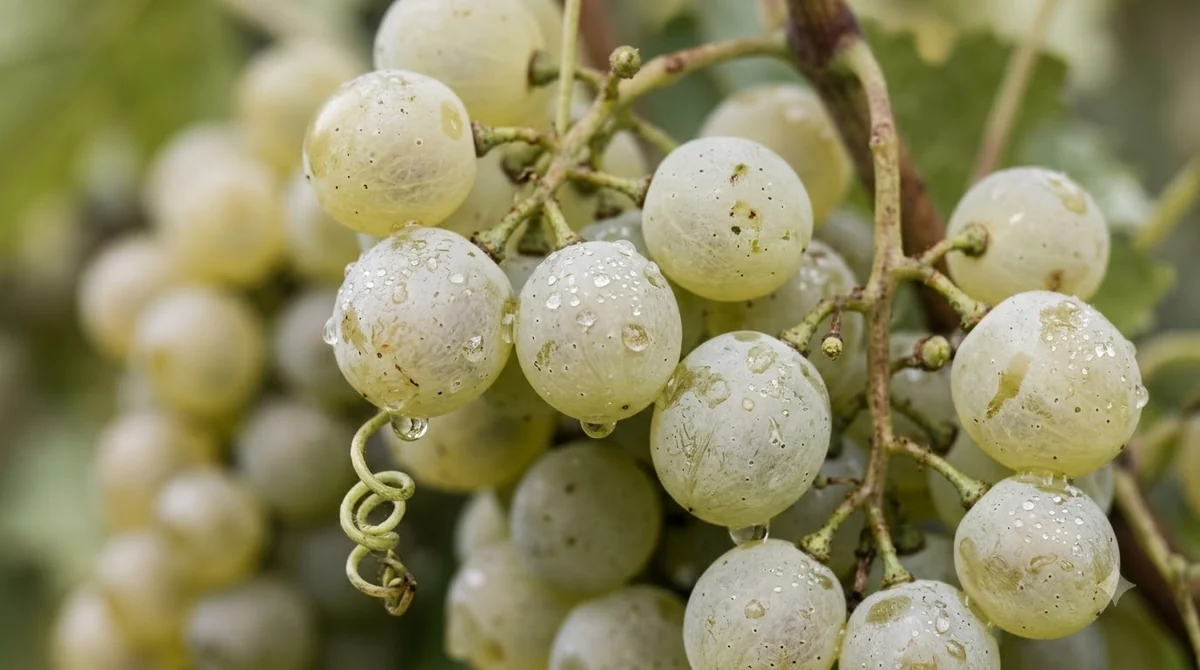
According to BKWine Magazine, Sauvignon Blanc owes its unmistakable scent profile to two specific volatile compound families. Methoxypyrazines generate vegetal aromas such as freshly cut grass, green bell pepper, snap peas, and tomato leaf, especially when grapes ripen in cool maritime climates. Volatile thiols form during fermentation—often amplified by specific yeast strains—and contribute bright bursts of pink grapefruit, gooseberry, rhubarb, and passion fruit.
Vermentino builds its aromatics with far fewer green pyrazines and far more Mediterranean orchard and coastal character. Across Italian and French coastal vineyards, the grape regularly displays Meyer lemon, lime zest, green apple, white peach, and yellow wildflowers alongside a distinct sea-spray salinity. Rather than finishing with a sharp herbaceous snap, Vermentino leaves a clean, faintly bitter impression reminiscent of raw almond skin or white grapefruit pith.
Winemaking choices also steer how strongly those aromas jump out of the glass. Most commercial bottlings of both grapes ferment in temperature-controlled stainless steel tanks to lock in fresh fruit, yet oak-aged Sauvignon Blanc—often labeled Fumé Blanc in California or blended with Sémillon in Bordeaux—trades grassiness for beeswax, vanilla, and toasted nuts. Similarly, producers in Tuscany and Sardinia occasionally use extended skin contact or clay amphorae on Vermentino, deepening its color to pale gold and adding dried herb and savory almond complexity.
Acidity, Body, and Texture Side by Side
Sauvignon Blanc sits at the high end of the acidity scale with a lean, racy, light-to-medium body, while Vermentino pairs high, mouthwatering acidity with a noticeably rounder, slightly oily mid-palate. Both grapes finish dry, yet Vermentino feels weightier on the tongue due to higher phenolic extract and slightly higher average alcohol.
| Attribute | Sauvignon Blanc | Vermentino |
|---|---|---|
| Primary Aromas | Gooseberry, passion fruit, lime, cut grass, bell pepper | Lemon, white peach, green apple, wildflowers, sea spray |
| Acidity Level | High (piercing and linear) | High (rounded and lively) |
| Body and Texture | Light to medium-light; crisp and lean | Light to medium; slightly oily with gentle phenolic grip |
| Typical ABV | 11.5% to 13.5% | 12.0% to 13.5% (up to 14.0% in warm coastal sites) |
| Sweetness | Dry (occasionally 1–2 g/L residual sugar in Marlborough) | Almost always dry (rare late-harvest Passito styles) |
| Finish | Tart, zesty, and clean | Saline, mineral, with a faint bitter almond note |
| Serving Temp | 45–55°F | 45–55°F |
According to Wine Folly’s varietal benchmarks, typical Sauvignon Blanc clocks in between 11.5% and 13.5% ABV with zero tannin and razor-sharp malic acidity that makes the sides of the mouth water immediately. In ultra-cool regions like Marlborough, New Zealand, natural grape acidity runs so high that winemakers routinely leave 1 to 2 grams per liter of residual sugar in the finished bottle just to keep the palate balanced without making the wine taste sweet.
Vermentino carries plenty of natural acidity even when harvested late in warm coastal sunshine, yet its thicker skins and higher natural phenolic compounds give the wine a supple, almost waxy or olive-oil-like texture. Under Italian wine regulations tracked by Italian Wine Central, standard Vermentino di Gallura DOCG must reach at least 12.0% ABV, while the denser Superiore tier requires a minimum of 13.0% ABV. That extra extract softens the edges of the acidity and gives Vermentino a lingering, savory finish that bridges the gap between light-bodied whites and fuller textured styles.
Tip: Avoid serving Vermentino straight from an ice bucket at 38°F. Extreme cold numbs its white peach and floral aromatics while exaggerating its natural bitter almond finish; letting the bottle warm to around 48–50°F brings its citrus and saline balance into focus.
Grape Origins, Botany, and Regional Synonyms
Sauvignon Blanc and Vermentino are not closely related by parentage, as Sauvignon Blanc hails from western France while Vermentino evolved along the warm Tyrrhenian and Ligurian coasts of the western Mediterranean. Knowing Vermentino’s regional aliases is essential for shoppers because the exact same grape appears under completely different names across Italy and France.
Sauvignon Blanc traces its documented history in France’s Loire Valley back to at least 1534, when writer François Rabelais referenced the vine under the local name “Fiers.” Its name derives from the French words sauvage (wild) and blanc (white), reflecting its early domestication from wild vines in southwest and central France. Genetic profiling also confirmed that Sauvignon Blanc crossed naturally with Cabernet Franc in Bordeaux to produce Cabernet Sauvignon, which explains why both grapes share those signature green bell pepper methoxypyrazines.
Vermentino’s exact birthplace remains debated among ampelographers, though DNA studies group it with western Mediterranean varieties from the Ligurian-Provençal basin. Written records place Vermentino on the island of Sardinia by the 14th century, and maritime trade routes carried cuttings across Corsica, Liguria, Tuscany, and southern France. Shoppers browsing French or northern Italian wine aisles will frequently encounter Vermentino bottled under its legally recognized regional synonyms:
- Rolle: The official French name used across Provence, Nice, and Languedoc-Roussillon, where it is bottled as a single-varietal white or blended into dry Provençal rosés.
- Pigato: A Ligurian biotype grown along the Italian Riviera that shares Vermentino’s DNA and yields intensely aromatic, slightly more structured whites.
- Favorita: The traditional synonym used in Piedmont’s Roero and Langhe hills, producing light, floral, crisp dry whites.
- Vermentinu: The Corsican spelling used in island appellations such as Patrimonio and Cap Corse.
Key Growing Regions and How Place Changes Each Wine
Sauvignon Blanc spans roughly 124,000 hectares across cool and moderate wine regions worldwide, while Vermentino remains concentrated around coastal Italy, southern France, and select warm-climate pockets in California and Australia. Where each grape is grown dramatically alters its balance between sharp citrus, herbal intensity, and mineral weight.
Top Sauvignon Blanc Regions
France leads global Sauvignon Blanc plantings with 31,000 hectares, anchored by two benchmark styles. In the upper Loire Valley appellations of Sancerre and Pouilly-Fumé, cool continental weather and three distinct soils—Kimmeridgian limestone clay (Terre Blanche), Oxfordian limestone pebbles (Caillotes), and flint (Silex)—yield taut, stony wines with lime, gooseberry, and gunflint notes. Southwest in Bordeaux’s Graves and Pessac-Léognan, winemakers frequently blend Sauvignon Blanc with Sémillon and age the wine in oak barrels, creating richer, creamier whites capable of cellaring for a decade or more.
Food Pairing: Matching Sauvignon Blanc and Vermentino to Meals
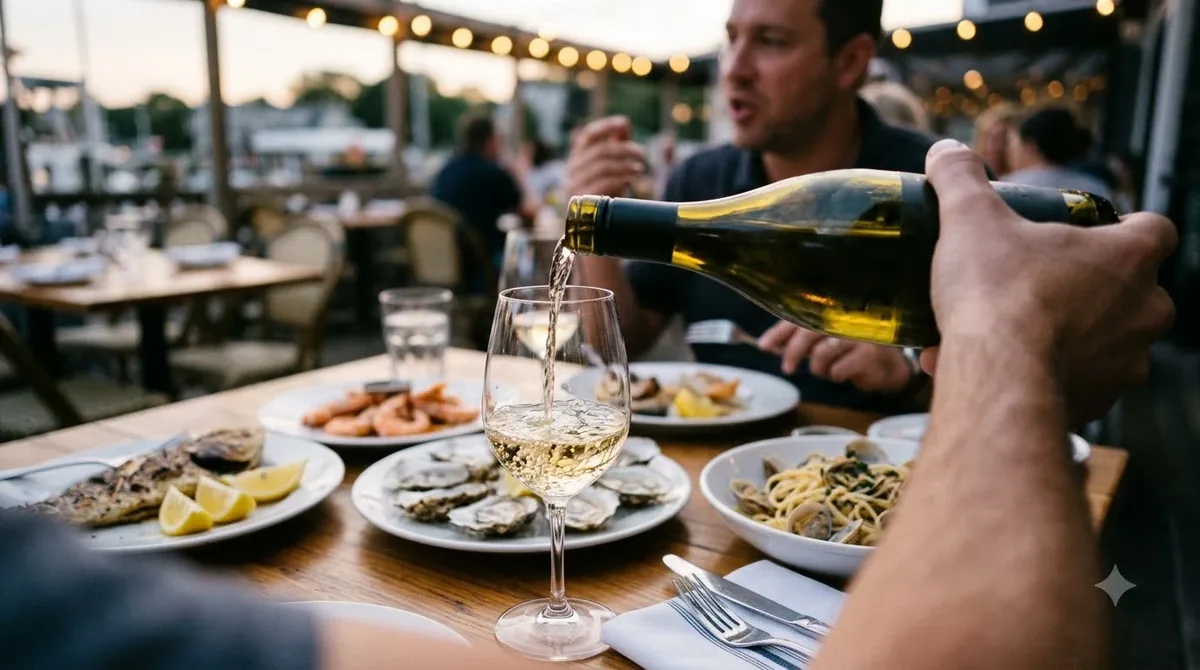
Sauvignon Blanc excels alongside tangy goat cheese, raw oysters, green herbs, and high-acid vinaigrettes because its piercing acidity cuts through sharp flavors without clashing, while Vermentino pairs naturally with grilled Mediterranean seafood, pesto, garlic, and olive-oil-rich dishes thanks to its fuller texture and subtle bitter almond finish.
Both wines belong in the high-acid white camp, which means either bottle refreshes the palate after rich or fried foods. However, pairing success hinges on matching the green herbal punch of Sauvignon Blanc versus the savory, saline weight of Vermentino to the dominant ingredients on the plate:
- Raw shellfish and oysters: Unoaked Loire Sauvignon Blanc from Sancerre or Muscadet-adjacent Touraine mirrors the briny snap of raw oysters and ceviche, while crisp Ligurian Vermentino from Colli di Luni brings a softer lemon-and-sea-salt lift to crudo and steamed clams.
- Grilled fish and calamari: Vermentino di Gallura DOCG or Tuscan Maremma Vermentino handles charred octopus, grilled branzino, and fried calamari with ease because its slightly oily mid-palate stands up to olive oil, capers, and garlic.
- Fresh cheeses and salads: Sauvignon Blanc is the classic foil for tangy chèvre (fresh goat cheese), feta, and salads dressed with lemon juice or sherry vinegar, where lower-acid whites would taste flat.
- Herbs, pesto, and vegetables: Sauvignon Blanc’s methoxypyrazines echo cilantro, chives, asparagus, and green peas, whereas Vermentino’s almond and citrus notes lock into Ligurian basil pesto, roasted fennel, and artichoke hearts.
- Spicy and Asian dishes: Both dry wines avoid the alcohol-and-tannin burn that clashes with chili heat, though a Marlborough Sauvignon Blanc with 1 to 2 grams per liter of residual sugar—as documented by Wine Folly—cools Thai green curry and Vietnamese spring rolls more gently than bone-dry styles.
When cooking with richer cream sauces, roasted poultry, or pork tenderloin, an oak-aged Bordeaux Blanc or California Fumé Blanc carries enough barrel weight to match the dish without feeling heavy. Shoppers looking for an even rounder, softer white profile for creamy pasta or mild cheeses can also explore how pinot blanc vs sauvignon blanc compare in body and acidity.
Serving Temperature, Glassware, and Storage Guidelines
Both Sauvignon Blanc and Vermentino should be served chilled between 45°F and 55°F (7°C to 13°C), poured into medium-sized white wine glasses, and consumed within one to five years of the vintage date for peak freshness.
According to Wine Enthusiast’s varietal serving guidelines, 45°F to 50°F works best for light, stainless-steel bottlings such as New Zealand Sauvignon Blanc or Ligurian Vermentino, keeping their citrus and herbal aromas crisp and lively. Fuller, more textured expressions—including Sardinia’s Vermentino di Gallura Superiore (which carries a minimum 13.0% ABV per Italian Wine Central) or barrel-fermented Bordeaux Sauvignon Blanc—open up better at 50°F to 55°F, roughly 15 to 20 minutes out of a standard kitchen refrigerator.
A standard 750-milliliter bottle (roughly 25.4 fluid ounces) yields about five 5-ounce pours. Tulip-shaped white wine glasses with a medium bowl concentrate Sauvignon Blanc’s volatile thiols and Vermentino’s white blossom aromatics toward the nose while directing the wine to the center of the palate. Once opened, recorking either bottle and placing it upright in the refrigerator preserves bright fruit and acidity for 3 to 5 days before oxidation flattens the finish.
For unopened bottles, long-term storage works best on the bottle’s side in a cool, dark space held steadily near 55°F—per Wine Enthusiast’s cellar storage guidelines—so natural corks stay moist and sealed. While everyday stainless-steel bottlings of both grapes are crafted for immediate enjoyment within 1 to 3 years of harvest, top-tier Sancerre, oak-aged Pessac-Léognan, and structured Vermentino di Gallura Superiore can develop appealing honeyed, nutty, and dried-herb complexity over 5 to 8 years in a cool cellar.
How to Choose Between Sauvignon Blanc and Vermentino
Pick Sauvignon Blanc when you want intense aromatics, zesty lime-and-herb energy, and unmistakable worldwide consistency, and choose Vermentino when you want a slightly richer, food-friendly Mediterranean white with coastal minerality and a savory finish.
Because both grapes span accessible everyday bottlings alongside single-vineyard benchmark releases, the clearest buying decision comes down to occasion and palate preference:
- Choose Sauvignon Blanc if: You love bold, expressive aromas that jump out of the glass, prefer snappy grapefruit and green herb flavors, are serving goat cheese or vinegar-dressed salads, or want reliable regional styles from Marlborough, Sancerre, or Napa Valley.
- Choose Vermentino if: You find New Zealand Sauvignon Blanc overly grassy or pungent, want a rounder mouthfeel without heavy oak, are cooking seafood with olive oil, garlic, or basil pesto, or enjoy discovering regional Italian and southern French whites labeled as Rolle or Pigato.
For readers comparing crisp whites against light-bodied reds or other classic varietal matchups, browsing additional side-by-side Wine vs Wine guides helps narrow down bottles by acidity, tannin, and regional style before heading to the store.
Frequently Asked Questions
Is Vermentino a good substitute for Sauvignon Blanc in recipes and cocktails?
Yes, unoaked Vermentino works smoothly in any recipe calling for dry Sauvignon Blanc, including white wine clam sauce, risotto, and deglazing pan sauces for chicken or fish. Because Vermentino has slightly less pungent bell-pepper pyrazines, it actually integrates more smoothly into delicate cream or butter reductions than intensely grassy New Zealand Sauvignon Blanc.
Are sparkling wines ever made from Vermentino or Sauvignon Blanc?
Yes, both grapes are used for dry sparkling wines, though in much smaller volumes than still bottlings. Under Vermentino di Gallura DOCG regulations tracked by Italian Wine Central, producers make both tank-method Spumante and traditional bottle-fermented Metodo Classico sparkling wines, while Marlborough and Loire Valley producers occasionally craft crisp, tank-method sparkling Sauvignon Blanc.
Why do some Sauvignon Blancs smell like cat pee or boxwood?
That sharp, pungent aroma comes from a specific sulfur-containing thiol compound called 4-mercapto-4-methylpentan-2-one (4MMP), which naturally occurs in Sauvignon Blanc grapes and blackcurrant buds. At low to moderate concentrations, 4MMP smells like boxwood, passion fruit, and grapefruit zest, though extreme levels in ultra-cool harvests can come across as catty or overly aggressive.
Does Vermentino ever go through malolactic fermentation or oak aging?
Most Vermentino producers block malolactic fermentation and avoid oak barrels to preserve the grape’s natural citrus snap and coastal freshness. However, a small group of winemakers in Tuscany’s Maremma and Bolgheri—as well as select Provençal estates bottling Rolle—ferment or age top cuvées in large neutral oak casks, concrete eggs, or clay amphorae to build extra mid-palate weight.
Which wine has fewer calories and carbohydrates per glass?
Dry Sauvignon Blanc and dry Vermentino contain nearly identical calories and carbohydrates per 5-ounce pour because both are fermented to dryness with minimal residual sugar. Any slight calorie difference depends strictly on alcohol by volume (ABV), meaning an 11.5% ABV Loire Sauvignon Blanc will have slightly fewer calories than a 13.5% ABV Sardinian Vermentino di Gallura Superiore.
Both Sauvignon Blanc and Vermentino reward white wine drinkers who appreciate bright acidity, transparent terroir, and easy versatility at the dinner table. Keeping a bottle of each on hand lets you match sharp, herbaceous Sauvignon Blanc to fresh salads and tangy cheeses while saving textured, saline Vermentino for grilled seafood and Mediterranean herbs.
More in Wine vs Wine
 Chenin Blanc vs Pinot Gris: Acidity, Body, and Pairing DifferencesUpdated Nov 20, 2026
 Chianti vs Lambrusco: How Tuscany and Emilia-Romagna Reds CompareUpdated Nov 20, 2026
 Chianti vs Primitivo: Key Differences in Taste, Body, and PairingUpdated Nov 20, 2026
 Chianti vs Rioja: Key Differences in Taste, Aging, and PairingUpdated Nov 20, 2026
 Chianti vs Shiraz: How Acidity, Body, and Food Pairings CompareUpdated Nov 20, 2026
 Chianti vs Syrah: Key Differences in Taste, Body, and Food PairingUpdated Nov 20, 2026