

We may earn a commission when you buy through links on this page, at no extra cost to you. Learn more.
Comparing syrah vs tempranillo comes down to dark, peppery power versus savory red-fruit elegance. Syrah (known as Shiraz in Australia) is a full-bodied, deeply pigmented red defined by blackberry, black plum, violet, and cracked black pepper, backed by firm tannins. Tempranillo, Spain’s signature red grape from Rioja and Ribera del Duero, typically offers a medium-to-full body with red cherry, dried fig, leather, and warm vanilla or dill notes shaped by extended oak aging.
Both grapes produce dry, age-worthy red wines with moderate-to-high alcohol, yet they deliver very different textures and aromas at the dinner table. Choosing the right bottle depends on whether a meal calls for Syrah’s smoky, dark-berried intensity or Tempranillo’s bright acidity and cedar-laced earthiness.
Side-by-Side Comparison: Syrah vs Tempranillo
Syrah and Tempranillo share dry finishes, similar alcohol ranges, and strong aging potential, but they diverge sharply in fruit spectrum, acidity, and oak treatment. While Syrah leans toward brooding black fruits and natural spice, Tempranillo highlights red berries, tobacco, and barrel-derived complexity.
| Attribute | Syrah (Shiraz) | Tempranillo |
|---|---|---|
| Primary Origins | Rhône Valley (France), Barossa Valley & McLaren Vale (Australia) | Rioja DOCa & Ribera del Duero D.O. (Spain), Douro (Portugal) |
| Body | Medium-full to full | Medium to medium-full (fuller in Ribera del Duero) |
| Fruit Profile | Blackberry, black plum, blueberry, blackcurrant | Red cherry, raspberry, dried fig, redcurrant |
| Savory & Spice Notes | Black pepper, violet, smoked meat, black olive, licorice | Leather, tobacco leaf, dried herbs, cedar, dill, vanilla |
| Tannin Level | Medium-plus to high | Medium to medium-plus |
| Acidity | Medium | Medium to medium-plus |
| Typical Alcohol (ABV) | 13.0%–15.5% | 13.0%–14.5% |
| Oak Aging Tradition | French oak (neutral or new) in France; American or French oak in Australia | Mandatory tiered aging in 225-liter American or French oak barrels |
| Ideal Serving Temp | 60–65°F | 60–65°F (55–60°F for unoaked Joven styles) |
Looking at the numbers reveals why these two wines behave differently in the glass. According to the Rhône Valley Vineyards council, Syrah is an early-ripening grape with small, deep-purple berries that pack high levels of anthocyanins and polyphenols, creating opaque color and sturdy tannins paired with moderate acidity. In warm climates like South Australia’s Barossa Valley, sugar accumulation pushes alcohol levels toward 15% or higher, amplifying plush dark chocolate and mocha notes.
Tempranillo also ripens early—its name derives from temprano, the Spanish word for “early”—which allows it to thrive in northern Spain’s short growing seasons. Rather than relying on sheer fruit weight, classic Tempranillo balances medium-plus tannins with lively natural acidity, particularly when grown at high elevations. Winemakers in Spain also release bottles only after strict cellar aging, meaning many Tempranillo wines arrive on retail shelves with several years of bottle and barrel integration already complete.
Flavor Profile and Aromas: Black Pepper vs Red Cherry
The clearest sensory divide between these two grapes lies in their primary fruit and spice signatures. Syrah centers on dark, brooding berries and floral-peppery lift, whereas Tempranillo leads with bright red orchard fruits that gradually transform into earthy, leathery maturity.
Syrah: Dark Fruit, Violet, and Cracked Pepper
In cooler continental climates such as France’s Northern Rhône, Syrah expresses intense aromas of blackberry, blueberry, crushed violet, and freshly ground black pepper. That signature peppery bite comes from a natural aroma compound called rotundone, which concentrates in the grape skins during cool-to-moderate ripening. As Northern Rhône Syrah matures over 8 to 15 years, primary violet notes give way to savory secondary and tertiary layers of cured meat, black olive, truffle, and leather.
When grown in warmer regions such as McLaren Vale in South Australia or California’s Paso Robles, Syrah—often labeled as Shiraz—shifts away from pepper and toward lush, jammy blackberry, ripe plum, licorice, and cocoa. Producers in Cote-Rotie sometimes co-ferment Syrah with up to 5% of the white grape Viognier, a traditional technique that stabilizes color and lifts fragrant apricot and floral aromatics. Readers exploring other dark, fruit-driven reds can also compare syrah vs zinfandel to see how Zinfandel’s candied berry sweetness differs from Syrah’s savory spice.
Tempranillo: Red Berries, Leather, and Savory Earth
Young, unoaked Tempranillo bursts with fresh strawberry, red cherry, raspberry, and subtle herbal notes of thyme and tomato leaf. Unlike Syrah’s inky, opaque purple hue, Tempranillo typically pours a translucent medium ruby that shifts toward brick garnet at the rim as it ages. On the palate, it feels brisk and structured rather than heavy or syrupy.
Once Tempranillo spends time in oak and bottle, its flavor spectrum expands into dried fig, cigar box, worn saddle leather, and warm baking spices. In high-altitude regions like Ribera del Duero, extreme day-to-night temperature swings exceeding 40°F thicken the grape skins, yielding darker flavors of black cherry, blackberry bramble, and dark chocolate alongside Tempranillo’s hallmark savory backbone.
Body, Tannins, and Acidity Compared
Structurally, Syrah is heavier, darker, and more tannic than standard Rioja Tempranillo, while Tempranillo generally carries brisker acidity and a more linear mouthfeel. Both grapes sit firmly in the dry red category with virtually zero residual sugar, yet their tactile impressions differ noticeably from the first sip.
Syrah’s thick skins and small berries impart medium-plus to high tannins that coat the cheeks and gums, especially in youth. Because Syrah possesses moderate natural acidity, a young, full-bodied bottle from Hermitage, Cornas, or Barossa Valley can feel dense, enveloping, and velvety when ripe—or grippingly astringent if harvested too early. Decanting a young Syrah for 30 to 60 minutes introduces oxygen that softens those firm polyphenols and opens up its aromatic layers.
Tempranillo sits neatly between the lighter, high-acid elegance of Pinot Noir and the muscular weight of Cabernet Sauvignon. Its tannins are medium to medium-plus, offering a firm, dusty grip that rarely feels jammy or overwhelming. Combined with medium-plus acidity, Tempranillo refreshes the palate between bites of rich food, making it feel lighter on its feet than a 14.5% ABV Australian Shiraz even when the alcohol numbers on the back labels match.
Tip: Serve both Syrah and aged Tempranillo slightly below room temperature at 60–65°F. If a bottle has been sitting in a warm 72°F kitchen, chill it in the refrigerator for 15 to 20 minutes before pouring so alcohol heat does not mask the subtle pepper, violet, or cedar aromatics.
How Oak Aging Shapes Each Wine
Oak maturation plays a supporting role in most Syrah winemaking, whereas it defines the legal classification system and signature flavor profile of Spanish Tempranillo. Understanding how each grape interacts with wood explains why a Rioja Reserva tastes distinctly of vanilla and coconut while a Northern Rhône Syrah emphasizes pure fruit and earth.
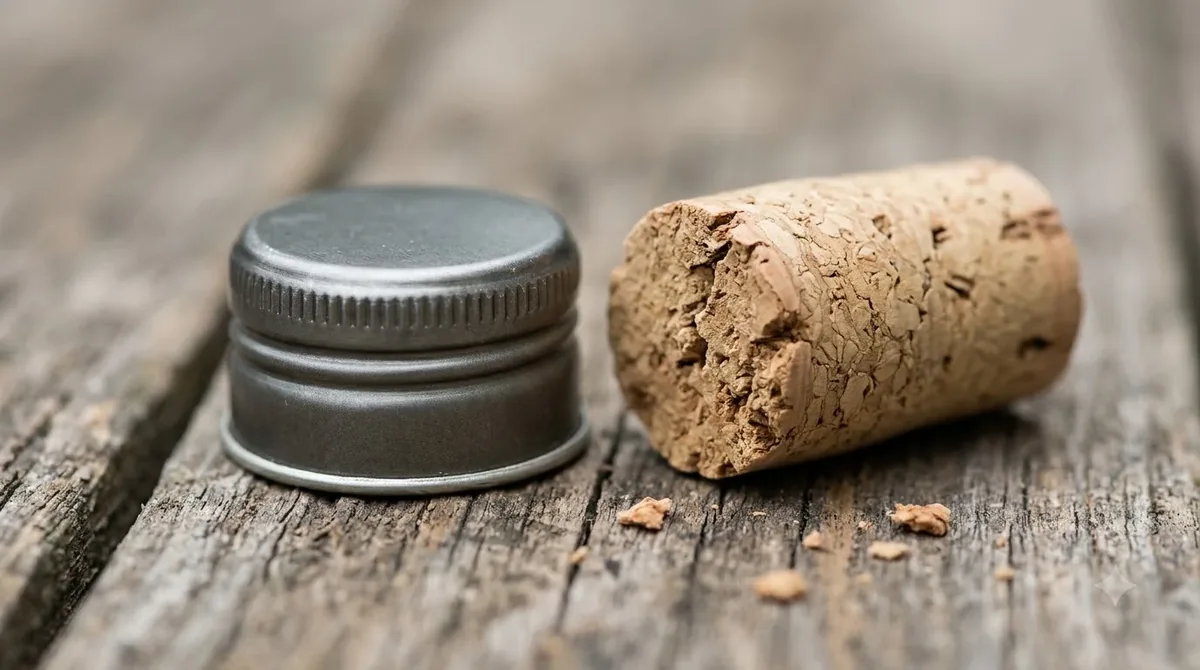
In the Northern Rhône, traditional producers age Syrah in large, neutral French oak foudres or older 228-liter barrels for 12 to 24 months. Because the wood is seasoned rather than brand-new, it allows gentle micro-oxygenation to tame Syrah’s tannins without imparting heavy vanilla or toast flavors. By contrast, many Australian Shiraz producers favor smaller, new American or French oak hogsheads (300 liters), which layer sweet vanilla, mocha, and coconut notes onto the ripe dark fruit.
In Spain, oak aging is codified into law by regional regulatory councils. According to the Rioja Wine Academy, Rioja spans more than 65,000 hectares along the Ebro River and enforces four strict aging tiers measured in 225-liter oak barrels, verified by color-coded back labels:
- Genérico or Joven (Green Seal): Released in its first or second year with little to no oak contact, showcasing bright, juicy cherry and raspberry fruit.
- Crianza (Red Seal): Aged for at least 24 months total, including a minimum of 12 months in oak barrels, creating a balanced mix of fresh red fruit and gentle vanilla spice.
- Reserva (Garnet Seal): Aged for at least 36 months total, with at least 12 months in oak and 6 months in bottle, yielding polished tannins and cedar complexity.
- Gran Reserva (Blue Seal): Crafted only in top vintages and aged for at least 60 months total, including at least 24 months in oak and 24 months in bottle, developing deep leather, dried fig, and tobacco aromas.
Key Wine Regions and Styles: France and Australia vs Spain
Climate and regional winemaking traditions divide both grapes into distinct stylistic camps. Syrah splits between savory, pepper-driven French bottles and plush, sun-drenched Australian Shiraz, while Tempranillo spans silky, oak-aged Rioja and muscular, high-altitude Ribera del Duero.
Northern Rhône Syrah vs Australian Shiraz
Syrah and Shiraz are the exact same grape variety, which originated in southeastern France’s Savoie and Ardèche regions and now covers more than 140,000 hectares worldwide, according to the Rhône Valley Vineyards council. Across the Rhône Valley, Syrah makes up 29.11% of all vineyard plantings and serves as the sole permitted red grape in Northern Rhône appellations including Côte-Rôtie, Hermitage, Cornas, Saint-Joseph, and Crozes-Hermitage. Steep granite slopes and cooler continental temperatures produce structured, medium-to-full-bodied wines defined by blackberry, violet, smoked bacon, and white or black pepper.
In the warmer Southern Rhône—such as Châteauneuf-du-Pape, Gigondas, and Vacqueyras—Syrah is blended with Grenache, Mourvèdre, and Cinsault to contribute dark color, backbone, and savory black olive notes. Meanwhile, in South Australia’s Barossa Valley and McLaren Vale, warm sunshine ripens Shiraz into full-bodied, velvety wines bursting with dark chocolate, mocha, and ripe blackberry, whereas high-altitude Australian sites like the Grampians at 335 meters yield spicier, medium-bodied styles. Readers curious about how Syrah performs alongside its classic blending partner can explore grenache vs syrah to compare their weight and spice levels.
Rioja vs Ribera del Duero Tempranillo
In Spain, Tempranillo’s personality shifts dramatically depending on geography and altitude. Rioja DOCa stretches along the Ebro River in northern Spain and divides into three subzones—Rioja Alta, Rioja Alavesa, and Rioja Oriental—where Atlantic and Mediterranean influences moderate temperatures. Classic Rioja blends Tempranillo with small amounts of Garnacha, Graciano, and Mazuelo, producing medium-bodied, silky wines layered with red cherry, vanilla, and cedar.
Southwest of Rioja in Ribera del Duero D.O. (established in 1982, according to the Ribera del Duero regulatory council), Tempranillo is called Tinto Fino or Tinta del País and grows at altitudes between 2,360 and 3,608 feet. Over one-third of the region’s vines are older than 45 years and 10% exceed 80 years, trained predominantly in low-yielding goblet bushes. Extreme day-to-night temperature swings between hot summer afternoons and chilly nights build thick skins and deep pigments, resulting in full-bodied, concentrated wines rich in black cherry, plum, and firm tannins that rival Northern Rhône Syrah in power. Across the border in Portugal’s Douro and Alentejo regions, the same grape appears under the names Tinta Roriz and Aragonêz.
Food Pairing Guide: Matching Syrah and Tempranillo to Meals
Both wines thrive alongside savory proteins and roasted dishes, yet their structural differences dictate which bottle shines on the plate. Syrah’s high tannins and smoky dark fruit anchor rich, heavily seasoned meats, while Tempranillo’s higher acidity and earthy red fruit complement cured meats, tomatoes, and saffron-spiced dishes.
Best Foods for Syrah and Shiraz
Because salt and fat soften firm tannins, full-bodied Syrah is an ideal partner for marbled beef, venison, and slow-cooked meats. Grilled ribeye steak, pepper-crusted beef tenderloin, and braised beef short ribs match Syrah’s weight while letting its natural black pepper notes echo savory rubs and reductions. Smoky barbecue dishes—such as brisket, pulled pork, or grilled lamb chops—pair naturally with Syrah’s cured-meat undertones.
Aged cheeses like sharp white cheddar, Gouda, and smoky blue cheese also balance Syrah’s sturdy grip. Avoid pairing high-alcohol Australian Shiraz with fiery chili peppers or delicate oily fish like salmon or mackerel; capsaicin amplifies alcohol heat and astringency, while high tannin creates a metallic clash with fish oils.
Best Foods for Tempranillo
Tempranillo’s lively medium-plus acidity and savory leather-and-herb profile make it one of the most food-friendly reds at the table. Young Crianza bottles pair easily with Spanish tapas, including jamón serrano, chorizo, patatas bravas, and roasted bell peppers, because the wine’s acidity cuts through cured fat and matches smoky paprika without overwhelming the dish.
Aged Rioja Reserva and Gran Reserva bottles excel alongside roast lamb, pork tenderloin with rosemary, mushroom risotto, and semi-hard sheep’s milk cheeses like aged Manchego. Because Tempranillo has gentler tannins than Cabernet Sauvignon or young Hermitage Syrah, it also works well with tomato-based pasta sauces, paella with rabbit and chicken, and grilled burgers. For more head-to-head style breakdowns across major grapes, browse the complete Wine vs Wine comparison hub.
How to Choose and Cellar Syrah vs Tempranillo
Selecting between these two reds comes down to immediate drinkability, budget preferences, and cellar goals. Tempranillo offers unbeatable ready-to-drink maturity straight off the retail shelf, whereas top Syrah rewards patience in a temperature-controlled cellar.
Buy Tempranillo when looking for developed tertiary flavors—such as dried fig, leather, and cedar—without waiting years for a bottle to mature at home. Because Spanish regulations in regions like Rioja and Ribera del Duero require Reserva and Gran Reserva red wines to age for at least 3 to 5 years in oak and bottle prior to release, shoppers can open a bottle tonight and immediately experience smooth, integrated tannins. Unoaked Joven and young Crianza styles also serve as versatile everyday reds.
Choose Syrah when craving intense dark fruit, smoky meatiness, and fuller body. Everyday bottles from Crozes-Hermitage, Languedoc, Washington State, or South Australia deliver bold blackberry and pepper character right away, especially after 30 to 60 minutes in a decanter. Meanwhile, flagship Northern Rhône bottlings from Hermitage, Côte-Rôtie, and Cornas—alongside old-vine Barossa Shiraz and Ribera del Duero Gran Reserva—can age gracefully for decades when stored on their sides in a cool, dark, humid cellar.
Frequently Asked Questions
Are Syrah and Shiraz the exact same grape?
Yes, Syrah and Shiraz are genetically identical black-skinned wine grapes originating in southeastern France. Winemakers in France, California, and Washington typically use the name Syrah for savory, pepper-driven styles, while producers in Australia and South Africa use Shiraz for riper, fuller-bodied expressions.
Which wine is sweeter, Syrah or Tempranillo?
Neither wine is sweet, as both Syrah and Tempranillo are fermented completely dry with virtually no residual sugar. However, warm-climate Australian Shiraz can taste sweeter on the palate because ripe jammy blackberry fruit, high alcohol, and new American oak create a perception of richness.
Do Syrah and Tempranillo ever get blended together?
While rare in traditional Old World appellations, winemakers in modern Spanish regions such as Castilla-La Mancha and Toro, as well as producers in California and Australia, occasionally blend Syrah and Tempranillo. In these blends, Syrah contributes deep purple color and plush dark berry weight, while Tempranillo adds bright red-fruit acidity and savory spice.
How long do opened bottles of Syrah and Tempranillo last?
Once opened, recorked, and stored upright in a refrigerator, both Syrah and Tempranillo typically stay fresh for several days. Fuller-bodied, high-tannin wines like Barossa Shiraz or Ribera del Duero Reserva often hold up well through day four or five, whereas delicate, mature Rioja Gran Reserva wines lose their aromatic nuance much faster once exposed to air.
What is the difference between Ribera del Duero aging rules and Rioja aging rules?
Both Spanish regions use the Crianza, Reserva, and Gran Reserva tiers, but Ribera del Duero enforces stricter minimum bottle-aging times for its upper categories. According to the Ribera del Duero regulatory council, Reserva reds require at least 12 months in barrel and 24 months in bottle, while Gran Reserva reds require at least 24 months in barrel and 36 months in bottle.
Both Syrah and Tempranillo bring distinct strengths to the glass, rewarding wine lovers with two very different expressions of dry, age-worthy red wine. Pour Syrah or Shiraz when a meal demands dark, pepper-laced power, and reach for Spanish Tempranillo when bright acidity, savory earth, and barrel-aged elegance fit the occasion.
More in Wine vs Wine
 Chenin Blanc vs Pinot Gris: Acidity, Body, and Pairing DifferencesUpdated Nov 20, 2026
 Chianti vs Lambrusco: How Tuscany and Emilia-Romagna Reds CompareUpdated Nov 20, 2026
 Chianti vs Primitivo: Key Differences in Taste, Body, and PairingUpdated Nov 20, 2026
 Chianti vs Rioja: Key Differences in Taste, Aging, and PairingUpdated Nov 20, 2026
 Chianti vs Shiraz: How Acidity, Body, and Food Pairings CompareUpdated Nov 20, 2026
 Chianti vs Syrah: Key Differences in Taste, Body, and Food PairingUpdated Nov 20, 2026