

We may earn a commission when you buy through links on this page, at no extra cost to you. Learn more.
When comparing shiraz vs tempranillo, Shiraz delivers a bolder, full-bodied pour packed with ripe blackberry, plum, and black pepper, while Tempranillo offers a medium-to-full-bodied, savory profile built around red cherry, dried herbs, and leather. Both grapes produce dry red wines with medium-plus to high tannins, yet Shiraz leans plush and warming with higher average alcohol, whereas Tempranillo feels earthier, firmer, and more structured by oak aging.
Walking down the red wine aisle, these two heavyweights often sit just a few shelves apart, representing the flagship grapes of Australia and Spain. Choosing between them comes down to whether dinner calls for dark, jammy fruit and cracked peppercorn or bright red berry notes layered with cedar, vanilla, and savory spice. Understanding how each grape grows, ages, and interacts with food makes picking the right bottle straightforward.
Shiraz vs Tempranillo at a Glance
Shiraz and Tempranillo are both dry, deeply colored red wines with noticeable tannin, yet they occupy opposite ends of the fruit-to-savory spectrum. Shiraz emphasizes lush dark berries, chocolate, and black pepper spice, while Tempranillo highlights tart red cherry, plum, tobacco, and oak-driven vanilla.
The clearest way to separate these two varieties in the glass is by looking at their primary fruit character and structural weight. According to Decanter, Shiraz typically ranges from medium to full-bodied and brings forward blackberry, blueberry, black cherry, licorice, and black pepper. Warm-climate bottles from South Australia frequently reach 14.5% to 15.1% alcohol by volume, giving the wine a rich, velvety mouthfeel and a warming finish.
Tempranillo sits in the medium-to-full-bodied bracket, usually registering between 13.5% and 14.5% alcohol by volume in classic Spanish bottlings. Rather than dense black fruit, Tempranillo leads with red cherry, red plum, and dried herbs, backed by chalky or fine-grained tannins and a distinct savory edge. While both wines are vinified dry, the riper fruit extract and higher alcohol in warm-climate Shiraz often create a sweeter, plusher impression on the mid-palate than traditional Tempranillo.
| Attribute | Shiraz (Syrah) | Tempranillo |
|---|---|---|
| Primary Origin | Rhône Valley, France; Barossa Valley, Australia | Rioja and Ribera del Duero, Spain |
| Body | Medium-full to full | Medium to full |
| Sweetness | Dry | Dry |
| Core Fruit Flavors | Blackberry, black plum, blueberry, black cherry | Red cherry, red plum, strawberry, dried fig |
| Secondary Notes | Black pepper, dark chocolate, licorice, violet, smoke | Leather, tobacco leaf, dried herbs, vanilla, cedar |
| Tannin Level | Medium-plus to high (velvety to firm) | Medium-plus to high (fine-grained to chalky) |
| Acidity | Medium (higher in cool climates) | Medium to medium-high |
| Typical ABV | 13.5%–15.5% | 13.0%–14.5% |
| Serving Temperature | 60–65°F | 60–65°F |
Grape Origins and Naming Differences
Shiraz is a native French grape known as Syrah in Europe that gained its Australian name in the 1830s, whereas Tempranillo is an indigenous Spanish variety named for its early ripening habit. Both grapes appear under multiple regional aliases on wine labels, which can confuse shoppers looking for a specific style.
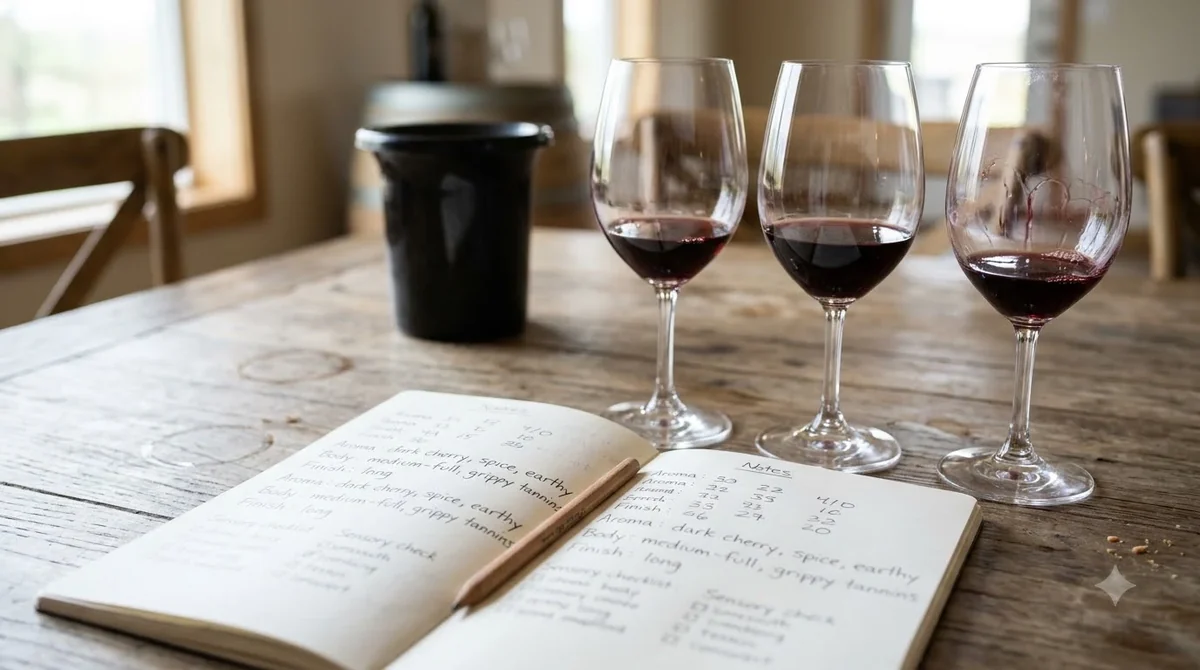
DNA profiling published in 1998 proved that Shiraz and Syrah are the exact same grape variety, born as a natural cross between two obscure southeastern French cultivars named Dureza and Mondeuse Blanche. In France’s Northern Rhône Valley, winemakers label the grape Syrah and craft restrained, aromatic reds from appellations like Hermitage and Côte-Rôtie. When cuttings arrived in Australia in the 1830s, growers adopted the spelling Shiraz, a name that now signals a bolder, riper, fruit-forward New World expression across Australia, South Africa, and California.
Tempranillo traces its roots to northern Spain’s Ebro Valley, where DNA testing in 2012 confirmed it as a natural cross between the white grape Albillo Mayor and the red grape Benedicto. Its name comes from temprano, the Spanish word for early, because the vines bud and ripen weeks ahead of varieties like Garnacha. Across Iberia, producers rarely print the word Tempranillo on front labels, instead using local synonyms such as Tinto Fino or Tinta del País in Ribera del Duero, Tinta de Toro in Toro, Cencibel in La Mancha, Ull de Llebre in Catalonia, and Tinta Roriz or Aragonez in Portugal.
Globally, Tempranillo has surged from 24th place in 1990 to become the world’s third most planted wine grape behind Cabernet Sauvignon and Merlot after expanding fivefold. Shiraz remains Australia’s most widely planted grape variety, anchoring more than 175 years of winemaking history in the Barossa Valley while competing alongside other bold reds covered in Wine vs Wine comparisons.
Flavor Profile, Body, and Tannin Structure
Shiraz builds its character around dark berry concentration, peppercorn spice, and plush viscosity, while Tempranillo balances bright red fruit with earthy, leathery complexity and structured tannins. Climate and vineyard elevation shift both grapes noticeably from sleek and floral to dense and powerful.
How Shiraz Tastes Across Climates
In warm regions such as South Australia’s Barossa Valley and McLaren Vale, low-yielding dry-grown vines produce inky purple wines loaded with blackberry jam, ripe plum, dark chocolate, and sweet licorice. These bottles carry generous weight, supple tannins, and a round texture that coats the palate. In cooler zones like Australia’s Adelaide Hills, Western Australia’s Frankland River, or Washington’s Walla Walla Valley, Shiraz sheds some of its jammy weight in favor of lifted violet aromatics, black olive, smoked meat, and a sharp crack of black pepper supported by brisker acidity.
How Tempranillo Tastes Across Climates
Tempranillo thrives in high-altitude continental vineyards where hot afternoons build sugar and cold nights lock in natural acidity. In Rioja, where limestone and clay soils moderate ripeness, Tempranillo delivers vibrant red cherry, wild strawberry, and dried herb flavors framed by silky, fine-grained tannins. Further west along the Duero River in Ribera del Duero and Toro, warmer summer days and thicker grape skins yield darker, fuller-bodied bottlings with black cherry, plum, graphite, and firmer, chalkier tannins that rival Shiraz in sheer grip.
Tip: If you love the dark berry richness of warm-climate Shiraz but want a different spice profile, compare shiraz vs zinfandel to see how Zinfandel swaps black pepper for jammy raspberry and baking spice.
Oak Aging and Spanish Classification Rules
Winemakers typically release Shiraz within one to two years of harvest after barrel aging in French or American oak, whereas Spanish Tempranillo follows strict legally enforced aging tiers before leaving the winery. Reading those aging terms on a Spanish bottle reveals exactly how much oak spice and bottle maturity you will taste.
For Shiraz, oak choices are flexible and driven by house style rather than regional law. In the 1950s, Penfolds Chief Winemaker Max Schubert established an Australian benchmark by maturing Barossa Shiraz in American oak hogsheads for Grange, imparting coconut, vanilla, and sweet spice to the concentrated fruit. Today, many producers in Barossa, McLaren Vale, and Paso Robles blend new French oak with seasoned barrels to integrate Shiraz’s medium-plus to high tannins while keeping blackberry and pepper flavors front and center.
In Spain’s Rioja region, the regulatory council enforces four official aging categories printed on the back seal, each transforming Tempranillo’s texture and flavor profile according to Rioja Wine Classification guidelines:
- Joven (Generic): Released within a year or two of harvest with little or no oak aging, highlighting bright strawberry, red cherry, and snappy acidity.
- Crianza: Aged for at least 24 months total, including a minimum of 12 months in oak barrels, blending juicy red fruit with light vanilla and toast.
- Reserva: Aged for a minimum of 36 months total, with at least 12 months in oak and 6 months in bottle, introducing dried herbs, leather, and savory spice.
Food Pairings for Shiraz vs Tempranillo
Shiraz pairs best with smoky, sweet-savory, and heavily charred meats that match its dark fruit weight and black pepper spice, whereas Tempranillo excels alongside roasted lamb, cured meats, tomato-based dishes, and aged sheep’s milk cheeses. Matching the weight and fat content of the plate to each wine’s tannin and acidity prevents either element from overpowering the meal.
Because salt and fat soften firm red wine tannins, rich cuts of beef and pork are natural partners for both grapes. Warm-climate Barossa or Paso Robles Shiraz carries enough fruit density and alcohol to stand up to smoked beef brisket, barbecue pork ribs with a slightly sweet glaze, and black-pepper-crusted ribeye steaks. Its signature peppery spice also complements grilled lamb chops seasoned with rosemary and garlic, as well as slow-braised short ribs.
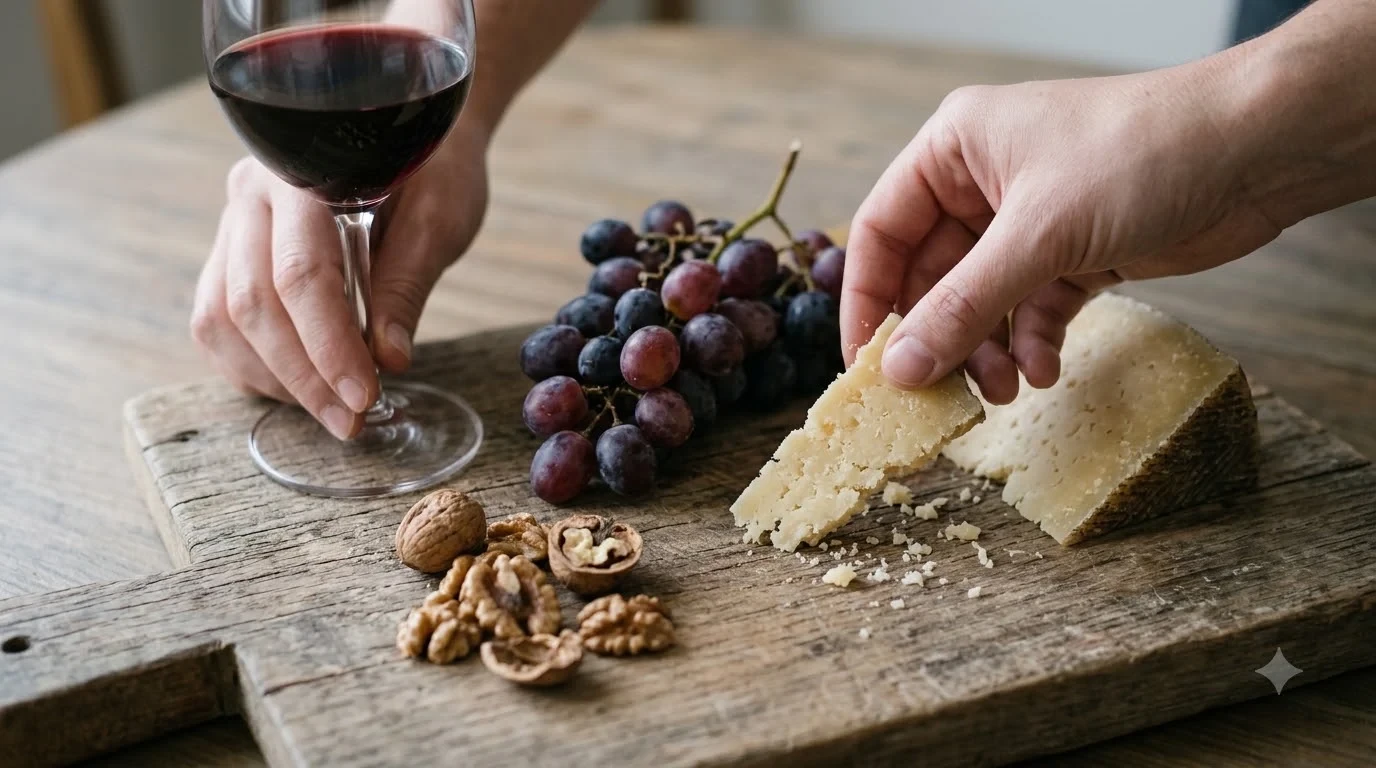
Tempranillo brings slightly higher acidity and a more savory, earthy backbone, making it exceptionally versatile at the dinner table. Classic Spanish pairings include roast suckling lamb (cordero asado), chorizo, jamón ibérico, paella cooked over wood smoke, and wedges of aged Manchego cheese. Because Tempranillo has brighter acidity than warm-climate Shiraz, a Rioja Crianza or Reserva also handles tomato-rich dishes like pasta Bolognese, ratatouille, and stuffed bell peppers without tasting flat. Avoid pairing either bottle with spicy chili-heavy dishes or oily fish, as high alcohol and firm tannins amplify chili heat and create a metallic clash with seafood.
Serving, Decanting, and Cellaring Temperature
Both Shiraz and Tempranillo taste best served slightly below room temperature at 60–65°F, though their decanting needs and aging timelines differ depending on region and oak treatment. Serving either red wine at 72°F or warmer pushes alcohol aromas to the forefront and makes the fruit taste heavy.
Placing a bottle in the refrigerator for 15 to 20 minutes before pouring brings a room-temperature red right into the ideal 60–65°F window, keeping Shiraz’s dark fruit fresh and preserving Tempranillo’s crisp red cherry lift. Pouring standard 5-ounce glasses yields roughly five servings per 750-milliliter bottle. Once opened, recork the bottle and store it upright in the refrigerator, where both still red wines stay fresh for 3 to 5 days.
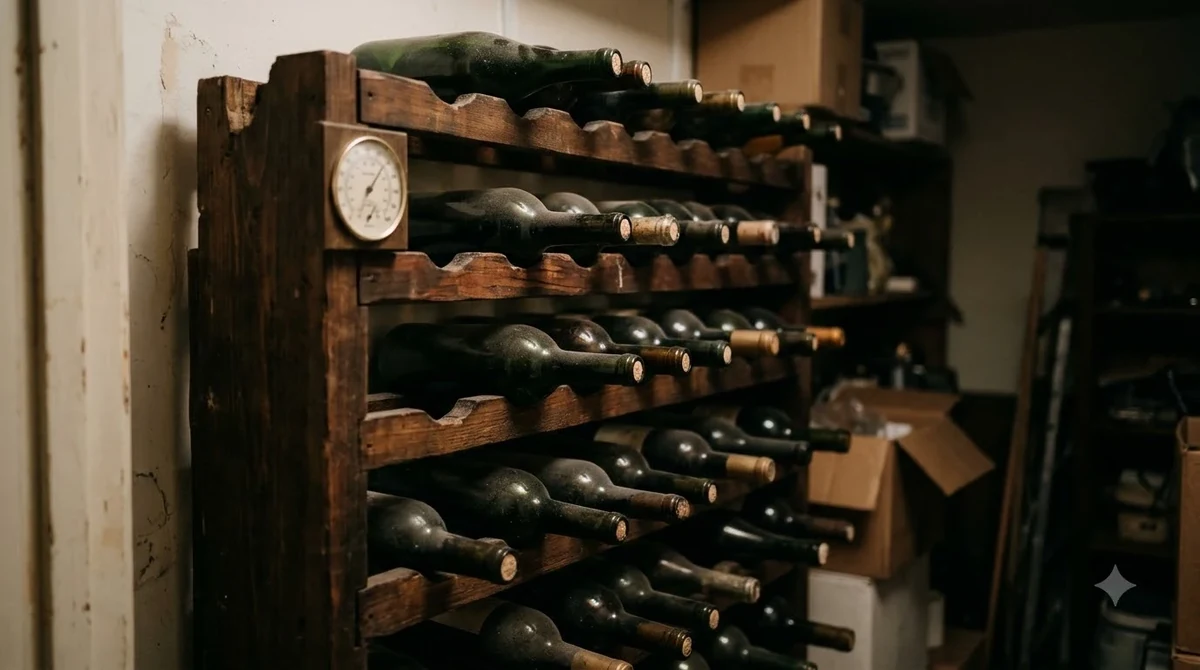
Young, full-bodied bottles of Barossa Shiraz or Ribera del Duero Tempranillo benefit from 30 to 60 minutes in a decanter to soften firm tannins and open up tightly wound aromatics. Older Rioja Reserva and Gran Reserva bottles, which have already spent years maturing in oak and bottle before release, need only 15 to 30 minutes of gentle aeration—or simply a large-bowled glass—so delicate leather and dried fig notes do not fade. For long-term cellaring, store bottles on their sides around 55°F with steady humidity; while most everyday bottles peak within 5 years of the vintage, top Barossa, Northern Rhône, and Gran Reserva bottlings easily age for 15 to 20 years or more.
How to Choose Between Shiraz and Tempranillo
Choose Shiraz when you want a plush, full-bodied red bursting with dark berries, chocolate, and cracked black pepper, and choose Tempranillo when you prefer a structured, savory wine layered with red cherry, vanilla oak, and earthy leather. Looking at the meal, the occasion, and the style of red wine you already enjoy makes the decision clear.
Pick up a bottle of Shiraz if your menu features grilled steaks, smoky barbecue, burgers, or hearty winter stews, or if you enjoy bold New World reds with a rich, velvety mouthfeel. Shoppers who want an even lighter, silkier red should look at pinot noir vs shiraz, while those drawn to Mediterranean warmth and softer tannins can compare grenache vs shiraz.
Reach for Tempranillo when dinner centers on roasted lamb, charcuterie boards, tapas, mushrooms, or tomato-sauced pasta, or when you appreciate how oak aging adds cedar, tobacco, and spice complexity without excessive fruit sweetness. If you are browsing Spanish labels and want reliable oak complexity without waiting years to open the bottle, a Rioja Reserva offers immediate balance and mature savory character right off the shelf.
Frequently Asked Questions
Is Shiraz sweeter than Tempranillo?
Both Shiraz and Tempranillo are vinified as dry red wines with minimal residual sugar, leaving little to no perceptible sweetness on the palate. However, warm-climate Shiraz often tastes sweeter on the mid-palate because riper black fruit flavors and higher alcohol levels create a rounder, plusher sensation than Tempranillo’s tart red cherry and savory oak profile.
Why do some bottles say Syrah instead of Shiraz?
Syrah and Shiraz are the exact same grape variety, but winemakers choose the name on the label to signal the style inside the bottle. Producers in France’s Northern Rhône, cooler parts of California, and New Zealand typically use Syrah for leaner, peppery, higher-acid wines, whereas Australian and South African wineries use Shiraz for riper, fuller-bodied, fruit-driven styles.
Does Tempranillo also grow outside of Spain?
Yes, while Spain holds the overwhelming majority of global Tempranillo plantings, winemakers also produce bottles in Portugal’s Douro Valley, Argentina’s Mendoza region, Australia’s McLaren Vale, and American appellations including Southern Oregon, Washington’s Walla Walla Valley, and the Texas High Plains. Outside Iberia, Tempranillo is frequently bottled as a single-varietal wine with vibrant dark cherry fruit and French oak spice.
Which wine has more tannins, Shiraz or Tempranillo?
Both grapes produce medium-plus to high tannins, though they feel different in the mouth. Shiraz tannins tend to feel broad, plush, and coated in ripe dark fruit, whereas Tempranillo’s thick skins yield finer-grained, slightly chalky tannins that feel firmer and more drying on the finish, especially in youthful Ribera del Duero and Toro bottlings.
Are Rioja wines 100% Tempranillo?
Many Rioja reds are bottled as 100% Tempranillo, yet traditional producers frequently blend in smaller amounts of Garnacha for body and red fruit, Graciano for bright acidity and floral aroma, and Mazuelo for deep color and structure. Checking the back label usually reveals whether a specific bottle is a single-varietal Tempranillo or a classic Rioja blend.
Both Shiraz and Tempranillo reward red wine drinkers with bold character, distinct regional personality, and effortless versatility at the dinner table. Whether a meal calls for the dark, peppery richness of an Australian Shiraz or the savory, oak-aged complexity of a Spanish Tempranillo, serving the bottle at 60–65°F brings out the best in every glass.
More in Wine vs Wine
 Chenin Blanc vs Pinot Gris: Acidity, Body, and Pairing DifferencesUpdated Nov 20, 2026
 Chianti vs Lambrusco: How Tuscany and Emilia-Romagna Reds CompareUpdated Nov 20, 2026
 Chianti vs Primitivo: Key Differences in Taste, Body, and PairingUpdated Nov 20, 2026
 Chianti vs Rioja: Key Differences in Taste, Aging, and PairingUpdated Nov 20, 2026
 Chianti vs Shiraz: How Acidity, Body, and Food Pairings CompareUpdated Nov 20, 2026
 Chianti vs Syrah: Key Differences in Taste, Body, and Food PairingUpdated Nov 20, 2026