

We may earn a commission when you buy through links on this page, at no extra cost to you. Learn more.
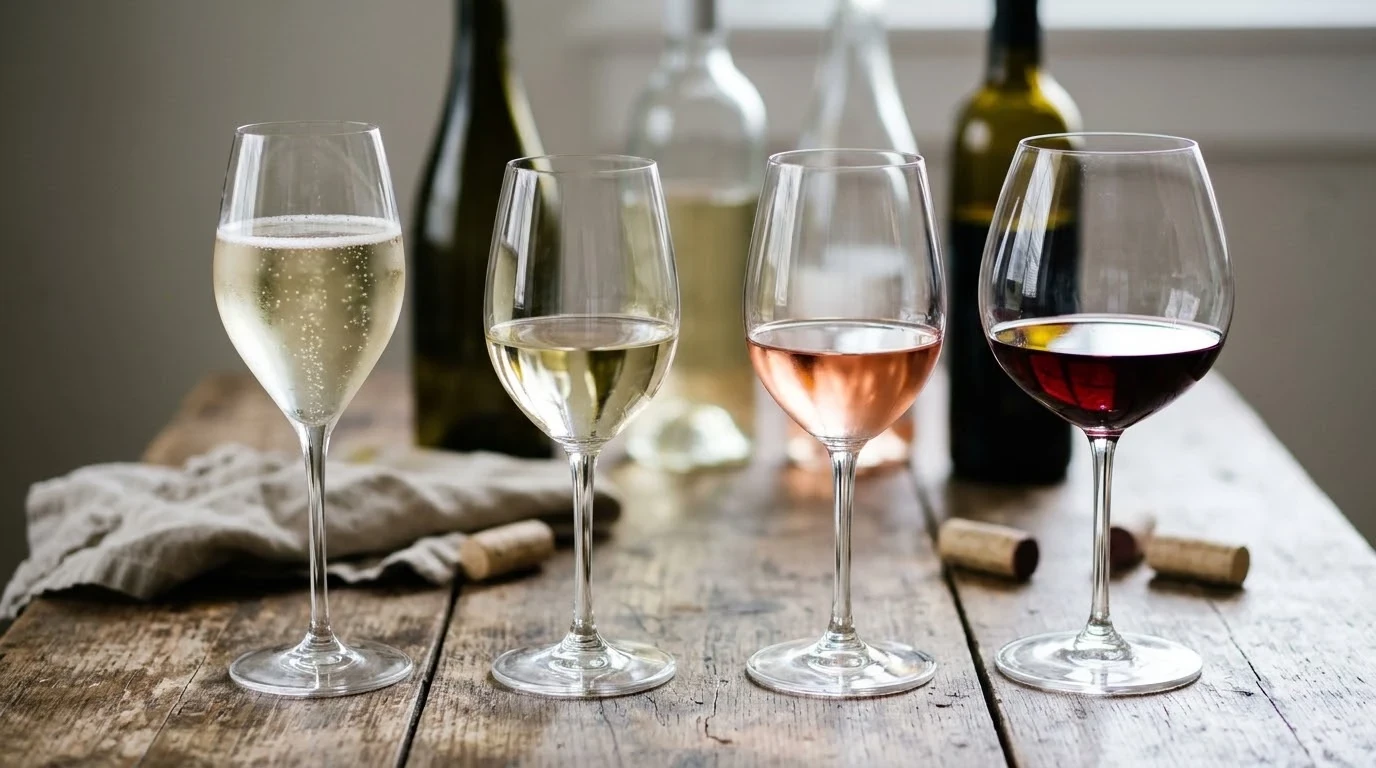
The typical natural wine alcohol content sits between 10.5% and 13.5% ABV, which is slightly lower than the average conventional table wine. White and sparkling natural bottles like pét-nat commonly land between 10.5% and 12.5% ABV, while skin-contact orange wines and reds generally fall between 11.5% and 13.5% ABV. Because winemakers rely on native yeasts and avoid adding sugar or concentrating juice, the final strength depends heavily on vineyard climate and harvest timing.
Walking into a bottle shop and picking up a cloudy pét-nat or a skin-fermented white often raises a quick question about how strong the pour will be. Many drinkers assume minimal-intervention bottles are automatically low-proof, yet the reality depends on where the grapes grew and how ripe they were on picking day. Understanding how fermentation works without cellar manipulation makes it much easier to read the label and choose the right bottle for dinner.
What Is the Average Natural Wine Alcohol Content?
Most natural wines fall within a moderate 10.5% to 13.5% alcohol by volume (ABV) window, though cool-climate bottles can dip below 10% and warm-climate reds can reach 14% or higher. Unlike fortified styles, natural wines gain all of their strength solely from the sugar present in harvested grapes.
According to wine experts at Wine Folly, natural wine has no single legal definition, but producers share a commitment to organic or biodynamic farming, native yeast fermentation, and minimal or zero added sulfites. Because winemakers do not add commercial sugar to boost alcohol—a practice known as chaptalization—the grapes themselves set the ceiling for the final percentage. Cool-climate regions like the Loire Valley or Lower Austria frequently yield crisp, lively bottles around 10% to 12% ABV.
At the same time, natural winemaking is not strictly a low-alcohol category. Reviewers at Wine Enthusiast have highlighted low-intervention Austrian blends dipping below 10% ABV alongside fuller-bodied skin-contact wines reaching 14% ABV in warmer vintages. When fruit ripens under intense Mediterranean or Californian sun, natural fermentation can easily carry a red or orange wine past the 13.5% mark. Comparing these figures against broader Wine by Type benchmarks shows that natural bottles simply cluster toward the lighter half of the standard table wine spectrum.
Natural Wine Alcohol Content by Style
Different styles of minimal-intervention wine cluster into distinct ABV brackets based on grape variety, skin contact, and sparkling production methods. Sparkling pét-nats tend to be the lightest, while macerated whites and structured reds carry slightly more weight.
| Natural Wine Style | Typical ABV Range | Key Fermentation Factor | Body and Mouthfeel |
|---|---|---|---|
| Pét-Nat (Pétillant Naturel) | 10.5% – 12% | Bottled before primary fermentation finishes | Light, fizzy, crisp acidity |
| Natural White Wine | 11% – 13% | Earlier harvest preserves natural acidity | Zesty, lean to medium-bodied |
| Orange / Skin-Contact Wine | 11.5% – 13.5% | White grapes fermented on skins for days or months | Textured, grippy tannins, medium body |
| Natural Rosé | 11% – 13% | Brief skin maceration from early-picked red grapes | Fresh, dry, medium-light weight |
| Natural Red Wine | 11.5% – 13.5% | Whole-cluster or native yeast fermentation | Juicy, bright fruit, moderate warmth |
Pétillant naturel—usually shortened to pét-nat—is the ancestral method of making sparkling wine, where fermenting juice is sealed under a crown cap before all the natural grape sugar turns into alcohol. Wine Enthusiast notes that grapes for pét-nat are typically harvested at a potential alcohol of 10.5% to 12% ABV, keeping the finished bubbles refreshing and approachable. Because fermentation finishes inside the bottle, the wine retains gentle carbonation without needing a secondary dose of sugar and yeast.
Skin-contact white wines, widely known as orange wines, sit slightly higher on the scale because producers often let white grapes ripen longer to develop phenolic texture in their skins. Fermenting those skins alongside the juice extracts subtle tannins, color, and savory spice, usually landing between 11.5% and 13.5% ABV. Natural red wines occupy a similar middle ground, though carbonic maceration—fermenting whole, uncrushed grape clusters in a sealed tank—often produces bright, chillable reds around 11.5% to 12.5% ABV.
Why Minimal-Intervention Wines Often Have Lower ABV
Natural wines frequently register lower alcohol levels than mainstream supermarket bottles because winemakers harvest earlier to preserve high natural acidity and rely on wild yeasts rather than commercial strains. High acidity acts as a natural microbial shield when sulfites are absent or kept minimal.
When a winemaker chooses not to add synthetic preservatives or sulfur dioxide, wine stability depends heavily on pH balance. Grapes picked earlier in the harvest window hold onto sharp malic and tartaric acids while containing lower concentrations of fermentable sugar. That lower sugar level translates directly into a lower final ABV, while the bright acidity keeps spoilage bacteria at bay during cellar aging.
Yeast selection also plays a practical role in the cellar. Commercial yeasts are bred to tolerate high alcohol concentrations and ferment every last gram of sugar cleanly, even in ultra-ripe 15% ABV wines. Native yeasts present on grape skins and cellar walls work more gradually and can struggle once alcohol climbs above 13.5% or 14% ABV. Rather than pushing ripeness to extremes, low-intervention growers aim for physiological balance in the vineyard so native fermentations complete smoothly without cellar intervention.
How Natural Wine Compares to Conventional and Fortified Wines
While standard natural wines average around 12% ABV, conventional table wines often reach 13.5% to 15% ABV, and fortified styles climb much higher through the addition of distilled spirits. Reading the back label remains the most reliable way to gauge strength across categories.
In many warm-climate regions, conventional winemakers allow grapes to hang on the vine until flavors turn jammy and sugars peak, sometimes adjusting acidity in the winery afterward. That approach routinely produces Napa Cabernets or Australian Shirazes around 14.5% to 15.5% ABV. By contrast, even a full-bodied natural red from a warm region rarely crosses 14% ABV unless the vintage was exceptionally hot.
Sweet and fortified categories operate on entirely different winemaking rules. Cool-climate late-harvest dessert styles like ice wine alcohol content typically land between 9% and 12% ABV because fermentation stops naturally in the cold while high residual sugar remains. Meanwhile, fortified wines receive an addition of grape spirit during or after fermentation—pushing marsala alcohol content to roughly 15% to 20% ABV and lifting tawny port alcohol content to around 19% to 20% ABV. Natural wine never uses distilled spirit additions, keeping every bottle strictly within unfortified table wine territory.
Tip: Check the bottom corner of the front or back label for the exact ABV percentage, keeping in mind that U.S. regulations allow a 1% to 1.5% margin of error depending on whether the wine sits above or below 14% ABV.
Does Lower Alcohol Make Natural Wine Healthier?
A lower alcohol percentage means each glass contains slightly less ethanol and fewer calories than a high-proof wine, yet natural wine is still an alcoholic beverage with the same fundamental physiological effects. Drinking a 11.5% ABV natural white simply delivers less pure alcohol per ounce than pouring a 14.5% ABV conventional red.
As writers at VinePair point out, marketing natural wine as a wellness product overlooks the basic chemistry of fermentation. Ethanol itself is the primary driver of intoxication and dehydration, regardless of whether the grapes were farmed biodynamically or fermented in clay amphorae. Choosing a bottle at 11% ABV instead of 14.5% ABV reduces total alcohol intake over an evening, which explains why some drinkers feel lighter after a session with low-ABV bottles.
Unfiltered and zero-sulfite wines can also contain higher levels of naturally occurring compounds like histamines and tyramine produced by wild microbes during fermentation. Some people sensitive to biogenic amines notice flushing or headaches even from low-alcohol natural bottles. Paying attention to the printed ABV and pacing your pours with water remains the most dependable way to enjoy any bottle comfortably.
How to Serve and Pair Natural Wines Based on ABV
Matching serving temperature and food weight to a bottle’s alcohol level brings out the best aromatics and texture in natural wine. Lighter, lower-ABV bottles shine with a brisk chill alongside delicate dishes, while higher-ABV skin-contact and red wines need slightly warmer temperatures and richer flavors.
Bottles between 10% and 12% ABV—including pét-nats, zippy whites, and light rosés—taste sharpest when served cold at 42°F to 48°F. Their brisk acidity and modest alcohol pair effortlessly with raw oysters, goat cheese salads, ceviche, and fried appetizers without overwhelming subtle ingredients. Serving them too warm can make volatile acidity or yeasty lees notes feel unfocused.
For bottles sitting between 12.5% and 14% ABV, such as structured orange wines, amphora-aged whites, and earthy reds, aim for a cellar chill around 52°F to 60°F. A brief 20-minute rest in the refrigerator before opening takes the edge off alcohol warmth while letting savory, herbal, and dried-fruit aromas open up in the glass. These medium-bodied bottles stand up comfortably to roast chicken, grilled sausages, mushroom pasta, and aged hard cheeses.
Frequently Asked Questions
Is natural wine always low in alcohol?
No, natural wine is not always low in alcohol, though it trends slightly lighter than conventional wine. Most bottles fall between 10.5% and 13.5% ABV, but warm-climate natural reds and skin-contact whites can easily reach 14% ABV or higher depending on grape ripeness.
Why do some natural wines taste boozier than their ABV suggests?
Unfiltered natural wines sometimes carry higher volatile acidity—such as trace amounts of ethyl acetate—or lack residual sugar, which can create a sharper, warmer sensation on the palate. Serving the bottle slightly cooler around 50°F to 55°F helps keep the finish crisp and balanced.
Can natural wine contain zero alcohol?
True natural wine cannot be completely alcohol-free because native yeast fermentation naturally converts grape sugar into ethanol and carbon dioxide. Non-alcoholic wines under 0.5% ABV require mechanical dealcoholization processes like vacuum distillation or spinning cone columns, which fall outside minimal-intervention winemaking.
How many calories are in a glass of natural wine?
A standard 5-ounce pour of dry natural wine at 11.5% to 12.5% ABV typically contains around 100 to 115 calories. Because most natural wines ferment completely dry, alcohol content—not sugar—accounts for nearly all of the calories in the glass.
Checking the alcohol percentage on a natural wine label gives you an instant preview of the bottle’s body, acidity, and ideal serving temperature before you pull the cork. Whether you reach for an 11% ABV pét-nat for afternoon sipping or a 13.5% ABV skin-contact white for dinner, letting the numbers guide your pairing ensures a balanced pour every time.
More in Wine Types & Grapes
 What Does Ruby Port Taste Like? Flavor Notes, Styles, and Serving TipsUpdated Nov 21, 2026
 What Does Ribolla Gialla Taste Like? Crisp White and Amber Styles ExplainedUpdated Nov 21, 2026
 What Does Semillon Taste Like? Flavor Profile, Styles & PairingsUpdated Nov 21, 2026
 What Does Scuppernong Taste Like? Flavor, Styles, and Pairing GuideUpdated Nov 21, 2026
 What Does Saperavi Taste Like? Flavors, Styles, and Pairing GuideUpdated Nov 21, 2026
 What Does Natural Wine Taste Like? Flavors, Styles, and Serving TipsUpdated Nov 21, 2026