

We may earn a commission when you buy through links on this page, at no extra cost to you. Learn more.
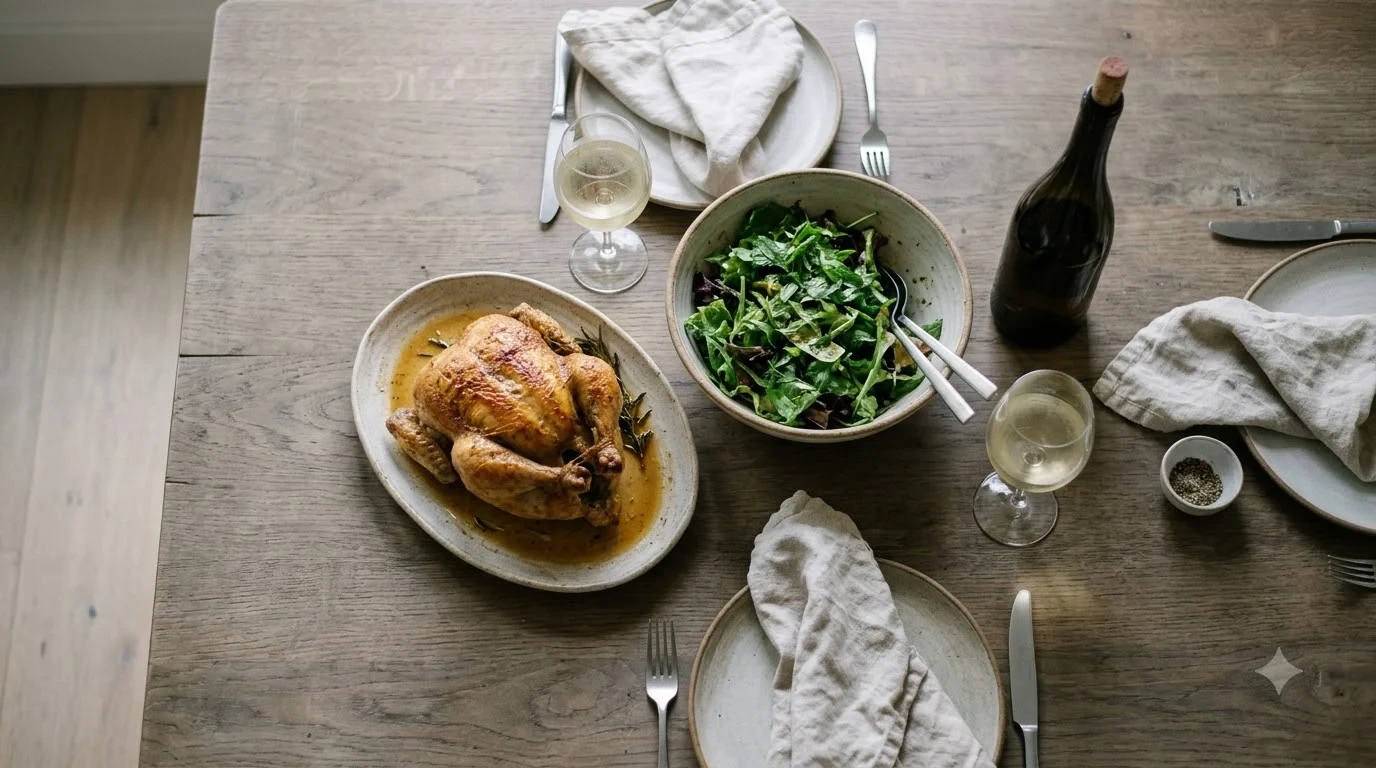
The best muller thurgau food pairing strategy relies on matching the wine’s delicate stone-fruit aromatics, floral lift, and gentle acidity with light to medium-weight dishes such as freshwater fish, spring vegetables, and mild cheeses. Unlike sharper white grapes, Müller-Thurgau brings a softer, rounded texture with moderate alcohol—typically around 10% to 13% ABV—that will not overwhelm subtle herbs or flaky seafood. Depending on whether the bottle is vinified bone-dry (often labeled Rivaner) or slightly off-dry, it can bridge everything from lemon-herb roast chicken to mildly spiced Asian takeout.
Because Müller-Thurgau sits comfortably between crisp, high-acid whites and plush, aromatic varieties, it solves several notoriously tricky dinner-table dilemmas—especially green vegetables like asparagus, creamy soft cheeses, and delicately seasoned shellfish. Understanding how regional styles shape its sweetness, minerality, and weight makes pairing any bottle straightforward.
What Is Müller-Thurgau?
Müller-Thurgau is an aromatic white grape variety created in 1882 by Swiss botanist Hermann Müller from the canton of Thurgau while working at Germany’s Geisenheim Grape Breeding Institute. Although long assumed to be a cross between Riesling and Silvaner, modern DNA profiling confirmed its true parentage is Riesling crossed with Madeleine Royale.
Hermann Müller bred the grape specifically to combine the expressive, floral perfume of Riesling with the early-ripening reliability of Madeleine Royale. That agricultural practicality helped the variety spread rapidly across central Europe during the twentieth century, eventually making it Germany’s most widely planted grape by the 1970s. Even today, it remains Germany’s second most planted variety after Riesling.
For decades, high vineyard yields earned Müller-Thurgau a reputation as a simple, everyday bulk wine. However, as Wine Folly’s grape guide notes, quality-focused producers who restrict yields—particularly in cool, high-elevation sites—craft bottles with striking precision, flinty minerality, and genuine complexity. When exploring different Wine by Type, Müller-Thurgau offers an approachable, low-tannin white built for immediate freshness rather than long-term cellaring.
Flavor Profile and Wine Styles
In the glass, Müller-Thurgau typically displays a pale straw-yellow color with faint greenish reflections and emits aromas of white peach, green apple, citrus blossom, rose petal, and fresh mountain herbs. On the palate, it feels smoother and rounder than Sauvignon Blanc or classic Riesling because its natural acidity sits in the low-to-medium range.
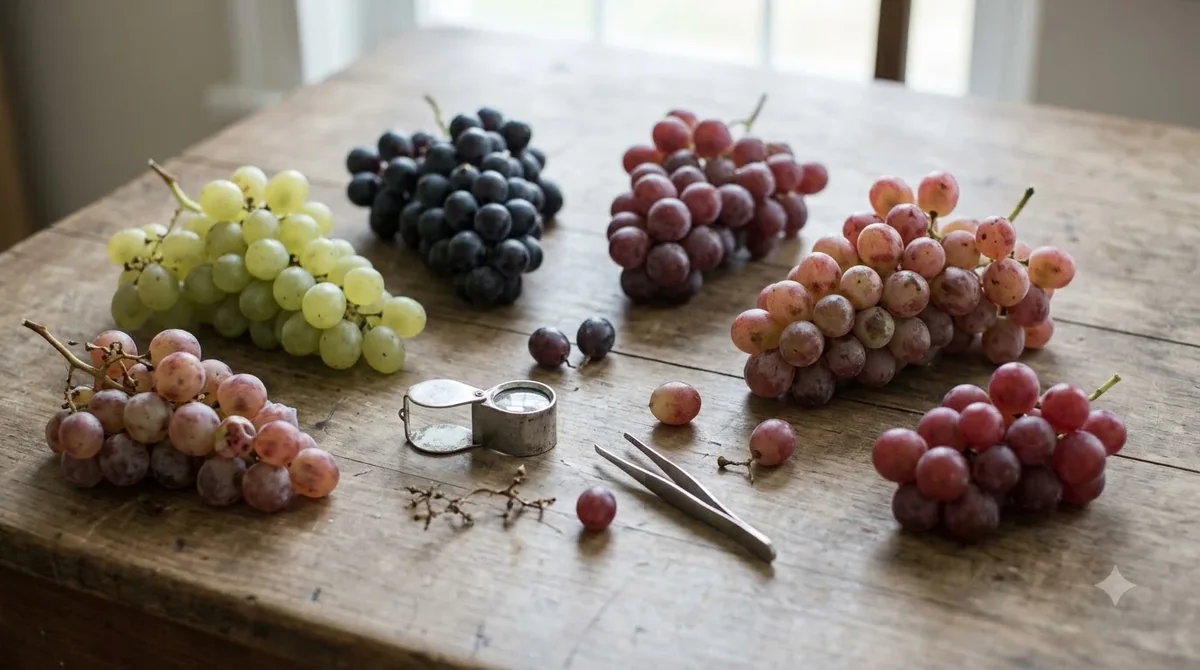
Winemakers generally produce Müller-Thurgau in two distinct stylistic lanes, and identifying which one you have in hand is the first step toward a successful meal match:
- Dry and Alpine (Rivaner): Bottled dry—often under the synonym Rivaner in Germany and Austria, or as single-varietal DOC wines in northern Italy—this style emphasizes crisp green apple, lemon zest, wet stone, and subtle herbal notes of nettle or nutmeg. Alcohol usually lands between 11.5% and 13% ABV, with a clean, brisk finish.
- Off-Dry and Fruity: Traditional German examples frequently retain a touch of residual sugar (around 6 to 12 grams per liter) alongside lower alcohol of 10% to 11% ABV. These bottles highlight ripe apricot, melon, and sweet floral notes, using gentle sweetness to cushion their softer acidity.
Nearly all serious expressions are fermented and matured in stainless steel tanks to preserve delicate primary aromatics. Oak aging is rare, meaning you will not have to work around heavy vanilla or toasted wood flavors when planning dinner.
Where Müller-Thurgau Grows Best
Müller-Thurgau thrives in cool-climate European vineyards where its early ripening allows growers to harvest healthy, aromatic fruit before autumn frosts arrive. While Germany remains its largest home—especially in Rheinhessen, Baden, and Franken—regional terroir dramatically alters how the wine behaves at the table.
In northern Italy’s Trentino-Alto Adige region, particularly along the steep slopes of the Isarco Valley at elevations reaching 600 to 700 meters above sea level, cool mountain nights lock in brighter natural acidity. Producers there craft dry, vibrant wines marked by alpine herbs, white peach, and a distinct salty, mineral finish.
Across the border in Switzerland—where the grape is commonly called Riesling-Silvaner—and in Austria, winemakers favor clean, dry styles built for local cafés and seasonal produce. You will also find smaller plantings in England, where cool maritime weather suits early-ripening varieties, as well as pockets in the Pacific Northwest of the United States.
How to Serve Müller-Thurgau
Serve Müller-Thurgau well chilled between 38°F and 50°F (3°C to 10°C), adjusting slightly depending on whether your bottle is off-dry or dry. Serving it at the proper temperature keeps its gentle acidity lively and prevents its floral aromas from feeling heavy on the palate.
Off-dry German bottles perform best toward the colder end of that spectrum—around 38°F to 45°F (3°C to 7°C)—straight out of the refrigerator. Dry, high-altitude bottles from Alto Adige or Franken open up nicely with just 10 to 15 minutes out of the fridge, landing around 46°F to 50°F (8°C to 10°C) where their herbal and mineral nuances shine.
Pour the wine into a standard white wine glass with a modest, tulip-shaped bowl. The slightly tapered rim concentrates volatile floral and orchard-fruit aromatics while keeping the pour cool. Decanting is unnecessary, and because the grape is prized for youthful vibrancy, plan to drink most bottles within one to three years of the vintage date.
Best Food Pairings for Müller-Thurgau
The core principle of muller thurgau food pairing is proportionality: match the wine’s light-to-medium body and restrained acidity with clean, delicate flavors rather than heavy, intensely charred, or overly acidic dishes. When the food is too sharp—such as a heavily dressed vinegar salad—the wine’s softer acidity can taste flat; when the food is too heavy, the wine simply disappears.
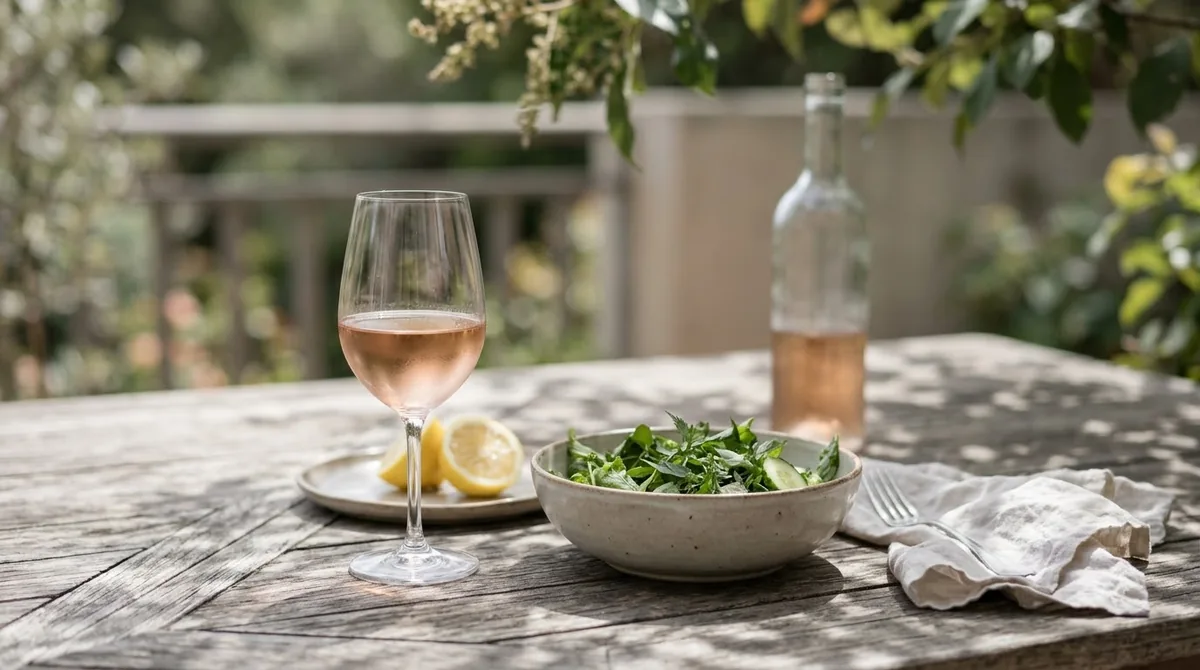
Because Müller-Thurgau bridges herbaceous, fruity, and subtly sweet flavor zones, it excels across several distinct culinary categories:
| Dish Category | Recommended Dishes | Best Wine Style | Why the Pairing Works |
|---|---|---|---|
| Seafood & Shellfish | Grilled trout, steamed mussels, shrimp scampi, sushi, seafood risotto | Dry Alpine (Alto Adige) or Rivaner | Citrus and mineral notes lift sweet shellfish without metallic clash or overpowering delicate fish. |
| Spring Vegetables | White or green asparagus, pea shoot salad, herb frittata, mushroom tart | Dry Rivaner or Swiss Riesling-Silvaner | Softer acidity and herbal nettle tones harmonize with tricky vegetal compounds that make sharper wines taste bitter. |
| Poultry & Light Pork | Lemon-herb roast chicken, pork schnitzel, smoked trout, cured speck | Dry or barely off-dry German/Italian | Medium body cushions savory fat and salt while orchard fruit acts like a bright garnish. |
| Mildly Spiced Cuisine | Thai coconut curry, Vietnamese spring rolls, mild Indian korma | Off-dry German Müller-Thurgau | A touch of residual sugar cools chili heat and complements ginger, lemongrass, and cilantro. |
| Soft & Semi-Soft Cheese | Fresh chèvre, Brie, Camembert, Havarti, young Gruyère | Dry or off-dry | Floral stone fruit cuts creamy butterfat without the aggressive tang of high-acid whites. |
Freshwater fish and shellfish represent perhaps the most natural everyday match. As Kettmeir’s winemaking notes highlight for their Alto Adige bottling, lively mountain acidity paired with stone-fruit aromas makes dry Müller-Thurgau an effortless partner for smoked trout with radishes, seafood risotto, and crisp fried calamari.
Vegetables are another major strength. Asparagus, fava beans, and fresh peas contain sulfur and green compounds that often make oak-aged or high-tannin wines taste harsh. Müller-Thurgau’s moderate acidity and natural hint of green herb glide right past those pitfalls, making it a staple across central Europe during spring asparagus season.
If your menu shifts toward richer Mediterranean whites, compare how a fuller-bodied grenache blanc food pairing handles roasted root vegetables and richer cream sauces, whereas Müller-Thurgau stays squarely in the lighter, brighter lane. And when a multi-course dinner transitions from delicate seafood starters to savory, earthy reds, moving from chilled Müller-Thurgau to a blaufrankisch food pairing keeps that same central European balance of bright fruit and food-friendly freshness.
Tip: When cooking with dry Müller-Thurgau, swap heavy vinegar dressings for fresh lemon juice or mild apple cider vinegar—keeping the dish’s acidity gentle ensures the wine tastes bright and fruity rather than flat.
How to Choose a Bottle for Your Menu
Reading the front label carefully tells you almost everything you need to know about sweetness, body, and regional style before you pull the cork. Because Müller-Thurgau is produced across several countries under different naming conventions, checking three quick details will steer you toward the right bottle.
- Look for “Rivaner” or “Trocken” for dry meals: In Germany and Austria, winemakers frequently use the name Rivaner specifically to signal a fresh, dry style. On German labels, the word Trocken also confirms the wine is dry, making it ideal for seafood, salads, and roast chicken.
- Check the alcohol percentage for sweetness clues: Bottles listed at 10% to 11% ABV generally retain noticeable residual sugar and work best with spicy dishes, salty snacks, or soft cheeses. Bottles at 12% to 13% ABV—common in Alto Adige and Franken—are almost always fermented dry with fuller mid-palate weight.
- Prioritize recent vintages: Unlike top-tier Riesling, Müller-Thurgau is rarely meant for cellaring. Look for the most recent one or two harvests on the shelf so its peach, citrus, and floral aromatics remain vivid.
Frequently Asked Questions
Is Müller-Thurgau always a sweet wine?
No, Müller-Thurgau is made in both dry and off-dry styles. While classic mid-century German bottles were often slightly sweet, modern producers in Germany, Austria, and northern Italy’s Alto Adige frequently ferment it completely dry—often labeling it as Rivaner or Trocken.
How does Müller-Thurgau compare to Riesling with food?
Müller-Thurgau shares Riesling’s stone-fruit and floral aromatics, since Riesling is one of its parent grapes, but it has noticeably softer acidity and a rounder mouthfeel. That gentler structure makes Müller-Thurgau easier to pair with delicate spring vegetables like asparagus and mild herbs that might clash with razor-sharp Riesling.
Can you pair Müller-Thurgau with spicy food?
Yes, particularly if you choose an off-dry German bottling with lower alcohol around 10% to 11% ABV. The subtle residual sugar tempers chili heat in Thai, Vietnamese, or mild Indian dishes while the wine’s floral notes complement ginger, lemongrass, and fresh herbs.
What cheeses go best with Müller-Thurgau?
Creamy, mild, and semi-soft cheeses are the strongest matches. Fresh goat cheese (chèvre), Brie, Camembert, Havarti, and young Gruyère all play well with the wine’s orchard-fruit character without overpowering its delicate body.
Whether you pour a crisp, mineral-driven bottle from the Italian Alps alongside grilled trout or chill an off-dry German Rivaner for Friday night takeout, Müller-Thurgau rewards simple, fresh ingredients. Keep the seasonings clean, serve the glass cold, and let the grape’s gentle aromatics do the rest.
More in Wine Types & Grapes
 What Does Ruby Port Taste Like? Flavor Notes, Styles, and Serving TipsUpdated Nov 21, 2026
 What Does Ribolla Gialla Taste Like? Crisp White and Amber Styles ExplainedUpdated Nov 21, 2026
 What Does Semillon Taste Like? Flavor Profile, Styles & PairingsUpdated Nov 21, 2026
 What Does Scuppernong Taste Like? Flavor, Styles, and Pairing GuideUpdated Nov 21, 2026
 What Does Saperavi Taste Like? Flavors, Styles, and Pairing GuideUpdated Nov 21, 2026
 What Does Natural Wine Taste Like? Flavors, Styles, and Serving TipsUpdated Nov 21, 2026