

We may earn a commission when you buy through links on this page, at no extra cost to you. Learn more.
The merlot price range spans from everyday, budget-friendly bottles for casual weeknight dinners to ultra-rare collector releases from historic Bordeaux estates that command top-tier auction values. Because this red grape is the second-most planted variety in the world and thrives across both massive commercial vineyards and small, low-yielding hillside plots, shoppers can easily find a smooth, reliable bottle at virtually any spending level. While entry-level pours prioritize soft red fruit and immediate drinkability, higher tiers reflect strict vineyard yields, extended French oak aging, and prestigious appellations.
Understanding what drives cost across the Wine by Type spectrum helps buyers avoid overpaying for simple table wine while recognizing genuine value in mid-tier and luxury bottles. Whether you are picking up an approachable red for pizza night or cellaring a structured Right Bank Bordeaux, knowing how climate, winemaking, and regional reputation shape the market makes every purchase clearer.
What Is Merlot and Why Does Its Cost Vary So Widely?
Merlot is a thin-skinned, red-skinned wine grape originating in southwestern France that produces dry, medium- to full-bodied red wines known for velvety tannins and ripe dark fruit. Its broad market spread comes from its versatility in the vineyard, allowing producers to craft both high-volume, early-drinking reds and age-worthy, low-yield collector wines.
According to Wine Folly, Merlot is the most planted grape variety in Bordeaux and the second-most planted grape globally, trailing only its famous half-sibling, Cabernet Sauvignon. DNA testing has shown that Merlot is the offspring of Cabernet Franc and the rare, historic variety Magdeleine Noire des Charentes. Because its berries have thinner skins and fewer seeds than Cabernet Sauvignon, winemakers extract fewer harsh tannins during maceration, yielding a naturally plush, supple mouthfeel that appeals to both newcomers and seasoned collectors.
That biological profile directly shapes production economics. Merlot buds and ripens up to two weeks earlier than Cabernet Sauvignon, making it well suited to cooler clay and limestone soils where later-ripening grapes might struggle to mature before autumn rains. At the same time, vigorous vines in fertile valley floors can produce large crops efficiently, keeping everyday bottles accessible. Conversely, when growers strictly limit yields on rocky hillsides or prized clay plateaus and age the resulting wine in new oak barrels for up to two years, production costs rise sharply alongside cellar potential.
Market Tiers Across the Merlot Price Range
The market for Merlot divides neatly into four distinct quality tiers, moving from simple, fruit-driven everyday bottles to rare, age-worthy icons. Each tier reflects measurable differences in vineyard yield, oak treatment, alcohol level, and aging capacity.
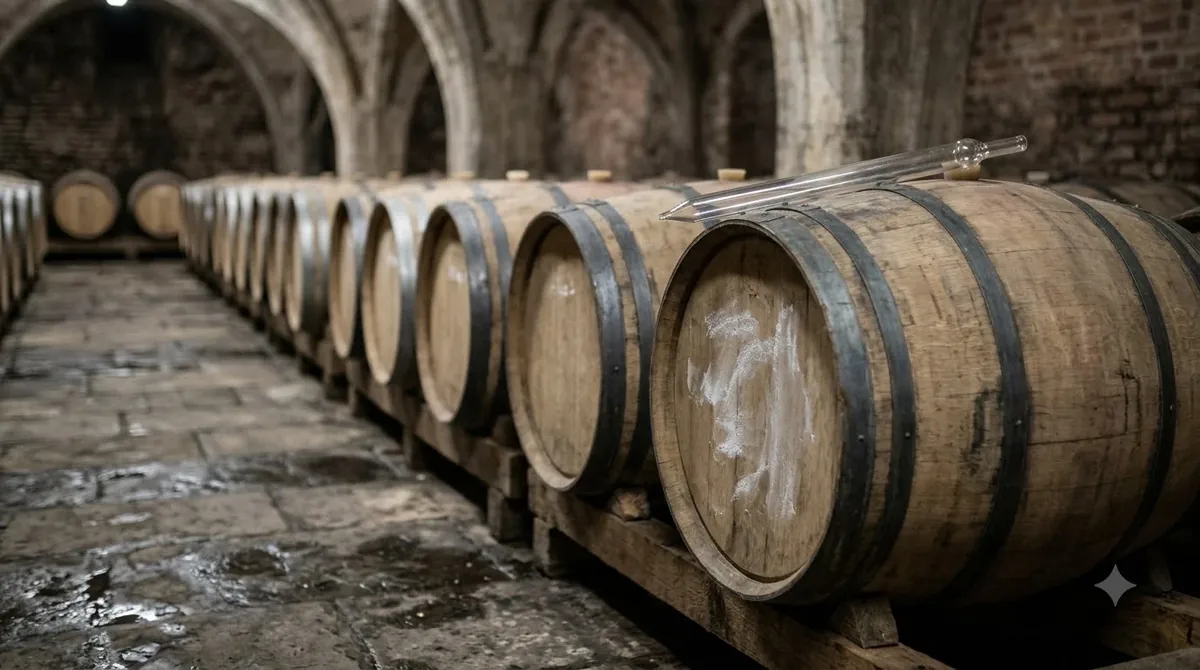
At the entry level, high-volume producers in regions like California’s Central Valley, southern France, and parts of Chile craft soft, approachable wines built for immediate enjoyment. These bottles typically see minimal new oak—often relying on stainless steel tanks or neutral wood—and highlight bright cherry, raspberry, and plum flavors with gentle tannins. Because grapes are harvested from higher-yielding vineyards, these wines remain widely available and affordable for casual gatherings.
Moving into the mid-range and premium tiers, fruit sourcing shifts toward cooler coastal valleys, hillside benches, and respected appellations in Napa Valley, Sonoma, Washington’s Columbia Valley, and satellite Bordeaux zones. Reviewers at Wine Enthusiast note that cooler-climate Merlot typically sits between 13 and 14 percent ABV, while warmer regions like California, Chile, and Australia can approach 14.5 or 15 percent ABV with richer, fuller body. At the luxury tier, iconic Pomerol and Saint-Émilion estates—such as Château Pétrus—command extreme collector demand due to tiny parcel sizes, careful hand-harvesting, and multi-decade aging potential.
| Market Tier | Primary Regions | Oak & Winemaking | Flavor Profile & Cellaring |
|---|---|---|---|
| Everyday Value | Central Valley (CA), Languedoc, Central Valley (Chile) | Stainless steel or neutral oak; higher yields | Bright red cherry, soft plum, low tannin; drink within 1 to 3 years |
| Mid-Range Classic | Columbia Valley, Sonoma, Friuli-Venezia Giulia, Bordeaux Supérieur | 8 to 12 months in used or partial new oak | Black cherry, cocoa, dried herbs, medium tannin; cellar 3 to 7 years |
| Premium Estate | Napa Valley, Walla Walla, Saint-Émilion Grand Cru | 12 to 18 months in French or American oak; lower yields | Stewed plum, graphite, vanilla, cedar, firm structure; cellar 7 to 15 years |
| Luxury & Collector | Pomerol, top Saint-Émilion, single-vineyard Napa | 18 to 24 months in high-percentage new French oak | Layered blackberry, mocha, tobacco, clove, velvety grip; cellar 15 to 30+ years |
Flavor and Styles by Climate
Merlot acts as a stylistic chameleon depending on where it grows, shifting from earthy and structured in cool regions to plush and chocolate-toned in warm climates. Understanding these regional differences helps shoppers match a bottle’s profile to their personal taste before checking the label.
In cool-climate regions such as Bordeaux’s Right Bank, northern Italy, and coastal valleys, slower ripening preserves higher natural acidity and brings out savory complexity. These wines often display red plum, blackberry, graphite, bay leaf, and subtle tobacco notes, backed by firmer tannins that closely resemble structured Cabernet blends. When youthful, Merlot shows a deep ruby hue that is generally lighter than Cabernet Sauvignon and deeper than Pinot Noir, often displaying a characteristic glint of brick or orange along the rim of the glass.
In warm-climate regions like Napa Valley, Paso Robles, Washington State, and South Australia, abundant sunshine pushes sugar accumulation higher, resulting in lower perceived acidity and lush flavors of black cherry, blueberry jam, mocha, and sweet baking spice. Producers in warmer zones frequently use judicious oak aging—sometimes incorporating American oak alongside French barrels—to add vanilla, clove, and cedar notes while lending extra structural grip to the wine’s naturally soft core.
Where Merlot Grows Best
Although Merlot grows on nearly every winemaking continent, its benchmark styles come from historic French appellations, northeastern and central Italy, and the American West Coast. Each major region offers a distinct balance between tradition, concentration, and overall value.
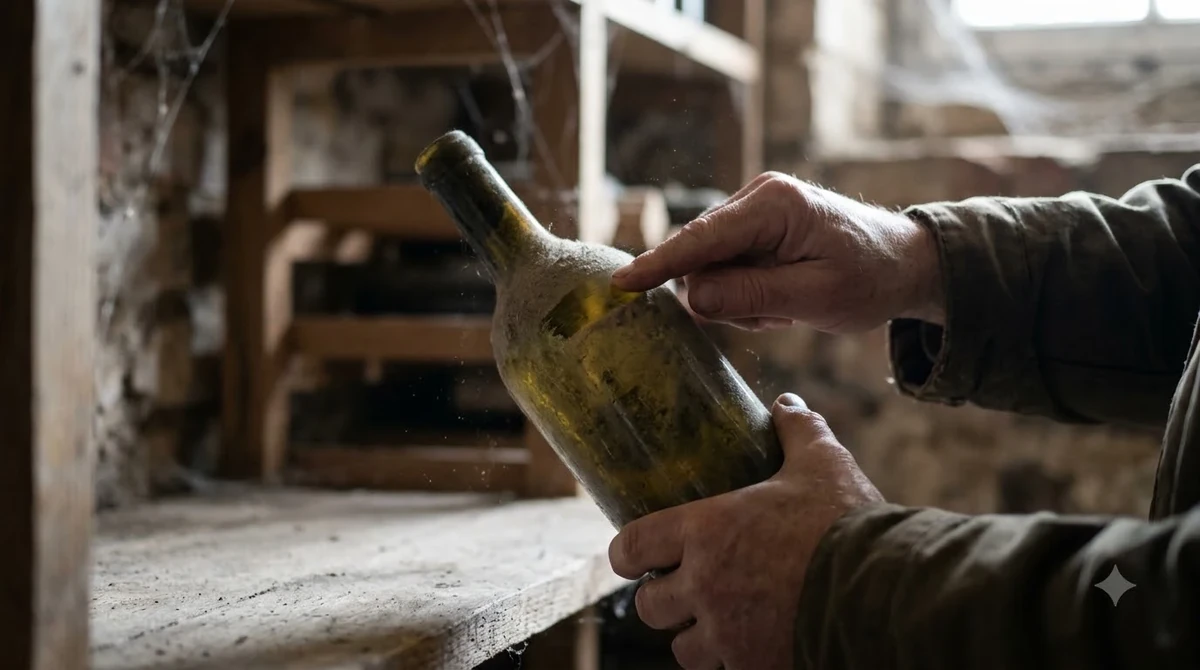
France remains the spiritual and agricultural home of the grape, led by Bordeaux’s Right Bank appellations of Pomerol and Saint-Émilion. In Pomerol, iron-rich clay soils near the Dordogne River produce deeply concentrated, velvety Merlot with remarkable longevity, while Saint-Émilion’s limestone and clay slopes yield slightly more mineral-driven, structured expressions. Neighboring appellations like Fronsac and Lalande-de-Pomerol offer a similar savory profile at far more approachable market tiers.
In the United States, California’s North Coast—including Napa Valley and Sonoma—and Washington’s Columbia and Walla Walla valleys lead domestic production. Washington State in particular has earned widespread acclaim from wine critics for balancing ripe West Coast dark fruit with crisp, natural acidity driven by warm days and cool desert nights. Meanwhile, Italy ranks Merlot among its top five planted red grapes, using it for crisp, fruity varietal wines in Friuli-Venezia Giulia and blending it with Sangiovese and Cabernet Sauvignon in Tuscan Super Tuscans.
Tip: Look toward Washington’s Columbia Valley or Bordeaux satellite appellations like Fronsac and Côtes de Castillon when shopping for structured, age-worthy Merlot without paying top-tier Napa or Pomerol premiums.
How to Serve and Pair Merlot
Serving Merlot slightly below standard room temperature and giving fuller bottles brief aeration brings out its aromatic depth while keeping alcohol heat in check. Its moderate tannins and balanced acidity also make it one of the most adaptable red wines at the dinner table.
For ideal aromatics and texture, serve Merlot between 60°F and 68°F (15°C to 20°C). A short 20- to 30-minute chill in the refrigerator before pouring prevents warm-climate bottles from tasting overly jammy or alcoholic. Pouring into a large, wide-bowled red wine glass allows air to circulate across the wine, and decanting structured mid-range or premium bottles for roughly 30 minutes softens firm tannins and unlocks secondary cocoa and spice aromas.
At the table, Merlot bridges the gap between lighter reds and heavy steakhouse wines. Lighter, fruit-forward styles pair effortlessly with weeknight favorites like Margherita pizza, grilled pork chops, roast chicken, and mushroom pasta. Richer, oak-aged bottles from Napa Valley or Saint-Émilion shine alongside herb-crusted rack of lamb, beef tenderloin with peppercorn sauce, duck breast, and slow-braised short ribs, while dishes with bitter leafy greens or fiery chili heat are best avoided.
How to Choose a Bottle That Fits Your Budget
Selecting the right Merlot comes down to reading regional cues on the label, checking alcohol levels for style, and knowing how it compares to neighboring red categories. Focusing on provenance rather than brand recognition alone consistently delivers better quality per bottle.
When browsing shelves, start by matching the region to your preferred style: choose Right Bank Bordeaux or northern Italy for earthy, savory restraint, or select Napa Valley, Sonoma, or Washington State for plush, dark-fruited richness. Checking the back label for ABV provides another quick clue, as bottles around 13 to 13.5 percent ABV lean fresher and leaner, whereas bottles at 14.5 percent ABV or higher deliver a fuller, more opulent mouthfeel.
Shoppers comparing red wine budgets often notice that Merlot delivers strong value relative to neighboring varietals. While the cabernet sauvignon price range frequently climbs higher in prestigious regions due to intense collector demand and longer mandatory barrel aging, Merlot from the exact same valleys often sits a tier lower in cost while offering comparable complexity and earlier drinkability. Similarly, exploring across categories—from still reds to sparkling options within the champagne price range or the everyday cava price range—shows how appellation rules and yield limits consistently govern wine pricing.
Frequently Asked Questions
Why is Merlot often more affordable than Cabernet Sauvignon from the same region?
Merlot ripens up to two weeks earlier than Cabernet Sauvignon and has thinner skins, meaning it often requires less extended barrel aging to soften its tannins before release. Combined with lower collector hype in many New World regions, producers frequently position their Merlot below their flagship Cabernet offerings despite comparable vineyard quality.
What makes luxury Bordeaux Merlot like Pomerol so expensive?
Top Pomerol estates occupy tiny, prestigious clay-rich vineyard parcels with strictly limited yields and decades-long aging potential. Because total annual production is very small and global collector demand is high, these benchmark wines command luxury auction and retail tiers.
Does a higher-priced Merlot always taste smoother?
Not necessarily, because entry-level Merlot is specifically vinified in stainless steel or neutral oak to taste soft, fruity, and smooth right away. Higher-tier bottles often have firmer tannins and more oak structure designed for aging, meaning they taste smoother only after decanting or several years in the cellar.
How long can you store a mid-range bottle of Merlot?
A well-made mid-range Merlot stored in a cool, dark place at around 55°F typically holds and improves for three to seven years after the vintage date. Simple entry-level bottles are best enjoyed within one to three years while their fresh red fruit remains vibrant.
Whether you want an easygoing red for a casual Tuesday meal or a structured, oak-aged bottle for a special occasion, Merlot rewards buyers who look closely at regional origin and winemaking style. By matching the market tier to your serving timeline and menu, you can consistently find expressive, velvety bottles across every corner of the wine shop.
More in Wine Types & Grapes
 What Does Ruby Port Taste Like? Flavor Notes, Styles, and Serving TipsUpdated Nov 21, 2026
 What Does Ribolla Gialla Taste Like? Crisp White and Amber Styles ExplainedUpdated Nov 21, 2026
 What Does Semillon Taste Like? Flavor Profile, Styles & PairingsUpdated Nov 21, 2026
 What Does Scuppernong Taste Like? Flavor, Styles, and Pairing GuideUpdated Nov 21, 2026
 What Does Saperavi Taste Like? Flavors, Styles, and Pairing GuideUpdated Nov 21, 2026
 What Does Natural Wine Taste Like? Flavors, Styles, and Serving TipsUpdated Nov 21, 2026