

We may earn a commission when you buy through links on this page, at no extra cost to you. Learn more.
Gruner veltliner alcohol content typically ranges from 11.5% to 13.5% ABV, with many dry Austrian bottles falling between 12% and 13%. Lighter, fresher examples often sit near the lower end, while ripe grapes and concentrated reserve wines can produce higher alcohol levels. The growing region, vintage conditions, grape ripeness, and winemaking choices all influence the final percentage.
Grüner Veltliner is Austria’s signature white grape, recognized for its crisp acidity, green apple flavors, citrus character, and distinctive white pepper notes. It comes in several styles, from refreshing wines suited to casual meals to fuller-bodied bottles with greater concentration and aging potential. Understanding alcohol levels makes it easier to select a bottle that matches your preferred body, flavor intensity, and occasion.
Typical Alcohol Percentage in Grüner Veltliner
Most dry Grüner Veltliner contains approximately 12% to 13% alcohol by volume, although bottles between 11.5% and 13.5% are common across different styles. The lighter versions emphasize freshness and easy drinking, while more concentrated examples generally have greater weight and warmth.
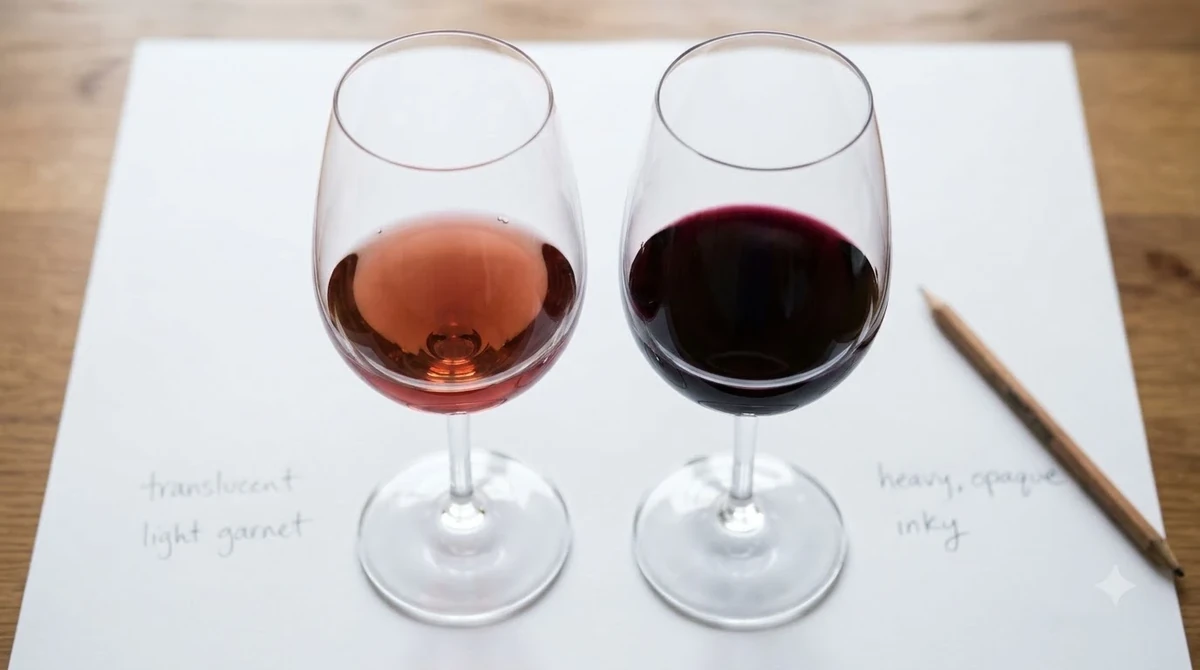
ABV means alcohol by volume, the percentage of a wine’s total liquid volume that consists of pure alcohol. A wine labeled 12% ABV contains approximately 90 milliliters of pure alcohol in a 750-milliliter bottle. At 13% ABV, that same bottle contains approximately 97.5 milliliters.
The following ranges provide a practical guide to the different styles. They are typical style estimates rather than universal legal limits for every bottle or Austrian appellation.
| Grüner Veltliner style | Typical ABV | General character |
|---|---|---|
| Light and fresh | 11%–12% | Lean, crisp, refreshing |
| Classic dry | 12%–12.5% | Balanced, fruity, peppery |
| Richer dry | 12.5%–13% | Fuller, more concentrated |
| Reserve and concentrated | 13%–13.5% | Structured, intense, layered |
| Sweet specialty wine | Varies by wine | Depends on fermentation and sweetness |
These categories help explain why two bottles made from the same grape can deliver noticeably different experiences. A 11.5% bottle may feel light and lively, whereas a 13.5% example can feel broader and warmer, even when both wines are technically dry.
For a useful real-world comparison, Schloss Gobelsburg describes its classic Kamptal DAC Grüner Veltliner as having 11.5% to 12.5% alcohol. This illustrates how traditional regional styles can prioritize freshness and drinkability rather than maximum concentration.
The percentage also needs to be considered alongside acidity, residual sugar, and body. A wine with 12.5% ABV and lively acidity may feel more refreshing than another wine with the same alcohol percentage but softer acidity and greater concentration.
How Growing Regions Influence Alcohol Levels
Austria’s wine regions produce different expressions of Grüner Veltliner, and their climates, vineyard elevations, and soil conditions influence grape ripeness and potential alcohol. Weinviertel, Kamptal, Kremstal, and Wachau are especially useful regional references when comparing different bottles.
Weinviertel, in Lower Austria, is the country’s largest Grüner Veltliner growing area. The Austrian Federal Ministry identifies this region as the variety’s principal growing location. Its wines are commonly associated with dry, peppery flavors, fresh fruit, and a recognizable white-pepper character. Depending on the vineyard and harvest conditions, producers can make relatively light wines or more concentrated examples.
Kamptal offers another important reference point. Its classic wines often balance ripe fruit with refreshing acidity. Schloss Gobelsburg explains that its regional Grüner Veltliner uses grapes from both lower and higher parts of the valley. Lower sites contribute maturity, while higher elevations help preserve freshness. Its classic bottling is described as containing 11.5% to 12.5% ABV.
Kremstal produces a broad range of styles, from approachable dry whites to more structured wines. Its combination of loess and rocky soils allows producers to work with different expressions of the variety. The final alcohol percentage depends on the vineyard, ripeness, and intended wine style rather than the regional name alone.
Wachau is particularly associated with a classification system that distinguishes wines by ripeness and style. Its traditional categories are useful for understanding why some bottles carry higher alcohol percentages than others.
Understanding Wachau wine classifications
Wachau wines are traditionally classified into three categories: Steinfeder, Federspiel, and Smaragd. These designations help consumers understand the general weight and concentration of the wine.
- Steinfeder: The lightest traditional category, associated with fresh, relatively delicate wines and a maximum alcohol level of 11.5% ABV.
- Federspiel: A medium-weight category traditionally associated with alcohol levels from 11.5% to 12.5% ABV.
- Smaragd: The richest of the three categories, with a minimum alcohol level of 12.5% ABV.
These classifications are particularly helpful when comparing Wachau bottles, although they should not be applied automatically to every Grüner Veltliner from Austria. Other regions have their own origin and quality rules.
The Austrian DAC system also establishes regional requirements. According to Austrian Wine’s regional classification information, Kamptal DAC has minimum alcohol levels of 11.5% for Gebietswein, 12% for Ortswein, 12.5% for Riedenwein, and 13% for Reserve. These minimums explain why certain higher-tier wines have more alcohol than classic regional bottlings.
For additional background on Austrian varieties and regional classifications, explore Wine by Type to understand how grape varieties and wine origins shape the styles found in a bottle.
What Determines the Alcohol Level?
The alcohol percentage of Grüner Veltliner is primarily determined by the amount of fermentable sugar in the harvested grapes. Climate, sunshine, vineyard location, harvest timing, and fermentation decisions all influence the final result.
Grapes accumulate sugar as they ripen. During fermentation, yeast converts much of that sugar into alcohol and carbon dioxide. As a general winemaking estimate, approximately 16 to 18 grams of fermentable sugar per liter can produce around one percentage point of alcohol, although actual conversion depends on fermentation conditions and yeast performance.
In a warm growing season, grapes may reach higher sugar concentrations before harvest. If the producer ferments those sugars to dryness, the finished wine can have a higher ABV. Cooler conditions can slow ripening and help retain acidity, potentially resulting in a lighter wine with less alcohol.
Harvest timing and grape ripeness
Harvest timing is one of the most important decisions affecting alcohol. Picking earlier generally captures grapes with less accumulated sugar and higher natural acidity. This approach is particularly useful for fresh, approachable Grüner Veltliner intended for early drinking.
Allowing grapes to remain on the vine longer can increase sugar concentration and flavor development. The resulting wine may have more body, ripe fruit character, and a higher potential alcohol level. This is one reason concentrated reserve wines often contain more alcohol than entry-level regional bottlings.
Fermentation and residual sugar
Fermentation determines how much of the grape sugar becomes alcohol. When a producer allows fermentation to continue until most fermentable sugar has been consumed, the result is generally a dry wine. Stopping fermentation earlier can leave more residual sugar and reduce the amount of alcohol produced.
However, sweetness does not automatically mean a wine has low alcohol. Some sweet wines achieve high alcohol through naturally concentrated grapes and extensive fermentation, while others remain lower in alcohol because fermentation stops before most sugar is converted.
Temperature management, yeast selection, and fermentation duration also influence the final wine. Stainless-steel fermentation is widely used for fresh Grüner Veltliner because it helps preserve its fruit and crisp character. Some producers also use large wooden vessels for wines with greater texture and complexity.
Tip: When comparing two Grüner Veltliner bottles, look at ABV alongside the region and wine classification. A classic Kamptal bottling at 11.5% to 12.5% will generally offer a different drinking experience from a concentrated Reserve at 13% or higher.
Does Alcohol Content Change the Taste?
Yes. Alcohol contributes to a wine’s body, texture, warmth, and overall balance. A lower-alcohol Grüner Veltliner often feels lighter and more refreshing, while a higher-alcohol example may feel rounder, richer, and more substantial.
Grüner Veltliner is particularly interesting because its natural acidity can balance the weight contributed by alcohol. The grape typically produces lively acidity, which helps prevent ripe, higher-alcohol examples from feeling excessively heavy. Its characteristic peppery notes and fresh fruit flavors also contribute to its recognizable style.
At approximately 11.5% to 12% ABV, the wine often emphasizes green apple, lemon, fresh herbs, and white pepper. Its body is usually relatively light, making it suitable for casual meals, warm-weather drinking, and appetizers. The finish can feel crisp and clean.
At approximately 12.5% to 13.5% ABV, the wine may show more ripe apple, pear, stone fruit, and occasionally tropical fruit characteristics. The texture can become fuller, with greater weight on the palate. More concentrated examples may also develop additional complexity through lees aging or maturation in large wooden vessels.
Alcohol is not the only factor determining body. Acidity, glycerol, residual sugar, and extract also affect how a wine feels. Consequently, a 12.5% Grüner Veltliner with strong acidity can seem more energetic than a 12% wine with softer structure.
Comparing Grüner Veltliner with other white wines
Grüner Veltliner occupies a useful middle ground among popular white wine styles. Its alcohol percentage can overlap with Sauvignon Blanc, Riesling, Chardonnay, and other aromatic whites, although the exact range depends on the producer and region.
- Sauvignon Blanc: Often around 11.5% to 13.5% ABV, with high acidity, citrus flavors, and herbal characteristics.
- Riesling: Commonly around 8% to 13.5% ABV, with substantial variation between dry, off-dry, and sweet styles.
- Chardonnay: Frequently around 12.5% to 14.5% ABV, with a range of body and texture depending on climate and winemaking.
- Pinot Grigio: Often around 11.5% to 13% ABV, with lighter examples emphasizing citrus and delicate fruit.
- Grüner Veltliner: Typically around 11.5% to 13.5% ABV, combining fresh acidity with green fruit and peppery spice.
These are broad style ranges, not fixed limits. A warm-climate Sauvignon Blanc may contain more alcohol than a cool-climate Grüner Veltliner, for example. The grape name alone cannot establish the exact alcohol percentage.
For readers comparing sweeter white wines, ice wine alcohol content offers a useful contrast. Ice wine is made from naturally frozen grapes, which concentrate sugars and create a very different relationship between sweetness and alcohol.
Serving Temperature, Food Pairing, and Bottle Size
Grüner Veltliner is best served chilled, generally around 45°F to 50°F for lighter, fresh styles. Fuller-bodied examples can benefit from a slightly warmer temperature of approximately 50°F to 55°F, allowing their fruit, spice, and texture to become more expressive.
Serving temperature can change how alcohol is perceived. A properly chilled white wine generally feels fresher, while an overly warm glass may make its alcohol warmth more noticeable. Avoid serving the wine so cold that its aromas and flavors become difficult to appreciate.
Food pairing is another reason Grüner Veltliner is popular. Its acidity, moderate body, and peppery character work with a wide variety of dishes. Traditional Austrian pairings include Wiener Schnitzel and Tafelspitz, while modern options include sushi, grilled fish, vegetable dishes, and mildly spicy Asian food.
Food pairings for different styles
Lighter bottles around 11.5% to 12% ABV are particularly suitable for delicate dishes. Try them with fresh salads, steamed vegetables, sushi, shellfish, or lightly seasoned white fish. Their acidity refreshes the palate between bites without overwhelming subtle ingredients.
Classic dry wines around 12% to 12.5% ABV are versatile choices for everyday meals. Wiener Schnitzel is a traditional match because the wine’s acidity complements the richness of the fried coating. Roast chicken, grilled vegetables, seafood pasta, and mildly spiced stir-fries also work well.
Fuller examples around 12.5% to 13.5% ABV can handle dishes with more pronounced flavors. Try them with roasted pork, grilled poultry, creamy vegetable dishes, or richer preparations of freshwater fish. Their greater concentration can stand up to stronger seasoning.
Spicy cuisine requires some care. Grüner Veltliner’s freshness makes it a useful companion for Asian food, but a high-alcohol bottle can intensify the sensation of chili heat. Choose a lighter, lower-alcohol example when serving dishes with particularly strong chili seasoning.
How much alcohol is in a standard bottle?
A standard wine bottle contains 750 milliliters. At 12% ABV, it contains approximately 90 milliliters of pure alcohol. At 13% ABV, the total rises to 97.5 milliliters.
A typical five-ounce serving represents approximately 148 milliliters of wine. This means a standard bottle provides about five glasses, with the exact number depending on pouring size.
| Wine ABV | Alcohol in 750 ml bottle | Alcohol in 5 oz pour | Approximate glasses per bottle |
|---|---|---|---|
| 11.5% | 86.25 ml | 17.0 ml | 5 |
| 12% | 90 ml | 17.8 ml | 5 |
| 12.5% | 93.75 ml | 18.5 ml | 5 |
| 13% | 97.5 ml | 19.2 ml | 5 |
| 13.5% | 101.25 ml | 20.0 ml | 5 |
The table illustrates how a seemingly small difference in ABV changes the amount of alcohol in a glass. A 13.5% bottle contains approximately 15 milliliters more pure alcohol than an 11.5% bottle of the same size.
Once opened, still Grüner Veltliner generally keeps for approximately three to five days in the refrigerator when properly resealed. Keeping the bottle cool and limiting air exposure helps preserve its fresh fruit and acidity.
How to Choose the Right Grüner Veltliner
The best Grüner Veltliner depends on the occasion, food pairing, and preferred drinking style. Choosing by alcohol percentage is a useful starting point, but regional origin and wine classification provide additional information about what to expect.
If you prefer light, refreshing white wines, start with bottles around 11.5% to 12% ABV. These are often suitable for outdoor lunches, seafood appetizers, and casual meals. Their crisp acidity and restrained body make them approachable even for drinkers who usually prefer lighter white wines.
For a versatile everyday bottle, look for approximately 12% to 12.5% ABV. This range often provides a good balance between fruit, acidity, spice, and body. A classic Kamptal DAC or Weinviertel DAC can be a useful starting point for exploring the grape’s characteristic flavors.
If you enjoy richer white wines, consider bottles around 12.5% to 13.5% ABV. These examples may offer more concentrated fruit, fuller texture, and greater structural depth. Wachau Smaragd wines and certain Reserve bottlings are worth exploring if you prefer more substantial styles.
Reading Austrian wine labels
Austrian labels can provide useful clues about alcohol and regional identity. The ABV percentage is usually printed on the front or back label, often followed by the abbreviation vol. or the symbol % vol.
Look for regional designations such as Weinviertel DAC, Kamptal DAC, Kremstal DAC, or Wachau DAC. These names identify protected origins and help distinguish regional styles. The grape variety may also appear prominently on the bottle.
Terms such as Reserve often indicate a more concentrated regional style, although the precise requirements vary by designation. In Kamptal DAC, for example, Reserve wines have a minimum alcohol level of 13% ABV according to Austrian Wine’s classification information.
Do not assume that every bottle from a particular region has the same alcohol level. Individual vineyard conditions, harvest decisions, and fermentation methods create meaningful differences even among wines from neighboring producers.
For a practical producer example, Schloss Gobelsburg’s Kamptal Grüner Veltliner illustrates how a classic regional wine combines grapes from different valley elevations to balance maturity and freshness, with a typical alcohol range of 11.5% to 12.5% ABV.
Finally, consider how the wine will be served. A bottle intended for a summer lunch may benefit from a lighter profile, while a fuller example can be more appropriate alongside a substantial dinner. Selecting a wine by both alcohol percentage and intended pairing generally produces a more satisfying match.
Frequently Asked Questions
Is Grüner Veltliner stronger than Pinot Grigio?
Not necessarily. Both wines commonly fall within approximately 11.5% to 13.5% ABV, depending on their origin and production style. Pinot Grigio from cooler regions can be lighter, while fuller Grüner Veltliner examples may have a similar or higher alcohol percentage.
Does Grüner Veltliner contain carbohydrates?
Yes. Wine can contain carbohydrates from residual grape sugars and other components. Dry Grüner Veltliner generally has relatively little residual sugar compared with sweet wine styles, but the exact carbohydrate amount varies by bottle and production method.
Can Grüner Veltliner be made into sparkling wine?
Yes. Grüner Veltliner can be used to produce sparkling wine, including Austrian Sekt. Sparkling versions can vary in sweetness and production method, so their alcohol percentages depend on the finished wine rather than the grape variety alone.
What does Grüner Veltliner mean in English?
Grüner translates to green, while Veltliner is part of the grape’s historical variety name. The grape is also associated with the alternative name Weißgipfler, which the Austrian Federal Ministry identifies as its botanically appropriate historical designation. Despite its name, Grüner Veltliner is a white grape variety.
Can Grüner Veltliner be aged for several years?
Yes. Although many fresh, uncomplicated examples are intended for drinking within their first few years, concentrated Austrian wines can develop additional complexity with bottle age. High-quality Wachau and other reserve-style bottlings may develop honeyed, nutty, and savory characteristics as they mature.
Grüner Veltliner typically contains 11.5% to 13.5% alcohol, making it a versatile white wine with styles ranging from light and refreshing to rich and concentrated. For a crisp everyday bottle, explore the lower end of the range; for a fuller dinner wine, consider a concentrated Austrian regional or Reserve bottling. Paying attention to ABV, regional origin, and serving temperature will help you find the style that best suits your preferences.
More in Wine Types & Grapes
 What Does Ruby Port Taste Like? Flavor Notes, Styles, and Serving TipsUpdated Nov 21, 2026
 What Does Ribolla Gialla Taste Like? Crisp White and Amber Styles ExplainedUpdated Nov 21, 2026
 What Does Semillon Taste Like? Flavor Profile, Styles & PairingsUpdated Nov 21, 2026
 What Does Scuppernong Taste Like? Flavor, Styles, and Pairing GuideUpdated Nov 21, 2026
 What Does Saperavi Taste Like? Flavors, Styles, and Pairing GuideUpdated Nov 21, 2026
 What Does Natural Wine Taste Like? Flavors, Styles, and Serving TipsUpdated Nov 21, 2026