

We may earn a commission when you buy through links on this page, at no extra cost to you. Learn more.
Grenache sangria is a refreshing red wine cocktail made with fruity Grenache wine, fresh fruit, citrus, and optional brandy or orange liqueur. Also known as Garnacha sangria when made with Spanish wine, it combines ripe berry and cherry flavors with bright citrus and gentle spice. Its naturally approachable fruit character and relatively soft tannins make Grenache an excellent foundation for a balanced pitcher. Serve it thoroughly chilled, with fresh fruit and a splash of sparkling water if desired.
Red sangria is traditionally associated with Spain, where Garnacha is one of the established red wine varieties. Its juicy character makes it particularly suitable for mixing with oranges, apples, berries, and other seasonal fruit. Unlike heavily structured reds, many Grenache wines have enough fruit flavor to remain recognizable after the addition of citrus, spirits, and ice. The key is choosing a dry wine, controlling sweetness, and giving the ingredients enough time to combine. This guide explains how to select the right bottle, build a balanced recipe, choose complementary fruit, and serve Grenache sangria successfully.
Why Grenache Works So Well in Sangria
Grenache is an excellent sangria grape because it offers ripe red-fruit flavors, moderate acidity, and relatively gentle tannins. These characteristics help the wine work with fresh fruit, citrus juice, and spirits without producing an excessively dry or harsh drink.
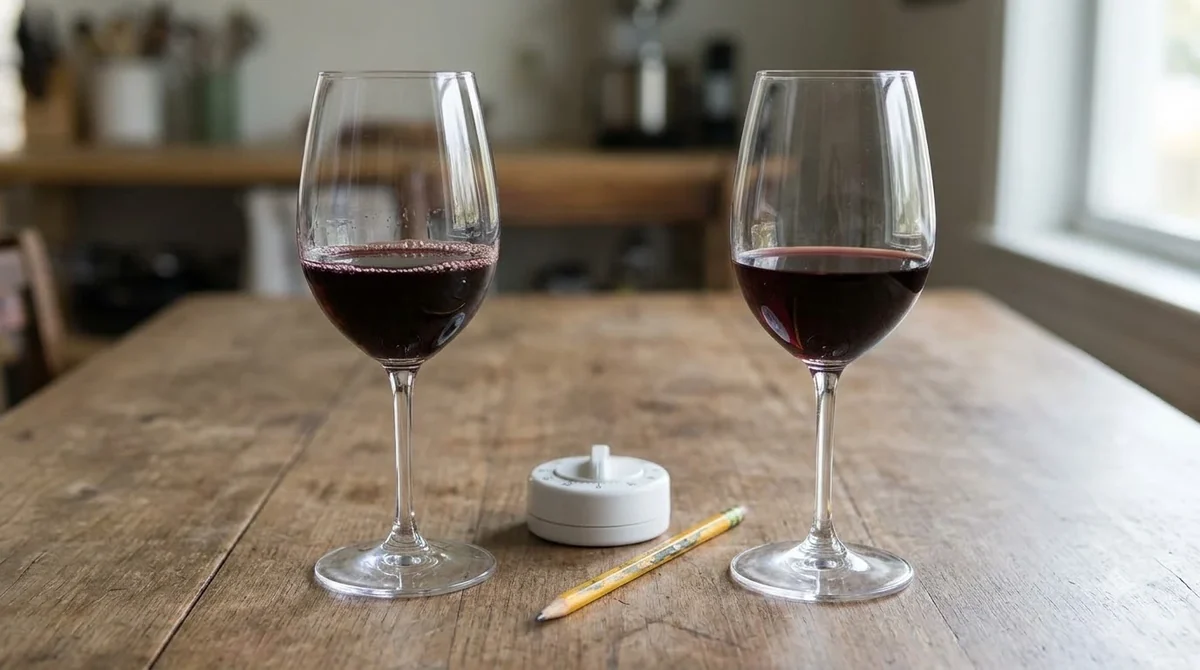
Grenache is known as Garnacha in Spain and Cannonau in Sardinia. According to the Wine & Spirit Education Trust (WSET), Spain is the most likely origin of the grape, although historical connections between Spain and Sardinia make its precise history interesting. The variety is particularly important in southern France and Spain, where it appears in both single-variety wines and regional blends.
Its typical flavor profile includes strawberry, raspberry, red cherry, and ripe plum. Depending on the growing region and winemaking approach, Grenache can also show white pepper, dried herbs, and subtle earthy characteristics. These flavors complement the oranges, lemons, apples, and berries commonly used in red sangria.
Another important characteristic is its relatively soft tannin structure. Tannins create the drying sensation associated with some red wines. A highly tannic Cabernet Sauvignon can become noticeably astringent when combined with acidic citrus and sweet ingredients. Grenache generally has lower to medium tannin, making it a more approachable choice for a fruit-based wine cocktail.
Grenache also provides enough body to stand up to additional ingredients. A very light red wine can become diluted once fruit juices, ice, and sparkling water enter the pitcher. A medium-bodied Grenache generally maintains a recognizable red-wine character even after mixing.
Alcohol deserves attention, too. WSET describes many Grenache wines as naturally high in alcohol, commonly reaching 14% ABV or above. Adding brandy or orange liqueur increases the alcoholic strength of the finished drink, so the proportions should remain balanced rather than allowing the spirits to overwhelm the fruit.
For a more detailed understanding of the grape’s aroma, structure, and regional expressions, explore our Grenache tasting notes. Understanding these characteristics makes it easier to choose a bottle that will work well in a pitcher instead of selecting a wine based solely on its label.
Choosing the Best Grenache Wine for Sangria
The best Grenache for sangria is a dry, fruit-forward wine with moderate acidity, soft tannins, and enough freshness to balance citrus and ripe fruit. Spanish Garnacha and approachable southern French Grenache are particularly useful starting points.
Spanish Garnacha is a natural choice because the grape has a long history in Spanish winemaking. Wines from Aragón, including areas such as Cariñena, Campo de Borja, and Calatayud, offer different expressions of the variety. Rioja Oriental is another established growing area. These wines can deliver ripe red fruit and a generous texture that works well with oranges and apples.
French Grenache offers another useful option. In the southern Rhône, Grenache frequently appears in blends with Syrah and Mourvèdre. These blends can provide additional black-fruit character, spice, and structure. For sangria, choose an accessible, fruit-focused expression rather than a particularly concentrated wine with substantial oak influence.
Australian Grenache from regions such as Barossa and McLaren Vale can also work. These warmer-climate expressions may have generous fruit and a fuller texture. Their ripeness can make them especially suitable for berry-based sangria, although wines with particularly high alcohol need careful balancing.
What to look for on the bottle
A suitable bottle should have a dry or predominantly dry style, noticeable red-fruit aromas, and moderate tannins. Young, uncomplicated wines are usually more practical than expensive bottles intended for extended aging. The subtle characteristics of a complex wine can become less noticeable once brandy, orange juice, and several types of fruit are added.
Avoid choosing a wine simply because it is labeled sweet. Fresh fruit, orange juice, and liqueur already contribute sweetness. Starting with a dry red gives greater control over the finished drink and makes it easier to adjust the recipe.
For an easy comparison, consider these common wine styles:
| Wine style | Typical characteristics | Suitability for sangria |
|---|---|---|
| Spanish Garnacha | Ripe red fruit, soft tannins | Excellent |
| Southern Rhône Grenache blend | Red and dark fruit, herbs, spice | Very good |
| Australian Grenache | Generous fruit, fuller texture | Very good |
| Grenache-based rosé | Fresh red fruit, lighter body | Good for rosé-style sangria |
| Heavily oaked Grenache blend | Pronounced oak, stronger structure | Less suitable |
| Very concentrated old-vine Grenache | Dense fruit, higher alcohol | Better reserved for drinking alone |
The important distinction is between a wine that is enjoyable on its own and one whose structure suits mixing. A balanced Grenache does not need elaborate winemaking or particularly intense concentration. Fresh fruit character and a pleasant finish are more useful than excessive oak or powerful tannins.
The Best Fruits and Flavor Combinations
Oranges, apples, lemons, strawberries, raspberries, and cherries are excellent companions for Grenache sangria. Their combination of sweetness, acidity, and aromatic character complements the grape’s ripe berry profile without requiring large amounts of added sugar.
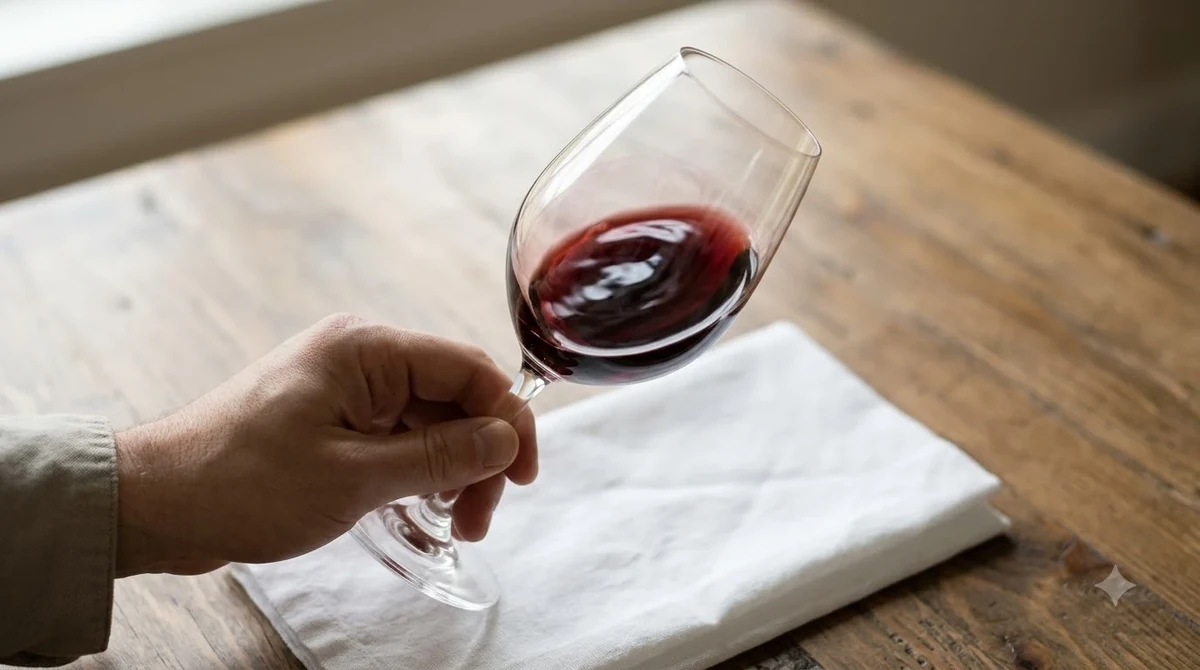
Orange is one of the most useful ingredients because its citrus oils and juice provide aromatic freshness. Thin orange slices contribute flavor during refrigeration, while freshly squeezed orange juice adds a softer sweetness to the mixture. Leaving some peel on the slices also contributes citrus aroma, although excessive pith can introduce bitterness during prolonged maceration.
Apples provide a different kind of balance. Their crisp texture contrasts with the softness of ripe Grenache, and their relatively mild sweetness allows the red wine to remain the main flavor. Red or green apples both work, depending on whether the desired result is sweeter or sharper.
Lemon contributes additional acidity. Grenache often has moderate rather than particularly high acidity, so a little lemon can make the finished sangria feel fresher. However, too much lemon juice can dominate the red fruit and create an excessively sour drink. Start with a few slices rather than adding large quantities of juice.
Berry combinations
Strawberries and raspberries reinforce Grenache’s natural red-fruit aromas. They are especially useful in summer sangria because they add recognizable fruit flavors without requiring complicated preparation. Blackberries and blueberries can introduce darker fruit notes and additional depth.
Fresh cherries are another strong option. Their sweetness and slightly tart character complement the cherry aromas often found in Grenache. Remove the pits before adding them to the pitcher, and cut larger cherries in half so their juices can mingle with the wine.
Peaches and plums provide seasonal alternatives. Peaches give the drink a softer, more aromatic character, while plums contribute deeper fruit flavors. These combinations work particularly well with fuller Grenache wines from warmer climates.
Fruit combinations to try
- Classic Spanish: Orange, lemon, and apple for a traditional citrus-forward profile.
- Summer berry: Strawberry, raspberry, blueberry, and orange for a juicy red-fruit character.
- Stone fruit: Peach, plum, and orange for a softer, rounded flavor.
- Cherry citrus: Fresh cherries, orange, and lemon for a balance of sweet and tart flavors.
- Autumn fruit: Apple, pear, orange, and a small cinnamon stick for a more aromatic variation.
Fruit quantity matters as much as fruit selection. Too little fruit makes the sangria feel like ordinary wine with a few decorative slices. Too much fruit can make pouring difficult and produce an overly concentrated mixture. A moderate amount of sliced fruit allows the wine to remain the central ingredient.
For a reliable first attempt, use one orange, one lemon, and one apple with a 750 ml bottle of Grenache. Add a handful of berries if you want a more pronounced summer character. You can adjust the fruit proportions in later batches according to the wine’s ripeness and acidity.
How to Make Grenache Sangria at Home
A balanced Grenache sangria starts with one 750 ml bottle of dry wine, fresh citrus, apple, a modest quantity of brandy, and optional orange liqueur. Refrigerating the mixture for at least 4 hours allows the fruit flavors to combine before the drink is served.
The following recipe produces approximately 6 servings, depending on glass size and the amount of sparkling water used. It follows the traditional red sangria approach while allowing Grenache’s fruit character to remain recognizable.
Ingredients
- 1 bottle (750 ml) dry Grenache or Spanish Garnacha
- 1 medium orange, thinly sliced
- 1 medium lemon, thinly sliced
- 1 medium apple, cored and diced
- 1/2 cup brandy
- 1/4 cup orange liqueur, such as triple sec
- 1 tablespoon sugar or simple syrup, optional
- 1 cup fresh strawberries or mixed berries, optional
- 2 cups chilled sparkling water, for serving
- Ice, as needed
Preparation instructions
Step 1: Prepare the fruit. Wash the orange, lemon, apple, and berries. Cut the citrus into thin slices and dice the apple into bite-sized pieces. Remove the stems from strawberries and cut larger berries into smaller portions. Place everything in a large glass pitcher.
Step 2: Add the spirits. Pour the brandy and orange liqueur over the fruit. Stir gently to coat the fruit and distribute the liquid. Allow the mixture to stand for approximately 5 minutes. This short maceration helps the fruit release some of its juices and allows the citrus aromas to mix with the spirits.
Step 3: Add the Grenache. Pour the entire bottle of red wine into the pitcher. Stir until the ingredients are evenly combined. If the fruit is particularly tart, add one tablespoon of sugar or simple syrup. Avoid adding too much sweetener at this stage.
Step 4: Refrigerate. Cover the pitcher and refrigerate for at least 4 hours. Overnight chilling is another useful option because it gives the fruit additional time to infuse the wine. Keep the mixture refrigerated rather than leaving it at room temperature.
Step 5: Adjust the flavor. After chilling, stir the mixture and assess its balance. Add a little orange juice if the drink tastes too strong or needs more fruit character. Add a small amount of sweetener if the citrus is particularly sharp. If it tastes too sweet, a little lemon juice or plain sparkling water can restore freshness.
Step 6: Serve. Fill individual glasses with ice, pour in the sangria, and finish with chilled sparkling water if desired. Add a few pieces of the soaked fruit to each glass. Serve immediately while the drink is cold and the carbonation is fresh.
Tip: Keep sparkling water out of the pitcher during refrigeration. Add it immediately before serving or directly to individual glasses. This preserves the bubbles and allows each person to choose how much dilution they prefer.
The recipe can be adjusted without changing its basic structure. For a lighter drink, increase the sparkling water. For a stronger fruit character, use additional berries or freshly squeezed orange juice. For a drier result, omit the added sugar and use plain sparkling water instead of sweetened soda.
Remember that Grenache can already have relatively high alcohol content. The addition of brandy and orange liqueur makes this a stronger mixed drink than wine alone, so using moderate quantities of spirits helps preserve the balance between fruit, wine, and alcohol.
Balancing Sweetness, Acidity, and Alcohol
The best Grenache sangria tastes fruity without becoming syrupy, fresh without being sour, and wine-forward without allowing the added spirits to dominate. The easiest way to achieve this balance is to begin with dry wine, use modest amounts of sweetener, and make adjustments after refrigeration.
Grenache naturally develops ripe fruit flavors, particularly in warm growing regions. This can make the wine seem relatively sweet even when it is technically dry. Adding sugar before tasting the finished mixture can therefore create unnecessary sweetness.
Fruit also contributes sugar. Ripe oranges, strawberries, peaches, and cherries release natural juices during maceration. Orange juice adds further sweetness, while orange liqueur usually contributes both sugar and alcohol. All these ingredients need to be considered together rather than treated as separate additions.
Managing sweetness
For a relatively dry sangria, start without added sugar. Allow the fruit to infuse the wine, then taste the mixture after it has chilled. If it remains too tart, add simple syrup in small increments, stirring after each addition.
For a sweeter version, use ripe strawberries, peaches, or oranges and add a modest amount of simple syrup. Honey is another option, although its floral character can influence the final aroma. Dissolving honey in a small amount of warm water before adding it makes distribution easier.
There is no need to make every Grenache sangria taste like a sweet red wine cocktail. Some of the most enjoyable versions retain the dryness of the original wine while using fruit to provide a natural impression of sweetness. Readers who prefer a noticeably sweeter style can also explore our guide to sweet red wine sangria.
Managing acidity
Acidity keeps sangria refreshing. Grenache usually has moderate acidity, so citrus is useful for adding freshness and balancing ripe fruit. Lemon and orange are particularly practical, but their proportions should reflect the wine’s own characteristics.
If the wine already tastes fresh and lively, use less lemon. If it tastes broad and soft, a little extra citrus can help. Avoid trying to correct every flavor problem with sugar, because sweetness does not replace the refreshing effect of acidity.
Managing alcohol and dilution
Brandy is traditional in many red sangria recipes, but it is not essential. Orange liqueur provides citrus character and additional alcohol, while sparkling water lightens the drink. Using both brandy and liqueur produces a richer cocktail, so reduce the quantity of one if the wine itself is already particularly high in alcohol.
Plain sparkling water is generally the most flexible finishing ingredient. Lemon-lime soda and ginger ale can be used for a sweeter variation, but they change the drink’s overall sweetness. Add any carbonated ingredient at the last moment to prevent the bubbles from disappearing during refrigeration.
Serving Temperature, Glassware, and Food Pairings
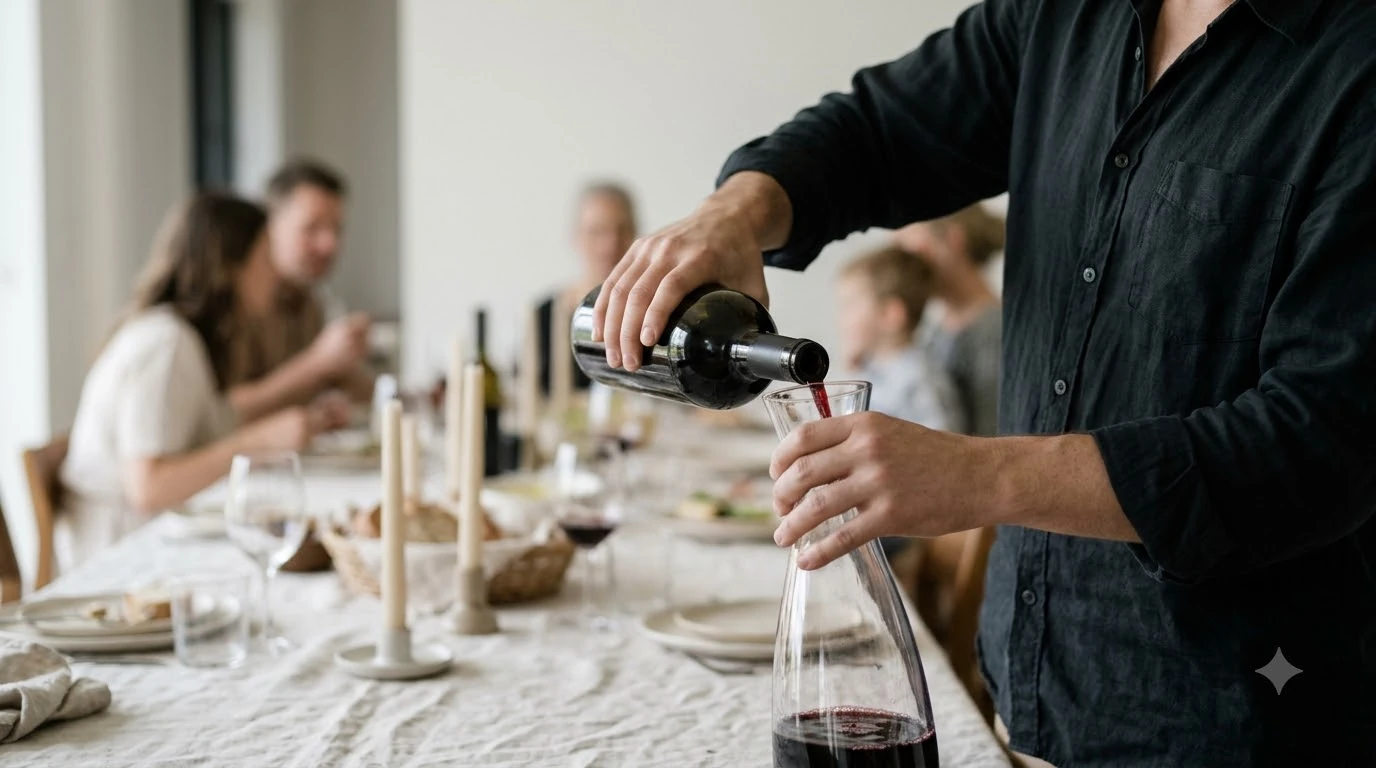
Grenache sangria should be served thoroughly chilled, preferably over ice in individual glasses with fresh fruit. A cold serving temperature keeps the wine refreshing, balances its ripe fruit character, and makes the combination of citrus and brandy more approachable.
Although sangria is a mixed drink rather than a standard bottle of red wine, the serving principles for red wine remain useful. Full-bodied reds are commonly served around 60–65 F, but a fruit-based cocktail containing citrus and ice benefits from a colder presentation.
Keep the pitcher refrigerated until serving time. Chilling the wine before preparation also helps prevent the finished mixture from warming too quickly. If guests are serving themselves over an extended period, place the pitcher in a bowl of ice or return it to the refrigerator between servings.
A standard wine glass works well, but a large tumbler or stemless glass is also suitable. Choose a glass with enough room for ice, wine, and a few pieces of fruit. Very small glasses can make the drink difficult to stir and may not leave enough room for sparkling water.
Food pairings for Grenache sangria
Grenache sangria works particularly well with Mediterranean-inspired foods. Its ripe fruit and citrus flavors complement grilled vegetables, roasted meats, and dishes featuring tomatoes, herbs, and olive oil.
- Spanish tapas: Patatas bravas, olives, Manchego, and mild charcuterie complement the wine’s fruity character.
- Grilled chicken: Herbs, garlic, and lemon in grilled chicken work well with the citrus and red-fruit flavors.
- Paella: The combination of rice, saffron, vegetables, and meat provides a satisfying pairing with chilled red sangria.
- Grilled vegetables: Eggplant, peppers, zucchini, and mushrooms complement Grenache’s ripe fruit and herbal notes.
- Barbecue: Grilled pork and chicken pair well, particularly when the seasoning is savory rather than heavily sweet.
- Cheese boards: Manchego, mild aged cheddar, and semi-hard cheeses provide savory contrast.
Very spicy foods require more care. Chili heat can become more pronounced alongside alcoholic drinks, particularly when the wine and added spirits have substantial alcohol content. Mildly seasoned foods are generally easier to pair than dishes dominated by hot peppers.
Oily fish can also be challenging with tannic red wines. For seafood, lighter preparations such as grilled shrimp with citrus or vegetable-based tapas are more suitable than oily fish served with a heavy sauce. A lighter rosé-based sangria may be preferable for delicate seafood dishes.
Variations, Storage, and Common Preparation Mistakes
Grenache sangria can be adapted for different seasons by changing the fruit, citrus, and finishing ingredients while keeping the wine as the main component. Proper refrigeration and careful timing also help preserve its fresh fruit character after preparation.
A summer variation can use strawberries, raspberries, blueberries, and freshly squeezed orange juice. This combination reinforces Grenache’s red-fruit aromas and works especially well with a medium-bodied Spanish Garnacha. A small quantity of triple sec adds citrus complexity without requiring a large amount of additional sugar.
For an autumn variation, use apple, pear, orange, and a small cinnamon stick. The spices should remain subtle rather than overpowering the wine. Fuller Grenache from Australia or the southern Rhône can work particularly well with these ingredients because its ripe fruit and spice characteristics complement the seasonal flavors.
Rosé-style Grenache sangria
Grenache-based rosé provides an alternative when a lighter drink is preferred. Its fresh red-fruit flavors and lighter structure work with strawberries, peaches, raspberries, and lemon. Reduce the quantity of brandy and use a little sparkling water to maintain a delicate character.
This version is especially suitable for warm-weather gatherings and lighter meals. It should remain relatively dry, with fresh fruit providing most of the sweetness. White peaches and strawberries are useful ingredients because they contribute aromatic fruit flavors without overwhelming the wine.
How long does Grenache sangria last?
Homemade sangria is best enjoyed within approximately 24 hours for the freshest fruit texture and most vibrant presentation. A covered pitcher kept in the refrigerator can remain usable for a little longer, but the fruit gradually softens and the wine may lose some freshness.
For the best results, prepare the wine and fruit mixture in advance, but keep the sparkling water separate. Adding carbonation only when serving helps prevent the pitcher from becoming flat. Remove fruit that has become excessively soft rather than allowing it to remain in the mixture indefinitely.
Refrigeration is important throughout storage. Do not leave a pitcher containing wine, cut fruit, and spirits sitting on a warm counter for several hours. Return it to the refrigerator between servings, especially during outdoor gatherings.
Common mistakes to avoid
- Choosing a heavily tannic wine: Strong tannins can make the finished sangria taste drying and harsh.
- Adding too much sugar: Grenache and ripe fruit already contribute plenty of fruity sweetness.
- Using too much brandy: Excessive spirits can hide the grape’s natural fruit character.
- Skipping refrigeration: Immediate serving does not allow sufficient time for the fruit flavors to combine.
- Adding sparkling water too early: Carbonation fades during prolonged refrigeration.
- Leaving citrus in the pitcher indefinitely: Extended contact with citrus peel can introduce unwanted bitterness.
- Using too much ice in the pitcher: Ice melts and dilutes the entire batch. Add it to individual glasses instead.
For another practical discussion of refrigeration and serving, see our article on should sangria be chilled. Temperature has a significant effect on how fruit, acidity, and alcohol are perceived in the finished drink.
For a useful comparison with traditional red sangria preparation, The Kitchn’s red sangria recipe and preparation instructions explain the role of dry wine, brandy, fresh fruit, refrigeration, and sparkling water. Its recommendation to chill the mixture for at least 4 hours and add carbonation immediately before serving is particularly useful when preparing a pitcher ahead of a gathering.
WSET also provides helpful background on the grape itself. Its article on Grenache and Garnacha growing characteristics explains why the variety produces fruity wines with medium acidity and naturally high alcohol, useful characteristics to consider when selecting a bottle for mixing.
Frequently Asked Questions
Is Grenache the same grape as Garnacha?
Yes. Grenache and Garnacha are different names for the same grape variety, with Grenache commonly used in France and international wine markets and Garnacha widely used in Spain. The grape also has a separate regional name, Cannonau, in Sardinia. Its different names reflect its long history across Mediterranean wine regions.
Can white Grenache be used to make sangria?
Yes. Grenache Blanc is a white mutation of the Grenache family and can be used for white sangria. It pairs well with green apple, peach, lemon, and white grapes. The resulting drink has a different profile from red Grenache sangria, with less emphasis on red berries and more on citrus and stone fruit.
Does Grenache sangria need to be made with Spanish brandy?
No. Spanish brandy is a traditional option, but other styles of brandy can also be used. Orange liqueur is another common choice, and some recipes omit additional spirits altogether. The important consideration is keeping the added spirit in proportion to the wine and fruit.
Can frozen fruit be used in Grenache sangria?
Yes. Frozen strawberries, raspberries, and blueberries can be used when fresh fruit is unavailable. They release juice as they thaw, so they may contribute more color and fruit flavor to the pitcher. Frozen fruit can also help cool individual servings, although it will soften considerably as it defrosts.
Can Grenache sangria be made without added spirits?
Yes. Brandy and orange liqueur are optional ingredients rather than requirements for making sangria. A mixture of Grenache, fresh orange juice, citrus slices, and seasonal fruit can produce a flavorful pitcher without additional spirits. Sparkling water can provide extra freshness and a lighter finish.
Grenache sangria is an approachable way to enjoy the ripe red-fruit character of Grenache alongside fresh citrus, seasonal berries, and traditional sangria ingredients. Choose a dry, fruit-forward Garnacha, allow at least 4 hours for chilling, and adjust sweetness only after the flavors have combined. With balanced proportions and fresh ingredients, this Spanish-inspired red wine pitcher makes an excellent addition to casual meals and social gatherings.
More in Wine Types & Grapes
 What Does Ruby Port Taste Like? Flavor Notes, Styles, and Serving TipsUpdated Nov 21, 2026
 What Does Ribolla Gialla Taste Like? Crisp White and Amber Styles ExplainedUpdated Nov 21, 2026
 What Does Semillon Taste Like? Flavor Profile, Styles & PairingsUpdated Nov 21, 2026
 What Does Scuppernong Taste Like? Flavor, Styles, and Pairing GuideUpdated Nov 21, 2026
 What Does Saperavi Taste Like? Flavors, Styles, and Pairing GuideUpdated Nov 21, 2026
 What Does Natural Wine Taste Like? Flavors, Styles, and Serving TipsUpdated Nov 21, 2026