

We may earn a commission when you buy through links on this page, at no extra cost to you. Learn more.
The ideal gamay serving temperature is 55–60°F (13–16°C) for most bottles, with lighter Beaujolais Nouveau closer to 54–57°F and structured crus around 57–61°F. A brief chill keeps Gamay’s red-fruit character lively without hiding its floral, mineral, or savory notes. Serve it cooler than a typical full-bodied red, then let the wine warm gradually in the glass.
Gamay is best known through the wines of Beaujolais, in eastern France, but the grape also appears in rosé, sparkling, and still red wines from other regions. Its generally bright acidity and modest tannins make it one of the reds that can benefit from a light chill. The right target depends less on the grape name alone than on the wine’s weight, age, and winemaking style.
The Best Temperature Range for Different Gamay Wines
For a typical young, fruit-forward Gamay, aim for 55–60°F (13–16°C); Beaujolais Nouveau and Beaujolais-Villages often show especially well at 54–57°F (12–14°C). More structured cru wines can be served slightly warmer, around 57–61°F (14–16°C), so their deeper aromas have room to open.
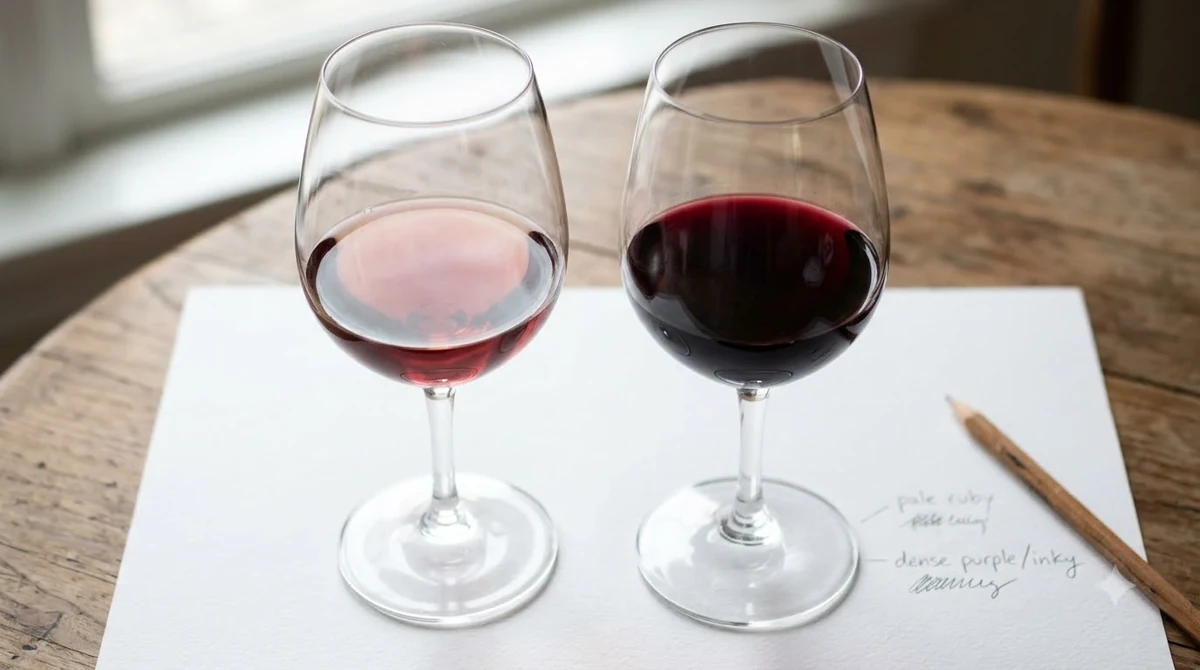
These targets are practical ranges rather than rigid rules. The Beaujolais regional guide recommends 54–57°F for Nouveau and village-level wines and 57–61°F for cru Beaujolais, including Morgon, Moulin-à-Vent, and Fleurie. General light-red guidance in Wine Enthusiast’s serving-temperature advice places Beaujolais and similar wines in a broader 54–60°F band. The regional Beaujolais serving recommendations give a useful starting point: aim near 56°F, then adjust according to the wine’s structure and the warmth of the room.
| Gamay style | Serving temperature | Practical cue |
|---|---|---|
| Beaujolais Nouveau | 54–57°F (12–14°C) | Fresh, juicy, very youthful fruit |
| Beaujolais or Beaujolais-Villages | 54–57°F (12–14°C) | Light body, cherry and raspberry notes |
| Cru Beaujolais | 57–61°F (14–16°C) | More body, structure, or earthy detail |
| More mature, concentrated cru | 59–61°F (15–16°C) | Give developed aromas a little more space |
| Gamay rosé | 45–50°F (7–10°C) | Serve like a refreshing dry rosé |
Temperature is measured in the wine, not by how cold the bottle feels; after a warm car ride, the wine may still be several degrees above its target. A small thermometer helps, but a consistent refrigerator routine is usually enough. Treat 55–60°F as a broad target: the goal is to avoid serving the wine warm or refrigerator-cold.
How Nouveau, Village Wines, and the Ten Crus Differ
Gamay’s serving temperature should rise modestly as the wine gains body and concentration. A bottle of Beaujolais Nouveau is usually most expressive around 54–57°F, while a structured Morgon or Moulin-à-Vent can benefit from 57–61°F.
Young, Fruit-Forward Bottles
Beaujolais Nouveau is released young and is typically built around immediate fruit. Its style often emphasizes lively cherry, raspberry, and strawberry rather than long development in bottle, so a slightly cooler serving temperature supports its refreshing character. Beaujolais and Beaujolais-Villages are also commonly fruit-driven, although village wines can have more depth and firmness than Nouveau. For these bottles, the lower end of the range is a dependable place to begin.
Cru Beaujolais
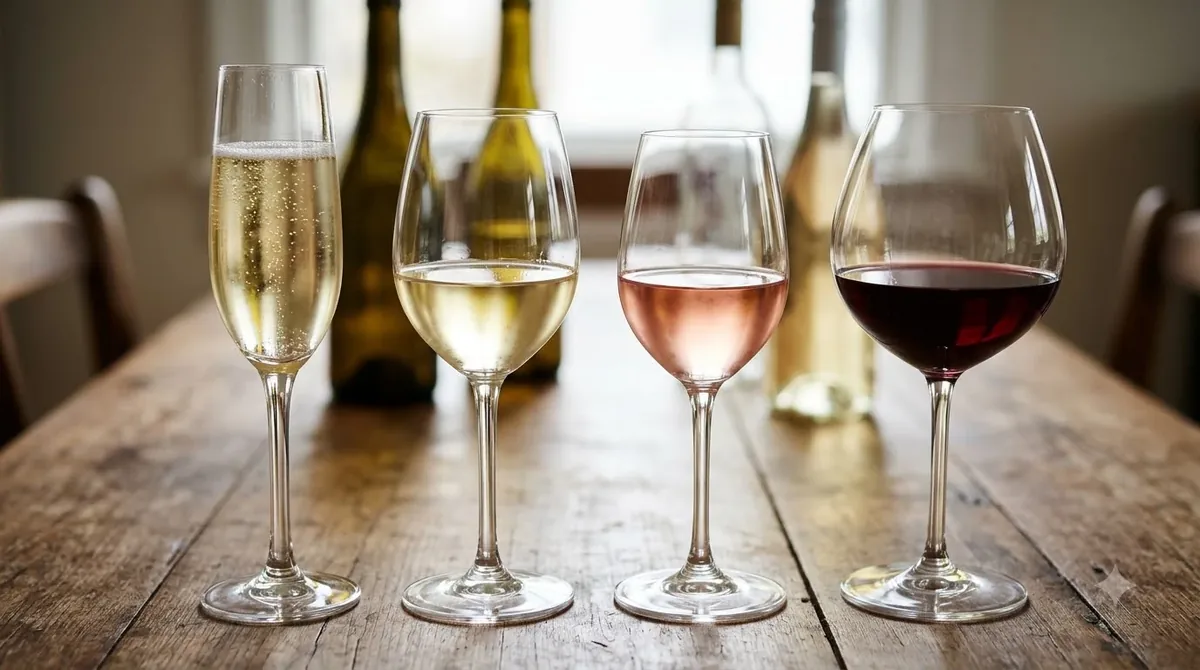
The ten Beaujolais crus offer more variation. Fleurie is often associated with perfumed, finely textured wines, while Morgon can show greater density and structure. Moulin-à-Vent is known for wines with more grip and aging potential; Chiroubles is commonly lighter and more floral. These differences explain why one fixed temperature does not suit every bottle bearing the Gamay name.
For a structured cru, start near 59°F rather than taking it straight from a cold refrigerator. If it seems muted, let it warm in the glass for five to ten minutes; if alcohol feels prominent, return the bottle briefly to the refrigerator. Producers and vintages vary, so the wine’s weight is a better guide than appellation alone.
Gamay Beyond Beaujolais
Gamay is also made outside Beaujolais, including parts of the Loire Valley. Some examples are light and early-drinking; others use longer extraction or oak and feel closer to a medium-bodied red. Our Wine by Type overview places these expressions alongside other red, rosé, and sparkling styles.
Why Temperature Changes Gamay’s Aroma and Texture
Cool Gamay tends to feel brisk, juicy, and refreshing, while warmer Gamay releases more aroma and can feel broader on the palate. The useful middle ground is cool cellar temperature: enough chill to keep the wine lively, but not so much that its fruit and perfume become difficult to detect.
What a Gentle Chill Preserves
Temperature changes how readily aromas move from the wine into the air above the glass. At 54–57°F, the impression is often crisp and focused, with cherry, cranberry, raspberry, and floral notes. As the wine warms toward 60°F, violet, dried herbs, earth, and spice may become easier to notice.
Temperature also affects perception of acidity and tannin. Gamay usually has delicate tannins compared with Cabernet Sauvignon or Syrah, but a structured cru can still have a noticeable drying edge. A moderate chill keeps the wine refreshing without making its tannins seem unnecessarily firm. This balance is one reason Gamay works well with food, especially dishes with salt, fat, and roasted flavors.
When the Wine Is Too Warm or Too Cold
Serving too warm can make alcohol seem more obvious and can soften the impression of acidity. This matters in a warm dining room, where a bottle opened at 66°F may climb further in the glass. Decanter’s guidance for light-bodied reds places them around 54–56°F, while also noting that Gamay is among the lighter varieties that can be served chilled. The principle is straightforward: do not treat every red as though it belongs at a heated room’s temperature.
Serving too cold creates a different problem. A bottle poured near refrigerator temperature, around 40°F, can seem muted, closed, and less expressive. The chill may make the texture feel firmer, but it also suppresses the aromas that distinguish a floral Fleurie from a darker-fruited Morgon. If the wine tastes thin or seems to have little scent, let it warm before deciding that the bottle lacks character.
How Long to Chill a Bottle Before Serving
For a room-temperature bottle, begin with 20–30 minutes in the refrigerator for Nouveau or Beaujolais-Villages and about 15–20 minutes for a cru. These are starting points, not guarantees: a warm kitchen, a bottle stored in a hot room, or a crowded refrigerator can change the timing.
Refrigerator Timing
The regional Beaujolais serving advice recommends 20–30 minutes of refrigerator time for young Nouveau and village wines, and 15–20 minutes for cru wines. If the bottle is already stored in a cool wine refrigerator, it may need little or no additional chilling. In a very warm room, check the bottle after the initial interval instead of assuming the same timing will work every time.
Using an Ice-Water Bath
An ice-water bath is faster than a refrigerator because water transfers heat more efficiently than cold air. Place the bottle in a bucket with ice and water for about 15 minutes, then dry it before opening. For a quick adjustment after pouring, chill the glass briefly or place the bottle back in the refrigerator for a short spell. Avoid leaving the bottle forgotten in an ice bath for an extended period.
Do not use the freezer as the routine method. It is easy to lose track of the bottle, and an overly cold wine can hide its aroma. A refrigerator or ice-water bucket gives more control. When the bottle reaches the target range, remove it from the cold source and keep it away from direct sunlight, a stovetop, or a warm serving area.
Tip: In a warm home, chill a young Gamay until it feels distinctly cool, pour a small taste, and let the glass sit for five minutes. If the fruit is lively and the aroma is clear, serve the rest; if it still tastes warm or soft, give the bottle another 10 minutes in the refrigerator.
For guests who drink slowly, start at the cooler end of the range because the wine will warm in the glass. That is especially useful outdoors or during a long meal. A small ice bucket beside the table can maintain the bottle’s temperature without forcing each pour to begin too cold.
Choose the Right Glass, Pour, and Serving Routine
A standard red wine glass with a moderate bowl suits most Gamay, and a 5-ounce pour gives aromas room to develop. One 750-milliliter bottle yields about five 5-ounce glasses, so smaller pours help each serving stay at the right temperature.
Glassware and Pouring
An all-purpose glass suits Beaujolais Nouveau and village wines. For a complex cru, a slightly wider bowl gives the wine more surface area and makes layered aromas easier to notice. A large glass is not essential; choose a clean bowl with enough room to swirl.
Hold the glass by its stem when possible. Your hand warms the wine through the bowl, a noticeable effect when serving around 56°F on a hot patio. Pour modestly and refill rather than filling the glass to the top.
Air and Storage
Most young Gamay does not need a long decant. Pour a sample first; a concentrated cru may benefit from 15–30 minutes of air if it seems tight, while older bottles should be handled gently because mature aromas can fade with too much exposure.
Keep unopened bottles in a cool, dark place with a stable temperature. For longer storage, bottles with natural corks are generally kept on their sides, and a cellar near 55°F is a useful target. After opening, reseal the bottle and refrigerate it; most still wines are best enjoyed within three to five days. Let a remaining portion warm slightly before pouring it again.
Different drinks need different targets: a sake pairing may call for its own temperature choice, and the sake serving temperature guide explains why style matters there, too.
Food Pairings That Work With Lightly Chilled Gamay
Gamay’s freshness, red-fruit flavors, and relatively gentle tannins make it a flexible partner for poultry, pork, charcuterie, mushrooms, and many vegetable dishes. Serve it around 55–60°F with foods that bring out its fruit without overwhelming its lighter structure.
Poultry, Pork, and Charcuterie
Roast chicken and turkey are classic matches, especially with browned skin, thyme, rosemary, or black pepper. Gamay’s acidity refreshes the palate, while its cherry and raspberry notes complement poultry. Pork tenderloin, grilled sausages, and ham also work because their savory richness does not bury the fruit.
For a casual spread, pair Beaujolais with pâté, salami, terrines, mild cheeses, and bread. Salt and fat soften tannin, suiting Gamay’s gentle structure. Morgon can handle duck breast, pork shoulder, or grilled beef; a lighter Fleurie suits roast chicken, mushroom tart, or soft-ripened cheese.
Vegetables, Spice, and Dessert
Vegetarian choices include grilled eggplant, herbed lentils, roasted beets, mushrooms, and vegetable pizza. Earthy ingredients echo savory notes in developed crus, while Gamay’s acidity can stand alongside tomato-based dishes with olive oil or roasted vegetables.
Be cautious with very hot chili, heavily smoked barbecue sauce, or highly bitter greens. Chili heat can feel more pronounced alongside alcohol and tannin, while intense smoke or bitterness can dominate a lighter red. For spicy food, choose a fruitier, lower-alcohol Gamay and keep the seasoning moderate. If the meal includes a sweet finish, remember that a dry red will taste sharper next to a dessert; a sweet wine should generally be at least as sweet as the dessert. A dessert wine such as Sauternes is a more natural direction for very sweet pastries or fruit desserts.
Temperature should follow the food and the setting as well as the wine. At a summer picnic, a young Gamay can be poured at the lower end of its range and kept in an ice bucket. At a winter dinner with duck or roast pork, a mature cru can be served closer to 60°F so its savory detail is easier to appreciate.
Frequently Asked Questions
These answers address common serving details that are not covered by the temperature ranges alone, including how to recognize the grape, whether every Beaujolais is red, and what to do with sparkling versions.
How do you pronounce Gamay?
Gamay is commonly pronounced “gah-may,” with the stress on the second syllable. The name refers to the grape variety, while Beaujolais is the best-known regional wine style made from it.
Is every Beaujolais made from Gamay?
No. Gamay is the principal red grape and the only permitted red variety for Beaujolais red wines, but the region also produces white wines, chiefly from Chardonnay. A white Beaujolais should be served according to its white-wine style rather than the red Gamay range.
Can Gamay be made into sparkling wine?
Yes. Gamay appears in sparkling wines as well as still reds and rosés. A sparkling Gamay should be served colder than a still red, generally around 40–50°F, to keep its bubbles lively and its profile refreshing.
Does Gamay always taste like banana?
No. Banana or bubble-gum aromas can appear in some young wines made with carbonic or semi-carbonic maceration, but they are not universal markers of the grape. Many Gamay wines are more clearly associated with cherry, raspberry, strawberry, violet, and savory herbal notes.
Can a bottle of Gamay improve after opening overnight?
Some structured crus can show differently on the second day because brief exposure to air may soften a tight first impression. Recork the bottle, refrigerate it overnight, and bring the next glass toward its serving range before drinking. Simple Nouveau is usually intended for its fresh, immediate character rather than extended holding after opening.
For most bottles, begin with Gamay at 55–60°F, using 54–57°F for fresh Nouveau and village wines and 57–61°F for structured crus. A modest chill, a moderate pour, and a quick temperature adjustment at the table are usually all it takes to keep the wine bright, aromatic, and ready for food.
More in Wine Types & Grapes
 What Does Ruby Port Taste Like? Flavor Notes, Styles, and Serving TipsUpdated Nov 21, 2026
 What Does Ribolla Gialla Taste Like? Crisp White and Amber Styles ExplainedUpdated Nov 21, 2026
 What Does Semillon Taste Like? Flavor Profile, Styles & PairingsUpdated Nov 21, 2026
 What Does Scuppernong Taste Like? Flavor, Styles, and Pairing GuideUpdated Nov 21, 2026
 What Does Saperavi Taste Like? Flavors, Styles, and Pairing GuideUpdated Nov 21, 2026
 What Does Natural Wine Taste Like? Flavors, Styles, and Serving TipsUpdated Nov 21, 2026