
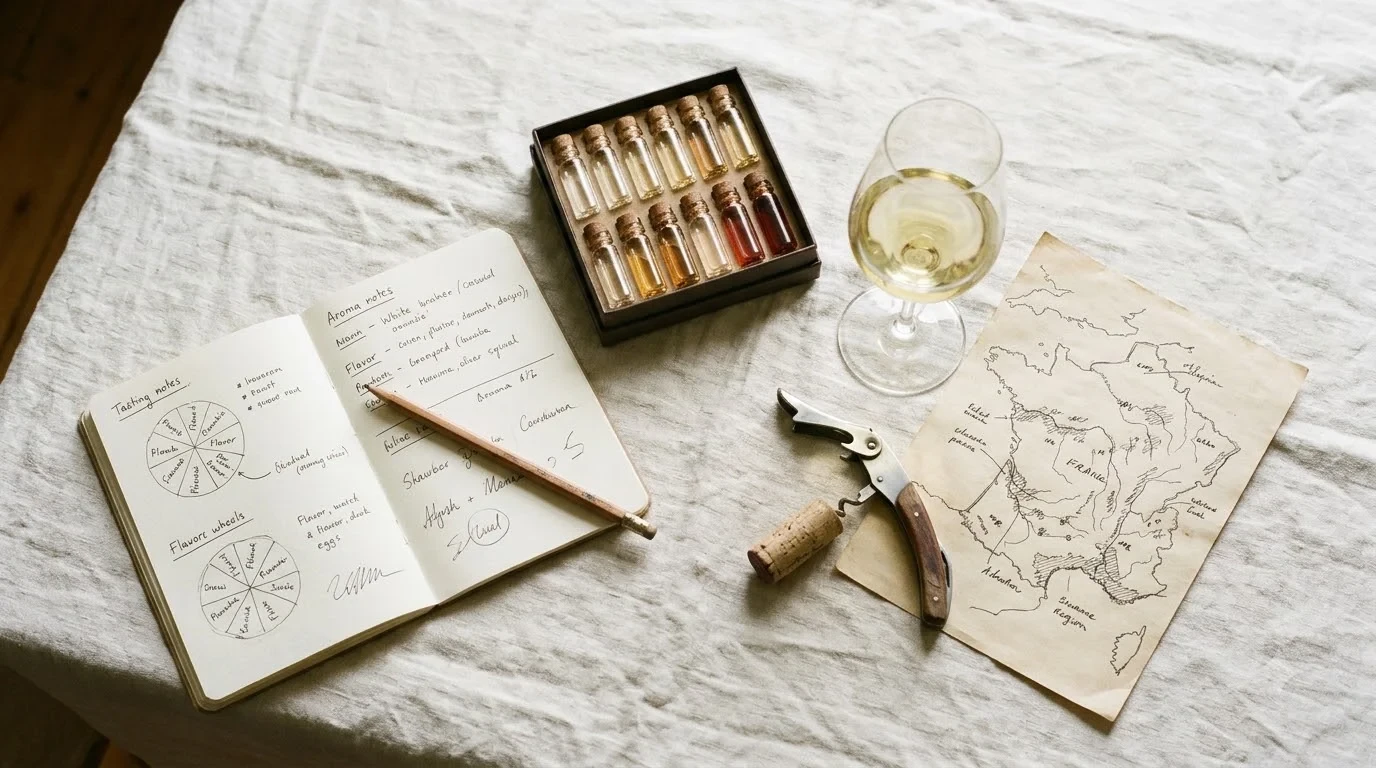

We may earn a commission when you buy through links on this page, at no extra cost to you. Learn more.
Modern marsala history began in 1773 when English merchant John Woodhouse docked in western Sicily, discovered a locally aged wine called vino perpetuo, and fortified it with grape spirit so it could survive the sea voyage back to England. What started as a practical shipping solution quickly transformed into a thriving global trade dominated by British merchants like Woodhouse and Benjamin Ingham, before Sicilian entrepreneur Vincenzo Florio entered the industry in the 1830s. Over the next two centuries, the fortified wine rose to international prestige, suffered a sharp mid-twentieth-century decline due to cheap flavored cooking exports, and experienced a modern artisanal revival driven by strict legal reforms.
For many American drinkers, the bottle sitting in the back of the pantry is tied almost exclusively to skillet chicken dishes, yet the story behind this Sicilian fortified wine is far richer than its culinary reputation suggests. Understanding how a local coastal tradition became one of Europe’s premier exports reveals why authentic bottles belong in a wine glass just as much as a sauté pan.
Ancient Roots and the Tradition of Vino Perpetuo
Long before British traders arrived on Sicily’s western coast, local families produced a concentrated, oxidatively aged wine known as vino perpetuo. Winemakers maintained this style in small wooden casks by topping off each year’s harvest with older reserves, creating a continuous, multi-vintage blend.
The port city of Marsala itself carries layers of Mediterranean history stretching back to the Phoenicians and later the Arabs, who named the harbor Marsa Allah, or “Port of God.” Under the intense Sicilian sun, indigenous white grapes like Grillo, Catarratto, and Inzolia naturally accumulated high sugar levels, yielding base wines with substantial body and alcohol even without modern winemaking intervention. Local growers stored their finest barrels—often called carateddu—as household treasures reserved for weddings, holidays, and honored guests.
Because these unfortified wines were aged in partially filled wooden barrels in warm coastal cellars, they slowly oxidized and concentrated over time. This fractional blending system functioned much like the solera method in southern Spain, giving the wine complex notes of dried fruit, toasted nuts, and sea salt. However, without added distilled spirit, vino perpetuo remained fragile during long maritime transport and stayed largely a regional specialty.
1773: John Woodhouse and the Birth of Commercial Marsala
The commercial turning point in marsala history occurred in 1773, when Liverpool merchant John Woodhouse sheltered in the port of Marsala during a storm while trading soda ash across the Mediterranean. While waiting for calmer seas, he sampled the local vino perpetuo at a tavern and immediately recognized its similarity to the Iberian fortified wines—Sherry, Port, and Madeira—that were hugely fashionable in Britain.
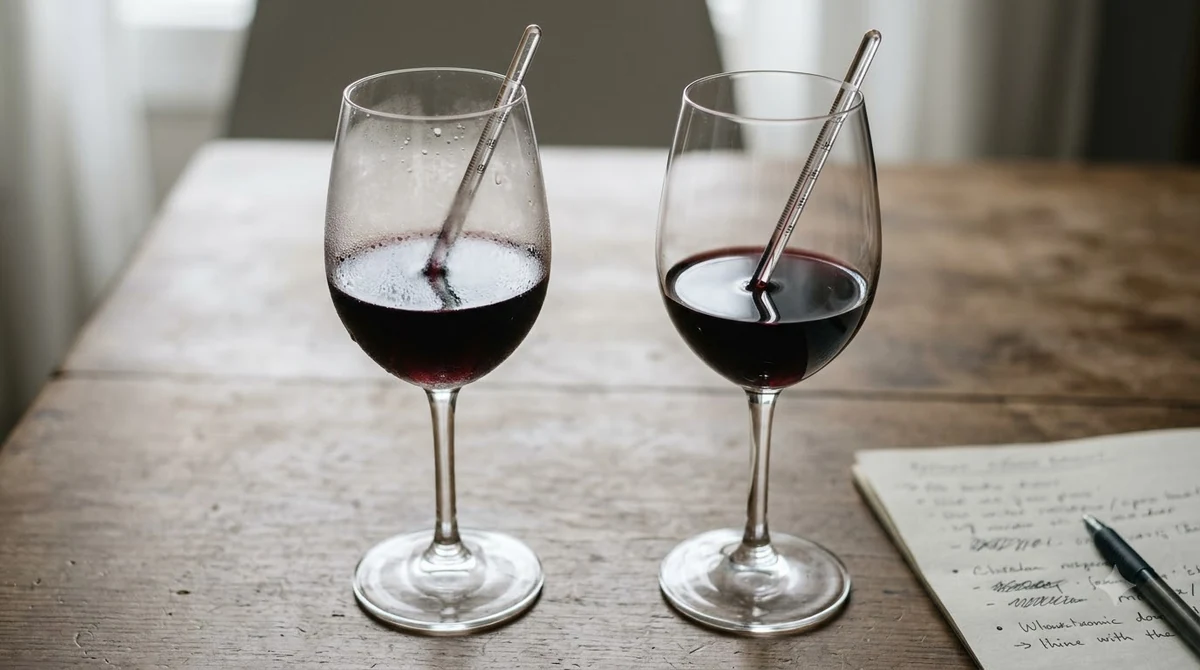
To protect the wine from spoiling during the rough ocean voyage back to Liverpool, Woodhouse added a dose of distilled grape spirit, or acqua vitae, to each cask. As noted by Wine Enthusiast’s guide to Marsala, this fortification stabilized the wine and allowed it to arrive in England in prime condition. The initial shipment proved so popular with British buyers that Woodhouse returned to Sicily, built dedicated wine cellars, and organized large-scale production for export.
Geopolitical events soon accelerated demand across Europe. During the Napoleonic Wars, British naval blockades disrupted traditional trade routes with France and Spain, prompting the Royal Navy to seek reliable alternative supplies of fortified wine. Admiral Horatio Nelson famously ordered large quantities of Marsala to provision his fleet, praising it as a wine worthy of any gentleman’s table and cementing its reputation across the British Empire.
British Pioneers and the Rise of the Florio Dynasty
Woodhouse’s success attracted other ambitious foreign investors to western Sicily, most notably Yorkshire-born merchant Benjamin Ingham, who established his own winery in Marsala in the early nineteenth century. Alongside his nephew Joseph Whitaker, Ingham modernized vineyard management, codified cellar hygiene, and expanded shipping routes beyond Europe to North America and Australia.
In the 1830s, Sicilian entrepreneur Vincenzo Florio broke the British monopoly by constructing a massive stone baglio—a traditional fortified courtyard winery—directly between the Woodhouse and Ingham estates. Leveraging his own fleet of steamships and sharp commercial instincts, Florio rapidly scaled production, eventually surpassing his British competitors in sales and prestige before absorbing their historic firms altogether.
Marsala wine also became intertwined with Italian national history in May 1860, when Giuseppe Garibaldi and his Thousand red-shirted volunteers landed at the port of Marsala to launch the campaign for Italian unification. Local lore holds that Garibaldi toasted the landing with glasses of sweet Marsala offered by the British and Sicilian cellars, further elevating the town’s symbolic status across the newly unified nation.
Key Milestones in Marsala Wine History
Tracing the timeline of Marsala reveals how foreign trade, industrial scale, and legal protections shaped the wine available on shelves today. The table below outlines the major eras that defined its production and global standing.
| Era or Year | Key Figure or Event | Impact on Marsala Production |
|---|---|---|
| Pre-1773 | Local Sicilian growers | Produced unfortified vino perpetuo using fractional barrel aging for local consumption. |
| 1773 | John Woodhouse | Fortified local casks with grape spirit for export to England, creating commercial Marsala. |
| Early 1800s | Benjamin Ingham & Joseph Whitaker | Introduced stricter winemaking standards and expanded global exports to the Americas. |
| 1832–1833 | Vincenzo Florio | Founded the first major Italian-owned Marsala house, later consolidating rival British cellars. |
| 1969 | Italian DOC Designation | Established legal boundaries and grape rules for Marsala as one of Italy’s first DOC wines. |
| 1984 | Law No. 851 Reform | Banned flavored additives like egg and banana, restoring quality standards and aging tiers. |
These historical shifts explain why modern labels distinguish sharply between entry-level blends and long-aged artisanal bottlings. Each regulatory step attempted to preserve the coastal character established by nineteenth-century pioneers while curbing shortcuts that damaged consumer trust.
Twentieth-Century Decline and the 1984 Legal Reform
By the mid-twentieth century, Marsala’s prestigious image eroded as mass-market producers prioritized volume over craftsmanship. After World War II, many houses began exporting inexpensive, heavily sweetened versions flavored with egg yolk, coffee, almond, or banana extract.
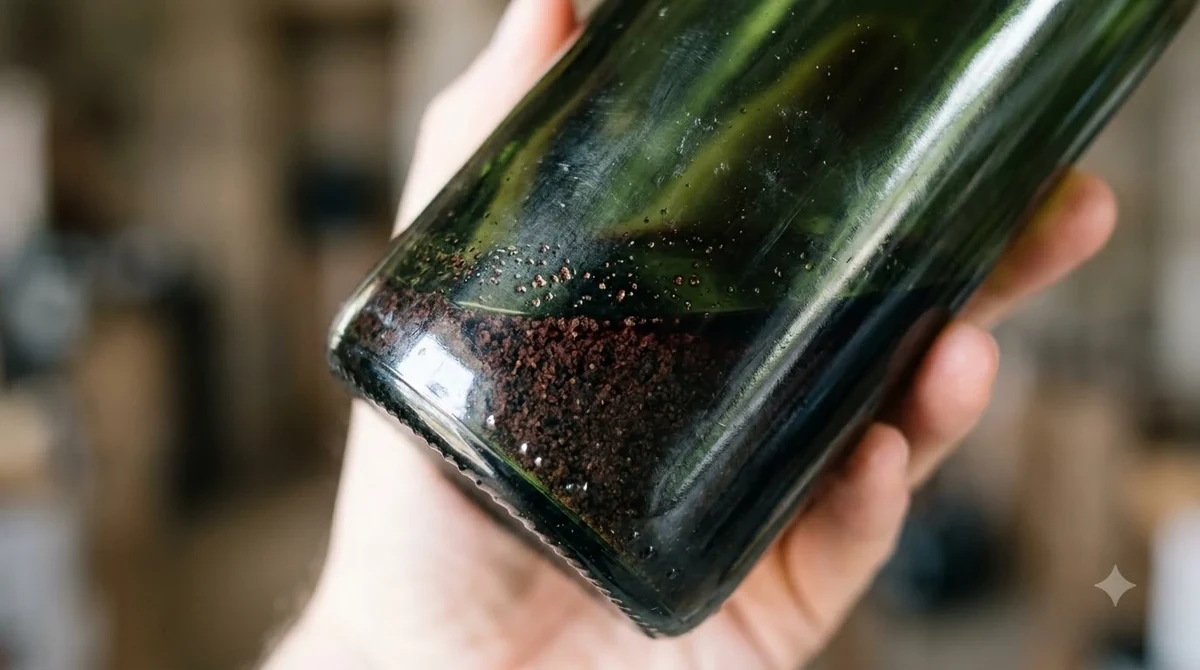
In the United States and northern Europe, these low-grade bottles became pigeonholed strictly as marsala cooking wine, stripped of the nuance that once rivaled fine Sherry or Madeira. Consumers unfamiliar with authentic Sicilian bottles assumed all Marsala was syrupy, artificially flavored, and meant only for pan sauces.
Although Marsala received Denominazione di Origine Controllata (DOC) status in 1969, early regulations still allowed practices that blurred quality distinctions. To rescue the appellation’s reputation, the Italian government enacted Law No. 851 in 1984, strictly prohibiting flavored additives under the Marsala DOC name and enforcing clear aging minimums. As Cantine Florio’s historical archive documents, the modern disciplinare categorizes wines by color—oro (gold), ambra (amber), and rubino (ruby)—and mandates barrel aging ranging from one year for Fine up to ten or more years for Vergine Stravecchio.
Tip: When shopping for a bottle to drink rather than cook with, look for the words Superiore Riserva or Vergine on the label, which guarantee at least four to five years of wood aging without artificial flavorings.
The Modern Artisanal Revival in Western Sicily
Beginning in the late twentieth century, a wave of quality-focused winemakers sparked a renaissance in western Sicily by looking backward to pre-industrial methods. Producers such as Marco De Bartoli championed old-vine Grillo, lower yields, and oxidative aging without relying on heavy cooked must (mosto cotto) to mask flaws.
Some traditionalists even revived unfortified vino perpetuo bottlings outside the DOC rules to showcase pure coastal terroir, while historic houses like Florio and Pellegrino overhauled their cellar programs to highlight single-vintage and long-aged Vergine releases. Today, sommeliers treat top-tier dry Marsala alongside other great wine types, pouring it slightly chilled with aged pecorino, roasted nuts, and seafood.
The legal reforms also standardized how marsala alcohol content is structured across tiers, requiring at least 17.5% ABV for Fine bottlings and a minimum of 18% ABV for Superiore and Vergine categories. Combined with proper oak aging, this strength gives opened bottles remarkable longevity on the counter compared to unfortified table wines.
Frequently Asked Questions
Who actually invented Marsala wine?
No single person invented the base wine, as Sicilian families had made oxidatively aged vino perpetuo for generations. However, English merchant John Woodhouse created commercial fortified Marsala in 1773 by adding grape spirit so the wine could survive sea transport to England.
Why was Marsala historically popular with the British Royal Navy?
During the Napoleonic Wars, British ships faced trade blockades that cut off access to French and Spanish wines. Admiral Horatio Nelson ordered large quantities of fortified Marsala for the Royal Navy because its higher alcohol content prevented spoilage during long voyages at sea.
How did Marsala become known mainly as a cooking wine in the US?
In the decades following World War II, some producers exported cheap, sweetened, and artificially flavored versions of Marsala overseas. American home cooks and restaurants adopted these inexpensive bottles for skillet sauces, overshadowing the dry, barrel-aged sipping styles until Italy banned flavored additives in 1984.
What is the difference between traditional vino perpetuo and DOC Marsala?
Traditional vino perpetuo is an unfortified wine aged in wooden barrels using a fractional blending system where younger wine tops up older vintages. Modern DOC Marsala must be fortified with distilled grape spirit or mistelle and aged in wood for at least one to ten years depending on its classification.
From a storm-delayed stopover in 1773 to the strict DOC standards governing western Sicily today, marsala history reflects centuries of maritime trade and resilient local craftsmanship. Exploring an aged Vergine or Superiore Riserva bottle offers a direct taste of the coastal cellar tradition that once captivated Europe’s finest tables.
More in Wine Types & Grapes
 What Does Ruby Port Taste Like? Flavor Notes, Styles, and Serving TipsUpdated Nov 21, 2026
 What Does Ribolla Gialla Taste Like? Crisp White and Amber Styles ExplainedUpdated Nov 21, 2026
 What Does Semillon Taste Like? Flavor Profile, Styles & PairingsUpdated Nov 21, 2026
 What Does Scuppernong Taste Like? Flavor, Styles, and Pairing GuideUpdated Nov 21, 2026
 What Does Saperavi Taste Like? Flavors, Styles, and Pairing GuideUpdated Nov 21, 2026
 What Does Natural Wine Taste Like? Flavors, Styles, and Serving TipsUpdated Nov 21, 2026