


We may earn a commission when you buy through links on this page, at no extra cost to you. Learn more.
Fiano tasting notes typically feature citrus, pear, apple, white flowers, honey, and hazelnut, with a dry palate, medium acidity, and a rounded, sometimes waxy texture. This Italian white wine offers more body and savory complexity than many light-bodied whites. Depending on its growing region and winemaking, Fiano can also show peach, melon, orange blossom, almond, pine, and subtle mineral characteristics. Its combination of freshness and texture makes it particularly versatile with seafood, poultry, vegetables, and creamy dishes.
Fiano is one of southern Italy’s distinctive white grape varieties, best known through Fiano di Avellino from Campania. It offers a useful alternative to familiar choices such as Pinot Grigio, Sauvignon Blanc, and Chardonnay, especially for drinkers who enjoy aromatic wines with a substantial mouthfeel. Understanding its aromas, acidity, body, and regional differences makes it easier to recognize a good bottle and find the right food pairing.
Fiano Tasting Notes: Primary Aromas and Flavors
Fiano typically combines fresh orchard fruit, citrus, delicate floral aromas, and nutty undertones. Its most recognizable flavors include pear, green apple, lemon, honeydew melon, hazelnut, and almond.
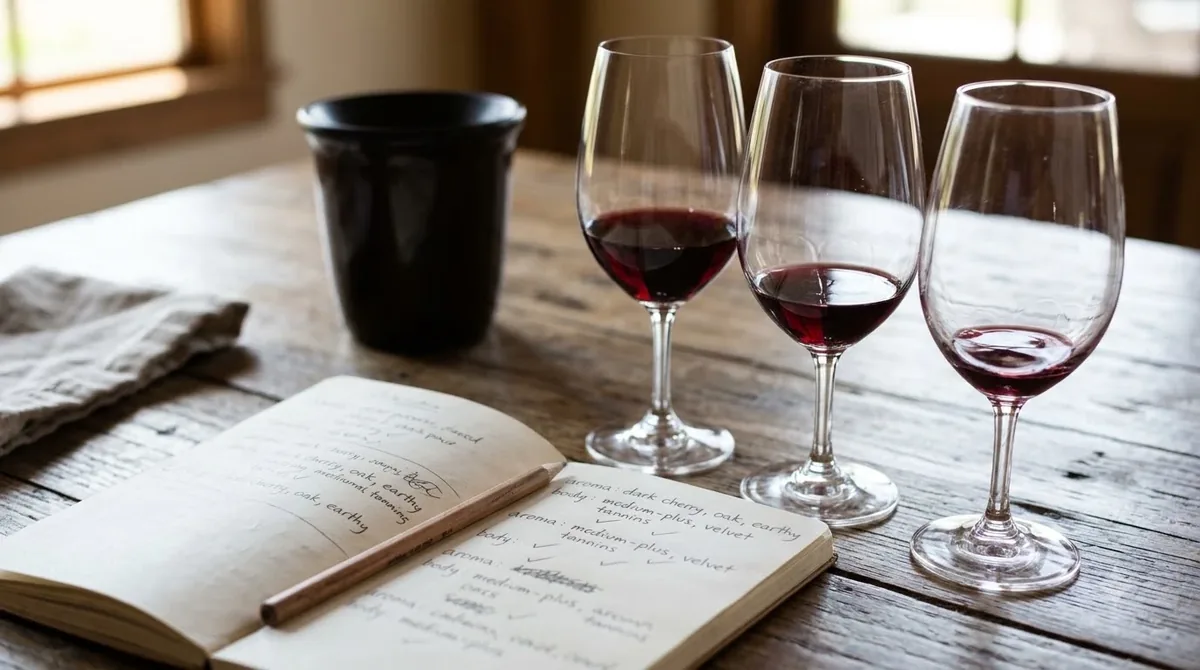
On the nose, a young Fiano often opens with fresh fruit rather than an overwhelmingly perfumed bouquet. Pear and apple provide the central orchard-fruit character, while lemon and orange peel contribute brightness. Some bottles also show peach, melon, and tropical fruit, particularly when the grapes come from warmer growing areas.
Floral notes add another dimension. White blossom, orange blossom, and sometimes linden flower can appear alongside the fruit. These aromas make Fiano appealing to people who enjoy aromatic white wines but prefer something less overtly perfumed than some expressions of Muscat or Gewürztraminer.
Nutty and honeyed characteristics are particularly interesting. Hazelnut, almond, beeswax, and a restrained honey-like impression can become more noticeable as the wine develops. These characteristics do not necessarily indicate sweetness. Most Fiano is dry, and the apparent sweetness of ripe fruit or honey aromas should not be confused with residual sugar.
Some examples also have a savory dimension. Pine, dried herbs, subtle smoke, and a faintly salty impression can complement the fruit. These characteristics are especially useful when assessing a Fiano intended for food rather than simply drinking as a refreshing aperitif.
The following flavor groups provide a practical reference when identifying the grape:
- Citrus: Lemon, orange peel, and occasionally grapefruit.
- Orchard fruit: Pear, yellow apple, and green apple.
- Stone fruit: Peach and sometimes apricot.
- Tropical fruit: Melon and occasional pineapple-like impressions.
- Floral: White blossom, orange blossom, and linden.
- Nutty: Hazelnut, almond, and almond paste.
- Developed aromas: Honey, beeswax, dried fruit, and gentle spice.
- Savory: Pine, herbs, smoke, and mineral-like notes.
Not every bottle displays all these characteristics. A fresh, stainless-steel-fermented Fiano may emphasize lemon, pear, and flowers, while a more concentrated or mature example can show greater nutty, waxy, and honeyed complexity.
For another way to explore Italian and international grape varieties, the site’s Wine by Type resource provides a useful starting point for comparing different wine styles.
Body, Acidity, Sweetness, and Texture
Fiano is generally a dry white wine with medium acidity, medium to medium-full body, and very little tannin. Its texture is often more substantial than its fresh fruit aromas initially suggest.
Body is one of the grape’s defining characteristics. Rather than feeling extremely light or watery, Fiano often has a rounded, broad mouthfeel. Some examples feel medium-bodied, while richer bottles approach full-bodied territory. This weight comes from the wine’s concentration, alcohol, and texture rather than from sweetness.
Acidity provides the necessary balance. Fiano generally has enough freshness to keep its ripe fruit and rounded texture from becoming heavy. Lemon and green apple flavors can make the wine seem particularly lively, although acidity varies with vineyard location, climate, harvest decisions, and winemaking.
Its tannin level is very low to effectively negligible. Unlike Cabernet Sauvignon or Syrah, Fiano does not create the drying, gripping sensation associated with tannic red wines. Instead, its structure comes from acidity, alcohol, extract, and mouthfeel.
Alcohol commonly falls around 11.5–13.5% ABV, although individual bottles can fall outside this range. The Campania regional specification establishes a minimum of 11.5% ABV for Fiano di Avellino, while Wine Folly identifies 11.5–13.5% as a typical range for the grape.
The following table summarizes a practical tasting profile for a classic dry Fiano.
| Characteristic | Typical profile | What to notice |
|---|---|---|
| Color | Pale lemon to straw yellow | Green or golden reflections |
| Sweetness | Dry | Ripe fruit without pronounced sugar |
| Acidity | Medium | Fresh citrus and apple sensations |
| Body | Medium to medium-full | Rounded, substantial mouthfeel |
| Tannin | Very low | Little to no drying sensation |
| Alcohol | 11.5–13.5% ABV | Varies by region and producer |
| Finish | Medium to long | Fruit, almond, and savory notes |
| Texture | Rounded and sometimes waxy | More weight than a very light white |
Texture can also be influenced by lees aging. Lees are the spent yeast cells remaining after fermentation. Keeping a wine in contact with fine lees can contribute a fuller impression and additional textural complexity without necessarily requiring oak aging.
For a concrete example, Fonzone describes its Fiano di Avellino as fresh, balanced, and persistent. Its production information identifies eight months of aging in stainless steel in contact with fine lees. This illustrates how a wine can develop additional mouthfeel while retaining a fresh, fruit-focused character.
Fiano’s dry profile is also important when comparing it with other aromatic whites. A honeyed nose does not automatically mean a sweet palate. The wine’s fruit, acidity, and texture can create an impression of richness even when the actual taste is dry.
How Fiano di Avellino Influences the Wine’s Character
Fiano di Avellino is the best-known expression of the grape, coming from the inland province of Avellino in Campania. Its reputation rests on dry, aromatic wines that combine fruit, freshness, texture, and the potential for bottle development.
The official production area includes municipalities such as Avellino, Lapio, Montefredane, and San Potito Ultra. These locations form part of Irpinia, an inland wine-growing area whose vineyards can occupy relatively elevated sites.
Growing conditions influence the balance between ripeness and freshness. Vineyard elevation, exposure, soil, and seasonal weather all affect how the grapes develop. A bottle from a cooler or higher-elevation site may emphasize citrus, orchard fruit, and freshness, while another expression may offer more concentrated yellow fruit and rounded texture.
The denomination also has specific production rules. According to the Campania regional agriculture authority, Fiano di Avellino must contain at least 85% Fiano. Other permitted grapes include Greco, Coda di Volpe Bianca, and Trebbiano Toscano, together accounting for no more than 15%.
However, many producers choose to make their wines entirely from Fiano. This allows the grape’s distinctive aromatic and textural qualities to take center stage.
Fonzone provides a useful example of a specific vineyard expression. Its Fiano di Avellino is made from 100% Fiano grown in San Potito Ultra and Montefredane, at elevations of 500 and 580 meters. Its technical information identifies loamy-clay soils and a harvest during the first ten days of October.
The producer also describes controlled fermentation at 14–16°C for approximately one month, followed by eight months of stainless-steel aging with fine lees. Its tasting profile includes citrus, orange blossom, linden, and almond paste.
These details help explain why two wines made from the same grape can differ. Vineyard conditions establish the starting character, while fermentation temperature, skin contact, lees aging, and maturation influence the final aromas and mouthfeel.
Fiano di Avellino is not the only expression worth exploring. Fiano also appears in other parts of southern Italy, including Puglia and Sicily, where warmer conditions and different production choices can produce fruitier, rounder styles.
For an authoritative description of the Campania denomination, see the Campania regional authority’s Fiano di Avellino information.
How to Taste Fiano and Recognize Its Development
A useful Fiano tasting follows four stages: appearance, aroma, palate, and finish. Paying attention to these stages helps distinguish fresh fruit character from developed nutty and savory complexity.
1. Examine the appearance. Pour a small amount into a clear white wine glass and look at the wine against a white background. Young Fiano is commonly pale lemon or straw yellow, sometimes with greenish reflections. More concentrated examples may have a deeper golden appearance.
Color alone does not establish quality or age. A golden wine might reflect grape ripeness, production choices, or bottle development rather than age alone. Likewise, a pale wine can still have considerable flavor and texture.
2. Assess the aromas. Start by smelling the wine without swirling. Identify the first prominent characteristics, such as lemon, pear, apple, or white flowers. Then gently swirl the glass and smell again.
Look for secondary layers. Almond, hazelnut, honey, beeswax, and herbs may emerge as the wine opens. Some bottles also show pine or subtle smoky notes. These characteristics are useful clues to Fiano’s personality, particularly when the wine has more savory complexity than an uncomplicated fruit-driven white.
3. Evaluate the palate. Take a small sip and consider sweetness, acidity, body, and texture separately. Most Fiano should taste dry. Its acidity should provide freshness, while its medium to medium-full body gives the wine a rounded impression.
Notice whether the texture feels crisp, creamy, slightly waxy, or broad. A wine aged on fine lees may feel fuller than a straightforward stainless-steel example. Oak-aged versions can introduce additional spice and a richer impression, although oak is not required for the grape to have complexity.
4. Consider the finish. After swallowing, pay attention to which flavors remain. Citrus, pear, almond, and gentle savory notes may persist. A balanced example should retain freshness rather than finishing as an overly heavy or flat wine.
Professional tasting notes often distinguish primary, secondary, and tertiary characteristics. Primary aromas originate mainly from the grape and include fruit and floral notes. Secondary characteristics are associated with winemaking, including fermentation and lees contact. Tertiary characteristics develop during maturation and can include honeyed, nutty, and dried-fruit impressions.
One helpful exercise is to taste a young Fiano alongside a bottle with some bottle age. Compare the fresh citrus and pear aromas with any developing honey, almond, or waxy notes. The difference illustrates how the grape’s character can evolve over time.
Tip: Do not serve Fiano straight from an extremely cold refrigerator if you want to examine its full aroma. Start with a lightly chilled glass, then allow the wine to warm gradually. Citrus and floral notes may become easier to identify as its temperature rises.
Fiano Food Pairings: Seafood, Poultry, and Vegetables
Fiano pairs particularly well with seafood, poultry, creamy dishes, and Mediterranean vegetables because its acidity provides freshness while its body accommodates richer ingredients. Its dry finish and nutty character also make it useful with cheeses and savory sauces.
Seafood is a natural starting point. Grilled white fish, prawns, scallops, oysters, and langoustines complement the wine’s citrus and mineral-like qualities. The acidity refreshes the palate between bites, while the rounded texture works with seafood that has a little more richness.
Fiano can also work with richer fish preparations. Salmon, particularly when roasted or served with a light glaze, can match the wine’s body and fruit. Wine Folly specifically identifies soy-glazed salmon as a suitable pairing.
For pasta, consider linguine with clams, seafood risotto, or pasta with a creamy lemon sauce. The wine’s freshness helps balance the richness of cream and butter, while its pear and almond characteristics complement the savory ingredients.
Poultry offers another reliable combination. Roast chicken with rosemary, grilled chicken, and turkey are excellent options. A preparation with citrus, herbs, or a light savory glaze can emphasize the wine’s aromatic profile.
Vegetable dishes also work well. Grilled zucchini, asparagus, roasted peppers, artichokes, and vegetable risotto can bring out Fiano’s herbal and savory qualities. A bottle with more body can stand up to olive oil, grilled vegetables, and lightly seasoned Mediterranean dishes.
Cheese pairings are particularly successful when the cheese has a creamy or moderately savory character. Burrata, mozzarella, young caciocavallo, and fresh goat cheese are useful options. More mature cheeses can work with richer, more developed examples of Fiano.
The following combinations provide a practical starting point:
- Oysters and langoustines: Highlight freshness, citrus, and mineral-like notes.
- Grilled sea bass: Complement the wine’s orchard fruit and acidity.
- Salmon with soy glaze: Match the wine’s body with savory richness.
- Clam linguine: Connect the wine’s freshness with seafood and garlic.
- Rosemary roast chicken: Complement floral and herbal aromas.
- Vegetable risotto: Balance creamy texture with refreshing acidity.
- Burrata and mozzarella: Pair creamy cheese with the wine’s dry finish.
- Grilled zucchini and peppers: Reinforce savory and herbal characteristics.
For a more detailed approach to matching wine structure with food, compare these combinations with the principles used for Grenache tasting notes. Although Grenache is a red grape, its fruit, body, and tannin profile demonstrate how the structure of a wine affects food compatibility.
There are some combinations to approach carefully. Very hot chili dishes can make alcohol feel more pronounced, and highly acidic foods are best matched with wines that have equal or greater acidity. Strongly bitter vegetables can also emphasize bitterness in a wine, so preparation and seasoning matter.
Fiano is generally more flexible than a very light white wine because its texture provides enough weight for substantial dishes. Nevertheless, delicate seafood preparations are usually better partners than heavily smoked or extremely spicy foods that could overwhelm its aromatic detail.
Serving Temperature, Glassware, and Storage
Serve Fiano lightly chilled, generally around 45–50°F for a fresh, aromatic presentation. Use a medium-sized white wine glass to give the aromas enough room to develop without allowing the wine to warm too quickly.
The Campania regional authority recommends 8–10°C for Fiano di Avellino, equivalent to approximately 46–50°F. Fonzone also recommends 8–10°C and specifies a medium-sized white wine glass with a slightly narrow rim to concentrate the aromas.
Wine Folly provides a broader serving range of 45–55°F. These recommendations are compatible: a temperature near 48°F is a useful starting point for many bottles, while a fuller or more mature example can benefit from warming slightly in the glass.
Serving temperature affects how the wine presents itself. Excessive cold can suppress the aromas of pear, flowers, almond, and honey. Warmer temperatures can make alcohol feel more pronounced and reduce the impression of freshness.
A standard white wine glass is usually sufficient. A medium-sized bowl allows the wine to release its aromas, while a moderately narrow rim helps direct them toward the nose. There is no need for specialized glassware to appreciate Fiano.
Most fresh, fruit-focused Fiano is enjoyable while young. It is also a grape with genuine aging potential in suitable examples. Wine Folly gives a general cellar range of five to ten years, although that should not be treated as a guarantee for every bottle.
For aging, producer reputation, wine structure, vintage conditions, and storage history are more useful indicators than grape variety alone. A concentrated Fiano di Avellino intended for maturation is a better candidate than a simple, inexpensive bottle made for immediate consumption.
Store bottles away from direct sunlight and temperature fluctuations. A consistent temperature near 55°F is a useful target for longer-term storage. Bottles sealed with natural cork are generally best stored horizontally to maintain cork contact with the wine.
Once opened, keep the bottle refrigerated and reseal it securely. Most still white wines are best consumed within three to five days, although aromatic intensity and freshness may gradually decline. Bring the remaining wine back toward its recommended serving temperature before pouring.
Decanting is generally unnecessary for young Fiano. However, allowing a mature or particularly concentrated bottle a little time in the glass can help reveal additional aromas without exposing it to prolonged oxygen contact.
Fiano Compared With Other White and Red Wines
Fiano occupies an appealing middle ground between crisp, light white wines and richer, more textural styles. Comparing it with Sauvignon Blanc, Chardonnay, and other grapes helps explain why its combination of fruit, acidity, and nutty character is distinctive.
Fiano vs. Sauvignon Blanc: Sauvignon Blanc is generally more sharply aromatic and has high acidity. Common flavors include lime, grapefruit, green apple, and herbaceous notes. Fiano usually has a broader texture, more pear and almond character, and a less overtly sharp aromatic profile.
Both can work with seafood and vegetables. Sauvignon Blanc is particularly useful with fresh goat cheese and herb-driven dishes, while Fiano can accommodate richer seafood preparations, creamy pasta, and roast chicken.
Fiano vs. Chardonnay: Chardonnay varies considerably according to its region and production method. Unoaked Chardonnay can be crisp and citrus-driven, while barrel-fermented examples may show vanilla, butter, toast, and richer textures.
Fiano can offer a similarly rounded mouthfeel without relying on obvious oak flavors. Its characteristic almond, honey, and floral notes give it a different aromatic profile. Both grapes can work with poultry, seafood, and creamy sauces.
Fiano vs. Pinot Grigio: Pinot Grigio is frequently lighter-bodied, with straightforward citrus, pear, and apple flavors. Fiano usually offers more texture and a greater range of nutty, floral, and savory characteristics.
Drinkers who prefer uncomplicated, refreshing whites may find Pinot Grigio more familiar. Those seeking greater mouthfeel and aromatic complexity may prefer Fiano.
Fiano vs. Chenin Blanc: Chenin Blanc can range from bone-dry and sharply acidic to richly sweet, depending on its origin and style. Fiano is more consistently associated with dry expressions and a rounded, nutty profile.
Both grapes can develop honeyed characteristics and work with food. Their acidity and texture make them especially useful alternatives to more familiar white varieties. The comparison is particularly interesting for people exploring Sancerre tasting notes, since Sancerre offers a contrasting expression of Sauvignon Blanc with a strong emphasis on citrus, freshness, and mineral-like character.
Fiano also provides a useful contrast with red varieties. Grenache, for example, generally shows red fruit, moderate acidity, and a much more noticeable tannin and alcohol presence. Petit Verdot is typically considerably more tannic, with a darker fruit profile and firmer structure. Fiano’s absence of meaningful tannin makes it a very different option at the dinner table.
For drinkers who enjoy experimenting with different grape varieties, Fiano is a worthwhile step beyond familiar international whites. It combines the refreshing qualities of a dry white with a texture and savory character that can make it feel more substantial.
Frequently Asked Questions
Is Fiano wine suitable for vegetarians and vegans?
Fiano is made from grapes, but the finished wine’s suitability for vegans depends on the production process. Some wineries use animal-derived fining agents, including egg white or gelatin, while others use plant-based or mineral alternatives. Look for a producer’s vegan certification or production information if this distinction matters.
How do you pronounce Fiano?
Fiano is commonly pronounced fee-AH-noh, with the emphasis on the middle syllable. The pronunciation has three syllables and is straightforward once familiar. The grape’s name is Italian, and it appears on labels both as a varietal name and within regional wine denominations.
Does Fiano di Avellino have a DOCG classification?
Yes. Fiano di Avellino is a DOCG denomination, Italy’s highest traditional wine appellation classification. It received DOCG recognition in 2003 after previously holding DOC status, which dates to 1978. The denomination has defined geographical and production requirements that distinguish it from broader varietal Fiano wines.
Can Fiano be made as a sparkling wine?
Yes, Fiano can be used in sparkling wine production, although its best-known expression is dry, still white wine. Sparkling examples are less representative of the grape’s traditional reputation and can emphasize fresh citrus, apple, and floral aromas. Production methods and sweetness levels depend on the individual wine.
What does the word Apianum mean on a Fiano di Avellino label?
Apianum is a traditional designation associated with Fiano di Avellino. It may appear on qualifying labels as a historical name connected with the grape and its regional identity. Under the denomination’s labeling rules, this traditional designation must appear in smaller lettering than the Fiano di Avellino name.
Fiano is a distinctive Italian white wine for anyone who enjoys dry wines with fresh fruit, floral aromas, and a rounded, sometimes nutty texture. Start with Fiano di Avellino to explore its classic Campanian expression, then compare bottles from other southern Italian regions to discover how climate and winemaking influence the grape. Whether served with seafood, roast chicken, creamy pasta, or Mediterranean vegetables, a well-made Fiano offers freshness and complexity in the same glass.
More in Wine Types & Grapes
 What Does Ruby Port Taste Like? Flavor Notes, Styles, and Serving TipsUpdated Nov 21, 2026
 What Does Ribolla Gialla Taste Like? Crisp White and Amber Styles ExplainedUpdated Nov 21, 2026
 What Does Semillon Taste Like? Flavor Profile, Styles & PairingsUpdated Nov 21, 2026
 What Does Scuppernong Taste Like? Flavor, Styles, and Pairing GuideUpdated Nov 21, 2026
 What Does Saperavi Taste Like? Flavors, Styles, and Pairing GuideUpdated Nov 21, 2026
 What Does Natural Wine Taste Like? Flavors, Styles, and Serving TipsUpdated Nov 21, 2026