

We may earn a commission when you buy through links on this page, at no extra cost to you. Learn more.
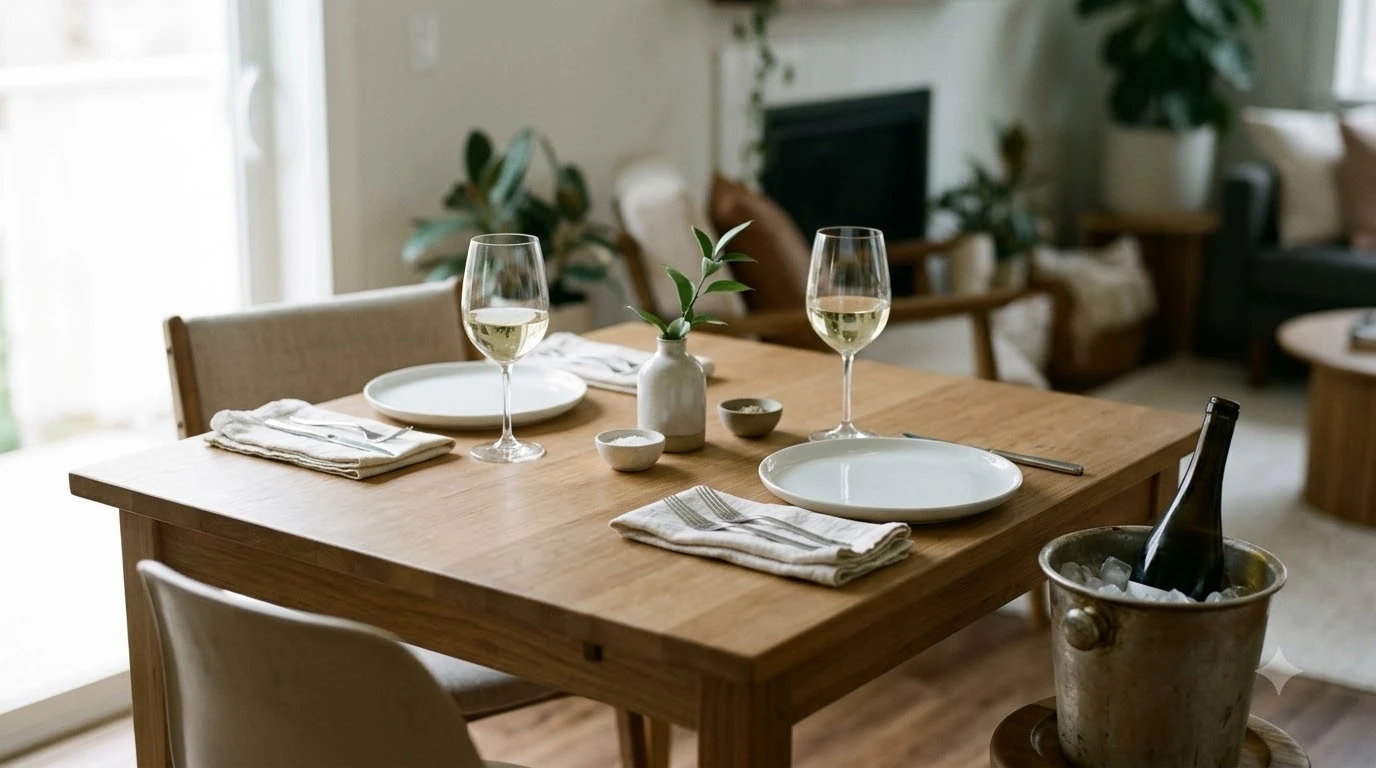
Falanghina food pairing works best with seafood, shellfish, lemon-seasoned pasta, fresh cheeses, grilled chicken and Mediterranean vegetables because this Italian white wine combines refreshing acidity with citrus, apple and floral flavors. Its fresh character complements delicate ingredients without overwhelming them, while its moderate body handles richer preparations such as seafood risotto and buffalo mozzarella. Serve dry Falanghina around 45–50°F and choose dishes with fresh herbs, olive oil and balanced seasoning for particularly satisfying combinations.
Falanghina is one of Campania’s distinctive white wine grapes, with a natural affinity for the seafood, vegetables, pasta and fresh cheeses associated with southern Italian cooking. Its flavor profile can vary depending on the growing area and winemaking, but green apple, citrus, tropical fruit and floral notes are common. Understanding its acidity, body and different wine styles makes it easier to choose the right dish, whether you are preparing a simple weeknight dinner or planning a multi-course Italian meal.
Understanding Falanghina’s Flavor and Food-Friendly Structure
Falanghina is generally a dry, refreshing white wine with lively acidity, aromatic fruit and relatively little tannin. These characteristics make it particularly effective with foods that benefit from freshness rather than the heavier structure of an oaked Chardonnay or a tannic red wine.
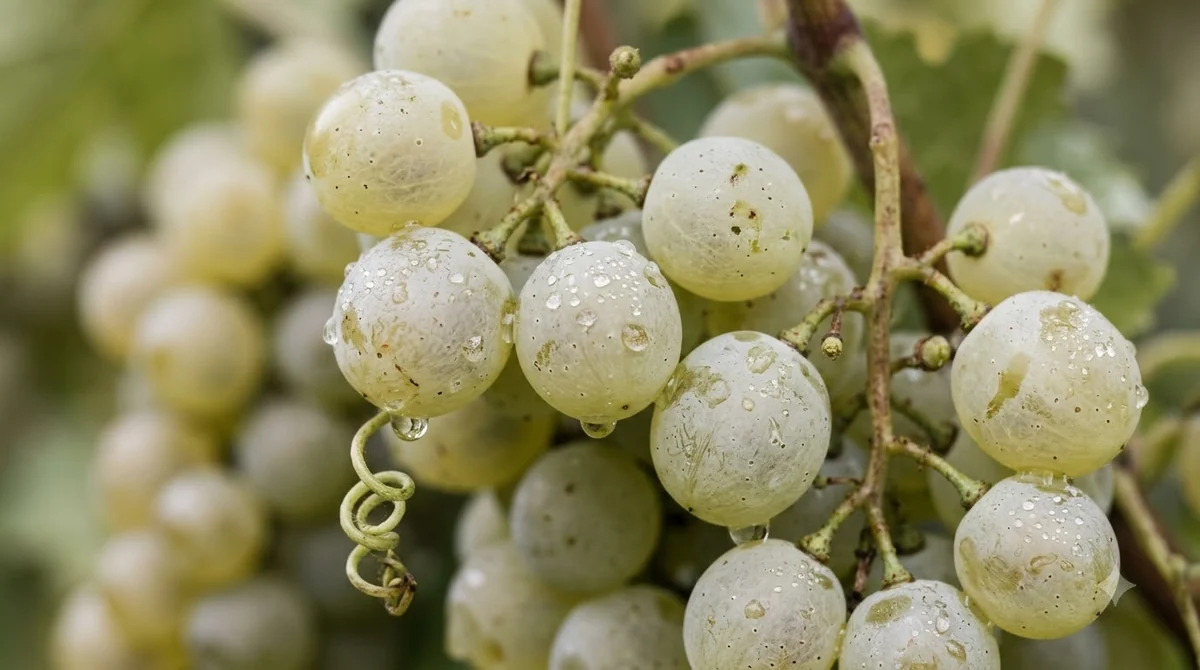
The grape is strongly associated with Campania, especially Benevento, where Falanghina del Sannio is an important regional wine. According to the Sannio Consorzio Tutela Vini, Falanghina has aromatic notes of apple, exotic fruit, broom and hawthorn. Individual wines can also show citrus, pineapple, pear and herbal characteristics. These flavors provide useful clues when choosing ingredients for dinner. The Sannio Consorzio’s Falanghina grape profile provides additional information about the variety’s regional identity and traditional food matches.
There are two distinct varieties commonly referred to as Falanghina: Falanghina Beneventana and Falanghina Flegrea. Wine Enthusiast describes Beneventana wines as particularly expressive of citrus, including bitter orange, tangerine and orange peel, while Flegrea wines can show leafy aromas, apple, pear and stony minerality. These differences can influence the best food match.
For example, a citrus-driven Beneventana is especially appealing alongside grilled shrimp with lemon, while a more mineral Flegrea can work beautifully with simply prepared white fish. Both styles have enough freshness to complement olive oil, herbs and vegetables without requiring elaborate sauces.
Falanghina is also available in different winemaking styles. Still dry whites are the most familiar choice for everyday meals, but sparkling and sweet passito versions deserve separate consideration. A dry wine is generally better for savory dishes, whereas a sweet passito can accompany fruit-based desserts.
Its acidity is particularly important. Acidic ingredients such as lemon, vinegar and tomato can make a wine seem less lively if the wine lacks sufficient freshness. Falanghina’s natural acidity generally makes it a sensible option for moderately acidic dishes, provided the seasoning does not become excessively sharp.
Think of Falanghina as a versatile food wine rather than a bottle reserved for one particular seafood recipe. Its aromatic freshness gives it enough character for vegetables, poultry, cheese and pasta while maintaining a clean finish.
Seafood and Shellfish Pairings That Bring Out Falanghina’s Freshness
Seafood is one of the most reliable partners for dry Falanghina. Its fresh acidity and citrus-oriented aromas complement delicate fish, shellfish and Mediterranean seafood preparations, especially when the cooking method emphasizes natural flavors rather than heavy sauces.
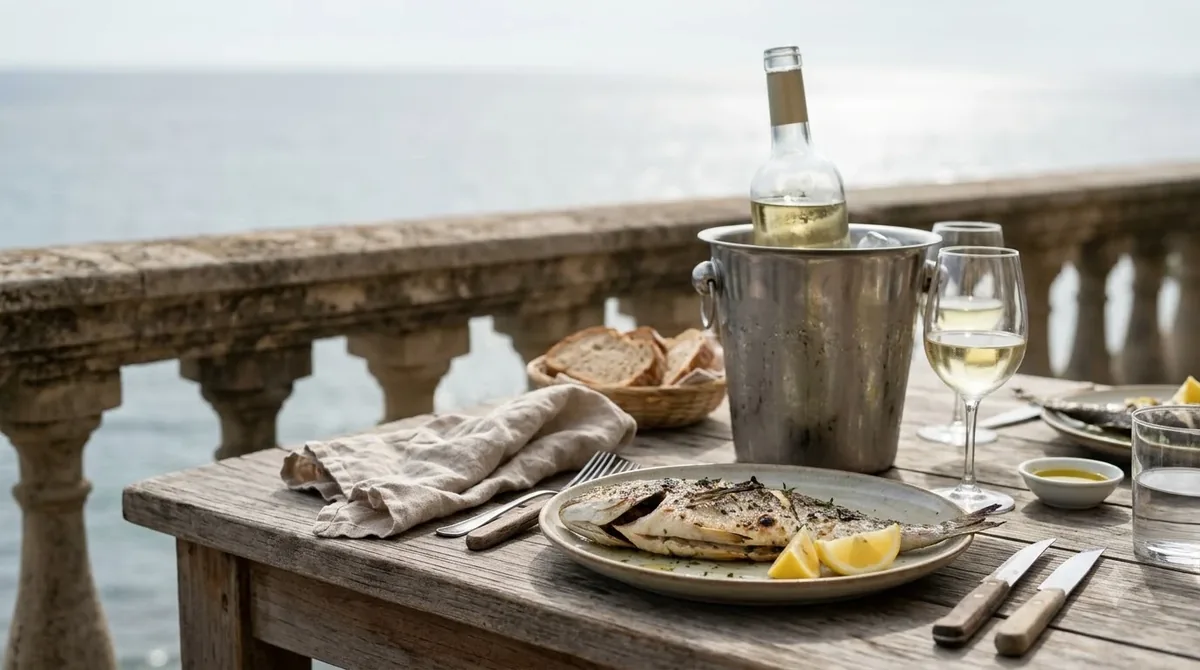
Start with grilled or baked white fish such as sea bass, cod, halibut or snapper. A simple preparation with olive oil, lemon, parsley and sea salt allows the wine’s apple and citrus notes to complement the fish. Avoid heavily smoked or intensely sweet glazes that can overpower a lighter Falanghina.
Shellfish offers another excellent opportunity. Shrimp, scallops, clams, mussels and lobster all work well because their natural sweetness and delicate texture suit the wine’s freshness. Wine Enthusiast specifically highlights poached scallops and steamed clams among Falanghina-friendly dishes. Its Falanghina variety overview and pairing suggestions also identifies grilled swordfish as a suitable match.
For a straightforward dinner, serve steamed mussels with garlic, parsley, white wine and a little olive oil. The wine’s acidity refreshes the palate between bites, while its fruit character complements the mild sweetness of the shellfish.
Grilled shrimp with lemon and parsley is equally effective. The charred edges provide a little savory complexity, while lemon reinforces the wine’s citrus character. Keep chili flakes moderate because alcohol and tannin can amplify the sensation of chili heat; Falanghina’s relatively low tannin helps, but an intensely alcoholic or heavily spiced preparation can still make the combination uncomfortable.
Raw seafood, fried fish and richer preparations
Raw seafood requires a slightly different approach. Fresh fish carpaccio, shrimp cocktail and lightly seasoned seafood crudo can work well with a clean, aromatic Falanghina. Keep the dressing restrained, using olive oil, citrus zest and herbs rather than large amounts of vinegar.
Fried seafood is another appealing match. Fried calamari, lightly battered shrimp and small fried fish benefit from the wine’s acidity, which cuts through the sensation of oil and keeps the combination from feeling too heavy. A sparkling Falanghina can be particularly refreshing alongside a platter of fried seafood.
For richer dishes, consider lobster pasta, seafood risotto or grilled swordfish with herbs. Swordfish has a firmer texture than many white fish, allowing it to stand up to a fuller-bodied Falanghina. The important distinction is to avoid excessively rich sauces that completely hide the wine’s delicate aromas.
Oily fish such as sardines, mackerel and heavily smoked salmon require more care. Although Falanghina may work with lightly grilled sardines seasoned with lemon, strongly oily or smoked preparations can leave the wine feeling less expressive. A more substantial white with suitable acidity may be preferable for those dishes.
Pasta and Risotto Pairings for Italian-Style Meals
Falanghina is particularly successful with pasta and rice dishes that use olive oil, vegetables, seafood or light cream sauces. Its acidity helps balance the richness of the sauce, while its aromatic fruit complements herbs and fresh ingredients.
Spaghetti alle vongole, or spaghetti with clams, is a natural choice. The combination of garlic, parsley, olive oil and briny shellfish echoes the fresh, savory character of many Campanian Falanghina wines. A squeeze of lemon can reinforce the pairing, but avoid adding so much citrus that the pasta becomes sharply acidic.
Other suitable pasta dishes include linguine with shrimp, pasta primavera, spaghetti with zucchini and basil, and penne with a light ricotta sauce. These recipes offer enough flavor to complement the wine without burying its delicate fruit and floral aromas.
For tomato-based pasta, choose preparations with moderate acidity. Fresh tomatoes, basil and olive oil can work well, particularly with a Falanghina that has pronounced citrus character. Very concentrated tomato sauces or strongly vinegar-based additions may require a wine with even more acidity.
Risotto and cream-based sauces
Seafood risotto is an especially good match because the wine’s freshness balances the creamy texture of the rice. Try a preparation with shrimp, scallops, mussels or seasonal vegetables. The dish should remain savory and moderately rich rather than relying on excessive butter or heavy cream.
Mushroom risotto can also work, although the earthiness of mushrooms creates a more demanding match. Choose a fuller, more aromatic Falanghina and keep the seasoning fresh with parsley and a modest amount of lemon zest.
Chicken and vegetable risotto are other dependable choices. A sparkling Falanghina can add additional refreshment to a creamy preparation because the bubbles help cleanse the palate between mouthfuls.
The Sannio Consorzio specifically identifies pasta and rice dishes with white sauces as suitable partners for Falanghina. Terredora also recommends pasta and soups with its Campania Falanghina IGT, illustrating how well the grape fits traditional Italian first courses.
Tip: When preparing pasta for Falanghina, reserve some cooking water and use it to create a light, silky sauce with olive oil, garlic and herbs. This gives the dish enough texture to complement the wine without introducing excessive cream, butter or seasoning.
Vegetables, Salads and Mediterranean Side Dishes
Falanghina’s aromatic freshness makes it a natural partner for vegetables, particularly grilled, roasted and sautéed preparations. Olive oil, fresh herbs and moderate seasoning create a bridge between the wine’s fruit character and the savory flavors of the food.
Grilled zucchini, eggplant, asparagus and bell peppers are good starting points. Their slightly sweet, roasted flavors complement Falanghina’s apple and tropical fruit notes. A dressing of olive oil, parsley and lemon adds freshness without making the vegetables taste overly acidic.
Eggplant deserves particular attention. It appears in many southern Italian preparations, including grilled vegetable platters and dishes with tomato and herbs. Wine Enthusiast even identifies poached scallops with eggplant purée as a Falanghina-friendly combination, demonstrating how the wine can accommodate vegetables with a soft, creamy texture.
Roasted fennel, artichokes and sautéed greens are also worth considering. Their savory and sometimes slightly bitter characteristics can add contrast to the wine’s fruit. However, strongly bitter vegetables should be prepared carefully because bitterness can make some wines seem harsher.
Salads and lighter vegetarian dishes
For salads, use ingredients that emphasize freshness rather than strong sweetness. Mixed greens, cucumber, fennel, green apple and mild goat cheese can all work with dry Falanghina. A lemon and olive oil dressing is usually more successful than a heavy balsamic reduction.
Caprese salad is another classic option. Ripe tomatoes, fresh basil and buffalo mozzarella bring together acidity, herbs and creamy dairy. Falanghina has enough freshness to complement the tomatoes while its moderate body suits the soft cheese.
Vegetable soups are also suitable, particularly preparations with zucchini, white beans, potatoes or seasonal greens. A light minestrone with herbs and olive oil makes a satisfying pairing, while pasta e fagioli offers a more substantial alternative.
For a vegetarian main course, try stuffed peppers with rice and herbs, roasted vegetable lasagna with a light cheese filling, or grilled eggplant with fresh mozzarella. Avoid overly sweet sauces and very heavy cheese layers, which can make a delicate white wine seem less expressive.
These combinations are especially useful when planning a meal for guests with different preferences. A platter of grilled vegetables, fresh bread, olives and mozzarella can accompany Falanghina as an informal appetizer before a seafood or pasta main course.
Chicken, White Meat and Cheese Pairings
Falanghina can accompany chicken, turkey and other white meats when the preparation emphasizes herbs, citrus, vegetables or light sauces. Its acidity provides freshness, while its moderate body is substantial enough for roasted and grilled poultry.
Roast chicken with lemon, rosemary and garlic is an excellent starting point. The golden skin supplies savory richness, while the herbs and citrus connect naturally with the wine’s aromatic profile. Keep the pan sauce relatively light so the wine remains noticeable.
Grilled chicken breast with parsley, olive oil and oregano is another reliable combination. For a more substantial dinner, serve it with roasted potatoes, grilled zucchini or a fresh fennel salad. These sides reinforce the Mediterranean character of the wine without introducing excessive sweetness.
Turkey breast, chicken piccata and lightly seasoned pork tenderloin can also work. Chicken piccata requires attention because its lemon and caper sauce is quite acidic. A lively Falanghina can complement it, provided the sauce remains balanced rather than overwhelmingly sour.
Fresh cheeses and buffalo mozzarella
Fresh cheese is one of the strongest non-seafood pairing categories for Falanghina. Buffalo mozzarella, ricotta, burrata and young provolone offer creamy textures and mild flavors that complement the wine’s refreshing character.
Buffalo mozzarella is particularly appropriate because it is closely associated with Campania’s culinary traditions. Serve it with ripe tomatoes, basil and olive oil, or place it alongside grilled vegetables and crusty bread. Terredora specifically recommends buffalo mozzarella and fresh cheeses with its Campania Falanghina.
Ricotta works well in savory pasta fillings, vegetable tarts and simple appetizers. Its mild flavor allows the wine’s citrus and floral notes to remain prominent. Fresh goat cheese can also work, particularly when served with herbs, cucumber or roasted vegetables.
For a cheese board, prioritize young and soft cheeses rather than strongly aged varieties. Fresh mozzarella, ricotta, young provolone and mild goat cheese make a more harmonious selection than mature blue cheese or intensely sharp hard cheeses.
Salt and fat can soften tannin in red wines, but Falanghina has very little tannin to manage. The main consideration is the intensity of the cheese. Extremely salty, aged or pungent varieties may overwhelm its aromatic freshness.
Serving Temperature, Wine Styles and Menu Planning
Dry Falanghina is best served lightly chilled, generally around 45–50°F for a refreshing everyday pour. Proper temperature preserves its citrus, apple and floral aromas while keeping the wine lively alongside food.
Wine Enthusiast gives a broader serving range of 45–55°F, while Terredora recommends approximately 50°F for its Campania Falanghina. These recommendations show why the exact temperature can vary according to the wine’s body and aromatic intensity.
A lighter, crisp Falanghina can be served near 45°F, while a fuller example may benefit from a slightly warmer temperature around 50–52°F. Serving it excessively cold can mute the aromas that make the grape interesting.
Choosing the right Falanghina style
Different expressions of Falanghina call for different foods. The following guide provides practical starting points for selecting a bottle and building a menu around it.
| Falanghina style | Serving temperature | Best food matches | Meal occasion |
|---|---|---|---|
| Dry still Falanghina | 45–50°F | Grilled fish, shrimp, mozzarella | Lunch or dinner |
| Fuller-bodied still Falanghina | 50–55°F | Roast chicken, seafood risotto, creamy pasta | Main course |
| Sparkling Falanghina | 40–50°F | Fried seafood, appetizers, risotto | Celebrations or aperitivo |
| Sweet passito Falanghina | 43–50°F | Fruit tarts, cream pastries, yellow-fruit desserts | Dessert |
The temperatures in this table are practical serving suggestions rather than fixed requirements for every producer’s wine. A particularly aromatic or fuller-bodied bottle may benefit from the warmer end of the appropriate range.
Building a complete Falanghina dinner
For a simple Italian-inspired menu, begin with buffalo mozzarella, tomatoes, basil and olive oil. Serve a dry Falanghina alongside the appetizer, then move to linguine with clams or grilled sea bass with lemon and parsley.
For a vegetarian alternative, start with roasted eggplant and zucchini, followed by mushroom risotto or pasta with ricotta and herbs. The wine can accompany both courses without requiring a change of bottle.
If the meal includes several courses, use the wine’s versatility to create a natural progression. A sparkling expression can accompany fried appetizers, followed by a still dry Falanghina with seafood or chicken. Finish with a separate sweet passito expression if dessert is part of the menu.
Food temperature and seasoning matter as much as the wine itself. A chilled glass served with a very hot, heavily spiced dish may feel less harmonious than the same wine served with a moderately seasoned seafood preparation.
For a broader understanding of how grape varieties influence food choices, explore Wine by Type. Comparing different wine structures also helps explain why Falanghina works differently from a fuller-bodied white or a tannic red.
For alternative white wine pairings, consider Grenache Blanc food pairing for another aromatic white, or explore Blaufränkisch food pairing when planning a meal around a lighter, more structured red. These comparisons can help when a menu includes both delicate seafood and more substantial meat dishes.
Frequently Asked Questions
Is Falanghina the same grape as Fiano?
No. Falanghina and Fiano are separate Italian white grape varieties, although both are associated with Campania. Fiano is particularly associated with the Fiano di Avellino DOCG appellation, while Falanghina is closely associated with Falanghina del Sannio DOC. They can share food pairings, but their aromatic profiles and textures are not identical.
Can Falanghina be used for cooking?
Yes. A dry Falanghina can be used in seafood risotto, steamed mussels, light chicken sauces and pasta dishes. Its acidity works particularly well when deglazing a pan after cooking shrimp or chicken. Use a fresh, dry wine rather than a sweet passito expression for savory recipes.
Does Falanghina need decanting before serving?
Most young, dry Falanghina wines do not require decanting. Their fresh fruit and floral aromas are generally best enjoyed soon after opening. A brief period in the glass is usually sufficient for the wine to express its aromatic character.
Can Falanghina be aged for several years?
Many straightforward, stainless-steel-aged Falanghina wines are intended to be enjoyed relatively young. Some more structured examples can develop additional complexity with bottle age, depending on their acidity, concentration and production method. Wine Enthusiast lists a general cellar window of one to five years for the variety.
What is the difference between Falanghina del Sannio and Campania IGT?
Falanghina del Sannio DOC is a specific appellation associated with the Benevento area and includes recognized subzones such as Taburno and Solopaca. Campania IGT is a broader geographical designation that can cover wines made from grapes grown in different parts of Campania. Both can feature Falanghina, but their geographical designations and production requirements differ.
Falanghina is an excellent choice for meals built around seafood, fresh vegetables, pasta, poultry and soft cheeses. Its combination of aromatic fruit and refreshing acidity makes it particularly useful for Mediterranean cooking, from simple grilled shrimp to creamy risotto. Start with a dry bottle served lightly chilled, choose fresh ingredients and let the wine’s natural character guide the menu.
More in Wine Types & Grapes
 What Does Ruby Port Taste Like? Flavor Notes, Styles, and Serving TipsUpdated Nov 21, 2026
 What Does Ribolla Gialla Taste Like? Crisp White and Amber Styles ExplainedUpdated Nov 21, 2026
 What Does Semillon Taste Like? Flavor Profile, Styles & PairingsUpdated Nov 21, 2026
 What Does Scuppernong Taste Like? Flavor, Styles, and Pairing GuideUpdated Nov 21, 2026
 What Does Saperavi Taste Like? Flavors, Styles, and Pairing GuideUpdated Nov 21, 2026
 What Does Natural Wine Taste Like? Flavors, Styles, and Serving TipsUpdated Nov 21, 2026