

We may earn a commission when you buy through links on this page, at no extra cost to you. Learn more.
The ideal eiswein serving temperature is 45–50°F (7–10°C), which keeps this intensely sweet dessert wine refreshing while allowing its fruit, honey, and citrus aromas to show clearly. Serve Eiswein chilled but not nearly frozen, using small pours in stemmed white wine glasses. A suitable temperature balances concentrated sweetness with natural acidity, making each sip feel lively rather than heavy.
Eiswein, also called ice wine, is made from grapes that freeze naturally on the vine before being harvested and pressed while still frozen. Its concentrated juice produces a distinctive combination of sweetness, acidity, and aromatic intensity. Correct serving temperature helps preserve that balance, whether the bottle comes from Germany, Austria, or Canada’s Niagara region. A few simple choices involving refrigeration, glassware, pouring, and food pairings can make a noticeable difference.
The Ideal Temperature for Serving Eiswein
Serve Eiswein at 45–50°F (7–10°C) for a balance of freshness and aromatic expression. This range keeps the wine cool enough to moderate its concentrated sweetness without suppressing the delicate fruit and floral characteristics that make it distinctive.
Eiswein is considerably sweeter than most ordinary white wines, but it also has naturally high acidity. That acidity provides structure and prevents the wine from tasting like syrup. At 45–50°F, the chilled temperature supports this refreshing character while allowing aromas of peach, apricot, citrus, tropical fruit, and honey to emerge.
The lower end of the range, around 45°F, is particularly useful when serving a sweeter, richer style or when guests will be drinking slowly in a warm dining room. The slightly warmer end, around 50°F, can be preferable for an aromatic Riesling Eiswein whose floral, citrus, and stone-fruit characteristics deserve more room to develop.
Serving temperature also affects the way sweetness and acidity are perceived. A colder wine generally feels firmer and more refreshing, while a warmer wine can seem softer, sweeter, and more expressive. Neither extreme is ideal for every bottle. The objective is to retain enough chill for freshness while avoiding temperatures that make the wine seem closed.
Temperature Differences by Serving Style
Use these practical ranges as starting points when deciding how cold to serve the wine:
| Serving situation | Temperature | Purpose |
|---|---|---|
| Standard Eiswein service | 45–50°F | Balances sweetness, acidity, and aromas |
| Very sweet, concentrated style | 45–47°F | Maintains a crisp, refreshing impression |
| Aromatic Riesling Eiswein | 48–50°F | Allows more aromatic development |
| Warm dining environment | 45°F initially | Provides room for gradual warming |
| Wine served in small pours | 47–50°F | Allows the wine to open gradually in the glass |
These are practical serving recommendations rather than separate legal temperature classifications. A bottle’s grape variety, sweetness, acidity, and aromatic profile can influence the ideal point within the range. For a general reference on wine temperature and glassware, see Wine Enthusiast’s wine serving temperature guide.
Tip: If you are uncertain where to begin, chill Eiswein to approximately 47°F. This provides a useful middle ground between the freshness of a colder pour and the aromatic expression of a slightly warmer one.
Why Temperature Matters for Sweet Ice Wine
Eiswein needs careful temperature control because its concentrated sweetness and naturally high acidity work together to define its character. Serving it too warm can make the sugar seem heavier, while excessive chilling can conceal its aromatic complexity.
The production method explains why this wine behaves differently from many ordinary white wines. Grapes remain on the vine into winter, where naturally freezing conditions concentrate their juice. The frozen grapes are harvested and pressed while still frozen, leaving much of their water behind as ice and producing a smaller quantity of concentrated juice.
According to the International Organisation of Vine and Wine, harvesting and pressing for icewine should take place at a recommended temperature of -7°C or lower. Its definition also requires grapes to be frozen during harvest and pressed in that state. These production conditions help explain the wine’s concentrated sugar, flavor, and acidity.
Sweetness is only one part of the resulting wine. Riesling Eiswein, for example, can combine honeyed fruit with sharp citrus acidity. Vidal icewine often displays tropical fruit and ripe stone-fruit characteristics. These flavors need sufficient aromatic expression to balance the perception of sweetness.
What Happens When Eiswein Is Too Cold?
When Eiswein is served significantly below its recommended range, its aromas become less expressive. Peach, apricot, citrus peel, honey, and floral notes may be difficult to distinguish. The wine can also seem less complex because the cold temperature reduces the intensity of its aromatic presentation.
Very cold service can make the wine feel more sharply acidic and less generous. Although the sweetness remains present, its relationship with the acidity may seem less integrated. This is particularly noticeable with delicate Riesling examples, where aromatic detail is an important part of the experience.
A bottle taken directly from a very cold refrigerator or freezer should therefore not automatically be poured. Allow it to warm slightly before serving if its temperature falls below 45°F.
What Happens When Eiswein Is Too Warm?
Warm Eiswein can taste noticeably sweeter and heavier. Its refreshing acidity may seem less prominent, and the wine can lose some of the crispness that makes concentrated dessert wine enjoyable.
At temperatures above 55°F, alcohol and sweetness may become more apparent while the wine’s refreshing character becomes less pronounced. Aromas can become more noticeable as the temperature rises, but that does not mean a warm serving is preferable.
The best approach is to begin within the 45–50°F range and allow a small amount of natural warming in the glass. This gradual change gives the wine room to reveal additional aromas without sacrificing its freshness.
How to Chill Eiswein Before Serving
The easiest way to prepare Eiswein is to refrigerate the bottle for approximately 2–3 hours before serving. A refrigerator provides steady cooling and makes it easier to reach the recommended 45–50°F range without exposing the wine to unnecessary temperature extremes.
If the bottle is already stored in a wine refrigerator near serving temperature, it may need only a short adjustment. Check the temperature rather than relying entirely on elapsed time, since refrigerators, bottle sizes, and starting temperatures vary.
Using a Refrigerator
For a bottle starting at approximately 68–72°F, allow around 2–3 hours in a standard refrigerator as an initial estimate. A thermometer provides a more dependable indication of readiness than the clock alone.
Place the bottle upright or horizontally on a stable refrigerator shelf, away from foods with strong odors. Keep it away from the freezer compartment and avoid repeated cycles of warming and chilling. Once the wine reaches the target temperature, remove it shortly before serving.
If the bottle has been stored in a cellar or wine refrigerator at approximately 55°F, it will need considerably less time to reach serving temperature. A short period of additional chilling may be sufficient.
Using an Ice Bucket
An ice bucket is useful when guests arrive unexpectedly or when a bottle needs to be cooled more quickly. Fill the bucket with a mixture of ice and water, then place the bottle inside so that the liquid reaches a substantial portion of its height.
Water helps transfer heat more efficiently than ice cubes alone because it creates contact around the bottle. Begin checking the temperature after approximately 15 minutes and continue until the wine reaches 45–50°F. The actual cooling time depends on the bottle’s starting temperature and the amount of ice and water used.
Avoid leaving the bottle in an ice bucket indefinitely. Eiswein does not need to be served at freezing temperature, and excessive cooling can make its aromas difficult to appreciate.
Can You Put Eiswein in the Freezer?
The freezer is not the preferred method for chilling Eiswein. It is difficult to control the cooling process, and forgetting a bottle can lead to freezing and potential bottle damage.
If the wine needs to be cooled quickly, an ice-water bucket is a more manageable option. It also allows you to monitor the bottle while it approaches the desired temperature.
Once the wine is ready, keep the remaining bottle cool during service rather than returning it repeatedly to room temperature. Consistent temperature is more useful than repeatedly chilling and warming the same wine.
Choosing the Right Glass and Pouring Size
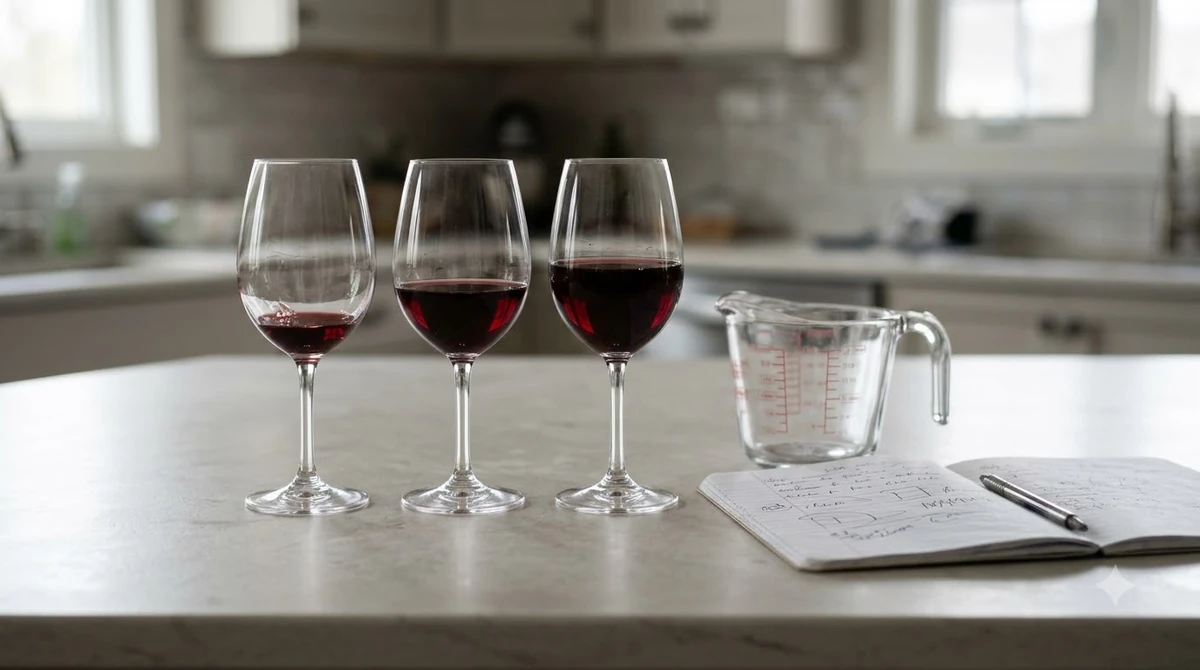
A stemmed white wine glass is an excellent choice for Eiswein because it provides space for aromatic development while keeping your hand away from the bowl. Small pours of approximately 2–3 ounces are suitable for this concentrated dessert wine.
Although some people prefer traditional dessert wine glasses, a standard white wine glass can provide a more complete aromatic experience. Its bowl allows the wine to move gently when swirled, releasing aromas of ripe fruit, honey, and citrus.
White Wine Glasses
A medium-sized white wine glass is a versatile option for both German Riesling Eiswein and Canadian Vidal icewine. Its bowl provides sufficient room to assess the wine’s aromas without exposing a small serving to too much air.
The stem is also important. Holding the bowl directly transfers warmth from your hand into the wine. With a chilled dessert wine, this can cause the temperature to rise more quickly than intended.
A glass with a narrower opening can help concentrate aromas near the nose. This is particularly useful for aromatic varieties that show floral, citrus, and stone-fruit characteristics.
Dessert Wine Glasses
Small dessert wine glasses are appropriate when serving Eiswein after a substantial meal. Their compact size encourages moderate portions and works well for concentrated sweetness.
However, very small glasses can limit swirling and make it harder to appreciate the full range of aromas. If aromatic detail is a priority, a small-to-medium white wine glass is generally more versatile.
How Much Eiswein Should You Pour?
A 2–3-ounce pour is a practical serving size. Eiswein is intensely sweet, so a smaller quantity is often more satisfying than a full standard wine pour.
For comparison, a standard 750 ml bottle contains approximately 25.4 fluid ounces. That means it provides roughly 8–12 small servings when poured in 2–3-ounce portions.
For a dessert course, 2 ounces can be sufficient, particularly if the wine accompanies a rich cheesecake or fruit tart. A 3-ounce serving works well when the Eiswein is being enjoyed on its own as the final course.
Pour gently and avoid filling the glass too high. Leaving enough room allows the aromas to collect above the wine and gives guests space to swirl without spilling.
Serving Eiswein with Food and Desserts
Eiswein pairs particularly well with fruit-based desserts, creamy cheeses, and rich savory foods. The key is to match its concentrated sweetness with food that provides enough flavor, acidity, salt, or richness to create balance.
One important principle is that the wine should be at least as sweet as the dessert. If a dessert is sweeter than the Eiswein, the wine can taste comparatively sour or thin. This is why lightly sweet fruit desserts often work better than heavily sweetened cakes and pastries.
Fruit Desserts
Fruit desserts are among the most natural companions for Eiswein. Their fruit flavors can complement the wine’s aromas without creating an overwhelming contrast.
Consider pairing Riesling Eiswein with peach tart, poached pears, citrus desserts, or apricot pastries. Vidal icewine can complement pineapple tart, mango-based desserts, and ripe tropical fruit.
Lemon tart can also be a good choice when its sweetness is sufficient to balance the wine. The dessert’s acidity provides an additional point of connection with the wine’s own refreshing character.
Creamy Desserts
Cheesecake, panna cotta, and crème brûlée offer creamy textures that contrast with the acidity of Eiswein. Their richness provides a satisfying counterpoint to the wine’s concentrated fruit character.
Plain cheesecake is particularly versatile because its creamy texture does not overwhelm the wine. Fruit toppings can introduce additional flavors that complement peach, apricot, and citrus notes.
For crème brûlée, the caramelized sugar adds toasted flavors that can work well with honeyed and ripe-fruit characteristics. Keep the dessert moderately sweet so that the wine remains the sweeter element.
Cheese and Savory Foods
Not every Eiswein pairing needs to involve dessert. Salt and fat can soften the perception of certain wine characteristics and create an appealing contrast with sweetness.
Blue cheese, including Roquefort and Stilton, is a classic option. Its saltiness and creamy texture provide contrast to the wine’s concentrated fruit flavors. Aged cheddar and rich pâté can also work well.
For a small appetizer course, serve a few pieces of blue cheese with fresh pear slices. This combination offers salt, fruit, creaminess, and acidity without requiring a complicated preparation.
Spicy Foods
Sweet wines can also complement spicy dishes. The sweetness of Eiswein provides contrast to chili heat, particularly in dishes with aromatic spices and rich sauces.
Thai-inspired curries, moderately spicy Asian dishes, and flavorful preparations with ginger can work well. However, very high alcohol and tannin can amplify chili heat, so the relatively sweet profile of Eiswein may be preferable to a powerful tannic red in this situation.
Choose dishes with balanced seasoning rather than extremely hot preparations. The goal is to enjoy the contrast between the food’s spice and the wine’s sweetness without overwhelming either one.
Differences Between German Eiswein and Canadian Icewine
German Eiswein and Canadian icewine share the same essential production principle: grapes freeze naturally on the vine and are pressed while frozen. Their differences often involve grape varieties, regional conditions, and the resulting aromatic profile.
Germany is historically associated with Eiswein, particularly Riesling. Canada is also a major producer, with Niagara particularly recognized for its icewine production and the use of varieties such as Vidal and Riesling.
German Riesling Eiswein
German Riesling Eiswein is known for combining concentrated sweetness with pronounced acidity. The grape’s natural freshness provides an important structural counterpoint to the wine’s sugar concentration.
Common aromatic characteristics include citrus peel, peach, apricot, honey, and floral notes. The exact profile depends on the vineyard conditions, grape maturity, and winemaking decisions.
For this style, begin at approximately 47–50°F. This slightly warmer part of the recommended range can help reveal delicate citrus and floral aromas while preserving the wine’s freshness.
Canadian Vidal Icewine
Vidal is an important grape variety in Canadian icewine production. Its thicker skins and suitability for cold-climate growing conditions make it a useful variety for wines produced from naturally frozen grapes.
Vidal icewine commonly displays tropical fruit, peach, apricot, honey, and citrus characteristics. Its rich fruit profile makes it a natural partner for fruit tarts, cheesecake, and creamy desserts.
Begin around 45–48°F if the wine has a particularly concentrated sweetness. Allowing it to warm slightly in the glass can reveal additional tropical fruit aromas.
Comparing Serving Temperatures
Neither German nor Canadian icewine requires an entirely different serving-temperature category. Both generally benefit from the same 45–50°F range, with small adjustments based on the individual bottle.
| Characteristic | German Eiswein | Canadian Icewine |
|---|---|---|
| Common grape | Riesling | Vidal, Riesling |
| Typical aromas | Citrus, peach, apricot, honey | Tropical fruit, peach, honey |
| Serving temperature | 47–50°F | 45–48°F |
| Glassware | Stemmed white wine glass | Stemmed white wine glass |
| Suitable pairing | Fruit tart, blue cheese | Cheesecake, tropical fruit |
| Suggested pour | 2–3 oz | 2–3 oz |
These temperature suggestions are starting points rather than strict regional requirements. A particularly aromatic bottle may benefit from the warmer end of the range, while a very sweet and concentrated example may be more refreshing toward the cooler end.
Understanding the differences between dessert wines can also help with serving decisions. For comparisons with other sweet beverages, see our guides to Sauternes serving temperature, mead serving temperature, and sake serving temperature. Each style has its own balance of sweetness, acidity, alcohol, and aromatic intensity.
Frequently Asked Questions
Can Eiswein be served at room temperature?
Eiswein is best served chilled rather than at room temperature. A warmer serving can make its concentrated sweetness feel heavier and reduce its refreshing character. Allow a cold bottle to warm gradually in the glass instead of deliberately serving it warm.
Does Eiswein need to breathe before serving?
Most young Eiswein does not require traditional decanting or extended aeration. Its delicate fruit and floral aromas are generally best appreciated shortly after opening. Older bottles should be opened carefully, especially if sediment or bottle age makes gentle handling preferable.
Can you drink Eiswein without food?
Yes. Eiswein can be enjoyed independently as a dessert wine without requiring a separate food course. Its concentrated fruit, honeyed sweetness, and acidity provide enough complexity to make a small standalone serving satisfying.
How long does an opened bottle of Eiswein last?
An opened bottle can generally retain good quality for approximately 3–5 days when refrigerated and properly resealed. A clean stopper helps limit oxygen exposure. Its aromas and freshness may gradually change, so keeping the bottle consistently cold is preferable to leaving it open on a dining table.
Can Eiswein be stored for several years?
Many quality Eiswein bottles have the potential to age for years because their concentrated sugar and acidity provide considerable structural support. Storage conditions, vintage quality, producer practices, and bottle closure all influence how well an individual wine develops. Keep unopened bottles in a dark, stable environment near 55°F, away from temperature fluctuations.
Eiswein is best enjoyed at 45–50°F, with a small pour in a stemmed white wine glass. Careful chilling preserves its balance of concentrated sweetness, natural acidity, and expressive fruit aromas. Whether serving German Riesling Eiswein or Canadian Vidal icewine, a properly chilled bottle makes an excellent finish to a meal.
More in Wine Types & Grapes
 What Does Ruby Port Taste Like? Flavor Notes, Styles, and Serving TipsUpdated Nov 21, 2026
 What Does Ribolla Gialla Taste Like? Crisp White and Amber Styles ExplainedUpdated Nov 21, 2026
 What Does Semillon Taste Like? Flavor Profile, Styles & PairingsUpdated Nov 21, 2026
 What Does Scuppernong Taste Like? Flavor, Styles, and Pairing GuideUpdated Nov 21, 2026
 What Does Saperavi Taste Like? Flavors, Styles, and Pairing GuideUpdated Nov 21, 2026
 What Does Natural Wine Taste Like? Flavors, Styles, and Serving TipsUpdated Nov 21, 2026