

We may earn a commission when you buy through links on this page, at no extra cost to you. Learn more.
Chenin Blanc sugar content ranges from almost zero residual sugar in dry wines to more than 30 grams per liter in many sweet styles, with some dessert bottlings containing considerably more. This versatile white grape produces everything from crisp, refreshing table wines to richly sweet dessert wines. Its naturally high acidity balances residual sugar, so even a noticeably sweet Chenin Blanc can taste lively rather than heavy. Understanding the sweetness categories, regional differences, and serving sizes makes it easier to choose a bottle that suits your preferences.
Chenin Blanc is one of the most versatile white wine grapes available. Originating in France’s Loire Valley and widely planted in South Africa, it can produce wines with very different levels of sweetness. A bottle labeled Chenin Blanc does not automatically indicate whether the wine is dry, slightly sweet, or dessert-style. The amount of sugar left after fermentation, the grape’s natural acidity, and the winemaker’s decisions all influence the final result. Here is how to understand those differences and estimate how much sugar is in your glass.
How Much Sugar Does Chenin Blanc Contain?
Chenin Blanc can contain less than 4 grams of residual sugar per liter in a dry expression, approximately 9 to 30 grams per liter in a slightly sweet South African style, and substantially more in concentrated dessert wines. The grape itself does not determine a fixed sugar level; the finished wine depends on how fermentation and harvesting are managed.
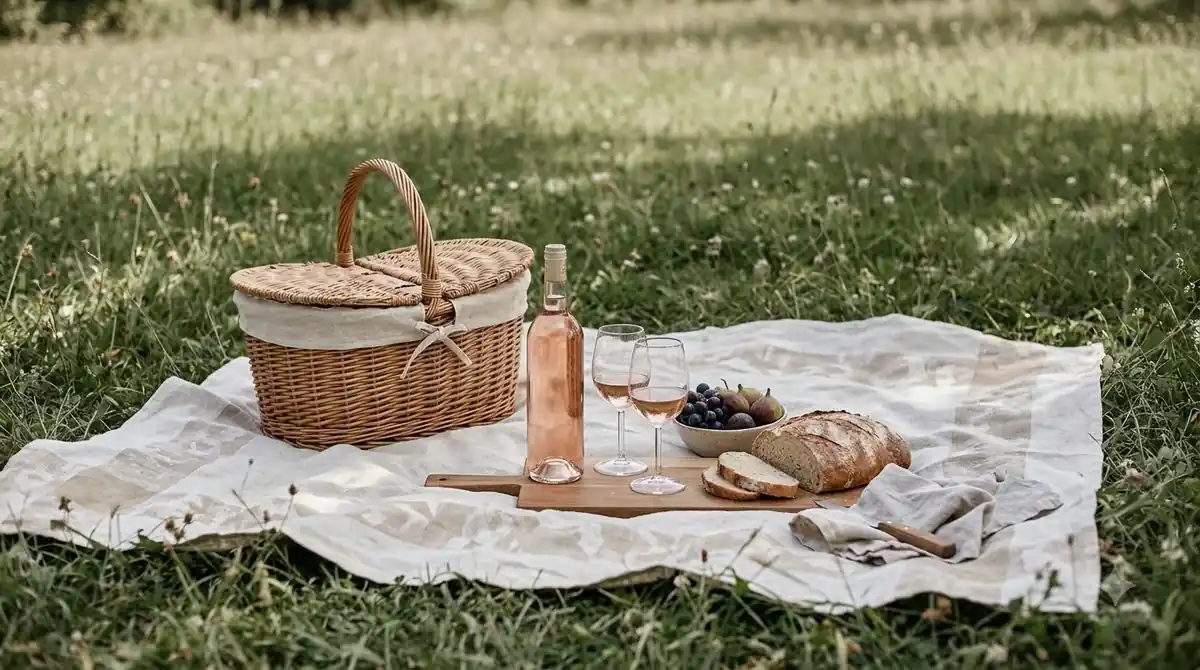
For a useful comparison, consider residual sugar, usually abbreviated as RS. This measurement describes the sugar remaining in finished wine after fermentation. Yeast converts grape sugars into alcohol and carbon dioxide during fermentation. When fermentation finishes with very little sugar remaining, the wine tastes dry. When some sugar remains, the finished wine can taste off-dry or sweet.
Wine professionals measure residual sugar in grams per liter, written as g/L. This is more informative than simply calling a wine sweet because it provides a measurable indication of the amount of sugar remaining. A bottle containing 3 g/L has a very different sweetness profile from one containing 35 g/L, although acidity can make the difference less obvious on the palate.
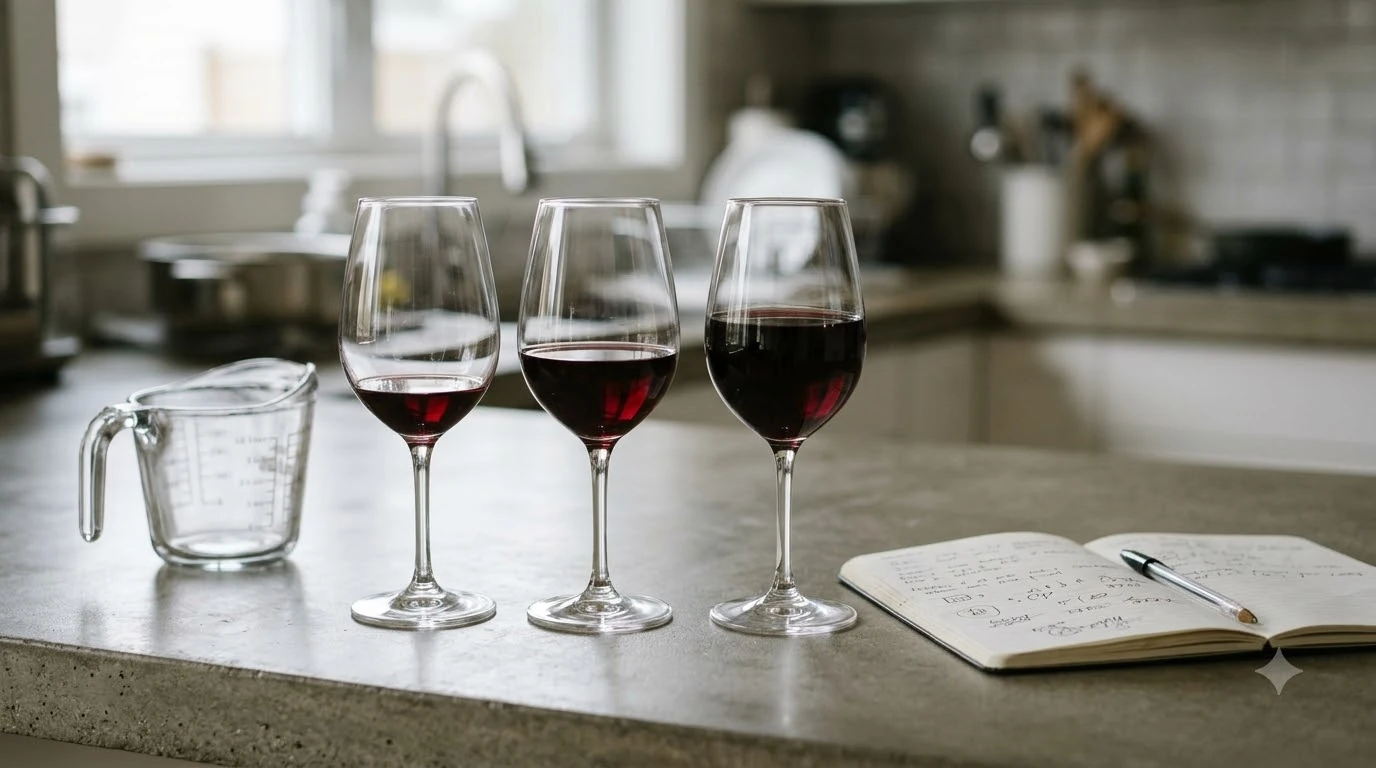
For a practical estimate, a standard 750-milliliter bottle contains five 5-ounce servings. Each serving represents approximately 148 milliliters, or 0.148 liters. Multiplying the residual sugar measurement by 0.148 provides an approximate amount of sugar in one glass.
| Residual sugar | Approximate sugar per 5-ounce glass | Typical impression |
|---|---|---|
| 2 g/L | 0.3 grams | Very dry |
| 4 g/L | 0.6 grams | Dry |
| 9 g/L | 1.3 grams | Dry to slightly off-dry |
| 15 g/L | 2.2 grams | Slightly sweet |
| 30 g/L | 4.4 grams | Noticeably sweet |
| 45 g/L | 6.7 grams | Sweet |
| 100 g/L | 14.8 grams | Very sweet dessert wine |
These figures are mathematical estimates based on residual sugar concentration, not measurements of particular commercial bottles. Actual sweetness perception varies with acidity, alcohol, serving temperature, and other components of the wine. A wine with 9 g/L can taste considerably drier than a less acidic wine with the same measurement.
There is also an important distinction between grape sugar and residual sugar. Grapes naturally contain glucose and fructose before fermentation. Those sugars provide the raw material for alcohol production. Residual sugar describes what remains in the finished wine, rather than the total sugar originally present in the grapes.
Dry, Off-Dry, and Sweet Chenin Blanc Explained
The main Chenin Blanc sweetness categories range from dry expressions with very little residual sugar to sweet wines with concentrated fruit sugars. South Africa’s Chenin Blanc Association provides particularly useful classifications, including specific residual sugar ranges for its recognized styles.
According to the association’s six-style classification, fresh and fruity, rich and ripe unwooded, and rich and ripe wooded wines each contain less than 9 g/L of residual sugar. Rich and ripe slightly sweet wines contain between 9 and 30 g/L, while sweet examples contain more than 30 g/L. The sixth category is sparkling Chenin Blanc, which can be produced using different fermentation methods.
The following descriptions explain what these measurements generally mean in the glass:
Dry Chenin Blanc
Dry Chenin Blanc generally has less than 9 g/L of residual sugar under the South African style classification. Many examples contain considerably less, leaving acidity, fruit character, and texture as the main features. Green apple, lemon, pear, and citrus are common flavor associations.
Dry wines are particularly suitable for drinkers who prefer crisp whites rather than noticeably sweet ones. Savennières from France’s Loire Valley is a well-known source of structured, dry Chenin Blanc. South African fresh and fruity bottlings also provide accessible examples of this style.
Off-Dry Chenin Blanc
Off-dry Chenin Blanc contains some remaining sugar, but acidity keeps the wine refreshing. In the South African classification, slightly sweet wines fall between 9 and 30 g/L. These wines can show ripe pear, peach, apple, and floral aromas alongside a perceptible touch of sweetness.
Vouvray Demi-Sec is a familiar Loire Valley example of Chenin Blanc with noticeable but balanced sweetness. It works particularly well with dishes that combine fruit, spice, and savory ingredients.
Sweet Chenin Blanc
Sweet Chenin Blanc contains more than 30 g/L in the South African association’s sweet category. Dessert expressions can contain much higher concentrations, particularly when made from late-harvest or botrytized grapes.
These wines commonly develop flavors of honey, apricot, peach, marmalade, and dried fruit. Their sweetness makes them suitable for fruit-based desserts, blue cheese, and other foods with concentrated flavors.
The categories are useful reference points rather than a universal international labeling system. Different countries and appellations can use different terminology and regulatory definitions. A French wine labeled Demi-Sec, for example, should not automatically be assigned the exact same residual sugar measurement as every South African slightly sweet Chenin Blanc.
Why Chenin Blanc Can Taste Dry Despite Its Sugar
Chenin Blanc’s naturally high acidity is the main reason its sweeter expressions can remain refreshing. Sugar contributes sweetness and body, while acidity provides freshness and a crisp sensation that balances the wine.
Think about the difference between a sweet fruit drink with little acidity and a sweet lemonade with plenty of citrus acidity. Both contain sugar, but the second tastes sharper and more refreshing. Chenin Blanc can achieve a similar balance through the natural relationship between its acidity and residual sugar.
For this reason, two Chenin Blanc wines with identical residual sugar measurements can taste different. One might seem soft and rounded, while the other tastes crisp and almost dry. Their acidity levels, alcohol, aromatic profile, and overall structure influence how sweetness is perceived.
Temperature also changes the drinking experience. A chilled Chenin Blanc generally feels fresher, while a warmer glass can make fruit aromas and sweetness more noticeable. Serving a dry or slightly sweet expression around 45 to 50 degrees Fahrenheit is a useful starting point. Fuller-bodied whites can benefit from slightly warmer serving temperatures of 50 to 55 degrees Fahrenheit.
Fruit Flavor Is Not the Same as Sugar
Another source of confusion is the difference between fruity aromas and actual sweetness. Chenin Blanc can smell strongly of pineapple, peach, melon, or ripe pear without containing much residual sugar.
These aromas come from the grape’s flavor compounds and the winemaking process. They do not necessarily indicate that fermentation stopped early or that sugar remains in the bottle. A dry Chenin Blanc can therefore smell sweet while tasting crisp and dry.
Similarly, a wine described as honeyed or tropical does not automatically qualify as a sweet wine. These descriptions often refer to aroma and flavor rather than a laboratory measurement of residual sugar.
For a closer look at the grape’s flavor characteristics, see our explanation of what Chenin Blanc tastes like. Understanding the difference between fruit character and residual sugar makes wine descriptions much easier to interpret.
Tip: Do not judge sweetness from fruit aromas alone. If you want a genuinely dry white wine, look for a dry designation or a published residual sugar measurement rather than relying on descriptions such as peachy, tropical, honeyed, or ripe.
How Loire Valley and South African Chenin Blanc Differ
France’s Loire Valley and South Africa are two important regions for Chenin Blanc, but they offer a broad range of styles and sweetness levels. Regional origin provides useful clues about the wine’s character, although neither country produces only one sweetness category.
The Loire Valley is the grape’s historic home. Anjou, Saumur, and Touraine are important growing areas, and appellations such as Vouvray produce dry, off-dry, sweet, and sparkling wines. Savennières is particularly associated with dry expressions that emphasize structure, acidity, and mineral characteristics.
Vouvray is especially useful for understanding how one grape can produce very different wines. Its labels can include terms such as Sec, Demi-Sec, and Moelleux. These descriptions help communicate whether the wine is dry, off-dry, or sweet.
Other Loire appellations focus more heavily on concentrated sweet expressions. Coteaux du Layon, Bonnezeaux, and Quarts de Chaume are associated with sweet Chenin Blanc, frequently made from grapes affected by noble rot or harvested at advanced ripeness.
South Africa offers another perspective. Chenin Blanc is also known locally as Steen, and the grape has a long history in the Cape. According to wine.co.za, Jan van Riebeeck introduced vines to the Cape in 1655, and Professor C.J. Orffer established the connection between Steen and Chenin Blanc in 1963.
South African winemakers produce everything from fresh, dry, fruit-driven wines to richer barrel-influenced expressions and sweet bottlings. The country’s recognized style categories make residual sugar particularly useful for understanding the differences.
For more information about the regional range, the South African Chenin Blanc Association’s style overview explains the recognized categories and their sugar classifications.
Neither origin guarantees a particular sugar level. A South African bottle can be completely dry, while a Loire Valley bottle can be intensely sweet. Regional names provide context, but the specific wine style remains the more important consideration.
How Winemaking Changes Chenin Blanc Sugar Levels
Winemakers influence Chenin Blanc sweetness through grape harvesting, fermentation decisions, and the concentration of sugars in the fruit. Because the variety naturally combines good acidity with the ability to accumulate sugar, it is suitable for an unusually broad range of finished wines.
One important decision is harvest timing. Grapes picked earlier generally have less accumulated sugar and higher acidity, making them suitable for fresh, dry wine production. Grapes allowed to ripen longer can accumulate more sugar and develop riper fruit characteristics.
Fermentation and Residual Sugar
During fermentation, yeast consumes glucose and fructose and converts them into alcohol. If fermentation continues until most fermentable sugar has been consumed, the resulting wine is generally dry.
Winemakers can also produce wines with residual sweetness by managing fermentation so that some sugar remains. The precise technique depends on the desired style and production approach. The resulting wine can have a noticeably different balance of alcohol, sweetness, and acidity from a fully fermented dry example.
Sweetness can also result from concentrating the natural sugars in the grapes before fermentation. Late harvesting allows grapes to develop greater ripeness. This can produce richer fruit flavors and provide enough sugar for a sweet finished wine.
Noble Rot and Concentrated Grapes
Botrytis cinerea, known as noble rot when conditions are suitable, can play an important role in producing premium sweet Chenin Blanc. The fungus reduces the water content of the grapes, concentrating their sugars, acids, and other components.
This process can produce intensely flavored wines with honey, apricot, dried fruit, and marmalade characteristics. The high natural acidity of Chenin Blanc helps maintain freshness even when the finished wine contains substantial residual sugar.
Some winemakers also use dried grapes or other concentration techniques. These approaches create different expressions of sweetness and texture, depending on the condition of the fruit and the production method.
Oak and Aging
Oak maturation is another factor that can influence how Chenin Blanc tastes, although it does not automatically increase residual sugar. A barrel-aged dry wine can have a rich, rounded mouthfeel without being sweet.
Oak can contribute impressions of spice, toast, and creaminess, while aging on lees can add texture. These characteristics may make a dry wine seem fuller or softer than a fresh stainless-steel example.
Time in the bottle can also change the aromatic profile. Mature Chenin Blanc can develop honey, nuts, wax, and dried-fruit characteristics. Those flavors should not be mistaken for evidence that the wine contains a high level of residual sugar.
How to Choose and Serve Chenin Blanc
The best Chenin Blanc for a particular occasion depends on how much sweetness you enjoy and what you plan to serve with it. Dry examples work well with seafood and savory dishes, slightly sweet bottles suit spicy or sweet-and-savory meals, and concentrated sweet expressions are natural partners for desserts.
For a dry white wine, start with Vouvray Sec, Savennières, or a fresh South African Chenin Blanc. These styles generally emphasize refreshing acidity, orchard fruit, and a relatively restrained sweetness profile.
If you prefer some sweetness without a dessert-wine sensation, look for Vouvray Demi-Sec or South African rich and ripe slightly sweet Chenin Blanc. Their combination of fruit, acidity, and residual sugar can work particularly well with aromatic dishes and lightly spicy food.
For a sweeter experience, consider Moelleux styles or wines from Coteaux du Layon and Bonnezeaux. These can offer concentrated honeyed fruit flavors and a fuller texture.
Food Pairing by Sweetness Level
Dry Chenin Blanc pairs well with seafood, roast chicken, salads, and vegetables. Its acidity helps refresh the palate when a dish contains butter, cream, or other rich ingredients. Goat cheese and lighter preparations of white fish are also suitable matches.
Off-dry Chenin Blanc is particularly versatile with food that combines sweetness and spice. Thai-inspired dishes, mildly spicy curries, glazed pork, and dishes featuring ginger or fruit sauces can work well with its balance of acidity and residual sugar.
Sweet Chenin Blanc is best paired with foods that are at least as sweet as the wine. Fruit tarts, peach desserts, apricot pastries, and blue cheese provide useful starting points. A dessert that is substantially sweeter than the wine can make the wine taste sour or thin.
Pay attention to chili heat as well. Alcohol and tannin can amplify the sensation of chili, so an intensely alcoholic or tannic wine is not always the best match for spicy food. A moderately alcoholic off-dry Chenin Blanc can be a more comfortable choice.
Serving Temperature and Storage
Temperature affects the balance between sweetness, acidity, and aroma. Serve light, fresh Chenin Blanc at approximately 45 to 50 degrees Fahrenheit. Fuller-bodied whites can be served at 50 to 55 degrees Fahrenheit, while sweet white wines generally work well around 43 to 50 degrees Fahrenheit.
A standard 750-milliliter bottle provides approximately five 5-ounce servings. Pouring a consistent amount makes it easier to compare different styles and understand how sweetness changes between bottles.
Store unopened bottles on their sides in a cool, dark location near 55 degrees Fahrenheit when using cork closures. Avoid significant temperature fluctuations and direct sunlight. Once opened, refrigerate still Chenin Blanc and aim to enjoy it within three to five days for the best freshness.
For additional information about alcohol strength and how it relates to serving size, see our guide to Chenin Blanc alcohol content.
Comparing Chenin Blanc With Other White Wines
Chenin Blanc is particularly distinctive because it can offer both high acidity and a wide range of residual sugar levels. Comparing it with other white and red grape varieties helps explain why sweetness alone does not determine how a wine tastes.
Sauvignon Blanc and Riesling are also known for their naturally high acidity. Sauvignon Blanc is frequently made in dry styles, while Riesling can range from bone-dry to very sweet. Both varieties demonstrate how acidity can influence the perception of residual sugar.
Chardonnay generally has medium acidity and is commonly produced in dry styles. Its richness can come from oak, lees contact, and malolactic fermentation rather than residual sweetness. A creamy Chardonnay should not automatically be classified as sweet.
For red wine comparisons, Merlot usually has softer tannins than Cabernet Sauvignon. Their residual sugar levels are not determined by those tannin characteristics, just as Chenin Blanc’s acidity does not establish a fixed sugar measurement. The distinction is useful when comparing the structure of different wines.
Merlot also provides an example of why wine sweetness and grape variety need to be considered separately. Most traditional table wines made from Merlot are dry, even though ripe fruit aromas can suggest sweetness. Our guide to Merlot sugar content explains how residual sugar measurements apply to another widely enjoyed grape.
For a broader introduction to different grape varieties, wine styles, and sweetness preferences, explore Wine by Type. Comparing varieties is a practical way to identify whether you prefer a crisp dry white, a rounded off-dry wine, or a concentrated dessert expression.
Chenin Blanc’s versatility makes it particularly useful for wine drinkers who want to explore different sweetness levels without switching to an entirely different grape. A dry bottle can accompany dinner, while a sweeter example can provide a satisfying finish to a meal.
Frequently Asked Questions
Does Chenin Blanc contain more sugar than Pinot Grigio?
Neither grape has a fixed residual sugar level because both can be made in different styles. Many commercial Pinot Grigio wines are dry, and dry Chenin Blanc can have a similarly low residual sugar measurement. The individual wine’s fermentation and labeling provide better clues than the grape name alone.
Is Chenin Blanc suitable for making sparkling wine?
Yes. Chenin Blanc’s natural acidity makes it particularly suitable for sparkling wine production. In France’s Loire Valley, Crémant de Loire and sparkling Saumur are established examples. South African producers also make sparkling Chenin Blanc, including Cap Classique wines produced using bottle fermentation.
Can Chenin Blanc become sweeter after opening the bottle?
No. Opening a bottle does not normally increase its residual sugar concentration. However, changes in temperature, aroma, and exposure to oxygen can alter how the wine tastes. A warmer glass, for example, may make fruit aromas and perceived sweetness more noticeable.
Why do some Chenin Blanc bottles say Steen?
Steen is the traditional South African name associated with Chenin Blanc. The connection between the two names was established through grapevine identification work by Professor C.J. Orffer in 1963. A wine labeled Steen is therefore made from the same grape variety, not a separate white grape.
Can an old bottle of Chenin Blanc still taste fresh?
Yes. Well-made Chenin Blanc can age for many years because its natural acidity helps preserve freshness. Mature bottles can develop honey, nuts, wax, and dried-fruit aromas while retaining a lively structure. Some high-quality sweet Loire examples can develop for several decades under suitable storage conditions.
Chenin Blanc offers an unusually wide range of sweetness, from crisp dry wines with minimal residual sugar to concentrated dessert wines with substantial sweetness. Start with the residual sugar measurement when available, then consider acidity, regional style, and the food you plan to serve. Once you understand these differences, choosing a Chenin Blanc that matches your preferred sweetness becomes much easier.
More in Wine Types & Grapes
 What Does Ruby Port Taste Like? Flavor Notes, Styles, and Serving TipsUpdated Nov 21, 2026
 What Does Ribolla Gialla Taste Like? Crisp White and Amber Styles ExplainedUpdated Nov 21, 2026
 What Does Semillon Taste Like? Flavor Profile, Styles & PairingsUpdated Nov 21, 2026
 What Does Scuppernong Taste Like? Flavor, Styles, and Pairing GuideUpdated Nov 21, 2026
 What Does Saperavi Taste Like? Flavors, Styles, and Pairing GuideUpdated Nov 21, 2026
 What Does Natural Wine Taste Like? Flavors, Styles, and Serving TipsUpdated Nov 21, 2026