

We may earn a commission when you buy through links on this page, at no extra cost to you. Learn more.
The typical cabernet franc alcohol content falls between 12% and 14.5% ABV for dry red table wines, with cool-climate bottles averaging 12% to 13.5% and warm-climate expressions reaching 14% to 15.5%. Lighter rosé versions usually sit around 11.5% to 13% ABV, while sweet Canadian icewines made from frozen Cabernet Franc grapes land near 9.5% to 11.5% ABV. Because this grape ripens early and adapts to many climates, its final alcohol level depends heavily on where the vineyard sits and how ripe the fruit gets before harvest.
Knowing the expected alcohol percentage helps shoppers predict whether a bottle will taste crisp, herbal, and red-fruited or plush, dark, and full-bodied before pulling the cork. Comparing classic European appellations alongside American and New World regions clarifies why two bottles labeled with the exact same grape can feel dramatically different in the glass.
Typical Cabernet Franc Alcohol Content Across Styles
Most dry red Cabernet Franc wines sit comfortably in the moderate-to-full alcohol range, though style variations shift the numbers up or down. While standard table reds cluster around 13% to 13.5% ABV, producers also craft crisp rosés, sparkling wines, and concentrated dessert bottles from the same thin-skinned grape.
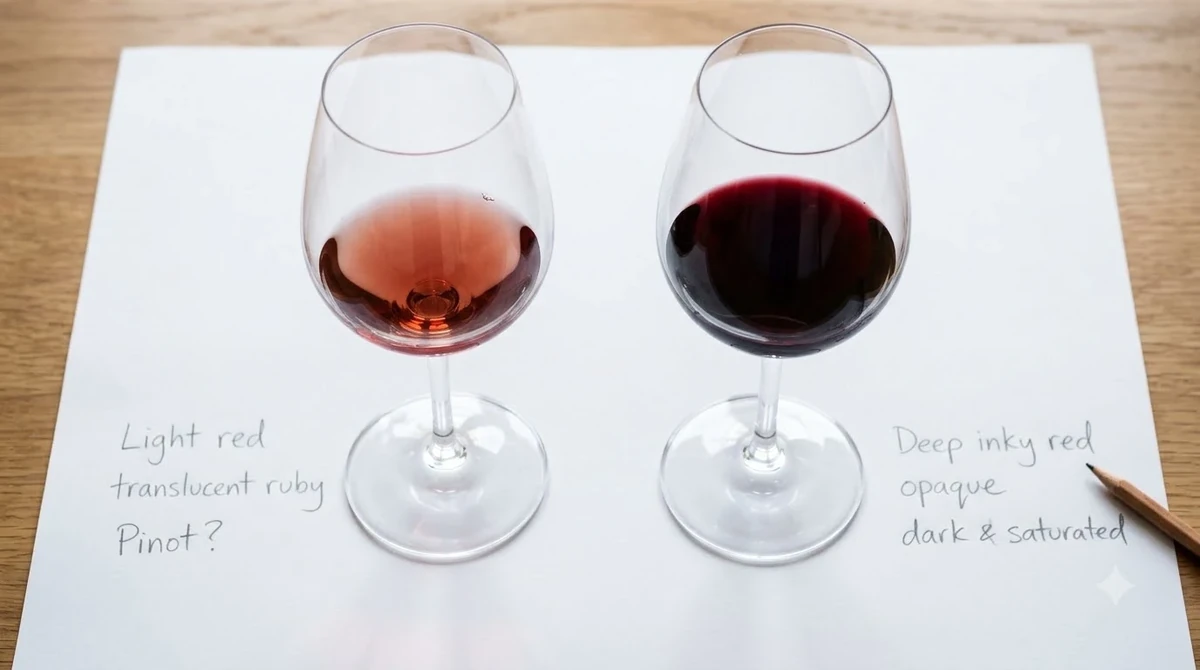
According to Vin de France, traditional French red and dry rosé bottlings of Cabernet Franc typically measure between 11.5% and 13.5% ABV. That restrained range highlights the grape’s natural medium-high acidity and red berry aromatics without heavy warmth on the finish. In France’s Loire Valley, producers also craft lightly sweet rosé under the Cabernets d’Anjou appellation, which balances bright fruit and residual sugar at similarly modest alcohol levels.
Sweet dessert styles push alcohol down even further because yeast stops fermenting before consuming all the concentrated grape sugars. In Ontario’s Niagara Peninsula, winemakers leave Cabernet Franc grapes on the vine until winter temperatures drop to -8°C (17.6°F) or lower to harvest them frozen. The resulting VQA red icewines finish around 9.5% to 11.5% ABV alongside intense strawberry and raspberry sweetness, much lower than fortified styles covered in guides to tawny port alcohol content or classic marsala alcohol content.
| Cabernet Franc Style or Region | Typical ABV Range | Sweetness Level | Body & Structure |
|---|---|---|---|
| Loire Valley Red (Chinon, Bourgueil, Saumur) | 12.0% – 13.5% | Dry | Medium body, high acidity, medium tannin |
| Finger Lakes & Cool-Climate US Red | 12.0% – 13.5% | Dry | Medium body, crisp acidity, fine tannin |
| Bordeaux Right Bank Blend (St.-Émilion, Pomerol) | 13.0% – 14.5% | Dry | Medium-full to full body, supple tannin |
| California & Warm-Climate Red (Napa, Sierra Foothills) | 13.8% – 15.5% | Dry | Full body, plush texture, firmer tannin |
| Dry & Off-Dry Rosé (Loire, US) | 11.5% – 13.0% | Dry to lightly sweet | Light-medium body, zippy acidity, low tannin |
| Canadian VQA Cabernet Franc Icewine | 9.5% – 11.5% | Lusciously sweet | Full, viscous texture, high natural acidity |
Why Climate and Ripeness Drive Alcohol Differences
Sunlight hours, summer heat, and harvest timing explain nearly all the variation in Cabernet Franc’s alcohol percentage from one bottle to the next. Grapevines convert sunlight and warmth into berry sugars during the growing season, and wine yeast turns those sugars directly into ethanol during fermentation.
In the vineyard, Cabernet Franc buds roughly five days after Chasselas and reaches full ripeness two and a half to three weeks after Chasselas, putting it about one week ahead of its famous offspring, Cabernet Sauvignon. That early-ripening trait allows growers in cool regions with shorter autumns to harvest fully flavored fruit before fall rains arrive, resulting in lower sugar accumulation and finished wines around 12% to 13% ABV. Cool temperatures also preserve pyrazines, the natural aromatic compounds responsible for Cabernet Franc’s signature green bell pepper, bay leaf, and fresh herb notes.
Warm, sunny growing zones accelerate sugar buildup inside the berries while lowering natural malic acid. When grapes hang longer on the vine to soften green herbal notes into dark plum and roasted pepper flavors, sugar levels climb high enough to produce 14.5% to 15.5% ABV after dry fermentation. Because U.S. labeling rules allow a tolerance of 1.5 percentage points on wines at or below 14% ABV and 1 percentage point above 14% ABV, two bottles with slightly different printed numbers may actually sit very close in real alcohol strength.
Tip: When shopping without tasting notes, use the printed ABV as a reliable flavor clue: bottles at 13% ABV or lower typically lean toward tart red cherry, cranberry, and fresh herbs, while bottles above 14% ABV deliver riper blackberry, plum, and toasted spice.
Cabernet Franc Alcohol Content by Major Wine Region
Where a bottle grows shapes both its alcohol percentage and its role in the cellar, ranging from crisp single-varietal French reds to bold blends in Bordeaux and California. France remains the global stronghold with more than 30,000 hectares (74,130 acres) planted, followed by major plantings across Italy, the United States, Chile, and Argentina.
Loire Valley, France
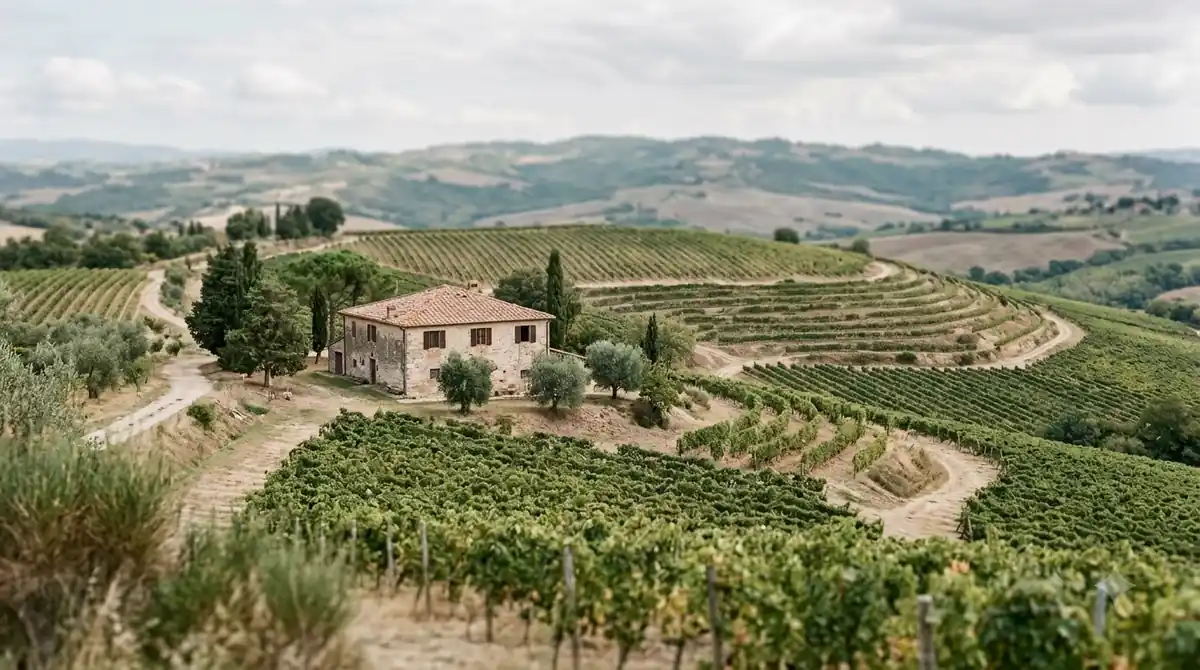
Along the banks of the Loire River—roughly 150 miles inland from the Bay of Biscay—Cabernet Franc is bottled on its own under appellations such as Chinon, Bourgueil, Saint-Nicolas-de-Bourgueil, Saumur, and Saumur-Champigny. Local growers have cultivated the grape there since the 11th century, often calling it Breton after Abbot Breton of Bourgueil Abbey. Because Touraine and Anjou experience cool, maritime-influenced summers, classic Loire reds routinely finish between 12% and 13.5% ABV, pairing bright acidity with sour cherry, violet, and crushed gravel notes.
Bordeaux, France
In its ancestral home of southwestern France, Cabernet Franc rarely stands alone and instead anchors blends. On Bordeaux’s Right Bank in Saint-Émilion and Pomerol, estates like Château Cheval Blanc and Château Ausone rely on Cabernet Franc for half to two-thirds of their blends alongside Merlot, typically reaching 13% to 14.5% ABV. Across the river in the Médoc on the Left Bank, Cabernet Franc plays a smaller supporting role—sometimes as little as 5% of the blend—to lend aromatic lift and graphite finesse to Cabernet Sauvignon.
California, New York, and Washington
American winemakers showcase both ends of the alcohol spectrum depending on regional temperatures. According to the California Wine Institute’s Capstone study guide, California maintains 3,501 acres (1,417 hectares) of Cabernet Franc, and warm districts such as Napa Valley and the Sierra Foothills routinely produce full-bodied, plush bottlings between 14% and 15.5% ABV. Conversely, cool-climate vineyards in New York’s Finger Lakes and Long Island, as well as higher-elevation sites in Washington’s Columbia Valley, turn out vibrant, Loire-inspired reds that sit much closer to 12% to 13.5% ABV.
Italy, Argentina, and Chile
International regions add further variety to the grape’s alcohol profile. In coastal Tuscany, producers bottle oak-aged Cabernet Franc inside prestigious Super Tuscan blends and varietal IGT wines that typically land around 13.5% to 14.5% ABV with blackberry and leather depth. South America offers high-altitude elegance in Argentina—home to 1,042 hectares (2,577 acres), notably in Mendoza’s Uco Valley—and ripe, mocha-accented reds across more than 1,200 hectares (2,965 acres) in Chile’s Colchagua Valley, generally measuring 13.5% to 14.5% ABV.
How Cabernet Franc Compares to Related Red Grapes
Comparing Cabernet Franc against its genetic relatives reveals why it often feels lighter on its feet than other classic red varieties. DNA fingerprinting conducted at the University of California, Davis in 1997 confirmed that Cabernet Franc crossed with Sauvignon Blanc to create Cabernet Sauvignon, and later profiling established that Cabernet Franc is also a parent of Merlot and Carménère.
Against Cabernet Sauvignon, Cabernet Franc generally carries 0.5% to 1% less alcohol when grown in the same region because it ripens roughly one week earlier than Cabernet Sauvignon, according to Vin de France. Cabernet Franc also possesses thinner grape skins than Cabernet Sauvignon, resulting in a brighter ruby color and medium tannins rather than dense, mouth-coating grip. Even when a Napa Valley Cabernet Franc reaches 14.8% ABV, its higher natural acidity and finer tannin grain give it a fresher lift than a Cabernet Sauvignon of identical strength.
How Alcohol Content Shapes Taste, Body, and Food Pairing
Alcohol percentage directly controls a wine’s viscosity, perceived sweetness, and compatibility with rich or spiced dishes. Higher ethanol adds glycerin-like weight on the mid-palate and warms the throat, while lower alcohol keeps tart fruit and savory herbs front and center.
At 12% to 13.5% ABV, cool-climate Cabernet Franc from the Loire Valley or New York’s Finger Lakes behaves almost like a lighter-bodied red at the dinner table. Its brisk acidity cuts cleanly through goat cheese, roasted pork loin, mushroom risotto, and herb-crusted chicken without overwhelming delicate flavors. Because the alcohol stays moderate, these bottlings even hold up alongside lightly spiced dishes, whereas high-alcohol reds amplify chili heat and make spicy food feel hotter on the palate.
When Cabernet Franc climbs to 14% to 15.5% ABV in Napa Valley, the Sierra Foothills, or coastal Tuscany, the extra body and firmer tannins demand richer protein and fat. Salt and marbling in grilled ribeye, braised lamb shanks, or aged hard cheeses soften the wine’s tannic grip and balance the warmth of higher ethanol. Sweet VQA Cabernet Franc icewine at 9.5% to 11.5% ABV shifts to the dessert course, where pairing rules call for wine at least as sweet as the dish—such as dark chocolate tarts, berry galettes, or salty blue cheese.
Serving Temperature, Glassware, and Storage by ABV
Adjusting serving temperature and aeration to match a bottle’s alcohol level prevents high-ABV reds from tasting hot and allows lighter bottles to show their floral aromatics. Splitting the standard red-wine serving range by alcohol percentage delivers the cleanest balance in the glass.
Serve lighter, 12% to 13% ABV reds from Chinon or Saumur slightly chilled at 55°F to 60°F—about 15 to 20 minutes in a kitchen refrigerator before pouring—to highlight their snappy raspberry and violet notes. Fuller-bodied, 14% to 15% ABV bottlings from California or Bordeaux Right Bank blends shine closer to 60°F to 65°F, where warmth releases blackberry and cedar aromas without letting ethanol fumes dominate the nose. Dry rosé versions taste crispest at 45°F to 50°F, while sweet Cabernet Franc icewine pours best chilled to 43°F to 50°F.
A standard 750-milliliter bottle holds roughly five 5-ounce pours, meaning a 13% ABV glass delivers about 0.65 ounces of pure alcohol while a 15% ABV pour carries 0.75 ounces. Young, full-bodied Cabernet Francs benefit from 30 to 60 minutes in a decanter to soften tannins, and leftover still wine keeps well recorked in the refrigerator for 3 to 5 days. For unopened bottles, long-term storage on their side near 55°F preserves cork moisture; According to Wine Enthusiast, well-structured bottles cellar comfortably for 5 to 10 years, while top examples age for 15 to 20 years.
Standard Drinks and Calories in a Glass of Cabernet Franc
Tracking alcohol percentage makes it simple to estimate standard drink equivalents and calorie counts before opening a bottle. According to U.S. dietary guidelines, one standard drink equals 0.6 fluid ounces (14 grams) of pure alcohol, which corresponds to a 5-ounce pour of wine at 12% ABV.
Because many modern Cabernet Franc reds sit above 12% ABV, a single 5-ounce pour often counts as more than one standard drink. A 13.5% ABV Loire Valley or Finger Lakes red equals 1.13 U.S. standard drinks per 5-ounce glass, while a 15% ABV Napa Valley bottling equals 1.25 standard drinks per glass—meaning a full 750-milliliter bottle contains roughly 6.3 standard drinks rather than 5.
Calories rise alongside ethanol because pure alcohol contributes roughly 7 calories per gram, while residual sugar in dry red wine stays negligible at under 1 gram per glass. A 5-ounce pour of dry Cabernet Franc at 12.5% ABV averages around 120 calories, whereas a 15% ABV pour climbs closer to 145 calories. Sweet Cabernet Franc icewine packs far more natural grape sugar—concentrated to at least 35° Brix before fermentation under Ontario VQA rules—so even a smaller 2- to 3-ounce dessert pour delivers around 110 to 160 calories despite its lower 9.5% to 11.5% ABV, placing it closer in richness to bottles covered in guides to ice wine alcohol content and Wine by Type.
Frequently Asked Questions
Is Cabernet Franc ever fortified like Port or Marsala?
No, traditional Cabernet Franc is produced as an unfortified table wine, rosé, sparkling wine, or naturally frozen icewine rather than a spirit-fortified wine. While fortified styles rely on added grape brandy to push alcohol to 17% to 20% ABV, Cabernet Franc gets all of its alcohol solely from natural yeast fermentation of grape sugars.
How do producers lower alcohol in warm-climate Cabernet Franc?
Winemakers in sunny regions can harvest grapes earlier before sugar levels spike, blend in cooler-site lots, or use gentle membrane filtration such as reverse osmosis to remove a fraction of ethanol after fermentation. Canopy management techniques, like leaving extra leaves to shade grape clusters from afternoon sun, also slow sugar accumulation during heat waves.
Does oak aging change the alcohol percentage of Cabernet Franc?
Oak barrel aging alters alcohol only slightly, typically shifting the final number by 0.1% to 0.5% depending on cellar humidity. In dry cellars, water evaporates faster than ethanol through the wood staves and concentrates alcohol slightly, whereas in very humid cellars, ethanol evaporates faster than water and lowers the final ABV marginally.
What is the alcohol content of sparkling Crémant de Loire made with Cabernet Franc?
Sparkling white and rosé Crémant de Loire bottlings that include Cabernet Franc typically finish between 11.5% and 12.5% ABV. Producers harvest the grapes early to lock in high natural acidity for the base wine, resulting in lower sugar levels before the second fermentation in the bottle creates fine bubbles.
Can you taste a 1% difference in Cabernet Franc alcohol content?
Most drinkers cannot reliably detect a 0.5% or 1% ABV gap on its own unless acidity or tannin levels also shift alongside it. However, a 2% jump—such as comparing a 12.5% ABV Chinon to a 14.5% ABV Paso Robles bottling—creates an unmistakable difference in weight, fruit ripeness, and warmth on the finish.
Checking the printed ABV on a bottle of Cabernet Franc offers a fast shortcut to understanding how the wine will behave in the glass and at the table. Lower numbers point toward bright red berries, herbal lift, and crisp acidity, while higher figures signal fuller body, darker fruit, and richer pairing potential.
More in Wine Types & Grapes
 What Is Friulano? A Guide to Italy’s Savory White WineUpdated Nov 21, 2026
 What Is Canned Wine? Styles, Sizes, and How to Serve ItUpdated Nov 21, 2026
 What Is Fiano? A Guide to Italy’s Textured White WineUpdated Nov 21, 2026
 What Is Cortese? The Crisp Italian Grape Behind Gavi WineUpdated Nov 21, 2026
 What Is Chardonel? A Complete Guide to This Cold-Hardy White WineUpdated Nov 21, 2026
 What Is Bonarda? A Guide to Argentina’s Smooth Red GrapeUpdated Nov 21, 2026