


We may earn a commission when you buy through links on this page, at no extra cost to you. Learn more.
Brachetto alcohol content typically ranges from around 5% to 7% ABV for many lightly sparkling bottles, while traditional Brachetto d’Acqui still wine has a minimum total alcoholic strength of 11.5% and Passito requires at least 16%. The difference comes from the wine style and how fermentation is managed. Sparkling Brachetto is generally a light, sweet, gently fizzy wine, whereas Passito is a concentrated dessert wine with substantially more alcohol. Understanding these three categories makes it easier to choose a bottle that suits your preferred sweetness, drinking occasion and alcohol level.
Brachetto comes from Piedmont, Italy, where the aromatic red grape is used to make fragrant wines with flavors of strawberries, rose petals and ripe peaches. Its best-known expression is Brachetto d’Acqui DOCG, which includes still, sparkling and Passito styles. Although sparkling Brachetto is often associated with relatively low alcohol, the name covers wines with considerably different production requirements and alcoholic strengths. Here is how the numbers work, why they differ and what to expect from each bottle.
Brachetto Alcohol Content by Wine Style
The most important distinction is between lightly sparkling Brachetto, still Brachetto d’Acqui and concentrated Passito. A familiar sparkling example contains 6.5% ABV, while the DOCG regulations establish minimum total alcoholic strengths of 11.5% for still wine, 12% for Spumante and 16% for Passito.
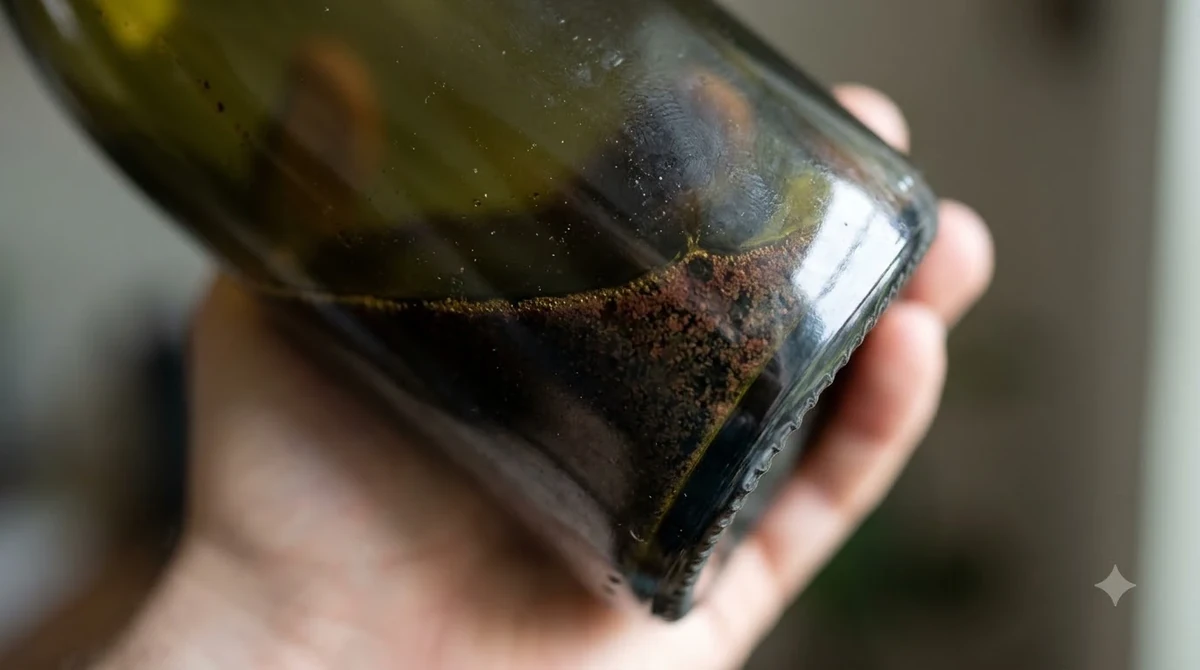
These figures require one important explanation: the official regulations distinguish between total alcoholic strength and actual alcohol already present in the finished wine. Total alcoholic strength accounts for both existing alcohol and the potential alcohol represented by remaining fermentable sugar. Therefore, a minimum total strength of 12% does not necessarily mean that a bottle contains 12% alcohol in the ordinary drinking sense.
For a practical comparison, consider the following figures. The Gancia sparkling example provides a useful reference point for a commercially available bottle, while the other numbers describe regulatory minimums rather than guaranteed alcohol levels in every individual wine.
| Brachetto style | Alcohol reference | Typical character |
|---|---|---|
| Lightly sparkling Brachetto | About 5–7% ABV | Sweet, fruity and gently fizzy |
| Gancia Brachetto d’Acqui DOCG | 6.5% ABV | Sweet sparkling red |
| Still Brachetto d’Acqui | 11.5% minimum total strength | Still, aromatic and potentially sweet |
| Brachetto d’Acqui Spumante | 12% minimum total strength | Fully sparkling, aromatic and variable in sweetness |
| Brachetto d’Acqui Passito | 16% minimum total strength | Concentrated, sweet dessert wine |
The distinction between actual and total alcohol is especially important for sparkling Brachetto. The regulatory minimum for Spumante is 12% total alcoholic strength, with at least 6% actual alcohol. A commercial bottle can therefore contain substantially less alcohol than the total-strength figure might initially suggest.
For everyday drinking, the bottle’s stated ABV is the most useful number. A sparkling bottle labeled 6.5% ABV contains 6.5% actual alcohol by volume, regardless of the minimum total-strength requirement for its protected designation.
In other words, someone choosing a sweet, low-alcohol red wine will generally find the lightly sparkling category more suitable than Passito. Someone looking for a richer after-dinner wine should consider the latter, recognizing that its alcohol concentration is considerably higher.
Why Different Brachetto Bottles Have Different ABV
Brachetto alcohol levels depend primarily on fermentation, the amount of sugar available in the grape must and the intended wine style. A producer who wants a lightly sparkling wine with considerable natural sweetness will manage fermentation differently from a producer making a still wine or a concentrated Passito.
During fermentation, yeast converts grape sugar into alcohol and carbon dioxide. When fermentation is stopped or controlled while appreciable sugar remains, the finished wine can retain sweetness without reaching the alcohol concentration of a fully fermented wine. This is one reason sparkling Brachetto can taste sweet while containing only around 6.5% ABV.
Gancia provides a specific example of this approach. Its Brachetto d’Acqui DOCG reaches approximately 5.5% actual alcohol during partial fermentation before the wine is held at -2°C in preparation for the sparkling stage. The producer subsequently uses the Martinotti method, also known as the tank method, for secondary fermentation in large closed containers.
The secondary fermentation contributes the wine’s characteristic bubbles. Gancia specifies a fermentation temperature of 15–17°C for this stage and lists the finished wine at 6.5% ABV, with 105 grams per liter of residual sugar.
Still Brachetto follows a different path. Its official DOCG specification establishes a minimum total alcoholic strength of 11.5%, with at least 5% actual alcohol. This does not mean every still Brachetto bottle will have the same strength, but it demonstrates why the term Brachetto alone is insufficient for estimating alcohol.
Passito differs because its grapes are dried before or during the production process. Drying concentrates the grapes’ sugars, allowing the producer to make a richer, more concentrated wine. Its regulatory minimum total alcoholic strength is 16%, and its minimum actual alcoholic strength is 11%.
Tip: If you want a lower-alcohol Brachetto, start with a sparkling bottle around 5–7% ABV. Do not assume that every bottle carrying the Brachetto d’Acqui name has this strength: still and Passito wines follow different alcohol requirements.
These differences also explain why sweetness and alcohol should not be treated as interchangeable measurements. A wine can retain considerable residual sugar and still have a relatively low actual alcohol level. Conversely, a concentrated dessert wine can combine noticeable sweetness with a much higher alcoholic strength.
Brachetto d’Acqui, Spumante and Passito Explained
Brachetto d’Acqui has three officially recognized DOCG categories, each with a distinct production approach and drinking experience. Understanding the difference between the still wine, Spumante and Passito styles is the simplest way to predict both alcohol concentration and sweetness.
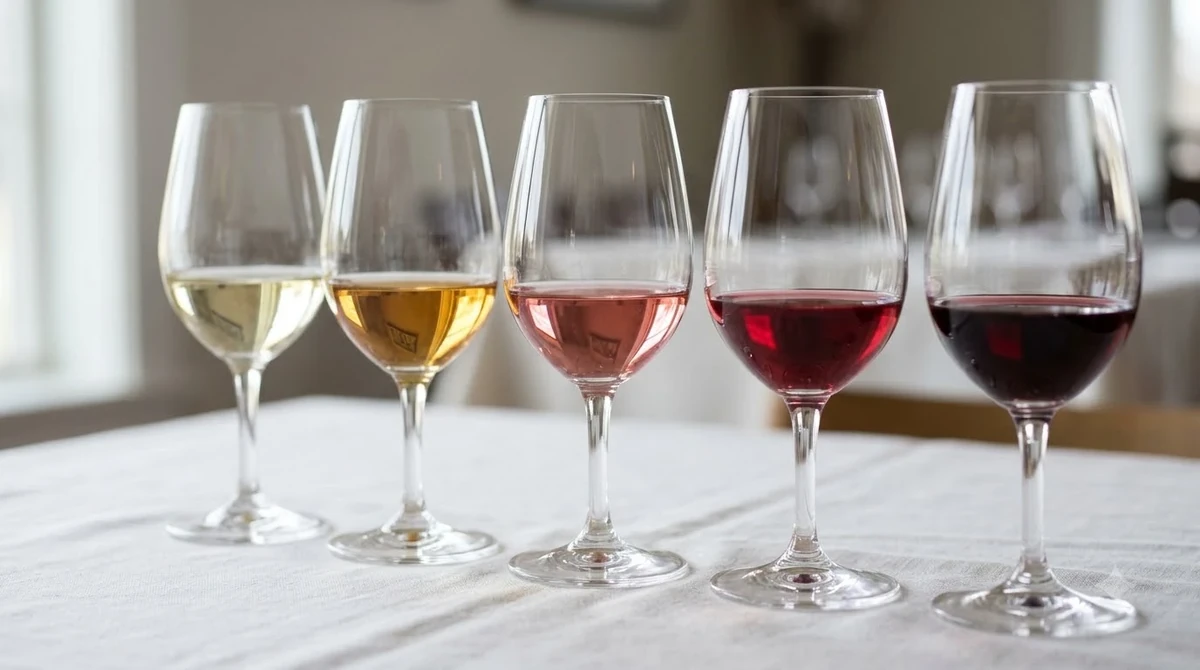
Still Brachetto d’Acqui
The still category is the non-Spumante expression of the denomination. It can range from dry to sweet, with a minimum total alcoholic strength of 11.5% and at least 5% actual alcohol under the production regulations.
Its color is typically ruby red, sometimes developing lighter garnet or rosé tones. The aroma is delicate and characteristic, with fruity and occasionally spicy impressions. Without the prominent bubbles of a sparkling version, its texture and aromatic expression can feel more like a conventional red wine.
Still Brachetto can be a useful choice for someone who enjoys aromatic red wines but wants to explore something different from familiar international varieties. It should not automatically be treated as a low-alcohol alternative to sparkling Brachetto.
Brachetto d’Acqui Spumante
Spumante is the fully sparkling category. The DOCG specification establishes a minimum total alcoholic strength of 12%, including at least 6% actual alcohol. Its permitted sweetness runs from Extra Brut to sweet, making this category more flexible than the common perception of Brachetto as exclusively sweet wine suggests.
Gancia’s 6.5% ABV example illustrates how a finished sparkling bottle can have a relatively modest actual alcohol level despite the higher regulatory total-strength requirement. Its wine has 105 grams per liter of residual sugar, producing a distinctly sweet profile alongside lively carbonation.
Brachetto Spumante is generally the most recognizable style for casual celebrations, fruit desserts and informal gatherings. Its aromatic character, gentle bubbles and relatively low alcohol in many commercial examples make it approachable for people who prefer sweeter sparkling wines.
Brachetto d’Acqui Passito
Passito is the concentrated dessert-wine category. Its grapes are dried to concentrate their contents, and the resulting wine must reach at least 16% total alcoholic strength, including a minimum of 11% actual alcohol.
The regulations also specify at least 50 grams per liter of reducing sugars. This combination produces a considerably richer wine than the lightly sparkling style. Expect a sweeter, more concentrated expression, with musky aromas and possible woody impressions.
The production rules require Passito to remain out of the market until October 1 of the year following the grape harvest. That requirement reflects the category’s distinct production and maturation approach.
For consumers, the main lesson is straightforward: sparkling Brachetto is usually the lighter option, still Brachetto has a higher minimum total alcoholic strength, and Passito is the concentrated choice for people who prefer richer dessert wines.
Where Brachetto Comes From and What the DOCG Rules Mean
Brachetto d’Acqui is closely associated with Piedmont’s Alto Monferrato area, particularly the provinces of Asti and Alessandria. Its DOCG designation establishes geographical and production requirements that help distinguish the protected wine from other wines made with the same grape variety.
The official production specification identifies 26 municipalities across the two provinces. The Asti portion includes places such as Vesime, Cessole, Loazzolo, Bubbio, Monastero Bormida, Rocchetta Palafea and Mombaruzzo. The Alessandria portion includes Acqui Terme, Strevi, Terzo, Bistagno and Alice Bel Colle.
There is also a geographical qualification for Nizza Monferrato: only the territory on the right side of the Belbo stream is included in the specified production area. This illustrates how precise the DOCG boundaries can be.
The production regulations require vineyards to contain at least 97% Brachetto grapes, with the remaining 3% potentially coming from suitable varieties authorized for cultivation in Piedmont. The regional agricultural authority describes the wine as being produced from 100% Brachetto, reflecting the grape’s central role in its identity.
Vineyard conditions are also regulated. The production specification identifies suitable hillside vineyards with appropriate exposure and calcareous-clay soils. New vineyards must have a planting density of at least 4,000 vines per hectare.
Production yields are controlled as well. The standard maximum grape yield is 8,000 kilograms per hectare, while the maximum grape-to-wine conversion rate is 70% for still and sparkling wines and 45% for Passito.
These rules matter because the name Brachetto can appear on wines from different denominations. A Piemonte DOC Brachetto, for example, does not necessarily follow the same specifications as Brachetto d’Acqui DOCG.
For an illustration, Acquesi lists a Piemonte DOC Brachetto at 5.5% ABV, with an indicative variation of approximately 0.5 percentage points. This is another reason to distinguish grape variety, regional denomination and specific wine style when estimating alcohol.
The official production requirements can be explored in the Brachetto d’Acqui production specification, which describes the geographical boundaries, grape requirements, yields and alcoholic-strength standards.
What Brachetto Tastes Like and How Sweet It Is
Brachetto is known for its delicate aromatic character, with recognizable impressions of strawberries, red berries, rose petals and musky floral notes. Its sweetness depends on the style and producer, but many sparkling examples are noticeably sweet, refreshing and fruit-driven.
The wine’s red-fruit character makes it different from many familiar sparkling whites. Instead of relying mainly on citrus, green apple or pear aromas, Brachetto often emphasizes ripe strawberries, cherries, floral notes and sometimes peaches.
Its acidity helps balance the sweetness. This is important because a wine with considerable residual sugar can otherwise feel heavy or cloying. In a well-balanced sparkling example, the combination of fruit, freshness and carbonation makes the sweetness more refreshing.
Does Brachetto Always Taste Sweet?
No. The DOCG rules allow still Brachetto to range from dry to sweet, while Spumante can range from Extra Brut to sweet. This means the grape variety itself does not guarantee a particular sweetness level.
However, many bottles sold internationally, particularly lightly sparkling examples, are made in a sweet style. Gancia’s example contains 105 grams per liter of residual sugar, illustrating the pronounced sweetness that consumers often associate with the category.
Passito is the more concentrated dessert expression, with a regulatory minimum of 50 grams per liter of reducing sugars. Its sweetness is supported by concentrated fruit character and a higher alcohol level.
Consumers who prefer dry wines should pay attention to the sweetness designation rather than choosing a bottle based solely on its grape variety. Someone who enjoys Moscato d’Asti, sweet rosé or fruit-forward sparkling wine may find the aromatic profile of Brachetto appealing.
How Sweetness Affects the Perception of Alcohol
Sweetness can influence how people perceive alcohol in wine. A lightly sparkling Brachetto may taste soft and fruity, making its alcoholic character less immediately noticeable than that of a dry wine with a similar ABV.
However, sweetness does not remove alcohol or make a wine alcohol-free. A bottle containing 6.5% ABV still contains measurable ethanol, even when its strawberry and floral aromas dominate the palate.
The same principle applies to Passito. Its concentrated fruit and sweetness can make the wine seem gentle, but its actual alcohol concentration is considerably higher than that of many sparkling Brachetto bottles.
How to Serve Brachetto and Pair It With Food
Brachetto is generally best served chilled, with the exact temperature depending on the style and producer. A cool serving temperature preserves its fresh fruit character, while appropriate food pairings help balance its sweetness and aromatic intensity.
The regional agricultural authority recommends approximately 8–12°C, equivalent to 46–54°F. Gancia recommends a colder 6–8°C, or approximately 43–46°F, for its sparkling example.
For a practical starting point, serve a lightly sparkling Brachetto at 43–48°F and adjust slightly warmer if the aromas seem muted. Still Brachetto can be served around 48–54°F, while a concentrated Passito benefits from a temperature that allows its complex aromas to develop.
Best Food Pairings
Sweet Brachetto is particularly successful with fruit-based desserts and pastries. The wine’s strawberry and peach aromas complement fresh fruit, while its sweetness makes it suitable for baked desserts and chocolate.
Traditional Piedmontese pairings include dry pastries, baked goods and fruit tarts. These foods allow the wine’s fruit character to complement the dessert without necessarily overwhelming the palate with additional sweetness.
Fresh strawberries and seasonal peaches are especially natural companions. They reinforce the grape’s fruit-driven character and work well with a chilled sparkling bottle during a warm afternoon or after a meal.
Chocolate is another useful pairing, particularly with sweeter sparkling Brachetto and richer Passito. The wine’s fruit aromas can complement chocolate’s deeper flavors, while the residual sugar helps prevent the dessert from making the wine seem excessively sharp.
For a more unusual pairing, consider savory appetizers with a sweet sparkling version. Gancia specifically suggests that its Brachetto can work with savory foods as well as sweet flavors, making it an interesting option for aperitifs and cocktails.
Foods That Require More Care
Very spicy dishes can make the alcohol in wine seem more prominent, while tannic red wines can intensify the sensation of chili heat. Although Brachetto is generally aromatic and approachable, a sweet, low-alcohol sparkling version is not necessarily the best partner for extremely hot food.
Very sour desserts can also create an imbalance if the wine lacks enough acidity to match them. Pairing wine with acidic food generally works best when the wine has equal or greater acidity.
For a straightforward dessert pairing, choose a fruit tart, strawberries, peach sorbet or chocolate dessert. If the occasion calls for something less traditional, a small serving of sparkling Brachetto alongside a mild savory appetizer is another possibility.
Brachetto Alcohol Compared With Other Sweet Wines
Brachetto occupies an interesting position among sweet wines because its alcohol level depends so heavily on production style. A bottle around 6.5% ABV is substantially lighter than many fortified dessert wines, while Brachetto Passito can reach a much higher alcoholic strength.
Comparing Brachetto with other sweet wines helps clarify where it fits. Moscato d’Asti is another familiar aromatic Italian wine that is often relatively low in alcohol. Ice wine generally has a higher alcohol concentration than lightly sparkling Brachetto, while Marsala and tawny Port are commonly much stronger because they are fortified.
The following comparison uses typical reference ranges rather than fixed legal limits for every producer or denomination.
| Wine | Typical ABV | General style |
|---|---|---|
| Lightly sparkling Brachetto | 5–7% | Sweet, aromatic and gently sparkling |
| Moscato d’Asti | 5–6.5% | Sweet, aromatic and lightly sparkling |
| Still Brachetto d’Acqui | 11.5% minimum total strength | Still red, dry to sweet |
| Brachetto Passito | 16% minimum total strength | Concentrated sweet dessert wine |
| Ice wine | 7–13% | Sweet wine made from naturally frozen grapes |
| Marsala | 15–20% | Fortified wine from Sicily |
| Tawny Port | 19–20% | Fortified, aged and generally sweet |
These comparisons are useful, but they should not be interpreted as a ranking of sweetness. Alcohol and residual sugar are separate measurements, and wines with similar ABV can taste very different depending on acidity, fermentation and production method.
For example, Moscato d’Asti and lightly sparkling Brachetto can both provide a relatively low-alcohol, aromatic drinking experience. However, Brachetto is a red grape wine with strawberry and rose characteristics, whereas Moscato d’Asti is made from Moscato Bianco and commonly features peach, orange blossom and citrus.
Ice wine is another interesting comparison. Its concentrated sweetness comes from grapes harvested while naturally frozen, rather than from fortification. For a closer comparison, see our explanation of ice wine alcohol content.
Marsala and tawny Port are different because they are fortified wines. Their alcohol levels are generally higher than those of lightly sparkling Brachetto. Readers comparing dessert wines can also explore Marsala alcohol content and tawny Port alcohol content.
Brachetto therefore offers more than one drinking experience. The sparkling category is particularly suitable for someone seeking an aromatic wine with relatively modest alcohol, while Passito is closer in purpose to a concentrated dessert wine.
For more background on the differences between wine categories, grape varieties and production styles, visit our Wine by Type resource.
Frequently Asked Questions
Is Brachetto wine naturally carbonated?
Brachetto d’Acqui Spumante obtains its bubbles through natural fermentation rather than artificial carbonation. The DOCG specification permits the sparkling process to take place in an autoclave or bottle. The production regulations also require at least one month for the sparkling process, including bottle aging.
Is Brachetto made from the same grape as Brachetto d’Acqui?
Yes, Brachetto d’Acqui is based on the Brachetto grape. The DOCG specification permits vineyards to contain at least 97% Brachetto, with the remaining 3% potentially coming from authorized Piedmont varieties. The protected designation also requires the grapes to originate within its designated production area.
How many calories are in a glass of sparkling Brachetto?
The calorie count depends on both the actual alcohol concentration and residual sugar. A bottle containing 6.5% ABV and 105 grams per liter of residual sugar, such as Gancia’s example, has a different nutritional profile from a drier sparkling wine at the same alcohol level. A reliable calculation requires the nutritional information for the specific bottle and the amount poured.
Does Brachetto d’Acqui have to be red?
The protected wine is characteristically ruby red, but its official description also allows lighter garnet, pink and rosé appearances. The finished color can depend on the winemaking approach and skin contact. Its distinctive Brachetto aromas remain an important part of the denomination’s identity.
Can Brachetto be used in cocktails?
Yes. Sparkling Brachetto can be used in aperitifs, long drinks and fruit-focused cocktails. Gancia specifically identifies cocktails and aperitifs among the possible uses for its Brachetto d’Acqui DOCG. Its strawberry, rose and ripe-fruit aromas make it particularly compatible with fresh fruit ingredients.
Brachetto is not a single-alcohol-level wine: its lightly sparkling expressions can contain around 5–7% ABV, while still Brachetto and Passito follow considerably higher regulatory strength requirements. For a sweet, refreshing red wine with modest alcohol, sparkling Brachetto is a particularly appealing starting point. Choosing the correct style is the key to finding a bottle that matches your preferred alcohol level, sweetness and occasion.
More in Wine Types & Grapes
 What Does Ruby Port Taste Like? Flavor Notes, Styles, and Serving TipsUpdated Nov 21, 2026
 What Does Ribolla Gialla Taste Like? Crisp White and Amber Styles ExplainedUpdated Nov 21, 2026
 What Does Semillon Taste Like? Flavor Profile, Styles & PairingsUpdated Nov 21, 2026
 What Does Scuppernong Taste Like? Flavor, Styles, and Pairing GuideUpdated Nov 21, 2026
 What Does Saperavi Taste Like? Flavors, Styles, and Pairing GuideUpdated Nov 21, 2026
 What Does Natural Wine Taste Like? Flavors, Styles, and Serving TipsUpdated Nov 21, 2026