

We may earn a commission when you buy through links on this page, at no extra cost to you. Learn more.
Beaujolais alcohol content typically ranges from 11% to 13.5% ABV, although some more concentrated Cru Beaujolais wines reach 14% or higher. Most bottles are dry French wines made from Gamay, a grape known for bright red fruit, refreshing acidity, and relatively gentle tannins. The exact percentage depends on the appellation, growing season, grape ripeness, and winemaking approach.
Beaujolais is often associated with light, easy-drinking red wine, but its alcohol level is not identical across the region. A young Beaujolais Nouveau can feel noticeably lighter than a structured Morgon or Moulin-à-Vent, while a warm growing season can produce more concentrated grapes and a higher final alcohol percentage. Understanding these differences makes it easier to choose a bottle that matches your preferred wine style, meal, and occasion.
Typical Beaujolais Alcohol Content and ABV Range
Most Beaujolais wines contain approximately 11% to 13.5% alcohol by volume, with lighter examples toward the lower end and fuller, more concentrated wines toward the upper end. Some Cru bottlings reach approximately 14% ABV, particularly when grapes ripen fully during warmer growing seasons.
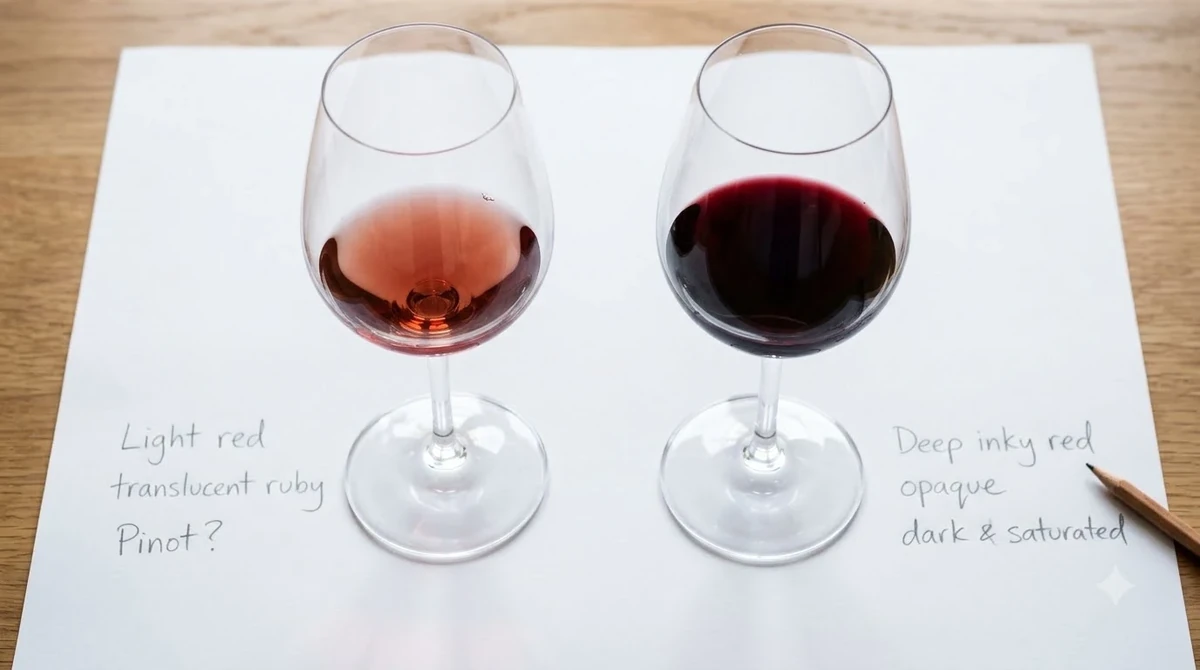
ABV means alcohol by volume. It describes the percentage of a wine’s total liquid volume that consists of pure alcohol. A wine labeled 12% ABV contains approximately 12 milliliters of pure alcohol in every 100 milliliters of wine. This measurement provides a more useful comparison of alcoholic strength than descriptions such as light-bodied, fruity, or smooth.
Beaujolais is not automatically a low-alcohol wine simply because it often tastes refreshing. Its bright acidity and juicy fruit can make the wine seem lighter than its actual alcohol percentage suggests. A 13% Beaujolais can feel approachable because Gamay generally has less aggressive tannin than varieties such as Cabernet Sauvignon or Syrah.
Alcohol levels also vary between individual bottles. One producer may favor earlier harvesting to preserve acidity, while another may wait longer for fuller grape ripeness. Fermentation decisions, vineyard exposure, soil composition, and vintage weather can all influence the final result.
The following ranges are practical shopping estimates rather than universal legal limits or guaranteed specifications for every bottle.
| Beaujolais style | Typical ABV | General character |
|---|---|---|
| Beaujolais Nouveau | 11–12.5% | Fresh, youthful, fruit-forward |
| Basic Beaujolais | 11–12.5% | Light, juicy, approachable |
| Beaujolais Villages | 11.5–13% | More concentrated, balanced |
| Light-style Cru | 12–13.5% | Floral, elegant, refreshing |
| Structured Cru | 12.5–14% | Richer, firmer, more complex |
| Beaujolais Blanc | 11–13.5% | Dry, citrusy, Chardonnay-based |
These categories overlap considerably. A basic Beaujolais from a warm year may contain more alcohol than a Cru from a cooler year. The figures should therefore help establish expectations rather than serve as a rigid ranking.
Wine Enthusiast reports that wines from the cooler 2021 vintage generally contained around 11–12% ABV, while the warmer 2022 vintage produced examples reaching 13.5% ABV and above. This comparison illustrates why the vintage can matter almost as much as the appellation when estimating alcoholic strength. Its Beaujolais vintage analysis also discusses how seasonal weather affected grape ripeness and wine style.
How Nouveau, Beaujolais Villages, and Cru Compare
The three main red-wine categories offer different combinations of alcohol, concentration, and structure. Beaujolais Nouveau is generally the easiest-drinking style, Beaujolais Villages often offers greater concentration, and Cru Beaujolais can deliver the fullest expression of individual vineyard areas.
Beaujolais Nouveau is released on the third Thursday of November following the harvest. It is designed for early enjoyment rather than extended cellaring. Producers commonly use carbonic or semi-carbonic maceration to emphasize youthful fruit, freshness, and a soft texture. Alcohol levels frequently sit around 11–12.5%, although individual bottles can fall outside this range.
Beaujolais Villages comes from a more specific selection of producing communes. The category generally offers greater concentration and more noticeable structure than basic regional Beaujolais. Its alcohol content often falls between 11.5% and 13%, depending on grape maturity and the producer’s approach. Strawberry, cherry, raspberry, and floral notes remain common, but some bottles have additional spice and earthy complexity.
Cru Beaujolais comes from ten named appellations in the northern part of the region. These wines can be more structured and age-worthy than the simpler regional styles. Their alcohol content commonly ranges from 12.5% to 14%, according to the Cru Beaujolais overview published by Opening a Bottle.
The ten Crus are Brouilly, Chénas, Chiroubles, Côte de Brouilly, Fleurie, Juliénas, Morgon, Moulin-à-Vent, Régnié, and Saint-Amour. Each has a recognizable identity, although producer decisions and vintage conditions can create substantial differences within an individual appellation.
For readers comparing different wine categories, our guides to Wine by Type explain how grape varieties, production methods, and wine styles affect what appears in the glass.
Tip: If you want a lighter-feeling red, start with Beaujolais Nouveau or a fresh Fleurie. If you prefer a richer profile, compare Morgon and Moulin-à-Vent, which often offer more concentration and structure.
Why Gamay and Growing Conditions Affect Alcohol Levels
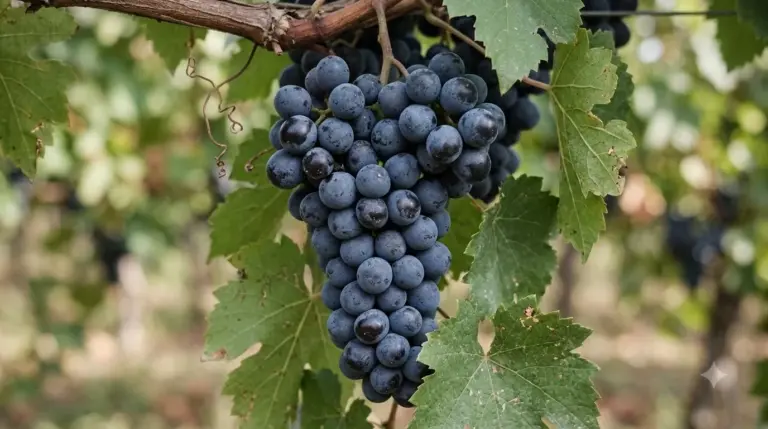
Gamay is the principal red grape responsible for Beaujolais’s distinctive style. Its natural acidity, juicy fruit character, and relatively low tannin help create wines that can taste refreshing even when their alcohol content reaches 13% or more.
Alcohol develops during fermentation when yeast converts grape sugar into ethanol and carbon dioxide. The amount of fermentable sugar in the harvested grapes is therefore an important influence on the final ABV. Riper grapes generally contain more sugar and can produce wines with higher alcohol levels when fermentation proceeds to dryness.
Growing conditions influence how quickly Gamay ripens. Beaujolais has a semi-continental climate, with cold winters and warm summers. Sunshine, rainfall, temperature fluctuations, and harvest timing can all affect the balance between sugar accumulation and acidity.
The contrast between the 2021 and 2022 vintages illustrates this relationship. The cooler and more challenging 2021 season produced many wines around 11–12% ABV. In contrast, the warm and sunny 2022 season resulted in more concentrated grapes and examples containing 13.5% ABV or above.
Soil and vineyard location also influence grape development. The official Beaujolais regional website identifies pink granite, blue stone, limestone, clay, and older foothill deposits among the region’s geological features. These different environments contribute to the diversity of wines produced across the appellations.
Vineyard exposure, elevation, and the amount of sunlight reaching the grapes can further influence ripeness. A well-exposed vineyard may produce riper fruit than a cooler location, although farming practices and weather conditions can alter the outcome.
Producers also make decisions about when to harvest. Picking earlier can preserve freshness and limit sugar accumulation, while later harvesting may produce fuller fruit flavors and potentially higher alcohol. Neither approach automatically guarantees a better wine; the goal is to achieve an appropriate balance for the intended style.
How Carbonic Maceration Influences Beaujolais Style
Carbonic maceration and semi-carbonic maceration are closely associated with Beaujolais winemaking. These techniques help explain the region’s characteristic fruit-forward profile, although they do not independently determine the final alcohol percentage.
In carbonic maceration, whole grape clusters are placed in a sealed environment containing carbon dioxide. Individual intact berries begin intracellular fermentation, a process that takes place inside the grape cells. This differs from conventional fermentation, in which yeast acts on released grape juice and sugar.
Semi-carbonic maceration uses a combination of whole-cluster fermentation and conventional fermentation. The weight of the grape clusters crushes some berries at the bottom of the fermentation vessel, releasing juice. Yeast fermentation begins in this juice, producing carbon dioxide that encourages intracellular fermentation in the intact grapes above.
These methods are particularly associated with Beaujolais Nouveau, where the emphasis is on fresh fruit and early drinking. The resulting wines can show cherry, raspberry, strawberry, banana, and other candied-fruit aromas. Their texture is often soft, with comparatively low tannin.
However, not every Beaujolais producer uses the same approach. Some Cru winemakers rely more heavily on traditional fermentation, longer maceration, or different proportions of whole clusters. These choices can produce wines with greater structure, darker fruit characteristics, and more pronounced earthy or mineral notes.
It is important to distinguish fermentation technique from alcohol content. Carbonic maceration does not automatically create a low-alcohol wine. The initial sugar concentration of the grapes, fermentation completion, and cellar decisions remain important factors. A wine made through carbonic maceration from very ripe grapes can still contain substantial alcohol.
When comparing bottles, consider the combination of grape maturity, winemaking style, and appellation rather than assuming that a fruity or softly textured wine must have a low ABV.
Which Beaujolais Crus Tend to Have More Alcohol?
Structured Cru Beaujolais wines often contain approximately 12.5–14% ABV, while lighter Crus commonly sit closer to 12–13%. Morgon, Moulin-à-Vent, and Chénas are useful starting points for fuller styles, while Fleurie, Chiroubles, and Saint-Amour are frequently associated with more delicate expressions.
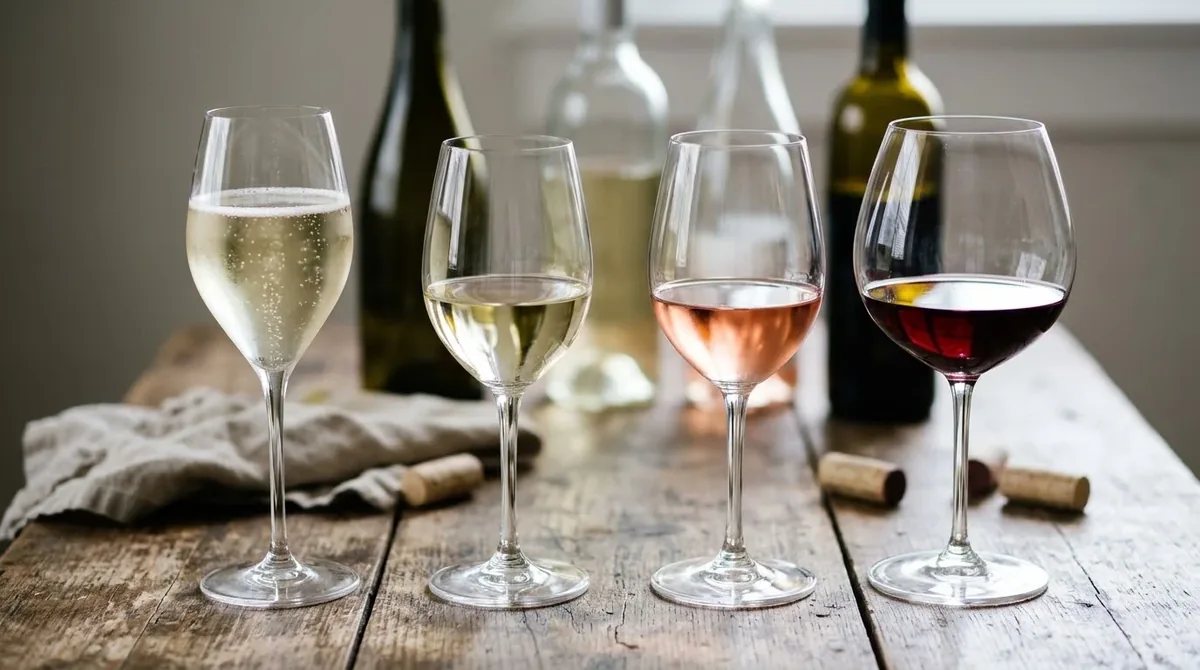
Morgon is known for structured Gamay with ripe cherry, dark berry, and earthy characteristics. Its wines can develop additional complexity with bottle age. Alcohol commonly falls within the broader 12.5–14% Cru range, although the actual strength depends on the producer and vintage.
Moulin-à-Vent is another structured appellation. Its wines can have firmer tannins, concentrated fruit, and a more substantial impression than straightforward Beaujolais. Bottles around 13–14% ABV are possible, particularly in warmer growing seasons.
Chénas can also produce concentrated, structured wines. Depending on vineyard conditions and winemaking, its examples may resemble the fuller end of the regional style.
On the lighter side, Fleurie is associated with floral aromas, fresh red fruit, and an elegant texture. Chiroubles is often lively and aromatic, while Saint-Amour can offer an approachable combination of fruit and freshness.
Brouilly and Côte de Brouilly offer useful middle-ground comparisons. Their wines can range from fresh and accessible to more structured, depending on vineyard location and producer style. Juliénas and Régnié also show considerable variation.
Opening a Bottle identifies Fleurie, Saint-Amour, and Chiroubles as lighter-style Crus, while Morgon, Moulin-à-Vent, and Chénas generally occupy the more structured category. Its reported 12.5–14% ABV range for Cru Beaujolais provides a helpful reference point. Its Cru Beaujolais study guide also explains the differences between the ten named appellations.
These differences are tendencies rather than guarantees. A lighter Cru can have a higher ABV than a particular Morgon, especially when the wines come from different vintages. Alcohol content should be considered alongside acidity, tannin, body, and fruit concentration.
Serving Temperature, Food Pairings, and Drinking Measurements
Beaujolais generally tastes best slightly chilled, with most red examples served around 54–57°F. This temperature helps preserve the wine’s freshness and fruit expression without making the aromas seem muted.
The official Beaujolais website recommends 12–14°C for its red wines, equivalent to approximately 54–57°F. A light Nouveau can be served toward the cooler end of that range, while a more structured Morgon or Moulin-à-Vent can benefit from slightly warmer service.
Beaujolais’s acidity and relatively gentle tannins make it a versatile food wine. Its fruit character works particularly well with roast chicken, pork, charcuterie, mushroom dishes, grilled vegetables, and soft cheeses. Its acidity can also complement richer dishes by refreshing the palate.
For spicy dishes, choose a fruit-forward Beaujolais with moderate alcohol rather than a particularly powerful example. Alcohol and tannin can amplify chili heat, so a higher-ABV Cru may be less comfortable alongside intensely spicy food.
Beaujolais Blanc offers another pairing direction. Made from Chardonnay, it can work with seafood, poultry, creamy sauces, and dishes featuring lemon or fresh herbs. Its style varies with fermentation and aging choices, so it should not be assumed to have the same flavor profile as the region’s Gamay reds.
How much alcohol is in a glass or bottle?
A standard wine pour in the United States is 5 ounces. A typical 750-milliliter bottle therefore provides approximately five standard pours, although actual serving sizes vary.
The following examples show how much pure alcohol different Beaujolais strengths contain. These figures are approximate and assume the same serving volume for each wine.
| Wine ABV | Pure alcohol in a 5 oz pour | Pure alcohol in a 750 ml bottle |
|---|---|---|
| 11% | 0.55 fl oz | 82.5 ml |
| 12% | 0.60 fl oz | 90 ml |
| 12.5% | 0.625 fl oz | 93.75 ml |
| 13% | 0.65 fl oz | 97.5 ml |
| 13.5% | 0.675 fl oz | 101.25 ml |
| 14% | 0.70 fl oz | 105 ml |
For comparison, a 12% ABV Beaujolais contains less alcohol per identical pour than a 14% Cru. The difference is meaningful even though both wines come from the same general region.
Serving size also matters. A 6-ounce pour contains 20% more wine than a 5-ounce pour, and therefore 20% more alcohol at the same ABV. A bottle’s percentage alone does not tell you how much alcohol is in the amount actually poured.
For additional comparisons, see our guides to ice wine alcohol content, Marsala alcohol content, and other wine styles. Sweet dessert wines and fortified wines can have substantially different alcohol profiles from dry Beaujolais.
How to Choose Beaujolais by Alcohol Percentage
The best Beaujolais for your preferences depends on whether you prioritize lower alcohol, bright fruit, fuller structure, or the character of a particular Cru. Start with the general category, then compare individual bottles and vintages to find the right balance.
If you prefer lighter red wines, begin with Beaujolais Nouveau or basic Beaujolais around 11–12.5% ABV. These wines are generally approachable and fruit-forward, making them suitable for casual meals, picnics, and informal gatherings.
If you want something with more concentration without moving too far into full-bodied red wine territory, try Beaujolais Villages. A bottle around 12–12.5% ABV can offer a useful balance between fresh fruit and greater depth.
For more structure, explore Morgon or Moulin-à-Vent. These Crus can reach 13–14% ABV and often have more noticeable tannins, concentrated fruit, and the capacity to develop with age. They can work particularly well with roast meats, grilled pork, and mushroom-based dishes.
Vintage information can help narrow the choice. Cooler growing seasons often produce fresher wines with lower alcohol, while warmer seasons can result in riper fruit and higher ABV. The contrast between the 2021 and 2022 vintages demonstrates why vintage selection matters.
Producer style is another useful consideration. Some winemakers emphasize freshness and restrained extraction, while others favor longer maceration and more concentrated fruit. Two wines from the same village can therefore differ in alcohol, texture, and perceived weight.
When comparing bottles, use the following practical approach:
- Choose approximately 11–12% ABV for a lighter, fresher starting point.
- Explore approximately 12–13% ABV for a balanced everyday red.
- Consider 13–14% ABV for more concentrated Cru styles.
- Compare vintage conditions before assuming that one appellation always has higher alcohol than another.
- Consider acidity, tannin, and body alongside the ABV figure.
Also remember that alcohol percentage does not determine wine quality. A well-balanced 11.5% Beaujolais can be just as enjoyable as a concentrated 14% Morgon. The important distinction is whether the wine’s alcohol integrates comfortably with its acidity, fruit, and structure.
Frequently Asked Questions
Does every Cru Beaujolais bottle say Beaujolais on the label?
No. The ten Cru villages have individual appellation identities, and their wines do not have to display the words “Cru Beaujolais” or even “Beaujolais” on the front label. Look for names such as Morgon, Fleurie, and Moulin-à-Vent when identifying these wines.
How many communes produce basic Beaujolais AOC wine?
The regional Beaujolais appellation covers 72 producing communes. They are located across the Rhône and Saône-et-Loire departments, with the appellation extending through much of the wider Beaujolais vineyard area.
What proportion of Beaujolais production is red wine?
Approximately 90% of production in the regional Beaujolais appellation is red wine. The remaining 10% is divided equally between white and rosé production, according to the official regional website.
Where are the Chardonnay vineyards for Beaujolais Blanc?
The official regional website identifies more than 300 hectares devoted to Beaujolais Blanc. Chardonnay parcels are concentrated in the far north and in southern locations around Liergues, Le Bois d’Oingt, and Bully.
How cold should Beaujolais rosé be served?
The official Beaujolais website recommends serving its rosé wines between 5 and 8°C, approximately 41–46°F. This is cooler than the recommended 12–14°C range for the region’s red wines.
Beaujolais alcohol content generally falls between 11% and 13.5% ABV, although structured Cru wines can reach approximately 14% or more. For a lighter style, start with Nouveau or basic Beaujolais; for greater concentration, explore Morgon, Moulin-à-Vent, or Chénas. Comparing the appellation, vintage, and producer will give you a clearer idea of a bottle’s strength and character than its regional name alone.
More in Wine Types & Grapes
 What Is Baco Noir? Origins, Flavor Profile, and Pairing GuideUpdated Nov 21, 2026
 What Is Alvarinho? A Complete Look at Portugal’s Crisp Coastal GrapeUpdated Nov 21, 2026
 What Is Auslese? How to Read, Serve, and Pair This German WineUpdated Nov 21, 2026
 What Is Arneis? Tasting Notes, Origins, and Pairing GuideUpdated Nov 21, 2026
 What Is Airen? A Guide to Spain’s Most-Planted White GrapeUpdated Nov 21, 2026
 What Is Aglianico? A Guide to Italy’s Bold Southern Red WineUpdated Nov 21, 2026