

We may earn a commission when you buy through links on this page, at no extra cost to you. Learn more.
Antao vaz wine is a Portuguese white wine made from the Antão Vaz grape, best known for its full body, ripe tropical fruit flavors, and distinctive connection to the Alentejo region. It commonly displays notes of papaya, passion fruit, ripe citrus, and tangerine peel, supported by a firm, rounded texture. Depending on harvest timing and winemaking, it can be fresh and citrus-driven or richer, more concentrated, and suitable for oak aging. It is particularly appealing with seafood, grilled fish, chicken, and dishes featuring Mediterranean herbs.
Portugal offers an unusually diverse collection of native wine grapes, and Antão Vaz is among the most recognizable white varieties from its southern wine country. Although it has become associated with several styles of Alentejo white wine, its identity remains closely connected to Vidigueira, where the grape has a long-standing regional presence. Understanding its growing conditions, flavor profile, and winemaking possibilities makes it easier to recognize what distinguishes this Portuguese variety from familiar international whites.
What Makes Antão Vaz Wine Distinctive?
Antão Vaz stands out for its combination of generous fruit, substantial body, and adaptable winemaking potential. Unlike lighter white wines built primarily around sharp acidity, this Portuguese variety often offers a broader, more rounded palate with ripe fruit and considerable structure.
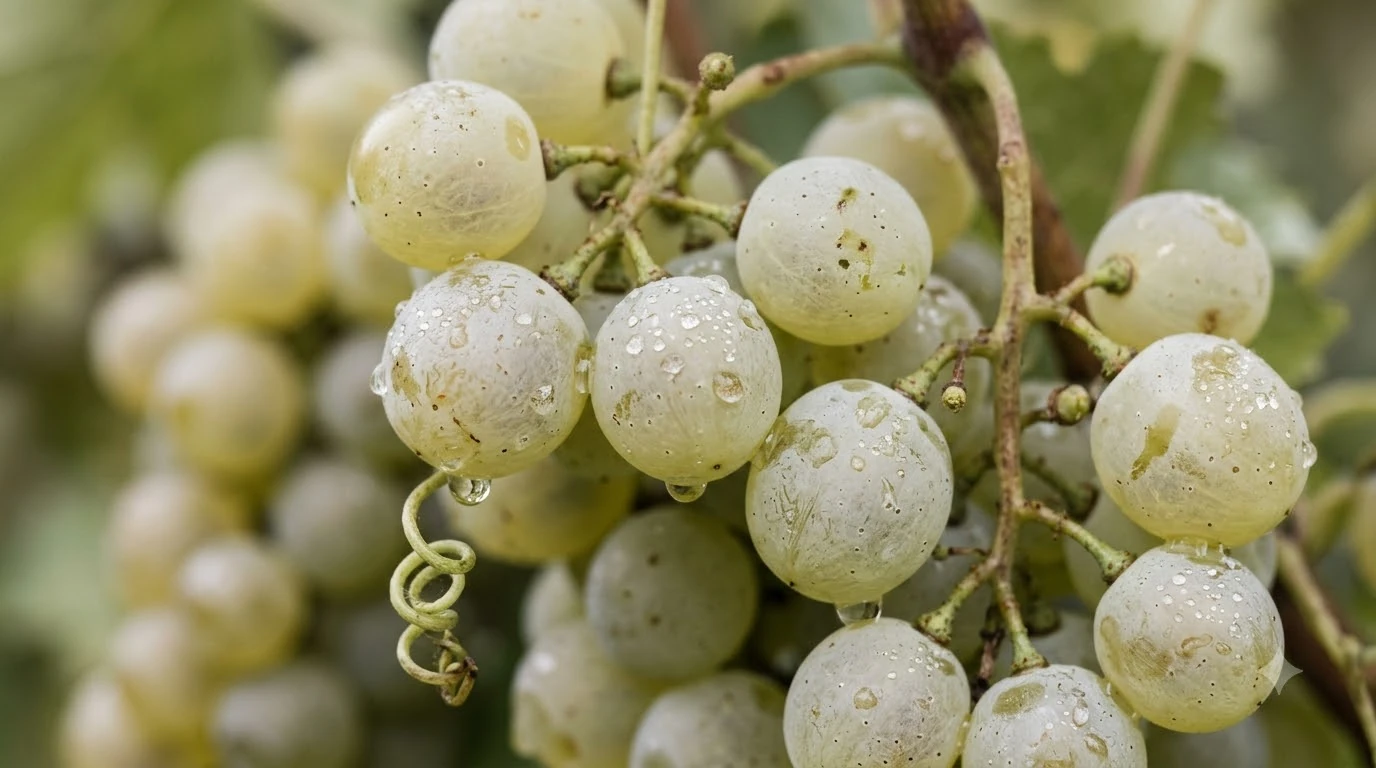
The grape is particularly well suited to the sunny conditions of southern Portugal. According to Wines of Portugal, it is a productive variety with consistent ripening and an ability to perform well across the warm, open landscapes of the Alentejo. Its relatively large berries have tough skins, while its bunches are large without being especially tightly packed. These characteristics contribute to its agricultural reliability and make it an important variety for regional growers. The Wines of Portugal Antão Vaz grape profile provides additional details about its growing characteristics and traditional regional identity.
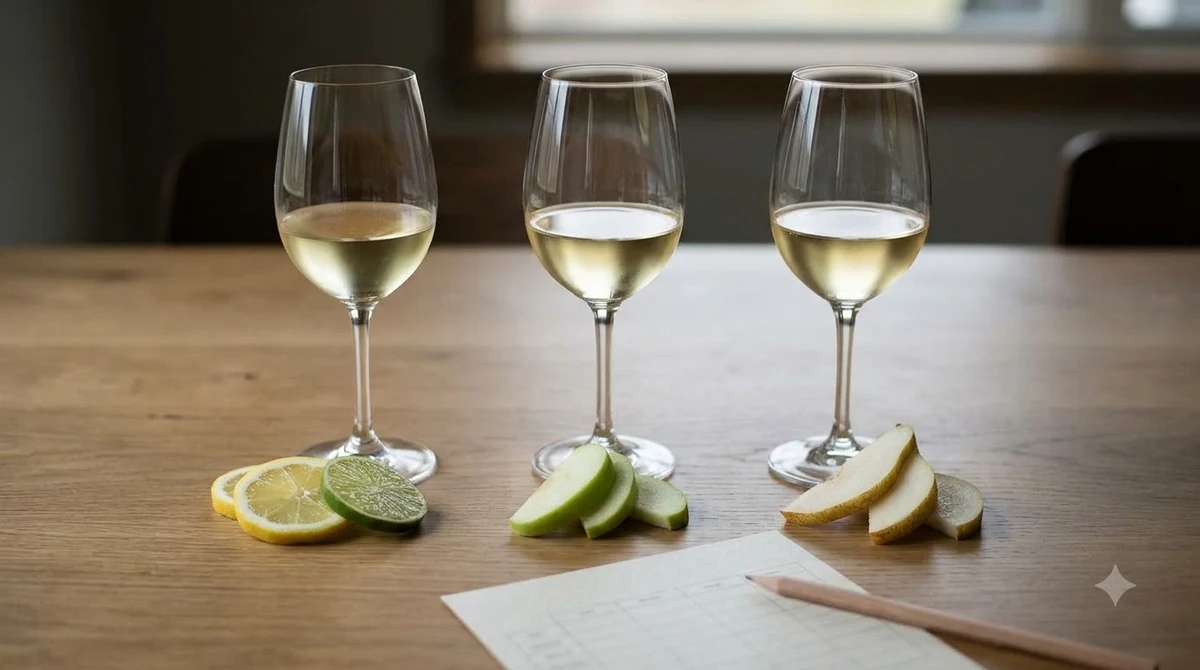
In the glass, Antão Vaz typically presents a yellow or citrus-colored appearance, sometimes developing deeper golden tones as the wine matures or receives more substantial winemaking treatment. Its aromatic profile often includes papaya, passion fruit, pineapple, ripe peach, and tangerine peel. Some examples also show subtle mineral, floral, or herbal impressions that add complexity without overwhelming the fruit.
Body is another defining characteristic. A typical bottle feels fuller and more substantial than many light-bodied Portuguese whites. It can have a rounded mid-palate, a slightly creamy texture, and a persistent finish. This does not mean every Antão Vaz wine tastes heavy. Earlier-picked grapes can produce fresher, more energetic wines with a noticeable citrus character and greater emphasis on acidity.
Sweetness is generally dry rather than dessert-like. Ripe fruit aromas may create an impression of sweetness, but fragrant tropical fruit does not automatically mean that a wine contains significant residual sugar. Most examples are intended to accompany food or to be enjoyed as refreshing table wines.
For readers exploring Portuguese white varieties, Antão Vaz is a useful starting point because it demonstrates how a warm-climate grape can retain aromatic character while producing a wine with substantial palate weight. It also provides an interesting contrast to lighter, sharper styles found in other Portuguese regions.
Origins in Vidigueira and the Alentejo Region
Antão Vaz is most closely associated with the Alentejo, particularly Vidigueira, a southern Portuguese wine subregion known for its white wines. The area’s combination of abundant sunshine, varied soils, and local growing traditions has helped establish the grape as one of Portugal’s important native white varieties.
The Alentejo occupies a substantial area of southern Portugal, with broad agricultural plains, rolling countryside, and scattered mountain ranges. The Portuguese Institute of Vine and Wine describes the region as having both Mediterranean and continental climatic influences. Long periods of sunshine before harvest help grapes accumulate sugars, an important consideration for a variety that can achieve substantial ripeness.
Vidigueira has particular importance in the grape’s history. Antão Vaz was traditionally grown almost exclusively around this area before becoming more widely established elsewhere. Its association with Vidigueira remains strong because local producers have developed considerable experience working with the variety and adapting harvest dates to preserve freshness.
The wider Alentejo DOP consists of eight recognized subregions:
- Portalegre
- Borba
- Redondo
- Reguengos
- Évora
- Vidigueira
- Moura
- Granja-Amareleja
These subregions do not share identical growing conditions. Portalegre, for example, has mountain influences that can create cooler vineyard conditions, while other areas have different combinations of elevation, exposure, and soil composition. Vidigueira is particularly associated with balanced white wines, making it an important reference point when exploring Antão Vaz.
Soil variation also contributes to the diversity of the region. Granite, schist, clay, limestone-rich formations, and other geological materials occur across Alentejo vineyards. These differences influence drainage, water availability, and vine development. They also provide producers with different opportunities for shaping the structure and expression of their wines.
The region has a long history of viticulture. According to the Portuguese Institute of Vine and Wine, archaeological evidence around São Cucufate in Vidigueira includes grape seeds and remnants of Roman wine presses. Written evidence of vineyard cultivation in the Alentejo dates to the 12th century.
Although the region is famous for its reds as well as its whites, Antão Vaz has become one of its defining white grapes. It is particularly important alongside Arinto and Roupeiro, two varieties that can help producers create white wines with different aromatic and structural characteristics.
Flavor, Aroma, Body, and Acidity
The typical Antão Vaz profile combines ripe tropical fruit with a full-bodied palate and moderate freshness. Its flavors can range from bright citrus and peach in fresher examples to papaya, passion fruit, and richer stone-fruit characteristics in more mature expressions.
The aroma is often the first indication of the grape’s personality. Papaya and passion fruit are especially useful reference points, while pineapple, ripe pear, peach, and tangerine peel can also appear. Some wines have a faint floral character, and others develop subtle mineral or herbal notes depending on their vineyard location and winemaking approach.
On the palate, the wine usually has more weight than a simple, light-bodied white. Its texture can feel broad and rounded, with a firm center and enough freshness to prevent the fruit from becoming completely heavy. The precise balance depends on when the grapes were harvested, the level of ripeness, and whether the producer used stainless steel, oak, concrete, or lees aging.
Acidity deserves particular attention. Because Antão Vaz grows successfully in a warm region, later harvesting can result in higher sugar accumulation and less noticeable freshness. Producers therefore pay close attention to maturity when deciding the ideal picking date. Earlier harvesting can preserve more vibrant acidity and aromatic freshness.
The following table summarizes common characteristics of the variety and illustrates how different harvest and winemaking decisions can change the final style. The technical figures for the producer example come from Herdade Grande’s documented Antão Vaz Selected Harvest 2019 rather than representing universal measurements for every bottle.
| Characteristic | Typical expression | Documented producer example |
|---|---|---|
| Wine color | Pale citrus to golden yellow | Citrus-colored appearance |
| Body | Medium-full to full | Rounded, structured, and substantial |
| Main fruit aromas | Papaya, passion fruit, citrus, peach | Papaya and passion fruit |
| Alcohol | Varies with ripeness and producer | 13.1% ABV |
| Total acidity | Depends on harvest and production | 6.8 g/L |
| pH | Depends on the finished wine | 3.28 |
| Lees aging | Optional production technique | 6 months |
| Recommended serving temperature | Approximately 45–50°F for this style | 46–50°F |
These figures demonstrate how a particular wine can combine substantial body with a measurable level of acidity. The 13.1% alcohol and 6.8 g/L total acidity reported by Herdade Grande illustrate why Antão Vaz should not automatically be described as either light or overly heavy. Its structure depends on the balance between fruit maturity, acidity, and production choices.
Oak aging can add another dimension. Depending on the vessel and length of maturation, the wine may develop creamy textures, toasted notes, vanilla impressions, and greater integration. However, oak is not necessary for good Antão Vaz. Stainless-steel versions can preserve a more direct expression of citrus and tropical fruit.
For a broader understanding of how grape varieties influence wine characteristics, the site’s guide to Wine by Type provides useful background on the relationship between grapes, body, acidity, and finished wine styles.
How Antão Vaz Is Made: Harvesting, Blending, and Oak
Winemaking decisions have a major influence on Antão Vaz because the grape can produce both fresher, fruit-focused whites and richer, more concentrated wines. Harvest timing is especially important, while fermentation temperature, lees contact, blending, and barrel maturation provide additional ways to shape the finished bottle.
Harvest timing and grape maturity
Early harvesting is useful when a producer wants to retain vibrant acidity and emphasize citrus-driven aromas. The resulting wine may feel more energetic, with lemon, tangerine, green fruit, and fresh tropical notes. It is often a good choice for drinkers who prefer refreshing whites with substantial flavor but less weight.
Allowing the grapes to remain on the vine longer can increase sugar concentration and produce a fuller style with more ripe fruit character. The resulting wine may also reach a higher alcohol level. This additional concentration can be useful for producers who want to make a wine with enough structure to benefit from barrel maturation.
Stainless-steel fermentation
Temperature-controlled stainless-steel fermentation is a common approach for preserving the grape’s aromatic character. It allows winemakers to maintain a relatively clean expression of the fruit and control the fermentation environment.
Herdade Grande provides a documented example of this technique. Its Antão Vaz Selected Harvest 2019 was made from 100% Antão Vaz grapes sourced from Vidigueira. The grapes were harvested mechanically at night, destemmed, gently crushed, and settled cold for 48 hours before fermentation in temperature-controlled stainless-steel tanks.
Lees aging and texture
After fermentation, some producers allow the wine to remain in contact with fine lees, the spent yeast cells that settle after fermentation. This technique can contribute additional texture and complexity. Batonnage, or stirring the lees, is sometimes used to develop a broader mouthfeel and a more integrated palate.
Herdade Grande aged its documented wine on fine lees for six months with batonnage. Its tasting description identified a rounded palate, balanced acidity, and good structure. This example shows how a producer can add texture without relying entirely on oak. The Herdade Grande Antão Vaz technical sheet provides the production details, tasting notes, and technical measurements for this particular wine.
Blending and barrel maturation
Antão Vaz is frequently blended with Arinto and Roupeiro. Arinto contributes firm acidity and citrus character, while Roupeiro can bring additional aromatic freshness. Together, these varieties help balance the generous fruit and structure of Antão Vaz.
Single-variety wines are also important. A bottle made entirely from Antão Vaz provides a clearer expression of the grape’s natural personality and allows drinkers to understand its tropical fruit, body, and texture without the influence of other varieties.
Oak maturation is another option, particularly when grapes are harvested at higher maturity. The grape’s body and structure can provide a useful foundation for barrel aging. The result may have greater creaminess and additional notes from the wood, although the amount of oak influence varies considerably between producers.
For a comparison with one of the important blending partners, the site’s Arinto wine article explains how that Portuguese variety contributes freshness and acidity to regional white wines.
Food Pairings That Complement Antão Vaz
Antão Vaz works particularly well with seafood, grilled fish, white meat, and dishes with moderate richness. Its combination of tropical fruit, substantial body, and balanced acidity allows it to accompany foods that might overwhelm a more delicate white wine.
Seafood is a natural starting point. Grilled prawns, scallops, crab, lobster, and simply prepared white fish complement the wine’s fruit and texture. The wine’s body is substantial enough to stand alongside richer seafood preparations, while its acidity helps refresh the palate between bites.
Grilled fish with lemon, olive oil, garlic, and herbs is another reliable combination. The citrus component works with the wine’s tangerine and ripe citrus notes, while the oil and charred flavors provide additional depth. A bottle served slightly chilled is particularly appealing with grilled sea bass or cod.
Chicken and turkey also make suitable partners. Roast chicken with rosemary, thyme, or lemon allows the wine’s fruit to complement the savory flavors without competing with them. Cream-based poultry dishes can work especially well with fuller-bodied examples that have undergone lees aging or oak maturation.
Cheese, vegetables, and richer dishes
For cheese, consider semi-hard varieties such as young Gouda, Manchego, or mild sheep’s milk cheese. These offer enough flavor and texture to complement the wine without introducing excessive salt or intensity. Fresh goat cheese can also work when served with herbs, citrus, or a lightly dressed salad.
Vegetable dishes with roasted squash, zucchini, asparagus, and mushrooms provide useful alternatives to meat and seafood. Roasting brings out sweetness and savory depth, which can complement the ripe fruit character of the wine. Mediterranean preparations featuring olive oil, garlic, parsley, and lemon are especially appropriate.
For pasta, consider dishes with seafood, chicken, mushrooms, or a moderate cream sauce. Very acidic tomato sauces may require a wine with equally strong acidity, so the freshest Antão Vaz examples are generally more suitable for those meals than richer, oak-aged versions.
Pairings that require more care
Very spicy dishes can be challenging, especially when the wine has relatively high alcohol. Chili heat can feel stronger alongside alcoholic wines, so heavily spiced curries and hot sauces may overwhelm the fruit. Mildly seasoned dishes with ginger, herbs, and citrus are easier matches.
Oily fish preparations and intensely bitter vegetables also require attention to balance. Antão Vaz is generally more versatile with grilled or baked fish than with heavily oily preparations. Strong vinegar dressings can make the wine seem less fresh, particularly when the food is more acidic than the wine.
Tip: For an easy first pairing, serve a chilled Antão Vaz with grilled prawns, lemon, olive oil, and fresh parsley. The seafood complements the wine’s body, while the citrus and herbs highlight its ripe fruit and freshness.
When planning a meal, consider the wine’s specific style. A fresh stainless-steel version is often better with simply prepared seafood, while a richer bottle with lees or oak aging can stand alongside roast chicken, creamy pasta, and more substantial dishes.
Serving Temperature, Storage, and Aging Potential
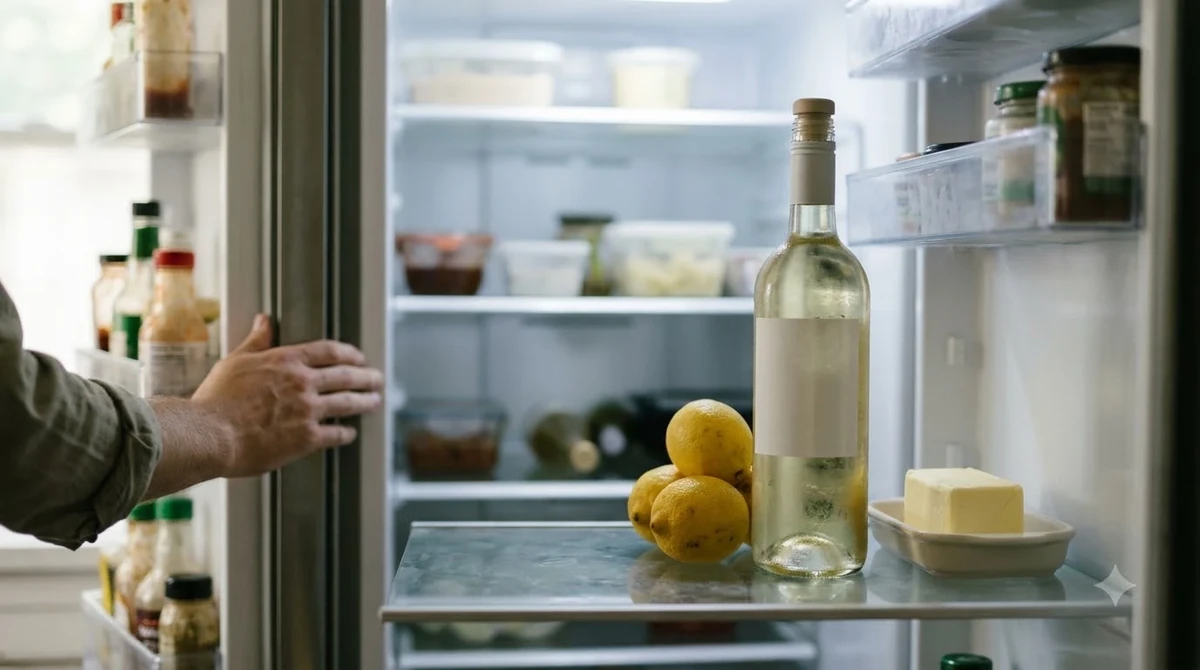
Serving Antão Vaz at the right temperature helps preserve its aromas while keeping its fuller body refreshing. A practical starting point is 45–50°F for a fresh or moderately full-bodied bottle, with slightly warmer service around 50–55°F for particularly rich examples.
Very cold temperatures can suppress the wine’s aromatic character. This is especially noticeable with bottles that have ripe tropical fruit aromas or extended lees aging. Conversely, serving the wine too warm can make its alcohol feel more prominent and reduce the refreshing impression.
For a standard 750 ml bottle, plan on approximately five glasses using a 5 oz pour. This serving size leaves enough room in a suitable white wine glass for aromas to develop. A medium-sized glass with a reasonably open bowl is a practical choice for Antão Vaz because it gives the wine room to release its fruit character.
Opening and serving
Most young Antão Vaz wines can be opened and served immediately. They do not generally require the extended decanting that some young, highly structured red wines benefit from. If a particularly concentrated bottle seems restrained when first opened, allowing it to sit in the glass for several minutes may reveal more of its aromatic character.
For a fuller or oak-aged example, avoid serving it directly from a very cold refrigerator. Letting the wine warm slightly in the glass can help reveal its texture and subtle aromas. A bottle that begins around 48°F can gradually open up as it reaches the temperature of the room.
Storage after opening
Once opened, reseal the bottle with its original closure or a suitable wine stopper and place it in the refrigerator. Most still white wines retain their best character for approximately three to five days when properly chilled and protected from excessive oxygen exposure.
For longer-term storage, keep unopened bottles away from direct sunlight, heat sources, and repeated temperature changes. A consistent environment near 55°F is a useful target. Bottles with natural cork closures are generally best stored on their sides to help keep the cork from drying out.
Does Antão Vaz improve with age?
The aging potential depends on the producer, vineyard conditions, vintage, acidity, alcohol, and winemaking technique. Many fresh, stainless-steel examples are designed for drinking relatively young, while more structured bottles may develop additional complexity with bottle maturation.
Oak-aged and carefully made lees-aged wines can offer greater texture and complexity than straightforward young releases. Their development may bring more integrated fruit, subtle nutty characteristics, and additional savory impressions. However, it is not accurate to assume that every Antão Vaz bottle will improve over many years.
For most drinkers, the best approach is to enjoy fresh, fruit-focused examples while their aromas remain expressive and reserve more structured wines according to the producer’s guidance. Storage conditions are particularly important if a bottle is intended to mature rather than be opened soon after purchase.
How Antão Vaz Compares With Other Portuguese White Grapes
Antão Vaz is easier to understand when compared with other native Portuguese white grapes. Its main distinction is its combination of full body, ripe fruit, and structural weight, while varieties such as Arinto and Airén provide useful contrasts in acidity, flavor, and regional identity.
Arinto is particularly important in Portuguese white winemaking because of its firm acidity and citrus-driven character. It can bring freshness to blends that contain riper grapes. When blended with Antão Vaz, it helps create a more balanced wine with both substantial texture and lively acidity.
Antão Vaz, by contrast, often emphasizes ripe tropical fruit and a fuller palate. A single-variety bottle can feel more generous and rounded than a typical crisp, high-acid Arinto. The two varieties are therefore complementary rather than interchangeable.
Airén provides another useful comparison. It is a white grape strongly associated with Spain, especially central Spanish wine-growing areas. Its typical wines are often relatively neutral and straightforward, whereas Antão Vaz is recognized for its aromatic tropical-fruit expression and stronger connection with the Alentejo.
Another useful point of comparison is the range of international white grapes. Chardonnay can be medium in acidity and vary considerably in body depending on its growing conditions and production methods. Antão Vaz shares some of Chardonnay’s ability to produce broad, textured wines, particularly when lees aging or oak maturation is involved.
Sauvignon Blanc and Riesling are generally associated with higher acidity and more pronounced freshness. Compared with those varieties, Antão Vaz usually offers a fuller, rounder profile rather than a sharply acidic one. It is therefore a useful choice for drinkers who enjoy aromatic whites but prefer more palate weight.
These differences can be summarized as follows:
- Antão Vaz: Full-bodied, tropical-fruit-driven, and structurally generous.
- Arinto: High acidity, citrus character, and a strong role in refreshing blends.
- Airén: Spanish white variety commonly associated with lighter, more neutral styles.
- Chardonnay: Medium acidity, adaptable texture, and considerable variation between unoaked and oak-aged examples.
- Sauvignon Blanc: High acidity, frequently showing citrus, herbs, and fresh green-fruit notes.
Readers interested in understanding the grape itself can explore the site’s Antao Vaz grape article for additional information about its growing characteristics and place in Portuguese viticulture. The comparison also demonstrates why grape variety matters: two wines can both be dry whites while offering very different levels of body, aroma, and freshness.
Ultimately, Antão Vaz occupies a distinctive position among Portugal’s white grapes. Its ability to produce both fresh, fruit-focused wines and more substantial, barrel-suited examples gives it considerable flexibility without losing its recognizable regional identity.
Frequently Asked Questions
Is Antão Vaz native to Portugal?
Yes. Antão Vaz is a Portuguese grape variety traditionally associated with the Alentejo, particularly Vidigueira. It is also recorded in Portugal’s grape-variety references as a distinct cultivated variety, rather than an imported international grape.
Is Antão Vaz related to other Portuguese grape varieties?
Antão Vaz is identified in grape-variety databases as a cross involving Cayetana Blanca and João Domingos. João Domingos is believed to be extinct in its native Portugal, making the variety’s genetic background particularly interesting to grape researchers.
Can Antão Vaz be used to make sparkling wine?
Antão Vaz is primarily recognized for still white wines, but the grape’s suitability for different production styles depends on the producer and applicable regional rules. For sparkling production, harvest maturity and acidity are particularly important because the base wine needs enough freshness to support its finished style.
What color are Antão Vaz grapes when fully ripe?
The berries generally have a yellow-green appearance that can develop into a more toasted yellow tone as they ripen. Their relatively firm pulp and tough skins are among the physical characteristics used to describe the variety in Portuguese grape references.
Is Antão Vaz permitted in Portuguese white Port?
Antão Vaz is identified among the Portuguese varieties that can be used in white Port production. This is a separate style from the dry Alentejo table whites for which the grape is best known, involving fortification and a different approach to fermentation and maturation.
Antão Vaz offers an accessible introduction to the character of Alentejo white wine, combining ripe tropical fruit, substantial body, and a distinctive Portuguese identity. Whether enjoyed as a fresh stainless-steel white or a more textured, oak-influenced example, it rewards attention to its harvest style and regional origins. Pair it with grilled seafood, roast chicken, or Mediterranean dishes to appreciate the balance between its generous fruit and refreshing finish.
More in Wine Types & Grapes
 What Does Mourvèdre Taste Like? Flavor Profile, Regions, and PairingsUpdated Nov 20, 2026
 What Does Marsanne Taste Like? Flavors, Styles, and Food PairingsUpdated Nov 20, 2026
 What Does Malvasia Taste Like? Styles, Flavors, and Food PairingsUpdated Nov 20, 2026
 What Does Grenache Blanc Taste Like? Flavor Profile, Styles, and PairingsUpdated Nov 20, 2026
 What Does Garnacha Taste Like? Key Flavors, Styles, and Pairing TipsUpdated Nov 20, 2026
 What Does Fruit Wine Taste Like? A Complete Flavor and Style BreakdownUpdated Nov 20, 2026