

We may earn a commission when you buy through links on this page, at no extra cost to you. Learn more.
The antao vaz grape is a Portuguese white wine variety best known for producing full-bodied, structured wines with ripe tropical fruit, citrus, and mineral flavors. It originates in the Alentejo region, particularly around Vidigueira, where it thrives in warm, sunny growing conditions. Depending on harvest timing and winemaking, Antão Vaz can produce fresh, lively whites or richer wines with substantial texture and potential for oak maturation.
Portugal has several distinctive native white grapes, but Antão Vaz stands out for its combination of body, fruit concentration, and adaptability to warm conditions. Its wines offer an appealing alternative to familiar international varieties, especially for drinkers who enjoy textured Chardonnay or expressive Mediterranean whites. Understanding where the grape grows, how winemakers handle it, and which foods complement its character makes choosing a bottle much easier.
What Is the Antão Vaz Grape?
Antão Vaz is a native Portuguese white wine grape associated primarily with the Alentejo, a large wine-producing region in southern Portugal. It is particularly important around Vidigueira, where it has a long-established reputation for producing substantial, aromatic white wines.
According to Wines of Portugal, Antão Vaz is one of the region’s most prized varieties. Its importance comes partly from its ability to ripen reliably in warm conditions and partly from the distinctive structure it brings to finished wines. Unlike lighter-bodied white grapes that emphasize delicate floral aromas and sharp acidity, Antão Vaz often produces wines with considerable weight and a rounded palate.
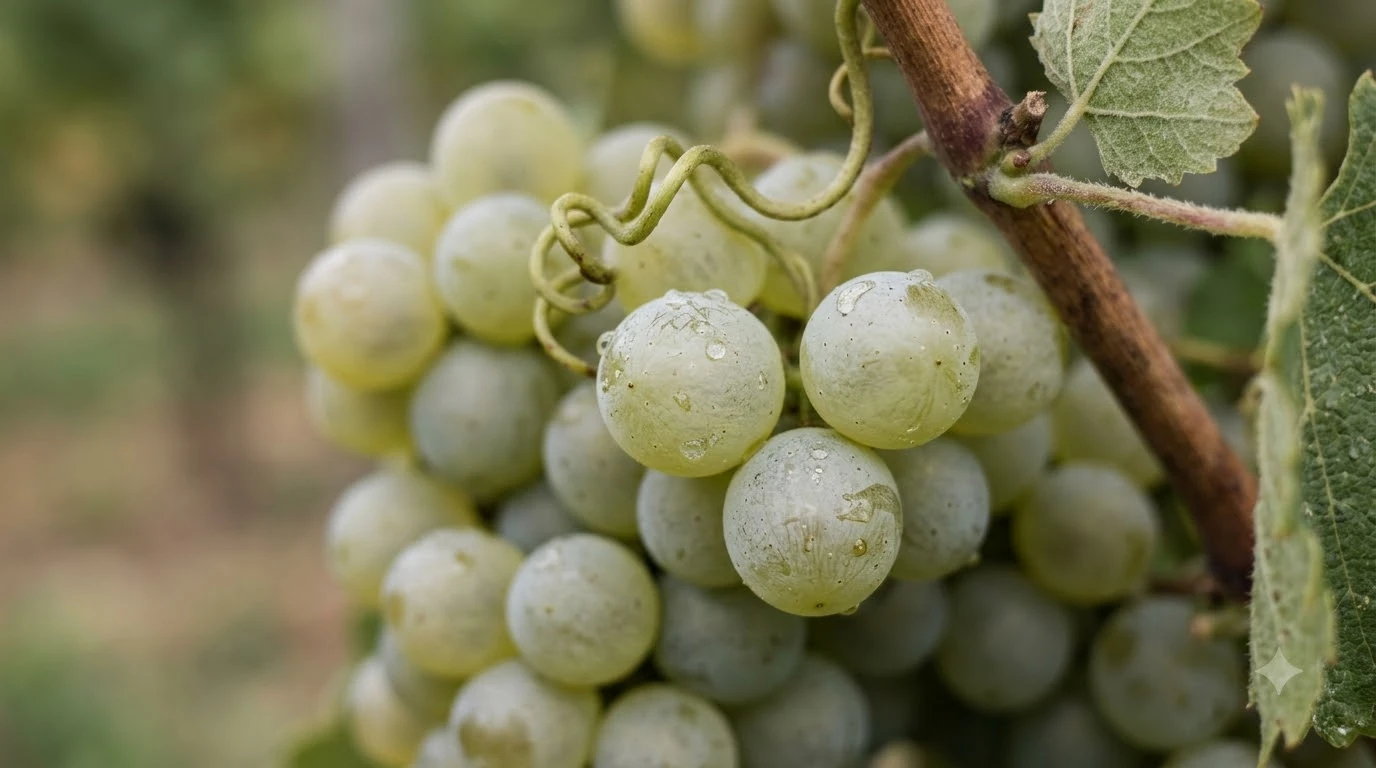
The grapes develop in relatively large bunches that are not tightly packed. Their berries are also relatively large and have tough skins, characteristics documented by Wines of Portugal. These features help explain the variety’s dependable performance in its traditional growing environment.
Antão Vaz is particularly interesting because its character changes with harvesting decisions. Picked earlier, the grapes can retain more freshness and produce wines with vibrant acidity. Allowed to ripen further, they accumulate more sugar, resulting in potentially higher alcohol levels and fuller-bodied wines.
For American wine drinkers, the easiest comparison is a ripe, medium-to-full-bodied Chardonnay, although Antão Vaz has its own tropical-fruit and citrus character. It is generally made as a dry white wine, rather than as a sweet dessert wine.
The grape is also useful in blends, where its body and fruit concentration can balance varieties that contribute greater aromatic intensity or acidity. This flexibility has helped establish its reputation as an important component of modern Alentejo white winemaking.
Where Antão Vaz Grows in Portugal
The Alentejo is the traditional home of Antão Vaz, with Vidigueira serving as its most recognized center. The region’s warm Mediterranean conditions encourage dependable ripening, while local differences in elevation, soil, and temperature influence the freshness and structure of individual wines.
The Alentejo occupies much of southern Portugal and is known for extensive agricultural plains, hot summers, and relatively dry growing conditions. These characteristics suit Antão Vaz, which is valued for its ability to perform consistently in a warm environment.
Vidigueira is especially important because its growing conditions can offer a useful balance between ripeness and freshness. According to the Paço dos Infantes producer presentation, the Serra do Mendro protects the Vidigueira subregion from cool Atlantic winds. This geographical barrier contributes to daily temperature differences that help grapes develop balanced ripeness.
The same producer identifies predominantly schist soils as an important part of its vineyard environment. Schist is a metamorphic rock that breaks into layers and can contribute to distinctive vineyard conditions, although soil alone does not determine a wine’s flavor.
Other parts of the Alentejo also produce Antão Vaz wines. The variety is associated with places including Évora and other southern Portuguese vineyard areas, although Vidigueira remains particularly closely connected to its identity.
Its success in the Alentejo reflects a practical relationship between grape and environment. A variety that struggles to ripen consistently in cooler conditions may perform very differently on the region’s sun-exposed plains. Antão Vaz’s dependable ripening and productive nature make it an important option for growers working in this climate.
When exploring Portuguese whites, it is useful to understand the distinction between the grape and the regional designation. A bottle labeled Alentejo identifies its regional origin, while Antão Vaz identifies the grape variety. A wine may use the grape exclusively or combine it with other permitted varieties.
For a broader introduction to the region’s wines, explore Wine by Type to understand how grape varieties, production methods, and wine styles fit together.
What Does Antão Vaz Wine Taste Like?
Antão Vaz typically produces dry white wines with ripe tropical-fruit flavors, citrus notes, noticeable body, and a structured palate. Depending on the harvest and winemaking approach, the wine can range from fresh and relatively crisp to rich, rounded, and creamy in texture.
Tropical fruit is one of the most recognizable characteristics. Common tasting descriptions include papaya, passion fruit, pineapple, and ripe peach. Citrus notes, particularly tangerine peel and orange zest, can add freshness and contrast to the fruit concentration.
Wines of Portugal specifically identifies ripe tropical fruit, tangerine peel, and mineral suggestions as characteristic aromas in single-varietal Antão Vaz. The exact balance depends on the producer, vineyard conditions, and ripeness at harvest.
Some examples also show green-fruit characteristics. Winemaker António Maçanita identifies green fruit as a defining aromatic feature and describes the grape as having high density and substantial body. This helps explain why Antão Vaz can feel fuller and more substantial than many familiar light-bodied Portuguese whites.
Texture is another important part of its identity. Antão Vaz frequently produces wines with a rounded, firm palate rather than a particularly thin or delicate structure. Lees ageing can add additional texture, while oak maturation can contribute further complexity.
Mineral impressions may appear alongside the fruit, particularly in examples from Vidigueira. These descriptions generally refer to sensations such as a stony or saline impression rather than a literal taste of soil or rock.
Although acidity varies, harvest timing plays an important role. Early-picked grapes can produce fresher wines, while later-picked fruit tends to generate greater ripeness, body, and alcohol. Blending with naturally fresher varieties can also help maintain balance.
Here is a practical overview of the characteristics commonly associated with the variety:
| Characteristic | Typical Antão Vaz Profile |
|---|---|
| Wine color | White |
| Sweetness | Usually dry |
| Body | Medium-full to full |
| Acidity | Medium, varying with ripeness and blending |
| Tannin | Very low |
| Alcohol | Often approximately 12–14% |
| Primary fruit | Tropical fruit, peach, citrus |
| Additional aromas | Green fruit, tangerine peel, mineral notes |
| Common region | Alentejo, especially Vidigueira |
| Typical serving temperature | 50–55°F for fuller-bodied examples |
These figures describe a general style rather than a universal specification. For example, Herdade Grande’s Antão Vaz Selected Harvest 2019 contained 13.1% alcohol, while the Paço dos Infantes Antão Vaz 2021 contained 12.5%. Both illustrate how different producers can make distinct expressions from the same grape.
The most useful approach is to consider the producer’s style alongside the grape name. A stainless-steel-fermented example may emphasize fresh fruit, while a barrel-matured version can offer a richer palate and more pronounced secondary aromas.
How Antão Vaz Is Made: Harvesting, Fermentation, and Oak
Winemaking decisions have a major influence on Antão Vaz because the grape naturally offers substantial body and can accumulate considerable ripeness in warm conditions. Harvest timing, fermentation temperature, lees contact, and oak maturation all help determine the finished wine’s balance and texture.
Harvest timing
Harvesting earlier is one way to preserve freshness. According to Wines of Portugal, early-picked Antão Vaz can retain crisp acidity and vibrant aromas. This approach is useful when producers want a refreshing white wine that emphasizes citrus and fruit rather than richness.
Later harvesting produces a different result. Greater grape maturity generally means higher sugar levels and potentially more alcohol after fermentation. The resulting wine can have a fuller palate, making it suitable for maturation in barrels.
Because Antão Vaz is a relatively late-ripening variety, growers must balance the desire for maturity against the risk of losing freshness. The ideal harvest date depends on the vineyard, growing season, and intended wine style.
Stainless-steel fermentation
Stainless steel is commonly used when the objective is to preserve clean fruit expression. Temperature control helps manage fermentation and retain the freshness of the grape’s aromatic profile.
The Malhadinha Nova Antão Vaz 2018 technical sheet documents fermentation at low temperatures in stainless-steel tanks. Its finished wine was described as dry, fresh, and fruity, with tropical fruit, orange peel, medium structure, and a long finish.
This style is especially appealing to drinkers who want the fruit character of Antão Vaz without substantial oak influence. It also works well as an introduction to the grape because its primary characteristics remain relatively easy to recognize.
Lees ageing and barrel maturation
Lees are the spent yeast cells that remain after fermentation. Leaving wine in contact with fine lees can add texture and complexity. Bâtonnage, the process of stirring the lees, can further influence the wine’s mouthfeel.
The Paço dos Infantes Antão Vaz 2021 provides a useful example. Its producer documents four months of fine-lees ageing with bâtonnage after fermentation in stainless steel. The resulting wine is described as balanced, fresh, and lightly mineral.
Herdade Grande provides another example of how producers approach the grape. Its Antão Vaz Selected Harvest 2019 underwent controlled-temperature stainless-steel fermentation followed by six months of fine-lees ageing with bâtonnage. Its current Antão Vaz wine description from Herdade Grande also illustrates the producer’s use of controlled fermentation and extended lees ageing.
Oak maturation offers another route. António Maçanita describes Antão Vaz as traditionally suitable for oak-matured wines because of its high structure and palate density. Oak can contribute additional texture and aromas associated with barrel ageing, depending on the type of barrel and duration of maturation.
Tip: If you are trying Antão Vaz for the first time, begin with a stainless-steel-fermented bottle to understand its natural fruit character. Then compare it with a lees-aged or oak-matured example to see how texture and winemaking influence the same grape.
These production choices explain why two bottles labeled Antão Vaz can taste noticeably different. One may emphasize fresh peach and citrus, while another can offer a richer texture, ripe tropical fruit, and more developed flavors.
Antão Vaz Blends and Single-Varietal Wines
Antão Vaz is made both as a single-varietal white wine and as part of blends, particularly with other Portuguese grapes. Single-varietal bottlings emphasize its body and fruit concentration, while blending can improve freshness and create a more balanced overall profile.
Two varieties frequently associated with Antão Vaz blends are Arinto and Roupeiro. Wines of Portugal specifically identifies both grapes as blending partners that contribute refreshing acidity.
Arinto is especially useful when a producer wants to increase the wine’s freshness. Its naturally high acidity can provide a sharper contrast to Antão Vaz’s ripe fruit and substantial body. The result can feel more energetic and refreshing without losing the central character of the main grape.
Roupeiro also plays an important role in Alentejo white blends. It can contribute aromatic qualities and additional freshness, helping create a more complex wine than either variety might produce alone.
Single-varietal Antão Vaz is a good choice for drinkers who want to understand the grape’s distinctive characteristics. These wines generally emphasize tropical fruit, citrus, body, and the structural qualities that make the variety important in the region.
Blends are useful for a different reason. They demonstrate how Portuguese producers use native grapes together to create balance. A wine with substantial Antão Vaz character and additional Arinto acidity may be particularly appealing to someone who enjoys fuller whites but does not want an overly heavy finish.
For comparison, the Antao Vaz wine category helps distinguish the grape from the finished bottles produced using it. Understanding this difference is useful because grape composition, fermentation, and maturation all influence the final style.
It is also helpful to compare Antão Vaz with other white grapes from the Iberian Peninsula. The Airen grape, for example, is another important Spanish white variety, but its traditional wine styles and growing conditions differ from those associated with Antão Vaz.
There is no single correct choice between blended and single-varietal wines. The better option depends on whether you prefer concentrated fruit and texture or a more refreshing balance between body and acidity.
Best Food Pairings and Serving Antão Vaz
Antão Vaz pairs particularly well with seafood, grilled fish, poultry, white meats, and moderately rich dishes. Its fuller body can handle more substantial food than many delicate white wines, while its fruit and acidity provide balance.
Seafood is a natural starting point. Grilled prawns, scallops, lobster, and firm white fish work well because their flavors complement the wine’s citrus and tropical-fruit character. The variety’s low tannin also makes it more suitable for fish than structured red wines.
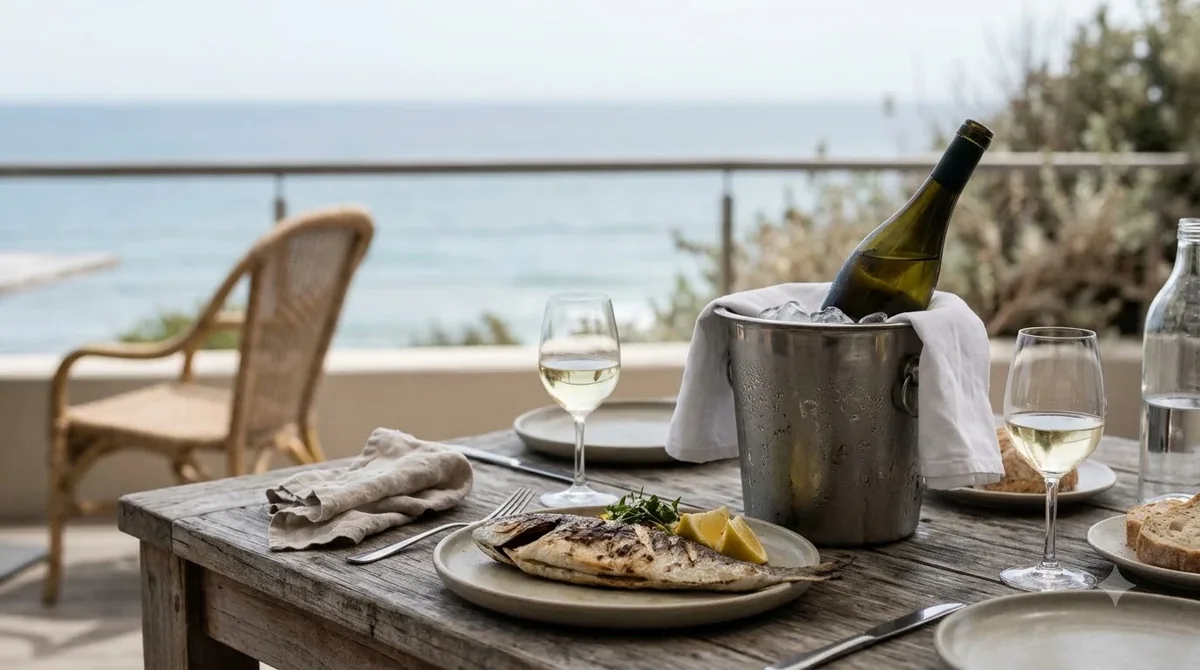
Grilled fish with olive oil, lemon, garlic, and herbs is an especially practical pairing. The wine’s body complements the richness of the oil, while citrus seasoning creates a natural connection with its tangerine and orange-peel notes.
For poultry, try roast chicken with herbs, grilled turkey, or chicken served with a light cream sauce. Antão Vaz has enough structure to accompany these dishes without overwhelming their flavors.
Its fruit concentration also works with dishes that have moderate seasoning. Mediterranean preparations involving olives, roasted vegetables, herbs, and grilled seafood are particularly suitable.
Asian-inspired food can work well too. The Paço dos Infantes producer specifically recommends its Antão Vaz 2021 with Asian food, seafood, fish, and white meats. Dishes with ginger, mild soy-based sauces, or aromatic herbs can complement its citrus and fruit characteristics.
However, very spicy dishes require more care. Chili heat can seem stronger alongside wines with substantial alcohol, so heavily spiced preparations are generally less suitable for fuller-bodied Antão Vaz than moderately seasoned dishes.
Serving temperature
Serving temperature makes a noticeable difference to the wine’s balance. Fuller-bodied white wines generally benefit from temperatures around 50–55°F, while lighter, fresher white wines are better served around 45–50°F.
Herdade Grande recommends serving its Antão Vaz Selected Harvest 2019 at 8–10°C, approximately 46–50°F. This cooler range can work particularly well for a fruit-forward example, while a richer, fuller-bodied bottle may show more of its texture with slightly less chilling.
A practical approach is to chill the bottle in the refrigerator and allow it to warm slightly in the glass. Extremely cold temperatures can suppress aromatic detail, making tropical fruit and citrus characteristics less apparent.
Glassware and pouring
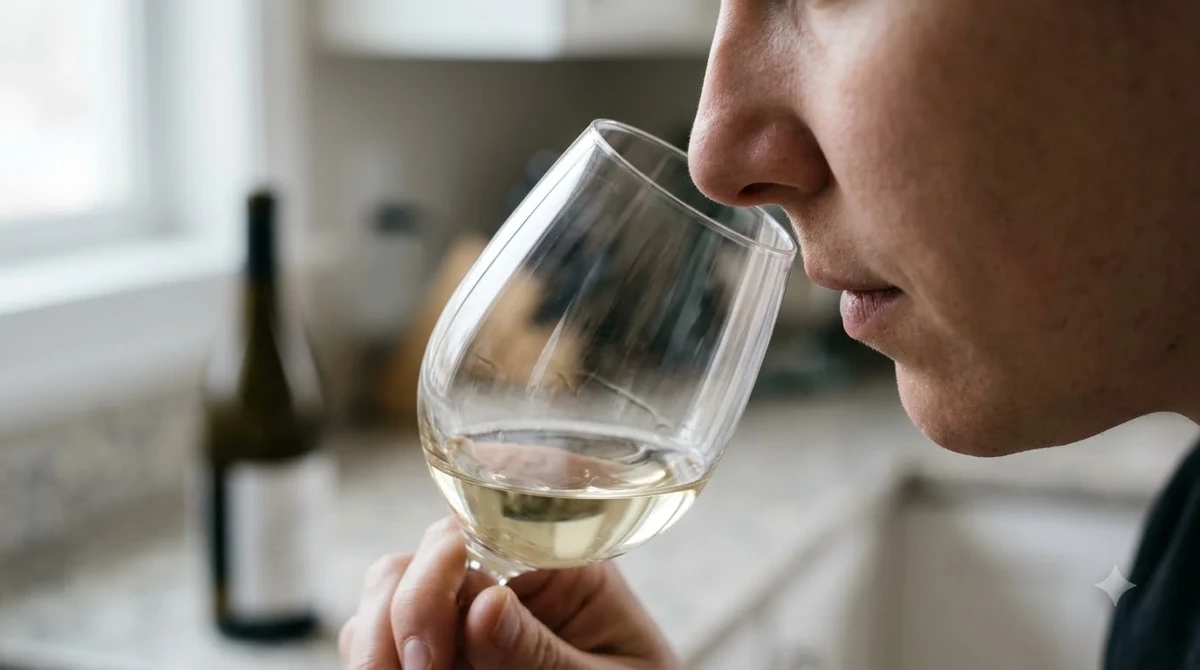
A standard white wine glass with a moderately wide bowl is suitable. It provides enough space for aromas to develop without requiring specialized glassware.
Pour approximately 5 ounces per serving. A standard 750 ml bottle provides about five such glasses, making it a convenient choice for a small dinner gathering.
Antão Vaz generally does not require decanting. Opening the bottle shortly before serving and allowing it to develop in the glass is usually sufficient.
For storage, keep unopened bottles on their sides in a cool, dark location near 55°F if they use natural cork closures. After opening, refrigerate the wine and aim to finish it within three to five days for the best preservation of its fruit and freshness.
For more pairing ideas and comparisons with other wine styles, the Brachetto grape offers an interesting contrast because it is associated with aromatic, often gently sparkling and sweeter wine styles rather than Antão Vaz’s typical dry, structured whites.
Frequently Asked Questions
How do you pronounce Antão Vaz?
The Portuguese name is commonly approximated in English as ahn-TOWN VAHSH. The nasal sound in Antão is characteristic of Portuguese pronunciation, so English speakers may not reproduce it exactly. You may also encounter the simplified spelling Antao Vaz on websites and wine labels that omit Portuguese diacritical marks.
Is Antão Vaz a native Portuguese grape?
Yes. Antão Vaz is recognized as a Portuguese white grape variety associated particularly with the Alentejo. Its historical concentration around Vidigueira has helped establish its identity as one of southern Portugal’s important indigenous white varieties.
Does Antão Vaz wine have much residual sugar?
Most examples are made as dry white wines. For a documented example, Paço dos Infantes Antão Vaz 2021 lists residual sugar of 0.5 g/L. Individual bottlings can differ, so sweetness should be assessed from the specific wine rather than assumed from the grape name alone.
Can Antão Vaz be used to make sparkling wine?
Antão Vaz is best known for still white wines, but grape varieties are not inherently restricted to a single production style. Sparkling wine production depends on the producer’s choices, fermentation methods, and regional regulations. Its established reputation, however, is primarily based on still wines from the Alentejo.
How many bottles of Antão Vaz wine are produced?
Production varies considerably by producer and individual bottling. For example, the documented Malhadinha Nova Antão Vaz 2018 technical sheet records production of 7,000 bottles, while Herdade Grande’s Selected Harvest 2019 records 10,000 bottles. These figures refer to specific wines rather than total production of the grape variety.
Antão Vaz is one of Portugal’s most distinctive white grapes, combining ripe fruit, substantial body, and the ability to produce several different wine styles. Whether you choose a fresh stainless-steel-fermented example or a richer lees-aged or oak-matured bottle, it offers an excellent introduction to the white wines of the Alentejo. Pair it with seafood, grilled fish, or poultry, serve it appropriately chilled, and look for Vidigueira producers to explore its traditional expression.
More in Wine Types & Grapes
 What Does Mourvèdre Taste Like? Flavor Profile, Regions, and PairingsUpdated Nov 20, 2026
 What Does Marsanne Taste Like? Flavors, Styles, and Food PairingsUpdated Nov 20, 2026
 What Does Malvasia Taste Like? Styles, Flavors, and Food PairingsUpdated Nov 20, 2026
 What Does Grenache Blanc Taste Like? Flavor Profile, Styles, and PairingsUpdated Nov 20, 2026
 What Does Garnacha Taste Like? Key Flavors, Styles, and Pairing TipsUpdated Nov 20, 2026
 What Does Fruit Wine Taste Like? A Complete Flavor and Style BreakdownUpdated Nov 20, 2026