

We may earn a commission when you buy through links on this page, at no extra cost to you. Learn more.
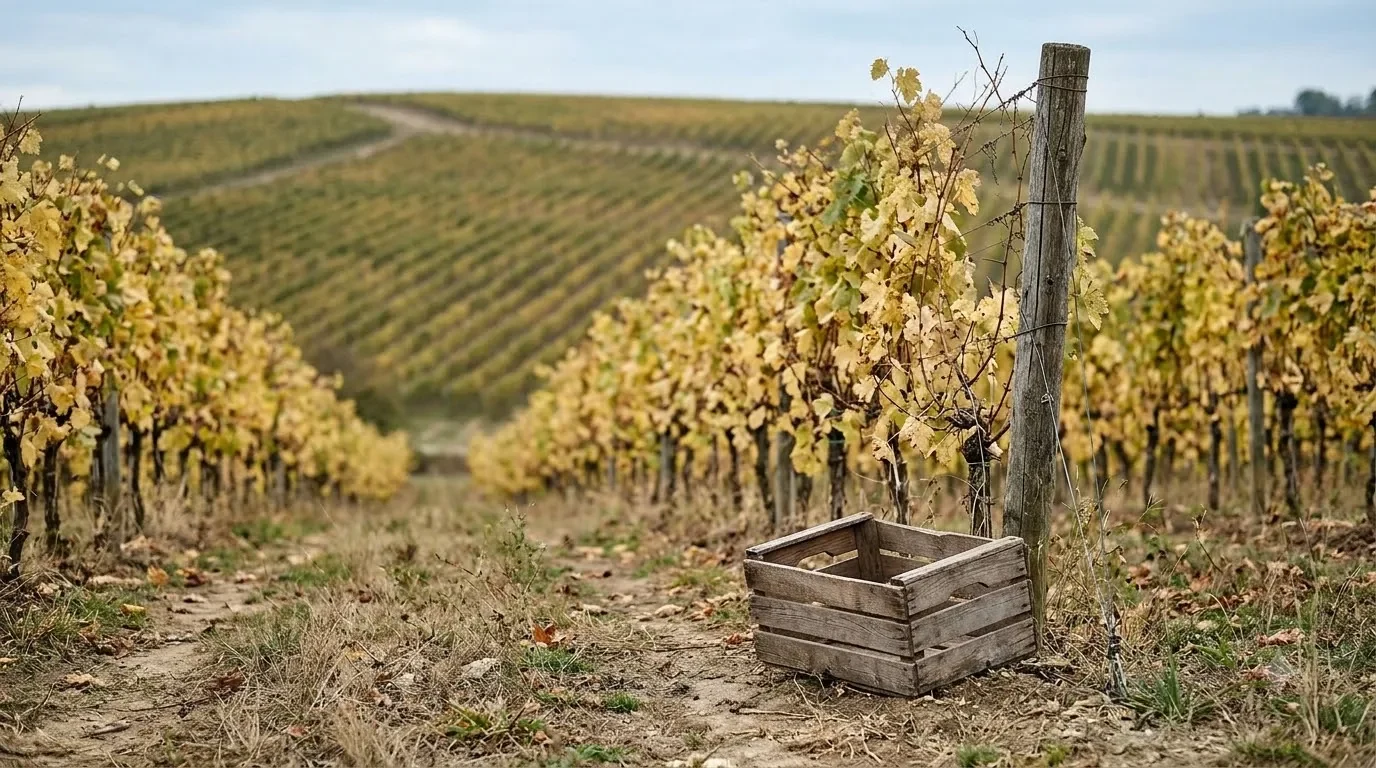
Yadkin Valley vineyards are the grape-growing lands of northwestern North Carolina, an American Viticultural Area that became the state’s first AVA in December 2002. The area covers about 1.4 million acres across seven counties along the Yadkin River, and its vineyards grow a mix of European vinifera, hybrids and the native muscadine grape. Knowing where the vineyards sit, how the climate works and which varieties thrive helps explain why the region’s wines taste the way they do.
This guide covers the geography, history, growing conditions and grape varieties behind the Yadkin Valley’s vineyards, along with the sub-AVA that most visitors start with.
Where the Yadkin Valley Vineyards Sit
The Yadkin Valley AVA spans seven counties in northwestern North Carolina. It includes all of Wilkes, Surry and Yadkin counties and parts of Davie, Davidson, Forsyth and Stokes. The AVA’s total area is 1,416,600 acres, or about 2,213 square miles, which is large for a wine region. Most of that land is not planted with vines, so the vineyards form a patchwork within a much wider rural landscape.
The region takes its name from the Yadkin River, which runs through the area and shapes the rolling land that vineyards occupy. Hillsides and river valleys give growers a variety of sites, and each site can have a different exposure to sun and air flow.
A Short History of the Vineyards
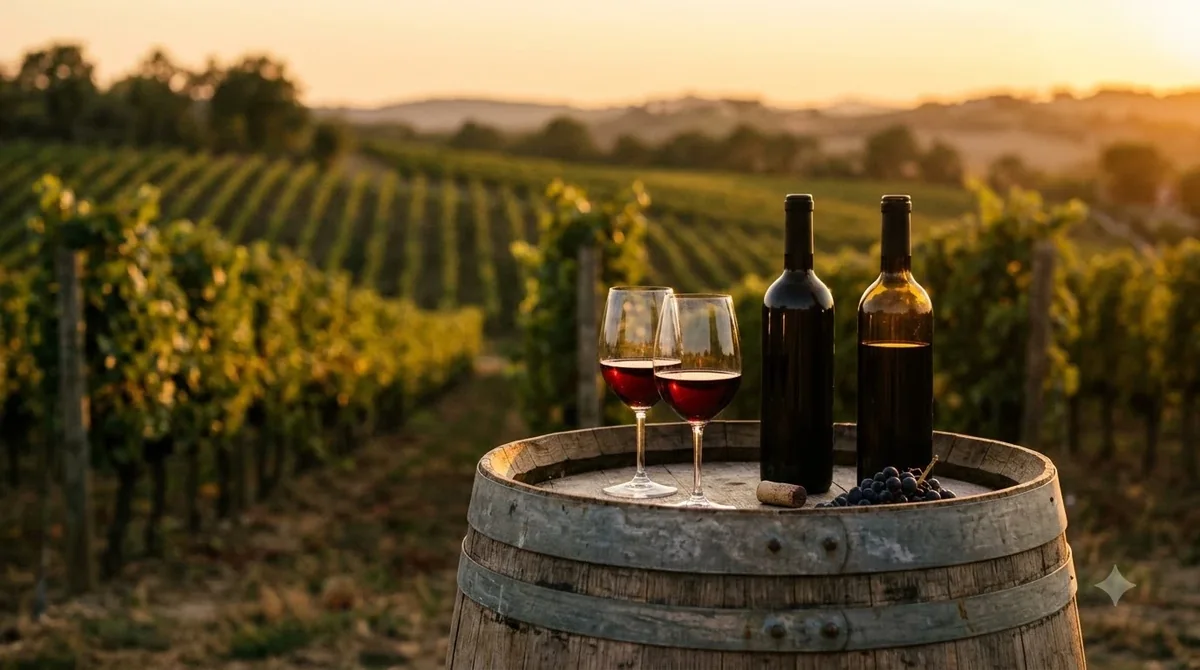
Grapes have been part of life in the Yadkin Valley for a long time. Indigenous people settled the area around 500 B.C., and Moravian settlers arrived in the 1750s. Before Prohibition, the region’s commercial wine industry centered on native muscadine vines, including the scuppernong variety. After Prohibition, tobacco became the dominant crop, and the local wine trade declined for decades.
The modern wine industry began to take shape in 1972, when Westbend Vineyards started a modern planting of European vinifera. Shelton Vineyards led the petition that won the area AVA status in 2002. The timeline below shows the main steps.
| Period | What happened |
|---|---|
| Around 500 B.C. | Indigenous settlement begins in the area |
| 1750s | Moravians settle the area |
| Before Prohibition | Commercial wine centers on native muscadine vines |
| After Prohibition | Tobacco becomes dominant and the wine trade declines |
| 1972 | Westbend Vineyards begins a modern vinifera planting |
| December 9, 2002 | Yadkin Valley becomes North Carolina’s first AVA |
Climate, Soil and Growing Conditions
The Yadkin Valley falls in Climatic Region IV, with 3,743 growing degree-days and a growing season of 176 days. Average annual precipitation is about 46 inches, a level that brings humidity and rain pressure in the growing season. Growers manage that moisture with canopy work and site selection, and the choice of grape variety matters for the same reason.
The soils are mainly clayey or fine-loamy, formed from weathered metamorphic and granitic rock. Clay soils hold water and nutrients differently from the sandy or gravelly soils found in many classic wine regions, so the vines and the wine reflect a different set of conditions.
Because the region is humid and wet compared with drier wine areas, the way a vineyard is planted and trained matters a great deal. Sites with good air movement and slopes that shed water tend to suit grapes that are prone to disease. Those practical choices explain why growers often match a variety to a specific block rather than planting one grape across a whole farm.
Grape Varieties Grown in the Yadkin Valley
Muscadine is the region’s historic grape, and scuppernong is its best-known variety. Muscadines are native to the southeastern United States and produce a sweet, musky style of wine that remains part of the local tradition.
European vinifera is the main focus of the modern vineyards. Growers plant Cabernet Sauvignon, Merlot, Chardonnay, Pinot Noir, Riesling, Syrah, Viognier, Sangiovese and Nebbiolo, among others. Hybrids such as Vidal Blanc, Traminette and Norton are also widely grown, since many hybrids handle the region’s humid summers and cold winters more easily than some vinifera varieties.
Tip: When you taste in the Yadkin Valley, compare a vinifera wine with a hybrid from the same winery. The contrast shows how much the grape variety, rather than the site alone, shapes the flavor.
Swan Creek: The Valley’s Sub-AVA
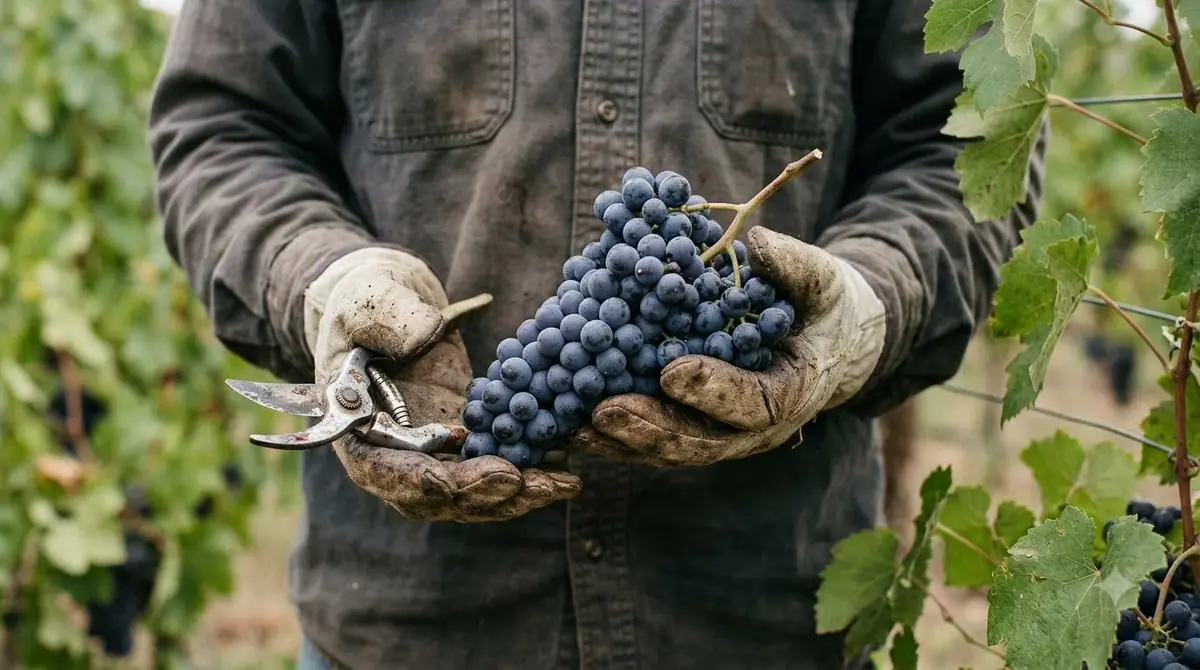
Swan Creek was designated a sub-AVA in 2008, and it is often the first place visitors head when they explore the valley. The NC Wine trail for Swan Creek lists five wineries in the Hamptonville and Jonesville area, and the trail page calls Swan Creek North Carolina’s first and premier designated AVA.
Several wineries on the trail offer distinct experiences. Dobbins Creek Vineyards is a woman-owned and operated vineyard established about twenty years ago and known for its red wines. Laurel Gray was established in 2000 and sells its estate French wines only at its tasting room. Shadow Springs does not require reservations, and its wines range from dry to sweet. Windsor Run Cellars offers tours and tastings that show how grapes become wine and spirits, and its estate reds, whites, meads and fortified wines give visitors a broad range to try.
The trail’s wineries page on NC Wine gives the full list, which makes it a good starting point before you plan the drive.
Planning a Visit to the Yadkin Valley
The Yadkin Valley is a Triad destination, which means it is marketed to visitors who come in from the region’s larger cities. Visitors often plan a weekend that combines several wineries with local art, small towns and farm-to-table dining. The state tourism guide describes the area as a place where creativity and countryside charm go hand in hand, and that spirit shows up in many tasting rooms.
The wine scene keeps growing. The regional count of wineries rose from 14 in 2005 to 38 in 2013, and reference material describes nearly 50 as of 2024. Across North Carolina, the state tourism site lists more than 250 wineries and vineyards, so the Yadkin Valley is one part of a larger and expanding wine state. Check each winery’s hours and whether it takes reservations before you travel, since small producers often set their own schedules.
Plan a designated driver or a ride service for the day. Spacing out tastings and pairing them with a meal helps the day stay relaxed. Many visitors pick two or three wineries on the Swan Creek trail, then add one or two in the wider valley for variety. Because the Swan Creek wineries are clustered in one area, the trail suits a relaxed route with shorter drives between stops, which leaves more time for each tasting and each conversation with the winemaker.
Frequently Asked Questions
When did the Yadkin Valley become an AVA?
The Yadkin Valley was established as an American Viticultural Area on December 9, 2002. It was North Carolina’s first AVA and the nation’s 147th.
What grapes grow in the Yadkin Valley?
Growers plant European vinifera such as Cabernet Sauvignon, Merlot, Chardonnay, Pinot Noir and Riesling, along with hybrids like Vidal Blanc, Traminette and Norton. Muscadine, especially scuppernong, is the region’s historic native grape.
What is Swan Creek?
Swan Creek is a sub-AVA within the Yadkin Valley, designated in 2008. Its wine trail includes five wineries in the Hamptonville and Jonesville area.
Is the Yadkin Valley good for a day trip?
Yes, a day trip works well if you focus on the Swan Creek trail or one sub-region. Plan three or four stops with a meal in between, and check each winery’s hours and reservation rules first.
For more on how grape-growing regions compare across the United States, read the Wine Regions guide. If you want to compare a Yadkin Valley wine with a similar eastern growing area, the Shenandoah Valley vineyards guide offers a useful point of comparison.
More in Wine Regions
 Willcox Wine Trail: Discover Arizona’s High-Elevation Wine CountryUpdated Nov 20, 2026
 Yakima Valley Wine Region: Find the Best Styles to TryUpdated Nov 20, 2026
 Vosne Romanee Wine Tasting: Identify Aromas and Choose Better PairingsUpdated Nov 20, 2026
 Yakima Valley Wine Festival: Find the Best Seasonal Wine EventsUpdated Nov 20, 2026
 Wales Vineyards: Discover Cool-Climate Wines and Where to VisitUpdated Nov 20, 2026
 Yountville Wine Festival: Discover Napa Wines and Local FoodUpdated Nov 20, 2026