

We may earn a commission when you buy through links on this page, at no extra cost to you. Learn more.
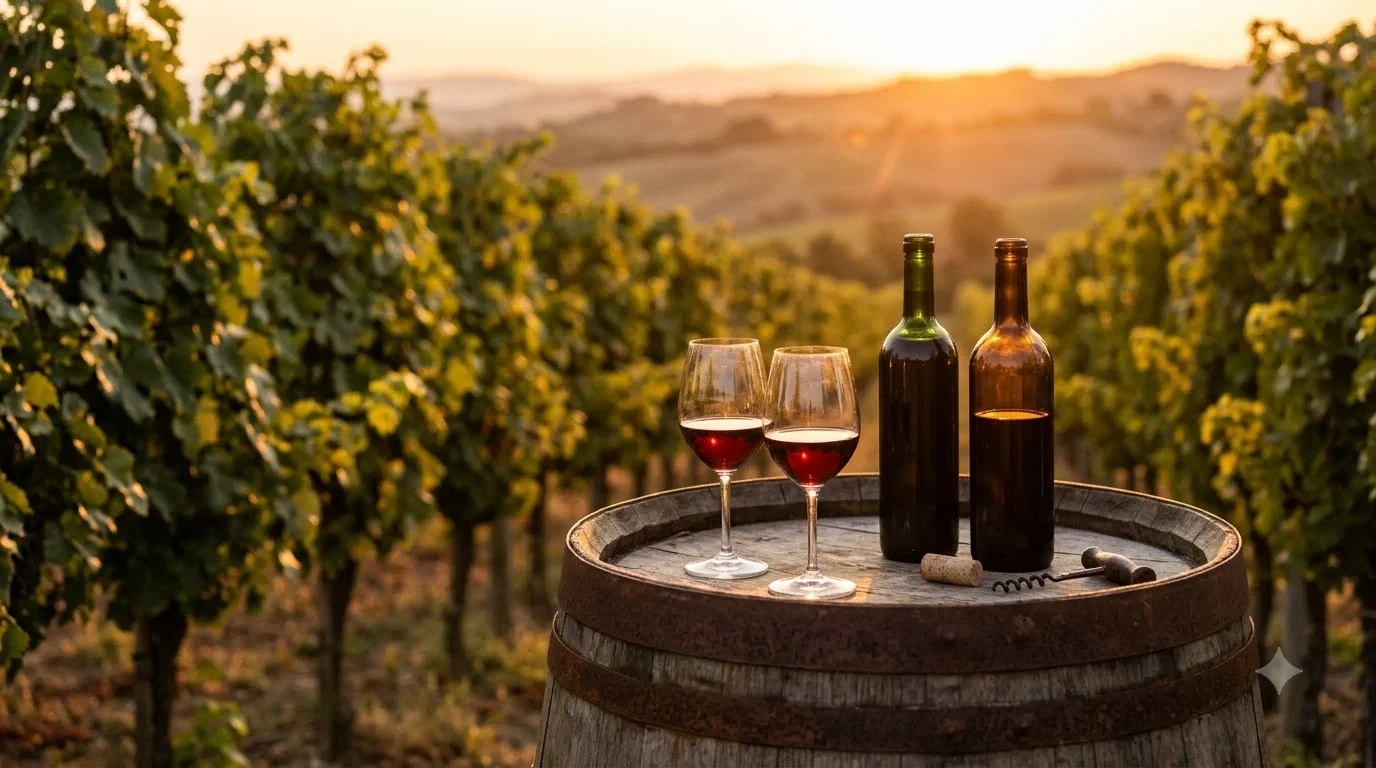
Wales wine is a growing category of cool-climate British wine, featuring crisp white wines, distinctive reds, rosés, and increasingly accomplished sparkling wines. More than 20 grape varieties grow in Welsh vineyards, including Solaris, Seyval Blanc, Rondo, Chardonnay, and Pinot Noir. The country’s maritime climate, varied vineyard sites, and relatively small producers give its wines considerable stylistic diversity. Welsh Wine PDO and Welsh Regional Wine PGI designations also provide geographical and quality standards for qualifying bottles.
Wales may not have the international reputation of Champagne, Burgundy, or Tuscany, but its wine industry has developed a recognizable identity. Growers work with cool-climate grape varieties, carefully selected slopes, and different winemaking approaches to produce wines suited to local conditions. For American wine drinkers, Welsh bottles offer an opportunity to explore a lesser-known European wine region with a strong focus on freshness, aromatic character, and traditional-method sparkling production.
What Makes Welsh Wine Distinctive?
Welsh wine stands out for its cool-climate freshness, aromatic whites, and growing range of sparkling styles. Its maritime conditions and northern latitude encourage wines with noticeable acidity rather than the concentrated ripeness associated with warmer wine regions.

Wales is part of the United Kingdom, but its wine-growing identity is shaped by a distinctive combination of geography and weather. Vineyards are spread across different parts of the country, with an important concentration in southeastern Wales. Monmouthshire, in particular, has become an important center for commercial wine production. Other growing areas include the Vale of Glamorgan, Carmarthenshire, Pembrokeshire, and parts of mid-Wales.
According to Business Wales, Welsh vineyards are situated above 49.9 degrees north latitude. This northern position provides long daylight hours during the growing season, even though temperatures remain relatively moderate. The result can be aromatic fruit development alongside the natural acidity that gives many Welsh wines their refreshing character.
The industry is also relatively small and varied. Wine Enthusiast reports approximately 60 Welsh vineyards, many of which occupy fewer than two hectares. Smaller operations can concentrate on individual vineyard sites, experimental grape varieties, and distinctive winemaking methods rather than producing enormous volumes of a standardized wine style.
There is no single flavor profile that describes every bottle. A Solaris white from a sheltered southeastern vineyard may have a very different personality from a Pinot Noir grown in a cooler western location. Traditional-method sparkling wines also offer a different expression of the country’s cool climate, emphasizing acidity, citrus, and fine bubbles.
For American consumers, the best starting point is to approach Welsh wine as a regional category rather than expecting every producer to make the same style. Exploring several grape varieties and producers provides a clearer understanding of the country’s potential.
Climate, Geography, and Vineyard Conditions
Wales has a maritime climate characterized by relatively cool conditions, rainfall, and significant local variation. Sheltered slopes, good drainage, and exposure to sunlight are particularly important when growers select vineyard sites.
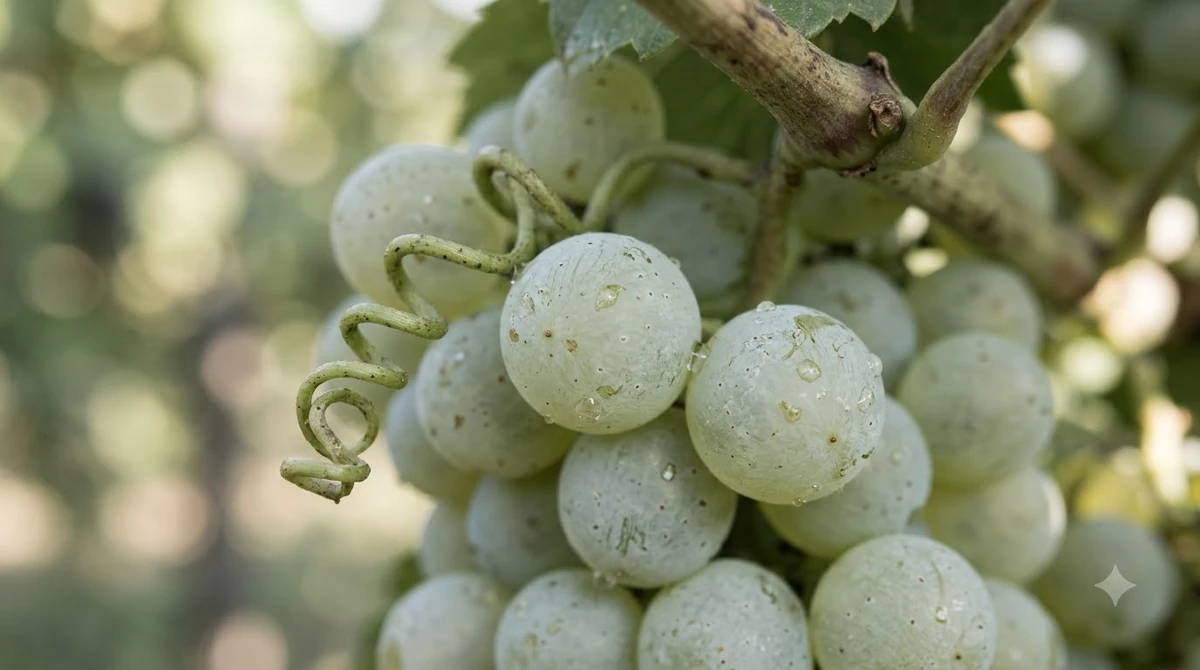
The Atlantic Ocean influences much of the country’s weather. Moisture, wind, and changing temperatures can create challenging growing conditions, particularly during spring and harvest. A vineyard’s position relative to hills and mountains can make a considerable difference to the amount of protection it receives.
The Brecon Beacons, Cambrian Mountains, and Snowdonia are important geographical features. These ranges influence wind and rainfall patterns, creating sheltered pockets in some locations. In southeastern Wales, the landscape around Monmouthshire includes slopes and valleys that can provide useful protection and sunlight exposure.
However, Wales is not uniformly suitable for grape growing. A property in one county may have a promising south-facing slope, while another nearby property may be too exposed or damp for reliable commercial production. Vineyard owners must assess drainage, frost exposure, sunlight, soil, and wind rather than relying on a broad regional description.
Rainfall presents another challenge. Wet weather can increase disease pressure in vineyards, making canopy management and careful monitoring essential. Growers must also pay attention to the timing of flowering, fruit development, and harvest. A difficult summer can affect both the quantity and ripeness of the grapes.
Vintage variation is therefore an important consideration. A warm, sunny growing season can produce riper fruit and more generous flavors, while a cooler or wetter season may emphasize acidity and lighter fruit expression. This variation is part of the character of Welsh wine, and it explains why producers may adjust their vineyard practices and wine styles between harvests.
For anyone researching the region, the Wine Regions resource offers a useful broader perspective on how geography and climate influence wine styles around the world. Wales is a particularly interesting example of how local vineyard conditions can matter as much as the name of a country.
The Main Grape Varieties Grown in Wales
Welsh vineyards grow both traditional European wine grapes and hybrid varieties selected for their ability to ripen in cooler conditions. Solaris, Seyval Blanc, Rondo, Regent, Chardonnay, and Pinot Noir are among the most useful names to recognize.
Hybrid varieties are particularly important because they can offer growers greater adaptability in a challenging climate. Some ripen relatively early, while others have characteristics that help them cope with the conditions found in northern European vineyards.
White grapes
Solaris is one of the most interesting white varieties associated with Welsh wine. Developed in Germany, it is an early-ripening hybrid that can produce aromatic wines with citrus, orchard fruit, tropical fruit, and floral notes. Its natural freshness makes it suitable for dry, approachable whites.
Seyval Blanc is another important variety. It can produce dry wines with green apple, lemon, and delicate floral flavors. Its naturally refreshing character also makes it useful for sparkling wine production. Producers such as Velfrey Vineyard and White Castle have used Seyval Blanc for sparkling wines.
Chardonnay is a familiar international variety that can perform well at suitable Welsh sites. Cooler growing conditions can preserve acidity and produce wines with apple, citrus, and subtle mineral characteristics. Depending on winemaking, Chardonnay may also develop creamier textures or flavors from lees aging.
Albariño is another notable grape. Originally associated with northwestern Spain, it is known for citrus, stone fruit, and lively acidity. Its presence in Welsh vineyards illustrates the willingness of producers to explore varieties suited to maritime conditions.
Red grapes
Pinot Noir is an important variety for producers aiming to make elegant, lighter-bodied reds and traditional-method sparkling wines. Welsh examples can emphasize red cherry, raspberry, earthy notes, and fresh acidity.
Rondo is a hybrid red grape valued for its suitability to cooler growing conditions. It can produce wines with dark berry flavors, noticeable color, and a more substantial appearance than some lighter red varieties.
Regent is another useful red grape. It can produce wines with dark fruit, spice, and moderate structure. Its adaptability makes it interesting for growers who want to produce still red wines in a region where full ripeness can be difficult in some years.
Pinot Noir Précoce, an early-ripening relative of Pinot Noir, is also worth recognizing. Its earlier ripening can be an advantage in a cool climate with a relatively short window for harvesting ripe red grapes.
| Grape variety | Color | Typical wine character | Common use |
|---|---|---|---|
| Solaris | White | Citrus, tropical fruit, floral notes | Still white |
| Seyval Blanc | White | Lemon, green apple, fresh acidity | Still and sparkling |
| Chardonnay | White | Apple, citrus, possible creamy notes | Still and sparkling |
| Albariño | White | Citrus, stone fruit, lively freshness | Still white |
| Pinot Noir | Red | Red cherry, raspberry, earthy notes | Still and sparkling |
| Rondo | Red | Dark berries, color, moderate structure | Still red |
| Regent | Red | Dark fruit, spice, moderate tannin | Still red |
| Pinot Noir Précoce | Red | Red fruit, fresh acidity | Still and sparkling |
The table describes general grape characteristics rather than guaranteed tasting notes for every Welsh producer. Harvest conditions, fermentation, oak use, and aging can substantially change the finished wine.
Welsh Wine Styles: White, Red, Rosé, and Sparkling
Welsh wine includes a wider range of styles than many newcomers expect. Crisp still whites and traditional-method sparkling wines are particularly useful starting points, but producers also make rosé, red, pét-nat, and experimental wines.
Still white wines
White wine is an accessible introduction to the region. Solaris and Seyval Blanc are especially interesting for drinkers who enjoy fresh, aromatic wines with citrus and orchard-fruit flavors. Depending on the grape and harvest, these wines can also show tropical fruit, floral aromas, and herbal details.
Solaris is particularly versatile. It can produce a straightforward dry white for casual drinking or a more complex wine with additional texture from fermentation and aging choices. Its aromatic character makes it a good match for seafood, salads, and lighter dishes.
Chardonnay provides another point of comparison. A cool-climate Welsh Chardonnay may have a different balance from a richer, warmer-climate example from California or Australia. Expect fresh acidity and fruit flavors, although barrel fermentation or aging may contribute additional texture and subtle spice.
Red wines
Welsh red wine is worth exploring, particularly when made from Pinot Noir, Regent, and Rondo. These varieties provide different approaches to red-wine structure and fruit expression.
Pinot Noir generally offers the lighter-bodied end of the spectrum. Its relatively delicate tannins and bright acidity make it useful with poultry, mushrooms, roasted vegetables, and salmon served without a strongly oily preparation.
Rondo and Regent can produce darker and more structured wines. Their fruit profiles may include blackberry, plum, and other dark berry notes, with varying levels of tannin and spice. These wines can accompany roasted meats, sausages, and dishes featuring herbs or mushrooms.
Rosé wines
Welsh rosé offers another refreshing option. Depending on the grape variety and production method, the wines can show strawberry, raspberry, red currant, and citrus notes. Some are designed for immediate drinking, while others have a more structured style suitable for food.
Pinot Noir and other red varieties can provide attractive rosé fruit and color. A dry Welsh rosé works well with grilled chicken, seafood, vegetable dishes, and summer salads.
Sparkling wines
Sparkling wine is one of the most compelling categories to investigate. Wales’s cool climate helps preserve the natural acidity required for balanced sparkling base wines. Chardonnay, Pinot Noir, Pinot Meunier, Pinot Noir Précoce, and Seyval Blanc are relevant varieties in this category.
Some Welsh producers use the traditional method, in which the second fermentation takes place inside the bottle. This creates the carbon dioxide responsible for the bubbles and can produce additional aromas associated with aging on the yeast lees.
Producers including Ancre Hill Estates, White Castle, and Velfrey have attracted attention for their sparkling wines. Styles range from citrus-driven Seyval Blanc bottlings to more complex Chardonnay and Pinot Noir expressions.
Other producers experiment with pét-nat, or pétillant naturel, which is made by bottling wine before its initial fermentation has finished. Col Fondo is another sparkling approach that can retain yeast sediment in the bottle. These methods produce different textures and flavor profiles from traditional-method sparkling wine.
Welsh Wine PDO and PGI: Understanding the Labels
Welsh Wine PDO and Welsh Regional Wine PGI are geographical designations that identify qualifying wines associated with Welsh grape production. They are useful indicators of origin and production standards, although they do not mean that every bottle tastes the same or that every wine from Wales carries one of these designations.
PDO stands for Protected Designation of Origin. For Welsh Wine PDO, the protected name is Welsh and the geographical area is Wales. The specification sets conditions covering grape origin, permitted production practices, analytical characteristics, and sensory assessment.
PGI stands for Protected Geographical Indication. Welsh Regional Wine PGI is another protected geographical designation. The two designations have different product specifications, so consumers should not assume that a PDO and PGI bottle must follow identical production requirements.
One particularly interesting distinction concerns sparkling wine. The Welsh Quality Sparkling Wine PDO specification requires the traditional method, meaning that the second alcoholic fermentation must happen in the bottle. It also requires at least nine months of aging on yeast lees before disgorgement.
That requirement places a defined production standard behind qualifying sparkling bottles. It is different from the tank method used for many Prosecco wines, where the second fermentation typically occurs in a pressurized tank rather than individual bottles.
The specifications also include measurable production standards. For example, the Welsh Quality Sparkling Wine PDO requires a minimum pressure of 3.5 bar at 20°C. Its permitted grape varieties include Chardonnay, Pinot Noir, Pinot Noir Précoce, Pinot Meunier, Pinot Blanc, and Pinot Gris.
Still-wine PDO production also has its own controls. The specification includes a maximum vineyard yield of 80 hectoliters per hectare, independent post-bottling analytical testing, and a sensory assessment. These requirements help establish consistency in the use of the protected name.
For more information, consult the Welsh Wine PDO and PGI information from Business Wales. It explains the geographical identity and assessment process behind the protected designations.
Tip: When comparing Welsh bottles, distinguish between the wine’s geographical origin and its production method. A Welsh-origin still wine, a traditional-method sparkling wine, and a pét-nat can all be interesting choices, but they offer different styles and may carry different geographical designations.
Notable Welsh Vineyards and Producers
Several Welsh producers have helped establish the country’s reputation through distinctive wines, vineyard experimentation, and attention to site selection. Ancre Hill Estates, White Castle Vineyard, Velfrey Vineyard, and Gwinllan Hebron are useful names for anyone beginning to explore the region.
Ancre Hill Estates
Ancre Hill Estates is located near Monmouth in Monmouthshire, in southeastern Wales. The estate has become particularly associated with organic and biodynamic vineyard management and low-intervention winemaking.
Richard and Joy Morris planted their first 500 Chardonnay and Albariño vines in 2006. The estate subsequently expanded considerably, reaching approximately 30,000 vines by 2014 and adding further varieties, including Pinot Noir.
Ancre Hill is notable for its still wines, orange wines, and sparkling bottlings. Its traditional-method wines include Chardonnay blanc de blancs and Pinot Noir blanc de noirs. These styles provide a useful way to explore the influence of grape variety and lees aging on Welsh sparkling wine.
White Castle Vineyard
White Castle Vineyard is situated near Abergavenny in Monmouthshire. Robb and Nicola Merchant established the vineyard, which has become an important producer in the development of the Welsh wine industry.
The estate works with both red and white varieties and has developed a reputation for still and sparkling wines. Its grape selection includes Pinot Noir, Regent, Seyval Blanc, and Cabernet Franc.
Its Reserve Pinot Noir 2018 received a Gold Medal at the Decanter World Wine Awards in 2021, providing an important example of the recognition Welsh red wine can achieve. White Castle also produces sparkling wines from Seyval Blanc and a sparkling rosé from Cabernet Franc.
Velfrey Vineyard
Velfrey Vineyard is located in Pembrokeshire, in southwestern Wales. Its sparkling wines demonstrate how producers outside the main southeastern vineyard concentration are contributing to the country’s wine identity.
Decanter highlights its traditional-method sparkling wines, particularly examples made primarily from Seyval Blanc. These wines emphasize freshness and citrus character, making them interesting choices for people who enjoy crisp sparkling wines.
Gwinllan Hebron Vineyard
Gwinllan Hebron is in Carmarthenshire, West Wales. Its approach illustrates the experimental side of the Welsh wine industry, particularly its use of Solaris and Rondo.
The producer has used ceramic fermentation vessels, including traditional-style tinajas or amphorae. This approach can produce a different textural expression from conventional stainless-steel fermentation and illustrates the variety of techniques used by small Welsh producers.
These estates are useful starting points rather than an exhaustive list. The country’s smaller producers continue to explore different varieties, vineyard-management techniques, and fermentation methods. For a closer look at individual growing sites, explore Wales vineyards and their different regional settings.
For an independent overview of specific producers and bottles, Decanter’s exploration of Welsh wines provides examples of the region’s still and sparkling styles.
How to Serve, Pair, and Explore Welsh Wine
Welsh wine is generally at its best when served at a temperature that preserves its acidity and aromatic character. Fresh whites and sparkling wines are natural partners for seafood and lighter meals, while the region’s red wines can accompany poultry, mushrooms, and roasted meats.
Serving temperatures
Serving temperature has a meaningful effect on how wine tastes. Very cold temperatures can suppress aromas, while excessive warmth can make alcohol more noticeable and reduce the impression of freshness.
For most Welsh still whites, aim for 45–50°F. This range works particularly well for Solaris and Seyval Blanc, allowing their citrus, orchard-fruit, and floral aromas to remain noticeable.
Fuller-bodied Chardonnay can be served slightly warmer, around 50–55°F. This helps reveal its texture and more developed aromas without making the wine seem heavy.
Traditional-method Welsh sparkling wines are best served at 40–50°F. A cooler temperature helps maintain freshness and makes the bubbles feel more focused. Dry rosé can also be served around 45–50°F.
Light-bodied Welsh reds, particularly Pinot Noir, are generally best at 55–60°F. More structured reds can be served around 60–65°F, although room temperature in a warm home may be too high.
Food pairings
Fresh Welsh whites work particularly well with seafood. Solaris and Seyval Blanc can accompany oysters, grilled white fish, prawns, and simply prepared shellfish. Their acidity provides a useful contrast to delicate seafood flavors.
Acidic foods need wines with equal or higher acidity. For example, a salad with lemon dressing or a dish with fresh tomatoes can make a low-acid wine seem flat. A crisp Welsh white is often a better match than a rich, soft white in these situations.
Traditional-method sparkling wine is particularly versatile at the table. Its acidity and bubbles work with fried seafood, fish and chips, smoked salmon, soft cheeses, and savory appetizers. The wine’s freshness can also cut through richer dishes.
For Pinot Noir, consider roast chicken, duck, mushroom risotto, or grilled salmon prepared without a strongly oily sauce. The grape’s lower-to-medium tannin and fresh acidity make it more flexible than a heavily structured red.
Regent and Rondo can accompany roasted lamb, grilled sausages, beef dishes, and mushroom-based meals. The appropriate match depends on the wine’s body and tannin level. Salt and fat can soften the impression of tannin, making richer dishes useful companions for more structured reds.
Spicy food requires more care. Chili heat can feel stronger alongside wines with noticeable alcohol and tannin. For dishes with significant heat, a fresh white or rosé with moderate alcohol is generally a more comfortable choice than a powerful red.
Visiting Welsh vineyards
Wine tourism provides one of the best ways to understand the region. Visiting a vineyard allows travelers to see how growers work with slopes, soil, drainage, and local weather while learning about the different grapes and production methods.
Monmouthshire is a useful starting point for an exploration of southeastern Wales. Ancre Hill Estates and White Castle Vineyard are notable stops for visitors interested in still wines, sparkling wines, and vineyard practices.
West Wales offers a different perspective. Gwinllan Hebron in Carmarthenshire provides an opportunity to explore experimental winemaking, while Pembrokeshire’s Velfrey Vineyard illustrates the contribution of western growing areas.
Before visiting, confirm whether a producer offers public tours, tastings, or cellar-door sales. Smaller vineyards may operate by appointment or have limited visitor facilities. Seasonal opening schedules can also affect availability.
For a more structured itinerary, Wales wine tasting can help identify opportunities to sample different producers and compare regional styles. Travelers interested in contrasting climates and wine cultures may also enjoy researching Puglia wineries, where warmer Mediterranean conditions create a very different set of grape-growing possibilities.
For American buyers, availability may be more limited than for established European wine regions. Specialist wine merchants, importers, and producers’ own sales channels are useful places to investigate. Sparkling wine is a particularly interesting category to seek out because it demonstrates how Welsh acidity can be used to produce wines with structure and freshness.
Frequently Asked Questions
Is Welsh wine made entirely from Welsh-grown grapes?
Welsh Wine PDO is based on grapes grown within the protected Welsh geographical area, and its production specification restricts the use of wine products originating outside the designation. The separate Welsh Regional Wine PGI has its own rules. A wine’s exact designation therefore provides more useful information about its geographical status than a general description of British wine.
Can Welsh wine age in the bottle?
Some Welsh wines can develop with bottle aging, particularly structured sparkling wines and selected still wines. Traditional-method sparkling wines may gain more developed bread, pastry, and nutty characteristics through time on lees and subsequent bottle development. The aging potential of an individual bottle depends on its acidity, structure, vintage, and production method.
Is Welsh wine available in the United States?
Welsh wine has a relatively small production base, so American availability can be inconsistent. Some bottles may appear through specialist importers, independent wine merchants, or limited-release international allocations. Consumers interested in a particular producer may need to ask a specialist retailer about sourcing options.
Does Wales have a long history of commercial winemaking?
Modern commercial Welsh winemaking is comparatively recent. Glyndwr Vineyard, established in the Vale of Glamorgan in 1979, is an important early modern producer. The industry’s subsequent development has been supported by improved vineyard knowledge, more suitable grape selections, and growing interest in regional British wines.
What does blanc de blancs mean on Welsh sparkling wine?
Blanc de blancs means white wine made from white grapes. In Welsh traditional-method sparkling production, the term is particularly relevant to Chardonnay-based wines. Blanc de noirs describes white sparkling wine made from dark-skinned grapes, commonly Pinot Noir, with the winemaking process limiting color extraction from the skins.
Wales offers a fascinating combination of cool-climate whites, increasingly confident red wines, and traditional-method sparkling bottles. Solaris, Seyval Blanc, Pinot Noir, and Regent provide an excellent starting point for understanding the country’s grape-growing identity. Exploring individual producers and vineyard sites reveals why Welsh wine deserves attention as a distinctive part of Britain’s evolving wine landscape.
More in Wine Regions
 Willcox Wine Trail: Discover Arizona’s High-Elevation Wine CountryUpdated Nov 20, 2026
 Yakima Valley Wine Region: Find the Best Styles to TryUpdated Nov 20, 2026
 Vosne Romanee Wine Tasting: Identify Aromas and Choose Better PairingsUpdated Nov 20, 2026
 Yakima Valley Wine Festival: Find the Best Seasonal Wine EventsUpdated Nov 20, 2026
 Wales Vineyards: Discover Cool-Climate Wines and Where to VisitUpdated Nov 20, 2026
 Yountville Wine Festival: Discover Napa Wines and Local FoodUpdated Nov 20, 2026