

We may earn a commission when you buy through links on this page, at no extra cost to you. Learn more.
Wairarapa vineyards are best known for producing distinctive New Zealand Pinot Noir, alongside Sauvignon Blanc, Chardonnay, and aromatic white wines across three principal growing areas: Martinborough, Gladstone, and Masterton. Located on the southeastern side of the North Island, approximately an hour from Wellington, Wairarapa combines a relatively dry climate, cool nights, strong winds, and varied alluvial soils. Its small-scale wineries and accessible cellar doors make it an appealing destination for wine enthusiasts interested in discovering regional differences and independently minded producers.
Wairarapa may occupy a relatively small place on New Zealand’s wine map, but its reputation extends well beyond its size. Martinborough helped establish the country’s international reputation for Pinot Noir, while Gladstone and Masterton offer additional expressions of the region’s landscape and growing conditions. Understanding the differences between these areas makes it easier to choose wines, recognize regional characteristics, and plan a rewarding vineyard visit.
Where Wairarapa Vineyards Are Located and What Makes the Region Special
Wairarapa occupies the southeastern corner of New Zealand’s North Island, east of the Tararua and Remutaka ranges and approximately one hour from Wellington by road. Its vineyards are spread across a relatively compact landscape, with Martinborough, Gladstone, and Masterton forming the principal winegrowing areas.
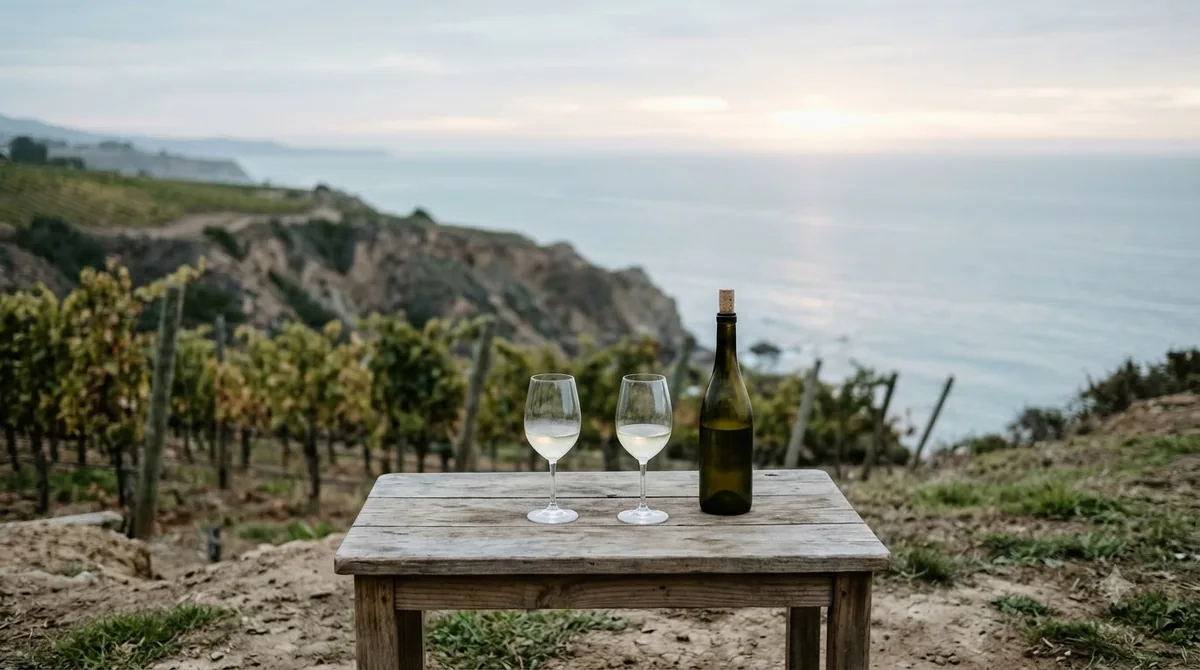
The name Wairarapa is commonly translated as glistening waters. The Ruamahanga River is an important geographical feature, running through the wider valley and connecting the northern and southern winegrowing areas. Its historic river terraces have helped create the free-draining soils that make parts of the region particularly suitable for quality wine production.
The region’s modern wine industry developed in the late 1970s. However, its history began much earlier. According to New Zealand Wine’s regional overview, vines were first planted in 1883, before the temperance movement contributed to the disappearance of the early wine industry in 1905. The modern revival came several decades later, with Martinborough becoming the focal point.
In the late 1970s, Dr. Derek Milne investigated New Zealand’s climate data and identified the Martinborough area as particularly promising for winegrowing. He and his partners established Martinborough Vineyards in 1980. Other pioneering producers, including Dry River and Ata Rangi, also began planting around this period.
Wairarapa remains a small producer by national standards. Decanter’s regional profile describes it as accounting for approximately 1% of New Zealand wine production. This relatively limited output helps explain the region’s association with boutique wineries, individual vineyard sites, and smaller production runs rather than large-scale commercial wine operations.
The most important starting point is understanding that Wairarapa is not simply another name for Martinborough. Martinborough is its best-known wine district, but the wider region includes different soils, growing conditions, and producers that deserve individual attention.
For readers exploring international wine geography, Wairarapa provides an interesting comparison with Tasmania vineyards. Both regions demonstrate how relatively cool growing conditions and careful vineyard selection can support expressive Pinot Noir and other wines that benefit from freshness and balanced acidity.
Martinborough, Gladstone, and Masterton: Three Distinct Wine Areas
The three principal growing areas share Wairarapa’s broader climate, but their vineyard landscapes create differences in grape development and wine style. Martinborough is the established Pinot Noir center, Gladstone offers river-terrace vineyards farther north, and Masterton combines a longer growing history with pronounced seasonal temperature differences.
Martinborough: The Recognized Pinot Noir Center
Martinborough is the most internationally recognized wine destination in Wairarapa. The village is surrounded by small vineyards, many operated by family-owned producers. Its reputation rests particularly on Pinot Noir, although Sauvignon Blanc, Chardonnay, Syrah, and aromatic white varieties also contribute to the area’s wine identity.
The Martinborough Terrace is especially important. Its alluvial gravel and clay-silt soils offer good drainage and support relatively concentrated grape development. The combination of soil structure, climate, and site selection has helped establish the area’s reputation for structured, savory Pinot Noir.
Martinborough also offers a convenient visitor experience. The concentration of wineries around the village makes it possible to visit several producers without spending the entire day driving between properties. Some cellar doors are within walking distance of one another.
Gladstone: River Terraces and Rural Vineyards
Gladstone lies between Martinborough and Masterton, with vineyards distributed through a rural landscape near the Ruamahanga River. Its growing conditions are influenced by sunshine, cooler conditions, and free-draining ancient river terraces.
The soils commonly contain stony silt loam with clay components. These characteristics are particularly suitable for Pinot Noir, the area’s leading variety. Sauvignon Blanc, Pinot Gris, and Riesling provide additional styles, giving Gladstone a broader white-wine selection than its Pinot Noir reputation might initially suggest.
Gladstone’s wineries are generally more dispersed than those around Martinborough village. Visitors should plan to travel by car or use an organized wine tour rather than assume that multiple cellar doors can be reached on foot. Producers such as Urlar and Gladstone Vineyard help give the district a distinct identity.
Masterton: Historic Plantings and Seasonal Contrasts
Masterton is Wairarapa’s largest town and has an important place in the region’s early viticultural history. The area includes Opaki and other rural vineyard locations, with a mixture of soil types and growing conditions.
The nearby Tararua ranges influence the area’s climate. Early morning frosts are common during cooler months, while summer temperatures can be among the warmest in Wairarapa. This contrast between cool mornings and hot summer days affects the growing season and contributes to the character of locally produced Pinot Noir and Sauvignon Blanc.
Masterton also offers more variety in its vineyard soils. Some locations have higher clay content, while others contain limestone or free-draining river deposits. These differences can influence grape development, wine texture, and acidity.
These three areas are best approached as related but distinct expressions of Wairarapa. A tasting that includes Martinborough Pinot Noir, Gladstone aromatic whites, and a Masterton-grown wine can provide a much fuller understanding of the region than a single vineyard visit.
Why Wairarapa Pinot Noir Has Earned Its Reputation
Pinot Noir is the defining grape of Wairarapa, especially Martinborough. Its combination of cool-climate growing conditions, variable soils, and relatively low yields can produce wines with concentrated fruit, fine tannins, savory characteristics, and the acidity needed for development in the bottle.
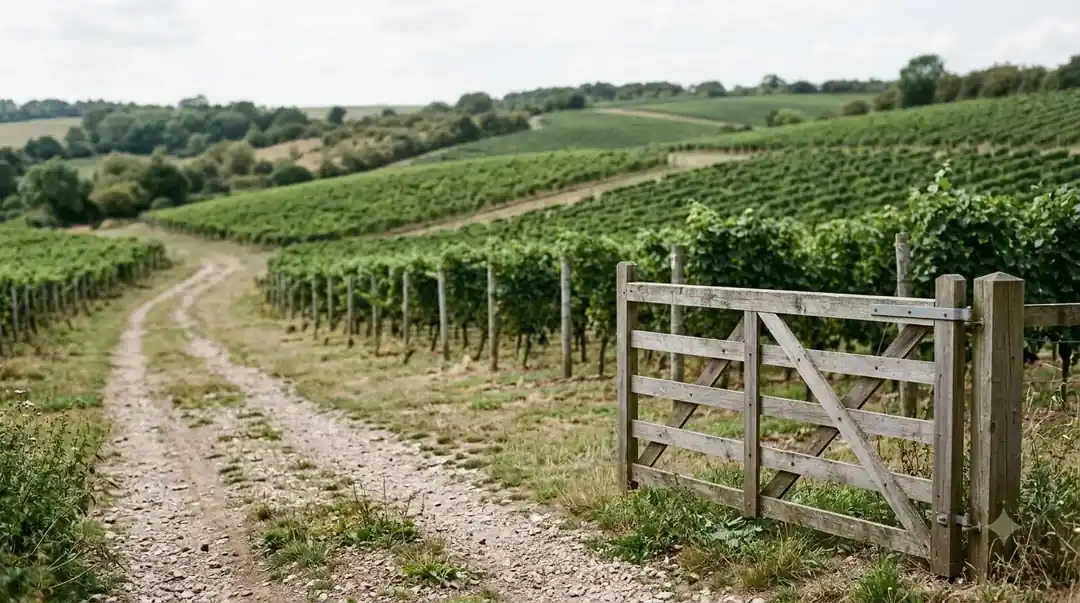
According to Decanter’s regional profile of Wairarapa, Pinot Noir represents approximately 50% of the region’s vineyard plantings. This substantial commitment reflects the variety’s suitability to the region and its importance to the area’s international identity.
Wairarapa Pinot Noir often shows red cherry, raspberry, plum, and darker berry notes. Depending on the producer and vineyard location, additional characteristics can include dried herbs, earthy nuances, spice, and mineral impressions. The wines frequently combine fresh fruit with a savory finish rather than emphasizing sweetness or heavy oak.
Wine Enthusiast describes the region’s Pinot Noirs as potentially elegant yet powerful, with mineral and spice-driven characteristics and structured tannins. This balance is important: Wairarapa Pinot Noir is not necessarily a light, delicate red simply because it comes from a cool-climate region.
The Influence of Wind and Spring Frost
Wind and spring frost are important features of the region’s growing conditions. Wine Enthusiast identifies occasional spring frosts and southerly winds as factors that can reduce yields and contribute to concentrated fruit.
Wind can also influence flowering and fruit development. In Gladstone, the prevailing northwesterly wind can become particularly strong during spring and early summer. Smaller berries and a favorable skin-to-juice ratio can contribute to the structure and texture associated with regional Pinot Noir.
These conditions require careful vineyard management. Frost protection, canopy management, vineyard exposure, and decisions about harvest timing all influence the quality and character of the resulting wine.
Martinborough Terrace and Te Muna Road
The Martinborough Terrace is a particularly important location for understanding regional Pinot Noir. Its gravelly and clay-influenced soils are not completely uniform, meaning that individual vineyard sites can produce different results even within a relatively small area.
Te Muna Road, east of the established terrace, provides another useful example of site variation. Decanter reports that grapes in this area can take approximately 7–10 days longer to ripen than grapes on the Martinborough Terrace, despite the relatively short geographical distance.
That difference illustrates why vineyard location matters. A slightly later-ripening site can produce different fruit development, acidity, and flavor balance. Winemaking decisions then shape how those characteristics appear in the finished wine.
Several producers have helped build Martinborough’s reputation. Ata Rangi, Dry River, Martinborough Vineyard, and Escarpment are among the established names associated with the area’s Pinot Noir. Their individual approaches provide useful opportunities to compare vineyard expression and winemaking style.
For consumers, the most useful approach is to compare wines from different producers and growing locations rather than assuming that every Martinborough Pinot Noir will taste identical. Differences in vineyard age, grape clones, fermentation methods, and oak treatment can be just as important as the district name.
Other Grape Varieties and Wine Styles from Wairarapa
Although Pinot Noir dominates the region’s reputation, Wairarapa produces several noteworthy white and red wines. Sauvignon Blanc, Chardonnay, Pinot Gris, Riesling, and Syrah are important alternatives, while Viognier, Gewürztraminer, and rosé provide additional variety.
Sauvignon Blanc: Textural and Mineral-Driven
Sauvignon Blanc is the second major variety in Wairarapa. Decanter’s regional profile identifies it as approximately 30% of vineyard plantings. This makes it an important part of the region’s production rather than simply a supporting variety alongside Pinot Noir.
Wairarapa Sauvignon Blanc can show citrus, grapefruit, tropical fruit, fresh herbs, and mineral characteristics. Compared with the often exuberant passion-fruit and grassy character associated with Marlborough Sauvignon Blanc, Wairarapa examples can be more textural and restrained.
The wines generally have high acidity, making them useful choices for dishes containing citrus, fresh herbs, seafood, and goat cheese. Their freshness also makes them suitable as aperitifs.
Chardonnay: Freshness and Complexity
Chardonnay provides another important expression of the region. New Zealand Wine describes Wairarapa Chardonnay as complex and flavorful, with acidity, minerality, citrus, and savory characteristics.
Depending on the producer, Chardonnay may be made in a fresh, stainless-steel-focused style or receive barrel fermentation and oak maturation. These decisions influence texture, richness, and the prominence of flavors such as toasted nuts, butter, and spice.
Chardonnay is particularly useful at the table because its medium acidity and varied textures can complement roasted poultry, creamy sauces, grilled seafood, and mushroom dishes.
Pinot Gris and Riesling: Aromatic Alternatives
Pinot Gris and Riesling offer two different approaches to aromatic white wine. Pinot Gris can provide pear, apple, stone fruit, and rounded texture, while Riesling typically emphasizes citrus, floral notes, and refreshing acidity.
Riesling is particularly interesting for its range of possible sweetness levels. Dry versions work well with seafood and aromatic dishes, while off-dry examples can complement spicy Asian-inspired food when the wine’s sweetness is sufficient to balance the heat.
Wairarapa also produces Gewürztraminer and Viognier. These grapes bring more pronounced floral and aromatic qualities, providing alternatives for drinkers who prefer expressive whites rather than wines dominated by citrus and green fruit.
Syrah and Rosé
Syrah is a smaller but worthwhile part of the region’s wine selection. Its style can feature dark berries, pepper, herbs, and savory spice. The grape generally produces more tannic wines than Pinot Noir, so food pairing and serving temperature deserve attention.
Rosé provides a more casual alternative, particularly during the warmer months. Depending on the grape varieties and winemaking method, it can range from crisp, dry, and pale to fruitier styles with more pronounced red-berry character.
The range of varieties means that a visit to Wairarapa need not revolve exclusively around Pinot Noir. White-wine drinkers can find plenty of regional character, particularly in Sauvignon Blanc, Chardonnay, and Riesling.
Notable Wairarapa Vineyards and Wineries to Know
Wairarapa’s winery landscape includes established producers, smaller family businesses, and vineyard-focused operations. The best starting points are Martinborough’s internationally recognized estates, followed by selected producers in Gladstone and Masterton.
Ata Rangi
Ata Rangi is one of the important names in Martinborough’s modern wine history. It began planting in 1980 and is particularly associated with Pinot Noir. Its reputation makes it a useful reference point for understanding the region’s approach to this variety.
Its wines are especially interesting for drinkers who appreciate savory Pinot Noir, fine tannins, and wines that can develop additional complexity with bottle age.
Martinborough Vineyard
Martinborough Vineyard is another pioneering producer associated with the establishment of the modern wine industry. Founded in 1980, it helped demonstrate the suitability of the Martinborough Terrace for quality winegrowing.
Pinot Noir remains central to its identity, although the broader regional context includes other varieties and styles. Comparing its wines with those of Ata Rangi can help illustrate how different producers interpret similar growing conditions.
Escarpment
Escarpment is closely associated with Martinborough Pinot Noir and the Te Muna Road area. Its vineyard focus makes it an interesting producer for consumers interested in the influence of site selection and ripening conditions.
Te Muna Road’s later harvest timing provides useful context when comparing its wines with examples from the Martinborough Terrace.
Palliser Estate and Nga Waka
Palliser Estate is one of the recognized names in Martinborough wine tourism. Its cellar-door experience and wine selection make it a useful stop for visitors interested in tasting regional varieties in one location.
Nga Waka is another Martinborough producer worth considering. Its presence among the region’s recognized wineries adds another opportunity to compare locally produced Pinot Noir and other styles.
Gladstone Vineyard, Urlar, and Schubert Wines
Outside Martinborough, Gladstone Vineyard provides an opportunity to explore the rural winegrowing landscape of the Gladstone district. Its regional setting highlights the importance of river terraces, wind, and soil characteristics.
Urlar and Schubert Wines are additional names associated with the wider Wairarapa wine scene. Schubert’s Gladstone Pinot Noir has received particular attention in regional wine commentary.
Visitors can also investigate Luna Estate, Poppies Martinborough, Tirohana Estate, and other smaller operations. The choice depends on whether the priority is Pinot Noir, aromatic whites, vineyard scenery, or a more extended food-and-wine experience.
Tip: Choose three or four wineries for a relaxed tasting day rather than trying to visit every cellar door. Start in Martinborough for convenient access, then reserve a separate driving excursion for Gladstone or Masterton if you want to compare the wider region.
Visiting Wairarapa Vineyards: Travel, Tastings, and Planning
Wairarapa is one of New Zealand’s more accessible wine destinations for visitors based in Wellington. Martinborough is just over an hour away by car, and its compact village layout makes cellar-door visits particularly convenient. Gladstone and Masterton require more planning because their wineries are spread across a wider rural area.
Getting to the Wine Region
The most straightforward route from Wellington to Martinborough crosses the Remutaka Range. The drive offers a scenic introduction to the wider Wairarapa landscape, with rural settlements and agricultural land along the way.
Train services connect Wellington with Featherston, Carterton, and Masterton. However, Martinborough does not have a direct train connection, so visitors arriving by rail need onward transportation from Featherston.
For a dedicated wine trip, driving provides the greatest flexibility. It allows visitors to include Gladstone and Masterton in the same itinerary, although anyone planning to taste wine should arrange a designated driver or organized transport.
Choosing a Cellar-Door Experience
Martinborough is particularly convenient for walking and cycling. Many cellar doors are within a short distance of the village square, and visitors can hire bicycles to explore the surrounding vineyards.
Some wineries offer guided tastings, while others provide opportunities to enjoy wine alongside food. The exact experience varies between producers, so it is sensible to review individual winery information before traveling.
Gladstone is better suited to a driving itinerary. Its vineyards are located in a more rural setting, and visiting several producers generally requires transport between properties.
Masterton also has dispersed cellar doors. Planning a route in advance helps avoid unnecessary driving and allows enough time for tastings, meals, and visits to the surrounding countryside.
Seasonal Considerations
Summer, from December through February in New Zealand, is an attractive time for vineyard visits. Warm days provide favorable conditions for outdoor dining, cycling, and exploring the countryside.
Autumn, from March through May, offers a different experience. Harvest activity and changing vineyard colors make this period especially interesting for visitors interested in the practical side of wine production.
Gladstone’s harvest celebrations in March provide another reason to consider an autumn visit. Visitors should confirm event dates and availability before making travel arrangements.
Winter and spring can be quieter periods, although weather conditions may be less predictable. Winery opening schedules can also change seasonally, so booking ahead is advisable.
Events and Wine Tourism
Toast Martinborough is among the region’s best-known wine events. It brings together wine producers, local food, and live music, giving visitors an opportunity to experience several regional wineries in one setting.
Beyond major events, Wairarapa offers vineyard accommodation, local restaurants, rural scenery, and smaller tasting experiences. These options make it possible to build a longer stay rather than treating the region as a quick day trip.
For a broader understanding of international wine destinations, readers can also explore Uruguay vineyards, where coastal influences, distinctive grape varieties, and small-scale producers create a different South American wine identity.
Food Pairings and Serving Wairarapa Wines
Wairarapa wines are particularly versatile at the table because the region produces both fresh, high-acidity whites and structured, savory reds. Pinot Noir works well with poultry, mushrooms, and lighter meat dishes, while Sauvignon Blanc and Riesling are natural partners for seafood and vegetable-based meals.
Pairing Pinot Noir with Food
Wairarapa Pinot Noir generally has low-to-medium tannin and relatively high acidity. Its combination of fresh fruit, earthy flavors, and moderate structure makes it a flexible red for a variety of dishes.
Good pairings include roast chicken, duck, grilled salmon, mushroom risotto, pork tenderloin, and dishes featuring herbs. The wine’s acidity helps balance richer preparations, while its moderate tannin avoids overwhelming delicate ingredients.
For mushroom-based food, Pinot Noir can be particularly successful because earthy flavors in the dish complement the savory characteristics often found in the wine.
Pairing Sauvignon Blanc and Chardonnay
Wairarapa Sauvignon Blanc has high acidity, making it a suitable match for fresh oysters, grilled white fish, goat cheese, and salads containing citrus-based dressings.
Chardonnay has medium acidity and can be matched with richer preparations. Roasted chicken, grilled prawns, creamy pasta, and seafood with butter-based sauces are useful options, particularly for fuller-bodied examples.
Riesling also deserves consideration with spicy food. Its high acidity and possible residual sweetness can balance aromatic dishes containing ginger, chili, lime, and fragrant herbs. For noticeably spicy meals, an off-dry Riesling is often a better choice than a very dry red.
Serving Temperatures and Storage
Serving temperature has a meaningful effect on the way Wairarapa wines express their aromas and structure. Pinot Noir generally benefits from a slightly cool serving temperature, while aromatic whites are most enjoyable when properly chilled.
| Wine style | Suggested serving temperature | Useful food pairing |
|---|---|---|
| Pinot Noir | 55–60°F | Roast chicken or mushrooms |
| Syrah | 60–65°F | Grilled lamb or beef |
| Sauvignon Blanc | 45–50°F | Oysters or goat cheese |
| Chardonnay | 50–55°F | Roasted poultry or seafood |
| Pinot Gris | 45–50°F | Grilled fish or salads |
| Riesling | 43–50°F | Spicy Asian-inspired dishes |
These temperatures are practical starting points rather than strict rules. A Pinot Noir served slightly cool can retain freshness, while an excessively warm serving temperature may make its alcohol seem more prominent. White wines served too cold can lose some of their aromatic detail.
For storage, keep unopened bottles away from direct sunlight and major temperature fluctuations. A cool storage environment near 55°F is a useful target, with bottles containing natural cork generally stored horizontally.
Once opened, still wines usually remain enjoyable for approximately three to five days when properly resealed and refrigerated. A bottle of Wairarapa Pinot Noir intended for longer-term cellaring should be stored under stable conditions, particularly if it is a structured example from a reputable producer.
Readers interested in how winegrowing traditions differ across countries can also explore Chianti Classico vineyards, where Sangiovese, Tuscan landscapes, and historic vineyard classifications provide an interesting contrast to New Zealand’s cool-climate Pinot Noir country.
Frequently Asked Questions
Is Wairarapa an officially recognized New Zealand wine region?
Yes. Wairarapa is one of New Zealand’s recognized geographical wine regions. New Zealand’s geographical indication framework received legal recognition in 2018, helping establish formal regional identities for wine production. Martinborough, Gladstone, and Masterton are the principal growing areas discussed within the region.
What does Wairarapa mean in the Māori language?
Wairarapa is commonly translated as glistening waters or sparkling waters. The name is associated with the region’s waterways and landscape. The Ruamahanga River is particularly important because it connects several of the area’s principal agricultural and winegrowing districts.
Can Wairarapa Pinot Noir age for more than ten years?
Some well-made Wairarapa Pinot Noir can develop for more than a decade, particularly wines with concentrated fruit, balanced acidity, and well-integrated tannins. Wine Enthusiast identifies aging potential as a characteristic of the region’s more structured examples. Cellaring potential varies by producer, vintage, vineyard, and bottle condition.
Which Pinot Noir clones are associated with Martinborough?
Martinborough growers use several Pinot Noir clones, including Dijon selections 667, 777, 113, and 115, as well as the locally significant Abel clone. Decanter’s regional profile discusses the importance of these selections to vineyard development and winemaking. Different clones can influence ripening, fruit character, structure, and suitability for particular fermentation techniques.
Does Wairarapa produce organic and biodynamic wines?
Yes. Several producers in the wider region have adopted organic, biodynamic, or other sustainability-focused vineyard practices. Gladstone has been particularly associated with early adoption of these approaches. Individual certification and farming methods vary between wineries, so interested buyers should investigate each producer’s specific practices.
Wairarapa offers much more than its famous Martinborough Pinot Noir. Its three growing areas, varied vineyard soils, aromatic white wines, and accessible boutique wineries make it one of New Zealand’s most interesting regions to explore. Whether discovering a structured Pinot Noir, comparing regional Sauvignon Blanc, or visiting a family-run cellar door, understanding the differences between Martinborough, Gladstone, and Masterton provides a rewarding introduction to Wairarapa wine country.
More in Wine Regions
 Willcox Wine Trail: Discover Arizona’s High-Elevation Wine CountryUpdated Nov 20, 2026
 Yakima Valley Wine Region: Find the Best Styles to TryUpdated Nov 20, 2026
 Vosne Romanee Wine Tasting: Identify Aromas and Choose Better PairingsUpdated Nov 20, 2026
 Yakima Valley Wine Festival: Find the Best Seasonal Wine EventsUpdated Nov 20, 2026
 Wales Vineyards: Discover Cool-Climate Wines and Where to VisitUpdated Nov 20, 2026
 Yountville Wine Festival: Discover Napa Wines and Local FoodUpdated Nov 20, 2026