

We may earn a commission when you buy through links on this page, at no extra cost to you. Learn more.
The Volnay wine region is a celebrated Pinot Noir appellation in Burgundy’s Côte de Beaune, France, known for elegant red wines with floral aromas, fresh acidity, fine tannins, and distinctive red-fruit flavors. Its vineyards cover approximately 212.55 hectares and include 29 officially recognized Premier Cru climats. Limestone-rich hillsides, southeast-facing exposures, and differences in vineyard elevation help create wines that range from delicate and aromatic to structured and concentrated.
Volnay occupies a distinctive position among Burgundy’s famous red wine villages. Located between Pommard and Meursault, it shares the Côte de Beaune’s long tradition of small vineyard sites, carefully defined appellations, and expressive Pinot Noir. Understanding its geography, vineyard classifications, and winemaking traditions makes it easier to recognize what separates Volnay from other Burgundy wines and which bottles deserve attention.
Where Volnay Sits in Burgundy’s Côte de Beaune
Volnay is a village appellation in the Côte de Beaune, part of Burgundy’s larger wine-producing region in eastern France. Its vineyards occupy the slopes of the Chaignot hillside between the neighboring wine communities of Pommard and Meursault, placing it within one of Burgundy’s best-known areas for Pinot Noir and Chardonnay.
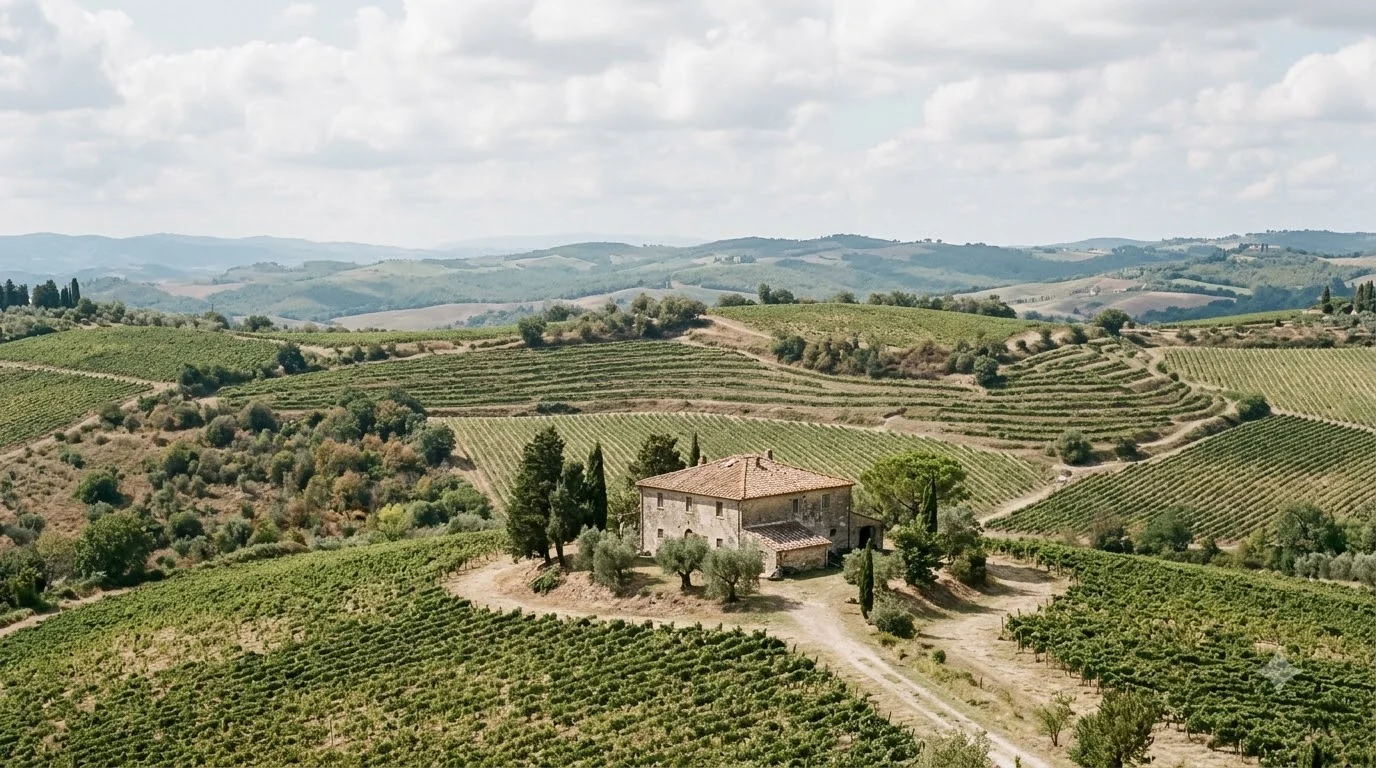
The village belongs to the Côte-d’Or department, where a relatively narrow strip of vineyard land runs along the eastern side of the hills. Volnay’s hillside position gives its vineyards a distinctive combination of slope, exposure, and limestone geology. According to the Bourgogne Wine Board, the vineyard elevations range from approximately 230 to 280 meters above sea level.
One important geographical detail is the orientation of the hillside. Volnay’s vines generally face southeast, while many neighboring vineyard slopes have a more easterly orientation. This difference affects how the vines receive sunlight during the growing season and contributes to the identity of the wines. Exposure, elevation, drainage, and soil composition work together rather than independently.
Volnay’s immediate neighbors provide useful comparisons. Pommard is particularly associated with more structured, powerful Pinot Noir, while Meursault is famous for Chardonnay. Volnay is generally recognized for a more delicate, aromatic red wine style, although individual vineyards and producers can create wines with considerable depth and structure.
The village is also part of the Route des Grands Crus de Bourgogne, a celebrated wine route through the region’s historic vineyard communities. Visitors encounter winegrowers’ houses, stone walls, narrow lanes, and vineyards that rise behind the village. Its location makes Volnay a useful stop for understanding how closely Burgundy’s wines are connected to individual villages and vineyard boundaries.
For readers exploring other cool-climate and mountain-influenced wine areas, the Savoie wine region provides an interesting contrast. Both regions demonstrate how geography can shape wine identity, although their grapes, landscapes, and appellation traditions differ considerably.
The Limestone Soils and Vineyard Climates
Volnay’s reputation rests partly on a complex arrangement of limestone soils, changing slope positions, and southeast-facing vineyards. The official vineyard description identifies elevations of 230–280 meters and several distinct geological formations, helping explain why neighboring plots can produce noticeably different expressions of Pinot Noir.

At the upper end of the hillside, oolitic limestone predominates. This pink-colored rock contains pale green inclusions and is overlain by layers of schist. Moving down the slope, the geology changes to white, chalky-textured Argovian limestone. Lower still, reddish Bathonian limestone becomes more prominent, with pebbly and iron-rich characteristics.
These geological differences are important because soils influence water retention, drainage, root development, and vine vigor. A shallow limestone-rich plot can behave differently from a deeper, gravelly vineyard at the foot of the slope. Neither soil type automatically guarantees superior wine; the interaction between the site, the season, vineyard management, and winemaking determines the finished character.
Why the climats matter
In Burgundy, the term climat refers to a precisely identified vineyard site with its own recognized geographical identity and history. It is not simply another word for weather. A climat can be distinguished by its location, soil, slope, exposure, and established vineyard boundaries.
Volnay’s 29 Premier Cru climats provide a detailed illustration of this system. Their boundaries reflect generations of vineyard observation and classification. Even sites located relatively close together can differ in elevation, soil depth, and exposure, resulting in different balances of fruit, structure, and aromatic intensity.
For example, the upper hillside’s limestone-rich locations may produce wines with pronounced freshness and refined structure, while lower and deeper soils can support different levels of vine vigor and fruit development. These are broad tendencies, not guaranteed tasting outcomes. Vintage conditions and producer decisions remain important.
The region’s geology also helps explain why Volnay should not be treated as a single uniform wine style. A village-level bottle represents a broader geographical designation, while a Premier Cru bottle identifies a more specific vineyard origin. Both can be excellent, but the additional vineyard information provides a more precise indication of where the grapes were grown.
Pinot Noir and the Character of Volnay Wine
Volnay produces exclusively red wines from Pinot Noir, the grape responsible for many of Burgundy’s most distinctive wines. The appellation is particularly associated with fragrant red fruit, violet-like floral aromas, fresh acidity, and fine tannins, producing a style that often emphasizes detail and balance over sheer weight.
Young Volnay commonly displays cherry, raspberry, red currant, and other fresh red-fruit characteristics. Floral aromas, especially violet, contribute to its recognizable aromatic profile. Depending on the producer, vineyard, and vintage, additional impressions can include subtle earthiness, spice, and delicate savory notes.
The official Bourgogne Wine Board also identifies gooseberry among the characteristic aromas. As the wine develops in bottle, its fruit profile can become more complex, with secondary and tertiary notes that include spice, game, and cooked prune. These changes develop at different speeds depending on concentration, vintage, storage, and the winemaking approach.
Structure, acidity, and tannins
Volnay generally has the structural characteristics associated with Pinot Noir. Its tannins are typically low to medium rather than aggressively firm, and its acidity provides freshness and definition. The resulting wines can feel silky and refined without being light or lacking concentration.
It is useful to distinguish aromatic delicacy from a lack of structure. A well-made Volnay Premier Cru can have substantial depth, a persistent finish, and enough tannic structure to develop over many years. Some sites produce more muscular wines than the traditional description of Volnay might suggest.
Color can range from bright ruby in younger wines to lighter garnet tones as the wine matures. This is consistent with Pinot Noir’s generally lighter pigmentation compared with varieties such as Cabernet Sauvignon or Syrah. Color alone, however, is not a reliable measure of concentration or quality.
Volnay’s aromatic appeal can make it enjoyable relatively young, especially when the wine comes from a lighter vintage or a less structured vineyard site. More concentrated examples, particularly from Premier Cru vineyards, can benefit from additional bottle aging. The best drinking window depends on the specific wine rather than the appellation name alone.
For a broader comparison of international Pinot Noir styles, the Tasmania wine region offers another useful reference. Tasmania’s cool growing conditions can produce Pinot Noir with fresh acidity and delicate red-fruit characteristics, although its maritime climate and winemaking traditions differ from Burgundy’s limestone hillside environment.
Village Wines and the 29 Premier Cru Climats
Volnay has two principal levels of appellation recognition: Village and Premier Cru. Both are based on Pinot Noir, but Premier Cru identifies wine originating from one of 29 officially classified vineyard climats, providing a more precise indication of geographical origin.
The distinction matters because Burgundy classifies specific vineyard land rather than awarding Premier Cru status to an entire producer or winery. A respected estate can make both Village and Premier Cru wines, depending on the vineyards supplying the grapes. The classification belongs to the site, not automatically to the producer.
Understanding the label hierarchy
A bottle labeled simply Volnay comes from land approved for the Village appellation. A bottle labeled Volnay Premier Cru comes from an officially classified Premier Cru site. The name of the climat may also appear on the label, allowing buyers to identify the particular vineyard.
For example, Volnay Premier Cru Champans identifies a wine from the Champans climat. Volnay Premier Cru Clos des Chênes identifies a different vineyard origin. Both carry the same appellation designation but represent separate geographical sites.
The following table summarizes the principal appellation distinctions and the scale of production documented by the Bourgogne Wine Board.
| Category or measurement | Volnay figure or characteristic |
|---|---|
| Appellation recognition | September 9, 1937 |
| Total producing vineyard area | 212.55 hectares |
| Premier Cru vineyard area | 125.88 hectares |
| Premier Cru climats | 29 |
| Average annual production | 7,694 hectoliters |
| Average Premier Cru production | 4,425 hectoliters |
| Typical vineyard elevation | 230–280 meters |
| Permitted grape variety | Pinot Noir |
The production figures represent the Bourgogne Wine Board’s published vineyard-area figures for 2022 and five-year average production for 2017–2021. They provide a useful picture of the appellation’s scale, rather than a promise of identical production in every vintage.
Recognized Premier Cru vineyards
Several climats are particularly useful names to recognize when comparing bottles:
- Champans: A prominent Premier Cru name associated with the classic Volnay hillside.
- Clos des Chênes: A recognized climat frequently encountered in discussions of structured Volnay wines.
- Les Caillerets: A well-known vineyard name that reflects the importance of individual limestone-rich sites.
- Taillepieds: Another established Premier Cru climat associated with the upper vineyard slopes.
- Les Mitans: A recognized site that adds another point of comparison within the appellation.
- Clos des Ducs: A named Premier Cru climat with a distinct place in the appellation’s vineyard hierarchy.
Other recognized climats include En Chevret, Frémiets, Les Brouillards, Le Ronceret, and Carelle sous la Chapelle. These names are worth learning because they help wine enthusiasts compare wines beyond the broad Village or Premier Cru designation.
Premier Cru does not mean that every bottle from a particular site will taste identical or that every producer will use the same cellar techniques. Vineyard management, harvest decisions, fermentation, oak use, and aging all contribute to the final wine. Comparing two producers from the same climat can be just as informative as comparing two different vineyards.
Tip: When comparing Volnay bottles, look beyond the Premier Cru wording. Record the climat, producer, vintage, and alcohol level. Comparing Champans with Clos des Chênes, for example, is more useful when the bottles also come from similar vintages and winemaking approaches.
Santenots and the Special Geography of Meursault
Santenots is one of the most interesting geographical details in the Volnay appellation because its vineyards are physically located in neighboring Meursault. Red Pinot Noir from qualifying Santenots parcels can carry the Volnay Premier Cru designation, demonstrating how Burgundy’s wine classifications follow vineyard boundaries rather than simply the name of the village on a map.
Meursault is widely recognized for Chardonnay, particularly its rich and textured white wines. However, the Santenots climat has a special position within the appellation system. Its red Pinot Noir wines can qualify for Volnay Premier Cru, provided they meet the applicable geographical and production requirements.
This arrangement is not a labeling mistake. Burgundy’s appellation system recognizes the historical and geographical identity of particular vineyard sites. The location of a vineyard within a commune does not always determine the appellation name that appears on a bottle.
Why the Santenots name deserves attention
Santenots provides an interesting comparison for anyone exploring the differences between Volnay and Meursault. A red wine labeled Volnay Premier Cru Santenots is a Pinot Noir from the designated Santenots area, whereas a white wine from the same general vineyard locality may fall under the appropriate Meursault designation.
This arrangement is confirmed by both the Bourgogne Wine Board’s appellation description and Maison Joseph Drouhin’s Volnay-Santenots Premier Cru vineyard and wine profile, which identifies Meursault as the producing commune for its Pinot Noir wine.
The distinction is especially useful when reading Burgundy wine lists. Someone expecting all wines from Meursault to be white may be surprised to encounter a red bottle associated with Santenots. The appellation rules explain why that bottle can legitimately carry the Volnay name.
Santenots also illustrates why geographical precision is essential in Burgundy. The broad village name provides a starting point, but the specific climat identifies the vineyard source. Understanding this distinction helps buyers avoid confusing a wine’s physical location with its legal appellation.
When exploring the area, it is worth comparing Santenots with other Volnay Premier Cru sites such as Champans and Les Caillerets. The comparison can reveal how different vineyard positions and producer approaches influence Pinot Noir’s fruit expression, texture, and structure.
Food Pairings, Serving Temperature, and Storage
Volnay’s fresh acidity, fine tannins, and aromatic red-fruit character make it particularly suitable for poultry, roasted meats, feathered game, and flavorful cheeses. The wine generally works best with dishes that complement its perfume and texture without overwhelming its relatively delicate structure.
The Bourgogne Wine Board recommends serving Volnay at 14–16°C, approximately 57–61°F. This is a useful temperature range for presenting its aromas while preserving freshness. Serving it too warm can make the alcohol seem more prominent and reduce the impression of freshness.
Food combinations that work particularly well
Roasted chicken is one of the most straightforward pairings. The browned skin, savory seasoning, and tender meat provide enough flavor to complement Pinot Noir without overpowering it. A glazed or slowly roasted bird can work especially well because the additional savory richness matches the wine’s fruit and spice characteristics.
Duck is another natural partner. Roasted duck breast, duck with mushrooms, or a gently spiced duck preparation can complement Volnay’s cherry and earthy notes. The richness of the meat also provides a satisfying contrast to the wine’s acidity.
Feathered game is particularly appropriate with more structured Premier Cru examples. Pheasant, partridge, and other game birds can be served roasted or slowly braised. The deeper flavors of these dishes work well with the more complex savory notes that can develop in mature Pinot Noir.
Other suitable options include lamb, mushroom-based dishes, pork tenderloin, and slow-cooked meat preparations. The key is to match the intensity of the dish to the structure of the wine. A delicate Village Volnay generally suits lighter preparations, while a concentrated Premier Cru can handle more elaborate dishes.
Pairing challenges to avoid
Very spicy food can make the alcohol and tannins in red wine seem more pronounced, so heavily chili-driven dishes are generally difficult partners. Extremely sweet sauces can also make a dry red wine seem tart or bitter. If a dish has a pronounced sweetness, choose a wine with enough fruit concentration and avoid overly sweet accompaniments.
Oily fish is another pairing to approach carefully. Pinot Noir’s tannins can clash with the texture and flavor of certain oily fish preparations. For fish dishes, a fresher, lighter white wine may be a more suitable choice.
Serving and preserving an opened bottle
A practical approach is to serve Volnay slightly cool, around 57–61°F. If the bottle has been stored at typical room temperature, a short period in the refrigerator can bring it closer to the recommended range. Allow the wine to warm gradually in the glass if it initially seems too cool.
Use a standard 5-ounce pour to give the wine enough room to release its aromas. A 750-milliliter bottle contains approximately five such servings. This is particularly useful when comparing several Burgundy wines during a tasting.
Young, concentrated examples may benefit from 30–60 minutes of decanting, particularly when the wine seems closed immediately after opening. Older bottles require more caution because prolonged exposure to oxygen can diminish delicate aromas. Pouring carefully and assessing the wine over time is generally preferable to automatically decanting every bottle.
For storage, keep unopened bottles on their sides in a cool, dark environment near 55°F, with reasonably stable temperature and humidity. After opening, reseal the bottle and refrigerate it. Most opened still wines are best consumed within approximately 3–5 days, although the exact period depends on the wine’s age, condition, and exposure to oxygen.
For a wider understanding of how climate and geography affect wine production beyond France, the Switzerland wine region offers another useful comparison, particularly for its high-altitude vineyards and diverse Alpine growing conditions.
How to Choose and Appreciate Volnay Bottles
Choosing Volnay is easier when buyers consider three factors together: the producer, the vineyard designation, and the vintage. The Village designation offers a broad introduction to the appellation, while Premier Cru labels identify specific vineyard origins that can provide greater insight into differences in terroir and structure.
Start by deciding what style you want. For an aromatic, relatively approachable red Burgundy, a Village Volnay can be a sensible starting point. For greater concentration, vineyard-specific character, and potential for extended bottle development, consider a Premier Cru from a recognized climat such as Champans, Les Caillerets, or Clos des Chênes.
Read the vineyard name carefully
The label provides more information than the appellation name alone. Volnay identifies the general geographical origin, while Volnay Premier Cru identifies wine from an officially classified site. An additional climat name narrows the origin further.
This matters because Burgundy’s vineyard hierarchy is not simply a ranking of producers. A smaller estate working a carefully situated Village parcel can produce a highly satisfying wine, while a Premier Cru designation does not remove the importance of vintage conditions or vineyard management.
Consider the vintage and drinking window
Vintage conditions influence ripeness, acidity, tannin development, and overall concentration. A warmer growing season may produce riper fruit and a fuller impression, while cooler conditions can emphasize freshness and more restrained fruit characteristics. These are broad patterns, and individual years vary according to rainfall, frost, disease pressure, and harvest decisions.
Young wines can emphasize fresh cherry, raspberry, and floral notes. With time, the fruit may become less direct while earthy, spicy, and savory aromas gain prominence. More concentrated Premier Cru wines can develop additional complexity over an extended period, but not every bottle needs decades of aging.
Think about the producer’s approach
Winemaking choices influence how vineyard characteristics appear in the finished wine. Some producers favor a lighter, more transparent style, while others aim for greater concentration and structure. Oak treatment, fermentation methods, extraction, and aging decisions can all affect the balance between fruit, tannin, and aromatic complexity.
It is also useful to consider the vintage when evaluating oak influence. A wine with pronounced wood-derived spice may seem more structured than a fruit-focused example, even when both come from the same climat. Comparing producer styles within one vineyard is an effective way to understand these differences.
Finally, approach Volnay as a geographical expression rather than a single fixed flavor profile. Its identity is rooted in Pinot Noir, but its 29 Premier Cru climats, varied limestone formations, and hillside exposures provide plenty of room for variation. Paying attention to those details makes selecting and appreciating the wine much more rewarding.
Frequently Asked Questions
Is Volnay considered a prestigious Burgundy wine?
Yes. Volnay has a long-standing reputation within Burgundy, and historical records describe its wines as highly regarded before formal appellation recognition. Its vineyards were associated with influential religious institutions and the Dukes of Burgundy, helping establish the village’s historic standing.
Does Volnay produce any white wine?
No wine qualifies for the Volnay appellation as a white wine because its permitted production is exclusively red Pinot Noir. White Chardonnay from the nearby Santenots locality is classified under the applicable Meursault designation rather than Volnay.
Is Volnay always lighter than Pommard?
Volnay is generally associated with a more delicate and aromatic style than Pommard, but this is not an absolute rule. Individual Premier Cru vineyards, vintage conditions, and winemaking choices can produce Volnay wines with considerable concentration and structure.
What does the word climat mean on a Burgundy wine label?
A climat is a historically recognized, precisely delimited vineyard site in Burgundy. Its identity reflects geographical characteristics and long-established local recognition. Burgundy’s Climats of the Côte de Nuits and Côte de Beaune were inscribed on the UNESCO World Heritage List in 2015.
Can Volnay Premier Cru wines be made by small family estates?
Yes. Premier Cru status belongs to the designated vineyard site rather than to a particular estate size or ownership category. A family producer can make Premier Cru wine from qualifying vineyard parcels just as an established larger estate can, provided the production follows the appellation requirements.
The Volnay wine region demonstrates why Burgundy remains one of the most fascinating places for understanding Pinot Noir. Its limestone hillside, 29 Premier Cru climats, and distinctive village identity produce wines with remarkable aromatic detail and a balance of freshness and structure. Whether choosing an approachable Village bottling or exploring a vineyard-specific Premier Cru, understanding the place behind the label makes every bottle more interesting.
More in Wine Regions
 Willcox Wine Trail: Discover Arizona’s High-Elevation Wine CountryUpdated Nov 20, 2026
 Yakima Valley Wine Region: Find the Best Styles to TryUpdated Nov 20, 2026
 Vosne Romanee Wine Tasting: Identify Aromas and Choose Better PairingsUpdated Nov 20, 2026
 Yakima Valley Wine Festival: Find the Best Seasonal Wine EventsUpdated Nov 20, 2026
 Wales Vineyards: Discover Cool-Climate Wines and Where to VisitUpdated Nov 20, 2026
 Yountville Wine Festival: Discover Napa Wines and Local FoodUpdated Nov 20, 2026