

We may earn a commission when you buy through links on this page, at no extra cost to you. Learn more.
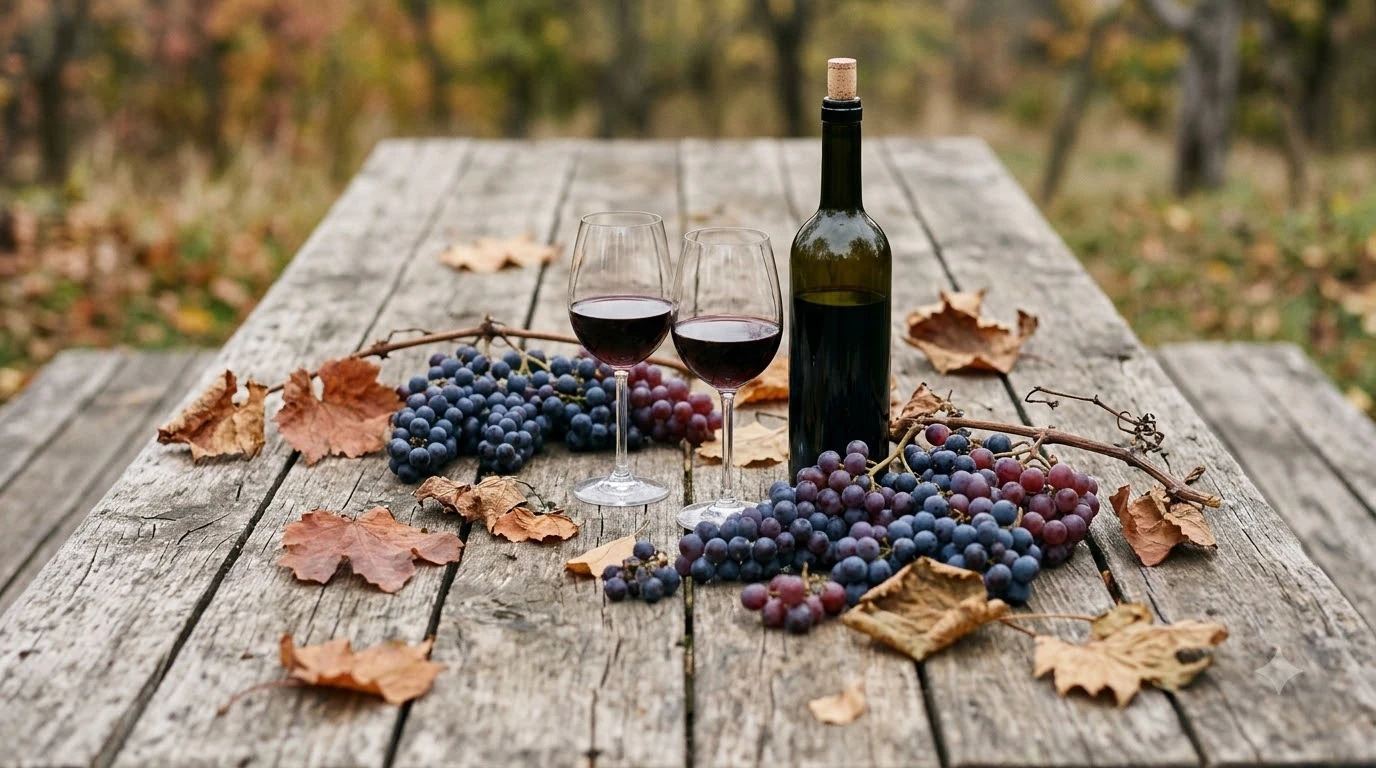
The valle de guadalupe wine festival is the annual Fiestas de la Vendimia, a Baja California harvest celebration featuring winery tastings, vineyard experiences, regional food, live music, and special wine events. Organized by Provino Baja California, the celebration centers on Valle de Guadalupe and extends to other wine-producing destinations around Ensenada. Its main activities generally take place during August, with selected harvest experiences continuing into September. Visitors can attend large public tastings, explore individual wineries, meet winemakers, and discover the wines and cuisine that make this part of Mexico an important wine destination.
Wine country in northern Baja California has developed a distinctive identity through its Mediterranean-influenced climate, diverse vineyards, independent wineries, and close relationship between wine and food. The harvest festival brings those elements together in a series of events rather than a single gathering. Understanding the schedule, principal celebrations, and geography makes it easier to choose the experiences that suit your interests and organize a rewarding visit.
What the Fiestas de la Vendimia Celebrates
The Fiestas de la Vendimia celebrates the annual grape harvest and the people responsible for producing Baja California wine. It combines wine education, regional cuisine, cultural activities, and opportunities to experience vineyards during one of their most important seasons.
The celebration is organized by Provino Baja California, an association that brings together wine producers and other participants in the regional wine industry. Its activities connect wineries with restaurants, chefs, hospitality businesses, and wine enthusiasts. Rather than concentrating everything at one vineyard, the festival uses several venues around the region, allowing visitors to experience different aspects of local wine culture.
The harvest itself gives the celebration its meaning. Grapes must be picked at the appropriate stage of ripeness, transported to the winery, sorted, and prepared for fermentation. The timing varies according to grape variety, vineyard conditions, and the producer’s winemaking decisions. Harvest activities therefore provide an opportunity to understand the agricultural work that happens before a bottle reaches a tasting room.
Baja California’s importance to Mexican wine helps explain the festival’s scale. The state’s tourism authority estimates that the region produces approximately 70% of Mexico’s wine. Valle de Guadalupe is its best-known wine destination, although the broader industry includes several other growing areas in the state.
The 2026 celebration marked the 36th edition of the Fiestas de la Vendimia. Its program included wine showcases, winery visits, educational tastings, harvest activities, dinners, and the traditional paella competition. The combination appeals to experienced wine enthusiasts as well as visitors who want an introduction to Mexican wine.
One important distinction is that the Fiestas de la Vendimia is not simply a weekend festival at one address. Some events are large public gatherings, while others are smaller experiences hosted by individual wineries. A visitor interested in meeting producers may prefer a guided tasting, while someone more interested in food and entertainment may prioritize the main wine showcase or paella competition.
The festival also helps visitors understand how regional wine tourism works. Many wineries combine vineyards, production facilities, tasting rooms, restaurants, and accommodations. This makes the harvest season a useful opportunity to see how wine production and hospitality operate together. For broader background on the area’s geography and wine identity, start with the valle de guadalupe wine region overview.
When the Festival Takes Place
The main Valle de Guadalupe harvest celebrations generally occur in August, while selected winery experiences can continue into September. The exact calendar changes each year, so visitors planning a future trip should use the latest Provino announcements rather than relying on previous dates.
The 2026 edition illustrated the usual seasonal pattern. Its opening ceremony took place on August 5 at Hotel Coral & Marina in Ensenada. The major Muestra del Vino followed on August 7, and the Concurso de Paellas took place on August 23 at Viña de Liceaga. Additional winery visits and smaller events filled the intervening weekends.
Not every activity has the same schedule. Some require visitors to attend on one specific evening, while others are offered on several dates or throughout a longer seasonal period. For example, El Cielo advertised a harvest experience running from August 1 through September 30 in 2026. Its schedule included two daily session options, at 11:30 a.m. and 3:30 p.m.
The following table summarizes the timing and structure of important events from the 2026 program. These dates are historical examples to help visitors understand the festival’s organization, not confirmed dates for the next edition.
| Event | 2026 date | Location | Typical focus |
|---|---|---|---|
| Opening ceremony | August 5 | Hotel Coral & Marina, Ensenada | Official inauguration |
| Muestra del Vino | August 7 | Centro Cultural Riviera, Ensenada | Wine and restaurant showcase |
| Monte Xanic harvest event | August 8 | Monte Xanic Winery | Harvest celebration |
| Verbena de Santo Tomás | August 22 | Plaza Santo Tomás, Ensenada | Regional wine gathering |
| Concurso de Paellas | August 23 | Viña de Liceaga | Paella competition and wine |
| El Cielo harvest experience | August 1–September 30 | El Cielo Winery | Vineyard activities and tastings |
August is generally the best starting point for visitors who want to experience the largest concentration of festival activities. September can be attractive for travelers who prefer a more focused winery visit, particularly when participating vineyards continue offering harvest experiences after the main public events have finished.
Tip: Check Provino’s official Fiestas de la Vendimia calendar before booking flights or accommodation. The previous year’s opening date, showcase, and paella competition are useful planning references, but they should never be treated as confirmed dates for the next edition.
Visitors should also distinguish between the festival’s main program and the broader calendar of winery-hosted activities. A special dinner or vineyard tasting may be associated with harvest season without being part of the central public gathering. Confirming the organizer, venue, and booking requirements helps prevent confusion.
The Main Events and Wine Experiences
The festival offers several ways to experience Baja California wine, from large tasting gatherings to smaller educational sessions. The Muestra del Vino and Concurso de Paellas are especially recognizable events, while winery visits provide more direct contact with producers.
Muestra del Vino
The Muestra del Vino is one of the defining events of the Fiestas de la Vendimia. The 2026 gathering took place at Centro Cultural Riviera in Ensenada on August 7, running from 7 p.m. until 1 a.m.
Provino listed approximately 80 participating wineries and more than 160 wine labels for that edition. Visitors could explore wines arranged at tasting stations according to grape variety rather than winery. This format makes it easier to compare different interpretations of the same grape, including differences in acidity, body, fruit character, and winemaking approach.
The event also incorporated food from approximately 55 regional restaurants and entertainment across five music stages. It therefore offered considerably more than a traditional tasting-room visit. Guests could move between wine stations, sample regional dishes, and enjoy live performances throughout the evening.
For someone unfamiliar with Mexican wine, the Muestra del Vino is a particularly useful introduction. Instead of visiting several distant tasting rooms in a single day, attendees can encounter a broad selection of producers in one venue. Experienced enthusiasts can use the same format to compare varieties and identify wineries they want to visit later.
Winery Visits and Educational Tastings
Guided winery visits give visitors a closer look at vineyard management, production methods, and regional grape varieties. The 2026 program included four Saturday wine-tour dates: August 8, 15, 22, and 29.
Other activities included vertical tastings, blending workshops, winemaker experiences, and educational sessions. A vertical tasting compares different vintages of the same wine, helping participants understand how bottle age and vintage conditions influence the finished wine. A blending workshop, by contrast, introduces the process of combining varieties or individual wine lots to achieve a particular style.
The 2026 calendar also featured a Mexican wine history master class at El Cielo on August 8 and a Nebbiolo-focused tasting program on August 21. The latter included a comparison between Mexican Nebbiolo and examples from Piedmont, Italy. These events demonstrate that the festival is not limited to casual sampling; it also offers opportunities for structured wine education.
Concurso de Paellas
The Concurso de Paellas Dr. Ramón García Ocejo is another major festival attraction. The 2026 competition took place on August 23 at Viña de Liceaga, running from noon until 7 p.m.
Provino described approximately 90 competing cooking teams and participation from 80 wineries offering more than 160 wine labels. The event combines a culinary competition with wine tasting, music, and an outdoor atmosphere. It is an appealing choice for visitors who enjoy food as much as wine.
The competition also demonstrates the importance of gastronomy to the region’s wine identity. Paella provides a natural opportunity to explore how wine acidity, body, and fruit character interact with rice, seafood, meats, and saffron. A crisp white wine can work particularly well with seafood-based versions, while a fuller-bodied red may complement preparations containing richer meats.
Each event has a different emphasis. The Muestra del Vino is the strongest choice for broad wine discovery, guided visits are better for learning about individual wineries, and the paella competition combines regional food with a lively wine gathering.
What Wines and Foods to Expect
Visitors can expect a varied selection of Baja California wines, including white, red, rosé, and sparkling styles. Regional cuisine plays an equally important role, with tasting events and vineyard gatherings offering opportunities to explore food and wine combinations.
Valle de Guadalupe producers work with several international grape varieties and grapes that have developed an established presence in Mexican wine. Cabernet Sauvignon, Merlot, Syrah, Chardonnay, and Sauvignon Blanc are among the varieties visitors may encounter. Nebbiolo is another important point of interest, particularly because Mexican producers have developed distinctive expressions of the grape.
There is no single wine style that defines every winery in the valley. Some producers favor fresh, fruit-driven wines, while others concentrate on structured reds, barrel-aged whites, or blends. Differences in vineyard location, harvest decisions, fermentation, and maturation all influence the finished wine.
For red wine enthusiasts, Cabernet Sauvignon and Syrah provide opportunities to explore wines with more pronounced tannin and structure. Merlot generally offers softer tannins, while Pinot Noir, where available, tends to provide lighter body and higher acidity. These differences are useful when choosing wine to accompany a meal.
White wine drinkers can look for Chardonnay and Sauvignon Blanc. Sauvignon Blanc usually has higher acidity and can pair well with seafood, salads, and dishes containing citrus. Chardonnay varies according to production style, with oak maturation often contributing additional texture and flavor.
The El Cielo harvest experience provides one specific example of the region’s tasting opportunities. Its 2026 program included Cassiopea and Capricornius white wines, G&G by Ginasommelier Sauvignon Blanc, two wines tasted directly from barrels, and a selection of red wines from its Constelaciones range.
Food is a central part of the experience. The Muestra del Vino featured 55 regional restaurants, while the paella competition emphasized one of the region’s best-known celebratory dishes. Winery-hosted meals may also feature grilled meats, seasonal vegetables, local cheeses, seafood, and charcuterie.
Pairing wine with these foods is straightforward when you consider the basic structure of each dish. High-acidity wines such as Sauvignon Blanc work well with acidic sauces and citrus-based preparations. Salt and fat soften the perception of tannin, making structured reds more comfortable alongside grilled meats and richer dishes.
For seafood, the preparation matters. Fresh fish, shellfish, and dishes with lemon or herbs generally work well with crisp whites. Heavily tannic red wines are usually less suitable for oily fish because the combination can create an unpleasant metallic impression.
Wine temperature also affects the experience. Light whites and rosés are generally best served around 45–50 F, while fuller-bodied whites benefit from approximately 50–55 F. Light reds are more expressive around 55–60 F, and fuller reds generally suit 60–65 F.
When tasting several wines in one session, start with lighter styles before moving to fuller-bodied reds. Dry wines usually work best before sweeter selections, and lighter wines should generally precede more heavily structured examples. These simple choices help visitors compare wines without allowing one powerful style to overwhelm the next.
How to Plan Your Visit to Valle de Guadalupe
A successful festival visit requires more planning than simply choosing a tasting event. The wineries and festival venues are spread across the Ensenada area, so accommodation, transportation, reservations, and daily scheduling should be considered together.
Ensenada is a useful base for visitors who want access to both the city and the wine valley. Staying closer to Valle de Guadalupe can reduce travel between vineyard appointments, particularly for travelers planning several tastings over consecutive days. Boutique hotels, vineyard accommodations, and smaller hospitality properties offer different ways to experience the area.
For a first visit, two or three days provide a reasonable starting point. One day can be dedicated to a major public tasting or scheduled festival event, another to winery appointments, and a third to a relaxed meal or additional vineyard experience. Visitors attending several special dinners or educational sessions may prefer a longer stay.
Transportation deserves particular attention. Wineries are not always within comfortable walking distance of one another, and some appointments take place along smaller rural roads. A designated driver, private transportation service, or organized wine tour is preferable to driving between tastings yourself.
Distances can also make an otherwise simple schedule difficult. A winery appointment, a restaurant reservation, and an evening event may be located in different parts of the region. Allow additional time for travel rather than scheduling appointments back-to-back.
Reservations are important during harvest season. Popular wineries and restaurants may have limited seating, and smaller educational sessions can restrict the number of participants. Booking directly with the venue is often the most reliable way to confirm availability, language options, tasting formats, and arrival instructions.
Visitors traveling from the United States should also account for the international border crossing. Border waiting times vary, and a trip that looks short on a map can take longer than expected once traffic and border procedures are included. Avoid scheduling an important tasting immediately after an uncertain border arrival.
Useful preparations include:
- Confirm the dates and venue for every festival event you plan to attend.
- Reserve winery visits and restaurant tables in advance.
- Arrange transportation before booking multiple tastings.
- Carry some Mexican pesos for situations where cash is useful.
- Bring comfortable walking shoes for vineyard and winery visits.
- Allow extra time between appointments and meals.
- Keep purchased wine protected from excessive heat during transportation.
Wine purchases also require practical planning. Bottles should not be left in a hot vehicle for extended periods, particularly during summer. If you plan to purchase several wines, ask about appropriate packaging and arrange suitable storage until you return to your accommodation.
Visitors taking wine across the United States border should review current U.S. Customs and Border Protection rules before traveling. Personal import allowances and state regulations can differ, so do not assume that the same rules apply to every traveler or destination.
For those interested in comparing the Valle de Guadalupe celebration with wine events elsewhere in the United States, the Livermore wine festival and Indiana wine festival provide useful examples of how regional wine communities organize public tastings and seasonal gatherings.
Choosing the Right Festival Experience
The best festival itinerary depends on whether you prefer wine education, large public gatherings, vineyard activities, or food-focused celebrations. Choosing a primary event before filling the rest of your schedule makes the visit more enjoyable and prevents unnecessary travel.
First-time visitors may find the Muestra del Vino particularly valuable because it brings together a substantial number of producers in one place. Comparing more than 160 labels across different grape varieties provides a useful introduction to the diversity of Baja California wine. The presence of restaurants and live music also makes it a social event rather than a formal tasting seminar.
Visitors who already understand wine may prefer smaller events. Vertical tastings, winemaker sessions, and blending workshops provide more detailed discussions about production choices and vintage differences. These activities can reveal why two wines made from the same grape variety may have very different textures and aromas.
People interested in agricultural traditions should prioritize a winery harvest experience. El Cielo’s 2026 program, for example, included vineyard exploration, grape cutting, grape stomping, cellar visits, and tastings. It was structured as a seasonal experience rather than a single evening event.
Food enthusiasts should consider the Concurso de Paellas or a winery-hosted pairing dinner. These gatherings demonstrate the relationship between regional ingredients and local wine styles. They also provide a more relaxed way to spend an afternoon or evening than moving between multiple tasting rooms.
Families should pay attention to age restrictions before booking. Some public tastings are exclusively for adults, while certain winery experiences allow families to participate in vineyard activities. El Cielo’s listed experience provided a separate arrangement for minors during the adult wine-tasting portion, demonstrating that policies can vary between venues.
It is also helpful to consider group size. A large public event provides variety and a lively atmosphere, while a small winery appointment can create more opportunities to ask questions. El Cielo listed a minimum group size of two and a maximum of ten for its 2026 harvest experience, illustrating how intimate some seasonal activities can be.
One practical approach is to combine one large gathering with one or two smaller appointments. For example, a visitor could attend the Muestra del Vino, schedule a guided vineyard tour, and reserve a meal at a winery restaurant. This offers a balanced introduction without trying to attend every event on the calendar.
There is no requirement to follow the entire festival program. A carefully chosen selection of experiences is usually more rewarding than an overloaded schedule. Taking time to enjoy a meal, speak with producers, and compare wines gives the region’s distinctive character room to come through.
Frequently Asked Questions
What does the Spanish word vendimia mean?
Vendimia refers to the grape harvest, particularly the gathering of grapes used for winemaking. In Spanish-speaking wine regions, the term also describes the seasonal celebrations associated with harvesting. The word is commonly used in the names of wine festivals throughout Spain and Latin America.
Who organizes the Fiestas de la Vendimia?
Provino Baja California organizes the principal harvest festival and coordinates activities with participating wineries and regional partners. The organization also promotes other wine-related gatherings during the year. Its official event calendar is the best place to identify the organizers and venues for individual activities.
Is Valle de Guadalupe part of Ensenada?
Valle de Guadalupe is a wine-producing area in the municipality of Ensenada, Baja California. It is distinct from Ensenada’s urban center, although the city serves as an important gateway for visitors. This geographic distinction explains why some festival events take place in the city while others happen at vineyards in the valley.
What is a vertical wine tasting?
A vertical tasting compares different vintages of the same wine, generally from the same producer. Participants can examine how growing conditions, harvest decisions, and bottle development affect the wine over time. It differs from a horizontal tasting, which compares different wines from the same vintage.
What is a pét-nat wine featured at harvest celebrations?
Pét-nat is short for pétillant naturel, a sparkling wine made using the ancestral method. Fermentation finishes in the bottle, producing natural carbonation, and the wine may be cloudy or contain sediment if it has not been disgorged or filtered. It is a different production approach from the traditional-method sparkling wines associated with Champagne.
The Valle de Guadalupe harvest celebration offers a memorable introduction to Mexican wine through its vineyard visits, producer tastings, regional cuisine, and traditional public events. The best approach is to choose a few experiences that match your interests, arrange transportation and reservations in advance, and leave enough time to enjoy the region beyond the festival schedule. With thoughtful planning, the Fiestas de la Vendimia can provide a rewarding look at the wines and people shaping Baja California’s wine culture.
More in Wine Regions
 Willcox Wine Trail: Discover Arizona’s High-Elevation Wine CountryUpdated Nov 20, 2026
 Yakima Valley Wine Region: Find the Best Styles to TryUpdated Nov 20, 2026
 Vosne Romanee Wine Tasting: Identify Aromas and Choose Better PairingsUpdated Nov 20, 2026
 Yakima Valley Wine Festival: Find the Best Seasonal Wine EventsUpdated Nov 20, 2026
 Wales Vineyards: Discover Cool-Climate Wines and Where to VisitUpdated Nov 20, 2026
 Yountville Wine Festival: Discover Napa Wines and Local FoodUpdated Nov 20, 2026