

We may earn a commission when you buy through links on this page, at no extra cost to you. Learn more.
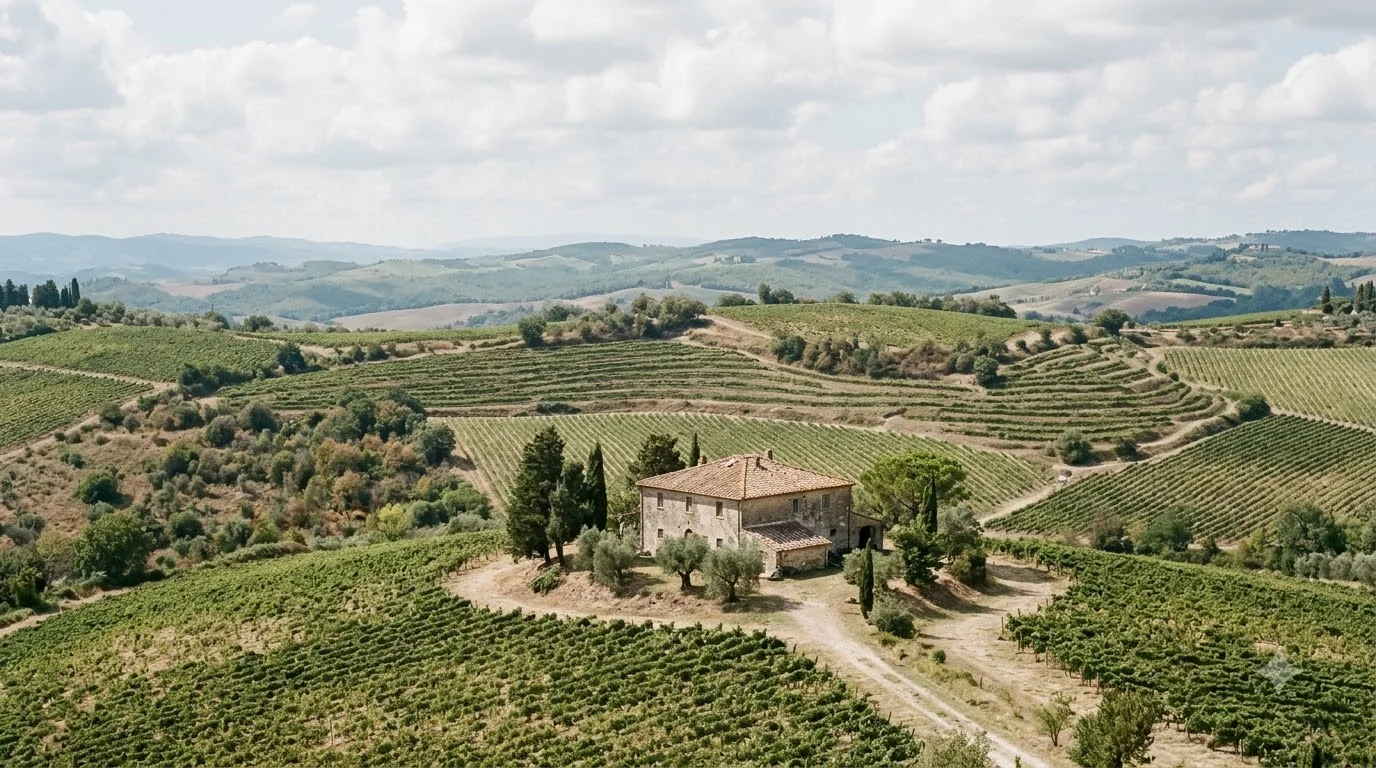
The valle de guadalupe wine region is a coastal-influenced wine area in Baja California, Mexico, known for Mediterranean-climate vineyards, expressive blends, and a food culture rooted in local ingredients. It lies about 20 miles northeast of Ensenada, within the larger network of wine valleys in northwestern Baja California. Chenin Blanc and Cabernet Sauvignon are leading grapes, while Tempranillo, Nebbiolo, Grenache, Chardonnay, and other varieties show the region’s range. Its wines make the most sense when you consider the valley’s dry climate, varied soils, and close relationship with the Pacific.
Valle de Guadalupe is sometimes compared with Napa, but that analogy only goes so far. The area has its own climate, grape mix, winemaking culture, and water constraints. Its appeal is the chance to compare familiar grapes in a distinctive setting, discover original blends, and pair bottles with Baja California cooking.
Where Valle de Guadalupe Sits in Baja California
Valle de Guadalupe is in northwestern Baja California, roughly 20 miles northeast of Ensenada and inland from the Pacific Ocean. It is the best-known center of Baja California wine, but the name is also used loosely for bottles sourced from a wider group of nearby valleys with different elevations, soils, and maritime influences.
Wine Enthusiast describes the larger Valleys of Ensenada as a connected wine-growing zone that stretches from Valle de Guadalupe south toward Valle de San Vicente. The publication reports that only about 5,000 of more than 11,000 planted acres in the broader region lie within Valle de Guadalupe proper. That distinction matters: a wine labeled with the familiar valley name may reflect fruit from more than one subregion, so the producer’s vineyard information can tell you more than the front label alone.
The central valley is not a single, uniform vineyard plain. Vineyards occupy the floor, foothills, and slopes around a dry riverbed, with low mountain ranges shaping the movement of air and the amount of exposure each site receives. The wider Ensenada wine zone includes places such as San Antonio de las Minas, Ojos Negros, Santo Tomás, La Grulla, and San Vicente. They are useful names to recognize because they help explain why two wines from Baja California can taste quite different even when both are sold under the broad Valle de Guadalupe identity.
Ask where a wine’s grapes were grown before you focus on the blend or cellar choices. For contrast, compare this flexible regional identity with the Côte de Nuits wine region, where named vineyard sites play a more formal role.
Climate, Soils, and the Importance of Water
The valley has a semiarid Mediterranean climate: warm, dry growing seasons meet cooler nights and a wetter winter period. According to figures from Mexico’s National Water Commission cited in a regional drought study, average annual temperature is 16.8°C, annual precipitation is 295 millimeters, and potential evaporation is 1,618 millimeters.

Daytime warmth supports ripening, while cooler Pacific air can help preserve acidity. The influence varies by site: Wine Enthusiast describes San Antonio de las Minas, closer to Ensenada, as cooler than much of the upper valley, with morning fog, regular breezes, and decomposed-granite soils.
Soil changes over short distances: sand and sandy loam occur near the dry riverbed, granite in the foothills, and more clay on the hillsides. Across the wider Valleys of Ensenada, Ojos Negros has vineyards above 2,600 feet, Santo Tomás has alluvial sand and gravel, and La Grulla has sand and clay with cooling marine winds. Such variation makes a single “Valle style” hard to define.
Water is the region’s central environmental question. A study by Francisco José Del Toro-Guerrero and Thomas Gunter Kretzschmar describes the Guadalupe Aquifer as the source supporting local activity and Ensenada’s water needs. The researchers identify historical drought periods from 1999 through 2009 and discuss declining aquifer recharge. Vineyard growth therefore depends on long-term water management as much as on suitable land. The San Diego Tourism Authority also notes that well water can be saline and links it to a faint saline impression in some wines; that is a local observation, not a universal tasting signature. The researchers’ study of historical drought in Valle de Guadalupe provides useful background on pressure placed on the aquifer. Visitors can appreciate the wines without treating the dry landscape as an unlimited resource.
| Regional measure | Reported figure | Why it matters |
|---|---|---|
| Average annual temperature | 16.8°C | A moderate annual average sits behind warm summer days and cooler nights. |
| Annual precipitation | 295 mm | Rainfall is limited, so vineyards often depend on managed irrigation. |
| Potential annual evaporation | 1,618 mm | Evaporative demand is far higher than annual rainfall. |
| Valle elevation | About 300–400 m | The valley floor rises toward the northeast and is surrounded by higher terrain. |
Grapes That Define the Valley
Valle de Guadalupe does not rely on one official signature grape. Instead, its identity comes from a broad Mediterranean-friendly mix, with Chenin Blanc prominent among whites and Cabernet Sauvignon prominent among reds, alongside varieties from Spain, France, and Italy.
Chenin Blanc is Baja California’s most widely planted white grape, according to Wine Enthusiast, largely because of L.A. Cetto’s extensive plantings. It is bottled on its own and blended with Colombard. Chenin can show citrus, orchard fruit, firm acidity, or a broader ripe profile; Sauvignon Blanc and Chardonnay are also common. Cooler coastal-influenced sites can favor whites that retain freshness. For more detail on regional planting patterns, see Wine Enthusiast’s overview of Baja California wine.
Cabernet Sauvignon is the most planted red variety, but it is far from the only one worth seeking. Tempranillo and Merlot are established choices, while Grenache is increasingly used for rosé as well as red blends. Malbec, Syrah, and Sangiovese add further range. Nebbiolo is a particularly interesting case: Wine Enthusiast notes that some wines carrying that name have been found through genetic testing to be other grapes, while verified Nebbiolo plantings also exist. That makes producer transparency important, especially for anyone comparing Mexican Nebbiolo with examples from Piedmont.
For a first flight, compare Chenin Blanc with Sauvignon Blanc, then Cabernet Sauvignon with Tempranillo. A Grenache or Mourvèdre rosé adds a fresh, food-friendly contrast to the reds.
What the Wines Taste Like
The region’s wines range from bright Chenin Blanc and Grenache rosé to concentrated Cabernet Sauvignon reds and experimental blends. Warm, dry conditions can produce ripe fruit, but marine air, elevation, harvest timing, and cellar choices mean the wines should not all be treated as heavy or high-alcohol.
Chenin Blanc, Sauvignon Blanc, and Chardonnay are useful starting points. Chenin can balance pear or apple notes with acidity; Sauvignon Blanc often leans toward citrus and herbs; Chardonnay may be fresh or gain texture from lees contact and oak. Ask whether a Chardonnay was fermented or aged in barrel if you prefer a leaner style over one with more weight and toast.
Red blends often combine Cabernet Sauvignon, Tempranillo, Syrah, Grenache, Merlot, or Malbec. Cabernet-based wines can be firm, Merlot is typically softer, Syrah may bring darker fruit and pepper, and Grenache can contribute red fruit and lift. These are tendencies rather than guarantees; ripeness, blending proportions, and winemaking shape the result.
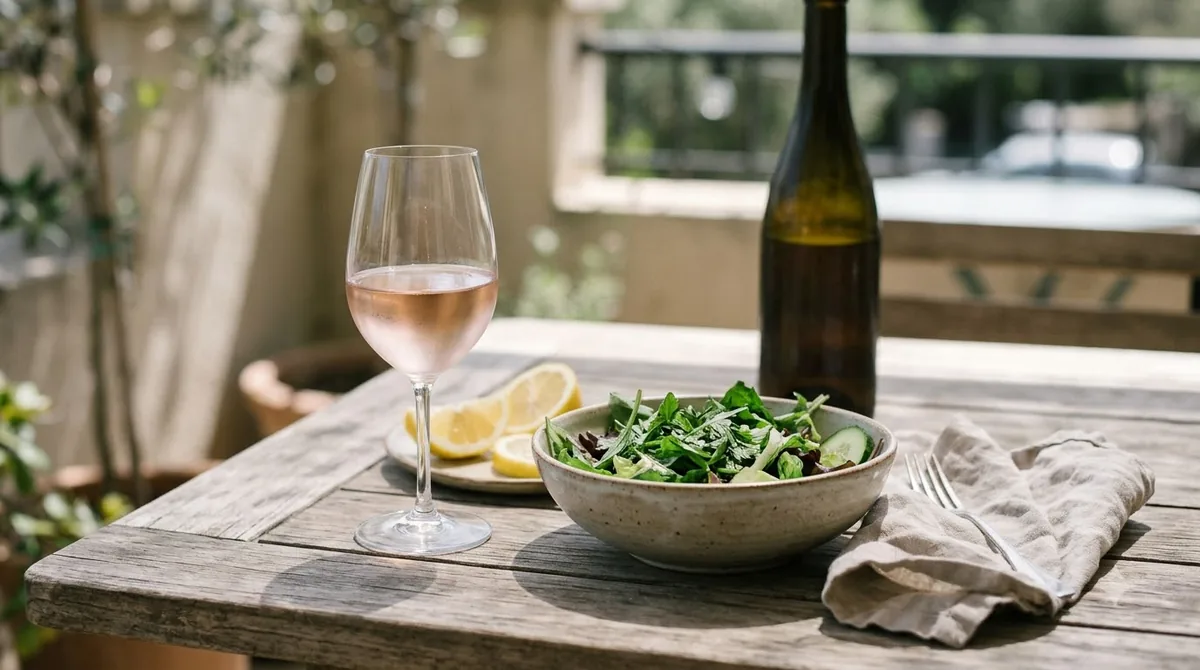
Do not overlook rosé or sparkling wine. Grenache and Mourvèdre can make savory rosés for grilled vegetables, seafood, and charcuterie. Wine Enthusiast describes a traditional-method Grenache sparkling wine aged on its lees for at least three years, an example of classic technique paired with a local grape choice. For food, match acidity and weight rather than following a rigid red-with-meat rule: Chenin Blanc or Sauvignon Blanc can work with oysters, ceviche, and citrus-dressed seafood, while a medium-bodied Tempranillo or Grenache blend can suit grilled chicken, pork, or tomato-based dishes. Cabernet Sauvignon is a better fit for grilled beef or lamb, where protein and fat soften its tannin. Very spicy chile dishes can make high-alcohol or tannic wines seem hotter, so a fresh white or lower-tannin red is often easier to pair.
Producers, History, and a Culture of Experimentation
Valle de Guadalupe’s modern reputation rests on established producers such as Monte Xanic, smaller operations such as Finca La Carrodilla, and winemakers willing to test unusual grape combinations. Its current identity is strongly linked to quality-focused bottlings and a flexible approach to blending.
Regional accounts trace grape growing to early European settlement, with the San Diego tourism authority describing roots in the 1700s. The 1980s were an important modern turning point: SanDiegoRed credits Monte Xanic’s Hans Backoff with helping push quality wines and says Hugo D’Acosta introduced European winemaking techniques at Santo Tomás in 1988. D’Acosta later established Casa de Piedra.
The experimental spirit shows in the range of producers. Wine Enthusiast points to Finca La Carrodilla, whose vineyards are certified organic and biodynamic. San Diego’s tourism authority highlights Vena Cava, with a tasting-room roof made from refurbished boats; Quinta Monasterio, known for owner-guided visits; and Casa de Piedra, associated with Hugo D’Acosta.
A larger operation may offer a broader tasting lineup, while a small cellar can give more direct insight into a winemaker’s choices. L.A. Cetto is important to know for its Chenin Blanc plantings, while Monte Xanic is associated with the region’s push toward premium wine. Compare this with the Luján de Cuyo wine region, another major Latin American wine destination.
Planning a Visit and Pairing Wine with Baja Food
A good Valle de Guadalupe visit leaves time for the vineyards, the table, and the landscape between them. The region is reached by Highway 1 near La Misión or by Highway 3 from the Ensenada side, and the paved routes connect to winery roads that can be rough or unpaved.
Do not try to fit every tasting room into one day. A SanDiegoRed travel guide suggests breakfast, about three winery visits, and a late lunch or early dinner. Smaller wineries may require reservations, as do many popular restaurants, so confirm tasting hours and appointment policies before setting out. The same guide identifies June through September as a high-demand period for lodging; Ensenada, about 30 minutes south, can be a practical base when rooms in the valley are full. Arrange a designated driver or hired transport for a day with several tastings, and allow extra time for rural roads and meals.
Food is central to the experience. Restaurants and winery kitchens draw on local produce, Ensenada seafood, grilled meats, herbs, and seasonal ingredients. Try a crisp white with oysters or ceviche, Chardonnay with roast chicken, or Grenache rosé with grilled vegetables and fresh cheese. Cabernet Sauvignon or Tempranillo can suit beef, lamb, or slow-cooked pork. Acidic dishes call for a wine with comparable freshness, while salt and fat soften tannins. The Fiestas de la Vendimia is the area’s harvest celebration; the Valle de Guadalupe wine festival page is a helpful starting point for its annual calendar.
Tip: Build the day around two or three confirmed winery appointments and one meal, rather than trying to collect as many tasting stamps as possible. Bring a light layer for the evening, keep water in the car, and arrange transportation before the first pour.
For broader background beyond Baja California, browse the site’s collection of wine regions and compare the grapes, climate, and food traditions that give each place its character.
Frequently Asked Questions
Questions about the 80-square-kilometer valley, La Escuelita, and the 1780 San Vicente Mission often come up after readers explore the region’s wines and tasting-room culture.
How large is the Valle de Guadalupe, and how high are its mountains?
A study in the Mexican Journal of Agricultural Sciences estimates the intermontane valley area at about 80 square kilometers. It places the surrounding mountains between 500 and 1,400 meters above sea level, well above the valley floor.
What does the name La Escuelita refer to?
La Escuelita is the common name for Estación de Oficios El Porvenir, a winemaking school established by Hugo D’Acosta in 1995. It is associated with the El Porvenir area and is remembered as a place where local wine workers could develop practical cellar skills.
Are all Mexican wines labeled Nebbiolo made from true Nebbiolo?
No. Wine Enthusiast reports that genetic testing on some Baja wines sold as Nebbiolo identified other varieties, including Lambrusca di Alessandria. Verified Nebbiolo is also planted in Baja, so the useful question is whether a producer can explain the identity and source of the vines.
Which nearby valley has a particularly old winemaking history?
Wine Enthusiast traces winemaking in Valle de San Vicente to the San Vicente Mission, established in 1780. The valley is also about nine miles from the Pacific, giving it a different coastal relationship from the central Valle de Guadalupe.
What other agricultural products are grown in the valley?
The regional drought study identifies olives, vegetables, aromatic herbs, and table grapes among the valley’s agricultural activities, alongside grapes grown for wine. That wider agricultural base helps explain why regional cooking often draws on produce grown close to the vineyards.
Valle de Guadalupe rewards visitors who look beyond a single bottle or winery name. Its changing soils, coastal air, broad grape palette, and close connection to Baja cuisine make it one of Mexico’s most individual wine destinations. Start with Chenin Blanc and Cabernet Sauvignon, then follow the producers and subregions that catch your interest.
More in Wine Regions
 Willcox Wine Trail: Discover Arizona’s High-Elevation Wine CountryUpdated Nov 20, 2026
 Yakima Valley Wine Region: Find the Best Styles to TryUpdated Nov 20, 2026
 Vosne Romanee Wine Tasting: Identify Aromas and Choose Better PairingsUpdated Nov 20, 2026
 Yakima Valley Wine Festival: Find the Best Seasonal Wine EventsUpdated Nov 20, 2026
 Wales Vineyards: Discover Cool-Climate Wines and Where to VisitUpdated Nov 20, 2026
 Yountville Wine Festival: Discover Napa Wines and Local FoodUpdated Nov 20, 2026