


We may earn a commission when you buy through links on this page, at no extra cost to you. Learn more.
Trentino wine tasting introduces visitors to the distinctive mountain wines of northeastern Italy, including Teroldego Rotaliano, Nosiola, Marzemino, Müller Thurgau, and traditional-method Trentodoc sparkling wine. Located between Lake Garda and the Dolomites, Trentino offers remarkably varied vineyard landscapes, elevations, and growing conditions. Its wineries provide opportunities to explore indigenous grapes, Alpine-influenced whites, structured reds, and elegant sparkling wines. A tasting itinerary through the region can combine cellar visits, vineyard scenery, and traditional northern Italian food.
Trentino offers a different perspective on Italian wine than the country’s better-known coastal and southern regions. Here, mountain slopes, river valleys, mineral-rich soils, and cool nighttime temperatures shape wines with distinctive freshness and regional character. Understanding the main growing areas and grape varieties makes it easier to choose winery visits and appreciate the differences between individual bottles. Whether you prefer crisp white wine, expressive reds, or sparkling wine, Trentino offers plenty to explore.
Why Trentino’s Mountain Geography Shapes Its Wines
Trentino’s wines reflect a combination of Alpine elevation, Mediterranean influences, and varied valley conditions. The region’s vineyards stretch from the relatively mild surroundings of Lake Garda to steep mountain slopes, creating different environments for individual grape varieties.
The Trentino Wine Consortium reports that the province had 10,211 hectares of vineyards in 2019, with approximately 14% of the vineyard area situated above 500 meters. White grape varieties accounted for approximately 74% of the total vineyard area. These figures help explain why Trentino offers such a broad selection of white wines alongside its better-known reds and sparkling wines. The region’s elevation differences also create distinct growing environments for individual varieties.
The climate combines continental Alpine conditions with moderating influences from Lake Garda. The Dolomites provide protection from cold northern winds, while the lake helps moderate temperatures in nearby growing areas. Strong differences between daytime and nighttime temperatures are another important feature. Warm daylight encourages grape development, while cooler nights help preserve freshness.
Trentino’s varied soils also contribute to its diversity. The Cembra Valley is particularly associated with porphyry, a volcanic rock that forms part of the area’s distinctive geological landscape. Other locations have different combinations of valley deposits, slopes, and local geological formations. These differences influence vineyard management and help determine which grape varieties are most appropriate for each site.
Vineyard training systems provide another visible part of the region’s identity. Traditional Trentino pergolas remain an important feature, with their overhead structure supporting the vines across the landscape. Modern vertical systems, including guyot and espalier, are also common. During a winery visit, looking at the training system can help visitors understand how growers manage sunlight, airflow, and the demands of steep terrain.
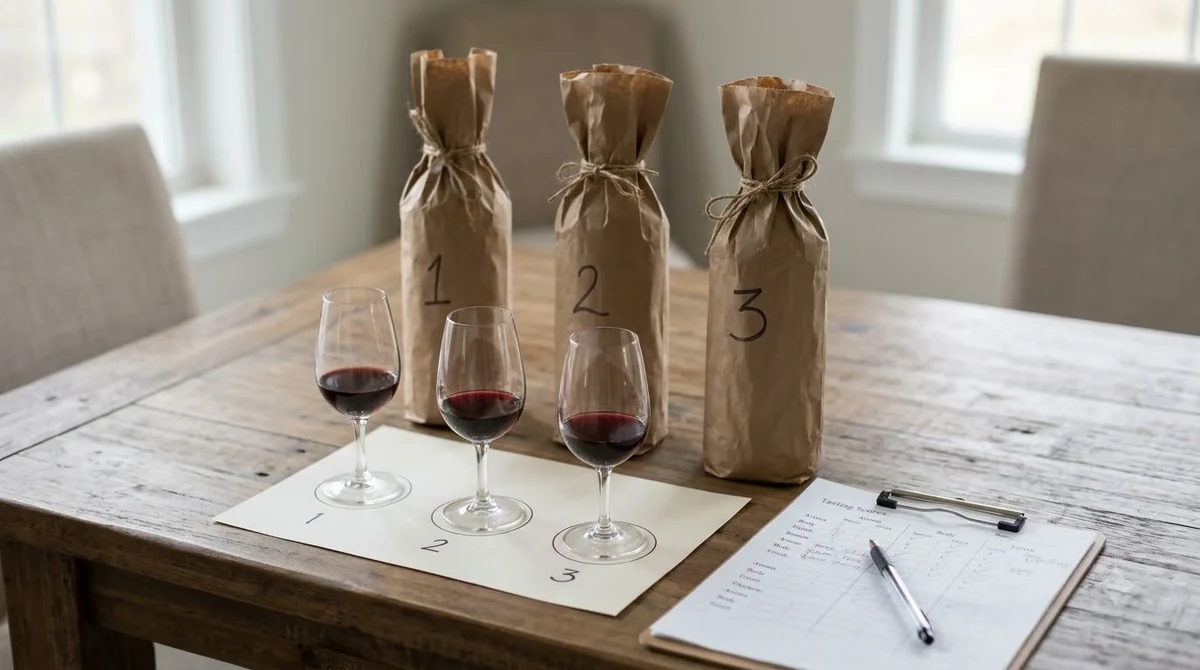
The regional diversity is particularly interesting for travelers who enjoy comparing wines from different environments. A tasting that includes a sparkling wine from the Trento area, a Teroldego from Piana Rotaliana, and a Müller Thurgau from Cembra offers three distinct expressions of the same broader mountain region.
| Regional characteristic | Typical figure or detail | Why it matters |
|---|---|---|
| Vineyard area | 10,211 hectares | Demonstrates the scale of regional wine production |
| Vineyards above 500 meters | 14% | Shows the importance of elevated growing sites |
| White grape varieties | 74% of vineyard area | Explains the prominence of regional white wines |
| Indigenous red varieties | Teroldego and Marzemino | Represent two distinctive local wine traditions |
| Indigenous white variety | Nosiola | Provides the foundation for dry Nosiola and Vino Santo |
| Traditional-method sparkling wine | Trentodoc | Highlights the region’s sparkling wine identity |
The figures illustrate why Trentino should not be treated as one uniform wine-growing area. Its mountain geography provides a foundation for several distinct wine styles, and tasting across different valleys is one of the best ways to understand that variety.
Teroldego Rotaliano: The Signature Red Wine
Teroldego Rotaliano is one of the most important wines to include in a Trentino tasting. Produced in Piana Rotaliana, this indigenous red grape creates richly colored wines with berry fruit, spice, full body, and refreshing freshness.
Piana Rotaliana lies north of Trento and is especially associated with the villages of Mezzolombardo, Mezzocorona, and San Michele all’Adige. The area has more than 400 hectares of vineyards associated with Teroldego Rotaliano, making it an essential destination for visitors interested in the grape. The extensive vineyard landscape is one of the region’s most recognizable wine-growing settings.
Teroldego typically produces deeply colored wines with aromas of dark berries, ripe cherries, and spices. On the palate, it can combine concentrated fruit with freshness and a substantial structure. The precise character varies according to vineyard location, vintage conditions, and winemaking choices. Some bottlings emphasize approachable fruit, while others offer greater concentration and the structure needed for bottle aging.
When tasting Teroldego, begin by observing its deep ruby color and then look for dark fruit and spice aromas. Take a small sip and consider how the fruit, acidity, tannin, and finish work together. A younger wine may emphasize juicy berry flavors, while a more developed bottle can show additional savory and earthy characteristics.
Several wineries offer opportunities to explore the grape in its home territory. Cantina Mezzacorona’s Cittadella del Vino is a useful starting point for visitors interested in the cooperative’s approach to Teroldego. Cantina Endrizzi in San Michele all’Adige offers tastings of its Teroldego and access to the historic Masetto vineyard. The Martinelli winery in Mezzocorona has produced Teroldego since 1860, while Cantina Rotaliana di Mezzolombardo has supported the variety since 1931.
These producers provide different perspectives on the grape. A larger cooperative can demonstrate how a regional variety is handled across multiple growers, while a family winery may offer a more focused view of vineyard practices and individual wine styles. If time allows, compare at least two Teroldego bottlings rather than stopping after a single glass.
Food pairings for Teroldego
Teroldego’s body and tannin make it particularly suitable for substantial dishes. Try it with grilled beef, roast pork, braised meats, venison, or aged mountain cheeses. The wine’s acidity can provide balance alongside rich meat preparations, while its dark fruit complements roasted and savory flavors.
For a more detailed comparison, taste Teroldego alongside another Italian red from a different growing environment. A Bolgheri wine tasting provides an interesting contrast because the wines of that Tuscan coastal appellation often emphasize Bordeaux varieties such as Cabernet Sauvignon and Merlot. Comparing the two regions demonstrates how grape selection, climate, and geography influence Italian red wine.
Tip: Serve a young, full-bodied Teroldego at approximately 60–65°F. If the wine is particularly concentrated, allow 30–60 minutes of decanting before serving. This can help its aromas become more expressive.
Nosiola and Vino Santo: Trentino’s Distinctive White Wine Tradition
Nosiola is Trentino’s characteristic indigenous white grape and deserves a place near the beginning of any regional tasting. It is associated particularly with Valle dei Laghi, where it produces fresh, delicate wines and serves as the foundation for the traditional sweet wine Vino Santo.
Compared with some internationally recognized white varieties, Nosiola can be relatively understated. Its appeal often comes from freshness, subtle fruit, floral impressions, and delicate nutty characteristics. The wine is generally a good choice for visitors who prefer restrained aromatic intensity rather than strongly tropical or heavily perfumed whites.
Its name is commonly associated with the Italian word for hazelnut, nocciola, reflecting the delicate nut-like character sometimes found in the wine. Individual examples can also show apple, pear, citrus, and white-flower notes. The overall profile depends on the producer, vineyard, and winemaking decisions.
Valle dei Laghi is the main destination for understanding Nosiola in its traditional setting. The landscape includes several lakes and vineyards that benefit from local climatic influences. Visitors can explore the area around Lake Toblino and Santa Massenza, where wineries and local food traditions provide additional context for the grape.
Vino Santo represents a different expression of Nosiola. This traditional sweet wine is made from grapes that undergo drying before fermentation, concentrating their sugars and flavors. The process creates a wine with a much richer profile than the region’s dry Nosiola bottlings. Its sweetness and complexity make it particularly suitable for slow sipping at the end of a meal.
During a tasting, compare dry Nosiola with Vino Santo if both are available. The contrast shows how grape variety and winemaking technique can produce dramatically different wines from the same regional fruit. Look for dried fruit, honey, nuts, and concentrated sweetness in the dessert wine, while the dry version generally emphasizes freshness and delicate aromas.
Food pairings for Nosiola
Dry Nosiola works well with freshwater fish, trout, lake fish preparations, vegetables, and lighter poultry dishes. Its freshness can balance mild richness without overpowering delicate ingredients. Try it with grilled fish, risotto, or local cheeses that do not have excessive intensity.
Vino Santo calls for a different approach. Pair it with almond pastries, fruit desserts, dried figs, or traditional Italian biscuits. The basic pairing rule is to choose a dessert that is no sweeter than the wine. A dessert that is significantly sweeter can make the wine taste less expressive and more acidic.
Visitors interested in comparing regional white wines can also explore Alsace wine tasting. Alsace offers a useful contrast through varieties such as Riesling, Gewürztraminer, and Pinot Gris, which often have more immediately recognizable aromatic profiles than Nosiola.
Marzemino and Other Trentino Red Wines
Marzemino is another important indigenous red grape, particularly associated with Vallagarina. Compared with the fuller-bodied Teroldego, it often provides a fruit-forward and more approachable style, making it a useful comparison during a regional tasting.
Marzemino is traditionally associated with the southern part of Trentino and the valley around the Adige River. Its regional identity is particularly strong, and it even receives a literary reference in Mozart’s opera Don Giovanni. The mention reflects the grape’s longstanding cultural associations rather than simply its modern reputation among wine drinkers.
In the glass, Marzemino commonly shows red fruit, floral impressions, and a softer structure than many fuller-bodied Italian reds. Cherry, raspberry, and subtle herbal notes can contribute to its profile. Its medium-bodied character makes it versatile with food, particularly dishes that have savory flavors without excessive richness.
Vallagarina is a worthwhile destination for visitors who want to discover the grape in its regional setting. The valley’s wine-growing landscape includes villages, vineyards, and historic buildings. Comparing wines from different slopes can also demonstrate how local growing conditions affect the expression of the same grape variety.
Trentino’s wider selection of red varieties provides further opportunities for comparison. Lagrein, Merlot, Pinot Nero, Cabernet, Schiava, and Rebo are among the grapes cultivated in the province. Each brings a different combination of fruit, acidity, tannin, and body.
Merlot is generally softer and has medium tannin, while Pinot Noir tends to have lower-to-medium tannin and higher acidity. Cabernet Sauvignon generally offers more substantial tannin, and Syrah can produce a fuller, more structured style. These differences are useful when comparing local bottlings with wines made from internationally recognized varieties.
Rebo is another interesting grape to ask about during a winery visit. It is a crossing of Merlot and Teroldego, connecting two important elements of Trentino’s wine-growing identity. Its presence demonstrates that the region’s wine culture includes both established indigenous varieties and products of agricultural research.
Food pairings for Marzemino and other reds
Marzemino is a natural companion for roast poultry, pork, mushrooms, and moderately seasoned pasta dishes. Its fruit and approachable structure can complement tomato-based preparations and dishes featuring herbs. Serve it slightly cooler than a full-bodied red to emphasize its freshness.
For Merlot, consider roasted meat, tomato-based pasta, and grilled vegetables. Pinot Noir can work particularly well with mushrooms, roasted poultry, and salmon preparations that are not heavily oily or richly sauced. Avoid pairing strongly tannic reds with oily fish because the combination can create an unpleasant metallic impression.
When comparing these varieties, concentrate on texture as much as aroma. Two red wines can both show cherry fruit but feel completely different because of their tannin, acidity, alcohol, and body. Paying attention to those structural differences makes a regional tasting more informative.
Müller Thurgau and the Whites of the Cembra Valley
The Cembra Valley is one of Trentino’s most distinctive destinations for white wine, particularly Müller Thurgau. Its elevated vineyards, steep terrain, porphyry soils, and substantial temperature variations create conditions that support aromatic white wines with freshness and regional character.
Müller Thurgau is not indigenous to Trentino, but it has become closely associated with the Cembra Valley. The grape is known for its aromatic character, often showing citrus, apple, white flowers, and delicate herbal notes. Its combination of fragrance and refreshing acidity makes it particularly attractive to visitors who prefer lively white wines.
The valley’s terrain is visually distinctive. Vineyards occupy steep slopes, and traditional stone walls help support cultivation on challenging ground. This landscape is an important part of the area’s identity and provides a useful contrast with the more open vineyard setting of Piana Rotaliana.
During a tasting, compare Müller Thurgau with Nosiola and Sauvignon Blanc. Müller Thurgau often emphasizes floral and aromatic characteristics, while Nosiola can be more delicate and restrained. Sauvignon Blanc typically offers more pronounced acidity and can display citrus, green fruit, and herbal notes.
Other Trentino white wines worth exploring include Pinot Grigio, Pinot Bianco, Chardonnay, Riesling, and Traminer Aromatico. Pinot Grigio can offer a straightforward, refreshing style, while Pinot Bianco often emphasizes balance and subtle fruit. Chardonnay is particularly important because of its role in the production of Trentodoc sparkling wine.
These varieties allow visitors to explore different approaches to mountain white wine. A tasting flight that includes Müller Thurgau, Nosiola, Pinot Bianco, and Chardonnay provides a useful comparison of aroma and acidity. Ask the winery to explain the vineyard location and winemaking choices behind each bottle, particularly if the wines come from different elevations.
Food pairings for Cembra Valley whites
Müller Thurgau is a good match for freshwater fish, light pasta dishes, salads, mild cheeses, and vegetable preparations. Its aromatic character can complement herbs and lightly seasoned foods without overwhelming delicate ingredients.
Higher-acid white wines, including Sauvignon Blanc and Riesling, are especially useful with acidic foods because the wine should have acidity equal to or greater than that of the dish. This principle is helpful with tomato-based preparations, citrus dressings, and dishes featuring vinegar. A wine with insufficient acidity can taste flat beside a strongly acidic dish.
Visitors interested in another mountain-influenced white wine region can compare their experience with Willcox wine tasting. Although the growing environment is very different, comparing regional whites offers a useful way to understand how climate, elevation, and soil influence grape expression.
Trentodoc: Traditional-Method Mountain Sparkling Wine
Trentodoc is Trentino’s signature traditional-method sparkling wine and is one of the region’s most recognizable wine styles. Made primarily from Chardonnay and Pinot Noir, it combines bottle fermentation with the freshness and structure associated with mountain growing conditions.
The traditional method involves a second fermentation in the bottle, which creates the bubbles. This is the same broad production approach used for Champagne and Cava, distinguishing these wines from Prosecco, which is typically produced using the tank method. The distinction is important because production technique influences texture, aroma, and the character of the finished wine.
Chardonnay contributes freshness, citrus, and structure, while Pinot Noir can provide additional body and depth. Depending on the wine and its aging, Trentodoc may show green apple, lemon, white flowers, toast, brioche, and subtle nutty characteristics.
Trentodoc is worth exploring through several styles rather than limiting a visit to one bottle. A younger sparkling wine can emphasize citrus and freshness, while a wine with extended lees aging may develop more pronounced bread, pastry, and nut aromas. Ask about the grape composition, aging period, and dosage when comparing bottles.
Sweetness terminology is particularly useful when ordering sparkling wine. The standard scale moves from Brut Nature and Extra Brut through Brut, Extra Dry, Dry, Demi-Sec, and Doux, from the driest styles toward sweeter expressions. The terms can be confusing because Extra Dry is sweeter than Brut.
For most visitors seeking a dry sparkling wine with food, Brut is a practical starting point. Brut Nature and Extra Brut offer particularly dry alternatives, while Demi-Sec and Doux are better suited to sweeter food pairings. The right choice depends on the meal and the desired balance.
How to serve Trentodoc
Serve Trentodoc at approximately 40–50°F. This temperature keeps the wine refreshing while allowing its aromas to develop as it warms slightly in the glass. Use a tulip-shaped sparkling wine glass when available, as its shape can provide more room for aromas than a narrow flute.
Trentodoc pairs well with seafood, fried appetizers, fresh cheeses, vegetable dishes, and lighter pasta preparations. Its acidity and bubbles help refresh the palate between bites. A Brut bottling is also an excellent aperitif before a meal featuring several courses.
For a useful regional comparison, taste Trentodoc beside Prosecco and Champagne. Prosecco is generally based on Glera and uses the tank method, while Champagne and Trentodoc use bottle fermentation. The comparison highlights differences in grape variety, production, and the aromas created during sparkling wine aging.
Planning a Trentino Wine-Tasting Itinerary
A successful Trentino wine trip is easier to organize by focusing on individual wine-growing areas rather than trying to visit every valley in one day. Piana Rotaliana, Valle dei Laghi, Vallagarina, and the Cembra Valley each offer different wines and landscapes.
For a first visit, Piana Rotaliana is an excellent starting point because of its concentration of Teroldego producers. The villages of Mezzolombardo, Mezzocorona, and San Michele all’Adige provide a practical geographic framework for organizing cellar appointments.
Start with a winery that offers a clear introduction to Teroldego, then visit another producer to compare styles. Cantina Mezzacorona, Cantina Endrizzi, Martinelli, and Cantina Rotaliana are useful names to investigate when planning this part of the itinerary. Their different histories and production approaches offer several perspectives on the region’s signature red grape.
Valle dei Laghi is the natural next destination for Nosiola and Vino Santo. The area around Lake Toblino and Santa Massenza offers opportunities to explore the region’s white wine tradition and its distinctive sweet wine. A visit to a winery producing both dry Nosiola and Vino Santo can make for an especially informative tasting.
Vallagarina should be included by travelers interested in Marzemino. It offers a different red wine experience from Piana Rotaliana, allowing visitors to compare a more approachable red style with the fuller-bodied Teroldego. Local restaurants and traditional dishes can provide additional context for the wines.
The Cembra Valley is particularly worthwhile for travelers who appreciate aromatic whites and dramatic vineyard landscapes. Its steep vineyards and porphyry soils distinguish it from the other major wine-growing areas. Plan enough time for the journey and for visiting producers rather than treating it as a quick stop between tastings.
Trento itself is a convenient base for exploring several of these areas, especially if transportation is arranged in advance. The city provides access to wineries and is also important for discovering Trentodoc. A visit that includes both sparkling wine producers and still-wine estates gives a balanced introduction to the region.
Choosing the right season
Spring through autumn is a practical period for exploring the vineyards, with late summer and autumn particularly appealing for visitors interested in the harvest landscape. The Teroldego growing area is especially attractive from spring through the end of autumn, when the vineyards provide a changing backdrop for winery visits.
Harvest dates vary according to grape variety, vineyard elevation, and seasonal weather. Early-ripening varieties may be picked before later-ripening grapes, so a visit during harvest can involve busy wineries and limited appointment availability. Contact individual producers before traveling if seeing harvest activity is a priority.
Winter visits can still be worthwhile because cellar tastings are not dependent on vineyard conditions. However, visitors should plan transportation carefully because mountain weather and road conditions can affect travel between valleys.
Practical tasting etiquette
Reserve winery visits in advance, particularly when traveling as a group or visiting during harvest. Many smaller producers operate by appointment, and a planned schedule makes it easier to receive personal attention. Ask whether the visit includes a vineyard walk, cellar tour, guided tasting, or food pairing.
For a structured tasting, five wines are usually enough to provide a useful introduction without overwhelming the palate. A good sequence might include Trentodoc, Nosiola, Müller Thurgau, Marzemino, and Teroldego. This order moves from sparkling wine through lighter whites and into increasingly structured reds.
Take small sips and allow time between wines. Observe the color, aroma, acidity, tannin, body, and finish. If tasting several wines at one estate, ask the staff to explain what makes each vineyard or grape variety different.
Keep transportation arrangements separate from tasting decisions. A designated driver, private transfer, or organized wine tour is particularly useful when visiting multiple producers. Walking between nearby wineries may be possible in some villages, but do not assume that all estates are within convenient walking distance.
Trentino also offers tasting opportunities beyond individual winery appointments. Palazzo Roccabruna in central Trento hosts wine events and tastings featuring local producers. The Provincial Enoteca housed there has a historical collection of more than 600 Trentino wine labels dating from the 1940s through the 1980s. The official Trentino winery tasting and tourism information provides additional ideas, including vineyard experiences, cellar visits, and regional food pairings.
Another useful resource is the Trentino Wine Consortium’s overview of regional wines, which identifies the principal white, red, sweet, and sparkling wine varieties. Reviewing the grape selection before a visit can help you decide which wines to prioritize.
Bring a small notebook or use a phone to record producer names, grape varieties, and personal impressions. With so many local wines available, it is easy to forget which bottle emphasized citrus, which showed more floral aromas, and which Teroldego had the most pronounced tannin.
Serving and storing wines after your visit
Correct serving temperatures help preserve the distinctions between Trentino wine styles. Sparkling wines are generally best served at 40–50°F, while light whites and rosé work well at 45–50°F. Fuller-bodied whites are better around 50–55°F, light reds around 55–60°F, and full-bodied reds around 60–65°F. Sweet whites generally benefit from serving temperatures of 43–50°F.
Standard wine pours are approximately 5 ounces, meaning a 750-milliliter bottle provides about five glasses. If you are tasting several wines, smaller pours allow more comparison without consuming a full serving of every bottle.
Store bottles on their sides in a consistently cool environment near 55°F when they have traditional cork closures and are intended for longer storage. After opening, keep still wines refrigerated and generally consume them within three to five days. Sparkling wine typically retains its best character for one to three days when properly sealed and refrigerated.
These basic practices are useful whether you purchase a bottle of Teroldego, bring home a Nosiola, or save a special Trentodoc for a celebration. They also help preserve the characteristics that made a particular wine memorable during the tasting.
Frequently Asked Questions
Is Trentino the same wine region as Alto Adige?
No. Trentino and Alto Adige are distinct wine-growing areas within the larger Trentino-Alto Adige region of northeastern Italy. Trentino is centered on Trento, while Alto Adige is centered on Bolzano. They have different wine identities, although both produce notable mountain wines and share some grape varieties.
What does Trentino DOC mean on a wine label?
DOC stands for Denominazione di Origine Controllata, an Italian controlled designation of origin. It identifies wines produced under rules governing their geographical origin and production. Trentino DOC is one designation, while Trento DOC is the designation associated with the region’s traditional-method sparkling wine.
What is the difference between Vino Santo and Vin Santo from Tuscany?
Vino Santo Trentino is associated with Nosiola grapes from Valle dei Laghi, while Tuscan Vin Santo is commonly made from varieties such as Trebbiano and Malvasia. Both belong to Italy’s traditional family of wines made from dried grapes, but their grape varieties, regional histories, and resulting flavor profiles differ.
Can visitors reach Trentino wineries without renting a car?
Yes, although the practical options depend on the winery and valley. Trento provides a useful starting point for public transportation connections, and some wine-growing villages can be reached by train or bus. Visitors should arrange local transfers or organized tours for estates located on steep slopes or outside town centers.
What is the significance of porphyry in Trentino winemaking?
Porphyry is a volcanic rock associated particularly with the Cembra Valley. Its presence contributes to the area’s distinctive geological identity and influences the physical conditions in which vineyards grow. The valley is especially recognized for Müller Thurgau, making it an interesting destination for comparing wines from different mountain environments.
Trentino wine tasting offers an opportunity to discover a distinctive side of Italian wine, from the expressive reds of Piana Rotaliana to the delicate whites of Valle dei Laghi and the traditional-method sparkling wines of Trentodoc. Start with the region’s indigenous grapes, then explore the different valleys to understand how altitude, soil, and local traditions shape each bottle. A well-planned visit combines winery appointments, regional food, and enough time to appreciate the differences between Trentino’s mountain wines.
More in Wine Regions
 Willcox Wine Trail: Discover Arizona’s High-Elevation Wine CountryUpdated Nov 20, 2026
 Yakima Valley Wine Region: Find the Best Styles to TryUpdated Nov 20, 2026
 Vosne Romanee Wine Tasting: Identify Aromas and Choose Better PairingsUpdated Nov 20, 2026
 Yakima Valley Wine Festival: Find the Best Seasonal Wine EventsUpdated Nov 20, 2026
 Wales Vineyards: Discover Cool-Climate Wines and Where to VisitUpdated Nov 20, 2026
 Yountville Wine Festival: Discover Napa Wines and Local FoodUpdated Nov 20, 2026