

We may earn a commission when you buy through links on this page, at no extra cost to you. Learn more.
The nosiola grape is the only native white wine grape variety indigenous to Italy’s Trentino region, prized for both crisp, mineral-driven dry white wines and the rare, amber-hued dessert wine Vino Santo Trentino. Its name comes from the Italian word nocciola, meaning hazelnut, a direct nod to the subtle toasted-nut and bitter-almond notes that define its finish. Grown on ventilated alpine slopes between the Dolomites and Lake Garda, it yields delicate, high-acid table wines as well as intensely concentrated passito wines dried for months on cane racks.
While international grapes like Chardonnay and Pinot Grigio dominate much of northern Italy’s vineyard acreage, this ancient local cultivar remains a quiet benchmark of Alpine winemaking. Whether you encounter it as a bright, stainless-steel fermented dry white or a decade-aged sweet meditation wine, understanding how it grows and ages opens up a distinct corner of northern Italian Wine by Type.
What it is
Nosiola is an ancient, light-skinned Vitis vinifera variety native to the province of Trento in northern Italy’s Trentino-Alto Adige region. Historical records document its cultivation across Trentino’s river valleys as early as the 1800s, and regional wine authorities recognize it as the sole white variety genuinely indigenous to Trentino.
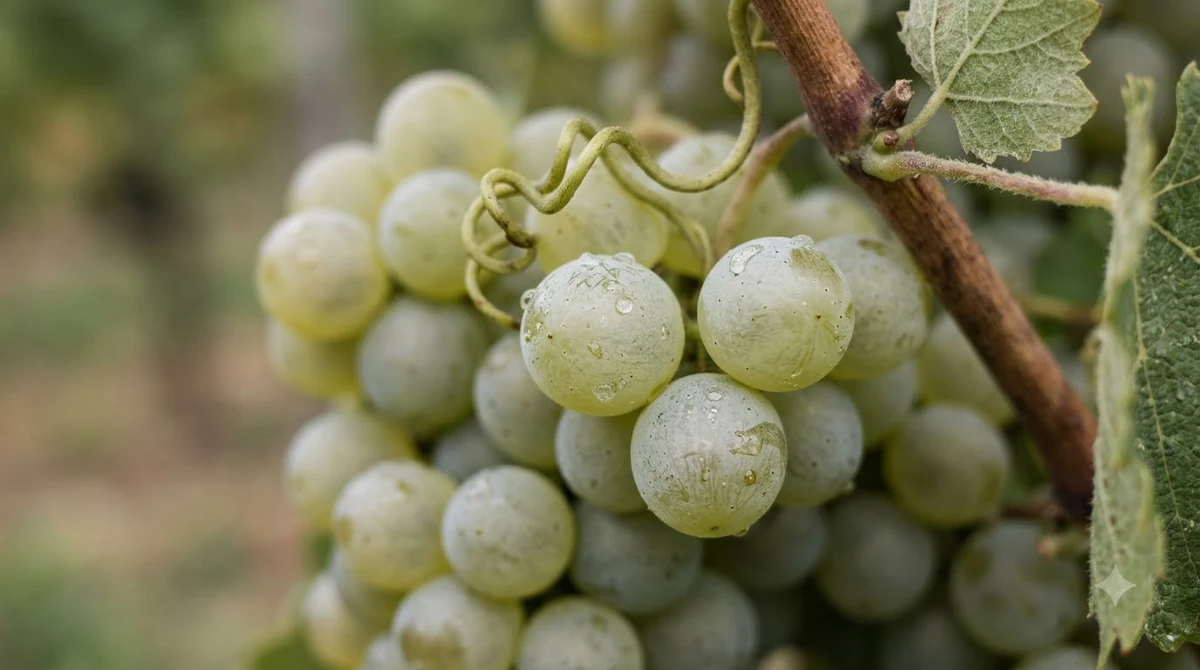
In the vineyard, the vine exhibits high vigor and mid-ripening tendencies, producing medium-sized berries with thick skins. That thicker skin structure is critical to its dual identity: it protects the fruit from autumn mountain dampness while allowing clusters to dehydrate slowly without spoiling when producers set them aside for sweet passito winemaking. Growers traditionally train the vines using the classic Pergola Trentina canopy system—which shades the delicate clusters from intense afternoon sun—or modern Guyot trellising on steeper hillsides.
Over the second half of the twentieth century, total plantings shrank dramatically as growers uprooted native vines in favor of higher-yielding international varieties. In recent decades, however, a dedicated group of family estates and regional cooperatives has championed its revival, preserving old-vine parcels and bottling single-vineyard expressions under the Trentino DOC and Vigneti delle Dolomiti IGT appellations. Across older regional archives and neighboring Alto Adige, the grape has also appeared under local synonyms including Groppello Bianco, Nosella, Nosellara, and Spargelen.
Flavor and styles
Depending on cellar decisions, the nosiola grape transforms into three distinct styles: a crisp, stainless-steel dry white, a textured skin-contact or wood-aged dry white, and the traditional sweet Vino Santo Trentino. Across every expression, vibrant natural acidity and a signature nutty undertone link the wines together.
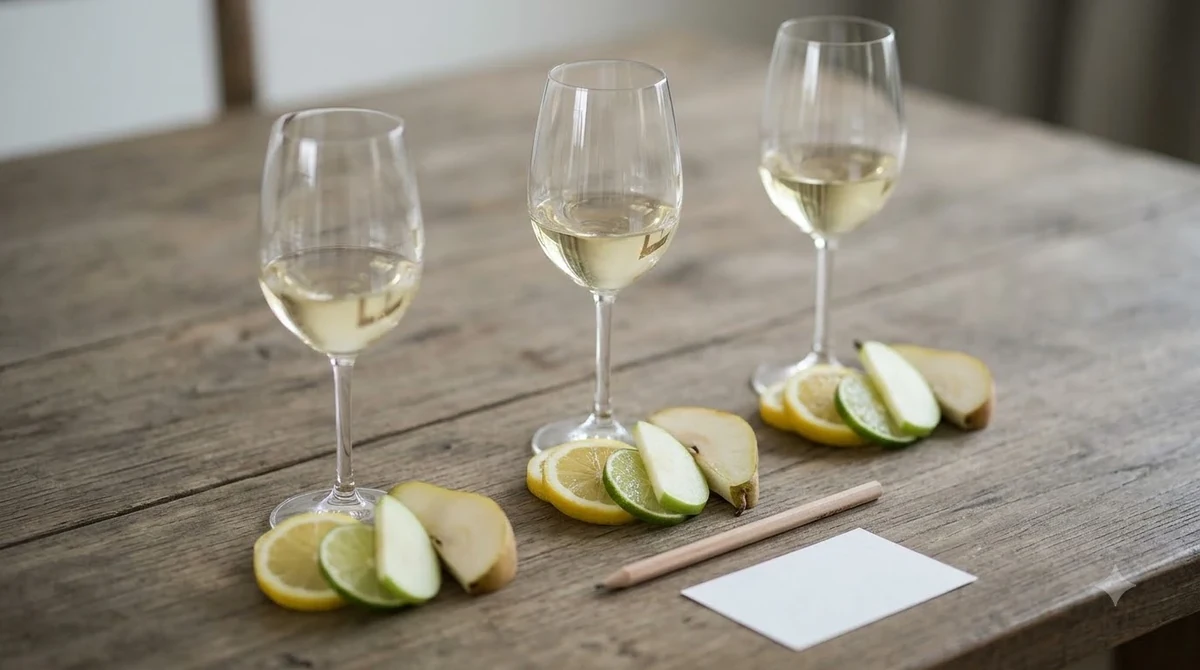
Dry, unoaked versions represent the most common style on modern wine lists. Pouring pale straw-yellow with faint greenish reflections, these wines open with restrained aromas of white blossoms—such as hawthorn, broom, and jasmine—alongside green apple, Meyer lemon, and unripe apricot. On the palate, they feel light-to-medium bodied, brisk, and stony, finishing with a clean, savory snap and a subtle bitter-almond or raw-hazelnut echo that explains the grape’s etymology.
A growing number of artisanal producers also ferment the must on the grape skins for two to six weeks or mature the wine in neutral acacia tonneaux and large wooden casks. This approach builds phenolic grip, deeper golden color, and layers of dried herbs, beeswax, and toasted hazelnut without masking the grape’s alpine freshness. At the opposite end of the spectrum sits Vino Santo Trentino DOC, where late-harvested clusters dry for six months on ventilated cane racks called aréle, developing noble rot (Botrytis cinerea) before pressing during Holy Week and aging in wood for a minimum of three years—and often six to ten.
| Wine Style | Winemaking Method | Key Tasting Notes | Typical Alcohol |
|---|---|---|---|
| Dry Unoaked White | Gentle pressing, temperature-controlled stainless steel fermentation, short lees rest | Green apple, citrus zest, white flowers, wet stone, raw hazelnut finish | 11.5% – 12.5% ABV |
| Skin-Contact / Acacia-Aged Dry | Extended maceration on skins or fermentation and aging in neutral acacia casks | Ripe apricot, dried herbs, toasted almond, savory minerality, gentle phenolic grip | 12.5% – 13.0% ABV |
| Vino Santo Trentino DOC | 6 months drying on aréle racks with noble rot, Holy Week pressing, 3–10 years in cask | Dried apricot, fig, orange marmalade, honey, toffee, roasted walnut | 13.0% – 13.5% ABV |
Where it grows
Almost all commercial plantings of this variety are concentrated within Trentino, specifically clustered around the Valle dei Laghi, the Avisian Hills north of Trento, and the lower Cembra Valley. According to the Trentino regional tourism and wine guide, the grape thrives where calcareous, marl-rich, and porphyritic soils meet steady alpine airflow.
The Valle dei Laghi—a narrow glacial corridor stretching between the Brenta Dolomites and the northern tip of Lake Garda—serves as the historic heartland for both dry bottlings and Vino Santo. Here, two daily winds regulate the microclimate like clockwork: the warm afternoon Ora del Garda blows north from the lake to ripen the fruit, while the cool morning Pelér descends from the mountains to preserve sharp acidity and keep drying lofts naturally ventilated.
Further north and east on the hillsides of Pressano, Lavis, Sorni, and the lower Val di Cembra, vines sit at elevations around 400 meters above sea level on south- and southwest-facing slopes. In these higher, rockier sites composed of silt, limestone marl, and volcanic porphyry, the grapes ripen slightly later—often into early October—yielding dry white wines with pronounced salinity, floral lift, and crystalline tension.
How to serve
Proper serving temperature and glassware make a noticeable difference for this delicate variety, since overly cold temperatures mute its subtle floral and nutty aromatics while excessive warmth dulls its crisp acidity. For dry bottlings, chill the bottle to 46–50°F (8–10°C) for lighter stainless-steel versions, or 50–54°F (10–12°C) for acacia-aged and skin-macerated expressions.
Pour dry styles into a standard tulip-shaped white wine glass with a medium bowl, which concentrates white-blossom and citrus notes while directing the wine cleanly across the palate. While young, stainless-steel bottles are built for fresh enjoyment within two to three years of harvest, structured single-vineyard and cask-aged bottles can evolve gracefully for five to eight years, trading bright green fruit for deeper toasted-nut complexity.
For Vino Santo Trentino DOC, serve slightly warmer at 54–57°F (12–14°C) in a small dessert or tulip glass so its marmalade, dried-fig, and roasted-walnut aromatics can unfurl. Because of its high natural sugar concentration and oxidative barrel aging, an opened bottle of Vino Santo remains vibrant in the refrigerator for several weeks when tightly recorked.
Tip: Pull dry bottles out of the refrigerator 15 minutes before pouring—just a few degrees of warmth unlocks the signature toasted-hazelnut finish that disappears when the wine is ice-cold.
Food pairing
Because dry expressions balance brisk mountain acidity with a savory, slightly bitter almond finish, they excel alongside freshwater fish, delicate vegetables, and lightly aged cheeses. If you enjoy pairing crisp, high-acid whites like those made from the airen grape with simple seafood, dry Trentino bottles offer a similarly refreshing palate cleanse with an extra layer of alpine minerality.
In its native Trentino, the classic regional match is freshwater fish from Alpine lakes and rivers—especially steamed trout, pan-seared Arctic char, and lightly breaded perch. The wine’s citrus lift cuts through the rich, oily flesh of mountain trout without overwhelming its delicate sweetness. Vegetable-driven dishes also shine: try dry bottlings with fried zucchini blossoms, white or green asparagus risotto, spring herb frittatas, or mild cured meats that have not been heavily smoked.
When pouring sweet Vino Santo Trentino, lean into either regional pastry traditions or sharp savory contrasts. Local tables pair it with almond-studded cakes like torta di fregoloti, dried-fruit breads such as zelten, and crisp biscotti, while savory courses call for aged mountain cheeses like Trentingrana, salty blue cheeses, or rich duck liver pâté.
How to choose a bottle
Shopping for this grape outside northern Italy requires reading the label for appellation cues and producer style, as total production remains small. Look first for Trentino DOC Nosiola (which requires at least 85% of the variety) or Vigneti delle Dolomiti IGT, which many single-vineyard artisans prefer when experimenting with extended skin contact or acacia casks.
Check the alcohol percentage and back-label vinification notes to predict what is inside the bottle. Wines around 11.5% to 12% ABV fermented in stainless steel will lean crisp, floral, and apéritif-friendly, whereas bottlings closer to 12.5% or 13% ABV aged on the lees in wood offer richer mid-palate weight and pronounced nuttiness. Benchmark names to look for include family estates such as Cantina Pisoni, Giovanni Poli, Francesco Poli, Gino Pedrotti, Salvetta, and Foradori, alongside quality-driven cooperatives like Cantina La Vis, Cantina Toblino, and Cavit.
If you are hunting for Vino Santo Trentino DOC, expect half-bottles (375 ml) or 500 ml formats rather than standard 750 ml bottles, along with vintage dates that are typically six to fifteen years older than current dry releases. Reviewers at Decanter World Wine Awards consistently highlight top Valle dei Laghi bottlings for their balance of orange marmalade, walnut, and balsamic acidity—making them worthy alternatives for collectors who love Sauternes, Tokaji, or rich dessert wines alongside aromatic reds like the brachetto grape.
Frequently Asked Questions
What does nosiola taste like?
Dry styles taste crisp, light-to-medium bodied, and mineral-driven, featuring notes of green apple, Meyer lemon, white blossoms, and a signature raw-hazelnut or bitter-almond finish. When made as sweet Vino Santo Trentino from dried grapes, it develops rich flavors of dried apricot, fig, orange marmalade, honey, and toasted walnut balanced by bright acidity.
Is nosiola wine always dry?
No, the grape is famous for two contrasting styles: a dry, refreshing white table wine and an intensely sweet passito dessert wine called Vino Santo Trentino DOC. Most bottles exported today are dry whites, while Vino Santo is produced in tiny quantities using grapes dried for six months on cane racks.
Why is the grape called nosiola?
The name derives from nocciola, the Italian word for hazelnut. Local growers named the variety after the subtle toasted-hazelnut and almond aromas that emerge on the finish of dry bottles and deepen as the wine ages.
What is a good substitute if I cannot find nosiola?
For dry versions, look for other crisp, mineral-driven northern Italian whites such as Alto Adige Pinot Bianco, Soave Classico made from Garganega, or Friulano, which shares a similar bitter-almond finish. If you want an alternative to sweet Vino Santo, aged Tuscan Vin Santo or late-harvest Chenin Blanc offers comparable dried-fruit and nutty complexity.
Exploring rare indigenous varieties rewards curious drinkers with flavors that mass-planted grapes simply cannot replicate. Whether chilled beside freshwater trout on a warm evening or sipped slowly from a half-bottle of aged Vino Santo after dinner, the nosiola grape offers an authentic taste of Trentino’s alpine vineyards.
More in Wine Types & Grapes
 What Does Mourvèdre Taste Like? Flavor Profile, Regions, and PairingsUpdated Nov 20, 2026
 What Does Marsanne Taste Like? Flavors, Styles, and Food PairingsUpdated Nov 20, 2026
 What Does Malvasia Taste Like? Styles, Flavors, and Food PairingsUpdated Nov 20, 2026
 What Does Grenache Blanc Taste Like? Flavor Profile, Styles, and PairingsUpdated Nov 20, 2026
 What Does Garnacha Taste Like? Key Flavors, Styles, and Pairing TipsUpdated Nov 20, 2026
 What Does Fruit Wine Taste Like? A Complete Flavor and Style BreakdownUpdated Nov 20, 2026