

We may earn a commission when you buy through links on this page, at no extra cost to you. Learn more.
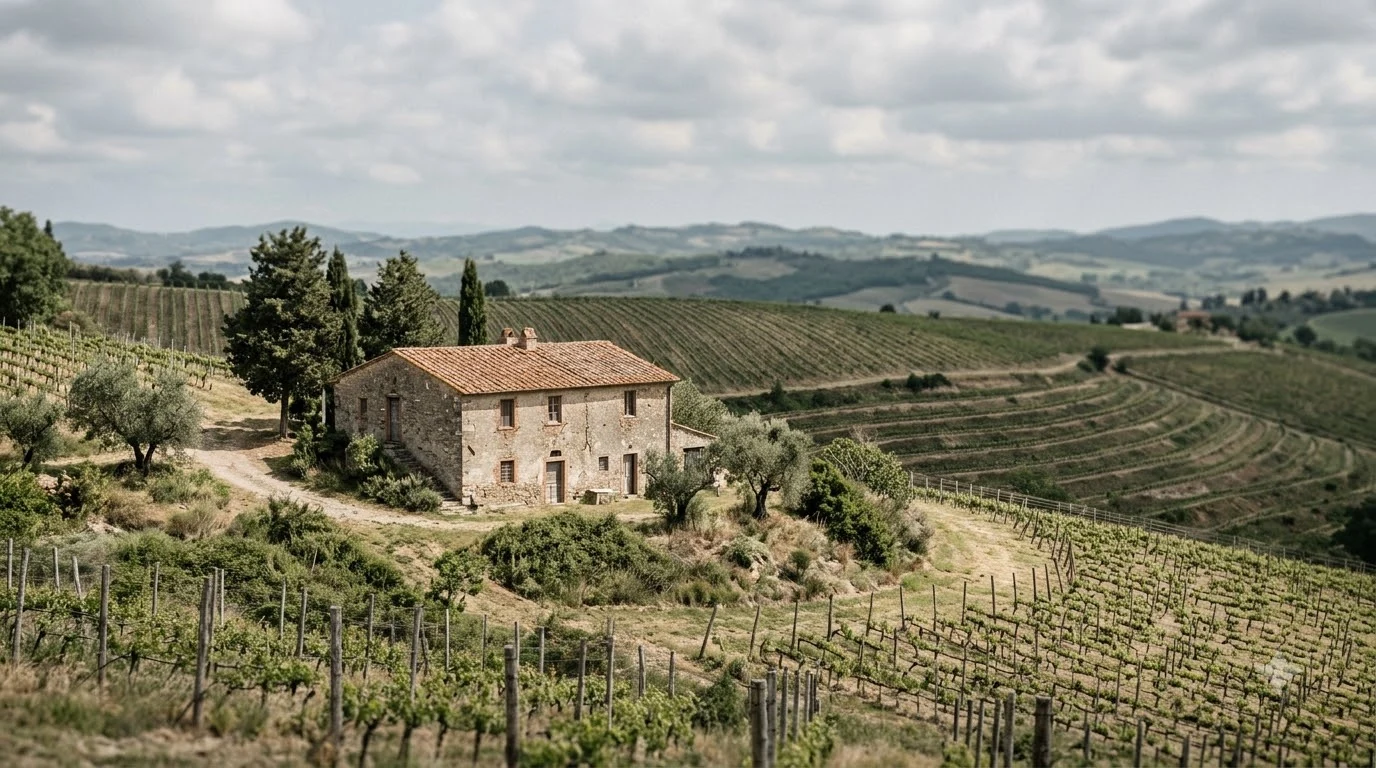
Tasmania wine country is Australia’s premier cool-climate wine destination, known for elegant Pinot Noir, high-acidity Chardonnay, and exceptional traditional-method sparkling wines across seven distinct growing areas. Located south of mainland Australia, the island benefits from maritime influences, long growing seasons, and varied vineyard soils. Visitors can explore northern districts around Launceston, southern vineyards near Hobart, and coastal wine areas with distinctive landscapes and regional specialties.
Tasmania offers a different experience from Australia’s warmer, more familiar wine destinations. Instead of concentrating on powerful, full-bodied reds, its producers focus on freshness, aromatic complexity, fine structure, and wines that reflect the character of individual vineyard sites. The island also has a compelling food culture, with fresh seafood, local cheeses, orchards, and restaurants providing natural companions to its wines. Understanding the geography and principal grape varieties makes it easier to plan a visit or choose a bottle that represents this distinctive Australian wine destination.
Why Tasmania’s Cool Climate Makes Distinctive Wines
Tasmania’s maritime climate creates a long, relatively cool growing season that favors aromatic grapes, natural acidity, and gradual flavor development. The combination of southern latitude, ocean influences, and warm autumn afternoons gives growers an unusual balance of ripening conditions.

Wine Australia records a mean January temperature of 15.6°C for Tasmania, making it the coolest Australian wine-growing region by this measure. The island also receives approximately 477 millimeters of growing-season rainfall according to its regional snapshot. These conditions help explain the freshness and restrained structure commonly associated with Tasmanian Chardonnay, Pinot Noir, Riesling, and sparkling wines. The Wine Australia regional profile of Tasmania provides additional information about the island’s climate, soils, vineyard area, and leading varieties.
Three major bodies of water influence the island’s weather: the Southern Ocean to the south, the Tasman Sea to the east, and Bass Strait to the north. Prevailing westerly winds from the Southern Ocean moderate temperatures, while maritime conditions reduce the likelihood of extreme summer heat. Cool nights help preserve acidity as grapes mature, an important characteristic for sparkling wine and aromatic white varieties.
Climate does not make viticulture effortless. Spring frost, humidity, and variable weather can create difficult conditions for vineyard managers. According to Wine Tasmania, vintage conditions vary considerably between years, making site selection and careful vineyard management particularly important. Growers must balance the need for sufficient ripeness against the risk of losing freshness or encountering unfavorable weather late in the season.
Harvest generally begins around mid-March and can continue through late May, depending on the vineyard, grape variety, and conditions of the growing season. This relatively extended period reflects differences between Tasmania’s northern and southern districts. Earlier-ripening sites may finish harvesting while cooler locations still have grapes developing on the vine.
The island’s soils add another layer of regional distinction. Ancient sandstone, mudstone, river sediments, volcanic material, and other geological formations appear across different vineyard areas. These variations influence drainage, water availability, vine growth, and the way growers manage individual sites.
For wine drinkers, the practical result is a region that produces wines with freshness and personality rather than one uniform house style. A Chardonnay from the Coal River Valley may differ noticeably from one grown in the Tamar Valley, even though both reflect Tasmania’s broad cool-climate identity. Comparing wines from different districts is one of the most useful ways to understand the island’s geography.
The Seven Wine-Growing Areas and Their Geography
Tasmania is one legally recognized wine geographical indication, but its vineyards are spread across seven broadly defined growing areas. Each district has its own climate, soils, landscape, and combination of grape varieties.
The seven areas are North West, Tamar Valley, Pipers River, East Coast, Coal River Valley, Derwent Valley, and Huon Valley. Their distribution makes geography especially important when choosing wineries to visit. Northern Tasmania is best explored from Launceston, while southern districts are generally more convenient from Hobart.
The northern areas include the Tamar Valley and Pipers River, both associated with cool-climate Chardonnay, Pinot Noir, and sparkling wine. The Tamar Valley follows the Kanamaluka / Tamar River and offers a combination of vineyard properties, agricultural landscapes, and cellar doors. Pipers River lies farther northeast and is particularly associated with traditional-method sparkling production.
North West Tasmania is a smaller wine-growing area near the island’s northwestern coast. Its producers work with the challenges and opportunities of a cool maritime environment. The East Coast stretches along the opposite side of the island, where coastal conditions, fresh seafood, and scenic vineyard locations contribute to a different wine-tourism experience.
Southern Tasmania contains the Coal River Valley, Derwent Valley, and Huon Valley. The Coal River Valley lies northeast of Hobart, with Richmond providing a useful geographic reference point. Its relatively dry conditions and sunny vineyard exposures support Pinot Noir, Chardonnay, and Riesling.
The Derwent Valley follows the river corridor north and northwest of Hobart, including the area around New Norfolk. The Huon Valley extends south toward the D’Entrecasteaux Channel, where rolling hills, waterways, and a cool growing environment support elegant wines and a strong cider tradition.
The following overview provides a useful starting point for understanding the island’s major wine destinations.
| Wine-growing area | Geographic reference | Notable wine styles |
|---|---|---|
| North West | Northwestern Tasmania | Cool-climate Pinot Noir and Chardonnay |
| Tamar Valley | Along the Tamar River near Launceston | Pinot Noir, Chardonnay, sparkling wine |
| Pipers River | Northeast of Launceston | Traditional-method sparkling, Riesling |
| East Coast | Coastal eastern Tasmania | Pinot Noir, Chardonnay, sparkling wine |
| Coal River Valley | Northeast of Hobart, near Richmond | Pinot Noir, Chardonnay, Riesling |
| Derwent Valley | Along the Derwent River, north of Hobart | Chardonnay, Riesling, Sauvignon Blanc, Pinot Noir |
| Huon Valley | South of Hobart, toward the D’Entrecasteaux Channel | Pinot Noir, Chardonnay, Riesling, cider |
These seven areas should be treated as broad geographical guides rather than completely uniform appellations. Individual vineyard elevation, aspect, soil composition, and exposure can produce substantial differences between nearby properties. A producer’s approach to harvesting, fermentation, and maturation also influences the finished wine.
For a closer look at the island’s vineyard geography, the overview of tasmania wine region provides a useful companion to this regional breakdown. Readers comparing wine destinations across the United States and Australia may also find the wider Wine Regions collection helpful.
Pinot Noir, Chardonnay, and Other Important Grapes
Pinot Noir and Chardonnay form the foundation of Tasmania’s reputation, especially in the premium still-wine and sparkling-wine categories. Riesling, Pinot Gris, and Sauvignon Blanc provide additional variety, while smaller plantings of other grapes demonstrate the flexibility of the island’s cool climate.
Pinot Noir is particularly important because its relatively thin skins, moderate tannin, and sensitivity to growing conditions make it well suited to a region where freshness and aromatic detail are central to wine style. Tasmanian examples are commonly light to medium-bodied, with delicate red-fruit character and fragrant aromas. Strawberry, cherry, raspberry, and subtle earthy notes are useful descriptors when approaching these wines.
Unlike many warmer-climate Pinot Noirs, Tasmanian versions often emphasize acidity and fine texture rather than concentrated ripeness or heavy oak influence. The best examples can show impressive complexity while remaining relatively restrained. They are also an important ingredient in traditional-method sparkling wines, where Pinot Noir contributes structure and red-fruit character.
Chardonnay is the other essential variety. Tasmania’s cool conditions help grapes retain natural acidity, creating wines that can combine citrus, apple, pear, and stone-fruit flavors with a fine mineral impression. Depending on the producer, fermentation and maturation may involve stainless steel, oak barrels, or a combination of the two.
Unoaked Chardonnay tends to emphasize fresh fruit and crisp acidity, while barrel-fermented or barrel-aged examples may develop greater texture, creaminess, and subtle spice. Neither approach is inherently superior. The choice depends on the vineyard material, the desired wine style, and the winemaker’s preference.
Riesling deserves attention from drinkers who enjoy aromatic wines with refreshing acidity. Tasmanian Riesling commonly shows citrus, lime, floral, and sometimes subtle stone-fruit characteristics. Its naturally high acidity makes it a versatile partner for seafood, shellfish, and dishes with citrus-based sauces.
Pinot Gris provides a broader range of textures and aromatic profiles. Some examples are crisp and restrained, while others have more rounded fruit character and weight. Sauvignon Blanc offers another fresh alternative, often emphasizing citrus, green fruit, and lively acidity.
These varieties provide a useful introduction for people who want to explore beyond Pinot Noir and Chardonnay. A tasting flight featuring four different grapes can demonstrate how Tasmania’s cool climate affects both red and white wines without requiring a detailed knowledge of individual producers.
The island’s suitability for these grapes is also linked to the diversity of its vineyard soils. Wine Australia identifies sandstone and schist in the Derwent Valley, peaty alluvial and sandy soils in the Coal River Valley, deep free-draining soils around Pipers River, and gravelly basalt over clay and limestone in the Tamar Valley.
Those geological differences, combined with distinct growing conditions, help explain why Tasmanian wines can vary substantially between districts. Exploring Tasmania vineyards by grape variety rather than simply by location can be a particularly effective way to compare regional styles.
Tasmanian Sparkling Wine and Traditional Production
Tasmania is one of Australia’s most respected sources of premium traditional-method sparkling wine. Its cool growing conditions preserve the acidity needed for balanced sparkling wines, while Pinot Noir and Chardonnay provide the principal grape varieties for these bottlings.
The traditional method involves a second fermentation inside the bottle, creating the carbon dioxide responsible for the wine’s bubbles. This is the same broad production approach used for Champagne and Cava. It differs from the tank method commonly associated with Prosecco, where the second fermentation takes place in a pressurized tank.
Pinot Noir provides body, structure, and red-fruit character, while Chardonnay contributes acidity, citrus freshness, and elegance. Some sparkling wines use both varieties in a blend, while Blanc de Blancs bottlings are made exclusively from white grapes, commonly Chardonnay. Blanc de Noirs refers to sparkling wine made from dark-skinned grapes, often Pinot Noir.
Extended aging on lees, the spent yeast cells left after fermentation, can contribute flavors of bread dough, biscuit, brioche, and toasted nuts. These characteristics complement the citrus and apple notes associated with cool-climate sparkling wine.
For shoppers, Tasmania offers several sparkling styles worth comparing. A young, fresh bottling may emphasize lemon, green apple, and delicate bubbles, while a more mature example can show greater complexity, creamy texture, and pastry-like aromas. Vintage sparkling wines can also reflect the distinctive weather conditions of individual harvests.
Historic significance is part of the island’s sparkling identity. Wine Tasmania records that Australia’s first sparkling wine was produced in Tasmania in 1826. Although the industry subsequently went through a long period of reduced activity, modern producers have developed a strong reputation for traditional-method bottlings.
Producers associated with Tasmania’s sparkling category include House of Arras, Jansz, and Clover Hill. Their wines offer useful examples of how the island’s climate and grape varieties can produce sparkling wines with different levels of richness, maturity, and complexity.
The Tamar Valley and Pipers River are particularly useful areas for discovering northern sparkling-wine producers. Their vineyard settings and maritime influences provide an interesting backdrop for tasting flights that compare Chardonnay-led and Pinot Noir-led bottlings.
Serving temperature matters. Sparkling wines are best served at approximately 40–50°F, cool enough to maintain freshness without suppressing every aroma. A standard 5-ounce pour is appropriate for a tasting, and a 750-milliliter bottle provides approximately five such servings.
Tip: Compare a young Tasmanian traditional-method sparkling wine with a bottle that has spent longer aging on its lees. Look for differences in citrus freshness, mousse, biscuit character, and texture. Serve both at approximately 40–50°F rather than allowing them to become excessively warm.
Where to Visit: Tamar Valley, Pipers River, and Southern Tasmania
The easiest way to explore Tasmania’s wine country is to choose a geographic base and concentrate on nearby vineyards. Launceston works well for northern wine areas, while Hobart provides convenient access to the Coal River, Derwent, and Huon Valleys.

The Tamar Valley is an excellent starting point for visitors interested in combining vineyard visits with scenery and local food. Tasmania’s oldest wine-growing area follows the Kanamaluka / Tamar River and includes more than 30 vineyards and other beverage producers, according to the regional tourism organization. The route passes orchards, berry farms, and cellar doors, making it suitable for a relaxed day of exploration. The Tamar Valley wine and vineyard visitor information offers further details about the region’s producers and wine route.
Launceston is a practical base for this northern itinerary. Visitors can travel along both sides of the river, stopping at vineyards and local food businesses along the way. The eastern side of the valley is particularly interesting because elevation and fresh sea breezes contribute to the conditions that support sparkling wine production.
Pipers River is another important northern destination. It is especially attractive to visitors interested in traditional-method sparkling wines, although Chardonnay, Pinot Noir, and Riesling are also significant. A visit here can complement a Tamar Valley itinerary by showing how different northern vineyard locations express the island’s cool climate.
Southern Tasmania provides a different experience, with Hobart serving as a convenient starting point. The Coal River Valley is a natural first choice for people interested in Pinot Noir, Chardonnay, and Riesling. Historic Richmond adds a cultural and architectural dimension to the visit, while the surrounding vineyards offer opportunities to compare different interpretations of the same grapes.
Producers such as Pooley Wines and Frogmore Creek are associated with the Coal River Valley. Their presence makes the district a useful destination for visitors who want to explore established southern Tasmanian wine styles. Winery visits can be combined with Richmond’s historic attractions and the broader food culture around Hobart.
The Derwent Valley offers another perspective on southern wines. Following the river north from Hobart toward New Norfolk, the area combines a cool maritime environment with a range of vineyard sites. Chardonnay, Pinot Noir, Riesling, and Sauvignon Blanc are among the varieties to look for.
Visitors interested in landscapes and local produce may prefer the Huon Valley. The area extends toward the D’Entrecasteaux Channel and has a longstanding association with orchards and apple production. Its wine offerings include elegant Chardonnay, Pinot Noir, and Riesling, alongside cider and other local beverages.
The East Coast deserves consideration for travelers who are already exploring the island’s coastal attractions. Its vineyards are more spread out than those around Hobart, but the combination of maritime scenery, seafood, and cool-climate wines can make the journey rewarding. Pinot Noir and Chardonnay are among the key varieties.
Travelers should avoid treating all seven growing areas as a single-day itinerary. Tasmania’s northern and southern wine destinations are separated by substantial driving distances, and cellar-door visits require time for tastings and meals. A more enjoyable plan is to spend at least one full day in a chosen district and explore another area on a separate day.
Food Pairings and How to Enjoy Tasmanian Wines
Tasmanian wines work particularly well with seafood, poultry, pork, mushrooms, and fresh regional produce. Their natural acidity makes them useful partners for dishes with citrus, herbs, and delicate sauces, while Pinot Noir provides enough fruit and structure for a range of richer foods.
Chardonnay is a versatile match for seafood, especially when the preparation involves butter, cream, or lightly roasted ingredients. A barrel-aged example can complement grilled lobster, roasted chicken, or creamy mushroom dishes. A fresher, unoaked Chardonnay is better suited to oysters, steamed fish, and simple shellfish preparations.
Riesling is especially effective with oysters, prawns, and dishes featuring lemon or fresh herbs. Its high acidity helps balance rich sauces and supports food with noticeable acidity of its own. Dry Riesling can also work with Asian-inspired seafood preparations, provided that chili heat and sweetness are kept in balance.
Pinot Noir is a natural choice for salmon, roast duck, pork, mushrooms, and grilled chicken. Its lower-to-medium tannin and high acidity make it more adaptable than many full-bodied red wines. It also works well with lightly chilled serving temperatures, which can emphasize freshness and aromatic detail.
For cheese, consider matching Chardonnay with creamy soft cheeses or pairing Pinot Noir with mild washed-rind and semi-soft varieties. Sparkling wine is especially flexible because its acidity and bubbles can refresh the palate between bites. It pairs well with oysters, fried seafood, savory pastries, and lightly salted snacks.
Serving temperature can make a noticeable difference to the experience. Use the following ranges as a starting point when opening Tasmanian bottles at home.
| Wine style | Recommended serving temperature | Food pairing ideas |
|---|---|---|
| Traditional-method sparkling | 40–50°F | Oysters, prawns, fried seafood |
| Chardonnay, unoaked | 45–50°F | Shellfish, white fish, salads |
| Chardonnay, fuller-bodied | 50–55°F | Roast chicken, lobster, mushrooms |
| Riesling | 45–50°F | Oysters, spicy seafood, citrus dishes |
| Pinot Noir | 55–60°F | Salmon, duck, pork, mushrooms |
| Pinot Gris | 45–50°F | Grilled vegetables, seafood, chicken |
These temperatures are starting points rather than strict rules. A fuller Chardonnay can benefit from a slightly warmer serving temperature than a crisp, unoaked version. Pinot Noir should generally be served cooler than a powerful Cabernet Sauvignon, since excessive warmth can make alcohol more noticeable and reduce the impression of freshness.
Food structure also matters. Salt and fat soften the perception of tannin, while highly acidic dishes need wines with equal or greater acidity. This is one reason Tasmanian Pinot Noir and Riesling can work so well with seafood and dishes featuring citrus or vinegar-based dressings.
Chili heat requires more care. Alcohol and tannin can intensify the sensation of heat, so highly spicy dishes are generally better matched with fresh, lower-alcohol wines that have enough fruit to balance the seasoning. A dry or slightly off-dry Riesling can be a useful option, depending on the dish’s sweetness.
For home storage, keep unopened bottles on their sides in a cool, dark place near 55°F when possible. Once opened, refrigerate still wines and aim to finish them within approximately three to five days. Sparkling wine is generally best enjoyed within one to three days after opening when properly resealed.
Planning a Tasmania Wine Country Visit
A successful Tasmanian wine trip depends more on choosing the right region than on trying to visit every producer. Allow time for driving, tasting appointments, meals, and the island’s scenic routes, and build the itinerary around either Launceston or Hobart.
For a northern visit, Launceston is a sensible base for the Tamar Valley and Pipers River. A full day can include a handful of cellar doors, a vineyard lunch, and time to appreciate the landscape along the Tamar River. Visitors especially interested in sparkling wine should prioritize producers specializing in traditional-method bottlings.
For a southern itinerary, Hobart makes it easier to visit the Coal River Valley and Derwent Valley. The proximity of Richmond provides an opportunity to combine wine tasting with a historic village visit. A separate day can be devoted to the Huon Valley, where wine producers, orchards, cider makers, and scenic waterways create a different experience.
Booking ahead is sensible, particularly for guided tastings, winery restaurants, and smaller boutique producers. Some cellar doors have limited opening hours or require advance appointments. Confirming access before setting out avoids unnecessary driving and gives producers time to arrange a more informative tasting.
Spring and autumn can be appealing seasons for visitors who want to experience the vineyards beyond the tasting room. Spring brings new growth and changing vineyard landscapes, while autumn is closely associated with harvest activity and the development of ripe fruit. Harvest timing varies by year and vineyard, so visitors interested in seeing picking or winery work should ask individual producers about their schedules.
Autumn is also an interesting time to compare different vintages. Because Tasmania experiences significant vintage variation, wines from different harvest years may show meaningful differences in ripeness, acidity, and structure. Asking a producer to explain the effect of seasonal conditions can add context to a tasting.
Food should be part of the itinerary rather than an afterthought. Tasmania has a strong reputation for seafood, cheese, fruit, and other regional produce. Pairing a winery visit with a local lunch provides a better understanding of why the island’s wines are so closely associated with its broader food culture.
Visitors should also plan transportation responsibly. Wine tasting and driving do not mix, particularly when visiting multiple cellar doors. Arrange a designated driver, guided wine tour, or alternative transportation before beginning the day. This allows everyone to enjoy the experience without rushing between stops.
Travelers comparing destinations outside Australia can also explore Yadkin Valley wine country, a North Carolina wine destination with its own regional geography and grape-growing traditions. Comparing the two illustrates how climate, soils, and local food cultures influence the character of a wine region.
Frequently Asked Questions
Does Tasmania have a separate wine appellation for each valley?
No. Tasmania is the single legally recognized geographical indication for the island’s wine, rather than a collection of officially separate valley-level GIs. The seven growing areas are useful regional distinctions, but they should not automatically be treated as individual legal appellations.
Who were the pioneers of Tasmania’s modern wine industry?
European migrants began rebuilding commercial interest in Tasmanian viticulture during the 1950s, challenging the assumption that the island was too cold for successful grape growing. Their work helped establish the foundations for the modern industry and encouraged further exploration of suitable vineyard sites.
What is the Kanamaluka River associated with Tasmanian wine tourism?
Kanamaluka is the Aboriginal name used alongside Tamar for the estuary and river system associated with northern Tasmania’s Tamar Valley. Its waterways connect vineyard landscapes with orchards, agricultural businesses, and coastal influences, helping shape the character of the region’s wine-tourism route.
Why do Tasmanian winemakers pay attention to vintage variation?
Differences in rainfall, temperatures, frost events, and harvest conditions can change grape development from one season to another. Because Tasmania has a relatively cool and variable growing environment, the same vineyard and grape variety can produce noticeably different expressions in separate harvests.
What does Blanc de Blancs mean on a Tasmanian sparkling wine label?
Blanc de Blancs means white wine made from white grapes, and in Tasmania it commonly refers to sparkling wine made entirely from Chardonnay. Blanc de Noirs describes a white sparkling wine produced from dark-skinned grapes such as Pinot Noir, with the juice separated from the skins during production.
Tasmania combines a distinctive maritime climate, seven varied growing areas, and a strong identity built around Pinot Noir, Chardonnay, and traditional-method sparkling wine. Whether exploring the Tamar Valley from Launceston or the southern vineyards from Hobart, visitors can discover wines that reflect the island’s geography, changing seasons, and regional food culture. For wine enthusiasts, it is a particularly rewarding destination for understanding how cool-climate conditions shape freshness, aromatic complexity, and fine structure.
More in Wine Regions
 Willcox Wine Trail: Discover Arizona’s High-Elevation Wine CountryUpdated Nov 20, 2026
 Yakima Valley Wine Region: Find the Best Styles to TryUpdated Nov 20, 2026
 Vosne Romanee Wine Tasting: Identify Aromas and Choose Better PairingsUpdated Nov 20, 2026
 Yakima Valley Wine Festival: Find the Best Seasonal Wine EventsUpdated Nov 20, 2026
 Wales Vineyards: Discover Cool-Climate Wines and Where to VisitUpdated Nov 20, 2026
 Yountville Wine Festival: Discover Napa Wines and Local FoodUpdated Nov 20, 2026