

We may earn a commission when you buy through links on this page, at no extra cost to you. Learn more.
The taurasi wine festival is a celebration of Taurasi DOCG, the historic Aglianico-based red wine produced in Irpinia, Campania, Italy, featuring wine tastings, local food, music, and cultural activities. The main wine celebration, known as the Fiera Enologica Taurasi, brings producers and visitors together in the historic village of Taurasi. Other events, including Settembre al Borgo, also connect the town’s wine traditions with its architecture, cuisine, and community. Visitors can use these celebrations to discover local wines, meet winemakers, and explore one of southern Italy’s best-known wine-producing areas.
Taurasi offers more than a typical wine festival experience. Its identity is closely tied to Aglianico vineyards, traditional cellars, historic buildings, and the food culture of Avellino province. Understanding the difference between the town’s major wine events, the characteristics of Taurasi DOCG, and the local geography makes planning a visit easier. Whether the main interest is tasting aged red wines, enjoying regional cooking, or discovering Irpinian traditions, Taurasi provides several ways to experience the area.
What the Taurasi Wine Festival Celebrates
The Taurasi wine festival celebrates the connection between the town of Taurasi and its internationally recognized red wine. Its main attraction is Taurasi DOCG, a wine made primarily from Aglianico grapes and shaped by the hills and winemaking traditions of Irpinia. The festival combines tastings with entertainment, food, and opportunities to learn about local producers.
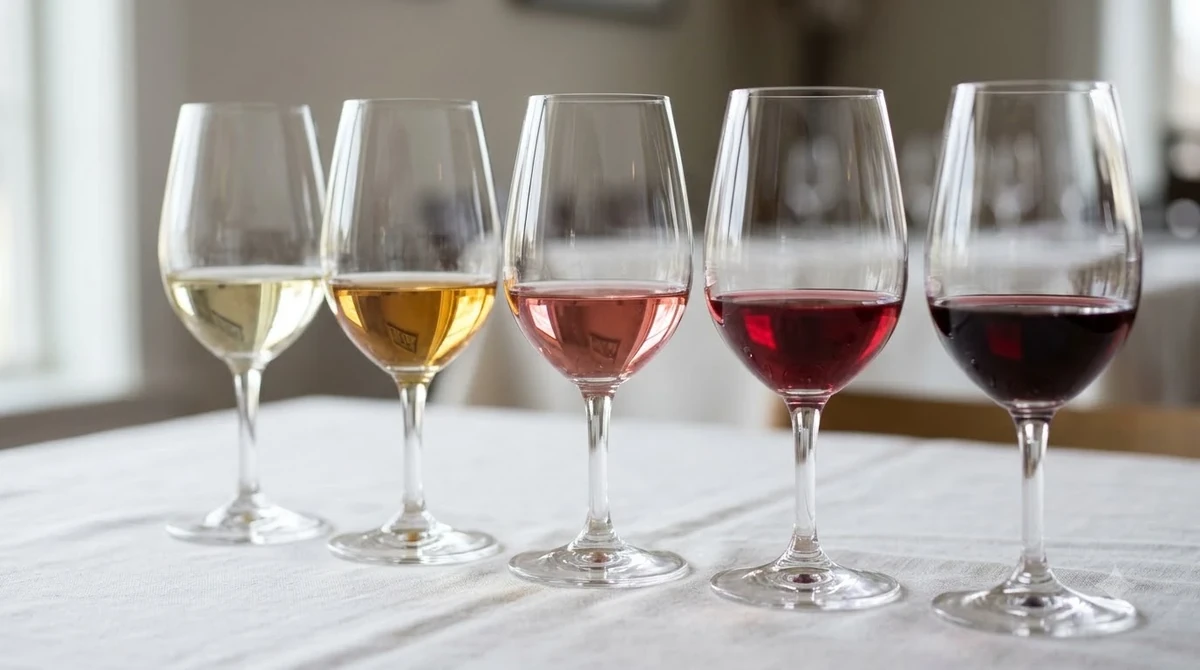
The Fiera Enologica Taurasi is the established wine fair associated with the town. Organized by Pro Loco Taurasi with municipal support, the event has traditionally brought activity to the historic center during the summer. The 2026 edition ran from August 11 through August 15, providing five days of wine-focused programming. Its theme was “L’evoluzione,” or evolution, reflecting the relationship between established winemaking practices and contemporary cultural expression.
Wine is the central attraction, but the event is not limited to formal tastings. The program included Taurasi DOCG wine experiences, cultural initiatives, and musical performances. The 2026 lineup featured Sibbengasunamo, Gattamolesta, I Bottari di Macerata Campania, Stragatti, and Radici Popolari. These performers brought different regional folk traditions to the historic streets.
Another feature of the 2026 program was Spazio Anima, a contemporary music initiative that introduced electronic music and newer artistic styles. Its performers and collectives included Discoland Summer Stop, Nadamas Summer Tour, Caos Sound System, and Undermoove. The combination of traditional music and modern entertainment showed how the celebration could appeal to visitors with different interests.
It is also important to distinguish the Fiera Enologica from other events held in the town. Settembre al Borgo, for example, is a separate celebration that connects Taurasi wine with the historic center and local community. Its 2026 program took place on September 26 and 27. The two events share an interest in Taurasi DOCG, but they have different schedules and programming.
For visitors, this distinction matters when arranging accommodation and transportation. The August fair and September celebration should not be treated as a single continuous event. Their dates, activities, and reservation requirements can change independently, so the latest announcements from the organizers are the most useful source for planning a future visit.
Festival Dates, Activities, and Tasting Experiences
The main Fiera Enologica traditionally takes place around the summer season, while other wine-related celebrations can extend into September. Visitors should plan around the specific event rather than assume that every festival activity takes place on the same dates. The September 2026 Settembre al Borgo program provides a useful example of how a two-day celebration can combine wine, food, music, and guided experiences.
On Saturday, September 26, 2026, the scheduled opening ceremony took place at 6:30 p.m. at Castello Marchionale. The castle provided a historic setting for the opening toast and the beginning of the celebrations. Food stands were scheduled to open at 8 p.m., with live music spread across the squares of the old town.
Sunday, September 27, offered a different schedule. Guided visits and a five-senses experience connected with wine were scheduled to begin at 10:30 a.m. at the castle. Food stands operated during the lunch period from noon until 3 p.m., giving visitors time to enjoy local cooking before the evening wine program.
A particularly interesting activity was the scheduled Taurasi DOCG masterclass at 6 p.m. on Sunday. Professional sommeliers were to lead a guided tasting that explored the wine’s characteristics and its connection with the surrounding territory. Advance reservations were required for participation, making this a different experience from simply walking among the food and wine stands.
Evening activities continued with food stands reopening at 8 p.m. and live music returning to the village squares at 9 p.m. Castle visits were also scheduled during two daily windows, from 10 a.m. to 1 p.m. and from 4 p.m. to 8 p.m. The wine-related sensory experience followed the same general time windows and required advance booking.
| Activity | 2026 schedule | Location |
|---|---|---|
| Opening ceremony | September 26, 6:30 p.m. | Castello Marchionale |
| Food stands | September 26, 8 p.m. | Historic center |
| Guided visits | September 27, 10:30 a.m. | Castello Marchionale |
| Lunch stands | September 27, noon–3 p.m. | Historic center |
| Guided wine masterclass | September 27, 6 p.m. | Castello Marchionale |
| Evening food stands | September 27, 8 p.m. | Historic center |
| Live music | September 27, 9 p.m. | Village squares |
These times describe the announced 2026 September program, not a guaranteed schedule for subsequent editions. For a future visit, confirm whether the masterclass, guided castle visits, cellar openings, and sensory experiences are being offered again. Some activities may require reservations even when general access to the surrounding celebration is available.
Understanding Taurasi DOCG and Aglianico Wine
Taurasi DOCG is the wine that gives the town its international reputation. It is made with at least 85% Aglianico, a late-ripening red grape known for producing deeply colored wines with firm tannins and substantial acidity. Its structure and aging potential distinguish it from many lighter southern Italian reds.
Aglianico ripens relatively late in Irpinia. According to Turismo Campano’s regional wine information, harvesting often takes place between late October and November. This extended growing season contributes to the grape’s characteristic combination of concentrated fruit, freshness, and tannic structure. Vineyard altitude and temperature differences between daytime and nighttime also influence how the grapes develop.
The Taurasi appellation has an important place in Italian wine history. The wine received DOC recognition in 1970 and achieved DOCG status through a decree dated March 11, 1993. It was the first DOCG wine in southern Italy, an achievement that helped establish Irpinia as an important destination for serious wine enthusiasts.
The production area covers 17 municipalities in the province of Avellino. These include Taurasi itself, Bonito, Castelfranci, Castelvetere sul Calore, Fontanarosa, Lapio, Luogosano, Mirabella Eclano, Montefalcione, Montemarano, Montemiletto, Paternopoli, Pietradefusi, Sant’Angelo all’Esca, San Mango sul Calore, Torre le Nocelle, and Venticano.
The geography is important because Taurasi is not simply a wine made in one small village. It represents a broader territory in the Calore valley, where different vineyard locations and growing conditions can influence the character of the finished wine. Visitors interested in regional differences can compare bottles from different producers and municipalities during tastings.
There are two principal categories: Taurasi and Taurasi Riserva. Standard Taurasi must undergo at least three years of aging, including at least one year in wooden casks. Taurasi Riserva requires at least four years of aging, including a minimum of 18 months in wood. These requirements provide a useful starting point when comparing bottles at a festival.
| Wine category | Minimum aging | Minimum wood aging | Minimum ABV |
|---|---|---|---|
| Taurasi DOCG | 3 years | 1 year | 12% |
| Taurasi Riserva DOCG | 4 years | 18 months | 12.5% |
The aging requirements are minimums rather than instructions that every bottle must taste the same. A younger Taurasi may emphasize concentrated red and black fruit, while an older bottle can reveal more developed notes of leather, tobacco, and savory spice. Wood aging can also contribute additional complexity, although its influence depends on the producer’s choices.
These differences make a guided tasting especially useful. Rather than focusing only on whether a wine seems powerful or smooth, consider its acidity, tannin, fruit character, and finish. Comparing standard Taurasi with Riserva can help explain why the grape is suited to extended aging.
How to Taste Taurasi Wines at the Festival
A thoughtful tasting approach helps visitors understand what makes Aglianico distinctive. Taurasi is generally a structured red with firm tannins and refreshing acidity, so it benefits from a little time in the glass. Tasting several examples in a planned order can reveal differences in age, vineyard origin, and winemaking style.
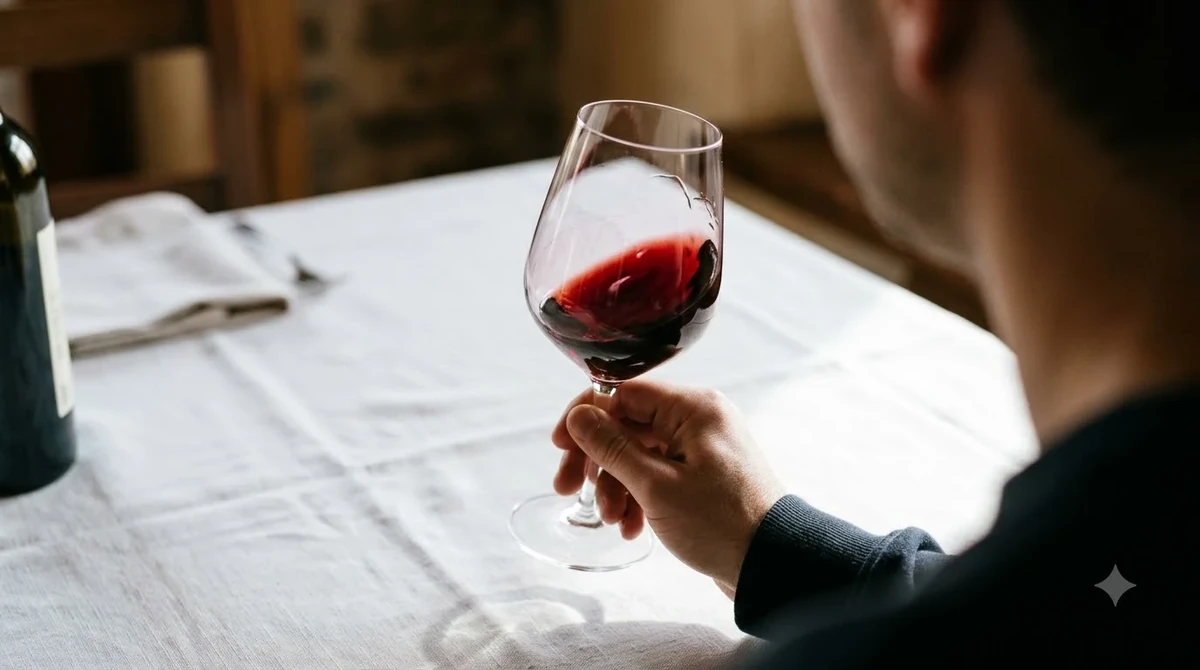
Begin by examining the color. Young Taurasi often shows deep ruby or garnet tones, while older examples can develop more pronounced garnet and brick-like edges. Swirling the wine gently helps release aromas without requiring an extended wait. Look for ripe cherries, dark berries, spices, and balsamic impressions.
Next, pay attention to the palate. Aglianico’s tannins can feel firm, particularly in young wines, while its acidity helps balance the concentrated fruit. These characteristics are part of the grape’s identity rather than signs that the wine is necessarily too harsh. Older examples may feel more integrated as the tannins and aromatic components develop.
When comparing wines, try tasting standard Taurasi and Riserva side by side. Ask the producer about the harvest year, the duration of aging, and the type of wood used. These details can explain why two wines made primarily from the same grape have different textures and aromas.
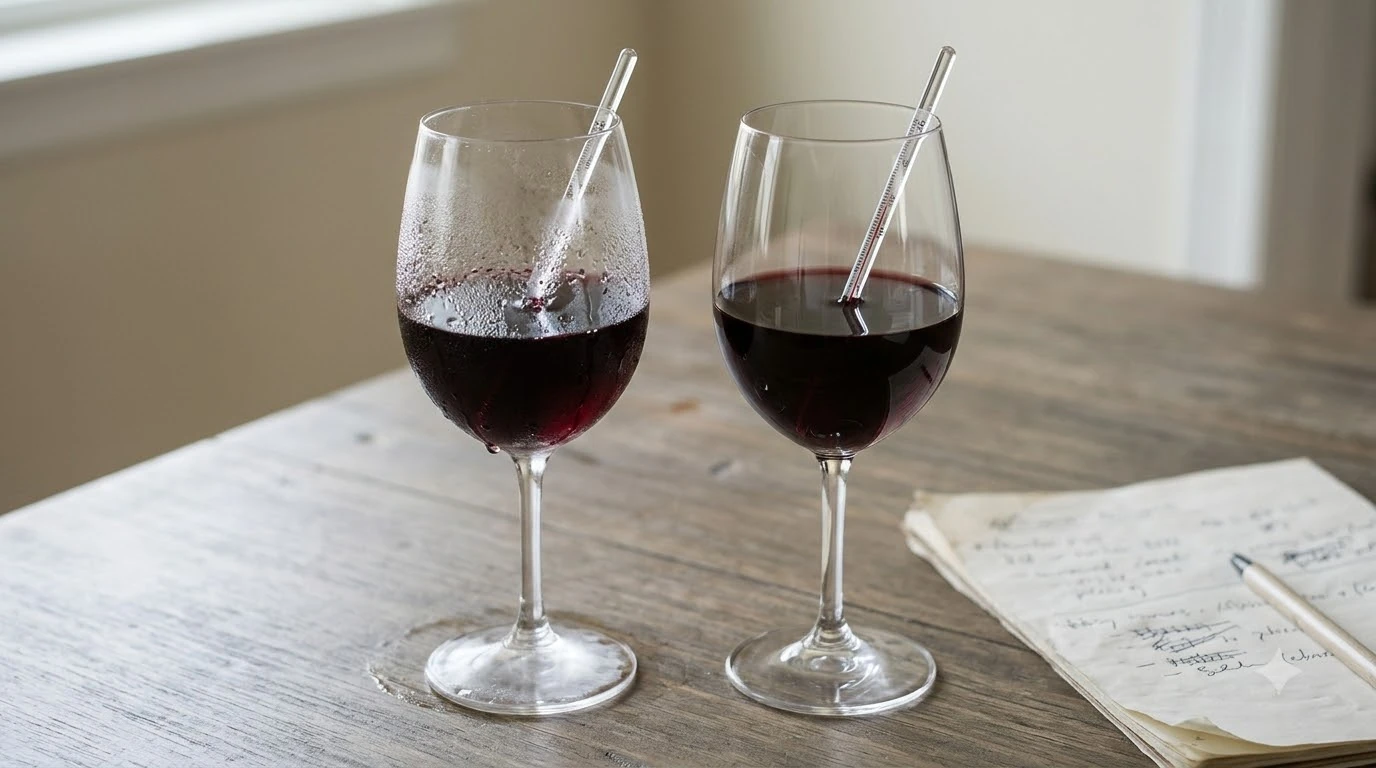
Serving temperature also influences the experience. A temperature of approximately 60–65 F is appropriate for full-bodied red wines. Excessive warmth can make alcohol seem more prominent, while overly cold service can make tannins appear harder and reduce aromatic expression.
Tip: Taste a younger Taurasi before moving to an older Riserva. Give each wine time to open in the glass, and compare its fruit, acidity, tannin, and finish rather than judging it only by its initial intensity.
It is useful to keep brief notes during a festival. Record the producer, wine category, vintage, and one or two memorable characteristics. A note such as “black cherry, dried herbs, firm tannins, long finish” is more helpful later than a general impression that a wine was powerful.
Visitors should also pace their tastings. Small pours make it easier to compare multiple producers while leaving room for food and conversation. A standard wine serving is approximately 5 ounces, and a 750 ml bottle contains roughly five such glasses. Festival tasting portions may be smaller, depending on the organizer.
Ask questions about vineyard altitude, harvest timing, fermentation, and maturation. Local winemakers can explain how their particular approach expresses the character of Aglianico. These conversations are often among the most informative parts of a wine-focused visit.
Traditional Irpinian Food and Taurasi Wine Pairings
Food is an important part of the Taurasi festival experience because the area’s cuisine provides natural partners for its structured red wine. Rich meat dishes, game, savory preparations, and mature cheeses complement the wine’s tannins and acidity. Sampling regional dishes alongside local wines helps explain the relationship between Irpinian agriculture and winemaking.
Red meat is one of the most dependable pairings for Taurasi. Grilled beef, slow-cooked meat, and roasted preparations provide enough richness and protein to soften the wine’s firm tannins. The wine’s acidity also helps balance fatty or concentrated dishes, making it a useful companion for substantial meals.
Game dishes are another traditional match. Preparations involving wild boar and other game meats can have pronounced savory flavors that work well with Aglianico’s dark fruit, spice, and earthy characteristics. Slow cooking is particularly suitable because it allows the meat and accompanying ingredients to develop concentrated flavors.
Mature cheeses offer a simpler way to explore the wine’s structure. Hard and aged cheeses can soften the perception of tannin through their fat and protein content. Their concentrated savory character also provides a useful contrast to Taurasi’s fruit and acidity.
Visitors should also look for dishes made with locally grown ingredients. Irpinian cooking includes preparations based on seasonal vegetables, legumes, mushrooms, and chestnuts. These ingredients reflect the area’s agricultural traditions and provide alternatives to meat-heavy festival meals.
When pairing a dish with Taurasi, consider the intensity of both components. A heavily seasoned dish may overwhelm a more delicate wine, while a rich preparation can make a structured Aglianico taste more balanced. Strong herbs, concentrated sauces, and roasted ingredients can provide useful bridges between food and wine.
Not every dish needs a red wine pairing. A festival may also offer lighter local wines that work better with vegetables, seafood, or simple appetizers. The province of Avellino is particularly known for white wines, including Fiano di Avellino DOCG and Greco di Tufo DOCG.
Exploring these whites alongside Taurasi provides a broader understanding of Irpinian wine culture. Fiano offers a different aromatic and textural profile, while Greco is known for its freshness and savory character. Together, the wines demonstrate why the province deserves attention beyond its famous red appellation.
For more ideas about how wine regions shape local traditions and food pairings, explore our guide to Wine Regions. It provides useful context for understanding the relationship between geography, grape varieties, and regional wine styles.
Exploring Taurasi’s Historic Center and Nearby Wineries
The festival is also an opportunity to discover Taurasi as a historic village. Its old streets, squares, and Castello Marchionale provide a setting that connects the wine celebration with the area’s architectural heritage. Walking between tasting locations is an effective way to experience the town without limiting the visit to individual wine stands.
Castello Marchionale is one of the principal landmarks associated with Taurasi. It served as the central location for the September 2026 opening ceremony and the scheduled guided wine masterclass. Its historic surroundings provide a different atmosphere from a modern tasting room, making it a natural focal point for cultural and wine-related activities.
The surrounding historic center offers opportunities to discover small squares, traditional buildings, and local businesses. During a festival, the streets can become part of the event itself, with food stands, music, and informal meeting places creating a lively atmosphere. Comfortable walking shoes are useful because exploring the old town involves moving between different streets and gathering areas.
Cellar visits add another dimension to the experience. During Settembre al Borgo 2026, participating wineries opened their cellars to visitors who wanted to meet producers, taste wines, and purchase bottles. These opportunities allow visitors to learn about the work behind the finished wine and hear how producers interpret Aglianico.
It is sensible to arrange cellar visits directly with wineries rather than assume that every producer accepts walk-in visitors. Ask whether the visit includes a vineyard tour, a tasting flight, or a discussion of aging methods. A visit that includes both the cellar and a tasting can make the technical details of Taurasi DOCG easier to understand.
Travelers with more time can explore other municipalities within the appellation. Montemarano and Paternopoli are among the recognized Taurasi production-area communities, and each provides an opportunity to understand the wider territory. Comparing wines from different parts of the appellation can reveal how vineyard conditions and producer decisions influence the final result.
Irpinia also offers opportunities to explore other appellations. Fiano di Avellino DOCG and Greco di Tufo DOCG provide a useful contrast to Taurasi, especially for visitors interested in tasting several regional grape varieties during one trip.
For a wider festival comparison, readers can also explore the Livermore wine festival and the Indiana wine festival. These events offer different regional perspectives on wine tourism and show how festivals reflect the agricultural and cultural identities of their locations.
Planning Transportation, Accommodation, and Your Visit
Planning transportation and accommodation in advance makes a festival visit more comfortable. Taurasi is located in Avellino province in the Irpinia area of Campania, and visitors should account for rural roads, village streets, and evening activities when organizing their itinerary. The most important consideration is arranging a safe way to return to accommodation after wine tastings.
Travelers arriving from Naples can plan a road journey toward Avellino and then continue into the Calore valley. The regional road network connects Taurasi with nearby wine-producing communities, but driving times depend on traffic and the exact starting point. A rental car offers flexibility for visitors who want to combine the festival with winery visits in surrounding municipalities.
Public transportation requires more advance research. Connections between larger cities and smaller Irpinian villages can be less convenient, particularly after evening festival activities. Visitors relying on buses or trains should confirm departure schedules before attending late-night music performances or tastings.
Accommodation should be reserved early when festival dates are announced. The village itself and surrounding communities offer opportunities to stay close to the wine region, while accommodation in larger nearby towns may provide additional transportation and dining choices. Choosing a place with reliable access to the festival can reduce the need for late-night travel.
It is also useful to separate the wine festival from a broader regional itinerary. A two-day visit could include the historic center and castle on the first day, followed by a guided tasting or winery appointment on the second. Visitors with three or more days can extend their plans to include other municipalities in the Taurasi appellation and the neighboring Fiano di Avellino and Greco di Tufo areas.
Festival access, individual tasting fees, guided activities, and booking conditions can differ between events. General attendance does not automatically include a reserved masterclass or cellar visit. For example, the September 2026 guided masterclass required advance reservations, even though other parts of the event took place throughout the historic center.
Check announcements from Pro Loco Taurasi and the Municipality of Taurasi when planning a future edition. The Sistema Irpinia event listing provides an example of how the official regional tourism portal publishes festival dates, locations, and programming information.
Responsible transportation is essential during a wine-focused visit. Visitors should arrange a designated driver, professional transfer, or overnight accommodation rather than drive after drinking. This is particularly important when the itinerary includes several winery appointments or evening festival tastings.
Finally, leave time for activities beyond wine. A visit to the castle, a walk through the old streets, and a meal featuring local ingredients can make the trip more rewarding. The strongest impression of Taurasi comes from seeing how wine, landscape, food, and community traditions fit together.
Frequently Asked Questions
Is Taurasi DOCG made exclusively from Aglianico grapes?
No. Taurasi DOCG must contain at least 85% Aglianico, and the remaining permitted portion may consist of other non-aromatic black grape varieties. This distinction is part of the appellation’s production regulations. It means that Taurasi is strongly defined by Aglianico without requiring every bottle to contain exactly 100% of the grape.
Why is Taurasi sometimes called the Barolo of the South?
The nickname refers to its reputation as a structured southern Italian red with considerable aging potential. Taurasi and Barolo are made from different grapes, Aglianico and Nebbiolo respectively, and belong to different wine regions. The comparison highlights their reputation for tannin, complexity, and long development in the bottle rather than suggesting that they taste alike.
Does Taurasi wine have to be aged in oak barrels?
The appellation’s minimum aging rules require a period in wooden casks, but they do not mean every producer must use identical barrel sizes or oak treatments. Taurasi requires at least one year in wood, while Riserva requires at least 18 months. These requirements help distinguish the wine’s regulated maturation from shorter-aged Aglianico wines made under other designations.
What is the difference between Taurasi DOCG and Irpinia Aglianico DOC?
They are separate wine designations with different production requirements. Taurasi DOCG has specific geographical, grape-composition, and aging rules, including its minimum 85% Aglianico requirement. Irpinia Aglianico DOC provides another way to experience the grape across the wider province without automatically carrying the same Taurasi DOCG classification.
Can Taurasi DOCG be enjoyed several years after purchase?
Yes. Taurasi’s tannins, acidity, and regulated aging make it a wine with significant cellaring potential. The exact drinking window depends on the vintage, producer, vineyard conditions, and storage history. Bottles kept consistently in suitable conditions may develop additional complexity, including dried fruit, leather, tobacco, and savory aromas.
The Taurasi wine festival offers a memorable introduction to one of Campania’s most important wine traditions. From Aglianico tastings and regional food to historic architecture and cellar visits, the experience connects the wine directly with the people and landscape of Irpinia. Check the organizers’ latest announcements before traveling, and allow enough time to discover both the wine and the historic village that gives it its name.
More in Wine Regions
 Willcox Wine Trail: Discover Arizona’s High-Elevation Wine CountryUpdated Nov 20, 2026
 Yakima Valley Wine Region: Find the Best Styles to TryUpdated Nov 20, 2026
 Vosne Romanee Wine Tasting: Identify Aromas and Choose Better PairingsUpdated Nov 20, 2026
 Yakima Valley Wine Festival: Find the Best Seasonal Wine EventsUpdated Nov 20, 2026
 Wales Vineyards: Discover Cool-Climate Wines and Where to VisitUpdated Nov 20, 2026
 Yountville Wine Festival: Discover Napa Wines and Local FoodUpdated Nov 20, 2026