

We may earn a commission when you buy through links on this page, at no extra cost to you. Learn more.
The south carolina wine trail is a collection of wineries and vineyards spread across the state’s Upstate, Midlands, Pee Dee, and Lowcountry regions, rather than one continuous, officially designated route. Visitors can explore mountain-influenced vineyards near Greenville, discover Muscadine and fruit wines in the Midlands, or combine coastal sightseeing with winery visits around the Lowcountry. The best approach is to choose one geographic area, visit two or three wineries, and leave enough time to enjoy the food, scenery, and local hospitality.
South Carolina offers a different kind of wine-country experience from the concentrated vineyard destinations of California or Oregon. Its wineries range from small agricultural operations producing berry wines and meads to vineyard estates specializing in European grape varieties. Geography plays an important role in what visitors encounter, and the distances between destinations make thoughtful planning especially useful. Whether you are organizing a weekend around Greenville, exploring historic Newberry, or adding a vineyard visit to a coastal vacation, South Carolina has several worthwhile wine destinations.
Understanding South Carolina’s Wine Trail Geography
South Carolina’s wine destinations are distributed across four broad geographic areas, each offering a different combination of scenery, agricultural traditions, and wine styles. Understanding these areas helps visitors build a realistic itinerary instead of attempting to cross the entire state in one afternoon.
The Upstate is an especially useful starting point for wine travelers. Greenville, Travelers Rest, Pelzer, Easley, Marietta, and Cleveland provide access to several vineyard properties and tasting experiences within the northwestern part of the state. The Blue Ridge foothills offer changing elevations and landscapes, while the surrounding countryside makes winery visits a natural addition to a trip involving mountain recreation, small towns, and outdoor dining.
The Midlands provide another collection of destinations, including Enoree River Vineyards and Winery in Newberry. This area offers opportunities to explore fruit wines, Muscadine, and other locally produced varieties without the mountain setting of the Upstate. Farther southeast, the Pee Dee region includes wineries around Florence, Little River, and Myrtle Beach. The Lowcountry adds destinations near Charleston, Wadmalaw Island, Hilton Head, and Daufuskie Island.
Tourism directories and winery associations organize these destinations into geographic groups, making them easier to research. However, travelers should understand that a directory grouping does not automatically mean there is a marked driving route, shared tasting pass, or coordinated operating schedule. Individual wineries manage their own experiences. For broader regional inspiration, explore the Wine Regions section to compare South Carolina with other American wine destinations.
One useful way to think about the state is as several smaller wine-country experiences rather than a single long trail. A Greenville-based weekend might concentrate on the Upstate, while a coastal holiday could include a winery near Myrtle Beach or Wadmalaw Island. This approach reduces driving and gives each destination more attention.
Upstate South Carolina: Greenville and the Blue Ridge Foothills
The Upstate offers one of the strongest concentrations of vineyard experiences in South Carolina, with destinations ranging from estate-focused Vinifera producers to small wineries specializing in regional grapes. Greenville makes a practical base, particularly for visitors interested in combining wine tasting with mountain scenery and local restaurants.
City Scape Winery in Pelzer is a useful first stop for visitors interested in distinctive South Carolina wines. Located at 589 Dunklin Bridge Road, it produces small batches of locally focused wines, including dry white Muscadine. The winery has also received recognition in the Palmetto Wine Competition for its dry white Muscadine wine. Its vineyard setting and personalized experiences make it a good introduction to the state’s alternative grape varieties. Visitors can also look for special experiences and behind-the-scenes activities when planning their visit.
Victoria Valley Vineyards, in Cleveland near Table Rock, provides a different perspective. Its 47-acre property was selected for its elevation and soil structure, and the winery focuses on European Vinifera wines. Guests can enjoy wine flights, group winery tours, and meals on the terrace. It is an appealing choice for visitors who prefer familiar European grape varieties and a traditional vineyard-estate atmosphere.
Eagle Mountain Vineyards & Winery is another important Upstate destination. Located at 2330 Highway 11 in Travelers Rest, the property covers 40 acres and was selected for its elevation and soil characteristics. Its focus on Vinifera wines provides another opportunity to explore a more European-inspired approach to winemaking in the South. The winery’s visitor information and winery details are useful for checking its visiting arrangements before setting out.
Wellborn Winery, also in Travelers Rest, offers a contrasting regional identity. Its wines combine French-American hybrid and native American grapes, reflecting an approach adapted to the Upstate’s agricultural conditions. Meanwhile, Kennington Family Winery in Marietta features 11 wines on its handcrafted menu, offering visitors another stop near Greenville.
These wineries should not be treated as interchangeable. City Scape provides a locally focused Muscadine experience, Victoria Valley emphasizes European Vinifera, Eagle Mountain combines vineyard wines with a mountain setting, and Wellborn highlights hybrid and native grape varieties. Choosing destinations according to wine preference makes an Upstate itinerary more rewarding.
Tip: For a first Upstate wine excursion, choose two wineries rather than trying to visit every destination. Pair a Greenville-area stay with City Scape or a Travelers Rest visit, and leave enough time for lunch, scenery, and a relaxed return journey.
Midlands and Pee Dee: Fruit Wines and Regional Traditions
The Midlands and Pee Dee regions broaden South Carolina’s wine experience beyond the vineyard-centered styles found around Greenville. Visitors can discover Muscadine wines, fruit-based wines, and agricultural destinations that combine local produce with relaxed tasting experiences.
Enoree River Vineyards and Winery in Newberry is a particularly useful destination for exploring this diversity. Located at 1650 Dusty Road, the winery offers Muscadine, fruit, and Vinifera wines. That selection makes it interesting for visitors who want to compare several different approaches to Southern winemaking in one location.
The property also offers more than wine purchases. Its agricultural tourism listing identifies vineyard tastings, live entertainment, campfires, photography opportunities, and picnic facilities. There is space for private events, and the property includes outdoor grounds as well as indoor facilities. These features make Enoree River a possible destination for groups who want a longer countryside visit instead of a quick tasting-room stop.
For planning purposes, the South Carolina Department of Agriculture lists Thursday through Saturday hours of noon to 6 p.m. and Sunday hours of 2 p.m. to 6 p.m. Visitors should contact the winery to confirm the schedule for their intended date, especially when arranging a group outing or traveling outside regular operating periods. The department’s Enoree River winery and agritourism listing provides additional information about the property and its visitor facilities.
The Pee Dee region offers a different set of destinations. Hyman Vineyards in Florence and Cartersville Country Winery in Timmonsville are examples of wineries appearing in South Carolina winery directories. Around the Grand Strand, visitors can investigate La Belle Amie Vineyard in Little River and other destinations near Myrtle Beach and North Myrtle Beach.
La Belle Amie Vineyard is located at 1120 St. Joseph Road in Little River. Its location makes it a possible addition to a coastal vacation for visitors who want something beyond beaches, restaurants, and shopping. However, a coastal winery visit should be planned as a separate activity rather than assumed to be a quick extension of a Greenville itinerary.
The key distinction in these regions is variety. Some destinations emphasize traditional grape wines, while others feature fruit-based products and locally influenced styles. Visitors who are accustomed to European wine lists may find the variety of Southern fruit wines particularly interesting. Instead of judging each wine against a familiar Cabernet Sauvignon or Chardonnay, approach these selections as expressions of a different agricultural tradition.
Lowcountry and Coastal Wineries Worth Discovering
South Carolina’s Lowcountry offers wine experiences that fit naturally into coastal travel, particularly around Charleston, the Sea Islands, Hilton Head, and Daufuskie Island. These destinations provide a different atmosphere from the mountain vineyards of the Upstate, with opportunities to combine wine visits and coastal sightseeing.
Deep Water Vineyard on Wadmalaw Island is one of the state’s recognizable Lowcountry wine destinations. Its island location makes it an interesting option for travelers staying in or around Charleston who want to explore the countryside beyond the historic downtown area. The broader Wadmalaw Island setting also makes a vineyard visit a possible addition to a day of exploring rural roads and local attractions.
Island Winery on Hilton Head is another destination worth researching. Hilton Head is primarily associated with beaches, golf, and resort travel, so a winery visit can add a different activity to a coastal itinerary. Travelers should distinguish between an urban tasting experience and a vineyard visit, since the setting and available activities can differ substantially.
Further south, Silver Dew Winery on Daufuskie Island appears in South Carolina winery directories. An island visit requires additional transportation planning, making it important to consider ferry schedules and the timing of other activities before arranging a tasting.
These coastal destinations should be approached as individual stops rather than a tightly connected trail. Island geography, bridge access, ferry services, and seasonal visitor traffic can all affect travel time. For that reason, a coastal wine day works best when the winery is the main planned activity or one of a small number of stops.
Visitors interested in coastal wine tourism should also consider the difference between winery hours and general tourist attractions. A beach or historic district may remain accessible after a tasting room closes, but a winery may operate on a limited schedule. Confirming the day’s opening arrangements before setting out avoids an unnecessary detour.
Coastal destinations can also be especially appealing to travelers with mixed interests. One person may enjoy wine tasting, while another prefers photography, beaches, local seafood, or historical sightseeing. A carefully selected coastal winery can fit into a broader vacation without requiring every member of the group to follow a full wine-focused itinerary.
South Carolina Wine Styles and Grapes to Look For
South Carolina’s wine identity is broader than a collection of conventional European grape varieties. Muscadine, French-American hybrids, native American grapes, fruit wines, meads, and European Vinifera wines all contribute to the state’s selection.
Muscadine deserves particular attention. It is a native Southern grape associated with the southeastern United States and is an important part of the region’s wine heritage. Visitors may encounter wines ranging from dry expressions to sweeter bottlings. City Scape Winery’s dry white Muscadine is one example of a producer offering a style that challenges the assumption that all Muscadine wines are sweet.
French-American hybrid grapes are another interesting category. These varieties combine grape genetics from different backgrounds and can offer growers alternatives suited to regional growing conditions. Wellborn Winery’s use of French-American hybrids and native American grapes illustrates how an Upstate producer can develop a wine identity distinct from traditional European vineyard regions.
European Vinifera varieties are also represented. Victoria Valley Vineyards and Eagle Mountain provide opportunities to explore wines made with this familiar family of grapes. Visitors who already enjoy Chardonnay, Cabernet Sauvignon, Merlot, or other international varieties may find these stops useful for comparing regional expressions.
Fruit wines form another part of the state’s wine culture. Depending on the producer, visitors may encounter wines made with berries and other fruits rather than conventional wine grapes. Lazy Bear Winery in Easley specializes in fruit and berry wines as well as meads. Enoree River also offers fruit wines alongside Muscadine and Vinifera selections.
Mead deserves a separate mention because it is made through the fermentation of honey rather than grapes. Lazy Bear Winery uses honey from its own bee apiary in its meads, connecting its production to another agricultural activity on the property. Visitors who enjoy discovering different fermentation traditions should consider including a mead tasting in their itinerary.
The following table summarizes the principal wine styles and where travelers can begin exploring them.
| Wine style | What to expect | South Carolina example |
|---|---|---|
| Muscadine | Southern native grape wines, ranging from dry to sweet | City Scape Winery |
| European Vinifera | Familiar international grape varieties | Victoria Valley Vineyards |
| Vinifera and estate wines | European-style wines from a foothill property | Eagle Mountain Winery |
| Hybrid and native grapes | Regional varieties adapted to local growing conditions | Wellborn Winery |
| Fruit and berry wines | Wines made with locally sourced fruit | Lazy Bear Winery |
| Mead | Fermented honey-based beverages | Lazy Bear Winery |
| Mixed wine selection | Muscadine, fruit, and Vinifera options | Enoree River Vineyards |
When tasting these wines, pay attention to sweetness, acidity, body, and aroma rather than relying only on grape names. A dry Muscadine and a sweet berry wine can offer very different experiences, even though both come from the same broad regional wine culture.
Visitors can also ask about the source of the fruit, fermentation methods, and whether a particular wine is made from estate-grown grapes or purchased agricultural produce. These details help explain why two wineries in the same state may produce such different wines.
Planning a South Carolina Wine Trail Weekend
A successful South Carolina wine weekend begins with geography, not a list of every winery in the state. Selecting a single region, identifying two or three destinations, and allowing time between visits makes the experience more comfortable and practical.
For a first visit, Greenville and the Upstate are an excellent starting point because several wineries can be combined with mountain scenery, outdoor activities, and restaurants. A possible itinerary could begin with breakfast in Greenville, followed by an afternoon visit to City Scape Winery or Victoria Valley Vineyards. Another day could focus on Travelers Rest and Eagle Mountain, with time reserved for local attractions.
Visitors interested in a more agricultural experience can consider Easley and Newberry. Lazy Bear Winery provides fruit wines, berry wines, and meads, while Enoree River offers a selection that includes Muscadine, fruit, and Vinifera wines. These destinations are particularly interesting for people who want to learn about the state’s broader agricultural production rather than focus exclusively on familiar international grape varieties.
Sample Two-Day Upstate Itinerary
A two-day trip offers a reasonable balance between tasting, sightseeing, and relaxation. The following outline is a suggested travel structure, not a promise of available appointments or coordinated winery hours.
Day 1: Greenville and Pelzer. Begin in downtown Greenville with breakfast and a walk through the city. Continue toward Pelzer for a visit to City Scape Winery. Allow approximately 90 minutes to two hours for a relaxed tasting and property visit, depending on the experiences offered that day. Spend the remainder of the afternoon enjoying the surrounding countryside or returning to Greenville for dinner.
Day 2: Travelers Rest and the foothills. Head toward Travelers Rest and explore the area around Highway 11. Eagle Mountain is a natural candidate for the day’s main winery visit, with its vineyard setting and sculpture park. If time and opening schedules permit, add another Upstate destination rather than attempting to cover several distant wineries in a single afternoon.
For a Midlands alternative, consider spending a day in Newberry around Enoree River Vineyards. This is a better choice for travelers interested in a slower countryside outing than a tightly scheduled multi-winery route.
Practical Details Before Departure
Winery hours vary considerably. Eagle Mountain lists daily public visiting hours from noon to 6 p.m., while Lazy Bear’s agricultural tourism listing provides noon-to-6 p.m. hours and advises visitors to contact the property about specific dates. Enoree River lists afternoon opening hours on several days of the week. These differences make it important to build an itinerary around confirmed operating arrangements.
For group visits, ask about reservations, tasting formats, food availability, private events, and transportation before leaving. Some properties may offer guided tours or special experiences that require advance arrangements. Others may have limited capacity or change their activities according to the season.
Driving distances should also influence the schedule. A trip between Greenville, Travelers Rest, Pelzer, and Cleveland is more practical than combining those destinations with a coastal winery in the same day. Visitors heading to Daufuskie Island should account for ferry transportation and allow additional time for the island portion of the trip.
Travelers who enjoy comparing American wine destinations can also explore the Charlottesville wine trail, the Traverse City wine trail, and the Applegate Valley wine trail. These destinations offer useful points of comparison for understanding how geography, grape varieties, and regional traditions influence American wine tourism.
Tasting Tips, Food Pairings, and Winery Etiquette
South Carolina winery visits are more enjoyable when visitors approach tastings with a little preparation. Understanding serving temperatures, tasting portions, food pairings, and basic etiquette helps make each stop more informative without turning the experience into a formal wine examination.
Start by tasting lighter wines before heavier or sweeter selections when the winery offers a choice. A dry white Muscadine, for example, may be easier to assess before a rich fruit wine or sweet dessert-style selection. Pay attention to aroma, acidity, sweetness, texture, and finish. These basic observations are more useful than trying to identify every possible flavor in the glass.
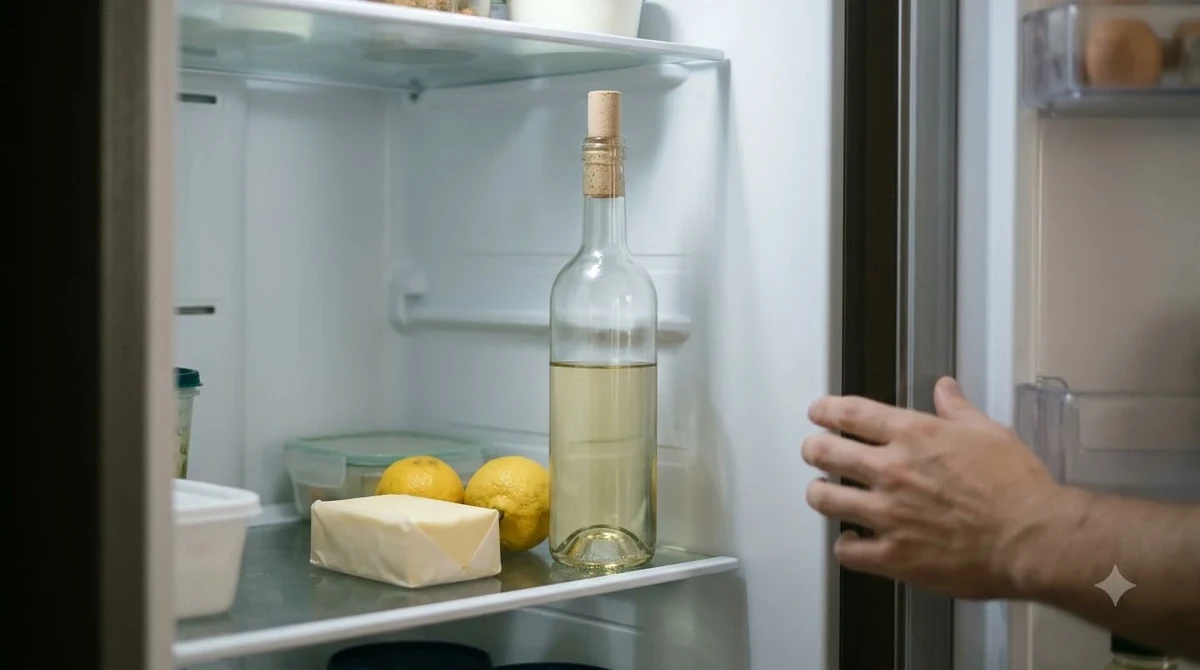
Serving temperature matters. Light whites and rosé generally show well at 45–50 degrees Fahrenheit, while full-bodied whites are better around 50–55 degrees. Light reds typically benefit from 55–60 degrees, and fuller reds from 60–65 degrees. Sweet white wines are usually most enjoyable around 43–50 degrees. Sparkling wines generally work best between 40 and 50 degrees.
Food pairing can make a noticeable difference. Muscadine wines and fruit wines may work well with regional dishes, cheeses, and desserts, depending on their sweetness and acidity. A wine should generally be at least as sweet as the dessert served with it. High-acidity wines, such as Sauvignon Blanc or Riesling, can complement acidic foods more successfully than wines with lower acidity.
Salt and fat can soften the perception of tannin, making some reds more approachable alongside rich foods. Cabernet Sauvignon generally has high tannin, while Merlot tends to be softer and Pinot Noir has lower-to-medium tannin with high acidity. Oily fish can clash with tannic red wines, and chili heat can become more pronounced alongside wines with substantial alcohol and tannin.
Visitors should also respect tasting-room policies. Ask before photographing production areas, walking through vineyard rows, or bringing outside food. Some wineries have family-friendly facilities, while others restrict access to certain parts of their properties. Eagle Mountain, for example, specifically prohibits pets and bicycles and requires minors to remain supervised by an adult.
Keep tastings moderate and plan transportation before the first pour. A designated driver or professional transportation service is the sensible choice for a group visiting multiple wineries. If a tasting is particularly interesting, take notes on the producer, grape variety, sweetness, and style so that you can compare wines later.
Finally, treat the winery staff as an important source of local information. Ask which wines reflect the property most clearly, what seasonal releases are available, and whether the grapes are grown on-site or sourced elsewhere. These questions can turn a short tasting into a more informative introduction to South Carolina wine.
Frequently Asked Questions
Is the South Carolina wine trail an officially designated driving route?
South Carolina has several winery directories and regional groupings, but the destinations should not be confused with a single continuous, officially designated route. Individual wineries operate independently and maintain their own visitor arrangements. Travelers should organize their own regional itineraries.
What makes South Carolina Muscadine wine distinctive?
Muscadine grapes are native to the southeastern United States and have a long history in Southern agriculture. Their thick skins and distinctive aromatic character make them different from many European wine grapes. They are also used to produce wines with a range of sweetness levels and styles.
Can visitors buy wine directly from South Carolina wineries?
Several South Carolina wineries offer direct bottle sales through their own tasting rooms. Purchasing directly can also provide an opportunity to ask about limited releases, seasonal selections, and local grape varieties. Availability depends on each producer’s current inventory and sales arrangements.
Are South Carolina wineries suitable for visitors who do not drink grape wine?
Yes. Lazy Bear Winery offers meads made with honey from its own apiary, alongside fruit and berry wines. Some producers also offer non-wine activities such as agricultural tours, outdoor spaces, and special events, making them interesting stops for mixed-interest groups.
What is the best season for visiting South Carolina wineries?
Spring and fall are popular periods for countryside travel because visitors can combine winery visits with outdoor sightseeing in relatively comfortable conditions. Summer can bring hot and humid weather, while winter visits may offer a quieter tasting-room atmosphere. Seasonal events and vineyard activities vary by property.
The south carolina wine trail rewards travelers who approach it as a collection of regional discoveries rather than a race between tasting rooms. From Upstate Vinifera vineyards and distinctive Muscadine wines to Midlands fruit wines and Lowcountry island destinations, the state offers a varied introduction to Southern wine culture. Choose a region, plan around confirmed winery hours, and allow enough time to appreciate the people, landscapes, and local flavors that make each stop distinctive.
More in Wine Regions
 Willcox Wine Trail: Discover Arizona’s High-Elevation Wine CountryUpdated Nov 20, 2026
 Yakima Valley Wine Region: Find the Best Styles to TryUpdated Nov 20, 2026
 Vosne Romanee Wine Tasting: Identify Aromas and Choose Better PairingsUpdated Nov 20, 2026
 Yakima Valley Wine Festival: Find the Best Seasonal Wine EventsUpdated Nov 20, 2026
 Wales Vineyards: Discover Cool-Climate Wines and Where to VisitUpdated Nov 20, 2026
 Yountville Wine Festival: Discover Napa Wines and Local FoodUpdated Nov 20, 2026