

We may earn a commission when you buy through links on this page, at no extra cost to you. Learn more.
Setubal wine tasting introduces visitors to Portugal’s famous Moscatel de Setúbal fortified wines, distinctive Castelão-based reds from Palmela, and fresh whites shaped by the Atlantic-influenced climate of the Setúbal Peninsula. Located south of Lisbon, this wine region combines historic wineries, traditional cellars, varied vineyard landscapes, and memorable local food. A visit to Azeitão, Palmela, and the surrounding Arrábida area offers an excellent introduction to Portuguese wine culture.
The Setúbal Peninsula is one of Portugal’s most interesting wine destinations, particularly for visitors who want to explore fortified wines alongside everyday whites, rosés, and structured reds. Its wine culture is closely connected to family-owned producers, historic estates, and the traditional foods of the region. Whether you are interested in tasting aged Moscatel, learning about Castelão, or visiting a working cellar, the area offers plenty of opportunities to understand what makes southern Portuguese wines distinctive.
Understanding the Setúbal Peninsula Wine Region
The Setúbal Peninsula has a diverse wine-growing environment shaped by the Atlantic Ocean, the Tagus and Sado rivers, and the Serra da Arrábida mountains. Its contrasting sandy plains and limestone-rich hillsides help explain why the region produces everything from aromatic fortified wines to fresh whites and full-bodied reds.

The region lies south of Lisbon, with important wine destinations including Palmela, Azeitão, and Setúbal. The landscape changes considerably as visitors travel between the flat agricultural areas and the mountainous southern and southwestern sections. According to Portugal’s Instituto da Vinha e do Vinho, the Arrábida mountain areas include elevations ranging from approximately 100 to 500 meters. The plains extend toward the Sado River and contain extensive areas of sandy vineyard soils.
These differences influence the character of the wines. The warmer, sandy areas around Palmela are particularly associated with Castelão, a red grape that develops attractive fruit character and structure in suitable conditions. The limestone and clay-limestone soils around Arrábida provide a different environment, particularly for vineyards producing fortified wines and aromatic varieties.
The climate combines Mediterranean and subtropical influences. Summers are generally hot and dry, while winters are milder and wetter. The proximity of the Atlantic, mountains, and river basins helps moderate temperature variations, contributing to conditions that support several different grape varieties.
There are three important geographical designations to recognize when exploring local bottles:
- DOP Setúbal: Reserved for fortified Moscatel de Setúbal and Moscatel Roxo de Setúbal wines.
- DOP Palmela: Associated with distinctive regional wines, particularly reds based on Castelão, alongside white, rosé, and other permitted styles.
- IGP Península de Setúbal: A broader designation covering a diverse range of wines made across the peninsula.
The distinction matters because a bottle labeled Setúbal does not necessarily represent the same style as a bottle labeled Palmela or Península de Setúbal. The first designation identifies a specific fortified wine tradition, while the other two accommodate a wider selection of regional wines.
Visitors familiar with other wine destinations can compare the region’s distinctive identity with Alsace wine tasting, where geography and grape selection also produce recognizable differences between neighboring wine styles. Setúbal, however, has a particularly strong identity built around Moscatel and Castelão.
Essential Wines and Grape Varieties to Taste
A good Setúbal tasting should include at least four different styles: Moscatel de Setúbal, Moscatel Roxo, a Castelão-based red, and a regional white. Together, these wines demonstrate the peninsula’s range, from concentrated sweetness to fresh acidity and structured red-fruit flavors.
Moscatel de Setúbal is the region’s best-known wine. Made primarily from the white Moscatel de Setúbal grape, also known as Muscat of Alexandria, it is a fortified wine recognized for its aromatic intensity. Typical characteristics include orange blossom, citrus peel, honey, dried apricot, and preserved fruit. Older examples can develop additional notes of nuts, caramel, and complex dried-fruit aromas.
Moscatel Roxo is made from the red-skinned Moscatel Roxo grape. Despite its darker grape color, the wine is also produced as a fortified sweet wine. It often has an especially expressive aromatic profile, with floral notes, citrus, ripe fruit, and developed characteristics in aged examples. It is a useful comparison alongside traditional white Moscatel because it demonstrates how different grape varieties can produce related but distinct wines.
Castelão is the essential red grape to understand when visiting Palmela. Also associated with the traditional name Periquita, it produces wines with red-fruit aromas, noticeable acidity, and moderate-to-present tannins. Depending on vineyard conditions, blending decisions, and aging, these wines can range from approachable and fruity to concentrated and structured.
Arinto is an important white variety that contributes fresh acidity and citrus character. It is particularly interesting for visitors who prefer dry wines rather than fortified sweetness. Fernão Pires offers a more aromatic alternative, often showing floral and ripe-fruit characteristics. Moscatel Graúdo can also appear in regional white wines and fortified wine production.
Other varieties worth recognizing include Touriga Nacional, Syrah, Trincadeira, and Aragonez. Their presence illustrates the flexibility of the broader Península de Setúbal designation.
| Wine or grape | Typical style | Key characteristics | What to look for |
|---|---|---|---|
| Moscatel de Setúbal | Fortified sweet | Floral, citrus, honey | Young and aged examples |
| Moscatel Roxo | Fortified sweet | Floral, ripe fruit, spice | Distinctive grape expression |
| Castelão | Red | Red berries, spice, tannin | Young and barrel-aged styles |
| Arinto | Dry white | Citrus, freshness, acidity | Bright, crisp examples |
| Fernão Pires | White | Floral, aromatic fruit | Expressive regional bottlings |
| Syrah | Red | Dark fruit, spice, structure | Regional blends and varietals |
When comparing wines, pay attention to sweetness, acidity, tannin, and alcohol rather than focusing only on grape names. A dry Arinto and a sweet Moscatel may both have citrus aromas, but their textures and intended food pairings are very different.
For a balanced tasting flight, begin with a dry white, continue with a rosé or lighter red, move to a more structured Castelão, and finish with the fortified wines. This progression makes it easier to recognize the contrast between fresh table wines and concentrated sweet wines.
Moscatel de Setúbal and Its Fortified Wine Tradition
Moscatel de Setúbal is the signature wine to prioritize during a regional tasting, particularly if you enjoy aromatic dessert wines. Its combination of floral fragrance, concentrated sweetness, and refreshing acidity creates a distinctive style that can be enjoyed young or after extended aging.
The wine’s production is closely connected to the Moscatel grape and the fortified winemaking tradition. Fermentation is interrupted through the addition of grape spirit, preserving natural grape sweetness and increasing alcohol content. The resulting wine retains the aromatic character of the grapes while developing a richer, more concentrated texture.
The Setúbal designation has a long-established legal identity. The Instituto da Vinha e do Vinho records its delimitation in 1907, and the designation is exclusively dedicated to fortified wines. For bottles using the traditional names Moscatel de Setúbal or Moscatel Roxo, the corresponding grape must account for at least 85% of the wine.
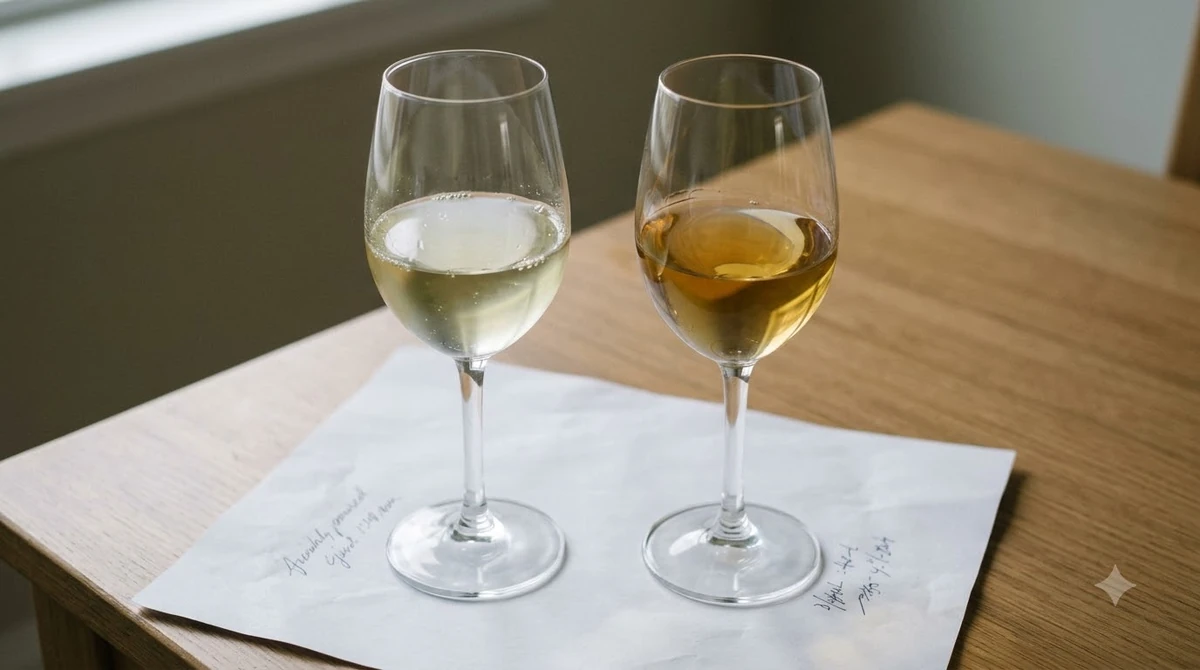
One of the most interesting aspects of Moscatel is the difference between younger and older bottlings. Younger wines often emphasize fresh orange peel, flowers, honey, and ripe citrus. Longer-aged examples can become more complex, developing aromas associated with dried fruit, nuts, caramel, and concentrated marmalade.
Ask to compare two different ages if the winery offers them. Taste the younger wine first, noting its fruit expression and sweetness, then move to the older example. Look for changes in color, aromatic intensity, and the way the finish develops. The best comparisons demonstrate how maturation changes the character of the wine without removing its underlying Moscatel identity.
Moscatel Roxo deserves separate attention rather than being treated simply as another version of white Moscatel. Its different grape variety creates a distinctive expression, and tasting the two side by side provides a clearer understanding of the region’s fortified wine heritage.
There is also an unusual historical story associated with Moscatel exports. Some wine was shipped to Brazil and later returned to Portugal after traveling across the Atlantic. These wines became known as torna-viagem, meaning return journey. Historical accounts describe how exposure to warm conditions during transport affected the wine’s concentration and character.
This story is a useful reminder that Setúbal’s wine identity developed through international trade as well as local vineyard traditions. It also provides an interesting subject to discuss during a cellar visit, especially when tasting older fortified wines.
Tip: Taste Moscatel de Setúbal in small pours and compare younger and older versions side by side. Serve sweet examples around 43–50°F, and pair them with desserts that are no sweeter than the wine itself.
Best Wineries and Wine Tasting Experiences in Azeitão and Palmela
Azeitão and Palmela are excellent starting points for winery visits because they bring together historic producers, cellar tours, regional food, and several different wine styles. Four particularly interesting stops are José Maria da Fonseca, Bacalhôa, Quinta de Catralvos, and Quinta de Alcube.
José Maria da Fonseca is an important name in the region’s wine history. Founded in Azeitão in 1834, the producer offers visitors an opportunity to explore its Casa-Museu, historic cellars, and wine heritage. The old cellars are especially interesting for Moscatel enthusiasts because they contain wines that have matured for exceptionally long periods, including century-old examples.
A visit here is particularly worthwhile for anyone interested in fortified wine production and historical wine collections. Rather than concentrating exclusively on current releases, the experience provides a connection between the producer’s history and the wines associated with the Setúbal Peninsula.
Bacalhôa offers another distinctive experience in the Azeitão area. Its attractions include Bacalhôa Palace and the Bacalhôa Cellar Museum. The estate combines architecture, art, gardens, vineyards, and wine, making it a good choice for visitors who want more than a conventional tasting-room experience.
The palace and cellar museum offer different perspectives on the area’s cultural and winemaking heritage. Wine tastings can be combined with visits to the historic buildings and exhibitions, making Bacalhôa an appealing stop for couples, groups, and travelers interested in Portuguese history.
Quinta de Catralvos is another option for visitors who want to connect wine with regional gastronomy. Its experiences include wine tastings and winery visits, with opportunities to enjoy traditional Azeitão cheeses and pastries. The setting also provides views of vineyards and the surrounding Arrábida landscape.
Food is an important part of this experience. Azeitão cheese offers a rich, creamy texture that creates an interesting contrast with fresh white wines and can also work well alongside selected reds. Traditional pastries provide a different pairing opportunity, particularly with sweeter wines.
Quinta de Alcube offers an experience associated with the Arrábida Natural Park. Visitors can explore the property, visit its wine museum and cellar, and enjoy tastings accompanied by regional cheeses and sausages. Its historic buildings and surrounding landscape make it an interesting destination for travelers who want to combine wine with cultural sightseeing.
These four destinations provide different approaches to wine tourism. José Maria da Fonseca is especially relevant for Moscatel history, Bacalhôa combines wine with art and architecture, Catralvos connects tasting with Azeitão gastronomy, and Alcube offers a countryside experience in the Arrábida area.
For practical visitor information, locations, and additional experiences, consult the Visit Setúbal wine and sensory experiences guide. Individual wineries may have different tour schedules and tasting arrangements, so advance reservations are sensible, especially for groups or visits that include cellar access.
How to Plan a Setúbal Wine Tasting Visit
A well-planned visit should allow enough time for at least two winery experiences, a regional lunch, and some exploration of Azeitão or Arrábida. Starting around Azeitão makes it easier to combine historic producers and local food without spending the entire day traveling between distant vineyards.
For a first visit, consider the following itinerary:
- Morning: Begin with a visit to José Maria da Fonseca in Azeitão. Focus on the historic cellars and compare Moscatel styles.
- Late morning: Continue to Bacalhôa for a combination of wine, architecture, and art.
- Lunch: Enjoy regional dishes and Azeitão cheese at a local restaurant or winery offering food experiences.
- Afternoon: Choose Quinta de Catralvos or Quinta de Alcube for another tasting and a closer look at the regional countryside.
- Late afternoon: Explore the Arrábida surroundings or visit the historic center of Setúbal.
This itinerary provides a useful overview without requiring an excessively crowded schedule. It also gives visitors the opportunity to compare different producers rather than tasting several similar wines at only one location.
Travelers who prefer a more focused wine experience can spend additional time in Palmela. The town and surrounding countryside are particularly relevant for visitors interested in Castelão and the region’s dry reds. Exploring this area helps balance the fortified wine emphasis of Azeitão with a broader understanding of local table wines.
Before visiting, consider the following practical details:
- Reservations: Arrange tasting appointments in advance, particularly for cellar tours and guided experiences.
- Transportation: Plan a designated driver or private transfer if visiting multiple wineries. Public transportation may not provide convenient access to every estate.
- Language: Ask whether tours are available in English when booking.
- Tasting size: A standard wine serving is approximately 5 ounces, but guided tastings often use smaller pours to accommodate more wines.
- Time management: Allow around 60–90 minutes for a winery visit, depending on the tour and number of wines included.
- Season: Spring and fall can be particularly comfortable for combining outdoor vineyard visits with cellar experiences.
It is also helpful to identify your main interests before making appointments. A visitor primarily interested in fortified wine should prioritize producers with substantial Moscatel selections. Someone more interested in dry reds should devote more time to Palmela and Castelão-based bottlings.
Wine tourism in Setúbal can also complement a wider Portuguese itinerary. Visitors exploring several regions can compare the peninsula’s fortified wine traditions with the red wines of Bolgheri wine tasting as an example of how different growing environments shape regional identities. For a broader overview of destinations, the Wine Regions section provides additional opportunities to explore wine-producing areas.
Food Pairings, Serving Temperatures, and Tasting Techniques
Food pairing is an important part of the Setúbal wine experience because the region produces both fresh table wines and richly sweet fortified wines. Azeitão cheese, traditional pastries, seafood, grilled fish, and roasted meats provide several useful ways to explore the differences between local styles.
Begin with the dry whites. Arinto’s acidity makes it a natural partner for grilled seafood, shellfish, and dishes with lemon. Fernão Pires, with its more aromatic profile, can work particularly well with herb-seasoned poultry, mild cheeses, and lighter Mediterranean dishes.
Rosé wines are versatile choices for regional lunches. Their red-fruit character and refreshing acidity complement salads, grilled vegetables, seafood, and lightly seasoned meats. They can also provide a useful transition between white wines and more structured reds during a tasting flight.
Castelão-based reds are especially suitable for traditional Portuguese meat dishes. Grilled pork, roast lamb, sausages, and dishes featuring herbs and roasted vegetables provide good pairing opportunities. The grape’s acidity helps balance richer foods, while its tannins work well with the protein and fat in meat.
For more structured regional reds, consider Syrah or blends featuring Touriga Nacional. These wines can accompany grilled beef, slow-cooked meat, and dishes with concentrated sauces. Avoid pairing strongly tannic reds with oily fish, since the combination can create an unpleasant metallic impression.
Moscatel de Setúbal is an excellent match for desserts featuring almonds, oranges, dried fruit, and caramel. It can also accompany blue cheese, where the saltiness creates a useful contrast with the wine’s sweetness. Aged Moscatel is particularly interesting with nut-based desserts and pastries from the Azeitão area.
Sweetness is the most important consideration when pairing fortified wines with dessert. The wine should be at least as sweet as the dish. Otherwise, the wine may taste less expressive and more acidic beside the food.
Serving temperature also makes a significant difference. A practical guide for a regional tasting is:
- Dry whites: 45–50°F.
- Rosé: 45–50°F.
- Light reds: 55–60°F.
- Full-bodied reds: 60–65°F.
- Sweet fortified wines: 43–50°F.
Serve Moscatel cool enough to keep its sweetness balanced, but not so cold that its floral and citrus aromas become difficult to recognize. A smaller glass can help concentrate the aromas and make it easier to appreciate the wine’s development.
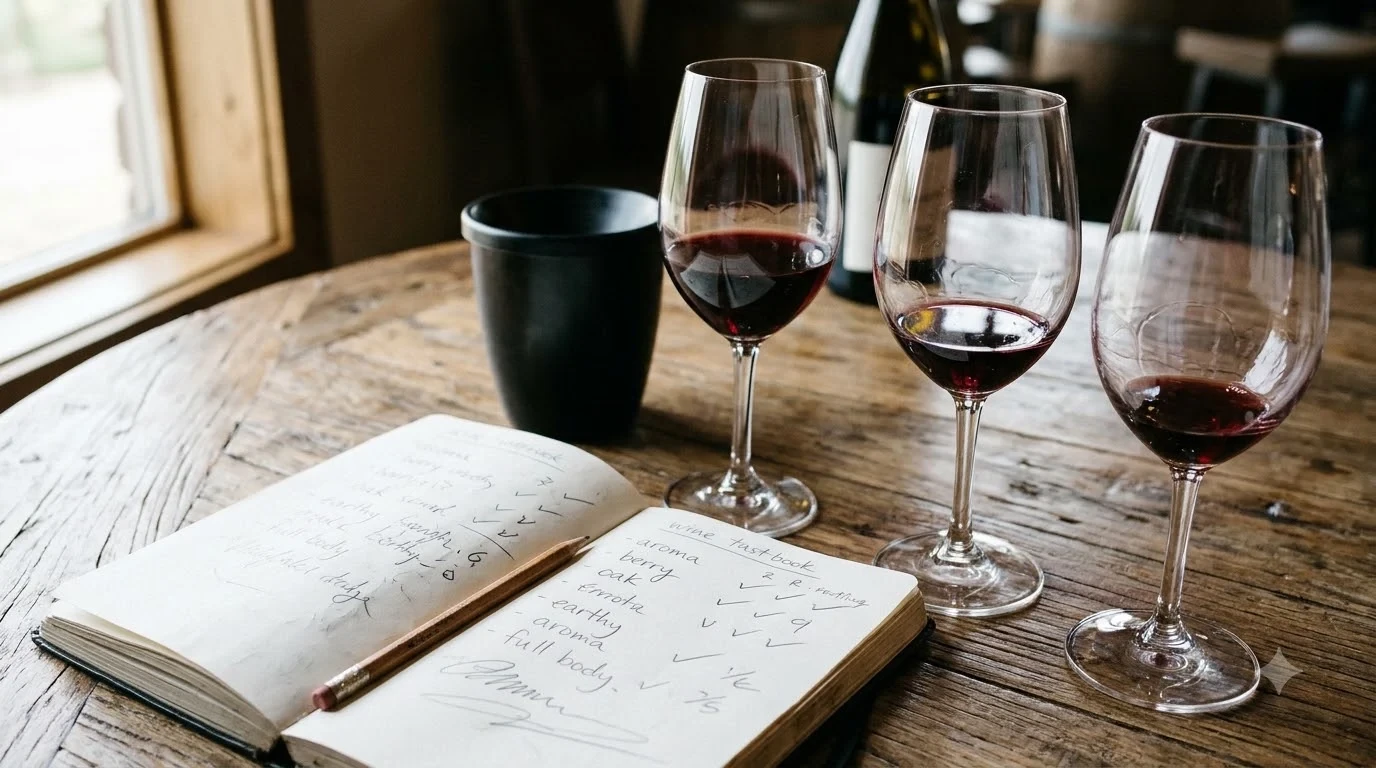
During a tasting, examine each wine in four stages. First, observe its color and clarity. Second, smell the wine before swirling and then again afterward. Third, take a small sip and identify its sweetness, acidity, body, and tannin. Finally, consider how long the flavors remain after swallowing.
Try to describe what you actually recognize rather than searching for complicated tasting vocabulary. Orange peel, red berries, flowers, dried apricots, and almonds are useful descriptions for many Setúbal wines. Comparing these observations between bottles can help you understand the effects of grape variety, production method, and aging.
Take notes on the producer, grape variety, wine style, and vintage. This is especially helpful when comparing several Moscatel wines because differences in age and production can create substantial variations in aroma and texture.
Frequently Asked Questions
What does the word Moscatel mean on a Portuguese wine label?
Moscatel is the Portuguese name used for Muscat grape varieties and wines made from them. The name can refer to different grapes and wine styles depending on the region. In Portugal, Moscatel de Setúbal is particularly associated with fortified sweet wine, while other regions also produce their own Moscatel expressions.
Is Periquita the same grape as Castelão?
Periquita is a traditional name strongly associated with Castelão in Portugal. The name also has a long connection with regional wine branding. Visitors may encounter both names when exploring Palmela reds, although the grape variety is Castelão.
Can Setúbal wines be purchased outside Portugal?
Yes. Moscatel de Setúbal and Palmela wines are exported to international markets, including the United States. Availability varies by producer, importer, and specialist wine retailer. Portuguese wine shops and retailers specializing in fortified wines are useful places to begin searching.
What is the traditional glass used for Moscatel?
There is no single compulsory glass for every Moscatel tasting. Small dessert-wine glasses are commonly suitable because they allow controlled pours and concentrate the aromas. A small white-wine glass can also work when visitors want more room to swirl and examine an older example.
What is the difference between a wine cellar and a wine museum?
A working cellar is primarily used for wine production, storage, or maturation, whereas a wine museum focuses on preserving and explaining historical winemaking equipment, documents, and traditions. Some Setúbal destinations combine both functions. Bacalhôa’s Cellar Museum is one example of a place where visitors can connect wine with cultural and artistic collections.
Setubal wine tasting offers an engaging introduction to one of Portugal’s most distinctive wine regions, with Moscatel de Setúbal, Moscatel Roxo, and Castelão providing memorable highlights. Combine historic cellars in Azeitão with Palmela’s red wines, regional cheeses, and the scenery of Arrábida for a rewarding visit. The greatest pleasure comes from comparing different producers and discovering how much variety this small but historically important wine region can offer.
More in Wine Regions
 Willcox Wine Trail: Discover Arizona’s High-Elevation Wine CountryUpdated Nov 20, 2026
 Yakima Valley Wine Region: Find the Best Styles to TryUpdated Nov 20, 2026
 Vosne Romanee Wine Tasting: Identify Aromas and Choose Better PairingsUpdated Nov 20, 2026
 Yakima Valley Wine Festival: Find the Best Seasonal Wine EventsUpdated Nov 20, 2026
 Wales Vineyards: Discover Cool-Climate Wines and Where to VisitUpdated Nov 20, 2026
 Yountville Wine Festival: Discover Napa Wines and Local FoodUpdated Nov 20, 2026