

We may earn a commission when you buy through links on this page, at no extra cost to you. Learn more.
In Portugal, setubal wine refers to a family of wines from the Setúbal Peninsula south of Lisbon, best known for sweet fortified Moscatel de Setúbal. The name can also point to the peninsula’s broader range of dry reds, whites, and rosés, including wines from Palmela. Understanding the difference between the regional indication and the Setúbal appellation makes it easier to choose a bottle for dessert, dinner, or a tasting.
Setúbal rewards a closer look because its identity is not built around one style alone. Fragrant Muscat grapes, rare dark-skinned Moscatel Roxo, and the red grape Castelão all have a place here, while the Atlantic-facing landscape brings together sandy plains, limestone slopes, and mountain vineyards. The result is a region where fortified dessert wine is the signature, but not the whole story.
Understanding the Three Setubal Wine Names
The first step is to separate the broad wine region from its two key appellations. “Península de Setúbal” is the regional geographical indication, Palmela is a protected designation associated with still wines, and Setúbal DOP is reserved for fortified wine.
The Península de Setúbal IGP covers the Setúbal district and allows varietal wines and blends from a wide palette of grapes. The official regional profile includes fresh whites, aromatic rosés, structured reds, sparkling wines, and fortified Moscatel styles. A dry red from the peninsula is not the same category as a bottle labeled Moscatel de Setúbal, even though both come from the same general region.
Palmela DOP sits within this wider regional identity and is particularly associated with dry table wines, including reds based on Castelão. Setúbal DOP is more narrowly defined: Portugal’s official wine institute describes it as a designation dedicated exclusively to fortified wines. Its geographical area includes the municipalities of Montijo, Palmela, and Setúbal, plus the Castelo parish in Sesimbra. The names therefore answer different questions: “Península de Setúbal” indicates broad regional origin, “Palmela” identifies a protected still-wine appellation, and “Setúbal” or “Moscatel de Setúbal” points to the fortified specialty.
For shoppers, the practical shortcut is to decide first whether you want a dessert wine or a dry table wine. The appellation wording helps prevent an accidental mismatch: a fortified Setúbal bottle is intended for a different role at the table than a dry Palmela red. The site’s Wine Regions resource provides useful context for comparing Portuguese appellations and understanding how a protected name relates to a broad regional indication.
The Peninsula’s Climate, Soils, and Vineyard Sites
Setúbal’s geography gives its wines a mix of maritime freshness and Mediterranean ripeness. Vineyards stretch across low plains and hills near the Sado River, while the Serra da Arrábida and neighboring ranges create a more elevated landscape close to the coast.
According to Portugal’s Instituto da Vinha e do Vinho, the mountain areas in the south and southwest include the Arrábida, Rosca, and São Luís ranges, with heights from 100 to 500 meters. By contrast, the plain extends beside the Sado. The region’s soils include clay-sandy and sandy-clay earth as well as limestone; the Setúbal DOP rules also recognize soils formed from sandstone, clay, and claystone. These variations create different conditions, from open, warm sites to more protected slopes.
The IVV describes the climate as mixed subtropical and Mediterranean, moderated by the sea, nearby mountains, and the Tagus and Sado river basins. VinePair’s regional report highlights the contrast between the cool, misty Atlantic side and the hotter Alentejo interior, a balance that helps preserve freshness in ripe grapes. The region is also practical to visit from Lisbon: VinePair describes the drive across the bridge as roughly 30 to 45 minutes. Visitors can use the capital as a base and explore the Setubal wine region through Palmela, Azeitão, and the Arrábida foothills. For anyone comparing vineyard sites, differences in elevation, soil, and distance from the sea are more helpful clues than assuming every wine from the peninsula shares one profile.
Moscatel Grapes and Their Distinctive Profiles
Moscatel de Setúbal is the best-known wine from the area, made principally from the aromatic white grape Moscatel Graúdo, also known as Muscat of Alexandria. Moscatel Roxo is a rarer, dark-skinned Muscat expression with a deeper and more structured profile.
Moscatel Graúdo gives the classic sweet wine its expressive perfume. Young examples commonly show orange blossom, citrus, tropical fruit, and floral notes, sometimes with a subtle saline edge. The IVV’s regional description adds honey, dried fruit, and preserves. The mix of fragrant fruit and savory or mineral impressions is one reason the wine can feel more layered than a simple sweet drink.
Time in wood changes the balance. VinePair notes that younger Moscatel tends to emphasize tropical and floral aromas, while long-aged examples can develop darker toffee, nuts, and savory spice alongside the fruit. Wine Enthusiast reviews of bottles from Quinta do Piloto and José Maria da Fonseca also mention orange marmalade, honey, apricot, nuts, and wood-derived spice. These are tasting landmarks rather than a fixed checklist: producer choices and barrel time shape the final character.
Moscatel Roxo deserves attention in its own right. It comes from a darker-hued Muscat type, and VinePair describes it as more intense and structured than the Graúdo-based style. The Portuguese rules recognize Moscatel Roxo de Setúbal as a traditional designation for fortified wine made with the Roxo grape. Dry Moscatel is another possibility: it keeps the grape’s floral and citrus aromas but is fermented to dryness rather than preserved as a sweet fortified wine. A tasting flight that compares young Moscatel, an aged bottling, and Roxo shows how one region can express different Muscat grapes and winemaking choices. A visit focused on Setubal vineyards can add context about the soils and sites behind those differences. When comparing bottles, pay attention to whether the label identifies Graúdo or Roxo, whether the wine is fortified or dry, and how much time the producer gives it in wood; those three clues usually explain more than color alone.
Fortification, Maceration, and Barrel Aging
Classic Moscatel de Setúbal is made by stopping fermentation with grape spirit or wine alcohol, leaving natural grape sweetness in the wine. The fortified wine then spends an extended period with grape skins and seeds before it is aged, traditionally in wooden barrels.
The Portuguese regulation specifies wine spirit between 52 and 86 percent alcohol by volume, or vinous alcohol at no less than 96 percent, to stop fermentation. The finished Setúbal DOP wine must contain between 16 and 22 percent alcohol by volume. A University of Lisbon review describes long maceration of skins and seeds as central to the wine’s sensory profile, while an IVES research presentation says the maceration commonly lasts about five months before ageing in used oak. This extended contact helps extract aroma and texture before barrel maturation begins.
Ageing requirements differ by color under the Setúbal DOP rules: white fortified wines need at least 18 months before bottling, while red fortified wines require at least 36 months. The table summarizes the key composition and production thresholds.
| Setúbal DOP detail | White wine | Red wine |
|---|---|---|
| Minimum grape share for the DO wine category | 67% Moscatel de Setúbal | 67% Moscatel Roxo |
| Minimum share for the traditional Moscatel name | 85% Moscatel de Setúbal | 85% Moscatel Roxo |
| Minimum ageing before bottling | 18 months | 36 months |
| Required alcohol range | 16–22% ABV | 16–22% ABV |
The 67 percent minimum applies to the DO wine category, while use of the traditional Moscatel names requires at least 85 percent of the specified grape in the must. Longer maturation can bring amber or brown color, dried-fruit notes, nuts, toffee, and spice; younger wines tend to retain more of the grape’s floral character. The official Península de Setúbal regional profile explains how the appellations and wine styles fit together.
Dry Wines Beyond Moscatel
Sweet fortified wine may be the region’s calling card, but Setúbal also makes dry reds, whites, and rosés. Castelão is the key red grape to know, while Arinto, Fernão Pires, Moscatel Graúdo, and other varieties help shape the peninsula’s white-wine range.
Castelão is strongly associated with Palmela and is known locally as Periquita. The IVV describes it as central to the region’s red-wine identity, contributing firm structure, red-fruit and spice aromas, noticeable tannins, and good potential to develop in bottle. VinePair also highlights Castelão in older vineyards and notes that well-made examples can age particularly well. Styles range from direct and fruit-driven to layered and savory, depending on site, vine age, blending, and oak use.
Other reds add breadth: the regional grape roster includes Touriga Nacional, Aragonez, Trincadeira, Syrah, and Cabernet Sauvignon. Producers may bottle a single variety or blend local and international grapes. For whites, the IVV describes fresh wines with good acidity and fruit or floral aromas; Arinto can contribute freshness, while Fernão Pires and Moscatel Graúdo add perfume. Chardonnay and Verdelho are also grown in the region, and rosés tend to show red-fruit aromas, balanced acidity, and a refreshing finish. This range means the regional indication is useful for discovering a house style, but the grape name is often the better guide to the flavor profile in a specific bottle.
These dry styles make the region more versatile at the table than its dessert-wine reputation suggests. A bright white can work with grilled fish and shellfish, while Castelão is better suited to roast pork, lamb, or tomato-based preparations. If your first experience was a sweet Moscatel, a dry Palmela red is an easy way to see another side of the area.
Serving, Storing, and Pairing Setubal Wine
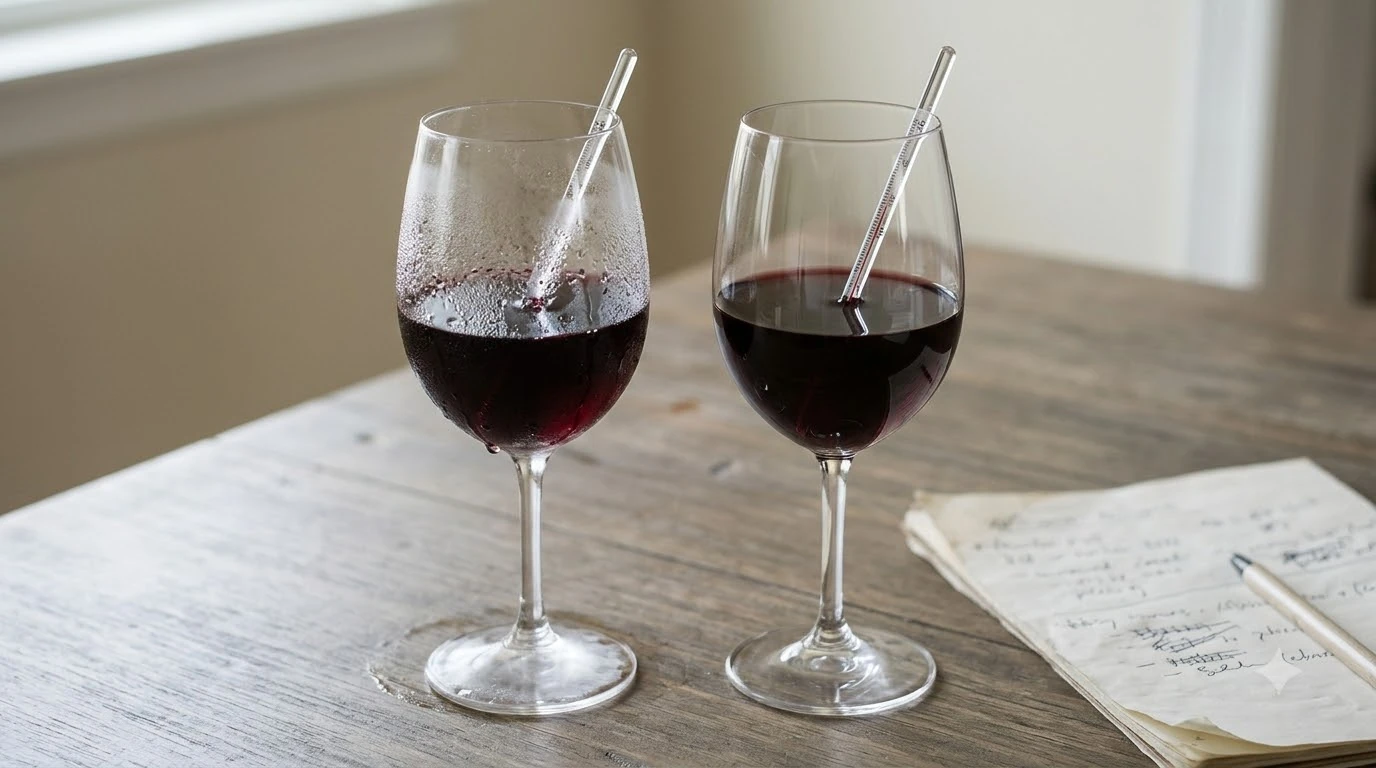
Serve Moscatel de Setúbal cool enough to keep its sweetness lively, generally around 43 to 50 degrees Fahrenheit. Dry whites and rosés are best around 45 to 50 degrees, while lighter reds such as many Castelão bottlings are more expressive around 55 to 60 degrees.
A chilled glass brings the citrus, floral, and fruit notes of young Moscatel into focus and keeps the fortified wine from feeling overly warm. For a richly aged example with toffee, dried figs, nuts, and spice, a slightly warmer pour can reveal more detail, but avoid serving it hot. A 5-ounce pour is a useful standard for table wine; with a concentrated dessert wine, smaller pours make it easier to compare aromas and sweetness.
Pair sweet Moscatel with desserts that are no sweeter than the wine. Orange cake, almond pastries, custard, dried-fruit tarts, and desserts with caramel or nuts are natural matches; dark chocolate can work with richer, more mature examples. Salt and fat can soften the impression of sweetness, so try a small pour with blue cheese, aged sheep’s-milk cheese, roasted almonds, or salty cured ham. Young Moscatel can also work as an aperitif with toasted nuts or a simple cheese plate.
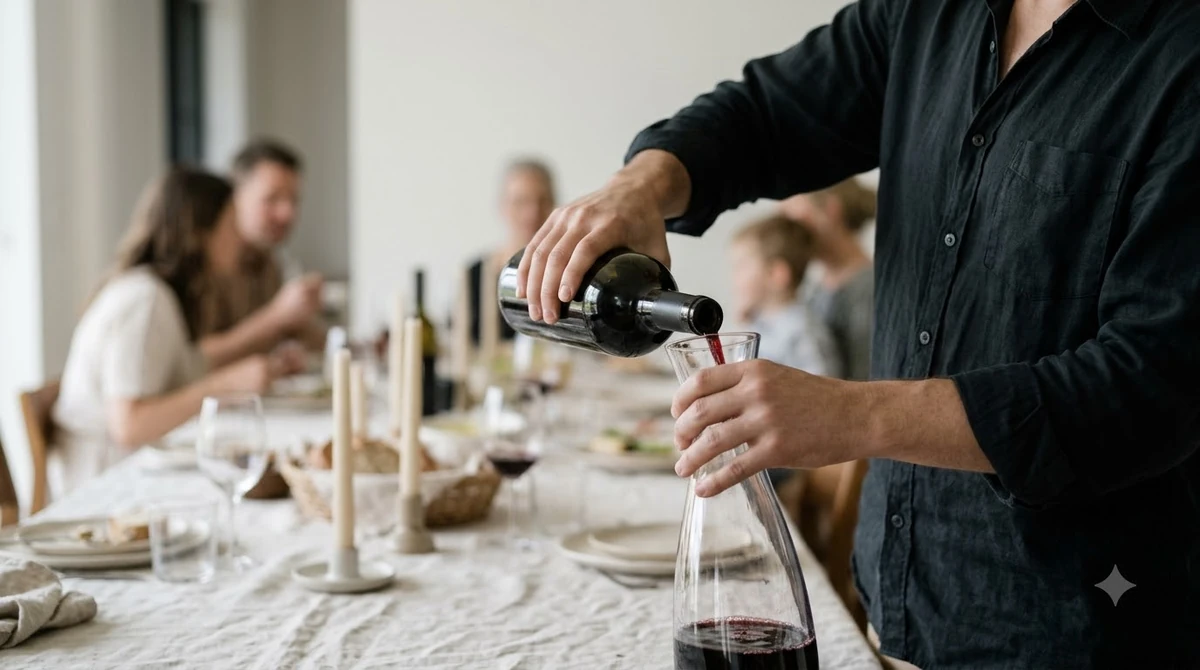
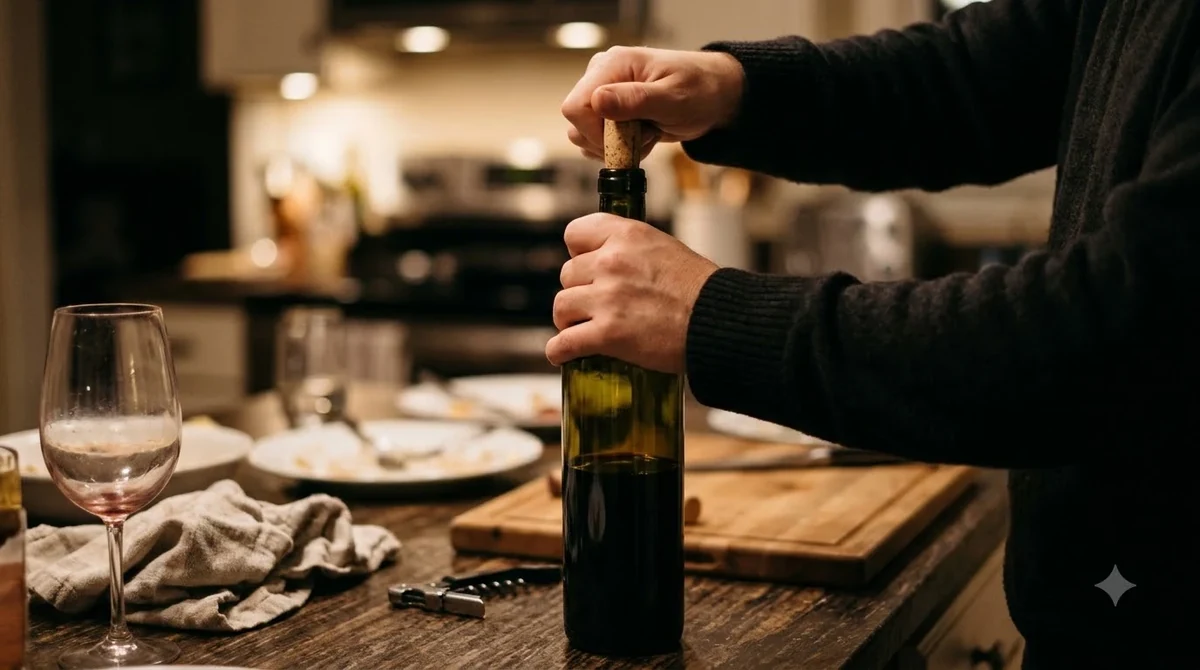
Dry Setúbal wines need a different approach. A crisp white or rosé can accompany grilled sardines, shrimp, clams, or vegetable dishes with herbs and lemon. Castelão’s structure works better with roast pork, grilled lamb, sausages, and dishes with enough protein or fat to soften tannins. Avoid pairing a tannic red with oily fish, and be careful with very spicy food because alcohol and tannin can make chili heat feel more intense. Store unopened bottles in a cool, dark place with a steady temperature; keep cork-finished bottles on their sides near 55 degrees Fahrenheit. Once opened, refrigerate still wines and aim to enjoy them within 3 to 5 days, while fortified wines generally keep longer, often for several weeks. The site’s Setubal wine tasting page can help you plan a comparison of young, aged, and dry styles.
Tip: For a first tasting, pour a young Moscatel at about 45 to 50 degrees Fahrenheit beside a more mature version, then taste a dry Castelão at 55 to 60 degrees. The contrast makes the region’s range easier to understand.
Frequently Asked Questions
These answers clarify the labeling rules and practical details that can help you compare bottles with confidence.
What does “Superior” mean on a Setúbal bottle?
The Setúbal rules allow the word “Superior” when the wine has been approved through a quality tasting and has a minimum age of five wine-growing campaign years. It is therefore a regulated designation rather than just a producer’s decorative description.
Can Setúbal DOP wine be bottled outside the appellation area?
Yes. Portuguese rules permit bottling outside the defined production area when the regional certifying body gives prior authorization. The wine must still satisfy the applicable Setúbal DOP requirements and certification process.
What do 10-, 20-, 30-, and 40-year age statements mean?
These age indications are regulated for Setúbal DOP wines, and the wine must have at least the stated age to use the corresponding term. They identify a minimum age category, not simply a vintage year printed for decoration.
Is there a production-yield limit for Setúbal DOP vineyards?
The production rules set a basic maximum yield of 100 hectoliters per hectare. The wine institute may adjust that limit in response to climate conditions and must quality, but the permitted adjustment cannot exceed 25 percent above the stated base yield.
Who certifies wines sold under the Setúbal DOP name?
The Comissão Vitivinícola Regional da Península de Setúbal is responsible for controlling production and trade and certifying wines entitled to the designation. The rules require certification before the wine can be marketed under the appellation.
Setúbal is worth exploring as both a fortified-wine destination and a source of distinctive dry table wines. Start with Moscatel de Setúbal to understand its signature, then compare Moscatel Roxo and a Castelão-based Palmela red to experience the region’s wider range.
More in Wine Regions
 Willcox Wine Trail: Discover Arizona’s High-Elevation Wine CountryUpdated Nov 20, 2026
 Yakima Valley Wine Region: Find the Best Styles to TryUpdated Nov 20, 2026
 Vosne Romanee Wine Tasting: Identify Aromas and Choose Better PairingsUpdated Nov 20, 2026
 Yakima Valley Wine Festival: Find the Best Seasonal Wine EventsUpdated Nov 20, 2026
 Wales Vineyards: Discover Cool-Climate Wines and Where to VisitUpdated Nov 20, 2026
 Yountville Wine Festival: Discover Napa Wines and Local FoodUpdated Nov 20, 2026