

We may earn a commission when you buy through links on this page, at no extra cost to you. Learn more.
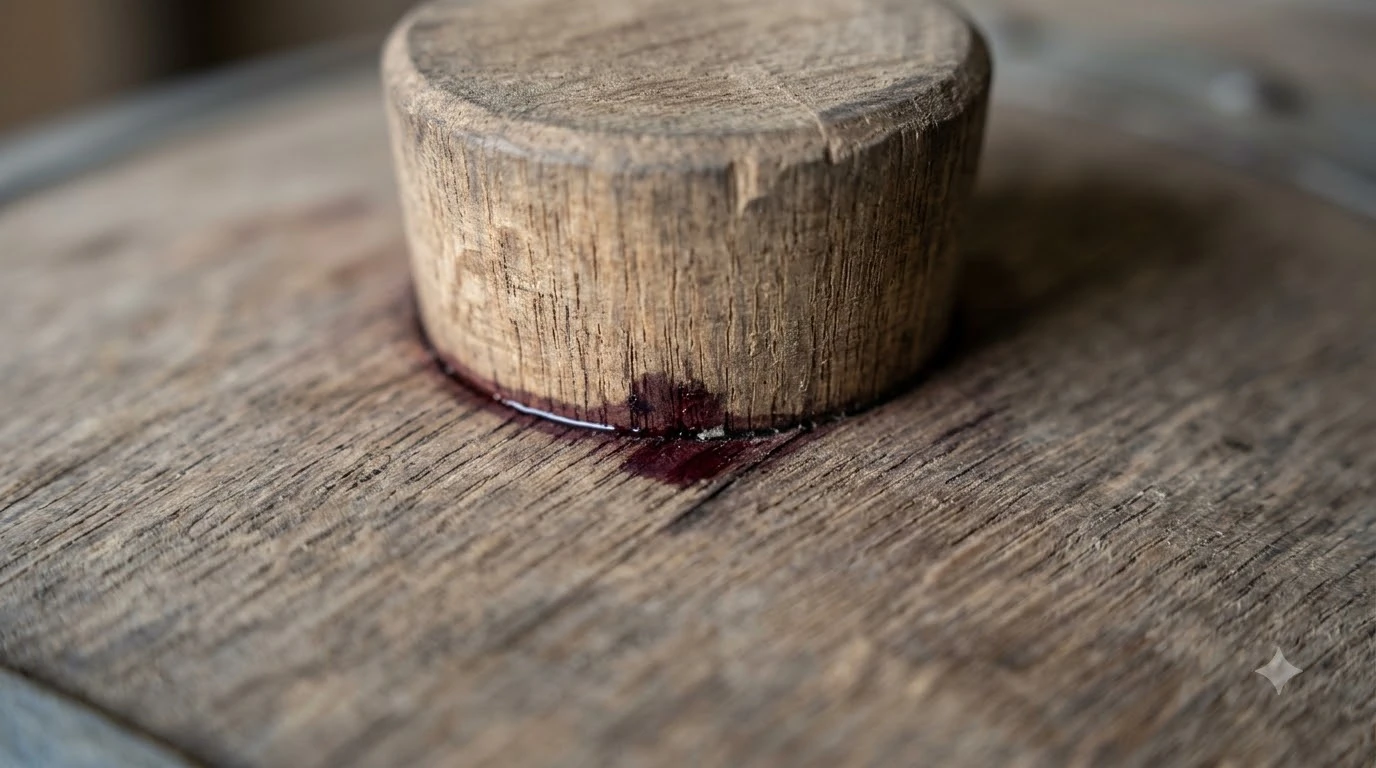
Setubal vineyards are found on Portugal’s Setúbal Peninsula, south of Lisbon, where sandy Palmela plains and the limestone-influenced slopes of the Serra da Arrábida produce Castelão reds, fresh whites, and the region’s celebrated fortified Moscatel wines. The region includes the broad Península de Setúbal geographical indication and the Palmela and Setúbal designations of origin. The main distinction is between Palmela’s Castelão-led dry reds and Setúbal’s fortified Moscatel wines, alongside fresh whites, rosés, and blends.
Setúbal is a varied coastal wine area shaped by the Atlantic, the Sado and Tagus estuaries, Mediterranean warmth, and contrasting vineyard soils. Knowing the place names on a bottle helps match a style to a meal.
Where Setúbal vineyards lie on Portugal’s southern coast
The Setúbal Peninsula sits immediately south of Lisbon, between the estuaries of the Tagus and Sado and the Atlantic coast. Vineyards spread across low, sandy country around Palmela and the Sado plain, while other sites rise toward the Serra da Arrábida, giving the region a more varied landscape than its coastal position might suggest.
The landscape has two broad parts. To the south and southwest, the Arrábida, Rosca, and São Luís ranges create hills and valleys; the Portuguese wine institute records elevations of roughly 100 to 500 meters here. Beside the Sado, the land opens into a broad plain. These differences influence exposure, drainage, and grape performance from one vineyard to the next.
The wider geographical indication extends across the Setúbal district, not just its best-known vineyard towns. Palmela, Azeitão, and Setúbal are useful names to recognize. The regional landscape and its designations are outlined in Wines of Portugal’s Península de Setúbal overview, which describes the contrast between the sandy plains and the Serra da Arrábida hills.
The Instituto da Vinha e do Vinho traces local viticulture to Phoenician and Greek settlers, with Roman and Arab influence following. The peninsula’s identity therefore reaches well beyond one fashionable grape, with native varieties and fortified Moscatel at its center.
Soils, elevation, and climate shape different vineyard styles
Setúbal’s vineyard character is driven by a contrast between light, deep sands on the plains and clay-limestone or limestone-rich soils around the Arrábida hills. The Atlantic, the Tagus and Sado river basins, and changes in elevation moderate the climate, but they do not make every site behave alike.
On the Palmela plain, the loose sandy soils are especially associated with Castelão. The grape is well adapted to these conditions and can produce reds with ripe tannins, natural acidity, and a concentration of red-fruit flavors. The sandy ground is not simply a scenic feature: it is a major part of the local explanation for why Castelão became so closely linked with Palmela.
Higher and more sheltered slopes around the Serra da Arrábida offer a different combination of altitude, limestone, clay, and sea influence. The regional authorities describe the broader climate as Mediterranean, with hot, dry summers and mild, rainy winters; the Arrábida area has a more Atlantic character because of its elevation and proximity to the sea. In practical terms, this creates scope for wines that feel fresher and more restrained alongside those from warmer, sandier sites.
Soil names are not a quality ranking. Sand, clay, and limestone affect water availability and ripening differently, while slope and vineyard management also matter. Producer, blend, and vintage still influence the wine; place gives a starting point, not a complete tasting prediction. For context on how geography and appellations work across different countries, the site’s Wine Regions reference explains the terms used on regional labels.
How the Palmela and Setúbal designations differ
The regional name Península de Setúbal is the broadest category, while Palmela and Setúbal are distinct protected designations of origin. Palmela is closely associated with dry wines, particularly Castelão-based reds; the Setúbal designation is reserved for fortified wines made from Moscatel varieties.
| Label or category | Main identity | Useful rule or figure |
|---|---|---|
| Península de Setúbal IGP | Broad regional wines, including varietal wines and blends | Covers the Setúbal district |
| Palmela DOP red | Dry red centered on Castelão | At least 66.7 percent Castelão in the must |
| Setúbal DOP white or red | Fortified Moscatel de Setúbal or Moscatel Roxo | At least 67 percent of the relevant grape in the must |
| Traditional Moscatel name | “Moscatel de Setúbal” or “Moscatel Roxo” | At least 85 percent of the corresponding grape |
| Setúbal DOP fortified wine | White or red fortified wine | 16–22 percent alcohol; at least 18 months of ageing |
Palmela’s red-wine rules require Castelão to account for at least 66.7 percent of the must. That threshold explains why Castelão is more than a popular local option: it is a defining part of the appellation’s red-wine identity. Palmela also permits white, rosé, sparkling, and other wine styles, with Fernão Pires prominent in its whites. The denomination covers the municipalities of Setúbal, Palmela, and Montijo, plus the Castelo parish in Sesimbra.
The Setúbal designation has a narrower purpose. Its white fortified wines must contain at least 67 percent Moscatel de Setúbal, and its red fortified wines at least 67 percent Moscatel Roxo; using the traditional names on the label requires at least 85 percent of the corresponding grape. The legal specification also sets an alcohol range of 16 to 22 percent by volume and requires a minimum of 18 months of ageing. Those rules distinguish the fortified wines from dry regional wines that may also use Moscatel grapes.
For shoppers, Península de Setúbal can mean a dry white, red, rosé, or blend; Palmela points toward dry wines, while Setúbal signals fortified wine. “Moscatel” alone does not tell the whole story: grape, fortification, ageing, and producer choices all matter.
Castelão, Moscatel, and the grapes to know
Castelão is the signature red grape of Palmela, while Moscatel varieties define the region’s most distinctive fortified wines. Arinto and Fernão Pires are central to its white wines, and Trincadeira adds another traditional red variety to the local mix.
Castelão is also known locally as Periquita. In the sandy plains of Palmela, it can produce reds with a deep color, good natural acidity, and firm but ripe tannins. Regional descriptions associate it with cherry, raspberry, red currant, and hints of spice or dried fruit. The wines can be substantial without losing the freshness that helps them work at the table. Some are intended for earlier drinking, while more concentrated bottlings can develop additional savory notes with bottle age.
Trincadeira is another traditional red grape, often contributing perfume and structure to blends. Other varieties used in the region include Touriga Nacional, Aragonez, Syrah, and Cabernet Sauvignon. A varietal Castelão therefore will not necessarily taste like a blend that includes international grapes.
For whites, Arinto is valued for its freshness and acidity, while Fernão Pires is known for a more aromatic, floral and fruit-led character. Moscatel Graúdo, also called Muscat of Alexandria, brings the unmistakable Muscat fragrance and is especially important for fortified white wine. The red-skinned Moscatel Roxo is a separate variety used for the region’s rarer red fortified style. Looking beyond Portugal, comparisons with Chianti Classico vineyards can help readers see how local grape rules, such as Sangiovese requirements in Tuscany, shape a wine region’s identity.
From Castelão reds to aged Moscatel: Setúbal wine styles
Setúbal offers several distinct styles, but two provide the clearest introduction: dry Palmela reds made with Castelão and fortified Moscatel wines under the Setúbal designation. Dry whites, rosés, and sparkling wines fill out the picture.
Palmela reds are often deep in color, with cherry, raspberry, ripe tannin, and spice. A younger Castelão can emphasize bright red fruit, while a more concentrated or developed bottling may show dried fruit and softer tannins. The region’s whites tend toward aromatic clarity and fresh acidity: Arinto gives a brisker line, while Fernão Pires contributes floral and fruit-led aromas. Rosés commonly show strawberry and raspberry, and sparkling wines add a fresh, lively option.
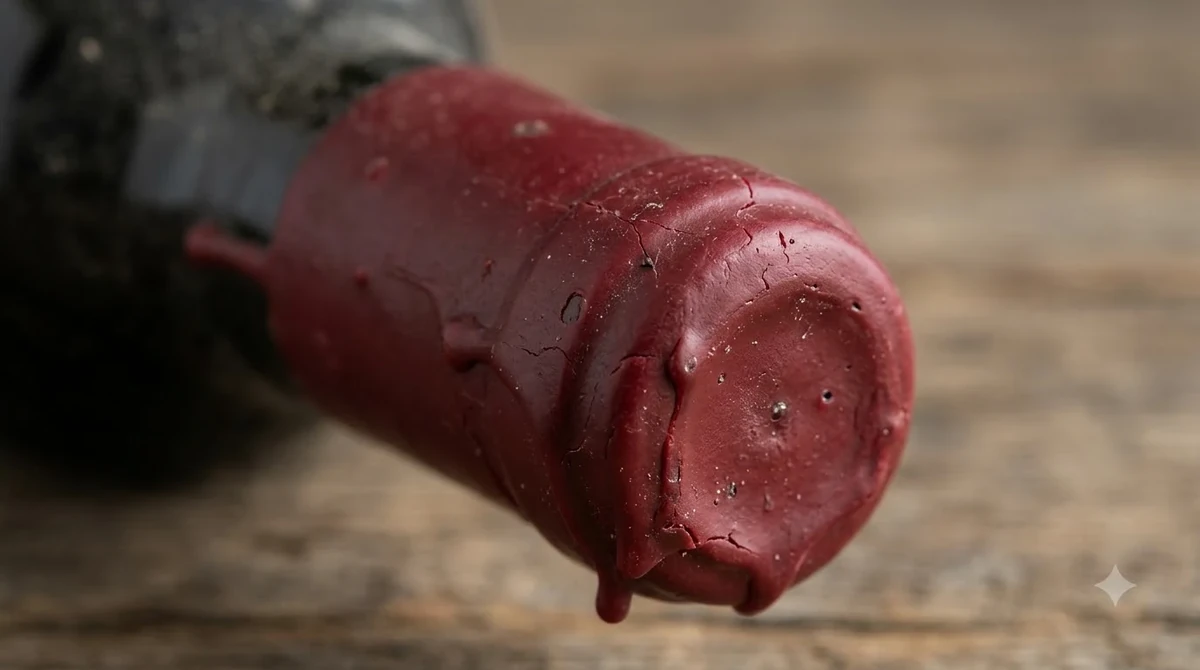
Moscatel de Setúbal is the region’s signature fortified wine. Young versions are usually golden, with orange blossom, citrus, honey, dates, and ripe-fruit notes; older bottlings can move toward amber and show hazelnut, almond, and walnut. Moscatel Roxo is less common and has a drier, more complex aromatic profile, often described with spice and sour-cherry or fig-compote notes. For the fortified wines, ripe grapes begin fermenting with skin contact, then the addition of wine spirit interrupts fermentation and preserves natural sweetness. The official specification describes a typical alcohol level around 17 to 18 percent by volume, within the permitted range, and requires at least 18 months of ageing. Producer choices after that minimum shape the balance between fresh citrus, flowers, nuts, honey, and oxidative complexity.
Visiting vineyards around Palmela, Azeitão, and Arrábida
A visit can combine vineyards, historic towns, and the coast. Palmela is a natural starting point for Castelão and the sandy plain; Azeitão and lower Arrábida show how hills and maritime influence change the setting.
The regional wine route links producers and wine-related stops across the peninsula. Plan around a few places rather than assuming every cellar accepts walk-ins, and confirm tasting availability before setting out. A focused tasting might include dry Castelão, an Arinto or Fernão Pires white, and young and aged Moscatel to compare fresh fruit with nutty complexity.
Allow time for the landscape as well as the cellar: the Serra da Arrábida, the coast, the Sado estuary, and Palmela’s vineyards offer very different views within a compact region. For another maritime vineyard setting, Tasmania vineyards provide another useful point of reference, although Tasmania’s cooler climate produces a very different set of ripening conditions.
Choosing, serving, and pairing Setúbal wines
Start with the food and desired sweetness. Choose Castelão for a dry red, Arinto or Fernão Pires for a white, and Moscatel de Setúbal for a sweet fortified wine suited to dessert.
Match the style to the meal
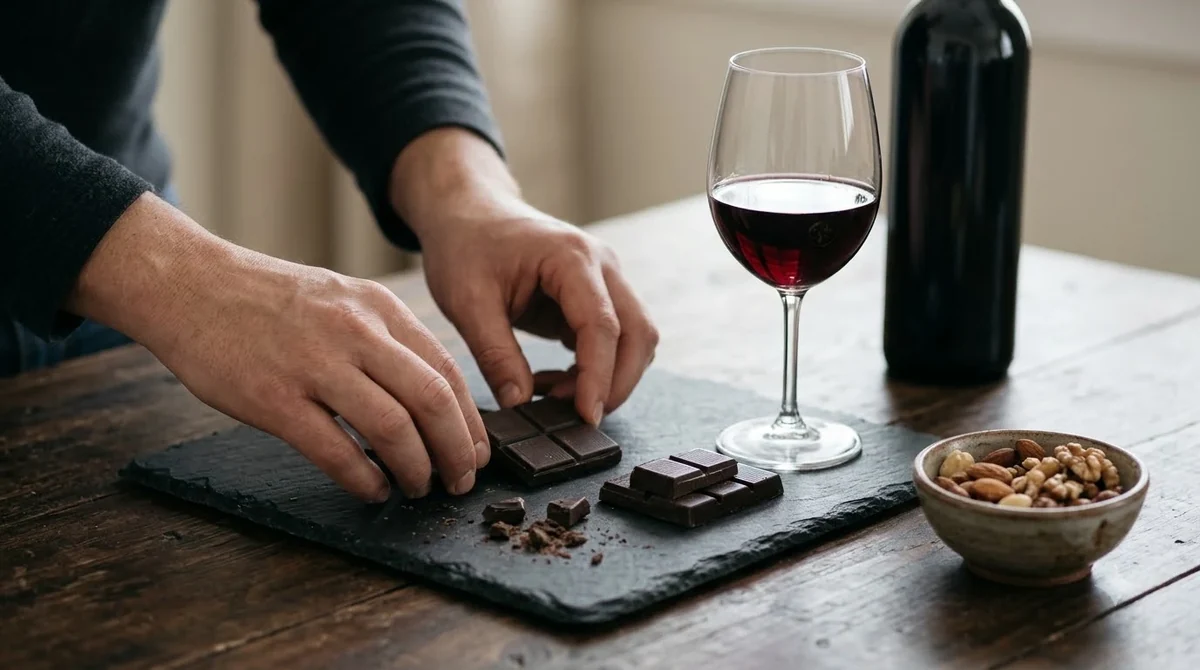
Fresh regional whites suit seafood, shellfish, grilled fish, and Portuguese fish stew such as caldeirada. Their acidity works with lemon or tomato, while floral aromas suit herbs. Castelão’s ripe tannins and red fruit fit grilled pork, roast lamb, sausages, and mushroom dishes better than delicate fish. Moscatel suits almond sweets, fruit desserts, and pastries such as bolinhos de amêndoa or fogaças de Palmela. Choose a wine at least as sweet as the dessert, or it can taste thin or sour. Aged Moscatel can also work with a firm, salty cheese, as salt helps balance sweetness.
Serve at the right temperature
Serve dry whites and rosés around 45 to 50 degrees Fahrenheit, fuller whites around 50 to 55 degrees, light reds around 55 to 60 degrees, and fuller reds around 60 to 65 degrees. Sweet Moscatel is best chilled to roughly 43 to 50 degrees, keeping its sweetness fresh and its aromas clear.
Tip: Pour Moscatel in a smaller dessert-wine glass and begin with a modest serving. A 5-ounce pour is a common measure for still table wine, but a rich fortified wine is often more comfortable in a smaller pour, especially alongside an already sweet dessert.
Store opened bottles thoughtfully
Store unopened bottles on their side in a cool, dark place near 55 degrees Fahrenheit when the closure allows. Refrigerate opened Moscatel and enjoy it over several weeks. Opened dry whites and rosés are best used within 3 to 5 days; a young, structured red may benefit from 30 to 60 minutes of decanting.
Frequently Asked Questions
Why is Castelão also called Periquita?
The regional name Periquita is linked to the Cova da Periquita vineyard property in Azeitão. The producer José Maria da Fonseca first planted the variety there in 1830, and the name became familiar across the Setúbal Peninsula.
What is the Torna-Viagem tradition?
It refers to Moscatel that was shipped from Portugal to Brazil and, in some cases, returned after a long sea journey. The warm voyage was associated with wines that tasted more concentrated and smooth, making the returned barrels a celebrated historical curiosity.
Was Setúbal Moscatel exported to England centuries ago?
Yes. The official Setúbal designation specification records exports to England in 1381, and it notes a reference to 350 barrels of Moscatel de Setúbal exported in 1675. These records show that the wine had an established international trade long before modern wine tourism.
How large was Setúbal’s historic single vineyard?
The regional wine commission records that a continuous vineyard of about 4,000 hectares belonged to one producer in the nineteenth century. The same historical account places it among the largest continuous vineyard holdings of its time.
What is the earliest archaeological evidence of winegrowing near Setúbal?
The official designation document describes grape seeds found during archaeological work in Almada, near the Tagus estuary, dated to the eighth century BC. The discovery supports the region’s long history of vine cultivation and wine consumption.
Setúbal brings together Castelão from Palmela’s sandy plain, maritime Arrábida slopes, and the distinctive fortified Moscatel signature. Read the appellation and grape together to make the region’s range easier to explore.
More in Wine Regions
 Willcox Wine Trail: Discover Arizona’s High-Elevation Wine CountryUpdated Nov 20, 2026
 Yakima Valley Wine Region: Find the Best Styles to TryUpdated Nov 20, 2026
 Vosne Romanee Wine Tasting: Identify Aromas and Choose Better PairingsUpdated Nov 20, 2026
 Yakima Valley Wine Festival: Find the Best Seasonal Wine EventsUpdated Nov 20, 2026
 Wales Vineyards: Discover Cool-Climate Wines and Where to VisitUpdated Nov 20, 2026
 Yountville Wine Festival: Discover Napa Wines and Local FoodUpdated Nov 20, 2026