

We may earn a commission when you buy through links on this page, at no extra cost to you. Learn more.
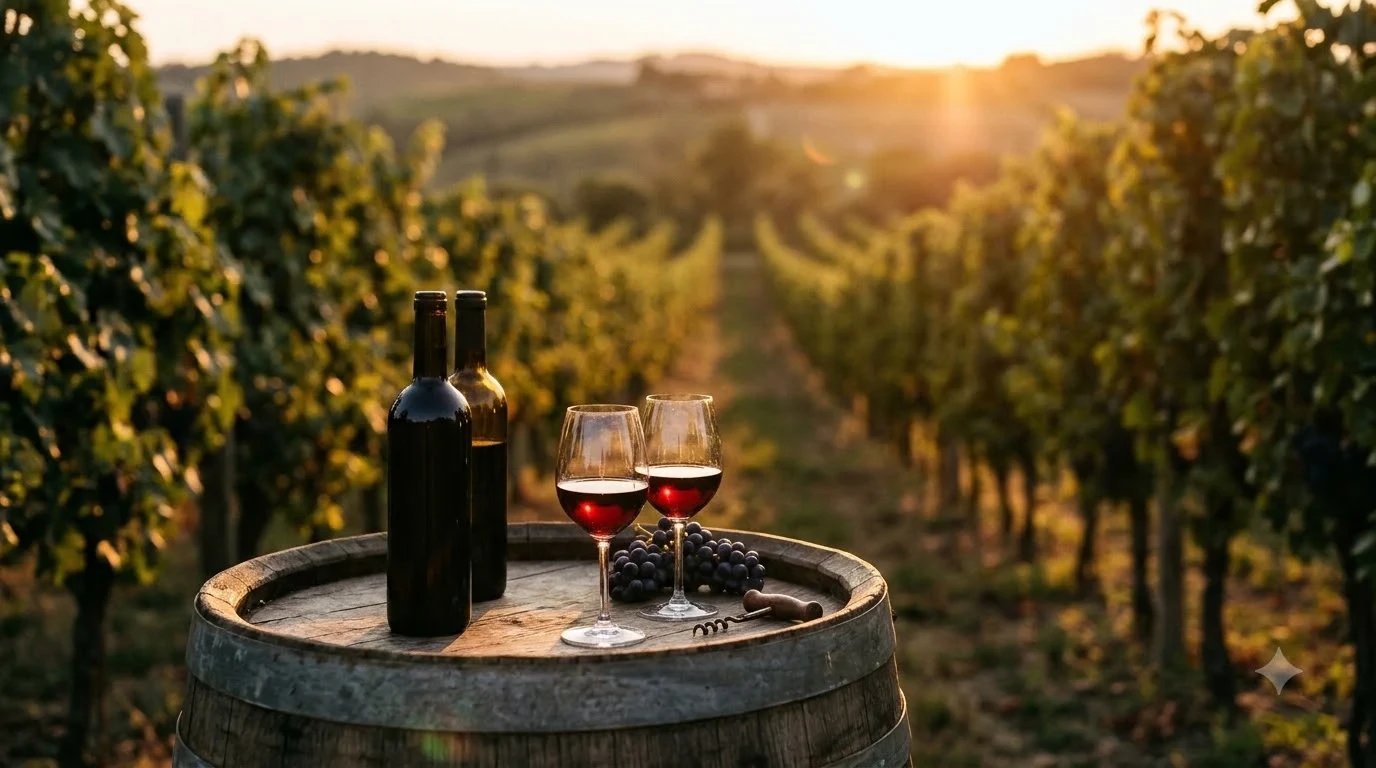
The Saumur wine festival is best experienced through Festivini, an annual Loire Valley celebration of wine, food, vineyard landscapes, and local culture that runs from June through September. Its program brings visitors together with Saumur winemakers through guided tastings, themed appellation evenings, cycling excursions, cellar visits, and special dining events. The festival offers an approachable introduction to the region’s seven wine appellations, including its well-known Cabernet Franc reds, Chenin Blanc whites, and sparkling wines.
Saumur, in France’s Loire Valley, offers more than conventional wine tastings. Its wine culture is connected to limestone cellars, historic châteaux, riverside landscapes, and a long tradition of winemaking. Festivini provides a seasonal way to explore these connections, whether you are planning a dedicated wine trip or adding a few tasting experiences to a broader visit to the Loire Valley. Understanding the festival’s schedule, wine styles, and locations makes it easier to choose activities that suit your interests.
What Makes the Saumur Wine Festival Special?
Festivini is a seasonal celebration of the Saumur wine region, bringing together local producers, visitors, restaurants, and cultural organizations. Its distinctive feature is the variety of settings: tastings can take place in wine estates, historic buildings, underground cellars, and outdoor vineyard locations rather than in one central festival venue.
The program generally extends from June through September, making it possible to plan a visit around summer travel. The official tourism organization describes the festival as a combination of wine tastings, meetings with winemakers, workshops, exhibitions, and entertainment. This broader approach makes it suitable for experienced wine enthusiasts as well as visitors who are simply curious about French wine.
Festivini is closely connected to the identity of Saumur. The surrounding vineyards are part of a landscape shaped by the Loire River, limestone geology, historic villages, and traditional wine production. Visitors can experience this regional identity through food, architecture, and conversations with producers rather than concentrating exclusively on what is in the glass.
One of the festival’s attractions is its emphasis on direct contact with local winemakers. These encounters provide opportunities to understand vineyard conditions, grape varieties, harvest decisions, and differences between appellations. A producer can explain why a particular Chenin Blanc tastes different from another wine made only a short distance away, or how Cabernet Franc responds to different vineyard soils.
Festivini also includes experiences that appeal to people traveling with companions who may not be dedicated wine collectors. Cycling, cultural visits, outdoor gatherings, and gastronomic activities provide alternatives to formal tasting sessions. Visitors can therefore build a balanced itinerary that includes wine without making every activity revolve around drinking.
When the Festival Takes Place and What to Expect
Festivini generally runs from June through September, with different events appearing throughout the summer. Rather than treating it as a single weekend celebration, visitors should think of it as a seasonal program with individual activities that have their own dates, venues, and booking arrangements.
The summer schedule includes themed tasting evenings, vineyard excursions, and special events at recognizable regional locations. The Seven Summer Evenings, Seven AOCs program is particularly useful for visitors who want to compare different appellations. Each evening concentrates on particular regional wines, often accompanied by opportunities to meet producers and enjoy food and entertainment.
Le Dôme, a cultural venue on Place de la Bilange in central Saumur, features prominently in the themed tasting program. Events there have included sessions dedicated to Saumur-Champigny, Saumur Fines Bulles, Saumur Puy-Notre-Dame, Saumur Rosé, Saumur Rouge, Saumur Blanc, and Coteaux de Saumur. The exact calendar changes between festival seasons, so visitors should select activities from the published program rather than assume every event takes place throughout the entire summer.
Outdoor activities provide another reason to visit during the warmer months. Vineyard cycling excursions connect the town with surrounding wine-growing landscapes, while selected evenings bring regional food and wine together in distinctive settings. Special dinners, rooftop gatherings, and events at wine estates give the program a different atmosphere from a traditional tasting-room appointment.
September is particularly interesting for visitors who enjoy the atmosphere of the grape harvest period. Vineyard landscapes become part of the seasonal experience, and regional activities can include sporting events, walks, and celebrations associated with local wine traditions. However, harvest dates depend on grape ripeness and weather, so a September visit should not be planned around the assumption that every estate will offer public harvesting activities.
The Seven Saumur Appellations and Their Wines
The festival provides an opportunity to discover the seven appellations associated with the Saumur vineyard. These wines range from sparkling styles to dry whites, rosés, reds, and sweeter expressions, giving visitors a useful introduction to the diversity of the local wine scene.
Chenin Blanc and Cabernet Franc are particularly important to understanding the region. Chenin Blanc produces a range of white wines, including fresh dry examples and sweeter, more concentrated styles. Cabernet Franc is the leading grape associated with Saumur-Champigny and plays an important role in the area’s red wine identity.
The following overview identifies the principal appellations and the wine styles visitors may encounter during regional tastings.
| Appellation | Typical wine style | Main grape or grapes |
|---|---|---|
| Saumur | Red, white, rosé, and sparkling | Cabernet Franc, Chenin Blanc, and other permitted grapes |
| Saumur-Champigny | Red | Cabernet Franc |
| Saumur Puy-Notre-Dame | Red | Cabernet Franc |
| Saumur Fines Bulles | Sparkling | Primarily Chenin Blanc and other permitted varieties |
| Coteaux de Saumur | Sweet white | Chenin Blanc |
| Cabernet de Saumur | Rosé | Cabernet Franc and Cabernet Sauvignon |
| Coteaux de l’Aubance | Sweet white | Chenin Blanc |
These styles are useful starting points, but individual producers can offer different expressions within the same appellation. A dry Saumur Blanc may emphasize citrus, apple, and mineral character, while a sweeter Chenin Blanc can show honeyed fruit and a richer texture. A sparkling Saumur can be fresh and lively, making it a natural choice for an aperitif or a celebratory meal.
Saumur-Champigny deserves particular attention. Its official appellation organization identifies approximately 100 winegrowers across nine villages, with vineyards on limestone soils along the Loire River. Cabernet Franc is the principal grape, generally producing reds with fresh acidity, red and dark fruit character, and a structure that varies according to vineyard location, vintage, and winemaking choices.
For visitors unfamiliar with Loire wines, comparing three contrasting glasses can be more informative than tasting many similar examples. Start with a dry Chenin Blanc, move to a sparkling Saumur, and finish with a Cabernet Franc-based red. This sequence demonstrates the region’s range while making differences in acidity, texture, fruit character, and structure easier to recognize.
Wine Tastings, Winemaker Meetings, and Vineyard Activities
Wine tasting is central to Festivini, but the format varies considerably between events. Some activities are organized around a particular appellation, while others take place at individual estates or combine wine discovery with outdoor recreation.
The themed evenings are a practical choice for visitors who want an organized introduction to regional wines. These events bring together local producers and concentrate on a particular wine style or appellation. A Saumur Rouge evening, for example, can introduce Cabernet Franc through wines from several growers, allowing visitors to compare different interpretations of the same regional grape.
Meet-the-winemaker experiences offer a more personal perspective. A producer may explain how limestone affects vineyard management, why a parcel is harvested separately, or how fermentation and aging influence the final wine. These discussions are useful because regional appellation names alone do not explain all the differences between individual bottles.
Vineyard cycling is another distinctive activity. Excursions departing from Saumur can take participants into the surrounding countryside, combining outdoor exploration with regional food and wine experiences. The landscape itself becomes part of the learning process: vineyard slopes, river influences, village locations, and limestone formations help explain why the region has such a recognizable wine identity.
Some festival experiences also take visitors into troglodyte cellars. These underground spaces are a notable feature of the local landscape, with limestone excavations historically used for storage and other purposes. Their naturally cool conditions make them particularly interesting places to learn about wine storage and regional architecture.
For a more active introduction to the region, the Saumur-Champigny organization also promotes Vineyards, Wines, Hikes. This activity combines walking routes with encounters with winemakers, allowing visitors to experience vineyard surroundings at a slower pace than a cycling excursion.
Tip: Choose one structured appellation tasting and one outdoor vineyard activity rather than filling every available time slot with tastings. Comparing wines after seeing the vineyards and meeting producers gives the experience more context.
Food Pairings and Regional Dining Experiences
Food is an important part of the Saumur festival experience. Regional events combine local wines with light refreshments, special meals, and culinary demonstrations, giving visitors opportunities to understand how the wines work at the table rather than treating tasting as an isolated activity.
Dry Saumur Blanc made from Chenin Blanc is a flexible partner for Loire Valley seafood, freshwater fish, goat cheese, and vegetable dishes. Its acidity can complement dishes with citrus, herbs, and creamy sauces. A dry example is especially useful with dishes that contain a little lemon or vinegar because the wine should have enough acidity to match the food.
Saumur-Champigny and other Cabernet Franc-based reds work particularly well with roasted poultry, grilled pork, mushroom dishes, and herb-seasoned meats. Their freshness can complement savory food without overwhelming lighter preparations. Salt and fat also soften the perception of tannin, making these wines more approachable alongside richer dishes.
Saumur sparkling wine is a natural match for appetizers, seafood, savory pastries, and fried foods. Its bubbles and acidity can refresh the palate between bites. For a gathering with several small dishes, a dry sparkling wine is often a useful starting point because it works across a range of flavors.
Sweet Chenin Blanc deserves attention with desserts, especially fruit-based pastries, apple preparations, and dishes featuring apricot or pear. The wine should generally be at least as sweet as the dessert. Otherwise, the food can make the wine seem less expressive and more acidic.
Festival dining events may feature local products and seasonal ingredients, so visitors should consider the menu when choosing a tasting. A rich cheese dish might favor a fresh white wine, while roasted meats can make a young Cabernet Franc particularly appealing. A single bottle does not need to accompany every course; matching different wines to different dishes is often more successful.
How to Plan a Visit to Saumur During Festivini
A successful visit begins with choosing the activities that matter most to you. The festival extends across several months and locations, so checking the official calendar before arranging transport and accommodation helps avoid unnecessary travel between events.
Start by selecting one or two main experiences. Visitors interested in comparing wine styles can prioritize a Seven Summer Evenings, Seven AOCs tasting at Le Dôme. Those who prefer outdoor activities can choose a vineyard cycling excursion or a guided walk. People who want direct contact with producers should look for estate events and opportunities to visit local cellars.
Central Saumur makes a practical base for exploring the town and attending events at Le Dôme. Other activities may take place in nearby villages and vineyard communities, so a car, organized excursion, or appropriate local transport may be necessary. Confirm departure points and return arrangements before booking an activity outside the town center.
Allow enough time for each event. A guided tasting is more useful when there is time to ask questions and compare wines instead of rushing between appointments. For a cycling excursion, account for the full activity duration, including breaks, travel, and any food component.
Advance booking is sensible for events with limited capacity, especially special dinners, guided activities, and popular themed evenings. The official Festivini website and Saumur tourism portal provide event information and ticketing access. Event details, availability, and admission arrangements can vary, so verify the practical information for each chosen activity.
Visitors planning a broader Loire Valley trip can also explore other regional attractions between wine events. Historic villages, the Loire riverbanks, local markets, and cultural landmarks provide a useful contrast to vineyard visits. For more destinations and regional wine information, browse our Wine Regions collection.
Travelers who enjoy comparing regional celebrations may also find useful ideas in our coverage of the Livermore wine festival, the Indiana wine festival, and the Utah wine festival. Each offers a different perspective on how wine regions introduce local producers and their wines to visitors.
For official event details, the Festivini program and event calendar is the most direct place to review individual activities. The calendar helps visitors distinguish between organized tastings, outdoor excursions, and special events before finalizing their itinerary.
It is also useful to leave some time for independent wine exploration. The regional wine organization maintains a directory of producers, including growers in villages such as Parnay, Varrains, and Montsoreau. A scheduled estate visit can complement the larger festival program and introduce wines that might not appear at a central tasting.
What to Know About Saumur Wine Before You Taste
A little preparation makes regional tastings more rewarding. Understanding the main grapes, wine styles, and serving temperatures allows visitors to compare wines more confidently and recognize the differences between appellations.
Chenin Blanc is one of the region’s most versatile varieties. Its naturally high acidity makes it suitable for dry whites, sparkling wines, and sweet wines. In a dry style, expect citrus, orchard fruit, and a lively finish. Sweeter examples can show ripe stone fruit, honey, and more concentrated flavors while retaining refreshing acidity.
Cabernet Franc is the key red grape to recognize during Saumur-Champigny tastings. It commonly offers red cherry, raspberry, plum, and herbal notes, with acidity that keeps the wine fresh alongside food. Tannin levels vary by wine, but Cabernet Franc generally has a more approachable structure than many young Cabernet Sauvignon-based reds.
Serving temperature matters. A light, fresh Saumur red is usually more expressive around 55 to 60 degrees Fahrenheit, while fuller-bodied reds are generally best around 60 to 65 degrees. Dry white wines and rosés benefit from temperatures around 45 to 50 degrees, and sweet whites are usually enjoyable around 43 to 50 degrees.
Sparkling Saumur should be served cold, ideally around 40 to 50 degrees. This helps preserve freshness and makes the bubbles particularly refreshing with appetizers. Avoid serving every wine directly from a very cold refrigerator for extended periods, since excessively low temperatures can suppress aroma and flavor.
Visitors can also use tasting sessions to compare winemaking choices. Two Chenin Blanc wines from the same broad appellation might differ in sweetness, texture, and aging character. Similarly, Cabernet Franc from different vineyard locations can show different fruit intensity and structural weight.
When tasting several wines, begin with sparkling or lighter whites, continue with rosé, and finish with reds and sweeter wines as appropriate to the event. A standard 5-ounce pour is a useful reference for a conventional wine serving, although festival tasting portions may be smaller. Take notes on grape variety, appellation, acidity, sweetness, and the food pairing that worked best.
The official Saumur-Champigny appellation website is another useful resource for understanding the local Cabernet Franc tradition, vineyard geography, and participating winegrowers. Its producer information can help visitors continue exploring the region after the festival.
Frequently Asked Questions
Is Festivini the same as the Saumur Wine Festival?
Festivini is the principal wine-culture festival associated with the Saumur region, but the wider local calendar includes other independent wine-related gatherings. Events such as Vineyards, Wines, Hikes and the Great Tables of Saumur-Champigny have their own identities and organizers. Checking both the Festivini calendar and the local appellation event calendar can reveal additional activities.
Can visitors attend wine events without knowing French?
Some international visitors can enjoy tastings through visual wine descriptions, direct conversations, and basic wine vocabulary. However, individual event language arrangements differ, and not every activity guarantees English-language guidance. Contact the organizer before booking if an English-speaking guide is essential.
Are Saumur wine tastings suitable for beginners?
Yes. The variety of local wines makes the region a useful introduction to French appellations and grape varieties. Beginners can start by comparing a dry Chenin Blanc, a sparkling Saumur, and a Cabernet Franc red without needing specialist knowledge. Asking producers to explain the difference between appellations is a practical way to learn.
What is a troglodyte wine cellar?
A troglodyte cellar is a storage or wine-related space excavated into limestone rock. The Saumur area has an extensive tradition of underground limestone spaces, some of which are associated with wine production and storage. Their relatively stable underground conditions make them interesting places to learn about local architecture and cellar practices.
Can visitors explore Saumur wine country outside the festival season?
Yes. Many regional winegrowers offer visits and tastings independently of Festivini. However, opening arrangements and appointment requirements differ between estates, particularly during busy vineyard periods. The official Saumur winegrower directory is a useful starting point for identifying producers and arranging visits directly.
The Saumur wine festival offers a rewarding introduction to Loire Valley wine through Festivini’s tastings, vineyard activities, producer encounters, and regional dining experiences. Whether your priority is Chenin Blanc, Cabernet Franc, sparkling Saumur, or the landscape surrounding the vineyards, planning around a few well-chosen events can make a visit especially memorable. Explore the official calendar, book popular activities ahead of time, and leave room to discover the producers and villages that give Saumur its distinctive character.
More in Wine Regions
 Willcox Wine Trail: Discover Arizona’s High-Elevation Wine CountryUpdated Nov 20, 2026
 Yakima Valley Wine Region: Find the Best Styles to TryUpdated Nov 20, 2026
 Vosne Romanee Wine Tasting: Identify Aromas and Choose Better PairingsUpdated Nov 20, 2026
 Yakima Valley Wine Festival: Find the Best Seasonal Wine EventsUpdated Nov 20, 2026
 Wales Vineyards: Discover Cool-Climate Wines and Where to VisitUpdated Nov 20, 2026
 Yountville Wine Festival: Discover Napa Wines and Local FoodUpdated Nov 20, 2026