

We may earn a commission when you buy through links on this page, at no extra cost to you. Learn more.
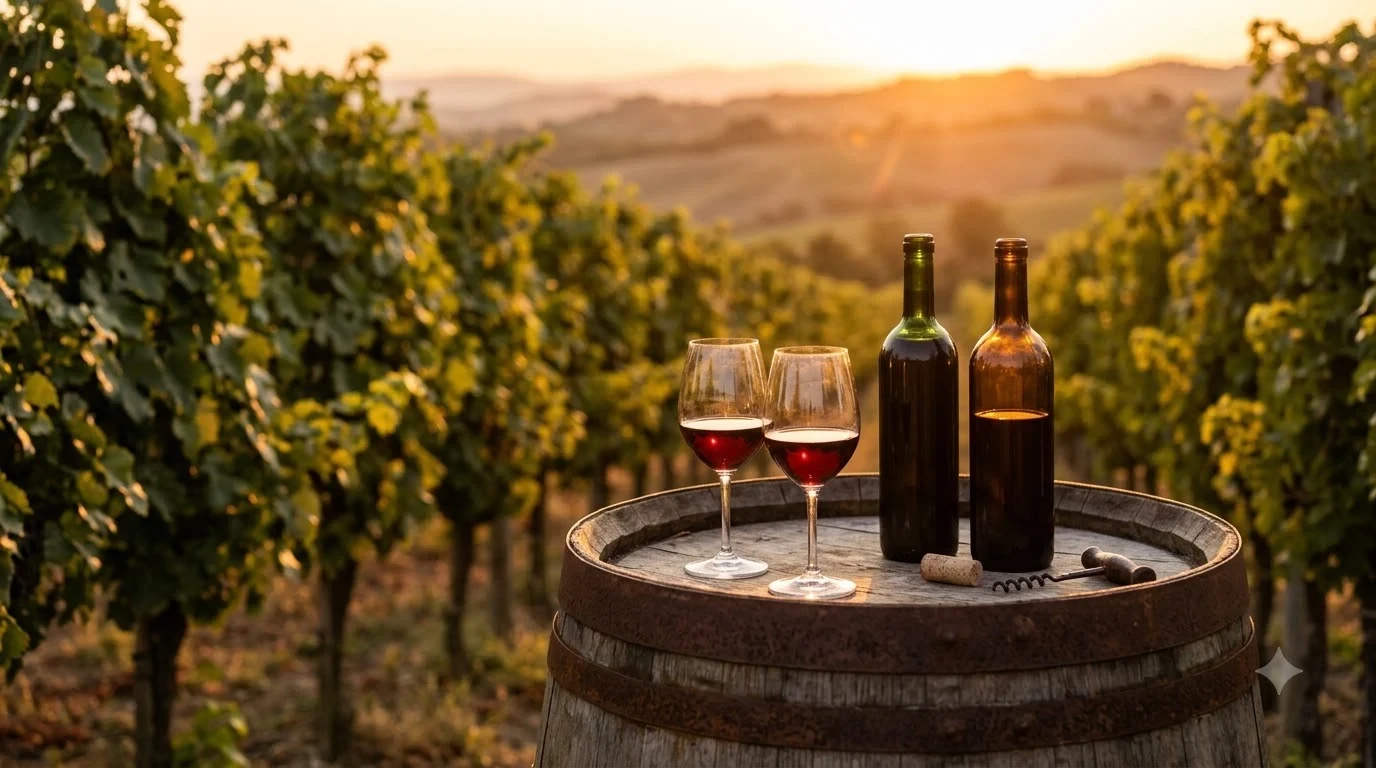
Santa Fe vineyards belong to New Mexico’s northern wine country, a region with one of the oldest winemaking traditions in the United States. Friars planted the first wine grapes in the state around 1629, and the modern revival of local wineries began around 1977 with cold-hardy French-hybrid vines. Today visitors can taste New Mexico wines with a short drive from the city.
Many people picture Santa Fe as an art and food city, but the wine story around it is older than most visitors expect. The region sits in a high desert where the days are sunny and the nights are cool, and its vineyards are part of a state that has been making wine for centuries. This guide explains the history behind the vineyards, the grapes you will see, how the modern wineries developed and how to plan a visit. For a broader look at the state, start with our wine regions guide.
The Long History Behind Santa Fe Vineyards
New Mexico’s winemaking tradition is one of the oldest in the country. According to the Wikipedia entry on New Mexico wine, Franciscan and Capuchin friars planted the first wine grapes around 1629 at a Piro pueblo just south of modern Socorro. The vines were Mission grapes, and that variety is still grown in the state today.
By 1880, grapes covered more than 3,000 acres across the state, and commercial production was large for its time. The entry gives conflicting production figures for that period, so it is best to think of the era as a big commercial industry rather than rely on one exact number. That history matters because it shows that vineyards and wine have been part of the region’s farming life for generations.
How Prohibition and Floods Changed the Industry
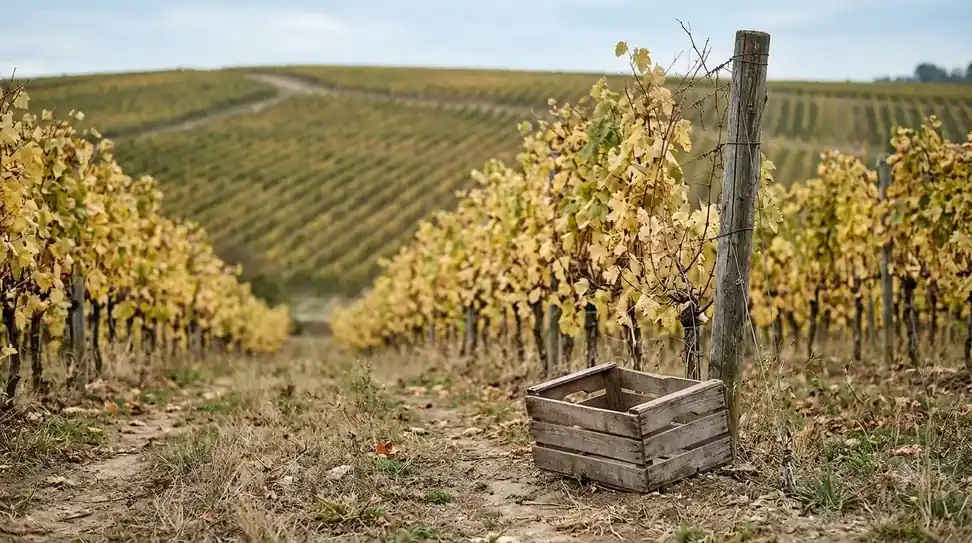
The industry did not grow in a straight line. Prohibition closed many wineries, although some kept making sacramental wine. Floods along the Río Grande in 1926 and 1943 damaged vineyards, and the old commercial industry never fully recovered from those blows. For decades, wine in the state was a small, quiet business rather than the lively tourism draw it is now.
The modern revival started around 1977. Growers turned to cold-hardy French-hybrid grapes, which could survive the winters and suit the state’s conditions. Those early plantings opened the door for the wineries that visitors can taste today, including the newer producers that now make wine from a wider range of varieties.
The Northern New Mexico Wine Scene
The Río Grande flows from the Santa Fe area through the wine-producing region, and that river connects many of the state’s vineyards and tasting rooms. The northern part of the state has a long line of small estates, some established in the 1970s and 1980s, that built the modern industry.
Two early names matter for anyone exploring the region. La Viña Winery was among the first of the modern wineries and is now described as the oldest continually operating winery in the state. La Chiripada Winery in Dixon planted vines in 1977, the first in northern New Mexico since Prohibition, and it opened in 1981. Visiting these older estates gives a clear picture of how the state’s wine culture was rebuilt, one vineyard at a time.
| Milestone | What happened |
|---|---|
| Around 1629 | Friars plant the first wine grapes at a Piro pueblo near Socorro |
| By 1880 | Grapes cover more than 3,000 acres in the state |
| 1926 and 1943 | Río Grande floods damage vineyards |
| 1977 | Modern revival begins; La Chiripada plants vines in Dixon |
| 1981 | La Chiripada Winery opens |
| Today | More than 60 wineries, per the Wikipedia entry |
Grapes You Will Taste Around Santa Fe
New Mexico grows a surprisingly wide range of grapes. The Wikipedia entry lists red varieties such as Cabernet Sauvignon, Zinfandel, Sangiovese, Pinot noir, Merlot, Syrah and Tempranillo. White wines include Chardonnay, Riesling, Viognier, Muscat varieties and Sauvignon blanc. French-hybrid and hybrid grapes such as Baco noir, Chambourcin, Seyval blanc and Vidal blanc also appear, and they reflect the state’s early experiments.
The state also has a special link to Zinfandel. The entry says the grape, which comes from the European Primitivo, was developed through experiments by Giovanni Rinaldi and New Mexico A&M, now New Mexico State University. Sparkling wine is produced in the state as well, so a visit can include bubbles and dessert-style wines alongside reds and whites.
Visiting Santa Fe Wineries: What to Expect
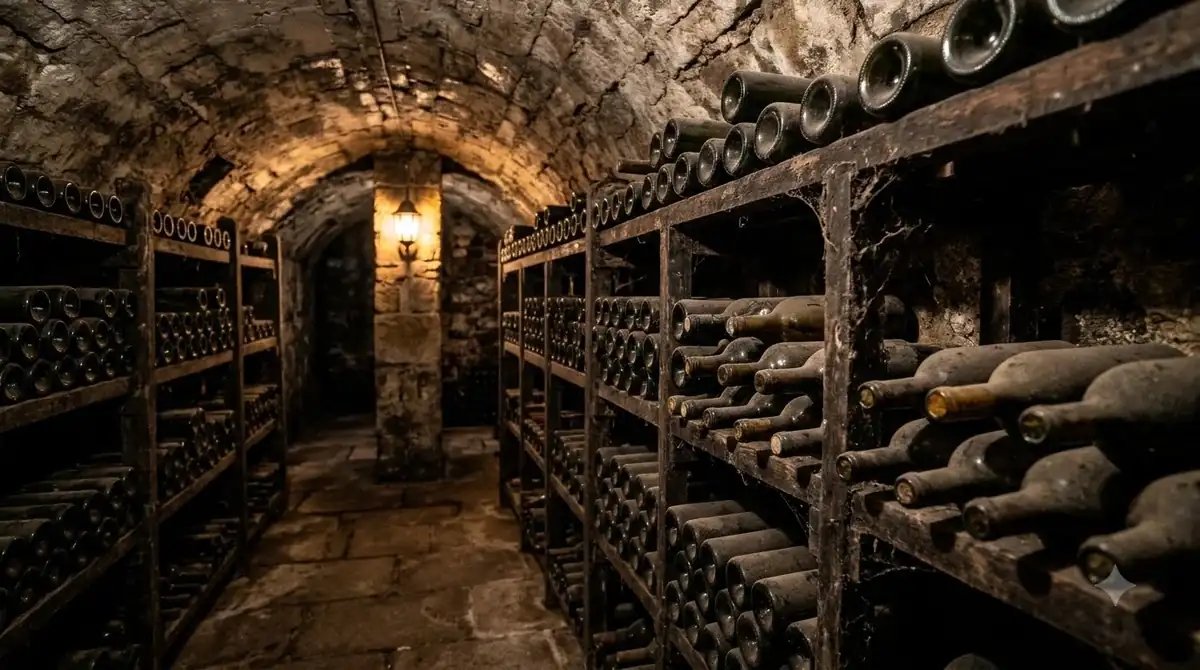
Tasting in the Santa Fe area is usually relaxed. Many estates are small and family-run, and staff can tell you how their vines were planted and what the local weather does to the fruit. The best approach is to start with a flight of local whites and rosés, then move to reds, since the warmer afternoons can ripen the grapes quickly.
Plan your route with the hours in mind. Small wineries often keep shorter schedules than big-name estates, and some close on certain days. Ask ahead whether a tour, a seated tasting or a bottle purchase is required, because policies differ from one estate to the next. Driving is the easiest way to reach the vineyards, so choose a designated driver or book a tour if you plan to taste several wines.
Tip: Bring water and eat a meal before you start. High-altitude air and dry weather can make a tasting feel stronger than expected, so pace your flights and spit when you need to.
Buying and Serving New Mexico Wine at Home
If you want to bring bottles home, look at the label first. Many New Mexico wines are sold in local shops and at the winery itself, and some producers also ship within the states where that is allowed. Shipping rules differ, so check before you buy a case.
Serve whites cool, reds slightly below room temperature, and sparkling wines chilled. Hybrid whites often suit grilled chicken, green chile dishes and fresh salads, because their acidity cuts through rich food. Reds made from Syrah, Zinfandel or Tempranillo pair well with barbecue and hearty stews. Taste a few styles side by side to see which one matches your table.
Frequently Asked Questions
Are Santa Fe vineyards part of an established wine region?
Yes. Santa Fe sits within New Mexico’s northern wine scene, and the state’s winemaking tradition goes back centuries. Many vineyards and tasting rooms are spread across the area rather than gathered in one single valley.
What grapes grow in Santa Fe area vineyards?
Growers plant a range of reds and whites, including Cabernet Sauvignon, Merlot, Syrah, Chardonnay and Riesling, along with French-hybrid grapes such as Chambourcin and Vidal blanc. The mix varies from winery to winery.
Which is the oldest winery in the area?
La Viña Winery is described as the oldest continually operating winery in the state. It was among the first modern wineries to open after the revival began, so it is a useful stop for the state’s wine history.
Is it easy to visit Santa Fe wineries without a car?
It is easier with a car, because the wineries are spread out and public transit does not cover the routes well. Local tour operators often run group trips, which take the driving off your plate.
Santa Fe vineyards are a chance to taste a wine culture that was rebuilt from old roots. Read a little history, pick two or three wineries and keep the schedule loose. To explore other high desert and mountain wine areas, see our New Mexico vineyards guide, and compare the scale of the state’s industry with the coastal regions covered in Santa Ynez Valley vineyards. Background on the state’s wine history is also available in the New Mexico wine entry on Wikipedia.
More in Wine Regions
 Willcox Wine Trail: Discover Arizona’s High-Elevation Wine CountryUpdated Nov 20, 2026
 Yakima Valley Wine Region: Find the Best Styles to TryUpdated Nov 20, 2026
 Vosne Romanee Wine Tasting: Identify Aromas and Choose Better PairingsUpdated Nov 20, 2026
 Yakima Valley Wine Festival: Find the Best Seasonal Wine EventsUpdated Nov 20, 2026
 Wales Vineyards: Discover Cool-Climate Wines and Where to VisitUpdated Nov 20, 2026
 Yountville Wine Festival: Discover Napa Wines and Local FoodUpdated Nov 20, 2026