

We may earn a commission when you buy through links on this page, at no extra cost to you. Learn more.
Rheingau wine tasting introduces visitors to Germany’s celebrated Riesling wines, historic vineyard estates, and distinctive Pinot Noir from the Rhine Valley. Located in the German state of Hesse, the Rheingau offers opportunities to compare dry and sweet Rieslings, explore historic wineries, and discover how different vineyard soils influence wine character. A rewarding visit combines winery appointments, village wine bars, regional food, and time among the vineyards.
The Rheingau is a relatively compact wine region with an international reputation for high-quality white wines. Its position along the Rhine, protected vineyard slopes, and centuries of winemaking tradition make it particularly interesting for wine enthusiasts. Whether you are planning a dedicated wine trip or adding a tasting to a German vacation, understanding the region’s geography, grape varieties, and tasting traditions will help you make better choices.
Why the Rheingau Is Special for Wine Tasting
The Rheingau combines favorable growing conditions, a strong Riesling tradition, and an unusually rich collection of historic wine estates. Its vineyards occupy a distinctive stretch of the Rhine where geography creates favorable conditions for growing grapes with aromatic intensity and fresh acidity.
The Rhine changes direction near Wiesbaden, flowing westward for approximately 30 kilometers before turning north again near Rüdesheim. This unusual river bend creates the landscape that defines the region. The river reflects sunlight toward the vineyards and helps moderate temperatures, while the forested Taunus Hills protect many slopes from cold winds. According to the German Wine Institute, the Rheingau covers approximately 3,117 hectares and contains 129 individual vineyard sites. The German Wine Institute’s Rheingau regional profile provides further geographical and historical details.
Riesling dominates local production. It occupies approximately 2,355 hectares, making it the region’s defining variety. Its relatively long growing season allows grapes to develop expressive aromas while retaining the acidity that gives Rheingau wines their characteristic freshness. Depending on the producer, vineyard, and winemaking approach, a bottle may show green apple, lemon, peach, apricot, white flowers, or mineral notes.
Another reason the region stands out is its historical importance. Monasteries and aristocratic estates helped establish its reputation, and winemaking remains closely connected to local architecture and cultural traditions. Schloss Johannisberg and Kloster Eberbach are two especially significant destinations for visitors interested in the relationship between wine, history, and regional identity.
The region is not exclusively about white wine. Spätburgunder, or Pinot Noir, has a particularly strong presence around Assmannshausen. This gives visitors an opportunity to compare elegant German red wines with the more familiar Riesling styles during the same trip. The VDP’s Rheingau regional overview explains how the river, vineyard slopes, and soil differences contribute to this regional diversity.
For travelers exploring different European wine destinations, the Rheingau also offers an interesting comparison with Alsace wine tasting. Both regions are associated with aromatic white varieties, but their vineyard landscapes, wine traditions, and labeling systems offer different experiences.
Understanding Rheingau Riesling Styles
Riesling is the essential wine to explore during a Rheingau visit. A useful tasting should include at least one dry Riesling, one wine with noticeable residual sweetness, and, if available, a bottle from a particularly recognized vineyard site.
Dry Rheingau Riesling is often the best starting point. Look for the German term trocken, which identifies a dry wine. These bottles commonly emphasize citrus, green apple, stone fruit, and refreshing acidity. Depending on the vineyard and producer, some have a lean, mineral character, while others offer greater concentration and texture.
Off-dry and sweeter Rieslings provide a different perspective. Wines labeled feinherb are generally off-dry in style, although the term does not establish one precise sweetness level. Kabinett, Spätlese, and Auslese are traditional Prädikat designations that describe grape must weight at harvest rather than guaranteeing a particular sweetness in the finished wine. A Spätlese can therefore be dry, off-dry, or sweet.
The historic importance of late harvesting is especially relevant in the Rheingau. In 1775, the monks at Johannisberg Abbey discovered the benefits of harvesting grapes later than usual. This history helped establish the region’s association with Spätlese and other wines made from increasingly ripe grapes.
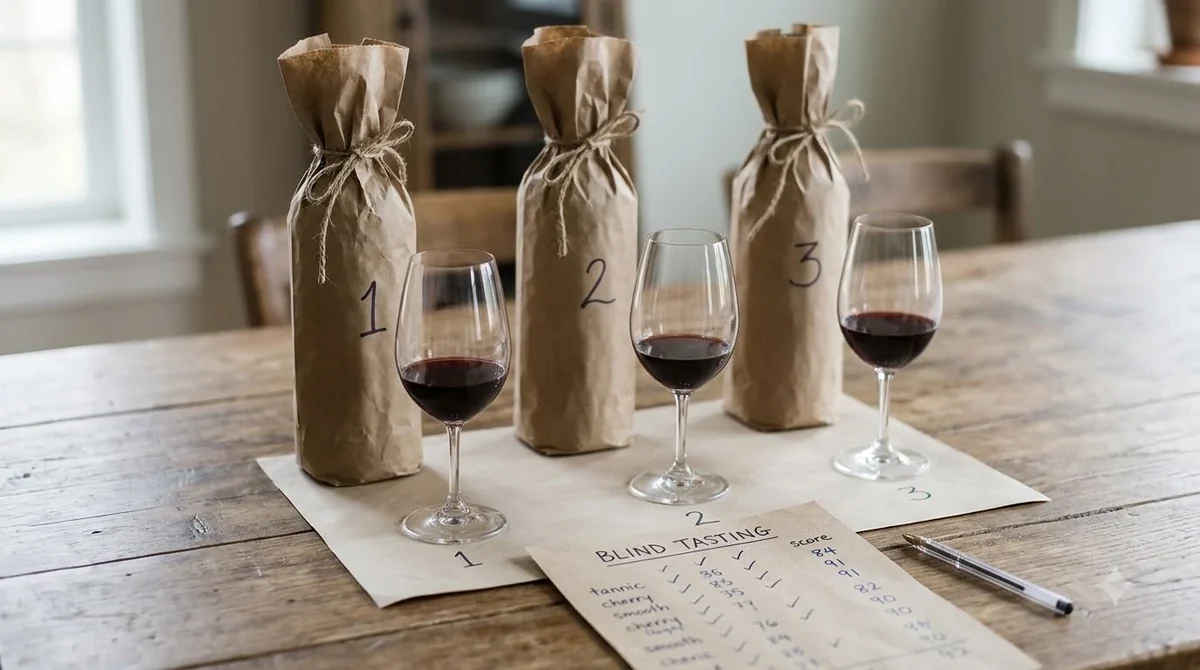
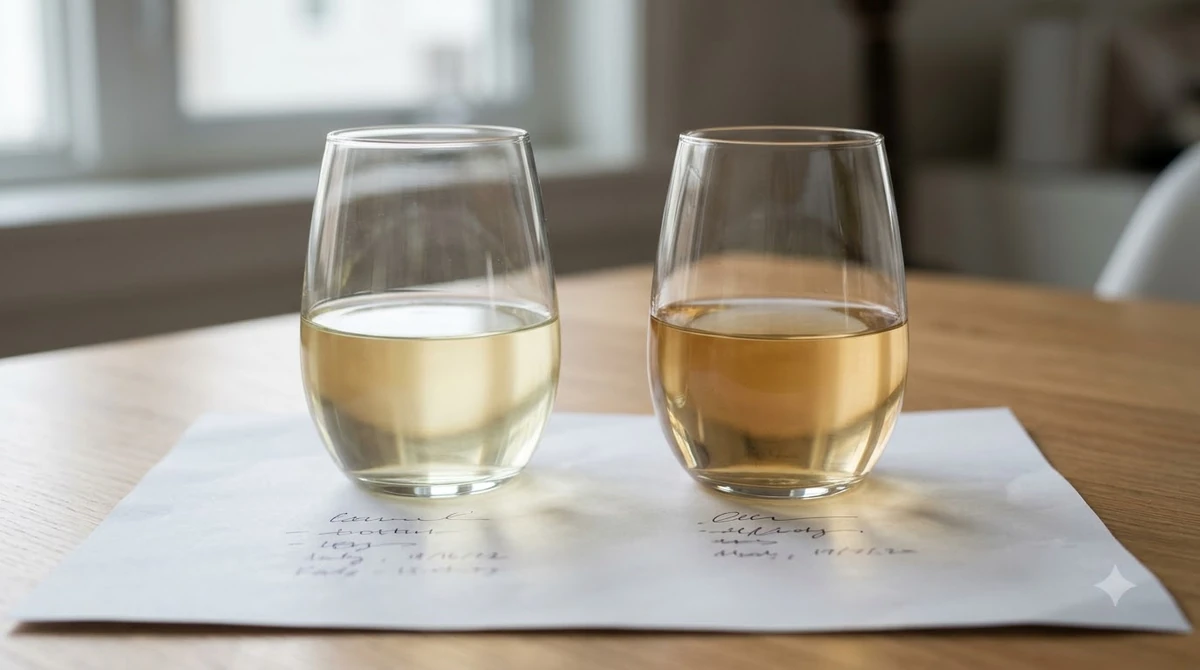
During a tasting, compare two Rieslings from the same producer if possible. A dry bottling and a sweeter Spätlese can demonstrate how grape ripeness, residual sugar, acidity, and winemaking decisions change the final experience. Pay attention to whether sweetness balances the acidity or becomes the dominant feature.
What to Look for in the Glass
Begin with the aroma before taking a sip. Riesling can reveal lemon zest, lime, green apple, peach, apricot, and floral notes. Older or more developed bottles may show additional honeyed, savory, or petroleum-like aromas, which are recognized characteristics of mature Riesling rather than automatic signs of a fault.
Next, assess the relationship between acidity and sweetness. A dry wine should feel refreshing rather than aggressively sour. A sweeter wine should have enough acidity to keep the finish balanced. Finally, consider the length of the finish and whether the fruit, mineral, or floral characteristics remain noticeable after swallowing.
Tip: Ask the winery to pour a dry Riesling and a Spätlese side by side. Comparing two wines from the same estate is often more informative than tasting several unrelated bottles without a clear reference point.
The Best Villages and Vineyard Areas to Explore
The Rheingau is best explored through its wine villages rather than by treating the entire region as one tasting destination. Hochheim, Eltville, Oestrich-Winkel, Johannisberg, Rüdesheim, and Assmannshausen each offer different combinations of wine styles, historic attractions, and vineyard scenery.
Hochheim lies toward the eastern end of the region, close to the confluence of the Main and Rhine rivers. It is a useful starting point for visitors arriving from Frankfurt or Wiesbaden. Its wines provide an introduction to the Rheingau’s dry Riesling tradition, and the village has a long-established wine culture.
Eltville is known for its riverside setting, historic buildings, and surrounding vineyards. It works particularly well for travelers who want to combine a relaxed wine tasting with a walk through a historic town. Nearby Hattenheim and Erbach also offer access to established vineyard areas and wine estates.
Oestrich-Winkel is another excellent base. The area includes the villages of Oestrich, Mittelheim, Winkel, and surrounding vineyard landscapes. Schloss Vollrads is one of its best-known historic wine destinations, while local estates provide opportunities to explore differences between village wines and individual vineyard bottlings.
Johannisberg deserves special attention from Riesling enthusiasts. Its historical association with the discovery of Spätlese makes it one of the most meaningful stops for understanding the region’s wine heritage. Schloss Johannisberg provides an impressive setting for exploring this history.
Rüdesheim combines wine tourism with river scenery, historic streets, and access to vineyard viewpoints. The surrounding slopes are particularly interesting for visitors who want to understand how exposure and terrain influence grape growing.
Assmannshausen is the destination to prioritize if Pinot Noir interests you. Unlike much of the Rheingau, where Riesling dominates, this village has a strong association with Spätburgunder. Its steep slopes and slate-influenced soils provide a distinctive setting for regional red wine production.
Visitors comparing German wine destinations can also explore other wine regions to understand how the Rheingau fits into Germany’s broader collection of growing areas.
Historic Wineries and Estates Worth Visiting
The Rheingau’s historic estates offer more than opportunities to taste wine. Many combine architectural heritage, traditional cellars, vineyard views, and a clear sense of regional identity. Prioritizing a few distinctive destinations is generally more rewarding than trying to visit too many wineries in one day.
Schloss Johannisberg is an important destination for understanding the region’s Riesling heritage. The estate is closely connected to the history of late harvesting in 1775 and offers an opportunity to explore how the development of harvest techniques influenced German wine styles. A tasting here is particularly relevant for visitors interested in Spätlese and the history of Riesling.
Kloster Eberbach offers a different historical experience. This former Cistercian monastery is one of Germany’s best-preserved medieval monastery complexes. Its connection to regional wine production makes it an appealing destination for combining architectural sightseeing with wine exploration. The estate’s historic surroundings provide context for understanding the influence of religious communities on European viticulture.
Schloss Vollrads in the Winkel area is another recognizable estate. Its historic castle setting makes it an attractive stop for visitors interested in traditional Rheingau architecture and Riesling. It is particularly useful for comparing different sweetness levels and vineyard expressions when suitable wines are available.
Weingut Robert Weil in Kiedrich is a notable name for visitors focusing on Riesling. The VDP lists the estate among its Rheingau members, and its location makes it a useful reference point when exploring the region’s more structured and site-focused wines.
Weingut Künstler in Hochheim is another estate worth considering. Its position near the eastern end of the Rheingau makes it convenient for visitors beginning their exploration around Wiesbaden or Frankfurt. A tasting here can help introduce the character of Hochheim Riesling.
Before visiting any winery, establish whether it offers walk-in tastings, scheduled appointments, guided cellar tours, or group experiences. Some estates operate dedicated tasting rooms, while others concentrate on organized visits. Availability and opening arrangements can differ by season and day of the week.
For a more focused experience, choose two contrasting estates rather than attempting to visit every famous name. One historic estate and one smaller producer can provide a useful balance between regional heritage and individual winemaking styles.
How to Plan a Rheingau Wine Tasting Day
A successful tasting itinerary should combine two or three wine experiences with time for food, sightseeing, and vineyard views. The region’s relatively compact geography makes a carefully planned day possible without spending most of the visit traveling between villages.
Start in the eastern Rheingau around Hochheim or Wiesbaden if you are arriving from Frankfurt. Alternatively, begin in Eltville or Oestrich-Winkel if your accommodation is farther west. Choose one main winery appointment in the morning, followed by lunch and a second tasting in the afternoon.
A practical schedule might look like this:
| Time | Activity | Purpose |
|---|---|---|
| 9:30 AM | Arrive in Eltville or Hochheim | Explore the village and vineyards |
| 10:30 AM | First winery tasting | Compare 3–5 Riesling wines |
| 12:00 PM | Lunch at a regional restaurant | Explore local food pairings |
| 1:30 PM | Visit a historic wine estate | Learn about regional wine history |
| 3:00 PM | Second tasting or wine bar | Compare different producers |
| 4:00 PM | Vineyard walk or scenic viewpoint | Enjoy the Rhine landscape |
This schedule is a suggested itinerary rather than a guarantee of winery opening hours or appointment availability. Contact estates in advance, especially if you want a guided tasting, a cellar visit, or access to wines from specific vineyard sites.
For visitors with limited time, the most efficient approach is to select one village as a base and avoid unnecessary backtracking. Eltville and Oestrich-Winkel are useful choices because they provide access to multiple wine destinations and historic attractions.
The Rheingau Riesling Route is another useful planning resource. According to the German Wine Institute, the route extends approximately 120 kilometers through wine villages and cultural attractions. It is primarily a scenic driving route, so visitors should arrange a designated driver or use alternative transportation when planning winery visits.
Walking and cycling are also attractive options in suitable weather. The region offers vineyard paths and hiking routes, allowing visitors to understand the landscape more closely. A vineyard walk before a tasting can make differences in slope, exposure, and soil easier to understand.
Do not attempt to schedule too many formal tastings. A focused comparison of four or five wines at one winery often provides more useful information than rushing through several short appointments.
What to Expect During a Winery Tasting
Rheingau wineries offer several tasting formats, ranging from informal glasses in a wine bar to structured flights led by knowledgeable staff. The experience depends on the estate, the size of your group, and whether you arrange an appointment in advance.
A basic tasting usually begins with a regional or estate Riesling. This introductory wine helps establish the producer’s house style. The next wines may include different vineyard expressions, a higher-quality bottling, or a wine with greater residual sweetness. Some estates also offer Spätburgunder, sparkling wine, and special older vintages.
More detailed tastings may compare wines from different vineyard classifications. The VDP classification system is particularly useful for understanding this approach. Its hierarchy includes estate wines, village wines, and wines from classified vineyard sites. VDP.Gutswein represents the estate-level category, while VDP.Ortswein identifies village wines. VDP.Erste Lage and VDP.Grosse Lage identify classified vineyard sites at higher levels.
At the top of the VDP classification, dry wines from Grosse Lage sites may carry the designation Grosses Gewächs, commonly abbreviated GG. These wines are especially interesting for visitors studying the relationship between vineyard origin and wine quality.
Rheingau also has its own historical Erstes Gewächs designation, introduced in 1999. This is a regional classification associated with wines from classified vineyard sites and demanding production standards. Understanding these terms makes it easier to interpret tasting lists and appreciate why wines from nearby vineyards may have different reputations.
How to Taste Methodically
Start by examining the wine’s color and clarity. Young Riesling is generally pale straw to light yellow, while mature examples can develop deeper golden tones. Spätburgunder typically ranges from pale ruby to deeper garnet depending on age and winemaking.
Smell the wine before tasting it. Identify the strongest aromas rather than attempting to name every possible characteristic. Lemon, lime, apple, peach, and floral notes are useful starting points for Riesling. Red cherry, raspberry, spice, and earthy notes can help describe Spätburgunder.
Take a small sip and consider acidity, sweetness, body, and finish. Rheingau Riesling often has pronounced acidity, so look at how that freshness interacts with the fruit and any residual sugar. For Pinot Noir, consider the texture of the tannins and the balance between fruit and acidity.
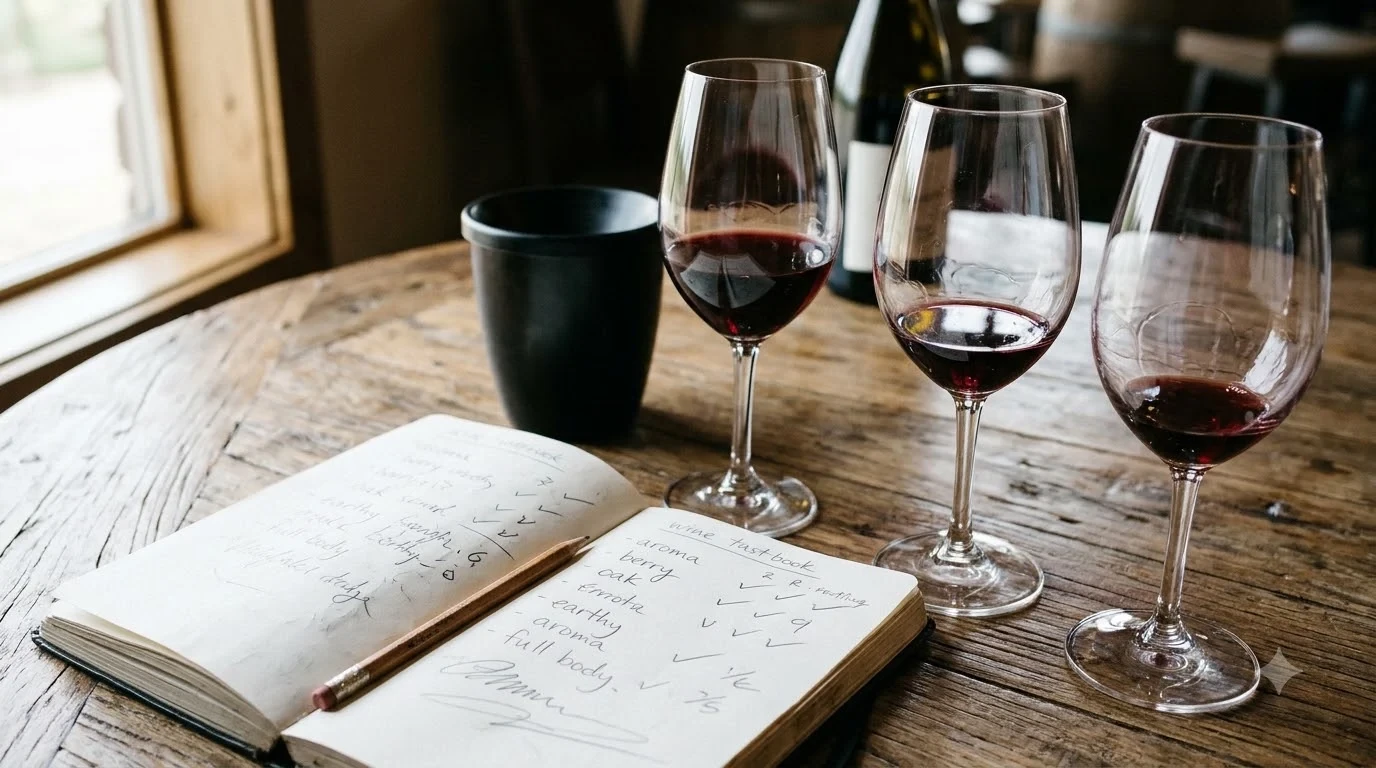
It is also useful to take brief notes. Record the producer, village, vineyard name, vintage, sweetness level, and your overall impression. These details help you remember wines that might otherwise become difficult to distinguish after several tastings.
Food Pairings and Serving Temperatures
Food is an important part of a Rheingau wine experience. Riesling’s high acidity makes it particularly versatile at the table, while the region’s Pinot Noir offers an alternative for dishes that benefit from a lighter red wine.
Dry Riesling works well with freshwater fish, seafood, roast poultry, and dishes featuring herbs or citrus. Its acidity helps balance richer sauces and adds freshness to foods with moderate fat. German specialties such as trout, pork dishes, and regional vegetable preparations can make particularly suitable companions.
Off-dry and sweeter Rieslings are useful with dishes that contain aromatic spices or a touch of sweetness. They can complement mildly spicy Asian food, fruit-based sauces, and certain pork preparations. The key is to match the wine’s sweetness to the dish rather than selecting a wine that tastes noticeably drier than the food.
Spätburgunder pairs naturally with roast duck, mushroom dishes, grilled poultry, pork, and moderately seasoned meat preparations. Its generally lower tannin level and good acidity make it more versatile than many fuller-bodied red wines. Avoid pairing strongly tannic reds with oily fish, as the combination can produce an unpleasant metallic impression.
Serving temperature matters because it affects the perception of acidity, alcohol, fruit, and texture. Light-bodied whites generally show well at 45–50°F, while fuller-bodied white wines benefit from approximately 50–55°F. Sweet whites are particularly enjoyable around 43–50°F. Light-bodied Pinot Noir is best served slightly cool, around 55–60°F.
The following reference provides practical starting points for tasting Rheingau wines:
| Wine style | Suggested temperature | Food pairing |
|---|---|---|
| Dry Riesling | 45–50°F | Trout, seafood, roast chicken |
| Off-dry Riesling | 45–50°F | Spiced pork, Asian dishes |
| Sweet Riesling | 43–50°F | Fruit desserts, blue cheese |
| Fuller-bodied Riesling | 50–55°F | Roast poultry, creamy sauces |
| Spätburgunder | 55–60°F | Duck, mushrooms, pork |
When tasting several wines, move from lighter and drier styles toward fuller and sweeter wines. If Pinot Noir is included, consider tasting it after the white wines. This order helps preserve your ability to notice subtle differences in aroma and texture.
When to Visit and What to Bring Home
The best time to visit depends on whether you prioritize vineyard scenery, harvest activity, wine festivals, or quieter winery appointments. Late spring through early autumn is particularly attractive for outdoor activities, while harvest season offers a closer look at the work behind the wines.
Spring brings fresh vineyard growth and generally comfortable conditions for walking between wine villages. The Gourmet and Wine Festival in March and Schlemmerwochen in late April are among the region’s established food and wine events. These occasions can be useful for visitors who want to sample wines from several producers in one setting.
Summer is a good period for combining tastings with riverside walks, vineyard viewpoints, and outdoor dining. The Rheingau Music Festival also adds a cultural dimension to the region’s summer calendar. Advance reservations are sensible for popular estates and restaurants.
Autumn is especially interesting for wine enthusiasts because it coincides with the grape harvest. Vineyard activity becomes more visible, and the changing colors make the landscape attractive for photography. Harvest schedules depend on grape ripeness and weather, so exact dates vary from year to year.
Winter offers a quieter experience. Some tasting rooms and restaurants operate on reduced schedules, so planning ahead is especially important. Visitors who prefer smaller crowds may find this season appealing, provided they confirm opening arrangements.
Choosing Bottles to Take Home
A good Rheingau selection should include more than one expression of Riesling. Consider taking home a dry village wine for everyday meals, a more concentrated vineyard-designated Riesling for a special occasion, and a Spätlese to explore the region’s late-harvest heritage.
If you enjoy red wine, include a Spätburgunder from Assmannshausen. This provides a useful contrast with the region’s dominant white variety and demonstrates the Rheingau’s stylistic diversity.
Pay attention to the producer, vineyard name, sweetness designation, and vintage. These details are more useful than relying on a general description of the region. A wine from a particular vineyard may have a distinctive character that is difficult to reproduce elsewhere.
For transporting bottles, protect them from direct sunlight and extreme temperatures. Once home, store bottles on their sides in a cool, dark location near 55°F when possible. Sparkling wines and bottles intended for early consumption may require different storage arrangements, but stable temperatures and protection from light are important for all wines.
For travelers interested in contrasting European wine styles, a future visit to Bolgheri wine tasting offers a very different experience, with its Tuscan landscape and internationally recognized red blends. Comparing these destinations helps illustrate how geography and grape selection shape regional wine identities.
Frequently Asked Questions
Is Rheingau Riesling always sweet?
No. Rheingau produces dry, off-dry, and sweet Riesling, including wines labeled trocken, feinherb, and Spätlese. The Prädikat designation describes grape ripeness at harvest rather than automatically identifying the finished wine’s sweetness level. Some of the region’s most recognized wines are completely dry.
What does Grosses Gewächs mean on a Rheingau wine label?
Grosses Gewächs, often abbreviated GG, is the VDP designation for qualifying dry wines from classified Grosse Lage vineyards. The designation is associated with strict production requirements and site-focused winemaking. It is a useful term to recognize when comparing premium dry Rieslings from different Rheingau estates.
What is the difference between Rheingau and Mosel Riesling?
Rheingau vineyards generally benefit from the Rhine’s moderating influence and many sunny, south-facing slopes, while the Mosel is particularly famous for its steep river-valley vineyards. Both regions produce Riesling across different sweetness levels. Their individual wines vary considerably by producer, vineyard exposure, and vintage.
What is Rheingau Sekt?
Rheingau Sekt is sparkling wine associated with the region, often made from Riesling. Some examples use traditional bottle fermentation, creating a different production approach from the tank method commonly associated with Prosecco. Riesling’s acidity makes it particularly suitable for fresh, lively sparkling wines.
Can visitors explore the Rheingau without renting a car?
Yes. Towns such as Eltville, Rüdesheim, and Geisenheim are useful bases for exploring the region using public transportation and local connections. The Rhine also provides seasonal passenger boat services between destinations. Visitors should arrange winery appointments around transport schedules and avoid planning multiple remote estates without checking the connections first.
Rheingau wine tasting is an excellent way to understand the character of German Riesling while discovering the region’s historic estates, vineyard villages, and distinctive Pinot Noir. Begin with a comparison of dry and sweeter Rieslings, add a visit to a historic winery, and make time for Assmannshausen if you enjoy red wine. With a little planning, the Rheingau offers a memorable combination of wine, history, food, and Rhine Valley scenery.
More in Wine Regions
 Willcox Wine Trail: Discover Arizona’s High-Elevation Wine CountryUpdated Nov 20, 2026
 Yakima Valley Wine Region: Find the Best Styles to TryUpdated Nov 20, 2026
 Vosne Romanee Wine Tasting: Identify Aromas and Choose Better PairingsUpdated Nov 20, 2026
 Yakima Valley Wine Festival: Find the Best Seasonal Wine EventsUpdated Nov 20, 2026
 Wales Vineyards: Discover Cool-Climate Wines and Where to VisitUpdated Nov 20, 2026
 Yountville Wine Festival: Discover Napa Wines and Local FoodUpdated Nov 20, 2026