

We may earn a commission when you buy through links on this page, at no extra cost to you. Learn more.
Puligny Montrachet wine tasting reveals the precision, freshness, mineral character, and layered fruit that make this Burgundy Chardonnay appellation internationally respected. Expect aromas of green apple, lemon, white flowers, hazelnut, and occasionally honey or toasted bread. Its combination of lively acidity, concentrated fruit, and finely textured structure makes it particularly rewarding to examine across different vineyard classifications and producers.
Located in the Côte de Beaune, between Meursault and Chassagne-Montrachet, Puligny-Montrachet is one of Burgundy’s leading destinations for white wine. Its limestone-rich slopes, carefully distinguished vineyard sites, and predominantly Chardonnay plantings create wines with considerable variation in aroma, texture, and aging potential. Understanding the appellation’s geography, tasting characteristics, and production methods helps explain why bottles carrying different vineyard names can deliver noticeably different experiences. Whether you are opening a Village wine or comparing Premier Cru bottlings, a structured tasting offers a practical way to appreciate what makes this small Burgundy village distinctive.
Understanding Puligny-Montrachet’s Terroir and Vineyard Geography
Puligny-Montrachet’s character begins with its position on the Côte de Beaune, where east- and southeast-facing vineyards occupy slopes between 230 and 320 meters above sea level. Limestone, marl, and clay-limestone soils contribute to differences in drainage, vine growth, and the expression of Chardonnay across individual vineyard sites.
The appellation was established on July 31, 1937, and belongs to Burgundy’s Village-level classification. According to the Bourgogne wine organization, its recorded white wine-producing area covers 204.72 hectares, including 95.83 hectares classified as Premier Cru. These figures help illustrate how much of the appellation’s identity comes from its white wine vineyards rather than its extremely limited red wine production.
The neighboring villages of Meursault and Chassagne-Montrachet provide useful geographical reference points. Meursault lies to the north, while Chassagne-Montrachet borders Puligny to the south. Together, these villages form a particularly important concentration of Chardonnay vineyards within the Côte de Beaune.
Although Chardonnay dominates, the appellation also permits Pinot Noir. Red production is exceptionally small compared with white wine production. The official regional figures record just 0.42 hectares of red wine-producing vineyards, compared with more than 200 hectares devoted to white wine.
Soil composition changes across the slopes. Some parcels have relatively deep brown limestone soils, while others contain exposed rock or alternating limestone and marl layers. Clay-rich deposits also vary in texture according to their position on the slope. These geological differences contribute to variations in ripening conditions and the texture of the finished wines.
For a closer look at the individual vineyard locations, the puligny montrachet vineyards guide provides useful geographical context. Learning the position of individual Climats makes it easier to understand why two wines from the same producer and vintage may have different aromatic profiles.
Another important distinction is the meaning of Climat. In Burgundy, this term refers to a named, historically recognized vineyard parcel rather than a general weather pattern. Puligny’s 17 Premier Cru Climats give wine drinkers a more precise indication of origin than the village appellation alone.
Village, Premier Cru, and Grand Cru Classifications
Puligny-Montrachet wines fall into distinct geographical quality classifications, with Village, Premier Cru, and Grand Cru designations identifying increasingly specific vineyard origins. The most useful tasting comparison begins with a Village bottling, moves to a named Premier Cru, and finishes with a Grand Cru when available.
Village wines provide an accessible introduction to the appellation’s overall style. They generally communicate the combination of Chardonnay fruit, fresh acidity, and limestone-associated character without focusing on the individual personality of a particular Premier Cru parcel. Their aromas can include citrus, green apple, white flowers, and subtle nutty notes.
Premier Cru wines come from officially classified vineyard sites. Puligny-Montrachet has 17 Premier Cru Climats, including Les Folatières, Les Pucelles, Le Cailleret, Les Combettes, and Champ Canet. The name of the specific vineyard may appear after the appellation on the label.
These named sites can produce noticeably different expressions. Some bottlings emphasize citrus and floral aromas, while others offer more apparent richness, stone fruit, or nutty complexity. Producer decisions, vintage conditions, vine age, and cellar practices also influence the final result, so a vineyard name should be treated as a geographical clue rather than a guarantee of a particular flavor.
Grand Cru wines occupy the highest geographical classification. The Puligny-Montrachet commune is associated with five Grand Cru appellations: Montrachet, Bâtard-Montrachet, Chevalier-Montrachet, Bienvenues-Bâtard-Montrachet, and Criots-Bâtard-Montrachet. Some are shared with neighboring Chassagne-Montrachet, while others belong to one commune.
Montrachet and Bâtard-Montrachet are shared between Puligny-Montrachet and Chassagne-Montrachet. Chevalier-Montrachet and Bienvenues-Bâtard-Montrachet are associated with Puligny, while Criots-Bâtard-Montrachet belongs to Chassagne. This geographical distinction matters because the name Montrachet appears in several separate appellations, not just one wine.
For a comparative tasting, use three wines from the same vintage if possible: one Village, one Premier Cru, and one Grand Cru. Keep the tasting glasses, serving temperature, and pouring size consistent. This approach helps reveal differences in concentration, aromatic development, and palate structure without allowing vintage variation to dominate the comparison.
Tip: Read the entire appellation name on a Burgundy label. Puligny-Montrachet, Puligny-Montrachet Premier Cru, and a named Grand Cru are distinct geographical designations, not interchangeable descriptions of the same wine.
Recognizing the Aromas and Flavors of Chardonnay
Puligny-Montrachet Chardonnay typically combines citrus, green apple, white flowers, and restrained nutty aromas with a fresh, concentrated palate. With bottle age or particular winemaking choices, honey, toasted bread, butter, and more developed dried-fruit characteristics can become increasingly noticeable.

Begin by examining the wine’s appearance. Young Puligny-Montrachet often shows a pale gold color with greenish or silver highlights. As the wine develops in the bottle, its color may become deeper and more golden. A slightly richer hue does not automatically indicate excessive age or poor storage, but it provides useful context for the rest of the tasting.
Next, assess the nose before swirling the glass. Look for delicate floral notes, particularly hawthorn and other white blossoms. Green apple, lemon, citrus peel, and fresh grape aromas often provide the fruit foundation. These characteristics are consistent with the regional description published by the Bourgogne wine organization.
Swirling releases additional aromas. Hazelnut, almond, marzipan, and subtle honey may emerge alongside the fruit. Some wines also show mineral impressions reminiscent of flint or wet stone. These are sensory descriptions rather than literal proof that the wine contains minerals transferred directly from the vineyard soil.
Oak influence can introduce another layer of complexity. Depending on the producer’s methods, the wine may show vanilla, toast, butter, or pastry-like aromas. However, not every Puligny-Montrachet is strongly oaked. Some producers use a substantial proportion of previously used barrels to preserve the freshness and definition of Chardonnay.
On the palate, pay attention to acidity, concentration, texture, and finish. A well-balanced example often feels fresh rather than sharp, with citrus and orchard fruit supported by a substantial but controlled texture. The finish may continue with nutty, floral, or mineral impressions after the initial fruit flavors have faded.
Acidity is particularly important. Chardonnay generally has medium acidity, but Puligny-Montrachet can feel notably fresh because of its structure, growing conditions, and winemaking choices. This freshness helps balance richer flavors from lees aging and barrel fermentation.
One useful tasting exercise is to separate the wine into three sensory categories:
- Fruit: Green apple, lemon, pear, ripe grape, and occasional stone fruit.
- Floral and mineral impressions: Hawthorn, white blossoms, flint, and wet-stone associations.
- Winemaking and development: Hazelnut, almond, butter, toasted bread, vanilla, and honey.
This method prevents a common mistake: attributing every aroma to the vineyard. Fruit expression, soil conditions, barrel use, lees contact, and bottle development all contribute to the finished wine. A detailed tasting considers these influences together rather than assigning every characteristic to one source.
How to Conduct a Structured Puligny-Montrachet Tasting
A useful Puligny-Montrachet tasting follows a consistent sequence of visual assessment, aroma identification, palate evaluation, and finish analysis. Allow approximately 10 to 15 minutes for each wine so that its aromatic profile has time to develop in the glass.
Start with a clean, transparent white wine glass. A medium-sized Burgundy glass with a reasonably wide bowl provides room for Chardonnay aromas to collect while allowing enough space to swirl the wine. Avoid glasses carrying detergent residue or strong food odors because these can interfere with delicate floral and citrus characteristics.
Pour approximately 5 ounces into each glass. This standard serving provides enough room for swirling and repeated evaluation without filling the bowl to the rim. If you are comparing several wines, use the same quantity for each sample.
First, inspect the color against a white background. Record whether the wine appears pale yellow, greenish gold, or deeper gold. Look for clarity and brightness. A young Village wine may show a lighter appearance, while an older or more concentrated example may have a deeper golden tone.
Second, smell the wine without swirling. Identify the most immediately apparent aromas. Citrus, green apple, and flowers are useful starting points. Then swirl gently and smell again. More developed notes, including hazelnut, almond, butter, and toasted bread, may become apparent.
Third, take a moderate sip and allow the wine to coat the palate. Consider whether its acidity feels gentle or pronounced, whether the texture is lean or rounded, and whether the fruit is concentrated or delicate. Puligny-Montrachet is generally associated with a combination of definition and concentration rather than an excessively heavy texture.
Finally, assess the finish. Does the citrus character continue? Does the wine leave nutty or floral impressions? Does the acidity remain balanced as the fruit fades? A persistent finish is one of the useful characteristics to consider when comparing more concentrated Premier Cru and Grand Cru examples.
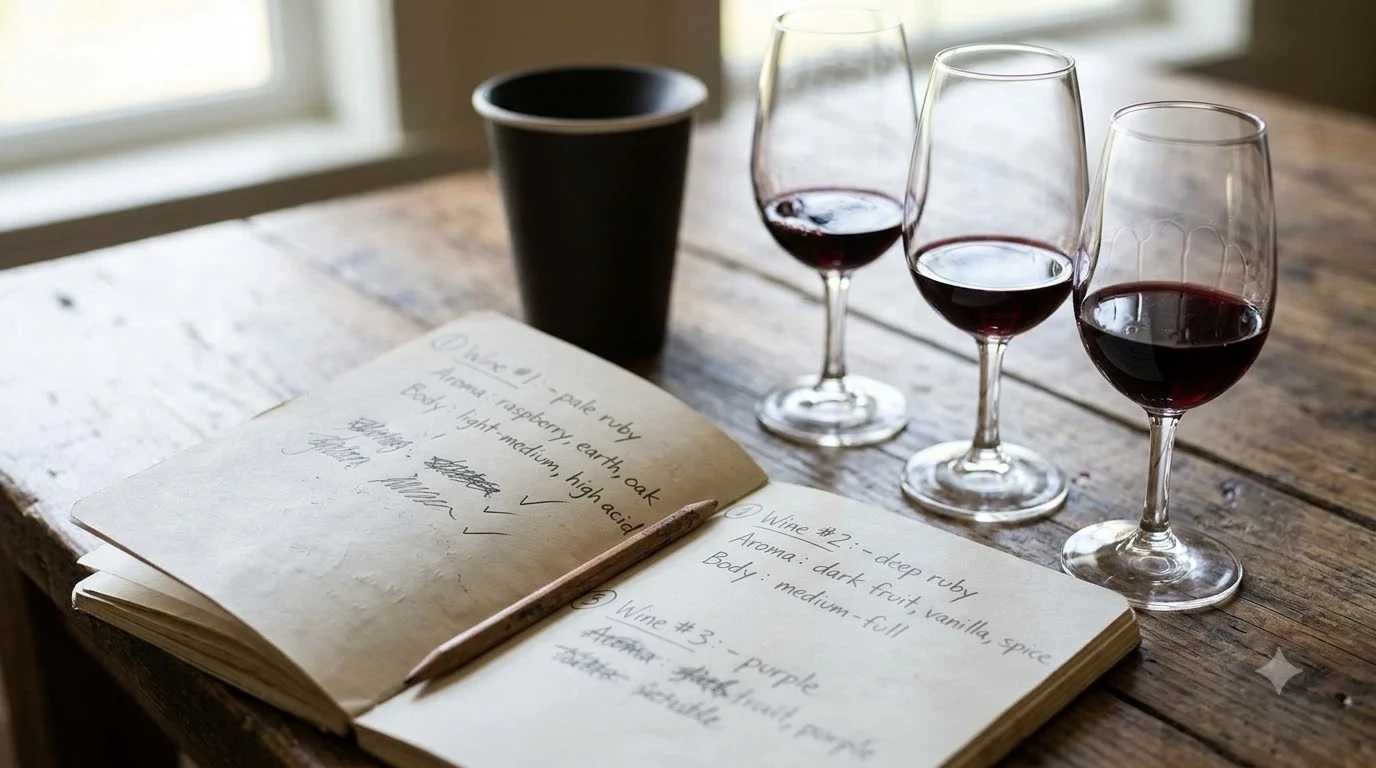
Use a tasting notebook to record your observations. A simple format can include the producer, appellation level, vineyard name, vintage, color, primary aromas, palate texture, acidity, and finish. Avoid relying entirely on scores because personal sensory impressions often reveal differences that a single numerical rating cannot communicate.
When possible, compare two producers from the same Premier Cru vineyard. Their differences can demonstrate how harvesting decisions, fermentation vessels, barrel selection, and lees management influence the expression of the same geographical site.
For a broader perspective on tasting across different regions, the Wine Regions resource provides additional context for comparing grape varieties, regional styles, and vineyard classifications.
Serving Temperature, Glassware, and Wine Storage
Puligny-Montrachet is best served cool rather than ice-cold, with approximately 50 to 55 degrees Fahrenheit providing a useful range for fuller-bodied white Burgundy. This temperature allows the wine’s citrus, floral, and nutty aromas to develop without sacrificing freshness.
The Bourgogne wine organization recommends 11 to 13 degrees Celsius, equivalent to approximately 52 to 55 degrees Fahrenheit, for Puligny-Montrachet white wine. Some producers recommend slightly warmer service. For example, Albert Bichot specifies 53 to 57 degrees Fahrenheit for its bottling.
Serving temperature influences how the wine presents itself. At excessively cold temperatures, aromatic details become less apparent and the wine may seem harder or more restrained. If served too warm, its acidity can appear less refreshing and alcohol may become more noticeable.
A practical approach is to refrigerate the bottle before serving and remove it shortly before pouring. If the wine is too cold, allow it to warm gradually in the glass. Avoid using hot water or other rapid heating methods because abrupt temperature changes can affect the drinking experience.
Glassware also matters. Choose a clear wine glass with a moderate-to-large bowl, a narrow enough opening to concentrate aromas, and enough room for swirling. A Burgundy-style white wine glass works particularly well with wines that combine delicate flowers and citrus with deeper nutty characteristics.
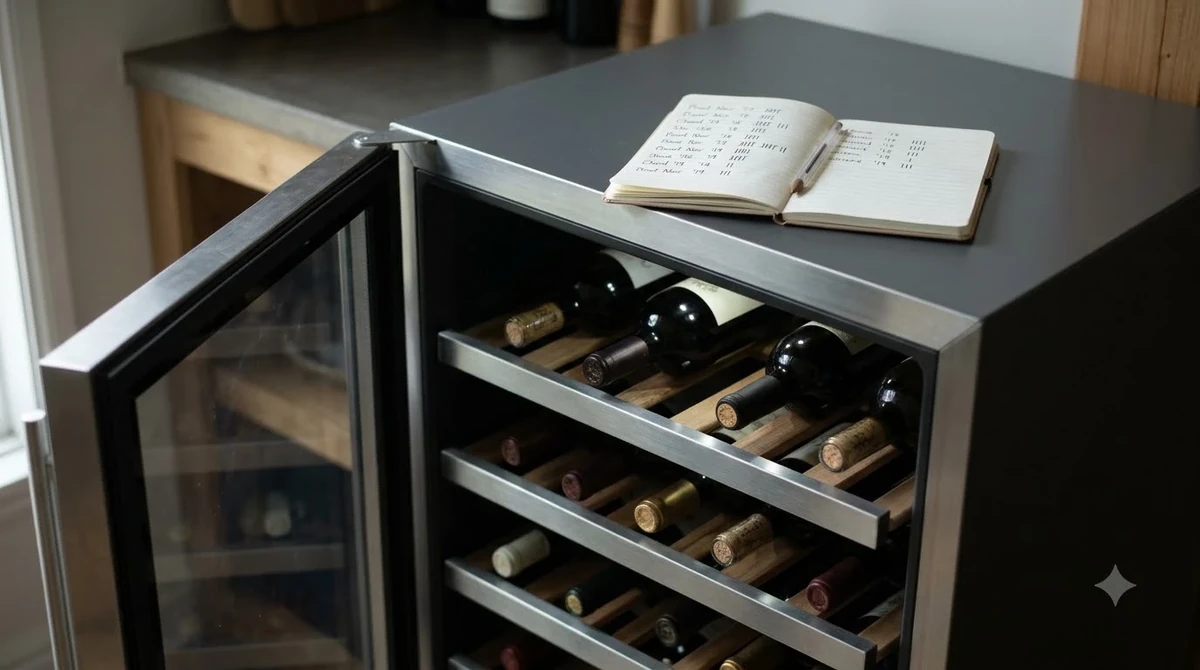
For storage, keep unopened bottles in a cool, dark location with a relatively stable temperature near 55 degrees Fahrenheit. Store cork-finished bottles on their sides to help maintain cork moisture. Avoid direct sunlight, kitchen heat, repeated temperature changes, and unnecessary vibration.
Cellaring potential depends on classification, producer, vintage, and storage conditions. A well-made Village wine may offer attractive fruit during its earlier drinking window, while more concentrated Premier Cru and Grand Cru examples can develop greater complexity over longer periods. Do not assume that every expensive or highly classified bottle requires extended aging.
After opening, refrigerate the remaining still wine and use a suitable closure. Most opened still wines retain their best qualities for approximately three to five days, although freshness varies with the wine and storage conditions. Allow the bottle to warm slightly before serving the next glass.
| Wine characteristic | Recommended approach | Reason |
|---|---|---|
| Serving temperature | 50–55°F | Preserves freshness while allowing aromas to develop |
| Alternative producer recommendation | 53–57°F | Suitable for fuller Chardonnay expressions |
| Standard pour | 5 ounces | Leaves room for swirling and aroma assessment |
| Standard bottle | 750 ml | Provides approximately five standard pours |
| Cellar temperature | Near 55°F | Helps maintain stable storage conditions |
| Opened still wine | 3–5 days refrigerated | Slows oxidation and preserves freshness |
Food Pairings That Complement Puligny-Montrachet
Puligny-Montrachet pairs particularly well with seafood, shellfish, poultry, and creamy dishes because its acidity balances richness while its aromatic complexity complements delicate ingredients. Lobster, scallops, roasted chicken, and fish in cream sauce are especially suitable starting points.
Seafood is one of the most reliable pairing categories. Grilled sea bass, poached sole, scallops, and lobster allow the wine’s citrus and floral notes to remain noticeable. The freshness of Chardonnay also helps balance buttery sauces without making the overall combination feel excessively heavy.
For lobster, consider a preparation with butter, lemon, and fresh herbs. The richness of the butter complements the wine’s rounded texture, while lemon reinforces its citrus character. Avoid overpowering the dish with excessive chili or strongly flavored spices.
Shellfish preparations also offer useful opportunities to explore different textures. Scallops with a light cream sauce can highlight the wine’s nutty character, while oysters and simply prepared prawns emphasize freshness. The wine should have enough acidity to complement the dish rather than appearing flat beside it.
Poultry is another strong choice. Roasted chicken with herbs, turkey breast, and chicken served with a mushroom cream sauce work well with Puligny-Montrachet. Mushroom flavors connect naturally with the wine’s earthy and nutty impressions, while the protein’s relatively delicate character does not overwhelm its aromatic detail.
Veal is also recommended in the regional pairing guidance. A lightly browned veal preparation with mushrooms or a creamy sauce offers enough richness to complement a concentrated Chardonnay. Avoid excessively sweet sauces, which can make a dry wine seem sharper and less balanced.
Cheese can be successful when its intensity is controlled. Soft-ripened cheeses, including Brie-style cheeses, and selected goat cheeses can complement the wine’s texture and acidity. Very aggressive washed-rind cheeses may overpower a delicate Village bottling, so consider a more concentrated Premier Cru when serving stronger cheese selections.
Food preparation is just as important as the main ingredient. A simple grilled fish dish with herbs is likely to work better than the same fish covered in a heavily spiced sauce. Cream, butter, mushrooms, lemon, and gentle roasting are useful techniques for building complementary flavors.
The following combinations provide a practical starting point:
- Lobster with lemon butter: Matches the wine’s richness with freshness and citrus.
- Scallops with mushrooms: Connects seafood sweetness with nutty and earthy aromas.
- Roasted chicken: Provides a balanced protein pairing without overwhelming the Chardonnay.
- Poached sole in cream sauce: Complements the wine’s texture and natural acidity.
- Brie-style cheese: Works with the wine’s rounded palate and aromatic delicacy.
- Veal with mushrooms: Offers enough savory depth for a concentrated Premier Cru.
Wine should generally be at least as sweet as the food it accompanies. This is particularly relevant when serving Chardonnay with dishes containing fruit-based glazes or sweet sauces. Acidic ingredients also benefit from a wine with equal or higher acidity, while excessive chili heat can make alcohol seem more pronounced.
These pairing principles apply across different wine regions, too. Exploring alsace wine tasting offers an interesting comparison because Alsace produces several aromatic white varieties with different sweetness levels, acidity profiles, and food-pairing possibilities.
Choosing Bottles and Comparing Producers and Vintages
Choosing a Puligny-Montrachet bottle becomes easier when you consider its producer, vineyard classification, vintage, and intended drinking period together. A well-made Village wine can provide an excellent introduction, while a Premier Cru or Grand Cru offers an opportunity to examine more specific vineyard expression.
Start with the producer rather than assuming that classification alone determines quality. Different winemakers use different proportions of new oak, fermentation vessels, and aging periods. These decisions can influence texture and aroma just as noticeably as differences between vineyard sites.
Maison Albert Bichot provides one documented example of a producer’s approach. Its Puligny-Montrachet description identifies calcareous clay soils with localized marl deposits, hand harvesting, and fermentation and aging on fine lees in oak barrels. The producer specifies 20 to 30 percent new barrels and an aging period of 14 to 16 months.
That approach helps explain why some Puligny-Montrachet bottlings show additional almond, dried fruit, and toasted characteristics. The oak and lees contribute texture and aromatic complexity, while the underlying Chardonnay fruit remains central to the wine’s identity. The producer’s Puligny-Montrachet wine profile provides further details about its vineyard soils, barrel aging, serving temperature, and recommended food pairings.
Another example comes from Aegerter. Its Grands Classiques Puligny-Montrachet is described as 100 percent Chardonnay, with hand harvesting and sorting followed by aging for six to 12 months in barrels that have already been used for two previous vintages. Its tasting description emphasizes white fruit, dried fruit, green apple, and Kalamansi lemon.
These two producer examples demonstrate why a single tasting description cannot represent every bottle from the appellation. New oak proportions, barrel history, lees aging, and fermentation choices can produce different results even when the wines share the same geographical designation.
Vintage conditions provide another important consideration. Weather influences ripening, acidity, fruit concentration, and the balance between freshness and richness. Consequently, two bottles from the same vineyard and producer may differ considerably when their harvest conditions are different.
When comparing vintages, consider whether you prefer a fresher, more citrus-driven profile or a richer expression with developed orchard-fruit and nutty characteristics. Neither style is automatically superior. The appropriate choice depends on the food being served and whether you plan to drink the wine young or allow it to mature.
A useful purchasing strategy is to begin with a Village bottling from a producer whose style you enjoy. If the wine appeals to you, move to a named Premier Cru from the same producer. This creates a more meaningful comparison than buying unrelated bottles from different producers and vintages.
For an educational tasting, record the following details for each bottle:
- Producer and vintage.
- Village, Premier Cru, or Grand Cru classification.
- Named vineyard, if applicable.
- Primary fruit and floral aromas.
- Oak, butter, toast, or nutty characteristics.
- Acidity and palate texture.
- Finish length and overall balance.
Also consider the wine’s intended drinking window. A fresh Village Chardonnay may be attractive in its youth, while a concentrated Premier Cru can benefit from additional bottle development. Grand Cru wines may have further aging potential, although producer quality and vintage conditions remain important factors.
The best way to develop confidence is to compare wines systematically. Keeping the same serving temperature, glassware, and tasting order allows you to identify differences more accurately and develop a clearer understanding of individual producers and vineyard sites.
Frequently Asked Questions
Is Puligny-Montrachet always made from Chardonnay?
No. White Puligny-Montrachet is predominantly Chardonnay, but the appellation also permits Pinot Noir for red wine production. The red wine output is extremely small compared with the white wine production. The official regional figures record only 0.42 hectares of red wine-producing vineyards.
What does the word Climat mean on a Puligny-Montrachet label?
A Climat is a named and geographically defined vineyard parcel in Burgundy. It reflects a specific historical vineyard identity rather than a general weather description. Puligny-Montrachet has 17 Premier Cru Climats, and the vineyard name can appear after the appellation on qualifying labels.
Can Puligny-Montrachet wines develop aromas of truffle?
Developed white Burgundy can acquire more complex earthy and savory impressions as it ages, although truffle is not a defining aroma in every Puligny-Montrachet. The wine’s evolution depends on vintage, producer, storage conditions, and bottle maturity. Younger examples generally emphasize citrus, green apple, and floral characteristics.
Why does the name Montrachet appear on wines from different villages?
Montrachet is part of a family of Grand Cru vineyard appellations associated with Puligny-Montrachet and Chassagne-Montrachet. The two villages share the Montrachet and Bâtard-Montrachet appellations, while other members of the Grand Cru family belong to one commune. The geographical origin determines the correct appellation name.
Does Puligny-Montrachet have an official pronunciation?
The regional Bourgogne wine organization gives the pronunciation of Montrachet as approximately Mont-Rachet. The French pronunciation differs from the way many English speakers initially read the name. Learning the pronunciation can be helpful when discussing Burgundy wines with wine merchants and restaurant professionals.
Puligny-Montrachet offers a fascinating opportunity to explore how Chardonnay expresses differences in vineyard location, classification, and winemaking. Begin with its characteristic citrus, green apple, floral, and nutty aromas, then compare Village and Premier Cru bottlings to discover the finer distinctions. With thoughtful serving, structured tasting, and suitable food pairings, this celebrated Burgundy appellation becomes much easier to understand and appreciate.
More in Wine Regions
 Willcox Wine Trail: Discover Arizona’s High-Elevation Wine CountryUpdated Nov 20, 2026
 Yakima Valley Wine Region: Find the Best Styles to TryUpdated Nov 20, 2026
 Vosne Romanee Wine Tasting: Identify Aromas and Choose Better PairingsUpdated Nov 20, 2026
 Yakima Valley Wine Festival: Find the Best Seasonal Wine EventsUpdated Nov 20, 2026
 Wales Vineyards: Discover Cool-Climate Wines and Where to VisitUpdated Nov 20, 2026
 Yountville Wine Festival: Discover Napa Wines and Local FoodUpdated Nov 20, 2026