

We may earn a commission when you buy through links on this page, at no extra cost to you. Learn more.
Puligny Montrachet vineyards are renowned Chardonnay-growing sites in Burgundy’s Côte de Beaune, distinguished by limestone-rich soils, hillside exposures, and prestigious Premier Cru and Grand Cru classifications. Located around the village of Puligny-Montrachet, these vineyards produce some of Burgundy’s most recognized white wines. Their differences in elevation, soil composition, and position on the slope help explain why wines from neighboring plots can have remarkably different personalities. Understanding the vineyard hierarchy makes it easier to recognize the significance of individual names on a bottle.
Few Burgundy villages have such a close relationship between vineyard location and wine identity as Puligny-Montrachet. Its celebrated Chardonnay vineyards include internationally recognized Grand Cru sites, carefully distinguished Premier Cru climats, and village-level parcels that offer their own expressions of the local landscape. For wine enthusiasts, learning these names provides a practical way to understand Burgundy’s vineyard classification system and discover what makes Puligny-Montrachet distinctive.
Where Puligny-Montrachet’s Vineyards Are Located
Puligny-Montrachet sits in the Côte de Beaune, in the eastern French region of Burgundy, between the neighboring wine villages of Meursault and Chassagne-Montrachet. Its vineyards occupy a relatively compact hillside landscape, where different elevations and soil conditions create a collection of distinct growing sites. The commune is particularly important for white Burgundy, with Chardonnay accounting for almost all its wine production.
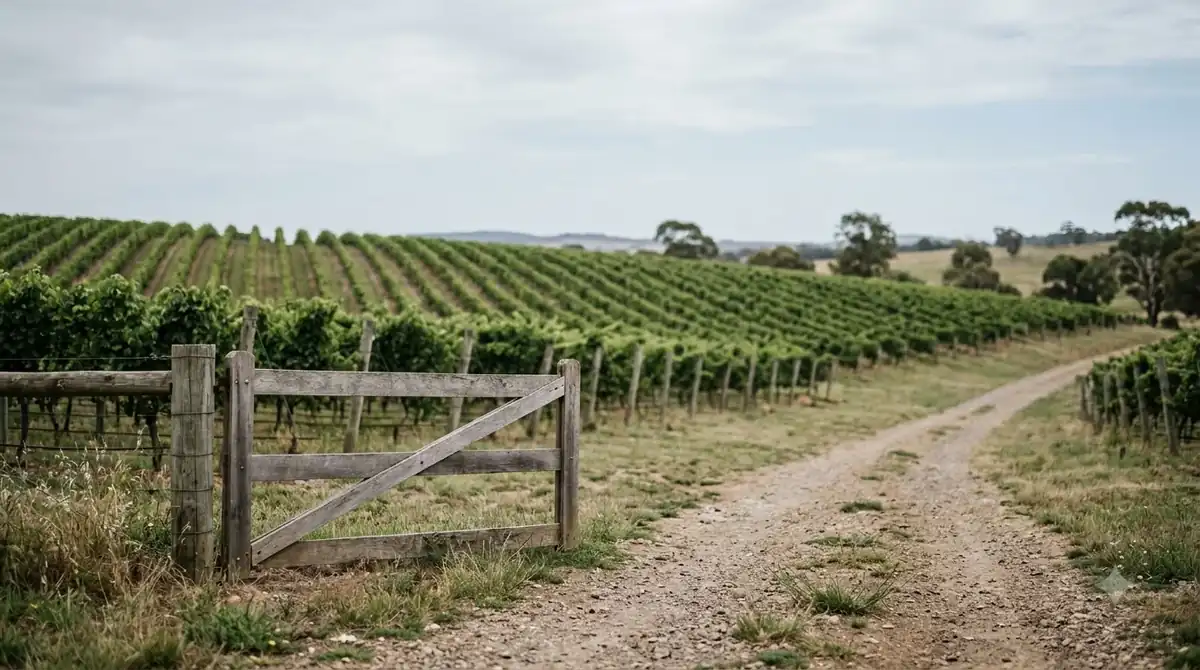
The regional Bourgogne wine association identifies the appellation’s vineyard elevations as approximately 230 to 320 meters above sea level. The slopes generally face east or southeast, allowing the vines to receive morning sunlight and benefit from their position along the Côte de Beaune escarpment. These exposures, combined with the region’s limestone geology, are important elements of the local growing environment.
Puligny-Montrachet is positioned south of Meursault and north of Chassagne-Montrachet. These three villages are often discussed together because they form an especially important concentration of prestigious white Burgundy vineyards. Nevertheless, each commune has its own combination of vineyard sites, classifications, and wine styles.
The village appellation dates to July 31, 1937, when its official designation was established. The geographical area is restricted to the commune of Puligny-Montrachet, meaning that a wine carrying the village appellation must originate within its defined production territory. The neighboring village of Chassagne-Montrachet has its own appellation, although several famous Grand Cru vineyards cross the boundary between the two communes.
The name itself has historical significance. According to France’s Institut national de l’origine et de la qualité, the earliest documented reference to Puligny dates to 1094, in a charter concerning the village church and Cluny Abbey. In 1878, the commune added Montrachet to its name, acknowledging the reputation of the celebrated vineyard.
Understanding the geographical setting is useful when exploring Burgundy’s wider classification system. The distinctions between village appellations, Premier Cru sites, and Grand Cru vineyards also appear throughout the region, although the names and individual vineyard hierarchies differ. The broader collection of Wine Regions offers useful context for comparing Burgundy with other established wine-producing areas.
Soils, Elevation, and the Influence of the Hillside
The character of Puligny-Montrachet begins with its varied limestone and marl geology. Brown limestone soils, clay-limestone mixtures, and areas of exposed rock occur throughout the appellation, while differences in elevation and drainage influence how individual vineyard parcels develop.
According to the Bourgogne wine association, the vineyards occupy soils that can alternate between brown limestone, marl, and lime-rich clay. Some parcels have relatively deep soils, while others have hard rock close to the surface. Clayey alluvial deposits also occur, with coarser material higher on the slope and finer material toward the bottom.
These differences matter because soil structure influences water retention, drainage, root development, and vine growth. A shallow, stony parcel generally behaves differently from a deeper soil containing more clay. The former can drain quickly and restrict the volume of soil available to the roots, while deeper soils may retain more moisture and provide a different growing environment.
Elevation adds another layer of variation. At approximately 230 to 320 meters, the appellation covers a meaningful range of hillside positions. Higher parcels and lower parcels do not necessarily experience identical temperatures, drainage conditions, or soil development. Their exposure to sunlight and their relationship to the slope also contribute to differences between vineyard sites.
The east- and southeast-facing orientation is particularly significant. Morning sunlight can help dry moisture from the vines, while the hillside position provides a range of exposures throughout the growing season. These conditions help explain the region’s suitability for Chardonnay, a grape capable of expressing differences in climate, soil, and vineyard management.
However, soil descriptions should not be treated as simple guarantees of flavor. Limestone does not literally give a wine a taste of stone, and a vineyard’s geology does not work independently of weather, vine age, harvesting decisions, and winemaking. The recognizable character of Puligny-Montrachet emerges from the interaction of all these factors.
The wider Côte de Beaune contains other important limestone-influenced Chardonnay vineyards, but Puligny has a particularly concentrated combination of village, Premier Cru, and Grand Cru sites. Its relatively small geographical area makes comparisons between neighboring climats especially interesting for enthusiasts studying Burgundy’s terroir.
The Grand Cru Vineyards of Puligny-Montrachet
Puligny-Montrachet is associated with four Grand Cru appellations: Chevalier-Montrachet, Bienvenues-Bâtard-Montrachet, Bâtard-Montrachet, and Montrachet. These vineyards occupy the prestigious central hillside area and represent the highest classification level in the local Burgundy hierarchy.
There is an important geographical distinction: not all four Grand Cru appellations belong exclusively to Puligny-Montrachet. Chevalier-Montrachet and Bienvenues-Bâtard-Montrachet are associated with the Puligny commune, while Montrachet and Bâtard-Montrachet extend across the boundary into neighboring Chassagne-Montrachet. Consequently, a map of the Grand Cru landscape is essential for understanding the relationship between the two villages.
The official Bourgogne wine association’s Puligny-Montrachet appellation profile provides the geographical classification, production figures, and vineyard information behind these distinctions.
Montrachet
Montrachet is the most famous vineyard name in the area and is frequently regarded as one of Burgundy’s defining Chardonnay sites. Its location between Puligny-Montrachet and Chassagne-Montrachet gives it a special geographical identity. The vineyard’s reputation is closely connected with the combination of limestone bedrock, marl, favorable hillside exposure, and the quality of wines produced by its growers.
The Grand Cru classification means that Montrachet has its own appellation rather than simply appearing as a Premier Cru or village vineyard name on a label. Its wines are exclusively white and made from Chardonnay. They are generally associated with concentration, complexity, and the capacity to develop additional layers of aroma and texture with bottle age.
Chevalier-Montrachet
Chevalier-Montrachet occupies a higher position on the hillside than the neighboring Bâtard-Montrachet sites. According to the Bourgogne Grand Cru information, its elevation is approximately 265 to 290 meters. Its soils are relatively thin and stony, with limestone and marl contributing to the vineyard’s distinctive growing environment.
Chevalier-Montrachet is frequently associated with Chardonnay wines that combine intensity with freshness and a clearly defined structure. The vineyard’s hillside location and relatively shallow soils are important parts of its identity. Its name appears on wines from several established Burgundy producers, making it one of the essential Grand Cru designations to recognize.
Bâtard-Montrachet and Bienvenues-Bâtard-Montrachet
Bâtard-Montrachet occupies a lower part of the Grand Cru hillside. Its soils are generally deeper and more clay-rich than those associated with the higher Chevalier-Montrachet position. The regional vineyard description identifies brown limestone soils and increasing clay content toward the foot of the slope.
Bienvenues-Bâtard-Montrachet lies within Puligny’s Grand Cru territory and is particularly important for understanding the area’s classification. Although its name includes Bâtard-Montrachet, it is a separate appellation with its own geographical boundaries. Its relatively small size and distinguished vineyard status make it an important designation for collectors and Burgundy enthusiasts.
The four sites can be compared through their geographical positions and appellation identities:
| Grand Cru vineyard | Geographical relationship | Typical elevation | Grape |
|---|---|---|---|
| Montrachet | Shared by Puligny and Chassagne | 250–270 meters | Chardonnay |
| Chevalier-Montrachet | Puligny-Montrachet | 265–290 meters | Chardonnay |
| Bâtard-Montrachet | Shared by Puligny and Chassagne | 240–250 meters | Chardonnay |
| Bienvenues-Bâtard-Montrachet | Puligny-Montrachet | 240–250 meters | Chardonnay |
The elevation figures are approximate ranges published in the Bourgogne Grand Cru vineyard information. They illustrate the relationship between the sites, but elevation alone does not determine quality or wine style. Individual parcels, soil conditions, vine age, and producer decisions remain important.
The 17 Premier Cru Climats Worth Recognizing
Puligny-Montrachet has 17 officially classified Premier Cru climats, which occupy important positions between the Grand Cru concentration and the village-level vineyards. These named sites offer wine enthusiasts a more detailed way to understand the differences within the appellation.
The Premier Cru designation identifies a vineyard classification rather than a grape variety or winemaking technique. Chardonnay remains the dominant grape, but the geographical identity of the climat provides additional information about the wine’s origin. On a label, the appellation name can be followed by the name of the specific Premier Cru vineyard.
The official list includes:
- Champ Canet
- Champ Gain
- Clavaillon
- Clos de la Garenne
- Clos de la Mouchère
- Hameau de Blagny
- La Garenne
- La Truffière
- Le Cailleret
- Les Chalumaux
- Les Combettes
- Les Demoiselles
- Les Folatières
- Les Perrières
- Les Pucelles
- Les Referts
- Sous le Puits
Les Pucelles
Les Pucelles is one of the most recognizable Premier Cru names in Puligny-Montrachet. Its reputation is reinforced by the presence of established producers with holdings in the vineyard. The site is often discussed alongside the Grand Cru vineyards because of its prestigious position within the local hierarchy.
Producers associated with Les Pucelles include Olivier Leflaive, according to Decanter’s coverage of the village’s leading family domaines. Domaine Jean Chartron is also known for its Clos de la Pucelle holding, a named clos associated with its vineyard portfolio.
Les Folatières
Les Folatières is another important Premier Cru designation and is frequently encountered in discussions of leading Puligny-Montrachet wines. Its importance is reflected in the number of established growers associated with the site. Decanter identifies holdings connected with Domaine Leflaive, Olivier Leflaive, and members of the Carillon family.
Its name is useful for collectors to recognize because it appears on wines from different producers. Comparing bottles from the same climat can help demonstrate how vineyard origin and winemaking decisions interact.
Les Combettes, Les Perrières, and Champ Canet
Les Combettes is another notable Premier Cru vineyard, associated with the Carillon family. Les Perrières is also significant, with the Carillon family’s holdings historically divided between the two brothers following the division of their vineyard estate with the 2010 vintage.
Champ Canet deserves attention as well. It appears among the Premier Cru holdings associated with several established Puligny producers, including the Carillon family. The presence of these vineyard names across different producer portfolios makes them particularly useful reference points when comparing wines.
For anyone beginning to explore Premier Cru Puligny, these five names provide a practical starting point: Les Pucelles, Les Folatières, Les Combettes, Les Perrières, and Champ Canet. They are not the only noteworthy climats, but they offer a manageable introduction to the appellation’s vineyard diversity.
Tip: When comparing two Premier Cru bottles, look for wines from the same vintage and, if possible, the same producer. This helps separate differences associated with vineyard location from differences caused by harvesting decisions, fermentation, and oak aging.
Village Vineyards and the Importance of Lieux-Dits
Village-level Puligny-Montrachet should not be overlooked simply because it does not carry a Premier Cru or Grand Cru designation. The appellation includes numerous named lieux-dits, or individual geographical places, that help identify the origin of grapes within the village classification.
These names are particularly valuable for understanding Burgundy’s emphasis on precise geographical identity. A village-level wine may display the name of a particular lieu-dit on its label, providing additional information about the vineyard source without changing its official classification.
Some important village-level names include:
- Les Enseignères
- Les Aubues
- Les Nosroyes
- Les Petites Nosroyes
- Les Tremblots
- Les Houlières
- Au Paupillot
- Le Trézin
- La Rousselle
- Rue aux Vaches
Les Enseignères
Les Enseignères is one of the village-level vineyard names that Burgundy enthusiasts frequently encounter. It is associated with several producers, including Domaine Thomas-Collardot, which Decanter identifies as producing village-level Puligny from this location.
The vineyard’s identity illustrates why a village appellation can still offer meaningful geographical detail. Although Les Enseignères does not carry Premier Cru status, the site name helps distinguish its wines from other village-level bottlings.
Les Aubues and Rue aux Vaches
Les Aubues is another recognized lieu-dit, with producers from the Carillon family associated with wines from the site. Rue aux Vaches also appears in the portfolios of established and newer producers. Domaine Thomas-Collardot, for example, produces village wines from both locations.
These vineyard names provide a useful introduction to the diversity found below the Premier Cru classification. They also show why the producer matters: different growers may interpret the same village landscape through different harvesting, fermentation, and maturation choices.
For collectors, village wines from named lieux-dits can be a rewarding way to explore Puligny-Montrachet without immediately focusing on the best-known Grand Cru designations. They can also provide useful comparisons with the neighboring Premier Cru vineyards.
Producers, Wine Styles, and How to Explore the Vineyards
The identity of a Puligny-Montrachet vineyard is only part of the story behind the finished wine. Producer experience, vineyard management, harvest timing, fermentation choices, and maturation all contribute to the result. Understanding the growers associated with individual sites therefore adds another dimension to exploring the appellation.
Several established families and domaines have particularly strong connections with the village’s vineyard landscape.
Domaine Leflaive and Olivier Leflaive
Domaine Leflaive is among the most internationally recognized names in Puligny-Montrachet. According to Decanter, its vineyard portfolio includes holdings in Bâtard-Montrachet, Bienvenues-Bâtard-Montrachet, and Chevalier-Montrachet, as well as important Premier Cru vineyards.
Olivier Leflaive operates a separate négociant business and also produces wines from estate vineyards. Its own-vineyard wines include Chevalier-Montrachet and Premier Cru bottlings from Pucelles and Folatières. This distinction is useful when reading labels because the two businesses have different identities despite their shared family history.
The Carillon Family
The Carillon family has a long history in Puligny-Montrachet, tracing its ancestry in the village to the 16th century, according to Decanter. The family’s vineyard estate was divided between brothers Jacques and François with the 2010 vintage, creating separate portfolios and domaines.
Jacques Carillon’s holdings include Bienvenues-Bâtard-Montrachet and Premier Cru parcels such as Referts, Champ Canet, and Perrières. François Carillon’s holdings include Folatières, Combettes, Champ Gain, and additional Perrières parcels. Their wines offer useful examples of how individual vineyard holdings contribute to a producer’s range.
Jean Chartron and Thomas-Collardot
Domaine Jean Chartron is associated with several notable clos, including Clos des Chevaliers, Clos du Cailleret, and Clos de la Pucelle. Decanter identifies the estate as having a long family history in these named plots, with vineyard ownership extending back to the early 20th century.
Domaine Thomas-Collardot provides an example of a newer generation of producers. The mother-and-son team began bottling wines under its own label in 2015 and received organic certification in 2023, according to Decanter. Its village-level portfolio includes Les Enseignères, Les Nosroyes, Les Houlières, Au Paupillot, and Rue aux Vaches.
For additional producer background and a closer look at the newer generation of growers, Decanter’s profile of five essential Puligny-Montrachet names discusses several important family domaines and their vineyard holdings.
Recognizing the Wine Style
White Puligny-Montrachet is generally dry, concentrated, and structured around Chardonnay’s natural acidity. The Bourgogne wine association describes aromas that can include hawthorn blossom, ripe grapes, marzipan, hazelnut, green apple, lemon grass, honey, and flint. The exact combination depends on the vineyard, vintage, and producer.
Young examples often emphasize freshness, citrus, orchard fruit, and a firm mineral impression. With bottle age, the aromatic profile can develop toward nuts, honey, toasted bread, and more complex fruit characteristics. The balance between freshness and richness is one reason the wines are so highly regarded.
Although white wine dominates the appellation, small quantities of red wine are also permitted. These wines are made primarily from Pinot Noir and are uncommon compared with the Chardonnay-based bottlings. The regional production figures illustrate the difference: 204.72 hectares of white-wine production area compared with only 0.42 hectares of red-wine production area in the published figures.
Serving and Food Pairing
For white Puligny-Montrachet, a serving temperature of approximately 50–55°F is a practical starting point. The Bourgogne association recommends 11–13°C, equivalent to approximately 52–55°F. This temperature range allows the wine to show its aromatic complexity while preserving freshness.
Food pairing should take account of the wine’s acidity, concentration, and texture. Poultry in a cream or mushroom sauce is a classic choice because the richness of the dish complements the wine’s body. Veal with mushrooms, lobster, crayfish, and grilled fish are also recommended regional pairings.
Soft cheeses such as Brie de Meaux and selected goat cheeses can work particularly well. The wine’s acidity helps balance the richness of the cheese, while its aromatic complexity provides additional interest. Very spicy dishes are generally less suitable because alcohol and chili heat can intensify each other.
When comparing Puligny with wines from other countries, it helps to remember that the concept of a named vineyard is not unique to Burgundy. Regions such as Tasmania and Uruguay have their own distinctive vineyard landscapes, although their classification systems and traditions differ. Exploring Tasmania vineyards and Uruguay vineyards provides an interesting contrast in how different wine regions identify and communicate their growing sites.
For a practical introduction to the wines themselves, a Puligny Montrachet wine tasting can help connect the vineyard names with the aromas, textures, and structural differences found in the glass. Tasting wines from different climats side by side is particularly useful for understanding the appellation.
Frequently Asked Questions
How many Grand Cru vineyards are in Puligny-Montrachet?
Four Grand Cru appellations are associated with Puligny-Montrachet: Montrachet, Bâtard-Montrachet, Chevalier-Montrachet, and Bienvenues-Bâtard-Montrachet. Montrachet and Bâtard-Montrachet are shared with Chassagne-Montrachet, so they are not exclusive to Puligny. This geographical distinction is important when interpreting vineyard maps and producer holdings.
What does the word climat mean on a Burgundy wine label?
A climat is a precisely identified vineyard parcel with a recognized geographical name and individual characteristics. Burgundy’s climats are central to its vineyard classification and cultural heritage. The term does not automatically indicate a particular quality level because a climat may be classified as village, Premier Cru, or Grand Cru.
Why do some Puligny-Montrachet wines have different vineyard names despite sharing the same appellation?
The appellation establishes the geographical production area, while the vineyard name provides more specific information about the grapes’ origin. For example, Les Enseignères and Les Aubues are village-level lieux-dits, whereas Les Pucelles and Les Folatières are Premier Cru climats. The additional vineyard designation allows buyers to distinguish wines from different parcels within the same commune.
Is Montrachet the same vineyard as Chevalier-Montrachet?
No. Montrachet and Chevalier-Montrachet are separate Grand Cru appellations with different geographical boundaries and hillside positions. Montrachet is shared between Puligny-Montrachet and Chassagne-Montrachet, whereas Chevalier-Montrachet belongs to Puligny. Both are associated with Chardonnay, but their individual vineyard locations and soil conditions distinguish them.
Can a Puligny-Montrachet vineyard produce red wine?
Yes. Pinot Noir is permitted in the appellation, and a small amount of red wine is produced around Puligny-Montrachet. The plots near the hamlet of Blagny are particularly associated with this production. However, red wine represents only a tiny proportion of the commune’s total vineyard area, and Chardonnay remains overwhelmingly dominant.
Puligny-Montrachet’s reputation rests on the exceptional combination of its hillside geography, limestone-rich soils, and carefully distinguished vineyard sites. From the celebrated Grand Crus to the 17 Premier Cru climats and the individual village lieux-dits, each name offers another way to understand the identity of this important Burgundy appellation. Exploring wines from different producers and vineyard locations is one of the most rewarding ways to appreciate the diversity of Puligny-Montrachet Chardonnay.
More in Wine Regions
 Willcox Wine Trail: Discover Arizona’s High-Elevation Wine CountryUpdated Nov 20, 2026
 Yakima Valley Wine Region: Find the Best Styles to TryUpdated Nov 20, 2026
 Vosne Romanee Wine Tasting: Identify Aromas and Choose Better PairingsUpdated Nov 20, 2026
 Yakima Valley Wine Festival: Find the Best Seasonal Wine EventsUpdated Nov 20, 2026
 Wales Vineyards: Discover Cool-Climate Wines and Where to VisitUpdated Nov 20, 2026
 Yountville Wine Festival: Discover Napa Wines and Local FoodUpdated Nov 20, 2026