


We may earn a commission when you buy through links on this page, at no extra cost to you. Learn more.
The prince edward county wine trail is a scenic winery route through Ontario’s cool-climate wine region, where visitors can explore distinctive Pinot Noir, Chardonnay, sparkling wines, and welcoming vineyard tasting rooms. The best way to experience it is to concentrate on one or two winery clusters rather than attempting to visit every producer in a single day. Hillier, Wellington, Bloomfield, and the eastern area around Waupoos offer different combinations of wine styles, scenery, and food experiences. With a little planning, visitors can build a relaxed itinerary around their favorite wines and enjoy more of what makes The County distinctive.
Prince Edward County, often called The County, is an island-like destination at the eastern end of Lake Ontario in Ontario, Canada. Its limestone-based soils, cool growing conditions, and lake-influenced climate have helped establish a distinctive wine identity. The wine trail is not one single continuous road with a fixed beginning and end. Instead, it connects small wineries scattered across rural roads, historic communities, and lakeside landscapes. Understanding the main areas makes planning a much easier experience, whether you have an afternoon, a full day, or an entire weekend.
Understanding the Prince Edward County Wine Region
Prince Edward County’s wine trail is shaped by a cool climate, limestone bedrock, and the moderating influence of Lake Ontario. These conditions help explain why the region is particularly associated with expressive Chardonnay, elegant Pinot Noir, and refreshing sparkling wines.
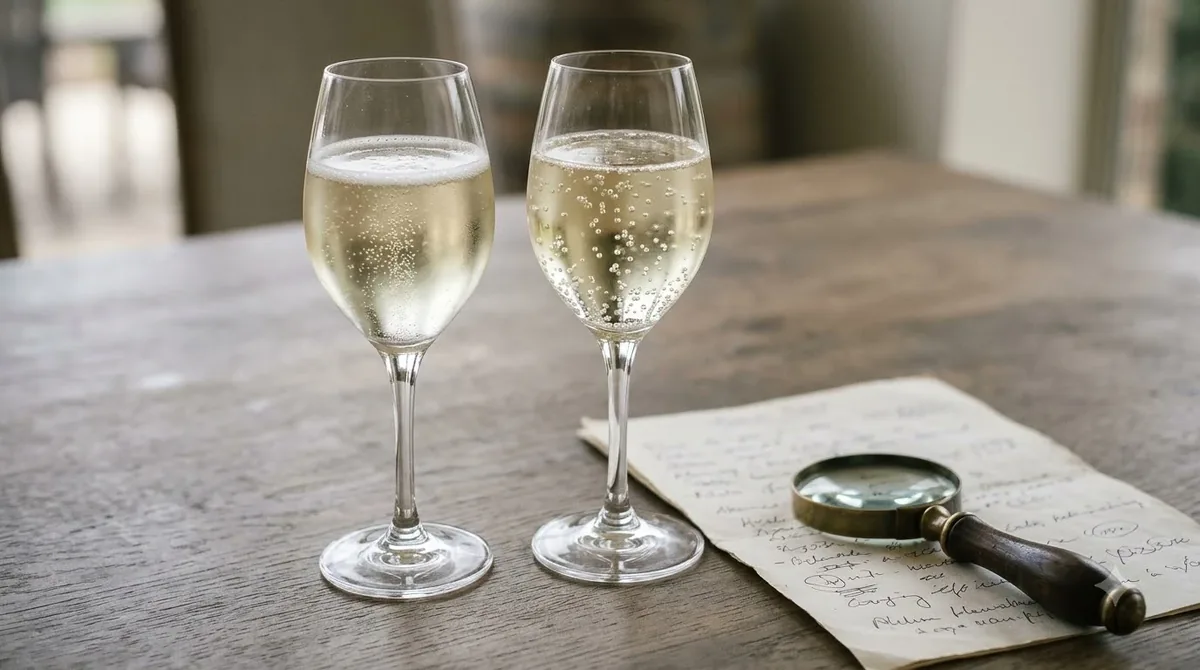
The appellation sits at approximately 44 degrees north latitude, just south of Belleville. The Ontario Wine Appellation Authority’s Prince Edward County overview identifies it as Ontario’s northernmost appellation. The region received official VQA appellation-of-origin status in 2007, establishing a recognized geographical identity for wines made from grapes grown within its boundaries. The surrounding waters of Lake Ontario and the Bay of Quinte help moderate seasonal temperatures, while breezes provide cooling during warmer summer periods.
Soil is another important part of the region’s identity. Local vineyards grow in reddish-brown clay loam and sandy loam over limestone bedrock containing shale fragments. The broken limestone allows water to drain while rocky material helps retain heat. These conditions encourage deep vine roots and can contribute to concentrated fruit from relatively low-yielding vineyards.
The region’s winegrowers focus on varieties that perform well in cooler conditions. Pinot Noir is a particularly important red grape, while Chardonnay has become one of the area’s defining white varieties. Pinot Gris, Cabernet Franc, Gamay, Sauvignon Blanc, and Riesling also appear in local tasting rooms.
Expect wines that often emphasize freshness, acidity, restrained alcohol, and a sense of place rather than extremely ripe fruit or heavy extraction. Chardonnay can range from crisp and mineral-driven to richer barrel-aged expressions. Pinot Noir commonly displays delicate red-fruit character and an earthy or mineral finish. Sparkling wines provide another compelling reason to visit, particularly for travelers interested in traditional-method bottles.
For additional background before planning a visit, the regional winegrowers association provides information about the Prince Edward County wine region, including its signature varieties and growing conditions.
Where the Main Winery Clusters Are Located
The most practical way to explore the Prince Edward County wine trail is to organize visits geographically. Hillier and Closson Road are particularly useful starting points, while Wellington, Bloomfield, and Waupoos provide additional winery options in different parts of The County.
Hillier is one of the most important areas for winery visits. Its rural roads connect several recognizable producers, including Closson Chase Vineyards, Broken Stone Winery, The Grange of Prince Edward, Stanners Vineyard, and Hinterland Wine Company. Closson Road is especially useful for visitors who want to concentrate multiple winery stops within one general area. The surrounding countryside also provides the traditional vineyard scenery many travelers associate with Prince Edward County.
Wellington offers another convenient base for wine tasting. Producers such as Rosehall Run Vineyards, Norman Hardie Winery & Vineyard, and Sandbanks Estate Winery are among the names associated with this part of The County. Wellington itself is a useful place to pause for food, explore local businesses, or take a break between tastings. Its location also makes it possible to combine winery visits with time along the Lake Ontario shoreline.
Bloomfield and the surrounding Hallowell area provide additional options, including Huff Estates and Black Prince Winery. These stops can work well for visitors approaching from the mainland or staying in central Prince Edward County. The town also offers places to eat, browse independent shops, and enjoy the historic village atmosphere.
Further east, Waupoos provides a different experience. Waupoos Estates Winery is an established destination in the eastern part of The County, while nearby producers and agricultural attractions make this area suitable for a slower countryside excursion. North and south of Picton, additional producers provide alternatives for visitors who have already explored the main western clusters.
The important distinction is that these areas are not interchangeable stops on a compact urban walking route. Rural roads connect them, and driving between distant winery clusters takes time. Selecting one primary area and adding a nearby second cluster is generally more enjoyable than repeatedly crossing the County.
Best Wineries and Wine Styles to Include
The best wineries for your itinerary depend on the wines you enjoy. Prince Edward County offers everything from mineral-driven Chardonnay and delicate Pinot Noir to sparkling wines, experimental small-batch bottles, and distinctive hybrid-grape varieties.
Closson Chase Vineyards is a useful name for visitors interested in Chardonnay and Pinot Noir. Located on Closson Road in Hillier, it is among the recognizable producers associated with the County’s cool-climate wine identity. Its location makes it a practical inclusion in a western winery itinerary.
The Grange of Prince Edward provides a combination of vineyard scenery and historic agricultural architecture. Its restored historic barn serves as a tasting room, and the estate produces Pinot Noir and Chardonnay. The property is an appealing choice for visitors interested in both wine and the area’s rural heritage.
Hinterland Wine Company deserves attention from sparkling-wine enthusiasts. The producer focuses on sparkling wines, offering an opportunity to explore how cool-climate grapes can be used to make fresh, structured bottles. Include it if traditional-method sparkling wine or pét-nat is a priority.
Rosehall Run Vineyards is another recognizable County producer, located in Wellington. Its tasting selection includes Chardonnay, Pinot Noir, and sparkling wines, making it a useful option for travelers exploring the region’s established cool-climate producers.
Huff Estates is a convenient option around Bloomfield and Hallowell. Its location makes it suitable for visitors combining a tasting with other activities in central Prince Edward County. The property also has a restaurant, an inn, and the Oeno Gallery and Sculpture Garden.
Stanners Vineyard is worth considering for visitors interested in artisanal production. Its wines include Pinot Noir, Chardonnay, Cabernet Franc, and Riesling. Its location in Hillier makes it another practical addition to a Closson Road itinerary.
Waupoos Estates Winery offers a different geographical experience in the eastern County. Rather than concentrating entirely on the Hillier area, a visit here can form part of a scenic excursion toward the eastern shoreline. Its vineyard and restaurant setting make it suitable for a longer stop.
Del-Gatto Estates is an interesting alternative for visitors curious about grape varieties beyond the most familiar European selections. The North Marysburgh producer specializes in hybrid grape varieties, offering another perspective on local winemaking.
Here is a practical comparison to help narrow the choices:
| Winery | Area | Reason to Include It |
|---|---|---|
| Closson Chase Vineyards | Hillier | Chardonnay and Pinot Noir |
| The Grange of Prince Edward | Hillier | Historic estate and vineyard setting |
| Hinterland Wine Company | Hillier | Sparkling wine |
| Stanners Vineyard | Hillier | Pinot Noir and other cool-climate varieties |
| Rosehall Run Vineyards | Wellington | Chardonnay, Pinot Noir, and sparkling wine |
| Huff Estates | Bloomfield | Central County winery and dining destination |
| Waupoos Estates Winery | Waupoos | Eastern County scenery and dining |
| Del-Gatto Estates | North Marysburgh | Hybrid grape varieties |
These producers are starting points rather than a definitive ranking. Each tasting room has its own atmosphere, wine selection, and visiting arrangements. Reviewing individual winery websites before departure will help you choose stops that match your interests.
Planning a One-Day Prince Edward County Wine Trail Itinerary
A full day is enough to experience several wineries without rushing, provided you concentrate on a manageable geographical area. Three winery visits, a proper lunch, and time for the surrounding countryside make a particularly comfortable itinerary.
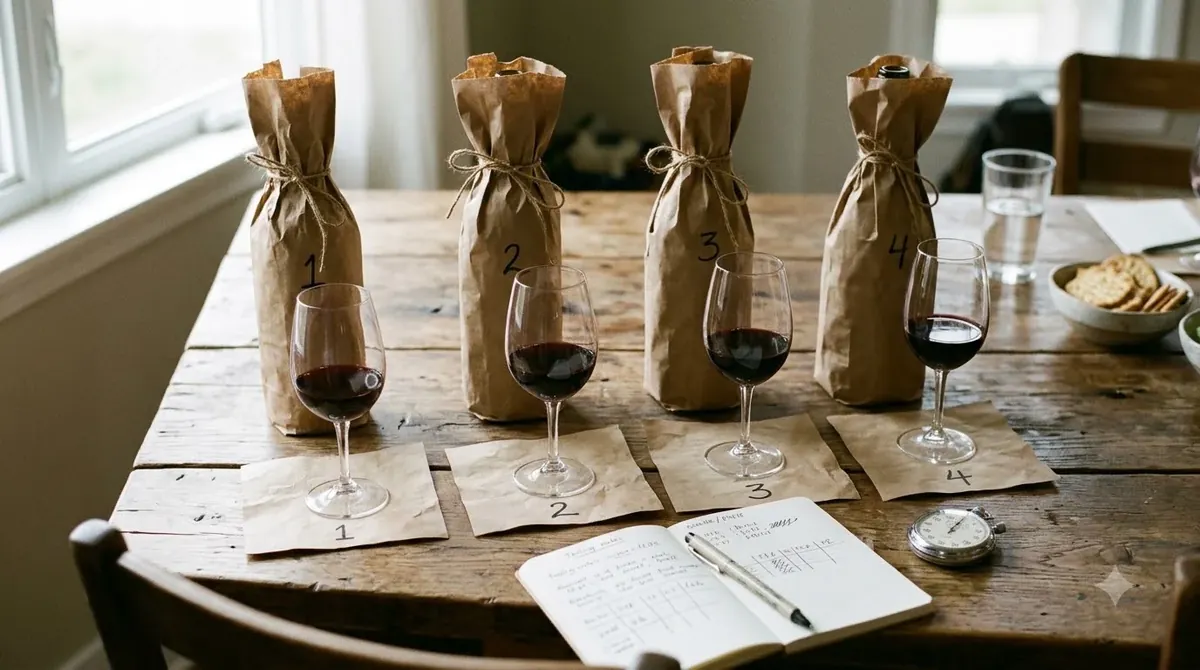
Begin in the morning around Bloomfield or Wellington, depending on where you are staying. If you are interested in exploring Hillier, head toward Closson Road and arrange your first tasting at a producer such as Closson Chase or Broken Stone. Starting earlier leaves more flexibility for reservations and gives you time to enjoy each stop without watching the clock.
For a western County itinerary, a sensible sequence is:
- First stop: Closson Road. Start with a Chardonnay or Pinot Noir tasting at Closson Chase or another nearby Hillier producer.
- Second stop: A neighboring Hillier winery. Consider The Grange of Prince Edward, Stanners Vineyard, or Hinterland Wine Company, depending on your preferred wine styles.
- Lunch break: Return toward Wellington or choose an available winery dining option. Allow enough time for a proper meal rather than trying to fit lunch between quick tastings.
- Third stop: Central County. Finish with a tasting at Huff Estates or another convenient producer around Bloomfield.
- Evening: Explore Bloomfield, Wellington, or Picton before returning to your accommodation.
This itinerary is a planning framework, not a guarantee of opening hours or tasting availability. Winery schedules change seasonally, and some tasting rooms operate with limited hours during quieter months. Confirming the three stops before setting out is more reliable than assuming every producer will accept visitors throughout the day.
If you prefer an eastern excursion, replace the Hillier cluster with Waupoos Estates and nearby North Marysburgh producers. This creates a different countryside experience and avoids spending too much time traveling between opposite sides of the County.
For a shorter visit, two wineries and lunch can be more rewarding than squeezing in four or five tastings. Wine experiences vary in length, and a guided explanation of vineyard conditions or winemaking techniques can easily make one stop last longer than expected.
Travelers who have an extra day can divide their visits into western and eastern routes. This gives more flexibility to explore Picton, local restaurants, beaches, and the area’s agricultural attractions.
Tip: Choose your three preferred wineries before arriving, then arrange them in geographical order. Reserve tastings where required, leave at least an hour for each winery visit, and designate a sober driver or book transportation before beginning the trail.
Guided Tours, Reservations, and Getting Around
Driving independently offers flexibility, but guided tours are an excellent alternative for visitors who want to sample wines without managing transportation. Prince Edward County has several tour operators offering public group excursions, private itineraries, and customized winery visits.
Prince Edward County Wine Tours operates from Bloomfield and offers organized excursions that include winery tastings and transportation. Destination Ontario describes popular open group half-day tours with three tasting stops at producers such as Sugarbush Vineyards, Harwood Estates, Broken Stone Winery, and Huff Estates. Pickup and drop-off within Prince Edward County are included in the described tours.
My County Wine Tours is based in Picton and provides customized itineraries. Its winery options include Traynor Family Vineyard, Closson Chase, and Rosehall Run. This approach can suit visitors who want an itinerary shaped around specific wineries or wine styles rather than a predetermined group schedule.
County Casual Tours offers private excursions with flexible itineraries. Its coverage extends beyond wineries to breweries, cideries, and distilleries, which makes it suitable for groups with different beverage interests.
Other options include private tours, small-group excursions, and vintage-car experiences. Some operators also incorporate food stops, scenic viewpoints, local shops, and other attractions into a longer outing. The appropriate choice depends on group size, pickup location, preferred schedule, and the amount of customization required. For a broader overview of operators and tour formats, consult Destination Ontario’s guide to guided wine tours in Ontario.
Independent visitors should pay attention to reservations. Some wineries accept walk-in visitors, while others may require advance bookings, particularly for larger groups, private tastings, and special experiences. Summer weekends and event periods can be especially busy. Contact the winery directly to confirm its current arrangements.
It is also important to remember that a winery tasting is not necessarily a quick stop. A guided flight may involve explanations of grape varieties, vineyard conditions, fermentation, and barrel aging. Allow sufficient time between appointments, particularly if your route involves driving from Hillier to Waupoos or another distant part of the County.
Do not plan to drive after consuming multiple tasting pours. A designated driver, professional tour operator, or suitable transportation arrangement should be part of the itinerary from the beginning. Visitors staying in Picton, Bloomfield, or Wellington can ask their accommodation about recommended local transportation services.
Food, Wine Tasting, and Seasonal Experiences
Food is an important part of a successful County wine trip. Local dining options, vineyard hospitality, and seasonal events help turn a series of winery appointments into a more complete destination experience.
Many visitors enjoy pairing regional wines with local cheeses, charcuterie, seasonal vegetables, and freshly prepared meals. Several producers and nearby hospitality businesses offer opportunities to enjoy food alongside tastings. Three Dog Winery, for example, offers outdoor seating and wood-fired pizza, making it a useful option for visitors who want a casual meal with their winery experience.
For wine pairings, the region’s fresh, high-acidity white wines are natural partners for seafood, shellfish, salads, and dishes with citrus or herb-based sauces. Chardonnay can work particularly well with roasted poultry, creamy pasta, and grilled vegetables, depending on its weight and oak influence. Pinot Noir is a useful companion for roast chicken, mushroom dishes, pork, and salmon prepared without an overly heavy sauce.
Local food can also help balance the characteristics of different wines. Salt and fat soften the perception of tannin, while acidic foods generally work best with wines that have equal or higher acidity. Sweet wines should be at least as sweet as the dessert they accompany. These principles are useful when choosing dishes for a mixed tasting group.
Seasonality changes the atmosphere of the wine trail. Late spring and summer are popular periods for vineyard visits, outdoor tastings, and countryside exploration. Fall brings harvest activity, changing vineyard colors, and opportunities to learn more about grape picking and winemaking. Cooler months can offer quieter visits and seasonal celebrations, although winery schedules may be reduced.
Visit The County highlights Terroir in spring, harvest celebrations in fall, and winter events such as Wassail and Élevage. These occasions can provide additional reasons to plan a visit, particularly for travelers interested in meeting producers and learning about the regional wine community.
Visitors who enjoy combining wine tourism with special events can also explore the Prince Edward County wine festival information before selecting travel dates. Event schedules, participating wineries, and reservation arrangements should be confirmed before making travel plans.
Another attraction is the opportunity to combine wine tasting with the County’s natural landscape. Sandbanks Provincial Park is one of the area’s best-known destinations, while the shoreline, rural roads, and small communities provide plenty of opportunities for sightseeing. However, avoid trying to fit a full beach visit, several winery tastings, and a long restaurant meal into the same tightly scheduled afternoon.
Practical Tips for Making the Most of Your Visit
A successful Prince Edward County wine trail trip depends on sensible timing, realistic distances, and a little advance preparation. The following details can help visitors enjoy the wineries while avoiding unnecessary travel and scheduling problems.
Choose a comfortable number of tastings
Three wineries are a reasonable target for a full day. Two visits may be preferable if you want longer guided experiences, lunch at a winery, or additional time in Picton and Wellington. More stops are not automatically better, especially when wineries are spread across different parts of the region.
Plan around winery locations
Use Hillier and Closson Road as the center of a western itinerary. For an eastern trip, concentrate on Waupoos and nearby producers. Bloomfield and Picton can work as starting points or places to finish the day. Avoid unnecessary backtracking by arranging your visits in a logical geographical sequence.
Check seasonal schedules
Summer and fall generally offer plenty of opportunities for winery tourism, but individual opening schedules differ. Some tasting rooms reduce their hours during winter, and special events can affect normal visiting arrangements. Confirm opening times, reservation requirements, tasting formats, and food availability directly with each producer.
Dress for vineyard conditions
Even when tasting rooms are comfortable, vineyard areas can be cooler and windier because of their proximity to Lake Ontario. Bring a light jacket for outdoor tastings and wear comfortable footwear if your itinerary includes vineyard walks or uneven rural paths. Weather can change quickly, particularly during spring and fall.
Explore beyond the tasting counter
Ask about the grapes in each wine, how the vineyard’s soils influence the fruit, and whether the producer uses stainless steel, oak barrels, or bottle fermentation. Comparing two Chardonnays or Pinot Noirs from different producers can reveal meaningful differences in winemaking style and vineyard conditions.
It is also useful to ask about the best food pairings and whether a particular bottle is intended for immediate enjoyment or further aging. If you discover a wine you enjoy, note the producer and grape variety so that you can compare similar bottles at another stop.
Prepare for a relaxed evening
Picton, Bloomfield, and Wellington are useful places to spend time after winery visits. Staying overnight rather than driving back immediately can make a wine-focused weekend more comfortable and provide additional time for restaurants, local shops, and sightseeing.
For broader planning ideas, the Prince Edward County wine country overview can help you connect winery visits with accommodation, dining, and other regional attractions. You can also browse our wider collection of wine regions to compare Prince Edward County with other cool-climate destinations.
Frequently Asked Questions
Is Prince Edward County part of the Niagara wine region?
No. Prince Edward County and the Niagara Peninsula are separate Ontario VQA appellations with different geographical identities. They also have distinct growing conditions, vineyard landscapes, and producer communities. Visitors can explore both regions on a longer Ontario wine trip, but they should plan them as separate destinations.
Can visitors buy wine directly from Prince Edward County wineries?
Yes. Many participating wineries sell bottles directly through their tasting rooms and winery shops. Some also offer online purchasing or shipping arrangements, depending on the producer and destination. Visitors traveling internationally should check the applicable customs and alcohol import requirements before bringing bottles home.
What is the difference between VQA wine and other Ontario wine?
VQA stands for Vintners Quality Alliance, Ontario’s appellation and wine certification system. VQA certification identifies wines that meet established origin and production standards. A Prince Edward County VQA designation indicates that the wine satisfies the applicable geographical and certification requirements for that appellation.
Can you visit Prince Edward County wineries during winter?
Yes. Some producers welcome visitors during the colder months, although opening schedules and tasting formats may differ from summer operations. Winter also brings seasonal activities such as Wassail and Élevage, which offer opportunities to experience the region outside the traditional vineyard season.
Are there wineries suitable for visitors who do not drink alcohol?
Yes. A winery visit can still be interesting for visitors who prefer not to consume alcohol. Ask individual producers about grape juice, nonalcoholic alternatives, vineyard tours, and other experiences. The County also has cideries, breweries, food businesses, and scenic attractions that can be incorporated into a mixed-interest group itinerary.
The Prince Edward County wine trail is best experienced at an unhurried pace, with time to appreciate its cool-climate wines, distinctive limestone landscape, and welcoming rural communities. Start with the Hillier wineries or choose an eastern County excursion, then build your day around three carefully selected stops and a good meal. Whether your interests center on Chardonnay, Pinot Noir, sparkling wine, or regional food, The County offers a rewarding wine-country experience with plenty of reasons to return.
More in Wine Regions
 Willcox Wine Trail: Discover Arizona’s High-Elevation Wine CountryUpdated Nov 20, 2026
 Yakima Valley Wine Region: Find the Best Styles to TryUpdated Nov 20, 2026
 Vosne Romanee Wine Tasting: Identify Aromas and Choose Better PairingsUpdated Nov 20, 2026
 Yakima Valley Wine Festival: Find the Best Seasonal Wine EventsUpdated Nov 20, 2026
 Wales Vineyards: Discover Cool-Climate Wines and Where to VisitUpdated Nov 20, 2026
 Yountville Wine Festival: Discover Napa Wines and Local FoodUpdated Nov 20, 2026