

We may earn a commission when you buy through links on this page, at no extra cost to you. Learn more.
Priorat wine tasting reveals the concentrated flavors, structured tannins, ripe dark fruit and distinctive mineral character of red wines from Catalonia, Spain. Made primarily from Garnacha and Carignan, these wines grow on steep hillsides with distinctive llicorella slate soils. Understanding the region’s villages, grape varieties, wine classifications and serving styles makes it easier to recognize what distinguishes Priorat from other Spanish wine regions.
Priorat is one of Spain’s most distinctive destinations for serious red wine enthusiasts. Its rugged vineyards, low yields and Mediterranean climate produce wines that can combine impressive concentration with freshness and a recognizable sense of place. A thoughtful tasting should explore both the traditional grape varieties and the differences between individual villages, vineyard sites and winemaking approaches. Whether sampling a bottle at home or visiting a winery in Catalonia, knowing what to look for helps make each glass more informative.
Understanding Priorat’s Wine Region and Its Distinctive Terroir
Priorat wine reflects a combination of mountainous geography, Mediterranean weather and slate-rich soils. The interaction of these conditions helps explain why the region produces concentrated reds with ripe fruit, substantial structure and distinctive savory characteristics.
DOQ Priorat is located in Tarragona, within Catalonia in northeastern Spain. The Montsant mountain range borders the northern part of the appellation, while the Siurana River and its tributaries shape the valleys between the surrounding hills. The region’s wine-growing territory covers approximately 17,629 hectares, with about 2,196.8 hectares planted with vines, according to the DOQ Priorat regulatory council.
The most recognizable soil is llicorella, a type of slate-rich substrate. It is often shallow, stony and relatively poor in organic matter. Its fragmented rock structure contributes to the challenging growing conditions that characterize many of the region’s vineyards. According to regional tourism information, some surrounding areas also contain moderately calcareous soils, so not every Priorat wine comes from identical ground.
Llicorella is frequently associated with the region’s distinctive mineral impression. It is important, however, not to interpret mineral character as a literal transfer of slate flavor into the wine. Instead, the combination of soil, vine growth, climate, grape ripeness and winemaking produces the overall sensory impression. Expect wines that can combine black fruit, herbs, savory notes and a firm structural framework. Decanter’s Priorat region profile also explains how the area’s slate soils and Mediterranean climate contribute to its distinctive wine style.
Elevation is another important influence. Vineyards range from lower locations around Bellmunt del Priorat and El Molar to higher sites around Porrera and La Morera de Montsant. The DOQ Priorat regulatory council records elevations from approximately 75 meters to 750 meters. This variation creates differences in exposure, temperature and ripening conditions that can become noticeable when tasting wines from different villages.
The landscape also affects how vineyards are cultivated. Many slopes exceed a 15% gradient, while certain properties reach 60%. Some terraces are so narrow that they accommodate only two rows of vines, making machinery impractical. These conditions help explain why vineyard work can be demanding and why production is often limited.
According to the regulatory council, average grape production is below one kilogram per vine. Low yields can contribute to concentrated fruit, although vineyard age, water availability, grape variety and harvest decisions also influence the finished wine.
Garnacha and Carignan: The Grapes Behind Priorat Wine
Garnacha and Carignan are the two central grapes to compare during a Priorat tasting. Garnacha commonly contributes ripe fruit and a generous texture, while Carignan brings acidity, firmer tannins and structure.
Garnacha is the Spanish name for Grenache, a grape well suited to warm Mediterranean growing conditions. In Priorat, it can produce wines with flavors of ripe cherry, raspberry, blackberry and plum. Depending on the vineyard and harvest conditions, the fruit can become darker and more concentrated, sometimes developing hints of dried fruit, herbs and spice.
In the mouth, Garnacha often feels generous and broad. Its natural alcohol can be relatively high when grapes reach substantial ripeness, but good examples retain enough freshness to avoid becoming excessively heavy. Look for a balance between ripe fruit, acidity and alcohol rather than judging quality by concentration alone.
Carignan, locally known as Carinyena, is equally important. It is particularly interesting in older vineyards, where it can produce deeply colored wines with black cherry, blackberry, plum and earthy characteristics. Its acidity and tannin can provide a firmer framework than Garnacha, making it valuable in blends and distinctive as a single-variety wine.
During a comparative tasting, try a Garnacha-dominant wine before a Carignan-dominant example. Notice whether the first feels rounder and more fruit-driven, while the second has a firmer grip and more pronounced freshness. These are useful tendencies rather than fixed rules because vineyard conditions and cellar decisions can change the result considerably.
Other authorized grapes add further variety. Cabernet Sauvignon can contribute firm tannins and dark-currant character. Syrah can introduce pepper and dark-fruit flavors, while Merlot may bring softer plum-like fruit. Cabernet Franc, Tempranillo and Pinot Noir are also permitted red varieties.
White wine production is permitted too. White Garnacha, White Carignan, Macabeu, Chenin Blanc, Viognier and other authorized grapes offer alternatives to the region’s better-known reds. These wines are useful additions to a tasting because they demonstrate that Priorat’s identity extends beyond powerful red blends.
| Grape | Typical tasting characteristics | Role in the wine |
|---|---|---|
| Garnacha | Cherry, raspberry, blackberry, herbs | Fruit, body and generous texture |
| Carignan | Black cherry, plum, earthy notes | Acidity, tannin and structure |
| Cabernet Sauvignon | Cassis, dark fruit, cedar | Firm tannin and backbone |
| Syrah | Blackberry, pepper, savory spice | Dark fruit and additional structure |
| Merlot | Plum, red fruit, chocolate | Softer texture and roundness |
| White Garnacha | Pear, citrus and stone fruit | Texture and aromatic complexity |
For a first tasting, choose at least one Garnacha-led wine and one Carignan-led wine. A third bottle containing international varieties can help demonstrate how blending changes the overall character. This three-wine approach makes it easier to identify grape characteristics without confusing them with differences in age or oak treatment.
How to Taste Priorat Wine and Recognize Its Main Flavors
A structured tasting reveals more than whether a wine tastes powerful or smooth. Examining appearance, aromas, acidity, tannins and finish helps distinguish a balanced Priorat wine from one that relies mainly on ripe fruit and alcohol.
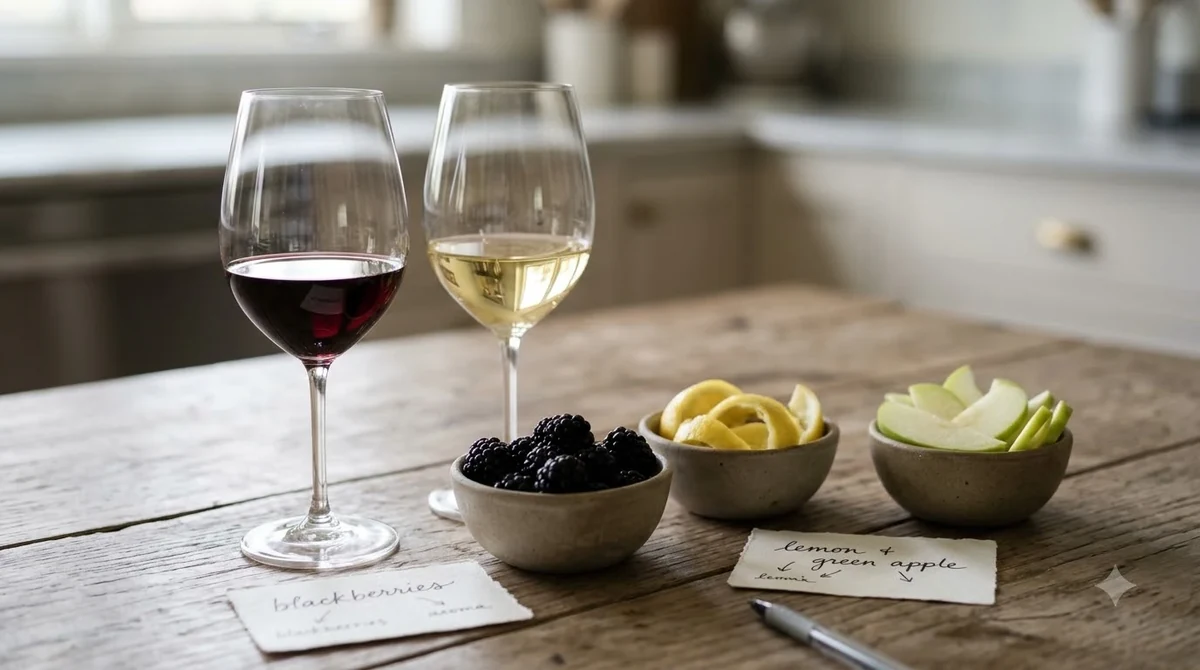
Begin by pouring a small amount into a large wine glass. Hold the glass against a white background and observe its color. Young red Priorat wines often show deep ruby, garnet or purple tones, although grape variety, extraction and bottle age influence the appearance. Older wines can develop brick-colored edges as their color pigments evolve.
Next, smell the wine before swirling. Look for the primary fruit aromas first. Garnacha often suggests red cherry, raspberry and blackberry, while Carignan can show black cherry, plum and darker berry notes. The exact balance depends on the blend and the vineyard’s growing conditions.
Swirl the glass gently and smell again. Secondary and more developed aromas may become easier to identify. These can include dried herbs, licorice, black pepper, cedar, tobacco and earthy impressions. Oak-aged examples may also reveal vanilla, toasted wood or baking spice, although modern Priorat producers vary considerably in their use of oak.
Take a moderate sip and allow the wine to cover the palate. Focus on four main elements: fruit intensity, acidity, tannin and alcohol. Priorat reds are often full-bodied, with substantial tannin and enough acidity to balance ripe fruit. A well-integrated wine should not feel dominated by one element.
Pay particular attention to tannin. It creates a drying or gripping sensation along the gums and inside the cheeks. Carignan can contribute a pronounced tannic framework, while Garnacha may feel more rounded depending on its origin and winemaking. Tannin should support the wine’s structure rather than overwhelm its fruit.
Acidity is equally important. It produces a refreshing sensation that encourages another sip. A ripe red wine can still feel lively when acidity is well preserved. Compare the sensation of freshness with the weight of the wine to determine whether the different components are working together.
Finally, consider the finish. Notice whether fruit, herbs, spice and savory notes remain after swallowing. A persistent finish is often a characteristic of concentrated Priorat wines, but length alone does not guarantee quality. Balance, complexity and the integration of tannins matter just as much.
Exploring Priorat Villages and Wine Classification
Village and vineyard classifications help tasters understand where a wine comes from and how precisely its origin is identified. Comparing wines from Gratallops, Porrera and other villages can reveal differences that are not immediately obvious from the grape variety alone.
Gratallops is one of the best-known wine villages in the appellation. It belongs to the historic group associated with the Scala Dei monastery and is an important reference point when exploring the region’s modern reputation. Wines identified with Gratallops provide a useful starting point for comparing different producers and vineyard locations.
Porrera offers another interesting perspective. Its higher vineyard elevations and steep terrain are part of the broader diversity found within Priorat. The DOQ Priorat regulatory council identifies Porrera among the areas where harvest can continue into late October or early November, considerably later than in some lower locations.
Bellmunt del Priorat is useful for understanding the lower vineyard elevations. Harvest can begin around mid-September in this area. Comparing a wine from Bellmunt with one from a higher village can help illustrate how altitude and growing conditions influence grape ripening and the resulting wine.
Other important locations include Poboleda, Torroja del Priorat, La Vilella Alta, La Vilella Baixa, El Lloar and La Morera de Montsant, including Scala Dei. Each has its own landscape, vineyard sites and range of producers. The village name is therefore a useful starting point, but it does not guarantee a uniform flavor profile.
The appellation’s classification system offers another way to interpret origin. It moves from wines representing the wider appellation toward increasingly specific geographic designations. Decanter’s Priorat classification overview also discusses the five-category hierarchy and its relationship to village and vineyard origins.
The five classification levels
DOQ Priorat wine: This is the broadest category. It identifies wine produced within the appellation and provides an introduction to the region’s overall style.
Vi de Vila: This category identifies wines associated with an individual village. It is especially useful for comparing the expressions of places such as Gratallops and Porrera.
Vi de Paratge: This designation identifies a more precisely defined area within a village, emphasizing particular geographical and vineyard characteristics.
Vinya Classificada: This category identifies wine from a single vineyard recognized for exceptional qualities and bottled separately.
Gran Vinya Classificada: This is the most selective level, reserved for exceptional individual vineyard sites with outstanding historical and natural characteristics.
These categories help establish the geographical precision of a wine’s origin. They should not be treated as an automatic guarantee that every higher-classified bottle will suit every drinker’s preferences. Producer skill, vintage conditions, vineyard management and personal taste remain important.
For a useful comparison, select two wines made from similar grapes but carrying different geographic designations. Then compare their fruit, acidity, tannins and finish. This approach gives more insight into the importance of origin than tasting unrelated bottles without a clear comparison.
Food Pairings and Serving Priorat Wines
Priorat’s concentrated reds pair particularly well with flavorful dishes that can match their body and tannic structure. Rich meats, grilled foods, roasted vegetables and aged cheeses are practical choices for a tasting menu.
Roasted lamb is a classic companion for a full-bodied Garnacha or Carignan blend. The meat’s savory flavor and natural richness work well with ripe dark fruit and firm tannins. Slow-cooked beef, grilled steak and braised short ribs are also suitable, especially when the preparation includes rosemary, garlic or black pepper.
Spanish cuisine offers several natural matches. Grilled lamb chops, roasted pork, beef stews and dishes featuring smoked paprika can complement Priorat’s savory character. A plate of cured meats and aged Manchego cheese is another useful option because the salt and fat help soften the perception of tannin.
Mushrooms, roasted eggplant and grilled peppers provide alternatives for diners who prefer vegetable-based dishes. Their earthy and roasted flavors can work particularly well with wines that show herbs, spice and savory complexity. Choose preparations with enough flavor to stand alongside the wine.
Consider the sauce as well as the main ingredient. A rich beef preparation with a concentrated reduction can handle a structured red, while a delicate vegetable dish may be overwhelmed by a particularly powerful bottle. Matching intensity is often more important than matching ingredients by color or origin.
Serving temperature and decanting
Full-bodied Priorat reds generally show well at 60–65 F. Serving them much warmer can make alcohol feel more prominent and reduce the impression of freshness. If a bottle has been stored at normal room temperature, a short period in a cool place may help bring it into a more suitable range.
Young, full-bodied red wines can benefit from 30–60 minutes of decanting. This gives the wine time to interact with air and can help soften the initial impression of firm tannins. It also allows aromas to develop before the main tasting begins.
Older bottles require more care. Some mature wines may benefit from gentle decanting to separate sediment, but extended exposure to oxygen can diminish delicate aromas. Taste a small pour first and decide whether further aeration is necessary.
Tip: For a three-wine Priorat tasting, serve a fresher, lighter Garnacha-led example first, followed by a more structured Carignan blend and then a powerful single-vineyard wine. Keep the glasses at approximately 60–65 F, pour 5 ounces or less per person, and allow 30–60 minutes of decanting for young, full-bodied reds when appropriate.
For a broader wine-pairing perspective, compare Priorat with Bolgheri wine tasting, where Cabernet-based Tuscan reds offer another approach to structured red wine and food. Those exploring different expressions of Spanish and international wine can also use the wider Wine Regions resource to discover other areas and their characteristic grapes.
Planning a Priorat Wine Tasting and Choosing Bottles
A successful Priorat tasting should include a clear progression of styles and enough time to compare individual wines. Three or four bottles are usually sufficient for an introductory session, especially when the selection highlights grape varieties, village origins and winemaking differences.
Start with a Garnacha-led wine that emphasizes ripe fruit and approachable texture. This provides a reference point for the region’s Mediterranean character. Follow with a Carignan-dominant example to examine how additional acidity and tannin affect the palate.
A third wine can represent a village-specific designation such as Vi de Vila or a more precise vineyard classification. If possible, select a wine from a different elevation or village. This makes the comparison more informative because it introduces geographical differences without requiring an entirely different grape variety.
A fourth bottle could be an older vintage or a blend containing Cabernet Sauvignon or Syrah. This gives the group an opportunity to explore the effects of bottle age, oak treatment and international grape varieties. When comparing older and younger wines, consider how the fruit changes and whether tannins have become more integrated.
What to look for on the label
Start by identifying the DOQ Priorat designation. This confirms that the wine belongs to the appellation rather than the surrounding Priorat administrative area. The distinction matters because the wider geographical region also contains wines from DO Montsant, a separate appellation.
Next, look for the village or vineyard designation. A Vi de Vila label can provide useful geographical information, while Vi de Paratge identifies a more specific origin. Vinya Classificada and Gran Vinya Classificada refer to progressively more selective single-vineyard categories.
Grape composition is another useful detail. A bottle dominated by Garnacha may offer a different balance of fruit and texture from one built around Carignan. Blends containing Cabernet Sauvignon, Merlot or Syrah can introduce additional structural and aromatic characteristics.
Producer and vintage information also help organize comparisons. If several bottles come from the same producer, tasting different vintages can reveal how weather conditions influence the finished wine. Alternatively, comparing producers from the same village can show how vineyard selection and winemaking philosophy shape the final result.
Visiting wineries in the region
Priorat is a rewarding region for wine tourism because its vineyards are closely connected to the surrounding landscape. The narrow roads, hillside terraces and small villages make it useful to plan winery visits in advance rather than attempting to cover too many locations in one day.
Gratallops, Porrera and Scala Dei are useful starting points for understanding the region’s geographical diversity. Visitors can explore the historic connection between Scala Dei and the Carthusian monks, while winery visits provide opportunities to compare wines from different sites.
Not every producer operates a public tasting room or accepts visitors without an appointment. The regional tourism office notes that a number of smaller wineries welcome visitors, although their size and production volumes can vary considerably. Contact wineries before traveling and confirm tasting availability, languages, group sizes and transportation arrangements.
Allow time between appointments to appreciate the landscape. The steep vineyard slopes and dry-stone terraces are important parts of Priorat’s identity, not simply scenery between tasting stops. A slower itinerary also makes it easier to remember the differences between wines from individual villages.
For readers interested in comparing wine tourism elsewhere, Alsace wine tasting offers a contrasting experience centered on aromatic white varieties, while Willcox wine tasting introduces the distinctive growing conditions of Arizona’s wine country.
Frequently Asked Questions
Is Priorat the same as Montsant?
No. DOQ Priorat and DO Montsant are separate appellations in the same broader area of Tarragona. Montsant surrounds much of Priorat geographically, but wines from the two designations follow different appellation rules and have distinct geographic identities.
What does DOQ mean on a Priorat wine label?
DOQ stands for Denominació d’Origen Qualificada, the Catalan designation for Spain’s qualified designation of origin category. It identifies a regulated wine appellation with specific production and origin requirements. Priorat shares this qualified designation status with Rioja.
Are all Priorat wines made from old vines?
No. The region contains both historic vineyards and more recently planted vines. Some old vineyards survived because the difficult terrain made large-scale vineyard redevelopment less straightforward. Their age can be an important part of a wine’s identity, but vine age alone does not determine quality.
What is the traditional local name for Carignan in Priorat?
Carignan is commonly called Carinyena in Catalan and Cariñena in Spanish. The variety is also known as Samsó in parts of Catalonia. Recognizing these names helps when comparing regional labels and producer descriptions.
Can Priorat produce naturally sweet wines?
Yes. Although dry red wines dominate the region’s reputation, the appellation also recognizes special wine styles, including naturally sweet wines and other traditional fortified or specialty preparations. These are much less representative of the bottles most commonly associated with Priorat’s international reputation.
Priorat wine tasting is an excellent way to understand how geography, grape varieties and winemaking traditions combine to create distinctive Spanish wines. Begin with Garnacha and Carignan, explore the differences between villages and vineyard classifications, and pay attention to the relationship between ripe fruit, acidity and tannin. With a little preparation, every bottle offers a clearer picture of this remarkable Catalan wine region.
More in Wine Regions
 Willcox Wine Trail: Discover Arizona’s High-Elevation Wine CountryUpdated Nov 20, 2026
 Yakima Valley Wine Region: Find the Best Styles to TryUpdated Nov 20, 2026
 Vosne Romanee Wine Tasting: Identify Aromas and Choose Better PairingsUpdated Nov 20, 2026
 Yakima Valley Wine Festival: Find the Best Seasonal Wine EventsUpdated Nov 20, 2026
 Wales Vineyards: Discover Cool-Climate Wines and Where to VisitUpdated Nov 20, 2026
 Yountville Wine Festival: Discover Napa Wines and Local FoodUpdated Nov 20, 2026