

We may earn a commission when you buy through links on this page, at no extra cost to you. Learn more.
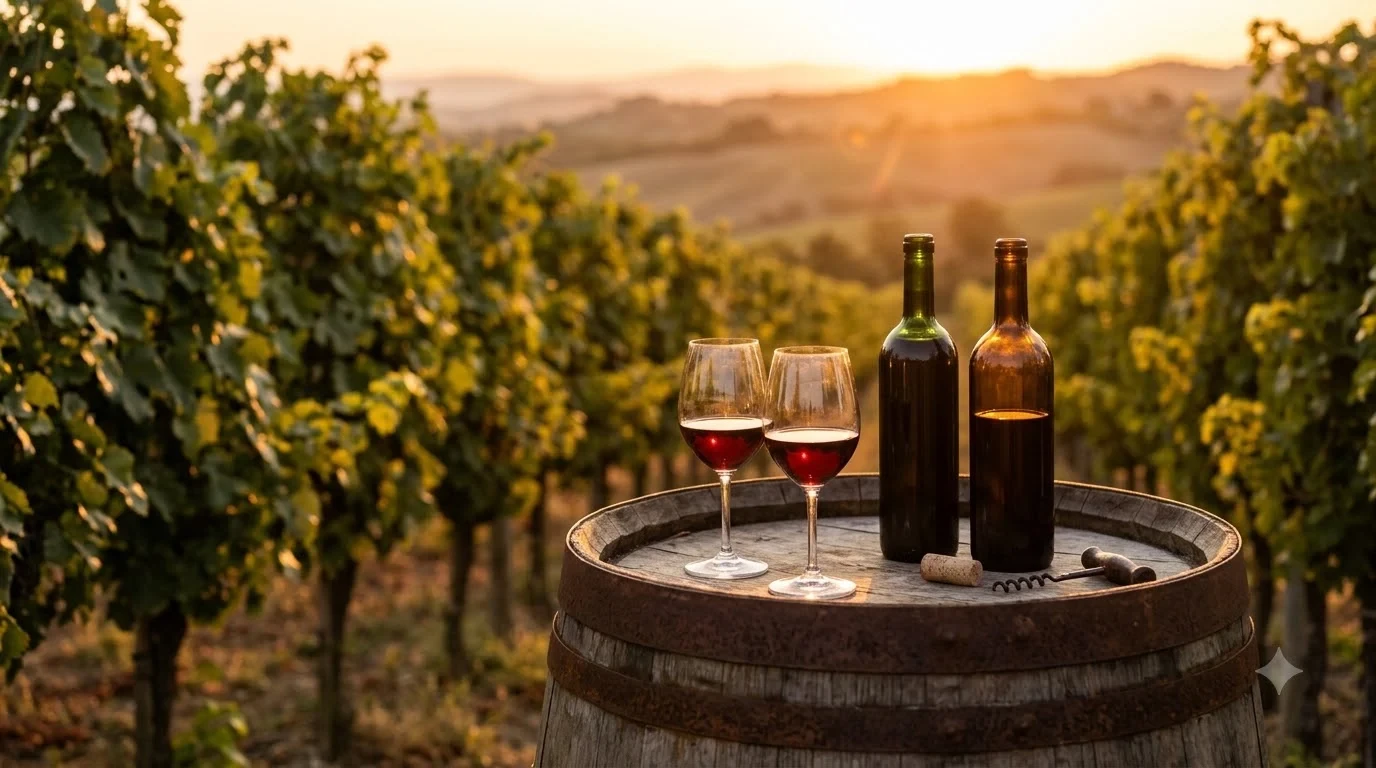
Petaluma Gap vineyards are located in southern Sonoma County and northern Marin County, California, where strong Pacific winds and coastal fog create distinctive conditions for growing Pinot Noir, Chardonnay, and Syrah. The appellation covers approximately 202,476 acres, with around 4,000 acres planted to wine grapes. Its defining geographical feature is a break in the coastal mountains that channels cool marine air inland. This combination of wind, sunshine, and a relatively long growing season produces wines with concentrated fruit, refreshing acidity, and distinctive structure.
The Petaluma Gap has become an important source of cool-climate grapes in California, attracting established Sonoma producers and smaller specialist wineries. Its vineyards range from exposed hillsides to sheltered valleys, and the differences between individual sites can be just as important as the overall regional climate. Understanding the geography, grape varieties, and notable growing sites makes it easier to recognize what distinguishes wines carrying the Petaluma Gap designation.
Where Petaluma Gap Vineyards Are Located
Petaluma Gap vineyards occupy a distinctive coastal corridor between the Pacific Ocean and San Pablo Bay. The region’s geographical position, crossing two counties and encompassing several different landscapes, helps explain why its wines have a recognizable cool-climate character.
The Petaluma Gap American Viticultural Area, or AVA, covers approximately 202,476 acres. Its boundaries extend from the Pacific coastline around Bodega Bay toward San Pablo Bay, including southern Sonoma County and northern Marin County. The city of Petaluma provides an important geographical reference point within the appellation. Although the broader AVA covers a substantial area, only approximately 4,000 acres are planted with wine grapes.
The region received federal AVA recognition in December 2017, with the designation becoming effective in January 2018. Its creation gave growers a more precise way to identify wines made from grapes grown in this distinctive part of the larger Sonoma Coast region. Before recognition, grapes from many of these vineyards were commonly associated with the broader Sonoma Coast designation.
The geographical distinction matters because Sonoma County contains several different growing environments. Inland locations generally experience warmer conditions, while coastal sites receive more consistent maritime influence. Petaluma Gap occupies an unusual position where the coastal mountains allow ocean air to penetrate inland rather than completely blocking it.
The coastal wind corridor
The name Gap describes an opening in the coastal mountain range approximately 15 miles wide. This natural passage allows cool air and fog to travel eastward from the Pacific through the Petaluma area and toward San Pablo Bay. During the growing season, the movement of marine air helps moderate afternoon temperatures.
The surrounding geography also helps explain why the appellation is not uniformly cold. Some vineyard sites receive considerable afternoon sunshine, while others experience more persistent fog or stronger wind exposure. Differences in elevation, slope direction, and proximity to the coast create distinct growing conditions within relatively short distances.
For wine buyers, the most useful distinction is that Petaluma Gap is a geographical designation rather than the name of one winery or a single vineyard. Several producers can make wines from the same vineyard, and one producer may source grapes from multiple sites across the appellation. Exploring Petaluma Gap wine therefore involves understanding both the regional character and the individual vineyard behind a particular bottle.
Climate, Pacific Winds, and Vineyard Conditions
Persistent afternoon winds and heavy morning fog are the defining environmental features of Petaluma Gap vineyards. These conditions slow grape development, influence berry size, and help preserve acidity while allowing grapes to develop substantial flavor.
During the growing season, cool marine air moves inland through the coastal mountain opening. Morning fog can cover vineyard blocks before gradually clearing, allowing sunshine to reach the vines later in the day. Afternoon winds then bring additional cooling and create challenging conditions for grape growing.
According to the Petaluma Gap Winegrowers Alliance, persistent afternoon winds contribute to lower grape yields and longer hang time. Hang time describes the period grapes remain on the vine while developing their flavors and reaching harvest maturity. A longer growing period can help fruit develop complexity without relying exclusively on high daytime temperatures.
Daily temperature differences can reach approximately 40–50°F, according to Wine Enthusiast’s coverage of the appellation. These substantial changes between daytime warmth and nighttime cooling are important for varieties such as Pinot Noir and Chardonnay. Cooler nights help preserve natural acidity while daytime sunshine supports flavor development.
Why wind matters to grape quality
Wind influences vines in several ways. It can reduce moisture around grape clusters, discourage some fungal disease pressure, and affect how quickly leaves lose water. At the same time, excessive wind can create stress, interrupt normal vine activity, and reduce fruit production.
Smaller yields are one consequence of the region’s challenging conditions. Wind exposure can also contribute to smaller berries with relatively thick skins. Because grape skins contain pigments, tannins, and many aromatic compounds, the relationship between berry size and skin-to-juice ratio can influence the finished wine’s texture and structure.
The effect is not identical across every vineyard. A sheltered valley may experience different wind speeds from an exposed hillside only a short distance away. Vineyard managers must consider wind direction, row orientation, canopy management, and soil moisture when deciding how to manage their vines.
Petaluma Gap’s climate should not be understood as simply cold or windy. It is the interaction between marine cooling, afternoon sunshine, nighttime temperatures, and wind exposure that makes the region distinctive. This balance helps explain why the appellation can produce ripe, concentrated wines while retaining the freshness associated with coastal California.
Soils, Elevation, and Differences Between Vineyard Sites
Petaluma Gap vineyards grow across varied terrain, including rolling hills, valleys, and gently sloping agricultural land. Soil composition and vineyard exposure influence how vines respond to the region’s wind and fog, creating meaningful differences between individual growing sites.
Clay loam and sandy loam are among the soils associated with the appellation. Gravelly deposits and volcanic-influenced materials also appear in particular vineyard locations. These differences affect drainage, water availability, root development, and vine vigor.
Clay loam generally retains more moisture than coarse sandy soils, while sandy loam can provide different drainage and rooting conditions. Gravelly areas can influence water movement and soil temperature. However, soil type alone does not determine the quality or flavor of a wine. It interacts with the site’s climate, topography, rootstock, vine age, and farming decisions.
Why slope and orientation matter
A vineyard’s aspect refers to the direction its slope faces. A western-facing slope, for example, can receive substantial afternoon sunlight, while a different orientation may experience more morning sunshine and less direct afternoon exposure. These differences influence the rate at which grapes accumulate sugar and develop flavor.
Gap’s Crown Vineyard provides an interesting example of the relationship between slope, wind, and soil. Wine Enthusiast describes western-facing, sloped Pinot Noir blocks with volcanic-influenced material, clay loam, sandy loam, and gravelly deposits. The site’s exposure contributes to its distinctive growing conditions and vintage variation.
Elevation also influences temperature and exposure. Even within the same appellation, vineyards can experience different fog patterns and wind intensity depending on their position relative to surrounding hills. Lower areas may collect cool air, while more exposed ridges can experience stronger afternoon winds.
These details help explain why two wines made from Pinot Noir grown within the same AVA may have different structures and aromatic profiles. One may emphasize bright red fruit and floral notes, while another may show denser fruit, firmer tannins, and greater concentration.
Tip: When comparing two Petaluma Gap wines, look beyond the AVA name. Vineyard designation, slope exposure, soil description, and producer information can reveal why bottles made from the same grape variety taste different.
The region’s geographical diversity also makes vineyard-specific labeling particularly useful. A wine carrying the name of a recognized growing site offers a more precise indication of its origin than a general regional designation, although winemaking choices still influence the final style.
Grape Varieties Grown in Petaluma Gap Vineyards
Pinot Noir, Chardonnay, and Syrah are the three principal grape varieties associated with Petaluma Gap vineyards. Pinot Noir dominates plantings, while Chardonnay and Syrah demonstrate the region’s ability to produce both cool-climate white wines and structured reds.
According to the Petaluma Gap AVA vineyard map, approximately 75% of planted grape acreage is devoted to Pinot Noir, with Chardonnay and Syrah accounting for approximately 12% each. Other varieties make up the remaining small share, including Viognier, Riesling, Grenache, and Zinfandel.
| Grape variety | Approximate share | Typical wine characteristics |
|---|---|---|
| Pinot Noir | 75% | Red cherry, raspberry, floral notes, and structured acidity |
| Chardonnay | 12% | Citrus, apple, orchard fruit, and balanced acidity |
| Syrah | 12% | Dark fruit, pepper, savory notes, and firm structure |
| Other varieties | About 1% | Styles ranging from aromatic whites to structured reds |
Pinot Noir: The leading variety
Pinot Noir is the most important grape in the appellation by a substantial margin. Its preference for relatively cool growing conditions makes it well suited to the combination of marine influence and afternoon sunshine found across the Petaluma Gap.
Typical wines can show red cherry, raspberry, cranberry, rose, and subtle spice. Some vineyard-designated examples develop darker fruit and firmer structure, particularly when the grapes come from exposed sites with substantial sunshine and longer hang time.
Pinot Noir generally has low-to-medium tannin and high acidity. In Petaluma Gap examples, the balance between fruit concentration, freshness, and site-related structure is an important part of the appeal. Producers may use different fermentation vessels, extraction techniques, and oak programs, so not every bottle will have the same weight or texture.
Chardonnay: Coastal freshness and texture
Chardonnay is the region’s leading white grape. Its ability to retain acidity in cool conditions makes it a natural fit for vineyards exposed to Pacific air and nighttime cooling.
Typical examples can feature lemon, green apple, pear, and other orchard-fruit flavors. Depending on the producer, wines may emphasize crisp citrus character or develop richer textures through lees aging, malolactic fermentation, and oak maturation.
Chardonnay has medium acidity as a general grape characteristic, but Petaluma Gap growing conditions can support particularly fresh expressions. The best way to understand the regional range is to compare bottles from different vineyard sites and producers rather than assume that every wine follows the same winemaking approach.
Syrah: A distinctive cool-climate red
Syrah offers another important perspective on the appellation. Although it occupies considerably less vineyard acreage than Pinot Noir, it has developed a strong reputation through individual sites such as Rodgers Creek Vineyard.
Petaluma Gap Syrah can combine blackberry, plum, black pepper, and savory aromas. Cool-climate examples may show distinctive peppery notes alongside concentrated fruit. Syrah generally has medium-plus to high tannin, making it a more structured choice than Pinot Noir.
Other grapes, including Viognier, Riesling, Pinot Gris, Grenache, and Zinfandel, add further diversity. Their relatively small planting shares mean they are less representative of the region’s overall identity, but they can provide interesting alternatives for people exploring the appellation.
Famous Petaluma Gap Vineyards and Their Producers
Several individual vineyard sites have helped establish the reputation of Petaluma Gap grapes. Gap’s Crown, Sun Chase, Roberts Road, and Rodgers Creek are among the names that wine enthusiasts encounter when exploring vineyard-designated Pinot Noir, Chardonnay, and Syrah.
Unlike some California wine regions where a handful of large estate wineries dominate production, Petaluma Gap has developed a reputation as a grower-focused appellation. Grapes from established vineyards can appear in wines made by several different producers. This makes vineyard names especially important for understanding regional wine styles.
Gap’s Crown Vineyard
Gap’s Crown Vineyard is one of the appellation’s best-known growing sites. Located in the Petaluma Gap, it is associated with Pinot Noir and Chardonnay and has supplied grapes to multiple producers.
Three Sticks Wines owner Bill Price owns the vineyard, according to Wine Enthusiast. Its western-facing, sloped blocks and varied soils create a distinctive setting for grape production. The site is particularly recognized for Pinot Noir with concentrated fruit, floral notes, and substantial structure.
The vineyard has also been important to Patz & Hall. Winemaker James Hall began producing a Gap’s Crown-designated Pinot Noir with fruit from the vineyard in 2007. His description of the site emphasizes the relationship between exposure, wind movement, and the development of tannin and fruit intensity.
Sun Chase Vineyard
Sun Chase Vineyard is another prominent Petaluma Gap growing site. It is owned by Alex Guarachi of Guarachi Family Wines and is associated with Chardonnay and Pinot Noir.
The vineyard’s reputation reflects the broader importance of individual grape-growing locations within the appellation. Rather than treating all Petaluma Gap fruit as interchangeable, producers can select particular blocks and harvest decisions to create wines with a recognizable site identity.
Sun Chase also appears among the vineyards highlighted by the Petaluma Gap Winegrowers Alliance. Its name is useful to recognize when comparing regional Pinot Noir and Chardonnay bottlings from different wineries.
Roberts Road Vineyard
Roberts Road Vineyard is owned and farmed by the Sangiacomo family. The vineyard is associated with both Chardonnay and Pinot Noir, and its grapes are used by different wine producers.
The Sangiacomo family’s involvement illustrates the importance of established grape-growing expertise in the region. Vineyard management decisions, including canopy control, crop levels, and harvest timing, can influence the character of the fruit before it reaches a winery.
Rodgers Creek Vineyard
Rodgers Creek is particularly associated with Syrah. Its reputation is connected to the peppery and savory character that can distinguish cool-climate Syrah from warmer-region expressions.
Winemaker David Ramey has helped establish the vineyard’s profile through wines made from its fruit. Wine Enthusiast highlights the presence of rotundone, a naturally occurring aromatic compound associated with black-pepper character in Syrah.
These four vineyards offer a useful starting point for exploring the region. Other notable sites include Griffin’s Lair, Clary Ranch, Azaya Ranch, Chileno Valley, and Blue Wing Vineyard. Each contributes to the appellation’s range of expressions, reinforcing the importance of site selection in this wind-influenced growing area.
How to Choose, Serve, and Pair Petaluma Gap Wines
The easiest way to explore Petaluma Gap wines is to begin with Pinot Noir, Chardonnay, and Syrah, then compare bottles identified with individual vineyards. Serving temperature, food selection, and winemaking style can make a significant difference to how their regional characteristics appear in the glass.
Choosing the right bottle
For a first introduction, Pinot Noir is a logical starting point because it represents approximately three-quarters of the region’s planted vineyard acreage. Look for descriptions mentioning red cherry, raspberry, floral aromas, and fresh acidity if you prefer a lighter, more aromatic red.
For white wine drinkers, Chardonnay offers a useful comparison. Some producers favor citrus and orchard-fruit freshness, while others create richer wines through oak aging and lees contact. A vineyard-designated Chardonnay can help demonstrate how individual sites influence the final style.
Syrah is a good choice for drinkers who prefer darker fruit, savory complexity, and more substantial tannin. Its peppery character can provide a contrast to the brighter fruit and softer structure of Pinot Noir.
Comparing two wines from the same vintage but different vineyards can be particularly informative. It helps separate the effects of climate and grape variety from the influence of individual growing sites and cellar decisions.
Serving temperatures
Serving temperature affects aroma, acidity, and the perception of alcohol and tannin. Petaluma Gap Pinot Noir generally benefits from a slightly cool serving temperature, while Chardonnay and Syrah are best served according to their respective styles.
| Wine style | Recommended temperature | Serving approach |
|---|---|---|
| Petaluma Gap Pinot Noir | 55–60°F | Slightly cool, allowing fruit and floral aromas to emerge |
| Petaluma Gap Syrah | 60–65°F | Cool room temperature to reveal fruit and savory character |
| Chardonnay, lighter style | 45–50°F | Cool enough to preserve freshness |
| Chardonnay, fuller style | 50–55°F | Slightly warmer to reveal texture and aromatic detail |
A standard wine serving is approximately 5 ounces, and a 750-milliliter bottle provides about five glasses. If serving several wines together, begin with Chardonnay, move to Pinot Noir, and finish with Syrah. This progression generally moves from lighter-bodied and more delicate styles toward fuller-bodied, more structured wines.
Food pairings for Pinot Noir
Petaluma Gap Pinot Noir works particularly well with roasted chicken, duck, mushroom dishes, pork tenderloin, and grilled salmon. Its acidity helps balance richer foods, while its relatively moderate tannin makes it more flexible than heavily structured red wines.
For a simple dinner, pair Pinot Noir with roast chicken and mushrooms or a plate of grilled salmon with herbs. The wine’s red-fruit character can complement the savory flavors without overwhelming the food.
Its acidity also makes it a useful partner for dishes featuring tomatoes, provided the wine has sufficient freshness. Avoid pairing strongly tannic reds with delicate oily fish, as the combination can produce an unpleasant metallic impression. Pinot Noir is generally a more suitable red option for many salmon preparations.
Food pairings for Chardonnay and Syrah
Chardonnay pairs well with roast chicken, seafood, creamy pasta, grilled vegetables, and dishes featuring butter-based sauces. A fresher style is particularly effective with shellfish and lighter seafood preparations, while fuller examples can accompany richer dishes.
Syrah works well with grilled lamb, roast beef, smoked meats, and mushroom-based dishes. Its stronger tannin and dark-fruit character make it appropriate for foods with substantial savory flavors. Salt and fat can soften the perception of tannin, making fatty cuts of meat especially useful pairings.
For spicy food, choose carefully. Chili heat can become more pronounced alongside wines with higher alcohol and tannin. A mildly seasoned grilled dish is generally a more reliable match for a structured Petaluma Gap Syrah than an intensely hot preparation.
Storage and opening
Store unopened bottles on their sides in a cool, dark location near 55°F, away from direct sunlight and significant temperature fluctuations. This is particularly important for bottles intended for longer storage.
Young, full-bodied red wines can benefit from 30–60 minutes of decanting, although many Pinot Noirs are better enjoyed with minimal aeration. Chardonnay generally does not require decanting, while the decision for Syrah depends on the producer, vintage, and structure of the wine.
Once opened, still wines generally keep for approximately three to five days in the refrigerator when properly resealed. Bring red wine back toward its recommended serving temperature before pouring. Proper storage helps preserve the fruit and freshness that make Petaluma Gap wines appealing.
For further regional comparisons, explore Petaluma Gap wineries and the broader collection of wine regions to understand how geography shapes different wine styles.
For additional background on the appellation’s defining climate and vineyard sites, consult the Wine Enthusiast overview of the Petaluma Gap. The Petaluma Gap Winegrowers Alliance website also provides regional information and details about participating growers.
Frequently Asked Questions
Is Petaluma Gap part of the Sonoma Coast AVA?
Yes. The Petaluma Gap is a separate AVA whose geographical area overlaps the larger Sonoma Coast designation. The larger North Coast AVA also encompasses the region. This means a wine’s appellation label can identify a more specific growing area or a broader geographical origin, depending on the grapes and labeling choices.
How many vineyards are in the Petaluma Gap?
The Petaluma Gap Winegrowers Alliance identifies more than 4,000 planted vineyard acres, with individual properties ranging from small backyard plots to holdings covering hundreds of acres. The number of properties and participating growers can change as vineyard ownership and membership develop. The appellation is therefore better understood through its vineyard sites and growers than through a fixed property count.
Can Petaluma Gap wines be aged?
Yes, some examples have meaningful aging potential. Structured Pinot Noir, Chardonnay with substantial acidity, and Syrah with concentrated fruit and tannin can develop additional complexity in the bottle. The precise aging window depends on vintage conditions, winemaking, and the individual wine rather than the appellation name alone.
Are Petaluma Gap vineyards certified organic?
Some growers in the appellation practice organic farming, but this does not mean every vineyard is certified organic. The Petaluma Gap Winegrowers Alliance describes sustainability and organic viticulture as important interests among its members. Organic certification is a separate designation that applies to qualifying farming operations and should be distinguished from general sustainable practices.
When does harvest usually take place in Petaluma Gap?
Harvest timing varies by grape variety, vineyard exposure, vintage weather, and the ripeness targets selected by each producer. Pinot Noir and Chardonnay can be harvested at different times even within the same property, while Syrah may require a different schedule. The region’s cool conditions and extended hang time can push harvest later than in warmer inland California growing areas.
Petaluma Gap vineyards demonstrate how geography, coastal weather, and careful vineyard management can shape distinctive California wines. Pinot Noir remains the region’s signature variety, but Chardonnay and Syrah provide equally interesting ways to explore its different growing sites. For wine enthusiasts interested in understanding the connection between vineyard origin and wine character, the Petaluma Gap is one of Sonoma County’s most rewarding appellations to discover.
More in Wine Regions
 Willcox Wine Trail: Discover Arizona’s High-Elevation Wine CountryUpdated Nov 20, 2026
 Yakima Valley Wine Region: Find the Best Styles to TryUpdated Nov 20, 2026
 Vosne Romanee Wine Tasting: Identify Aromas and Choose Better PairingsUpdated Nov 20, 2026
 Yakima Valley Wine Festival: Find the Best Seasonal Wine EventsUpdated Nov 20, 2026
 Wales Vineyards: Discover Cool-Climate Wines and Where to VisitUpdated Nov 20, 2026
 Yountville Wine Festival: Discover Napa Wines and Local FoodUpdated Nov 20, 2026