

We may earn a commission when you buy through links on this page, at no extra cost to you. Learn more.
Pfalz wineries are among Germany’s best places to discover expressive Riesling, distinctive Pinot wines, and characterful reds in a sunny wine-growing region along the French border. Located in southwestern Germany, the Pfalz combines diverse vineyard soils, a relatively warm climate, and a long tradition of family-owned wine estates. Its approximately 85-kilometer German Wine Road connects historic villages, tasting rooms, and internationally respected producers. Whether you prefer mineral-driven Riesling, elegant Pinot Noir, or fruit-forward Dornfelder, the region offers plenty of worthwhile discoveries.
The Pfalz, also known as the Palatinate, is Germany’s second-largest wine-growing region and one of its most varied destinations for wine enthusiasts. Its vineyards stretch between the Haardt Mountains and the Rhine Plain, with the French border marking the southern end of the wine route. Although Riesling remains the region’s signature grape, the growing popularity of Pinot Blanc, Pinot Gris, Pinot Noir, and other varieties makes the Pfalz particularly interesting for anyone looking beyond Germany’s most familiar wine styles. Understanding its geography, producers, and vineyard classifications helps make choosing bottles and planning winery visits much easier.
Understanding the Pfalz Wine Region and Its Two Main Areas
Pfalz wine country is organized around two principal areas: Mittelhaardt-Deutsche Weinstraße in the north and Südliche Weinstraße in the south. Both produce excellent wines, but their vineyard traditions, soils, and regional specialties give visitors different reasons to explore each section.
The German Wine Institute records approximately 23,640 hectares of vineyards in the region for 2025, making the Pfalz Germany’s second-largest wine-growing area. Its vineyards extend for approximately 85 kilometers, connecting around 130 wine villages between Bockenheim and Schweigen. This concentration of vineyards creates an unusually accessible wine destination, where visitors can travel between producers without spending hours crossing large rural distances.
Mittelhaardt is the northern wine-growing area, with important villages including Bad Dürkheim, Wachenheim, Forst, Deidesheim, Ruppertsberg, and the Neustadt wine villages. It is particularly associated with Riesling, including wines from prestigious individual vineyard sites. Limestone, sandstone, and other geological formations contribute to differences in structure and flavor between neighboring vineyards.
Südliche Weinstraße begins farther south, around the area of Neustadt and continuing toward Landau, Bad Bergzabern, and the French border. It is especially interesting for Pinot varieties, although Riesling remains important. Producers here also work with Dornfelder, Portugieser, St. Laurent, and international varieties such as Merlot and Cabernet Sauvignon.
The two areas should not be treated as completely separate wine identities. Both produce Riesling and Pinot wines, and both contain a wide selection of soils and vineyard exposures. Nevertheless, the traditional emphasis on Riesling in Mittelhaardt and the stronger Pinot presence south of Neustadt offer a useful starting point when deciding where to visit.
The region’s major towns also make convenient bases for exploring different producers. Bad Dürkheim offers access to northern vineyard villages, Neustadt provides a central starting point, and Landau is particularly useful for exploring the southern wine country.
For a broader comparison with other European wine destinations, the site’s overview of Wine Regions provides useful context for understanding how geography and local traditions shape wine styles.
The Grapes and Wine Styles That Define Pfalz Wineries
Riesling is the leading grape in Pfalz, but the region’s producers work with a much wider selection of white and red varieties. Its warm growing conditions support ripe fruit flavors, while differences in vineyard elevation, soil, and exposure help maintain variety between individual wines.
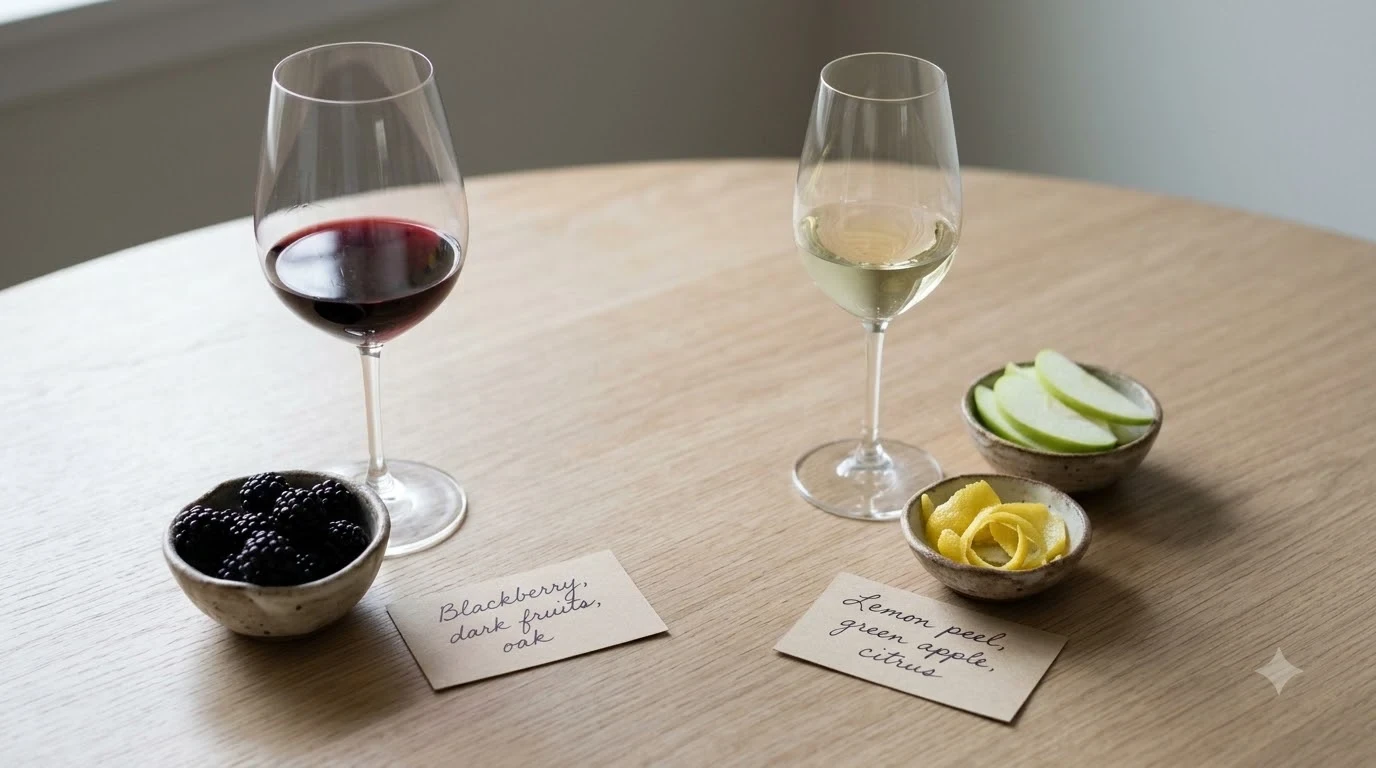
Riesling is the essential starting point. The German Wine Institute records approximately 5,883 hectares planted with the variety in its 2025 regional overview. Pfalz Riesling can range from crisp, citrus-driven dry wines to richer examples with ripe peach, orchard fruit, and pronounced mineral character. Some producers emphasize freshness and precision, while others favor broader textures and more concentrated fruit.
Pinot varieties are another major attraction. Weißburgunder, or Pinot Blanc, commonly produces balanced white wines with apple, pear, and subtle floral notes. Grauburgunder, or Pinot Gris, generally offers a fuller texture, with flavors ranging from pear and citrus to ripe stone fruit. These varieties are particularly important in southern Pfalz, although they are found throughout the region.
Spätburgunder, the German name for Pinot Noir, deserves attention from red wine enthusiasts. Depending on the producer and vineyard, it can offer red cherry, raspberry, subtle spice, and earthy complexity. Compared with heavier international red varieties, well-made Pinot Noir generally emphasizes freshness and more restrained tannins.
Other important grapes include:
- Dornfelder: A deeply colored red variety that often produces fruit-forward wines with dark cherry, blackberry, and plum character.
- Portugieser: Used for approachable red wines and the regional Weißherbst rosé style.
- St. Laurent: A specialty red variety capable of producing smooth, full-bodied wines with dark fruit and spice.
- Chardonnay: Used for both fresh and fuller-bodied white wines, depending on the producer’s approach.
- Sauvignon Blanc: Offers a more aromatic style, often with citrus, green fruit, and herbal notes.
- Müller-Thurgau: A versatile white grape that contributes fresh, approachable wines to the regional selection.
The following figures illustrate the diversity of the region’s plantings. The hectare figures come from the German Wine Institute’s regional grape-variety statistics for 2025, and percentages are rounded from the published figures.
| Grape variety | Wine color | Vineyard area | Approximate share |
|---|---|---|---|
| Riesling | White | 5,883 ha | 24.9% |
| Dornfelder | Red | 2,411 ha | 10.1% |
| Grauburgunder | White | 2,235 ha | 9.4% |
| Spätburgunder | Red | 1,757 ha | 7.4% |
| Müller-Thurgau | White | 1,563 ha | 6.6% |
| Weißburgunder | White | 1,506 ha | 6.3% |
| Chardonnay | White | 1,003 ha | 4.2% |
These figures demonstrate why the Pfalz should not be considered a Riesling-only destination. Although Riesling is clearly dominant, Pinot Gris, Pinot Blanc, Dornfelder, and Pinot Noir collectively represent substantial parts of the region’s wine identity.
Wine style also depends on ripeness and winemaking decisions. A dry Riesling may emphasize citrus and acidity, while a wine with more residual sugar can deliver ripe peach and honeyed fruit. Similarly, Pinot Gris can be made in a refreshing style or given additional body through lees aging and barrel maturation.
Tip: When comparing Pfalz wineries, try their Riesling alongside a Pinot Blanc and a Pinot Gris. These three wines provide a useful introduction to the region’s differences in acidity, texture, fruit character, and winemaking style.
Notable Pfalz Wineries and Producers to Know
The Pfalz has more than 1,000 independently marketing wineries, according to the regional tourism organization. Its producer landscape includes traditional family estates, internationally recognized wineries, and cooperatives that bring together grapes from multiple growers.
Several producers are particularly useful starting points for understanding the region. The VDP, Germany’s association of quality-focused wine estates, lists a number of established Pfalz members whose wines offer different perspectives on Riesling, Pinot varieties, and individual vineyard sites.
Dr. Bürklin-Wolf
Dr. Bürklin-Wolf is a recognized producer associated with Wachenheim and the northern Pfalz. Its wines make an interesting reference point for understanding the region’s Riesling tradition and the importance of individual vineyard origins. When exploring its selection, compare wines from different vineyard sites rather than focusing only on grape variety. This approach helps demonstrate how soil and vineyard exposure can influence the final character of a wine.
Reichsrat von Buhl
Reichsrat von Buhl is another established name in the Deidesheim area. The estate appears in the VDP’s Pfalz producer directory and is particularly relevant to anyone interested in the region’s traditional Riesling culture. Its location makes it a useful reference when exploring the neighboring vineyard villages of Deidesheim, Forst, and Ruppertsberg.
A. Christmann
A. Christmann is a VDP member associated with Neustadt and the surrounding northern vineyard landscape. It is worth considering for visitors interested in Riesling and the region’s emphasis on vineyard-specific wines. Its place among the established regional producers also makes it a useful name to recognize when comparing different Pfalz estates.
Ökonomierat Rebholz
Ökonomierat Rebholz is another important producer for understanding the diversity of southern Pfalz. The estate appears in the VDP’s regional directory, alongside producers working across several grape varieties. It is an interesting name for wine enthusiasts who want to explore the relationship between Riesling, Pinot varieties, and the different soils found south of Neustadt.
Friedrich Becker
Friedrich Becker is a notable producer in the southern part of the Pfalz. Its inclusion in the VDP directory makes it a useful name for anyone researching the region’s red wine potential and Pinot Noir tradition. The southern vineyards provide a different context from the Riesling-focused estates around Deidesheim and Forst.
Other producers worth researching
The VDP’s regional membership also includes Von Winning, Knipser, Rings, Philipp Kuhn, Georg Mosbacher, Müller-Catoir, Dr. Wehrheim, and Jülg. These names offer additional opportunities to compare different approaches to Riesling, Pinot varieties, and red wine production.
Not every excellent Pfalz producer belongs to the VDP. Smaller independent wineries and cooperatives also contribute significantly to the region’s quality and diversity. For this reason, a good winery shortlist should combine well-known estates with smaller producers that offer direct tastings and opportunities to discover less familiar wines.
For additional regional inspiration, compare the northern German Riesling tradition with the different grape varieties and winery styles found among Wachau wineries. The comparison helps illustrate how two important European white wine regions express their respective climates and vineyard conditions.
Vineyard Soils, Climate, and the Importance of Terroir
The Pfalz benefits from a relatively warm, sunny climate, but its wines are far from uniform. Limestone, sandstone, loess, clay, and basalt contribute to the region’s diverse vineyard conditions, while the Haardt Mountains help protect many vineyards from colder weather patterns.
The VDP describes the region as receiving approximately 1,800 hours of sunshine annually. Warm air masses from the Rhine Plain also contribute to its relatively warm growing conditions. These factors help grapes reach good levels of ripeness, supporting wines with generous fruit flavors and balanced structures.
The region’s geological variety is particularly important when comparing Riesling. Around Kallstadt, Ungstein, and Bad Dürkheim, prominent vineyard sites are associated with limestone-rich formations. Between Wachenheim and Gimmeldingen, weathered variegated sandstone plays a significant role in the vineyard landscape.
These differences do not create a simple rule that limestone always tastes one way and sandstone another. Winemaking decisions, vintage conditions, vineyard exposure, and vine age all contribute to the final wine. Nevertheless, geological differences provide a useful framework for understanding why two dry Rieslings from neighboring villages can taste surprisingly different.
Further south, shell limestone and other geological formations help support the production of Pinot Blanc, Pinot Gris, and Pinot Noir. The southern area also contains distinctive sites that demonstrate the region’s geological complexity.
One particularly interesting example is Kastanienbusch in Birkweiler, a VDP.GROSSE LAGE site associated with Upper Rotliegend red slate. This geological feature distinguishes it from the limestone-rich vineyard areas farther north and demonstrates why southern Pfalz deserves attention from Riesling enthusiasts as well as Pinot lovers.
Climate and geography also influence the practical choices made by winegrowers. A warmer vineyard site may encourage earlier ripening, while differences in soil composition affect water retention and vine growth. Producers must adapt canopy management, harvest timing, and winemaking decisions to the conditions of each location.
When comparing bottles from different estates, consider three details: the village, the vineyard designation, and the grape variety. These details often provide more useful information than a producer’s general reputation alone.
How to Choose Pfalz Wineries for Tastings and Wine Travel
The best way to explore Pfalz wineries is to plan around a manageable section of the German Wine Road rather than trying to visit the entire region in one day. Its compact wine villages make it possible to visit several producers while enjoying local restaurants, historic streets, and vineyard scenery.
Deidesheim and Forst are excellent starting points for Riesling enthusiasts. The villages are closely connected to the northern Pfalz’s established vineyard tradition and provide access to a concentration of respected estates. Visitors can compare wines from different vineyard sites and learn why producers place so much emphasis on individual vineyard origins.
Wachenheim and Bad Dürkheim are also worthwhile stops. Wachenheim offers access to the sandstone-influenced vineyards of the northern region, while Bad Dürkheim is a major wine town with a long-established wine culture. Both work well as part of a broader Mittelhaardt itinerary.
Neustadt an der Weinstraße is a useful base for exploring the transition between northern and southern Pfalz. Nearby wine villages include Gimmeldingen, Haardt, and Königsbach. The town is also associated with the almond blossom celebrations that mark the beginning of the region’s spring season.
Landau and Birkweiler are useful destinations for visitors interested in southern Pfalz. They offer access to a wider range of Pinot-focused estates and vineyard sites such as Kastanienbusch. This area is particularly rewarding for people who want to explore red wines and fuller-bodied white wines alongside Riesling.
What to expect at a winery visit
Many estates offer tasting rooms, vinotheques, and direct opportunities to purchase wine. Some are traditional family properties with intimate tasting spaces, while others have modern visitor facilities. The regional tourism organization specifically highlights the accessibility of many winery courtyards and tasting rooms.
However, opening arrangements differ between producers. Some accept visitors without appointments during regular tasting hours, while smaller family estates may require advance reservations. Contacting the winery before arriving is a sensible way to confirm availability, tasting formats, languages, and any group restrictions.
For a first visit, a tasting of four to six wines provides a useful comparison without becoming overwhelming. Consider choosing two Rieslings from different vineyard sites, one Pinot Blanc, one Pinot Gris, and one regional red. If the producer offers a special vineyard selection, adding one example can make the differences between basic regional wines and more specific bottlings easier to understand.
Plan enough time to enjoy each village instead of rushing between appointments. The German Wine Road passes through historic centers, vineyard viewpoints, restaurants, and wine-focused accommodation. A relaxed itinerary often provides a more rewarding experience than attempting to visit too many estates.
The site’s guide to Puglia wineries provides another useful comparison for travelers interested in visiting family estates and discovering the relationship between regional wine traditions and local food culture.
Food Pairings and Serving Tips for Pfalz Wines
Pfalz wines are particularly food-friendly because the region offers everything from high-acidity Riesling to fuller Pinot whites and approachable red wines. Matching acidity, body, tannin, and sweetness to the food helps bring out the best in both the wine and the meal.
Riesling with regional and international dishes
Dry Pfalz Riesling is a natural partner for roast chicken, grilled freshwater fish, pork dishes, and seafood. Its acidity cuts through richer preparations and refreshes the palate between bites. Citrus-driven examples work especially well with dishes containing lemon, herbs, or fresh vegetables.
Off-dry Riesling can be particularly effective with dishes containing gentle chili heat, ginger, and aromatic spices. The wine’s touch of sweetness balances moderate spice, although very high alcohol and tannin can make chili heat feel stronger. A fresh, lower-alcohol white is often the more comfortable choice for spicy food.
Pinot Blanc and Pinot Gris with lighter meals
Pinot Blanc works well with grilled chicken, vegetable dishes, mild cheeses, and fish prepared with butter or cream. Its relatively restrained flavors make it a versatile choice for meals where an intensely aromatic wine might overwhelm the food.
Pinot Gris is a useful option for richer preparations, including roasted poultry, mushroom dishes, creamy pasta, and pork. Its broader texture can complement foods with more body, especially when the wine has sufficient acidity to keep the pairing balanced.
Pinot Noir and regional red varieties
Pfalz Spätburgunder is well suited to duck, roast poultry, mushrooms, and dishes featuring earthy herbs. Its comparatively low-to-medium tannin level and fresh acidity make it more adaptable than many powerful red wines.
Dornfelder works with grilled sausages, roasted vegetables, and hearty dishes featuring mushrooms or tomato-based sauces. Its darker fruit character provides a useful match for savory flavors. St. Laurent can also work well with roast pork, duck, and moderately seasoned meat dishes.
Remember that salt and fat soften the perception of tannin, while highly acidic food needs a wine with equal or higher acidity. Oily fish generally works better with white wine than with strongly tannic red wine. Sweet wines should also be at least as sweet as the dessert they accompany.
Serving temperatures
Temperature has a substantial effect on the way Pfalz wines express their aromas and textures. Serving white wines too cold can suppress their character, while warm reds may seem heavier and more alcoholic than intended.
- Dry Riesling: approximately 45–50°F.
- Off-dry and sweet Riesling: approximately 43–50°F.
- Pinot Blanc: approximately 45–50°F.
- Pinot Gris: approximately 45–50°F for lighter examples and 50–55°F for fuller wines.
- Pinot Noir: approximately 55–60°F.
- Dornfelder and fuller-bodied reds: approximately 60–65°F.
For storage, keep unopened bottles away from direct sunlight and significant temperature fluctuations. A consistent temperature near 55°F is a useful target, and bottles sealed with natural cork are generally stored horizontally. Once opened, most still wines keep their best qualities for approximately three to five days in the refrigerator.
Frequently Asked Questions
Are Pfalz wineries open throughout the year?
Many estates operate throughout the year, but tasting availability can vary with the agricultural calendar and individual winery schedules. Harvest is an especially busy period because producers are occupied with picking and cellar work. Some estates also close for holidays or private events, so checking appointment arrangements before traveling is helpful.
What does VDP.GROSSE LAGE mean on a Pfalz wine label?
VDP.GROSSE LAGE identifies the VDP association’s highest classified vineyard category. Wines from these sites can carry additional designations depending on their style, including Grosses Gewächs for qualifying dry wines. The classification applies to the vineyard origin rather than simply indicating that a bottle is expensive or produced by a famous estate.
Is Pfalz Riesling always dry?
No. Pfalz Riesling is produced in several sweetness levels, including dry, off-dry, and sweeter styles. German terms such as trocken and feinherb can help identify the intended style, while Prädikat designations provide additional information about grape ripeness at harvest. The region’s warm conditions support a wide range of expressions.
What is the difference between Pfalz and Palatinate?
Pfalz is the German name for the region, while Palatinate is its commonly used English name. Both terms refer to the same wine-growing area in southwestern Germany. You may encounter either name in wine shops, travel information, and regional producer descriptions.
Can Pfalz wines age for more than ten years?
Yes, selected wines can develop positively over a decade or longer, particularly structured Rieslings from distinguished vineyard sites and well-made Pinot Noir. Aging potential depends on acidity, concentration, vintage conditions, winemaking, and storage. A cool, dark, stable environment is essential, and not every regional bottling is intended for extended cellaring.
Pfalz wineries offer an appealing combination of outstanding Riesling, increasingly important Pinot varieties, distinctive red wines, and welcoming wine villages. Start with the established estates around Deidesheim and Forst, then explore southern Pfalz for its Pinot-focused producers and distinctive vineyard sites. Whether you are building a German wine collection or planning a visit along the German Wine Road, the region rewards curiosity, careful comparisons, and time spent discovering individual producers.
More in Wine Regions
 Willcox Wine Trail: Discover Arizona’s High-Elevation Wine CountryUpdated Nov 20, 2026
 Yakima Valley Wine Region: Find the Best Styles to TryUpdated Nov 20, 2026
 Vosne Romanee Wine Tasting: Identify Aromas and Choose Better PairingsUpdated Nov 20, 2026
 Yakima Valley Wine Festival: Find the Best Seasonal Wine EventsUpdated Nov 20, 2026
 Wales Vineyards: Discover Cool-Climate Wines and Where to VisitUpdated Nov 20, 2026
 Yountville Wine Festival: Discover Napa Wines and Local FoodUpdated Nov 20, 2026