

We may earn a commission when you buy through links on this page, at no extra cost to you. Learn more.
Pennsylvania wine grapes include native American varieties, French-American hybrids, and European grapes such as Riesling, Chardonnay, and Cabernet Franc. The state’s five American Viticultural Areas support different combinations of these grapes, influenced by lake-moderated temperatures, limestone soils, hillside elevations, and local growing conditions. Whether you prefer crisp dry whites, structured red wines, sparkling bottles, or fruit-forward sweet wines, Pennsylvania offers considerably more variety than its traditional Concord reputation suggests.
Pennsylvania is one of the most interesting wine-growing states in the eastern United States because its vineyards do not depend on a single grape family or one uniform climate. The northwestern Lake Erie region has a long history of native grape cultivation, while the southeastern vineyards have developed a reputation for European varieties and French-American hybrids. Understanding these differences makes it easier to recognize regional specialties, choose bottles, and plan visits to Pennsylvania wine country.
Three Main Families of Pennsylvania Wine Grapes
Pennsylvania growers work with three broad grape categories: native American varieties, French-American hybrids, and European Vitis vinifera grapes. Each group offers different advantages in winter hardiness, disease resistance, ripening behavior, and finished wine character.
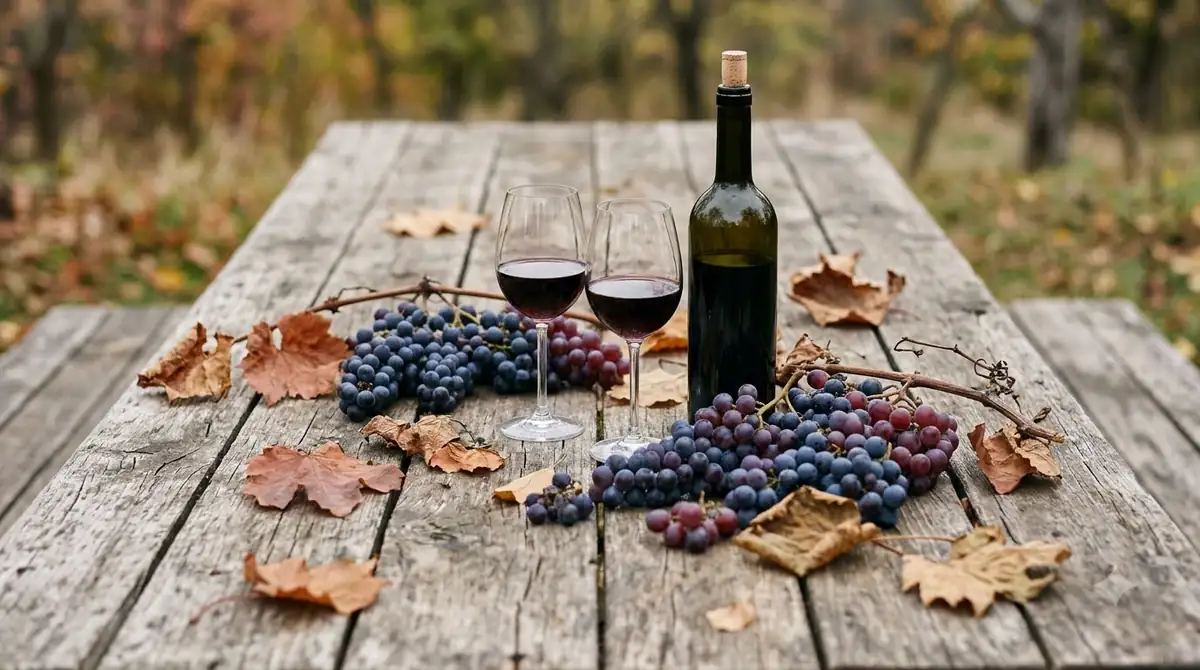
Native American grapes include Concord, Niagara, Catawba, and Delaware. These varieties have a long agricultural history in the northeastern United States and generally tolerate regional growing conditions well. Concord is particularly important in northwestern Pennsylvania, where large-scale grape cultivation supports juice production as well as winemaking. Its distinctive aromatic, grapey character makes it quite different from conventional European table wines.
French-American hybrids were developed by crossing European and American grape species to combine desirable winemaking characteristics with improved adaptability. Chambourcin, Vidal Blanc, Seyval Blanc, Vignoles, and Traminette are important examples. These varieties are especially useful in areas where winter cold, humidity, rainfall, and disease pressure make growing delicate European grapes more challenging.
European vinifera grapes include Riesling, Chardonnay, Cabernet Franc, Cabernet Sauvignon, Pinot Noir, and Grüner Veltliner. These varieties are familiar to wine drinkers around the world, but their success in Pennsylvania depends heavily on vineyard location and careful growing practices. A sheltered hillside with good drainage can produce different results from a low-lying site exposed to spring frost.
The three categories are not competing approaches. Rather, they give Pennsylvania winemakers a flexible selection of grapes for different wine styles and vineyard conditions. A winery might produce a traditional European-style Riesling, a hybrid-based white blend, and a locally distinctive Concord wine within the same regional wine culture.
Lake Erie AVA: Concord, Niagara, and Cool-Climate Grapes
The Lake Erie AVA is Pennsylvania’s major grape-growing center, with a large concentration of native grapes, hybrids, and cool-climate European varieties. Its proximity to the lake helps moderate temperatures, making the region particularly important for grapes that benefit from a longer growing season.
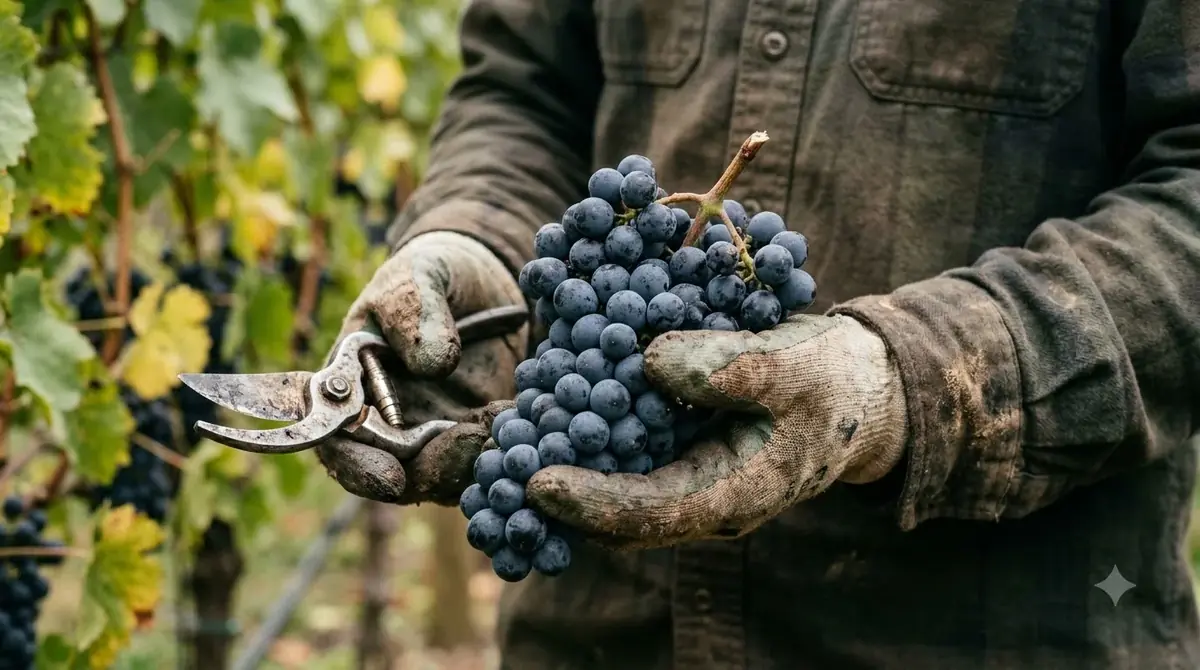
The American Viticultural Area stretches approximately 50 miles from Toledo, Ohio, toward Buffalo, New York. According to the Pennsylvania Winery Association, it covers approximately 2.2 million acres, including about 42,000 planted grape acres. Concord is the most common variety, although much of the regional crop goes into juice and jelly rather than wine. This distinction matters because the area’s total grape production should not be confused with the amount devoted specifically to winemaking.
Concord and Niagara are particularly recognizable varieties. Both are slip-skin grapes, meaning their skins separate relatively easily from their pulp. Concord produces an intensely recognizable grape aroma, while Niagara is often associated with aromatic white and sweet wine styles. Catawba is another important native American variety, commonly used for refreshing blush wines. Elvira also contributes to regional white wine production.
French-American hybrids give Lake Erie wineries additional options. Seyval Blanc, Vidal Blanc, Cayuga White, Vignoles, and Traminette are important white grapes, while Baco Noir, Chambourcin, and Léon Millot provide red wine alternatives. These varieties can produce dry, off-dry, aromatic, and sweeter wines depending on the winemaking approach.
European varieties are also part of the regional picture. Chardonnay, Riesling, Pinot Gris, and Cabernet Franc are grown in the area. Cooler temperatures help preserve natural grape acidity, which can contribute to crisp, fresh wines. According to the Pennsylvania Winery Association’s regional discussion, the lake’s temperature influence delays spring budbreak and helps extend the autumn growing season.
The soils also vary considerably. Sandy ground near the lakeshore gives way to gravel, clay, and limestone farther inland. These differences affect drainage and vine development, helping explain why two vineyards within the same AVA may produce noticeably different wines.
For a broader look at this region’s grape-growing history and wine styles, the Pennsylvania Winery Association’s Lake Erie AVA overview provides useful background on the region’s native grapes, hybrids, and vinifera varieties.
Lehigh Valley AVA: Riesling, Cabernet Franc, and Chambourcin
The Lehigh Valley AVA is particularly important for Pennsylvania’s dry wine identity. Its rolling hills, shale-based soils, and cool nights support Riesling, Chardonnay, Cabernet Franc, and French-American hybrids such as Chambourcin and Vidal Blanc.
Established in 2008, the AVA covers portions of six counties: Lehigh, Northampton, Berks, Schuylkill, Carbon, and Monroe. Its vineyard landscape includes more than 225 acres of planted vineyards, with many sites occupying sloping ground. The Pennsylvania Winery Association estimates that grapes from the Lehigh Valley account for approximately 15 to 20 percent of the wine produced in Pennsylvania.
Riesling is one of the region’s defining grapes. Its naturally high acidity makes it particularly suitable for cool-climate growing conditions. Depending on harvest ripeness and fermentation decisions, Lehigh Valley Riesling can be made in dry, off-dry, or sweeter styles. Look for citrus, green apple, stone fruit, and floral aromas, with acidity providing structure and freshness.
Cabernet Franc is another important variety. It generally produces medium-bodied red wines with red fruit, herbal, and sometimes peppery characteristics. Its adaptability makes it an appealing option for growers seeking a European red grape that can perform in Pennsylvania’s variable conditions.
Chambourcin offers a different approach to red wine production. This French-American hybrid can produce deeply colored wines with dark fruit flavors and a distinctive regional character. Winemakers may use it for single-variety bottlings, rosé, or blends. Its presence is particularly valuable because hybrid varieties can offer useful vineyard advantages without sacrificing the possibility of expressive wine.
Other varieties include Grüner Veltliner, Gewürztraminer, Chardonnay, and Cayuga White. Grüner Veltliner is particularly interesting for consumers who enjoy dry aromatic whites with citrus, green fruit, and herbal notes. The region also produces sparkling wines and rosés, demonstrating that its identity extends beyond still red and white wines.
Site selection plays an important role. Many Lehigh Valley vineyards sit around 700 to 800 feet in elevation. Hillsides help cold air drain into lower ground during certain frost events, while shale-based soils provide drainage after heavy rainfall. These factors help explain why vineyard location can be just as important as grape variety.
Lancaster Valley, Cumberland Valley, and Central Delaware Valley
Pennsylvania’s other three AVAs contribute additional grape diversity, particularly through limestone-influenced agricultural landscapes and the influence of neighboring states. Their grape selections reflect differences in elevation, exposure, soil composition, and local growing conditions.
The Lancaster Valley AVA was established in 1982 and is associated with fertile farmland and deep limestone geology. Its conditions support grapes such as Cabernet varieties, Chardonnay, and Riesling. Limestone-based soils are particularly interesting in winegrowing because their drainage characteristics and mineral composition influence the environment in which vines develop.
Chardonnay is useful in this region because it can be made in several different styles. Stainless-steel fermentation can emphasize fresh apple, pear, and citrus, while oak fermentation and maturation can contribute vanilla, toast, and a fuller texture. Riesling offers another option for consumers who prefer high-acidity white wines with fresh fruit character.
The Cumberland Valley AVA was established in 1985 and covers approximately 756,000 acres. Limestone is an important geological feature, although only a small portion of the AVA is planted with vineyards. Its wider agricultural landscape should not be mistaken for continuous vineyard coverage.
Cabernet Franc, Sauvignon Blanc, Chardonnay, and other varieties contribute to the broader grape selection across south-central Pennsylvania. The combination of farmland, ridges, and local microclimates allows growers to experiment with varieties that may not perform equally well in the colder northwestern parts of the state.
The Central Delaware Valley AVA was established in 1984 and is shared with New Jersey. Its geology includes sandstone, shale, and limestone. The Delaware River and surrounding terrain create growing conditions that differ from those found in the Lake Erie region. European grapes and hybrids can both contribute to local wine production.
These AVAs are useful geographical references, but they should not be treated as guarantees of a particular wine style. A dry Riesling from one vineyard may taste quite different from a sweeter Riesling produced elsewhere, even when both carry the same regional designation.
Important White Grapes and the Wines They Produce
Pennsylvania’s white wine selection ranges from familiar European varieties to cold-hardy French-American hybrids. Riesling, Chardonnay, Vidal Blanc, Seyval Blanc, and Traminette are particularly useful starting points for understanding the state’s white wine identity.
Riesling is one of the strongest choices for consumers who enjoy crisp, aromatic white wine. Its naturally high acidity supports dry and sweeter styles alike. Typical aromas include lemon, lime, green apple, peach, and flowers. Riesling from cooler Pennsylvania sites can be particularly refreshing, especially when fermentation preserves its natural fruit character.
Chardonnay provides greater stylistic flexibility. Unoaked examples often emphasize apple, pear, citrus, and fresh acidity, while oak-aged wines may develop creamier textures and flavors of vanilla and toasted spice. Its medium acidity makes it a useful food wine, particularly alongside poultry, seafood, and dishes with moderate richness.
Vidal Blanc is a French-American hybrid that can be made into dry, semi-dry, dessert, and ice wine styles. Its fruit profile can include citrus and tropical notes. The grape is particularly interesting because its versatility allows wineries to explore both refreshing everyday whites and concentrated sweet wines.
Seyval Blanc is another cold-hardy hybrid. It commonly produces dry wines with citrus, green apple, melon, and mineral-like impressions. Some winemakers also use it for sparkling wine or oak-influenced bottlings.
Traminette is an aromatic hybrid that can offer floral, spicy, and tropical fruit notes. It is especially attractive to drinkers who enjoy expressive white wines with pronounced aromas. Cayuga White and Vignoles provide further alternatives, with the latter particularly useful for wines ranging from dry to sweet.
| White grape | Grape family | Typical wine style | Acidity |
|---|---|---|---|
| Riesling | European | Dry to sweet | High |
| Chardonnay | European | Dry, still or sparkling | Medium |
| Vidal Blanc | French-American hybrid | Dry to dessert and ice wine | Medium-high |
| Seyval Blanc | French-American hybrid | Dry or sparkling | High |
| Traminette | Hybrid | Aromatic, dry to off-dry | Medium-high |
| Niagara | Native American | Aromatic, commonly sweet | Medium-high |
| Cayuga White | Hybrid | Dry to off-dry | Medium-high |
For consumers who enjoy exploring less familiar wine styles, these varieties offer an excellent starting point. They also demonstrate why Pennsylvania should not be categorized exclusively as a sweet wine state.
Important Red Grapes and Their Regional Character
Pennsylvania red wines range from fruit-forward native grape bottlings to structured wines made with European varieties. Cabernet Franc, Chambourcin, Cabernet Sauvignon, Merlot, Pinot Noir, and Baco Noir are useful grapes to recognize when exploring the state’s red wine selection.
Cabernet Franc is among the most important European red varieties for Pennsylvania. It generally produces medium-bodied wines with red cherry, raspberry, herbs, and sometimes green pepper or earthy notes. Its medium-plus acidity and moderate tannin make it flexible at the dinner table. It can also contribute structure and aromatic complexity to Bordeaux-style blends.
Chambourcin is one of Pennsylvania’s signature hybrid red grapes. It can develop deep color, black cherry, plum, and dark berry characteristics. Depending on the winemaking method, Chambourcin can be made into a fresh rosé, a lighter red, or a more substantial red wine. It is particularly relevant in the Lehigh Valley and Lake Erie regions.
Cabernet Sauvignon is a familiar variety that can produce fuller-bodied wines with blackcurrant, dark cherry, cedar, and noticeable tannin. It generally needs a favorable site and sufficient growing-season warmth to reach good ripeness. In Pennsylvania, its performance is more dependent on individual vineyard conditions than on statewide suitability.
Merlot offers a softer alternative. Its medium tannin and rounded fruit character can make it approachable as a single-variety wine or as part of a blend. Expect plum, blackberry, and cherry characteristics, sometimes accompanied by vanilla or spice from oak maturation.
Pinot Noir is a more delicate choice. Its relatively low-to-medium tannin and high acidity can produce elegant wines with red cherry, raspberry, cranberry, and earthy notes. It requires careful site selection because its thin skins and sensitivity to growing conditions can make it challenging.
Baco Noir is a hybrid red variety found in the Lake Erie region. It can produce dark-fruited wines with noticeable acidity and a distinctive character. For consumers who want to explore beyond traditional Cabernet and Merlot, it is a useful regional grape to seek out.
Red wine lovers should compare these varieties rather than assuming that every Pennsylvania red will have the same weight or flavor profile. A Chambourcin rosé, a dry Cabernet Franc, and a fuller Cabernet Sauvignon represent very different drinking experiences.
How to Choose, Serve, and Pair Pennsylvania Wines
The easiest way to choose Pennsylvania wine is to start with the grape and desired sweetness level, then consider the growing region. Serving temperature and food pairing can make a meaningful difference, especially with high-acidity whites and structured red wines.
For a first exploration, choose a dry Riesling, a Cabernet Franc, and a Chambourcin. These three wines demonstrate different aspects of Pennsylvania viticulture: cool-climate white wine, European red wine, and French-American hybrid production. Add a Vidal Blanc or Traminette if you want to compare aromatic white styles.
Food pairing should follow the wine’s actual structure rather than the grape name alone. High-acidity Riesling and Seyval Blanc can work particularly well with seafood, salads, and dishes containing citrus or vinegar. Chardonnay is a good choice for roasted chicken, creamy pasta, and grilled vegetables. Cabernet Franc works with roast pork, mushrooms, and herb-seasoned dishes, while Chambourcin can accompany barbecue, burgers, and roasted meats.
Sweetness is another important consideration. A dessert wine should generally be at least as sweet as the dessert being served. Otherwise, the wine can taste thin or overly acidic. High-acidity wines also work well with acidic foods because the wine retains its freshness instead of seeming flat.
When pairing red wine, remember that salt and fat soften the perception of tannin. Cabernet Sauvignon can therefore work particularly well with fatty beef dishes, while softer Merlot is a natural choice for meatloaf, roasted poultry, and mushroom dishes. Tannic reds are less suitable for oily fish because the combination can create an unpleasant metallic impression.
Serving temperature matters, too. A light white such as Seyval Blanc is best served around 45 to 50 degrees Fahrenheit, while fuller Chardonnay is generally more expressive around 50 to 55 degrees. Light reds can be served around 55 to 60 degrees, and fuller reds around 60 to 65 degrees.
Tip: Taste Pennsylvania wines side by side rather than comparing bottles on different occasions. Start with a dry Riesling at 45 to 50 degrees Fahrenheit, follow with a Chardonnay at 50 to 55 degrees, and finish with a Cabernet Franc at 60 to 65 degrees. This progression makes differences in acidity, body, aroma, and tannin easier to recognize.
Wine tourism is another practical way to understand the grape differences. The Pennsylvania wine trail offers opportunities to compare local producers and regional specialties. Before planning a visit, identify a few grapes you want to try and look for wineries that feature those varieties in their tasting selections.
For more background on regional wine terminology, appellations, and growing conditions, explore our broader collection of Wine Regions. Readers interested in skin-contact white wines can also learn how grape variety influences the style of orange wine grapes.
Frequently Asked Questions
Are Pennsylvania wine grapes grown exclusively for winemaking?
No. Pennsylvania has substantial grape-growing operations devoted to juice, jelly, and fresh fruit as well as wine. Concord is particularly important to the juice industry, and its agricultural significance is much larger than its role in fine wine production alone. The 2023 Pennsylvania wine and grape economic study estimated approximately 11,034 acres of juice grapes compared with 2,597 acres of wine grapes.
Can Pennsylvania grapes be used to make ice wine?
Yes. Vidal Blanc is particularly suitable for ice wine production because it can retain acidity while developing concentrated fruit characteristics. Ice wine production requires grapes to freeze naturally on the vine before harvesting and pressing. The resulting wine is concentrated and sweet, making it particularly suitable for pairing with fruit desserts and blue cheese.
What does Vitis vinifera mean on a Pennsylvania wine label?
Vitis vinifera is the botanical species that includes most internationally familiar wine grapes, such as Riesling, Chardonnay, Cabernet Sauvignon, and Pinot Noir. It distinguishes these grapes from American native species and many interspecific hybrids. The term identifies the grape species rather than guaranteeing a particular wine quality or sweetness level.
Does Pennsylvania produce sparkling wine from locally grown grapes?
Yes. Pennsylvania wineries can use locally grown Chardonnay, Seyval Blanc, and other suitable varieties for sparkling wine production. Traditional-method sparkling wine undergoes its second fermentation in the bottle, while tank-method production takes place in a pressurized tank. The grape selection and production technique both influence the finished wine’s texture and flavor.
What is the difference between an AVA and a Pennsylvania Viticulture Area?
An American Viticultural Area is a federally recognized grape-growing designation with defined geographical boundaries and distinguishing characteristics. Pennsylvania Viticulture Areas are state-level regional designations used to describe additional growing areas. The two systems serve different geographical classification purposes, so a regional name on a bottle does not automatically indicate that it is a federally recognized AVA.
Pennsylvania’s grape-growing identity is built on diversity, from Concord and Niagara in the northwest to Riesling, Cabernet Franc, and Chambourcin in its eastern and southern vineyards. Exploring these varieties by region is one of the best ways to understand what makes Pennsylvania wine distinctive. Start with a dry Riesling and a local hybrid, then compare the styles across the state’s different growing areas.
More in Wine Regions
 Willcox Wine Trail: Discover Arizona’s High-Elevation Wine CountryUpdated Nov 20, 2026
 Yakima Valley Wine Region: Find the Best Styles to TryUpdated Nov 20, 2026
 Vosne Romanee Wine Tasting: Identify Aromas and Choose Better PairingsUpdated Nov 20, 2026
 Yakima Valley Wine Festival: Find the Best Seasonal Wine EventsUpdated Nov 20, 2026
 Wales Vineyards: Discover Cool-Climate Wines and Where to VisitUpdated Nov 20, 2026
 Yountville Wine Festival: Discover Napa Wines and Local FoodUpdated Nov 20, 2026