

We may earn a commission when you buy through links on this page, at no extra cost to you. Learn more.
Okanagan wine tasting is an opportunity to explore British Columbia’s diverse wines, from crisp Riesling and Pinot Gris in the cooler north to structured Syrah, Merlot, and Cabernet Sauvignon in the sunny south. The Okanagan Valley stretches more than 250 kilometers through a landscape of lakes, mountains, rolling vineyards, and desert-like terrain. Its distinctive growing conditions support more than 80 grape varieties and a wide range of wine styles. Visitors can compare different vineyard areas, meet local producers, and discover how geography influences the character of each bottle.
The Okanagan Valley is one of Canada’s most interesting wine destinations because its vineyards experience noticeably different conditions from north to south. A tasting trip can include lakeside wineries around Kelowna, scenic vineyard roads near Penticton, and warm southern vineyards around Oliver and Osoyoos. Understanding these differences makes it easier to choose tasting rooms, recognize regional characteristics, and get more from every glass.
Understanding the Okanagan Valley Wine Region
The Okanagan Valley is a long, geographically varied wine region where changing temperatures, elevations, and soils influence the grapes grown in each area. Its northern vineyards generally favor aromatic whites and cooler-climate varieties, while the southern valley produces fuller-bodied reds from grapes that benefit from longer, warmer summers.
Located in south-central British Columbia, the region extends from the United States border north toward Armstrong. The British Columbia Wine Authority identifies the Okanagan Valley as the province’s largest geographical indication, covering more than 250 kilometers. Okanagan Lake runs through much of the region and plays an important role in moderating vineyard temperatures. It helps reduce summer temperature extremes and provides warmth during fall, extending the growing season in suitable vineyard locations.
The climate is particularly interesting because hot summer afternoons can be followed by considerably cooler nights. Daytime temperatures can reach 40°C, but nighttime cooling helps grapes retain natural acidity as they ripen. This combination supports wines with concentrated fruit flavors and refreshing structure rather than simply producing high levels of ripeness.
Soils also vary substantially. The British Columbia Wine Authority identifies glacial till, sand, gravel, and volcanic rock among the materials found throughout the valley. Some vineyards have heavier clay and gravel soils, while southern locations can have deep sandy deposits. Differences in drainage, elevation, slope, and sunlight exposure help explain why neighboring vineyard areas can produce distinct wines from the same grape variety.
The valley is divided into 11 recognized sub-geographical indications. These include Lake Country, East Kelowna Slopes, South Kelowna Slopes, Summerland Bench, Summerland Lakefront, Summerland Valleys, Naramata Bench, Skaha Bench, Okanagan Falls, Golden Mile Bench, and Golden Mile Slopes.
For visitors, these distinctions provide a useful framework for organizing tastings. Rather than treating the Okanagan as one uniform wine destination, consider it a collection of smaller areas with their own conditions and regional strengths. Exploring two or three neighboring areas can reveal more about the region than visiting unrelated tasting rooms across the entire valley in a single afternoon.
Soil, topography, and climate differences are particularly apparent in the regional comparisons published by BC Wine’s Okanagan Valley overview, which describes the differences between Kelowna, Naramata, Okanagan Falls, Golden Mile, and Black Sage/Osoyoos.
For a broader introduction to wine geography, the site’s Wine Regions resource provides useful context for understanding how climate and location shape regional wine styles.
Exploring the Northern, Central, and Southern Sub-Regions
The northern, central, and southern Okanagan offer different tasting experiences. Lake Country and Kelowna are particularly interesting for aromatic whites and Pinot Noir, Naramata Bench and Okanagan Falls offer varied styles, and Oliver and Osoyoos are important destinations for fuller-bodied southern reds.
Lake Country and Kelowna: The northern end of the valley is relatively cool compared with the southern vineyards. Lake Country is known for Riesling, Pinot Gris, Pinot Noir, and sparkling wines. Its west-facing slopes near Vernon benefit from a growing environment suited to aromatic varieties and wines with fresh acidity.
Kelowna and East Kelowna offer additional opportunities to explore Chardonnay and Pinot Noir. Higher elevations and good air drainage around East Kelowna contribute to refined expressions of these varieties. Visitors interested in comparing Chardonnay styles should look for wines from different vineyard elevations rather than assuming that all bottles from the northern valley taste alike.
Summerland and Naramata Bench: Central Okanagan wine country combines lake influences with varied slopes and elevations. Summerland includes several distinct sub-regions, including Summerland Bench, Summerland Lakefront, and Summerland Valleys. Depending on the site, visitors can encounter structured Pinot Noir, elegant Chardonnay, expressive Merlot, and refreshing Sauvignon Blanc.
Naramata Bench, near Penticton, is especially appealing for visitors who want to combine vineyard scenery with a concentrated selection of tasting rooms. Its west-facing vineyards receive afternoon sunlight and benefit from the influence of Okanagan Lake. Pinot Noir, Pinot Gris, Chardonnay, and Merlot are important varieties to explore here.
Okanagan Falls and Skaha Bench: South of the central valley, Okanagan Falls has a distinctive combination of glacier-carved terrain, cooling winds, and varied vineyard elevations. Pinot Noir and Pinot Gris are particularly useful reference varieties when comparing wines from this area. Nearby Skaha Bench offers another perspective, with vineyards on the sunny eastern slopes of Skaha Lake.
Oliver and Osoyoos: The southern valley is warmer, sunnier, and more arid. Oliver and the surrounding Golden Mile areas are important destinations for visitors interested in Merlot, Cabernet Franc, Cabernet Sauvignon, and Syrah. The Black Sage area near Osoyoos is associated with deep sandy soils and fuller-bodied wines.
These regional differences are worth exploring through side-by-side tastings. A Pinot Noir from East Kelowna may show a different balance of fruit and acidity from one grown around Okanagan Falls. Similarly, a Merlot from the warmer southern valley can have a different degree of ripeness and body from a bottle produced farther north.
Tip: Choose one main sub-region for each tasting day. A northern route around Kelowna and Lake Country or a central route around Penticton and Naramata will generally provide a more relaxed experience than attempting to cover the entire 250-kilometer valley between breakfast and dinner.
Which Okanagan Wines Should You Taste?
The best introduction to Okanagan wine is a comparison of its major white and red varieties. Start with Pinot Gris, Riesling, Chardonnay, Pinot Noir, Merlot, and Syrah, then explore regional specialties such as Cabernet Franc, Gewürztraminer, and Icewine.
The valley’s more than 80 grape varieties provide plenty of opportunities to explore different styles. However, visitors do not need to sample every variety to understand the region. A focused tasting of six or seven representative wines can reveal the contrast between cooler northern vineyards and warmer southern sites.
White wines
Riesling is one of the most rewarding varieties to explore because it can be produced in several different sweetness styles. Dry examples often emphasize citrus, green apple, floral aromas, and lively acidity. Off-dry versions can offer ripe stone fruit and a gentle sweetness while maintaining freshness. Some producers also make sweeter late-harvest wines.
Try Riesling from a northern vineyard alongside one from a central location. Pay attention to the balance between acidity, sweetness, and fruit intensity. The variety is particularly useful for understanding how cool nights and growing-season conditions influence wine structure.
Pinot Gris is another essential tasting. It can range from light, crisp, and citrus-driven to fuller-bodied examples with pear, apple, and stone-fruit flavors. A Pinot Gris tasting is particularly useful in Kelowna, Lake Country, and Naramata Bench.
Chardonnay deserves attention from visitors who enjoy comparing winemaking approaches. Some examples emphasize fresh apple, citrus, and mineral characteristics, while others have greater body, creamy textures, and flavors associated with oak aging. The difference between cooler northern and warmer central vineyard locations can make a comparison particularly interesting.
Gewürztraminer offers a more aromatic alternative. Look for floral aromas, lychee, citrus, and spice. It is a useful variety to try around Lake Country and the Golden Mile areas, where regional growing conditions support distinctive expressions.
Red wines
Pinot Noir is an excellent starting point for red wine enthusiasts. Its relatively delicate tannins and naturally high acidity make it particularly suited to cooler vineyard locations. Expect variations in red cherry, raspberry, earthy notes, and spice depending on the producer and vineyard.
Merlot offers a softer introduction to the Okanagan’s southern reds. It generally has medium tannins and a rounded texture, with flavors that can include plum, black cherry, and baking spice. Warmer southern sites can produce more concentrated examples with a fuller impression of ripeness.
Syrah is particularly interesting around the warmer southern valley. Look for dark berries, pepper, savory notes, and a more substantial structure. Its tannins are generally medium-plus to high, making it a useful wine for comparing against softer Merlot or lighter Pinot Noir.
Cabernet Sauvignon and Cabernet Franc are also important varieties to explore in southern Okanagan tasting rooms. Cabernet Sauvignon typically has high tannins and dark-fruit flavors, while Cabernet Franc can offer red fruit, herbal notes, and a distinctive aromatic profile.
Icewine and sparkling wine
Okanagan wine tasting should also include at least one wine outside the usual still-white and still-red categories. Icewine is a notable regional specialty made from naturally frozen grapes harvested during winter conditions. The freezing process concentrates sugars and flavors, producing a sweet wine with intense fruit characteristics and balancing acidity.
Okanagan sparkling wines provide another worthwhile comparison. Depending on the grape varieties and production methods, they can emphasize citrus, orchard fruit, floral notes, and refreshing acidity. They make particularly good starting points for a tasting flight because their freshness prepares the palate for other styles.
Planning a Winery Visit and Tasting Experience
A successful winery visit involves more than choosing a list of producers. Visitors should allow enough time for tasting, conversation, travel between vineyards, and meals, while selecting wineries that offer complementary wine styles rather than repeating the same experience.

Begin by choosing a geographic area. Kelowna works well for visitors interested in northern wines and lakeside experiences. Penticton offers access to Naramata Bench and nearby Okanagan Falls. Oliver and Osoyoos are stronger choices for those who want to concentrate on southern vineyard conditions and fuller-bodied reds.
For a first visit, plan approximately three winery stops in one day. This allows time to explore each tasting room without rushing through the wines. A fourth stop may be practical if the wineries are close together and the itinerary includes a substantial lunch break, but quality of attention is more valuable than the number of tasting rooms visited.
When booking, look for the following information:
- Tasting format: Determine whether the winery offers guided flights, seated tastings, self-guided sampling, or vineyard experiences.
- Reservation requirements: Popular tasting rooms may require advance appointments, particularly during summer weekends and harvest season.
- Food availability: Some wineries have restaurants, patios, picnic areas, or small food offerings. Others focus primarily on wine service.
- Group policies: Check whether the tasting room accepts larger groups and whether private experiences need separate arrangements.
- Accessibility: Ask about seating, walking distances, vineyard terrain, and any mobility considerations before booking.
At each tasting, start with lighter wines and progress toward fuller-bodied styles. A practical sequence is sparkling wine, aromatic whites, fuller whites, lighter reds, and then structured southern reds. If a sweet wine is included, consider tasting it toward the end of the flight.
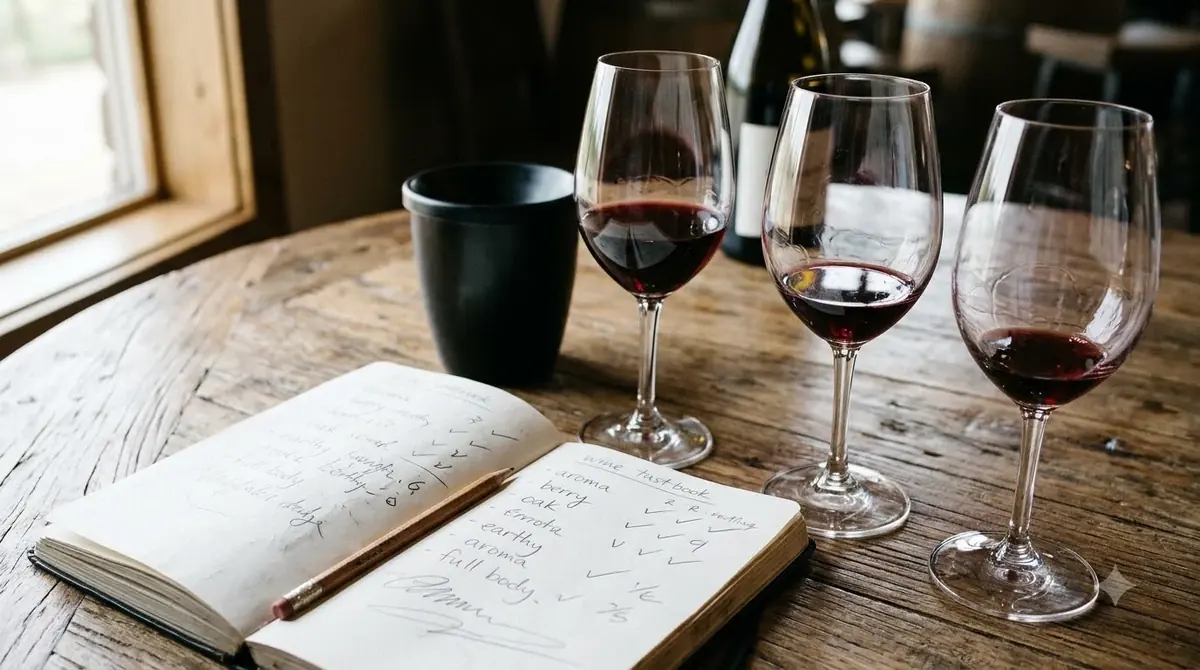
Take brief notes about acidity, body, tannin, sweetness, and finish. Instead of writing only whether a wine was enjoyable, record what made it distinctive. For example, a Riesling might have pronounced citrus flavors and high acidity, while a southern Syrah could show darker fruit, pepper, and firm tannins.
Questions for tasting-room staff can make the experience more informative. Ask which vineyard supplied the grapes, whether the wine was fermented or aged in oak, and how the producer describes the site’s growing conditions. You can also ask whether the same variety is made in a different style at another vineyard.
Responsible transportation should be arranged before the first tasting. Choose a designated driver, professional wine tour, or other suitable transportation service. Do not assume that a short distance between wineries makes driving after several tastings appropriate.
Best Seasons and Winery Routes in the Okanagan
The Okanagan offers different experiences throughout the year. Summer is best for warm-weather patios and outdoor activities, fall brings harvest activity and changing vineyard colors, spring is generally quieter, and winter offers a slower experience with opportunities to discover seasonal wine styles.
Spring, April through June: Spring is a good option for visitors who prefer a less crowded tasting experience. The vineyards begin their seasonal growth, surrounding orchards become active, and the weather gradually becomes more suitable for outdoor tastings. Some smaller wineries may operate reduced schedules early in the season, so checking opening arrangements before traveling is helpful.
Summer, July and August: Summer is the busiest period for Okanagan wine tourism. Warm weather makes vineyard patios particularly attractive, and visitors can combine winery stops with activities around Okanagan Lake and nearby lakes. The same popularity means tasting appointments and accommodations should be arranged in advance, especially on weekends.
Fall, September and October: Harvest season is a particularly interesting time to visit. Vineyard activity increases, grapes arrive at wineries, and producers may organize special tastings, food events, or harvest experiences. September can combine pleasant outdoor weather with an active winery atmosphere, while October often brings more autumn colors and a quieter pace.
Winter, November through March: Winter offers a different perspective on the region. Some tasting rooms reduce their hours, but visitors can find a more relaxed atmosphere at participating wineries. Winter is also relevant to Icewine production because the grapes must be naturally frozen under suitable harvesting conditions.
Suggested tasting routes
A northern route can begin around Lake Country, continue through Kelowna, and include East Kelowna. Focus on Riesling, Pinot Gris, Chardonnay, and Pinot Noir. This route suits visitors who want to compare aromatic whites and lighter-bodied reds.
A central route can start in Summerland and continue toward Naramata Bench near Penticton. Explore Chardonnay, Pinot Noir, Merlot, and Pinot Gris, paying attention to how different vineyard elevations and lake influences affect the wines.
A southern route can focus on Oliver, Golden Mile Bench, Black Sage, and Osoyoos. This is an excellent option for visitors interested in Merlot, Syrah, Cabernet Franc, and Cabernet Sauvignon. Allow additional time for travel between locations and consider staying overnight rather than attempting a long return drive after a full tasting day.
Visitors who have several days available can combine these routes into a longer trip. The key is to avoid treating the entire valley as one compact wine district. Its length and changing terrain make regional planning essential.
Food Pairings and Serving Okanagan Wines
Food is an important part of understanding Okanagan wines because acidity, sweetness, tannin, and alcohol influence how a wine performs alongside a meal. The region’s variety of white and red styles makes it possible to build food pairings around local ingredients and different dining experiences.
Fresh white wines are particularly versatile. Riesling and Sauvignon Blanc have high acidity, making them good companions for foods with citrus, herbs, and bright sauces. Try dry Riesling with grilled fish, seafood dishes, or lightly spiced Asian-inspired meals. Sauvignon Blanc can work with goat cheese, fresh salads, and dishes containing green herbs.
Pinot Gris is a flexible partner for roast chicken, grilled vegetables, and seafood. Its fruit character and moderate acidity can complement dishes without overpowering delicate ingredients. Chardonnay can work with roasted poultry, creamy pasta, and richer fish preparations, especially when the wine has enough body to match the texture of the food.
For red wines, consider both tannin and the richness of the dish. Pinot Noir’s relatively low-to-medium tannin and high acidity make it suitable for roast chicken, mushroom dishes, duck, and salmon prepared without an excessively oily sauce. It is also a natural choice for dishes featuring earthy ingredients.
Merlot works well with roasted meats, grilled pork, and mushroom-based dishes. Its medium tannin and softer structure make it more flexible than heavily structured Cabernet Sauvignon. Syrah can accompany grilled lamb, beef, and roasted vegetables, particularly when the dish includes herbs and pepper.
Cabernet Sauvignon benefits from dishes with sufficient protein and fat to soften its high tannin. Consider grilled steak, braised beef, or lamb. Cabernet Franc can be paired with roasted poultry, tomato-based dishes, and grilled vegetables.
Sweet wines require a different approach. Icewine should generally be paired with desserts that are no sweeter than the wine itself. Fruit-based desserts, blue cheese, and selected creamy desserts can work particularly well. The wine’s acidity is important because it prevents the sweetness from becoming overwhelming.
Serving temperatures
Temperature affects how aromas, acidity, and alcohol are perceived. Serving a wine too warm can make alcohol seem more pronounced, while serving it too cold can mute aromas and flavor details.
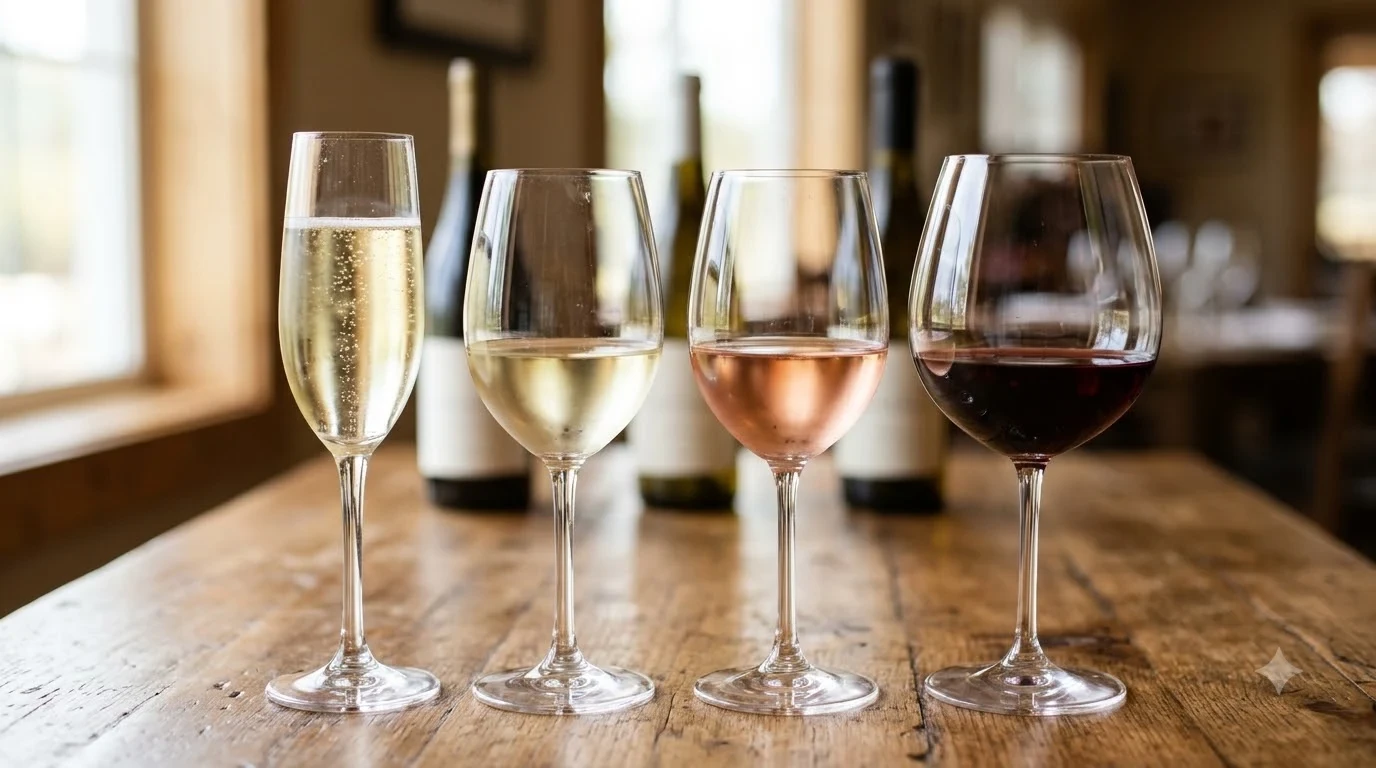
| Wine style | Recommended serving temperature | Pairing example |
|---|---|---|
| Sparkling wine | 40–50°F | Oysters and appetizers |
| Light white wines | 45–50°F | Seafood and salads |
| Full-bodied Chardonnay | 50–55°F | Roast chicken and creamy pasta |
| Rosé | 45–50°F | Grilled vegetables and light meals |
| Pinot Noir | 55–60°F | Duck and mushroom dishes |
| Merlot and Syrah | 60–65°F | Grilled meats and roasted vegetables |
| Sweet wines and Icewine | 43–50°F | Fruit desserts and blue cheese |
For visitors bringing bottles home, proper storage helps preserve their character. Keep bottles on their sides when sealed with natural cork and store them in a cool, relatively consistent environment near 55°F. Avoid direct sunlight, excessive heat, and frequent temperature fluctuations.
After opening, refrigerate still wines and aim to enjoy them within three to five days. Sparkling wines generally retain their best qualities for approximately one to three days with a suitable sparkling-wine stopper. Fortified wines can last several weeks after opening, depending on their style and storage conditions.
Visitors interested in comparing the Okanagan with other established wine destinations can also explore Alsace wine tasting for a different perspective on aromatic whites and cool-climate wine styles. Those interested in structured Italian reds can compare the experience with Bolgheri wine tasting.
Frequently Asked Questions
Is Okanagan wine tasting suitable for beginners?
Yes. Many Okanagan tasting rooms offer guided flights that introduce visitors to several grape varieties and explain the differences between them. The region is also a useful place to learn about Canadian wine labeling, including the British Columbia VQA designation, which identifies wines meeting specific regional and quality requirements.
What does VQA mean on an Okanagan wine label?
VQA stands for Vintners Quality Alliance, a regulated designation associated with wine origin and production standards. British Columbia VQA wines must meet applicable requirements concerning grape origin, permitted production practices, and quality assessment. The designation helps consumers distinguish certified regional wines from other wine categories.
Can visitors buy Icewine directly from Okanagan wineries?
Yes, participating wineries may offer Icewine through their tasting rooms, although availability depends on production and individual winery offerings. Icewine is made from grapes that freeze naturally on the vine, rather than grapes frozen artificially after harvest. Its concentrated sweetness and acidity make it distinct from ordinary late-harvest wines.
Are there Indigenous-owned wineries in the Okanagan Valley?
Yes. The Wines of British Columbia identifies the region as home to North America’s first Indigenous-owned winery. Indigenous participation is an important part of the wider British Columbia wine industry, offering visitors additional opportunities to learn about the connections between wine production, community, culture, and the land.
How many glasses of wine are in a standard bottle?
A standard 750-milliliter bottle provides approximately five servings when poured at the usual five-ounce serving size. This is useful when planning a tasting at home or deciding how many bottles to purchase for a meal. Tasting-room samples are typically smaller than a full restaurant serving.
Okanagan wine tasting rewards visitors who take time to explore the differences between its northern, central, and southern vineyard areas. Start with regional specialties such as Riesling, Pinot Noir, Chardonnay, Merlot, and Syrah, then expand your tasting to include sparkling wine and Icewine. With a well-planned route, thoughtful food pairings, and time to appreciate each vineyard’s character, the Okanagan Valley offers a memorable introduction to British Columbia wine.
More in Wine Regions
 Willcox Wine Trail: Discover Arizona’s High-Elevation Wine CountryUpdated Nov 20, 2026
 Yakima Valley Wine Region: Find the Best Styles to TryUpdated Nov 20, 2026
 Vosne Romanee Wine Tasting: Identify Aromas and Choose Better PairingsUpdated Nov 20, 2026
 Yakima Valley Wine Festival: Find the Best Seasonal Wine EventsUpdated Nov 20, 2026
 Wales Vineyards: Discover Cool-Climate Wines and Where to VisitUpdated Nov 20, 2026
 Yountville Wine Festival: Discover Napa Wines and Local FoodUpdated Nov 20, 2026