

We may earn a commission when you buy through links on this page, at no extra cost to you. Learn more.
The ohio wine region is home to five recognized American Viticultural Areas (AVAs), producing distinctive cool-climate wines from Riesling, Cabernet Franc, Pinot Noir, Chardonnay, Catawba, and native and hybrid grapes. Stretching from the shores of Lake Erie to the Ohio River Valley, the state’s wine country combines a long winemaking history with varied growing conditions. Lake Erie influences the northern vineyards, while southern growing areas offer different temperatures, landscapes, and opportunities for grape cultivation.
Ohio may not receive the same international attention as California, Oregon, or Washington, but it has a substantial place in American wine history. Its vineyards reflect a combination of glacial soils, lake-influenced weather, traditional American grapes, and European varieties adapted to local conditions. Understanding the state’s five AVAs makes it easier to identify regional differences, choose wines, and plan a visit to its winery districts.
Ohio’s Five AVAs and Their Geographic Differences
Ohio has five federally recognized AVAs, each associated with a particular growing area or geographic feature. These appellations range from the extensive Lake Erie region to smaller districts such as Loramie Creek, giving the state several distinct wine-growing identities.
The five appellations are Lake Erie, Grand River Valley, Isle St. George, Ohio River Valley, and Loramie Creek. The Lake Erie AVA is particularly important because it contains the Grand River Valley and Isle St. George sub-AVAs. Their boundaries reflect geographic and climatic characteristics rather than simply dividing the state into administrative regions.
The Lake Erie AVA covers approximately 2,236,800 acres across Ohio, Pennsylvania, and New York. Wine Enthusiast identifies it as one of the largest eastern American wine appellations, with more than 40,000 acres planted to vineyards across its three-state boundaries. Its enormous size means that grape varieties and growing conditions differ considerably from one end of the appellation to another.
The Grand River Valley AVA is in northeastern Ohio, covering portions of Lake, Geauga, and Ashtabula counties. Its boundaries incorporate land within two miles of the Grand River or within 14 miles of Lake Erie’s shoreline, connecting the river valley with the moderating influence of the lake. Isle St. George AVA is much smaller and is located on North Bass Island in Lake Erie, where vineyards benefit from the surrounding water.
The Ohio River Valley AVA covers approximately 16,640,000 acres across portions of Ohio, Indiana, Kentucky, and West Virginia. It is closely associated with the early history of American winemaking. Farther north and west, Loramie Creek AVA occupies a smaller area in Shelby County, bordered by Loramie Creek, Tuttle Creek, and State Route 47.
| AVA | Location | Distinctive characteristic |
|---|---|---|
| Lake Erie | Ohio, Pennsylvania, New York | Large lake-influenced growing area |
| Grand River Valley | Lake, Geauga, and Ashtabula counties | River valley and lake-influenced vineyards |
| Isle St. George | North Bass Island | Island growing conditions |
| Ohio River Valley | Ohio and neighboring states | Historic American wine-growing district |
| Loramie Creek | Shelby County | Small inland appellation |
One important distinction is that an AVA identifies a geographically defined wine-growing area, not a guarantee of a particular flavor or grape variety. A wine from the Lake Erie AVA might be quite different from one produced on North Bass Island or in the Grand River Valley. The same principle applies to other geographically diverse regions, including the Savoie wine region, where local growing conditions help shape wine styles.
Lake Erie and Its Influence on Ohio’s Vineyard Climate
Lake Erie is one of the most important natural influences on northern Ohio viticulture. Its ability to retain warmth into autumn helps moderate temperatures, extend the growing season, and give grapes additional time to ripen in a region that experiences cold winters and four distinct seasons.
During spring, cool lake breezes can slow early vineyard growth and delay bud development. This can help reduce the risk of damage from late spring frost. During autumn, the lake releases stored warmth, creating conditions that can allow grapes to continue ripening after temperatures begin falling in surrounding inland areas.
The effect is particularly relevant to varieties such as Pinot Noir and Riesling, which benefit from a longer, relatively cool ripening period. Grapes that mature too quickly in warm conditions can lose some of their natural acidity. In northeastern Ohio, the combination of moderate temperatures and extended autumn conditions can help preserve freshness while allowing fruit flavors to develop.
Lake Erie also influences vineyard conditions through its winds. Moving air can help dry vineyard canopies after rain and reduce prolonged moisture on grape clusters. This matters in a region where rainfall and humidity can create challenges for grape growers. Good vineyard site selection, canopy management, and disease monitoring remain important parts of successful production.
Soils add another layer of variation. Wine Enthusiast identifies glacial deposits, limestone, and loam among the Lake Erie AVA’s soil types. These materials reflect the geological history of the Great Lakes region. Soil drainage, depth, and composition can differ substantially between individual vineyard sites, affecting vine vigor and water availability.
Elevation also varies across the larger Lake Erie appellation. Wine Enthusiast reports elevations ranging from approximately 573 to 1,500 feet. This variation helps explain why two vineyards within the same broad AVA may experience different growing conditions.
Lake Erie should not be considered a substitute for good vineyard management. Cold winter temperatures, spring frost, summer rain, and disease pressure remain important concerns. Growers must select appropriate grape varieties and manage each vineyard according to its individual exposure, soil, and drainage.
These climatic conditions help explain why northeastern Ohio has developed a recognizable cool-climate wine identity. The region shares some broad growing-season considerations with places such as the Switzerland wine region, where grape selection and careful vineyard positioning are also important in cooler growing environments.
Important Ohio Wine Grapes and Their Styles
Ohio grows an unusually broad combination of traditional European wine grapes, American native varieties, and hybrid grapes. Riesling, Chardonnay, Cabernet Franc, Pinot Noir, Catawba, Concord, Vidal Blanc, and Chambourcin are among the varieties that help define the state’s wine selection.
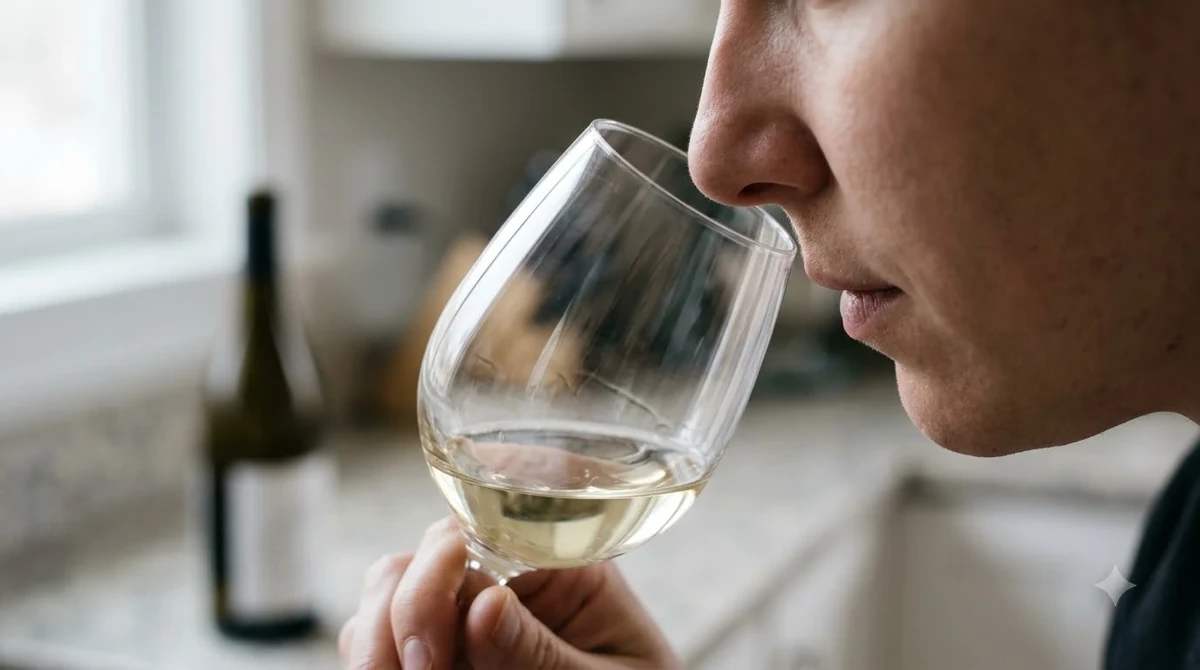
Riesling is one of the most important varieties to explore in northern Ohio. It can produce dry, off-dry, and sweeter wines, often with refreshing acidity and aromas of citrus, apple, peach, and flowers. Its natural acidity is particularly useful in a cool climate, where it can maintain freshness even when the wine contains some residual sugar.
Chardonnay offers another expression of the region’s growing conditions. Depending on ripeness, fermentation, and aging choices, Ohio Chardonnay can range from crisp and restrained to fuller-bodied styles. Unoaked versions generally emphasize apple, pear, and citrus, while oak aging can introduce vanilla, toast, and a rounder texture.
Cabernet Franc is an important red grape for growers looking to produce wines with freshness and moderate tannin. Its flavor profile can include red berries, blackcurrant, herbs, and pepper. In a cooler growing environment, it can retain a bright character that works particularly well with food.
Pinot Noir is another notable variety in northeastern Ohio. It requires attention to site selection and ripening conditions, but suitable vineyards can produce wines with red cherry, raspberry, earthy notes, and moderate structure. Pinot Noir generally has lower to medium tannin and relatively high acidity, making it one of the more versatile reds for food pairing.
Ohio’s hybrid varieties deserve equal attention. Chambourcin is a red grape that can produce fruit-forward wines with moderate structure. Vidal Blanc is a white hybrid commonly used for refreshing dry or off-dry wines, as well as sweeter dessert styles. Baco Noir is another red hybrid associated with the broader Lake Erie growing area.
Traditional American varieties remain important to the state’s identity. Catawba has a particularly strong historical connection to Ohio, while Concord and Niagara are familiar grapes used for a variety of wine and grape products. Their flavor profiles can be more overtly fruity than those of many European vinifera varieties.
The Lake Erie AVA has a diverse planting profile. Wine Enthusiast reports that Concord represents approximately 40% of production in the broader appellation, although much of this grape production goes toward juice and other grape products rather than traditional bottled wine. This distinction is important when evaluating the region’s wine industry.
Tip: When exploring Ohio wines, compare a dry Riesling, a Vidal Blanc, a Cabernet Franc, and a Chambourcin. These four styles offer a useful introduction to the range of European and hybrid grapes grown in the state.
Ohio’s Winemaking History From Longworth to Modern Vineyards
Ohio has one of the earliest significant histories of commercial winemaking in the United States. During the nineteenth century, Nicholas Longworth helped establish the Ohio River Valley as an important wine-producing district, particularly through his work with Catawba grapes and sparkling wine.
Longworth began experimenting with grape cultivation in the Cincinnati area during the early nineteenth century. European varieties proved difficult to grow successfully in local conditions, so American grape varieties became central to his efforts. Catawba eventually emerged as an important choice because of its adaptability and suitability for winemaking.
The grape became especially popular for sparkling wine. According to WineAmerica, Catawba’s naturally high acidity made it useful for sparkling production and blending. Its wines attracted attention in the nineteenth century, helping establish Ohio’s reputation beyond the immediate region.
Ohio had become the nation’s largest wine producer by 1860, according to WineAmerica. The state’s success was connected to the popularity of Catawba and the development of commercial vineyards around Cincinnati and other growing districts.
However, the industry experienced serious difficulties. Vineyard diseases, including black rot and mildew, damaged crops and made grape cultivation increasingly challenging. The Civil War also disrupted agricultural operations and reduced the available labor force. As southern vineyards declined, commercial grape production developed more strongly around Lake Erie and its islands.
Prohibition created another major interruption. The restrictions on commercial alcohol production and sales severely damaged Ohio’s wine industry, as they did in other American wine-producing states. Some grape-growing operations continued through alternative markets, but the commercial wine sector lost much of its earlier momentum.
A revival began during the post-Prohibition decades. Ohio’s wine industry experienced renewed development during the 1960s, with hardy French-American hybrids and later European varieties contributing to a broader range of wines. Producers gradually expanded their offerings beyond traditional sweet and heritage styles.
Today, Ohio combines historical grape varieties with modern vineyard practices and contemporary winemaking techniques. Producers work with Riesling, Pinot Noir, Chardonnay, Cabernet Franc, Vidal Blanc, and other grapes, creating wines that reflect both the state’s agricultural history and its changing regional identity.
For wine drinkers, this history explains why Ohio’s selection can be so varied. A bottle of Catawba represents an important part of American wine heritage, while a dry Riesling or Cabernet Franc demonstrates how the state has developed a wider range of styles.
Major Ohio Wine Districts and Where to Explore
Northeastern Ohio is the most concentrated destination for winery visits, particularly around the Grand River Valley and Lake Erie shoreline. The Ohio River Valley provides a different experience based on the state’s early wine history, while the Lake Erie islands offer a distinctive setting for vineyard exploration.
The Grand River Valley is a practical starting point for visitors interested in sampling several wineries in one trip. The area includes vineyard landscapes across Lake, Geauga, and Ashtabula counties, with the Grand River and Lake Erie contributing to local growing conditions.
The Ohio Wine Producers Association’s Vines & Wines Wine Trail features producers including Debonné Vineyards, Ferrante Winery & Ristorante, Grand River Cellars, Laurentia Winery, M Cellars, and Markko Vineyard. The concentration of wineries makes northeastern Ohio particularly convenient for visitors planning a weekend itinerary.
Geneva, Madison, and the surrounding communities are useful bases for exploring this area. Visitors can combine wine tastings with local restaurants, covered bridges, lakeside attractions, and overnight accommodation. The association also identifies attractions and lodging options along the trail, making it easier to plan a trip beyond individual tasting rooms.
The Lake Erie Shores and Islands area offers another style of wine-country visit. North Bass Island, home to Isle St. George AVA, is particularly interesting because the surrounding lake creates a distinctive growing environment. Visitors can also explore the wider Lake Erie shoreline and its historic wine-growing communities.
The Ohio River Valley offers a connection to the state’s nineteenth-century wine history. Its wine trail includes producers such as Valley Vineyards and Vinoklet Winery. The association also highlights late-harvest wines and ice wines among the specialties associated with this southern district.
Loramie Creek is geographically interesting because it represents a much smaller appellation than the large Lake Erie and Ohio River Valley areas. It is important to distinguish the existence of an AVA from the presence of an active tasting-room destination: the Ohio wine appellation information identifies no operating winery within the Loramie Creek AVA itself.
For a first visit, northeastern Ohio offers the most straightforward combination of vineyard scenery, multiple wineries, restaurants, and accommodation. Visitors interested in American wine history can then explore the Ohio River Valley as a separate trip rather than trying to cover every growing area in one weekend.
The official Ohio Wine Producers Association’s Vines & Wines Wine Trail provides a useful starting point for identifying participating wineries and attractions. Individual tasting-room schedules and tour arrangements should be confirmed before traveling.
Food Pairing and Serving Ohio Wines
Ohio wines offer plenty of food-pairing possibilities because the state produces crisp whites, fruit-forward hybrids, structured reds, and sweet dessert wines. Matching acidity, sweetness, tannin, and alcohol to the dish is more useful than relying on grape color alone.
Dry Riesling is an excellent companion to freshwater fish, roasted chicken, pork, and dishes featuring herbs or citrus. Its high acidity can balance richer preparations, while its fruit character works well with lightly spicy Asian-inspired food. Off-dry Riesling is particularly useful with dishes that include moderate chili heat because a touch of sweetness can soften the perception of spice.
Vidal Blanc works well with seafood, salads, soft cheeses, and lightly seasoned poultry. Dry versions can provide refreshing acidity, while sweeter examples pair naturally with fruit desserts and pastries. For dessert pairing, the wine should be at least as sweet as the dish so that it does not taste sour or thin alongside the food.
Chardonnay is flexible enough to accompany roasted chicken, creamy pasta, grilled vegetables, and richer seafood preparations. A fresher, unoaked style suits lighter dishes, while a fuller-bodied oak-aged version can handle dishes with butter, cream, and roasted flavors.
Cabernet Franc is a natural choice for grilled pork, roasted mushrooms, tomato-based dishes, and herb-seasoned lamb. Its medium tannin and bright acidity can complement food without overpowering it. Salt and fat in a dish also help soften the perception of tannin.
Chambourcin can be served with barbecue chicken, burgers, grilled vegetables, and mild cheeses. Depending on its structure and sweetness, it may work with a wider variety of everyday dishes than a heavily tannic red. Pinot Noir is another useful choice for roast chicken, salmon, mushroom dishes, and pork tenderloin.
Catawba and sweeter native-grape wines pair well with fruit-based desserts, mildly spicy dishes, and cheeses. For an effective match, consider the actual sweetness level of the wine rather than assuming that every bottle made from the same grape will have the same profile.
Serving temperature can make a substantial difference. Light whites and rosés are best served around 45–50°F, while fuller-bodied whites such as richer Chardonnay styles are generally better around 50–55°F. Light reds such as Pinot Noir are often most expressive around 55–60°F, and fuller reds can be served around 60–65°F.
Sweet white wines are generally best served around 43–50°F. A standard 5-ounce pour allows room for aromas to develop, and a 750-milliliter bottle provides approximately five such servings.
Quick pairing reference
| Ohio wine style | Food pairing | Serving temperature |
|---|---|---|
| Dry Riesling | Fish, chicken, pork | 45–50°F |
| Vidal Blanc | Seafood, salads, soft cheese | 45–50°F |
| Chardonnay | Roasted chicken, creamy pasta | 50–55°F |
| Pinot Noir | Salmon, mushrooms, poultry | 55–60°F |
| Cabernet Franc | Lamb, pork, grilled vegetables | 55–60°F |
| Chambourcin | Barbecue, burgers, mild cheese | 55–60°F |
| Sweet Catawba | Fruit desserts, mild cheeses | 43–50°F |
For storage, keep unopened bottles on their sides in a cool, dark location near 55°F when possible. Once opened, still wines generally keep for three to five days in the refrigerator, while sparkling wines are best consumed within one to three days. These guidelines help preserve the freshness and character of Ohio wines after purchase.
How to Choose Ohio Wines and Understand Regional Labels
Choosing an Ohio wine becomes easier when the grape variety, sweetness level, and appellation are considered together. The AVA identifies the growing area, while the grape name and producer’s winemaking choices provide additional clues about the wine’s expected style.
For someone beginning with Ohio wines, Riesling is a sensible first selection. It demonstrates the state’s ability to produce aromatic whites with good acidity and offers several sweetness levels. A dry version is appropriate for seafood and lighter meals, while an off-dry example can complement spicy dishes and fruit-based appetizers.
Chardonnay is a useful next step for drinkers who prefer a fuller white wine. Comparing an unoaked bottle with an oak-aged example can reveal how fermentation and maturation influence texture and aroma. Both styles can come from the same broad growing region while offering different drinking experiences.
For red wine drinkers, Pinot Noir and Cabernet Franc are good starting points. Pinot Noir offers lighter tannin and red-fruit character, while Cabernet Franc generally provides more herbal notes and firmer structure. Chambourcin provides an opportunity to explore a hybrid variety with a different relationship to Ohio’s agricultural history.
It is also useful to consider the difference between dry, off-dry, and sweet wines. A wine labeled dry is generally intended to have little perceptible residual sugar, although acidity and fruitiness can influence how dry it tastes. Off-dry wines retain some sweetness, while sweeter styles are often selected for desserts or particular food pairings.
Regional labeling can help narrow the search. A Grand River Valley designation identifies a more specific northeastern Ohio growing area than the broader Lake Erie AVA. Isle St. George indicates an island appellation, while Ohio River Valley connects the wine to a much larger historical growing district.
When comparing bottles, look at the grape, appellation, sweetness description, and producer. A regional wine can be an interesting discovery even if the grape is unfamiliar. Exploring varieties such as Vidal Blanc, Chambourcin, Baco Noir, and Catawba provides a broader picture of what Ohio’s vineyards can produce.
Ohio also makes a useful comparison with other smaller or less internationally prominent wine-growing regions. Readers interested in understanding how geography and climate shape local wine identities can explore the wider collection of Tasmania wine region information and other entries in our Wine Regions collection.
The best approach is to taste across several categories rather than judging the state by one bottle or one grape. A dry Riesling, a fruit-forward hybrid red, and a traditional Catawba wine can reveal very different aspects of Ohio’s winemaking character.
Frequently Asked Questions
Is Ohio one of the oldest wine-producing states in America?
Yes. Ohio’s commercial wine history reaches back to the early nineteenth century. By 1860, it had become the nation’s largest wine producer, with Catawba playing a major role in its reputation. Its early sparkling wines also attracted attention beyond the United States.
What does AVA mean on an Ohio wine label?
AVA stands for American Viticultural Area, a federally recognized grape-growing appellation. Federal recognition requires a defined geographic boundary and distinguishing characteristics supported by an application. An AVA designation is not a quality ranking or a guarantee that a wine is made from one particular grape.
Can Ohio produce ice wine?
Yes. Ohio’s cold winters can create suitable conditions for producing ice wine when grapes remain on the vine until they freeze naturally. The frozen fruit is pressed to obtain concentrated juice, which can produce intensely sweet wines with balancing acidity. The Ohio River Valley wine trail specifically identifies ice wine as one of its regional specialties.
Why is Catawba important to Ohio’s wine identity?
Catawba helped establish Ohio’s nineteenth-century wine industry because it was more adaptable to local conditions than many European grapes. Its naturally high acidity made it especially suitable for sparkling wine production. The grape also has a distinctive American heritage that connects Ohio to the early development of domestic winemaking.
Is Grand River Valley the same as the Lake Erie AVA?
No. Grand River Valley is a smaller nested AVA within the larger Lake Erie appellation. Its geographic definition relates to the Grand River and the Lake Erie shoreline. The distinction allows wine labels to identify a more specific growing area within the wider three-state Lake Erie region.
The ohio wine region combines five recognized appellations, a remarkable American winemaking history, and a broad selection of traditional and hybrid grape varieties. From Lake Erie Riesling and Grand River Valley Pinot Noir to historic Catawba wines and southern Ohio ice wines, its producers offer plenty of styles to explore. Start with the northeastern vineyards, compare several local grape varieties, and use the appellation information to discover the differences between Ohio’s wine-growing districts.
More in Wine Regions
 Willcox Wine Trail: Discover Arizona’s High-Elevation Wine CountryUpdated Nov 20, 2026
 Yakima Valley Wine Region: Find the Best Styles to TryUpdated Nov 20, 2026
 Vosne Romanee Wine Tasting: Identify Aromas and Choose Better PairingsUpdated Nov 20, 2026
 Yakima Valley Wine Festival: Find the Best Seasonal Wine EventsUpdated Nov 20, 2026
 Wales Vineyards: Discover Cool-Climate Wines and Where to VisitUpdated Nov 20, 2026
 Yountville Wine Festival: Discover Napa Wines and Local FoodUpdated Nov 20, 2026